
Beyond the Pill: Proven Natural Strategies to Ease Your Anxious Mind

Welcome to Mind Care Guide, a sanctuary for your mental well-being.
Feeling overwhelmed by anxiety? You're not alone. It's time to explore options beyond medication. This guide delves into natural anxiety relief techniques that empower you to take control of your mental health, offering practical strategies and compassionate support. Ready to discover a calmer, more centered you? Let's begin.
Beyond the Pill: Proven Natural Strategies to Ease Your Anxious Mind
- Introduction: Finding Natural Anxiety Relief
- Exploring Effective Natural Anxiety Relief Techniques
- Integrating Natural Anxiety Relief into Your Daily Life
- When to Seek Professional Help for Anxiety
- Conclusion: Empowering Yourself with Natural Anxiety Relief Techniques
-
Frequently Asked Questions
- What are some natural anxiety relief techniques besides medication?
- How effective are natural anxiety relief techniques compared to medication?
- Can diet and nutrition play a role in managing anxiety naturally?
- Where can I find resources and support for implementing natural anxiety relief techniques?
- Are there any potential risks or side effects associated with using natural anxiety relief techniques?
- Final Reflection: Cultivating Calm: A Journey Beyond the Pill
- Unlock Your Calm: Practical Steps to a More Peaceful You
Introduction: Finding Natural Anxiety Relief
Understanding Anxiety and the Need for Natural Solutions
Anxiety is a common human experience, but for millions, it transcends occasional worry, becoming a persistent and often debilitating condition. It can manifest physically as a racing heart, shortness of breath, and muscle tension, and mentally as intrusive thoughts, excessive worry, and difficulty concentrating.
While medication plays a vital role for many individuals managing anxiety disorders, a growing body of research highlights the effectiveness of natural anxiety relief techniques, offering complementary or alternative pathways to easing the anxious mind and improving overall mental well-being. Exploring these natural strategies provides a proactive way to build resilience and gain a sense of control over anxiety symptoms.
The search for effective natural anxiety relief techniques stems from a desire for holistic wellness approaches that address the root causes of anxiety and promote long-term health. Many individuals seek options with fewer side effects than some medications, or they wish to integrate multiple strategies into their daily routine.
This article explores evidence-based natural methods that can significantly impact anxiety levels, ranging from simple lifestyle adjustments to specific mind-body practices and targeted nutritional support. By understanding and implementing these proven techniques, individuals can embark on a journey toward a calmer, more centered life, complementing traditional treatments or serving as a primary approach for mild to moderate anxiety.
The Mind Care Guide Approach to Anxiety Management
At Mind Care Guide, we believe in empowering individuals with comprehensive knowledge and practical tools to navigate mental health challenges. Our approach to anxiety management is multi-faceted, recognizing that effective relief often comes from integrating various strategies tailored to personal needs. We emphasize evidence-based natural anxiety relief techniques alongside professional support, advocating for a holistic perspective that considers the interconnectedness of mind, body, and lifestyle. Our goal is to provide reliable information that helps you understand your anxiety, explore natural options, and build a sustainable path towards emotional balance.
We aim to demystify anxiety and highlight the power of proactive self-care through natural anxiety relief techniques. This guide provides detailed insights into various methods, from the benefits of movement and nutrition to the calming effects of mindfulness and certain supplements.
We encourage readers to view these techniques not as quick fixes, but as foundational elements of a healthy lifestyle that can significantly reduce anxiety over time. By offering practical tips and outlining the potential benefits of each strategy, Mind Care Guide supports your journey towards discovering the most effective natural anxiety relief techniques for you, fostering resilience and promoting lasting well-being.
Exploring Effective Natural Anxiety Relief Techniques
Lifestyle Changes for Anxiety Reduction
The Power of Regular Exercise for Anxiety
Regular physical activity is one of the most widely recommended natural anxiety relief techniques, backed by extensive scientific evidence. When you exercise, your body releases endorphins, natural mood lifters that can help reduce stress and improve your sense of well-being.
Consistent aerobic exercise, like brisk walking, jogging, swimming, or cycling, for about 30 minutes most days of the week, has been shown in studies to significantly decrease overall tension levels, elevate mood, improve sleep quality, and boost self-esteem, all of which contribute to lower anxiety levels. For instance, some research suggests that regular exercise can reduce anxiety symptoms by approximately 20-30% in individuals with mild to moderate anxiety.
Beyond the chemical benefits, exercise provides a valuable distraction from worries and allows you to break the cycle of negative thoughts. It can also help you become more aware of your body and its physical sensations, which can be grounding during anxious moments. For example, focusing on your breath or the rhythm of your steps during a run can pull your attention away from anxious rumination.
Incorporating strength training or yoga can also be beneficial, building physical resilience and promoting a sense of accomplishment. Finding an activity you enjoy is key to consistency, making exercise a powerful and sustainable component of your natural anxiety relief plan.
Diet and Nutrition's Impact on Mental Well-being
What you eat plays a significant role in how you feel, and optimizing your diet can be a crucial element of natural anxiety relief. Certain nutrients and dietary patterns have been linked to improved mood and reduced anxiety symptoms. For instance, research highlights the importance of the gut-brain axis, suggesting that a healthy gut microbiome can positively influence mental health. Consuming probiotic-rich foods like yogurt, kefir, and fermented vegetables, as well as prebiotic fibers found in fruits, vegetables, and whole grains, supports gut health and may contribute to reduced anxiety.
Focusing on a balanced diet rich in whole foods, including lean proteins, complex carbohydrates, and healthy fats, provides the sustained energy and nutrients needed for optimal brain function. Specific nutrients known to support mental well-being include omega-3 fatty acids (found in fatty fish, flaxseeds, and walnuts), magnesium (in leafy greens, nuts, and seeds), B vitamins (in whole grains, legumes, and meat), and antioxidants (in colorful fruits and vegetables).
Limiting processed foods, excessive sugar, and caffeine, which can exacerbate anxiety symptoms in some individuals, is also a key dietary natural anxiety relief technique. For example, reducing caffeine intake by just one or two cups per day might significantly decrease jitteriness and anxious feelings for sensitive individuals.
Prioritizing Sleep for Anxiety Management: Practical Tips
Sleep is fundamentally linked to mental health, and chronic sleep deprivation can significantly worsen anxiety symptoms. During sleep, the brain processes emotions and solidifies memories; insufficient sleep disrupts these processes, making it harder to regulate mood and cope with stress. Aiming for 7-9 hours of quality sleep per night is a vital natural anxiety relief technique. Studies have shown that even a single night of poor sleep can increase activity in the amygdala, the brain region associated with fear and anxiety, by as much as 60%.
Implementing good sleep hygiene practices can dramatically improve sleep quality and, consequently, reduce anxiety. Practical tips include maintaining a consistent sleep schedule, even on weekends, to regulate your body's internal clock. Create a relaxing bedtime routine, such as taking a warm bath, reading a book, or listening to calming music, to signal to your body that it's time to wind down.
Ensure your bedroom is dark, quiet, and cool, and avoid screens (phones, tablets, TVs) for at least an hour before bed, as the blue light can interfere with melatonin production. If you struggle with sleep, incorporating relaxation techniques or speaking with a healthcare professional are important steps.
Mind-Body Practices for Calming Anxiety
The Benefits of Mindfulness Meditation for Anxiety
Mindfulness meditation is a powerful mind-body practice and a widely recognized natural anxiety relief technique. It involves focusing your attention on the present moment without judgment, observing your thoughts, feelings, and physical sensations as they arise. Regular mindfulness practice can help you develop a greater awareness of your anxiety triggers and reactions, allowing you to respond to anxious thoughts and feelings with less reactivity. Instead of being swept away by worry, you learn to notice the thoughts without getting entangled in them.
Research consistently demonstrates the effectiveness of mindfulness-based interventions in reducing anxiety symptoms. For example, studies on programs like Mindfulness-Based Stress Reduction (MBSR) have shown significant reductions in anxiety scores, sometimes comparable to the effects of antidepressant medication for certain individuals. Even practicing mindfulness for just 10-15 minutes daily can lead to tangible benefits over time, including decreased rumination, improved emotional regulation, and a greater sense of calm. Starting with short guided meditations available online or through apps can make this natural anxiety relief technique accessible to beginners.
Yoga and Its Role in Reducing Anxiety Symptoms
Yoga combines physical postures (asanas), breathing exercises (pranayama), and meditation or relaxation, offering a holistic approach to natural anxiety relief. The physical aspect of yoga helps release muscle tension, a common symptom of anxiety, while the focus on breath and movement encourages presence and reduces mental chatter. Specific yoga poses can help calm the nervous system, and the practice cultivates body awareness, allowing individuals to recognize and release physical manifestations of anxiety.
Numerous studies have investigated yoga's impact on anxiety. For instance, research has indicated that regular yoga practice can lead to a significant decrease in anxiety scores, sometimes showing reductions of 30-50% in individuals with anxiety disorders. The combination of physical activity, breath control, and meditative elements makes yoga a particularly effective natural anxiety relief technique. Whether you choose a gentle Hatha class or a more dynamic Vinyasa flow, finding a style that resonates with you and practicing consistently can provide a valuable tool for managing anxiety and promoting overall mental and physical health.
Deep Breathing Exercises for Immediate Anxiety Relief
Deep breathing is perhaps one of the most accessible and immediate natural anxiety relief techniques available. When you feel anxious, your breathing often becomes shallow and rapid, which can exacerbate the body's stress response. Practicing slow, deep breathing helps to activate the parasympathetic nervous system, which is responsible for the "rest and digest" state, counteracting the "fight or flight" response associated with anxiety. This simple technique can be used anytime, anywhere, to quickly calm the nervous system.
One common and effective deep breathing technique is diaphragmatic breathing, also known as belly breathing. To practice, sit or lie comfortably and place one hand on your chest and the other on your belly. Inhale slowly and deeply through your nose, allowing your belly to rise while keeping your chest relatively still.
Exhale slowly through your mouth, gently pressing your belly inward to expel all the air. Aim for 4-7 seconds on the inhale and 7-8 seconds on the exhale. Practicing this for just a few minutes can slow your heart rate, lower blood pressure, and induce a sense of calm, providing effective, on-the-spot natural anxiety relief.
Herbal Remedies and Supplements for Anxiety Support
Understanding the Role of Herbal Remedies
Herbal remedies and dietary supplements are often explored as natural anxiety relief techniques, offering support for the body's stress response and nervous system. These natural substances have been used for centuries in traditional medicine systems to calm nerves and promote relaxation. However, it's crucial to approach their use with caution and informed awareness. While some herbs and supplements have promising research behind them regarding anxiety reduction, they are not regulated with the same rigor as pharmaceutical drugs.
The effectiveness and safety of herbal remedies can vary depending on the specific herb, dosage, quality, and individual response. They can also interact with medications or have side effects. Therefore, it is essential to conduct thorough research and, most importantly, consult with a healthcare professional or a qualified herbalist before incorporating any herbal remedy or supplement into your natural anxiety relief plan, especially if you have underlying health conditions or are taking other medications. This ensures safety and helps determine the most appropriate options for your specific needs.
Ashwagandha: Benefits and Usage for Anxiety
Ashwagandha (Withania somnifera) is an adaptogenic herb widely used in Ayurvedic medicine and is gaining popularity as a natural anxiety relief technique. Adaptogens are substances believed to help the body resist stressors of all kinds, whether physical, chemical, or biological. Research suggests that Ashwagandha may help reduce levels of cortisol, the primary stress hormone, which is often elevated in individuals experiencing chronic stress and anxiety.
Studies investigating Ashwagandha's effects on anxiety have shown promising results. For example, some clinical trials have indicated that participants taking Ashwagandha extract reported significantly lower scores on anxiety and stress scales compared to placebo groups. Typical dosages used in research range from 300 mg to 600 mg per day of a standardized extract, often taken in divided doses. While generally considered safe for short-term use, potential side effects can include digestive upset or drowsiness. Always consult a healthcare provider before starting Ashwagandha, especially if you have thyroid conditions, are pregnant, or breastfeeding.
L-Theanine: Benefits and Usage for Anxiety
L-Theanine is an amino acid naturally found in tea leaves, particularly green tea. It is known for its potential to promote relaxation without causing drowsiness, making it a popular natural anxiety relief technique. L-Theanine is thought to work by increasing levels of certain neurotransmitters in the brain, such as GABA, serotonin, and dopamine, which help regulate mood, sleep, and emotion. It may also promote alpha brain waves, which are associated with a state of relaxed alertness.
Research suggests that L-Theanine can help reduce stress and anxiety. Studies have shown that individuals taking L-Theanine reported feeling calmer and more focused. Effective dosages often range from 200 mg to 400 mg per day. Unlike some other calming agents, L-Theanine is not typically associated with sedation, making it suitable for daytime use. It is generally well-tolerated, though some individuals may experience mild side effects. As with any supplement, discussing L-Theanine use with a healthcare professional is recommended to ensure it is appropriate for you and to determine the correct dosage as part of your natural anxiety relief strategy.
Important Considerations Before Using Supplements
While herbal remedies and supplements can be valuable components of a natural anxiety relief plan, they are not without risks and require careful consideration. The quality and purity of supplements can vary significantly between brands, and some products may not contain the amount of active ingredient listed on the label or may be contaminated. It is crucial to choose reputable brands that adhere to quality standards, such as those certified by independent third-party organizations.
Furthermore, supplements can interact with prescription medications, over-the-counter drugs, and other supplements, potentially leading to adverse effects or reducing the effectiveness of treatments. For example, certain herbs can affect blood clotting, blood sugar levels, or liver enzymes. Therefore, it is absolutely essential to have an open and honest conversation with your doctor or pharmacist before taking any new supplement for anxiety, especially if you are managing other health conditions or are pregnant or breastfeeding. They can provide personalized guidance based on your health history and current medications, helping you safely explore natural anxiety relief techniques.
Building a Strong Support System for Anxiety
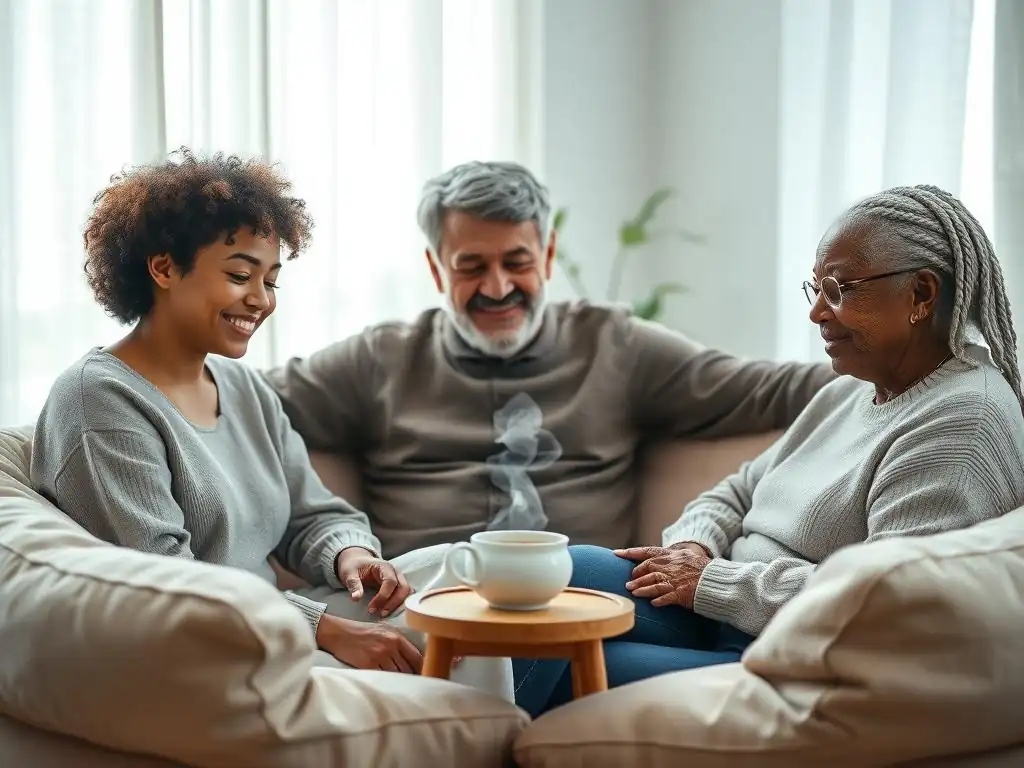
Human beings are social creatures, and strong social connections are fundamental to mental well-being. Building and nurturing a robust support system is a critical, yet often overlooked, natural anxiety relief technique. Knowing you have people you can talk to, who understand and validate your experiences, can significantly reduce feelings of isolation and provide comfort during anxious times. This support system can include family, friends, partners, colleagues, or members of support groups.
Having a reliable support network provides practical help, emotional validation, and a sense of belonging. Sharing your feelings with a trusted friend or family member can help process anxiety and gain perspective. Simply spending time with loved ones, engaging in enjoyable activities together, or receiving encouragement can buffer the effects of stress and anxiety. Actively investing time and effort in maintaining these relationships is a powerful investment in your mental health and a vital component of effective natural anxiety relief.
The Therapeutic Value of Social Interaction
Beyond having a core support system, regular social interaction itself offers significant therapeutic value for individuals managing anxiety. Engaging in social activities, whether joining a club, volunteering, participating in group hobbies, or simply spending time with acquaintances, can help shift focus away from internal worries and connect you with the outside world. Social interaction can stimulate the release of feel-good neurotransmitters and reduce levels of stress hormones.
For those whose anxiety includes social fears, this can be challenging, but gradually increasing social exposure in safe and supportive environments can be a form of behavioral activation, helping to build confidence and reduce avoidance behaviors. Even brief, positive interactions, like chatting with a barista or a neighbor, can have a cumulative positive effect on mood and reduce feelings of loneliness, which often co-occurs with anxiety. Making conscious efforts to integrate social interaction into your routine is a potent, natural anxiety relief technique.
Creating a Personalized Anxiety Relief Plan
Identifying Your Anxiety Triggers
A crucial step in developing an effective natural anxiety relief plan is identifying your specific anxiety triggers. Triggers are situations, thoughts, places, or feelings that tend to initiate or worsen your anxiety symptoms. They can be external, like social situations, work deadlines, or specific environments, or internal, such as certain thought patterns, memories, or physical sensations. Recognizing your triggers allows you to understand when and why your anxiety flares up, providing valuable insight into managing it proactively.
Keeping an anxiety journal can be incredibly helpful in identifying triggers. For a few weeks, note down when you feel anxious, what you were doing, who you were with, where you were, and what thoughts or feelings were present. Look for patterns or recurring themes. For example, you might discover that your anxiety consistently spikes before public speaking, after consuming caffeine, or when you feel overwhelmed by your to-do list. Understanding these patterns is the foundation for implementing targeted natural anxiety relief techniques.
Developing Coping Mechanisms for Anxious Moments
Once you've identified your triggers, the next step is to develop and practice coping mechanisms – specific actions or strategies you can use in the moment to manage rising anxiety. These are your go-to natural anxiety relief techniques when you feel overwhelmed. Effective coping mechanisms can help interrupt the anxiety cycle and prevent it from escalating into a full-blown panic attack or prolonged distress.
Examples of coping mechanisms include the deep breathing exercises discussed earlier, progressive muscle relaxation, grounding techniques (like focusing on your five senses to anchor you to the present moment), using positive affirmations, or engaging in a brief, distracting activity you enjoy, such as listening to a favorite song or taking a short walk. Having a repertoire of these techniques and practicing them regularly, even when not anxious, makes them more accessible and effective when you need them most. Think of them as tools in your natural anxiety relief toolkit.
Combining Natural Techniques for Optimal Results
The most effective natural anxiety relief often comes not from relying on a single method, but from combining several techniques into a comprehensive, personalized plan. Anxiety is complex, and addressing it from multiple angles – lifestyle, mind-body practices, social support, and targeted supplements if appropriate – tends to yield the best results. For instance, someone might find that daily exercise helps reduce baseline anxiety, while mindfulness meditation helps them manage anxious thoughts, and deep breathing provides immediate relief during stressful situations.
Consider which of the natural anxiety relief techniques discussed resonate most with you and seem most feasible to integrate into your daily life. Start small, perhaps by incorporating one new habit like daily deep breathing or a 20-minute walk. Gradually add other techniques as you feel comfortable. Your personalized plan should be flexible and adaptable, evolving as you learn more about what works best for you and as your needs change. The goal is to build sustainable habits that support your long-term mental well-being.
Integrating Natural Anxiety Relief into Your Daily Life
Practical Tips for Long-Term Success
Successfully integrating natural anxiety relief techniques into your daily life requires consistency and commitment. It's not about perfection, but about progress and making these practices a regular part of your routine. Start by scheduling your chosen activities, just as you would any other important appointment. For example, block out time for your morning walk, your midday meditation, or your evening wind-down routine. Consistency helps these practices become habits, requiring less conscious effort over time.
Another practical tip is to make your chosen natural anxiety relief techniques enjoyable. If you dislike jogging, try dancing or hiking. If traditional meditation feels difficult, try walking meditation or a guided body scan. Find ways to make these activities pleasant and rewarding. Also, be patient with yourself.
Reducing anxiety naturally is a process that takes time and effort. There will be days when you feel more anxious or struggle to stick to your plan. Acknowledge these moments without judgment and gently redirect yourself back to your practices. Small, consistent steps lead to significant long-term improvements in managing your anxious mind.
Tracking Your Progress and Adjusting Your Approach
Tracking your progress is an empowering way to see the impact of your natural anxiety relief efforts and identify what is working best for you. You can use a journal, a simple note on your phone, or a dedicated app to record your daily practices (e.g., exercised for 30 mins, meditated for 10 mins, ate a balanced lunch) and your anxiety levels (e.g., on a scale of 1-10) at different points in the day. Note any specific triggers or challenging moments and how you responded.
Reviewing your tracking data periodically allows you to identify correlations between your practices and your anxiety levels. You might notice that on days you prioritize sleep, your anxiety is lower, or that certain foods consistently make you feel more agitated. This information is invaluable for adjusting your personalized natural anxiety relief plan. If a particular technique isn't providing the expected benefits after a consistent effort, consider trying a different approach or modifying the existing one. This iterative process of tracking and adjusting helps you refine your strategies for optimal anxiety reduction and long-term well-being.
When to Seek Professional Help for Anxiety

Recognizing the Signs That You Need Professional Support
While natural anxiety relief techniques can be incredibly effective for many individuals, it's crucial to recognize that they are not a substitute for professional medical or psychological care, especially for moderate to severe anxiety disorders. Knowing when to seek professional support is a sign of strength and self-awareness. If your anxiety symptoms are persistent, significantly interfering with your daily life (work, relationships, sleep, social activities), or causing you significant distress, it's time to consult a healthcare provider.
Other signs that professional help is needed include experiencing panic attacks regularly, having anxious thoughts that are difficult to control, avoiding situations you used to enjoy due to fear, or if you are using unhealthy coping mechanisms (like alcohol or drugs) to manage your anxiety. If you have thoughts of harming yourself, seek immediate professional help or go to the nearest emergency room. A doctor or mental health professional can provide an accurate diagnosis, discuss treatment options including therapy and medication if necessary, and integrate these with your natural anxiety relief efforts for a comprehensive care plan.
Understanding Different Therapy Options for Anxiety
Therapy is a cornerstone of effective anxiety treatment and can significantly enhance the benefits of natural anxiety relief techniques. Various therapeutic approaches have proven efficacy in helping individuals understand and manage anxiety. Cognitive Behavioral Therapy (CBT) is one of the most widely used and researched therapies for anxiety disorders. CBT helps individuals identify and challenge negative thought patterns and behaviors that contribute to anxiety, replacing them with more realistic and helpful ones. Many people experience a significant reduction in anxiety symptoms with CBT, with studies showing improvement rates often exceeding 50-60%.
Other effective therapy options include Exposure Therapy, often used for specific phobias or social anxiety, which involves gradually and safely exposing individuals to their feared situations to reduce avoidance and anxiety responses. Acceptance and Commitment Therapy (ACT) helps individuals accept difficult thoughts and feelings rather than fighting them, while committing to values-based actions. Interpersonal Therapy (IPT) focuses on improving relationships and social functioning, which can impact anxiety. Discussing these options with a mental health professional can help you find the right therapeutic approach to complement your natural anxiety relief strategies.
Conclusion: Empowering Yourself with Natural Anxiety Relief Techniques
Taking Control of Your Mental Well-being
Taking proactive steps to manage your anxiety using proven natural anxiety relief techniques is a powerful way to reclaim control over your mental well-being. By understanding the connection between your lifestyle, mind-body practices, social connections, and anxiety levels, you can implement strategies that build resilience and reduce the impact of anxious feelings. This journey is about empowering yourself with knowledge and practical tools, recognizing that while anxiety may arise, you have the capacity to influence how you experience and respond to it.
Embracing natural anxiety relief means making conscious choices daily that support your nervous system and emotional balance. Whether it's committing to regular movement, nourishing your body with wholesome foods, prioritizing restful sleep, practicing mindfulness, or nurturing your relationships, each step contributes to a calmer, more centered state. Remember that finding the most effective techniques is a personal process, requiring patience, self-compassion, and a willingness to explore different approaches.
Resources for Further Support and Information from Mind Care Guide
Navigating anxiety can be challenging, but you don't have to do it alone. Mind Care Guide is dedicated to providing you with reliable information and support on your journey towards mental well-being. We offer a wealth of resources on various aspects of mental health, including in-depth articles on anxiety disorders, detailed guides on specific natural anxiety relief techniques, and information on seeking professional help.
We encourage you to continue exploring the resources available on the Mind Care Guide website to deepen your understanding of anxiety and discover additional strategies that may benefit you. Remember the importance of consulting with healthcare professionals for diagnosis and treatment, especially if your anxiety is severe or persistent. By combining informed self-care with professional guidance when needed, you can build a comprehensive plan for effective and sustainable natural anxiety relief.
Frequently Asked Questions
What are some natural anxiety relief techniques besides medication?
There are many! Some popular options include mindfulness meditation, regular exercise, and practicing deep breathing exercises to calm the nervous system.
How effective are natural anxiety relief techniques compared to medication?
The effectiveness varies greatly depending on the individual and the severity of their anxiety. Natural techniques often offer a more holistic approach and can be a great supplement, or even an alternative, for mild to moderate anxiety.
Can diet and nutrition play a role in managing anxiety naturally?
Absolutely! A balanced diet rich in whole foods, avoiding processed foods and excessive caffeine, and staying hydrated can significantly impact your mental well-being and reduce anxiety symptoms.
Where can I find resources and support for implementing natural anxiety relief techniques?
"Mind Care Guide" offers a wealth of information and resources, including articles, guides, and support networks. You can also consult with a qualified therapist or mental health professional for personalized guidance.
Are there any potential risks or side effects associated with using natural anxiety relief techniques?
Generally, natural techniques are considered safe. However, it's crucial to consult your doctor before making significant lifestyle changes, especially if you have underlying health conditions. Some herbal remedies may interact with medications.
Final Reflection: Cultivating Calm: A Journey Beyond the Pill
The relentless pace of modern life leaves many of us grappling with anxiety, seeking solace beyond the confines of pharmaceutical solutions. The search for effective, natural anxiety relief is no longer a niche pursuit; it's a widespread need reflecting a growing awareness of the limitations and potential side effects of medication, and a desire for holistic well-being. This growing demand underscores the importance of exploring and understanding the power of natural strategies.
This exploration into natural anxiety relief techniques has been a deeply personal journey, highlighting the interconnectedness of mind, body, and spirit. I've witnessed firsthand the transformative potential of practices like mindfulness, breathwork, and herbal remedies. The journey of understanding and implementing these techniques has not only benefited my own mental health but has also reinforced the importance of self-care in a world that often prioritizes productivity over well-being. The mind is everything. What you think you become.
- Buddha. This quote encapsulates the core message of this article: that by actively shaping our thoughts and actions, we can cultivate a sense of inner peace and resilience in the face of anxiety.
Now, it's your turn. Consider the strategies discussed within this article – from the gentle power of mindful breathing to the grounding effects of nature – and identify which resonate most deeply with you. Begin incorporating even one of these techniques into your daily routine. Start small, be patient with yourself, and remember that the journey towards a calmer, more centered you is a continuous process of self-discovery and self-compassion. Embrace the opportunity to cultivate your own unique path to peace, one mindful breath at a time.
Unlock Your Calm: Practical Steps to a More Peaceful You
Thanks for taking the time to explore natural ways to manage anxiety! We hope you found valuable insights into creating a calmer, more balanced mind. Now it's time to put that knowledge into action.
- Prioritize one simple relaxation technique: Choose from the methods discussed—deep breathing, mindful walking, or progressive muscle relaxation—and commit to practicing it daily for just 5 minutes. This small step can make a big difference.
- Share your experience: Tell us (or a friend!) about your chosen method and how it's impacting your day. Sharing your journey can inspire others and strengthen your commitment.
- Explore a new calming activity: Try something mentioned in the article, or find your own unique way to unwind – perhaps journaling, listening to soothing music, or spending time in nature. Experiment and discover what truly resonates with you.
What small change will you make today to nurture your inner peace?