
CBD for Anxiety: Navigating the Science, Legality, and EvidenceBased Use

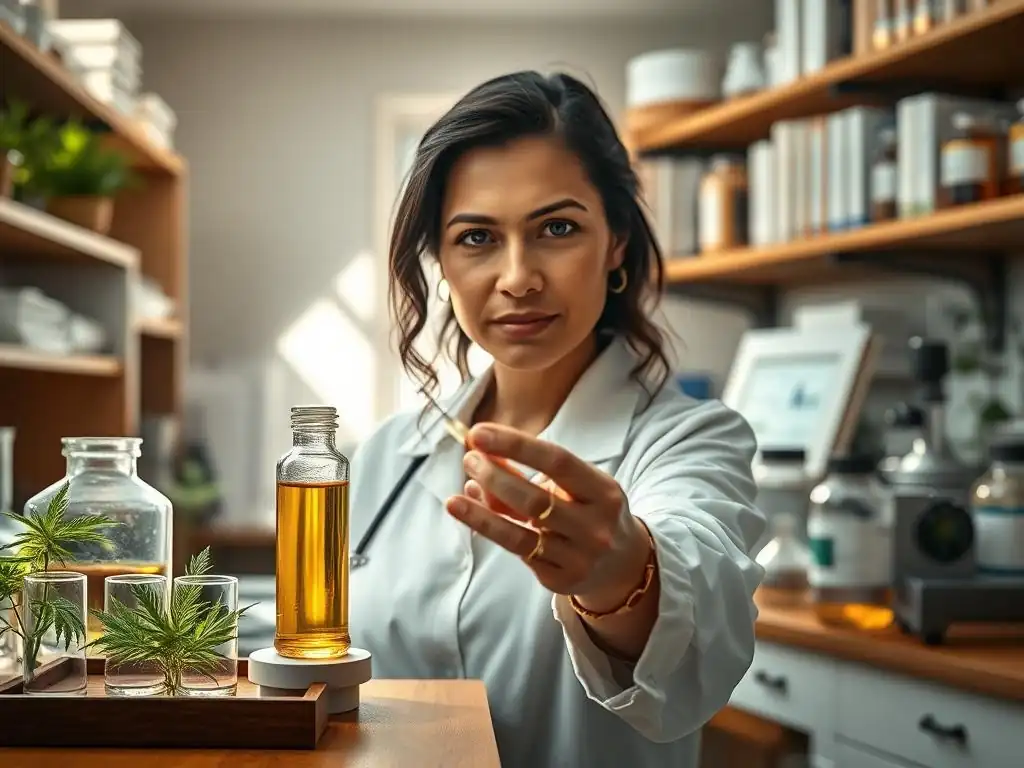
Welcome to Mind Care Guide, a safe space dedicated to understanding and nurturing your mental well-being. Feeling overwhelmed by anxiety? You're not alone. Many are exploring natural options, and our in-depth CBD anxiety relief guide delves into the science, legality, and evidence-based use of CBD for managing anxiety. Uncover the potential benefits and responsible considerations to help you make informed decisions about your mental health journey. Let's explore together...
CBD for Anxiety: A Mind Care Guide
- Understanding CBD and Its Potential for Anxiety Relief
- The Science Behind CBD and Anxiety: Evidence-Based Research
- Is CBD Legal? A Guide to CBD Laws and Regulations
- Choosing the Right CBD Product for Anxiety: A Buyer's Guide
- Using CBD for Anxiety: A Step-by-Step Guide
- Integrating CBD into a Holistic Anxiety Management Plan
- Debunking Myths About CBD and Anxiety
- CBD for Anxiety: A Summary and Conclusion
-
Frequently Asked Questions
- What is CBD and how does it relate to anxiety?
- Is CBD legal to use for anxiety?
- What does the science say about CBD's effectiveness for anxiety?
- Are there any potential side effects or risks associated with using CBD for anxiety?
- Where can I find reliable information and resources about using CBD for anxiety relief?
- Final Reflection: Finding Calm in the CBD Storm
- Unlock Your Calm: Next Steps to Manage Anxiety Naturally
Understanding CBD and Its Potential for Anxiety Relief
What is CBD (Cannabidiol)?
Cannabidiol, commonly known as CBD, is one of over 100 naturally occurring compounds found in the cannabis plant. Unlike its well-known counterpart, delta-9-tetrahydrocannabinol (THC), CBD is non-intoxicating, meaning it does not produce the "high" sensation typically associated with cannabis use. CBD is extracted from industrial hemp plants, which are legally defined as cannabis plants containing 0.3% or less THC by dry weight.
The growing interest in CBD stems from its potential therapeutic properties, particularly its interaction with the body's endocannabinoid system. Research suggests that CBD may influence various physiological processes, including mood regulation, sleep, and stress response. As individuals seek natural approaches for managing stress and anxiety, finding reliable information about CBD for anxiety relief is becoming increasingly important.
CBD vs. THC: Key Differences
The primary distinction between CBD and THC lies in their psychoactive effects. THC is the main psychoactive compound in cannabis, binding directly to cannabinoid receptors (CB1) in the brain and producing euphoria, altered perception, and relaxation, but also potentially inducing anxiety or paranoia in some individuals. CBD, on the other hand, has a much lower affinity for these receptors and does not cause intoxication.
Instead of binding directly, CBD is thought to influence receptors indirectly or interact with other non-cannabinoid receptors and ion channels, such as serotonin receptors (5-HT1A), which play a crucial role in mood and anxiety. This fundamental difference means that while THC can alter consciousness and potentially exacerbate anxiety in some users, CBD is explored specifically for its potential anxiolytic (anxiety-reducing) effects without inducing a high, making it a focus for those seeking a CBD anxiety relief guide.
The Endocannabinoid System (ECS) and Anxiety: How CBD Interacts
The endocannabinoid system (ECS) is a complex cell-signaling system identified in the early 1990s. It plays a vital role in regulating a wide range of functions and processes, including sleep, mood, appetite, memory, and stress response. The ECS consists of three core components: endocannabinoids (molecules produced by your body), cannabinoid receptors (CB1 and CB2), and enzymes that break down endocannabinoids.
While THC directly stimulates CB1 receptors, CBD's interaction with the ECS is more indirect and multifaceted. Studies suggest CBD may influence endocannabinoid levels by inhibiting the enzyme that breaks down anandamide, an endocannabinoid often referred to as the "bliss molecule." By potentially increasing anandamide levels, CBD might help regulate mood and reduce anxiety. Furthermore, CBD's interaction with serotonin receptors (specifically 5-HT1A) is another proposed mechanism for its anxiolytic effects, highlighting its complex role in promoting a sense of calm and potentially offering anxiety relief with CBD.
The Science Behind CBD and Anxiety: Evidence-Based Research
Clinical Studies on CBD for Anxiety: A Review of the Evidence
Research into CBD's effects on anxiety is ongoing, but several studies have shown promising results. A notable study published in the Journal of Clinical Psychology in 2019 investigated the effects of CBD on sleep and anxiety in a clinical population. Out of 72 adults, 47 experienced anxiety and 25 experienced poor sleep. Participants received 25mg of CBD in capsule form daily. After one month, 79.2% of participants reported decreased anxiety scores.
Another significant area of research involves simulated public speaking tests, a common model for inducing social anxiety. A 2011 study published in Neuropsychopharmacology compared the effects of CBD (600 mg) on healthy controls, patients with social anxiety disorder (SAD), and patients with SAD who did not receive treatment. The study found that pre-treatment with CBD significantly reduced anxiety, cognitive impairment, and discomfort in speech performance compared to the placebo group, providing compelling evidence for CBD's potential as part of a CBD anxiety relief guide.
CBD Dosage for Anxiety: What the Research Suggests
Determining an optimal CBD dosage for anxiety is challenging because research has used a wide range of doses, and individual responses can vary significantly based on factors like body weight, metabolism, the severity of anxiety, and the specific CBD product used. Studies have explored doses ranging from as low as 6 mg to as high as 600 mg or more in controlled settings.
For instance, the public speaking study mentioned earlier used a single dose of 600 mg of CBD. The clinical study on sleep and anxiety used a daily dose of 25 mg. Other research has investigated doses like 300 mg for social anxiety. Due to this variability and the lack of standardized guidelines, many experts and users advocate for starting with a low dose (e.g., 5-10 mg) and gradually increasing it while monitoring effects. Finding the right dosage is a key part of effectively using CBD for anxiety relief.
Types of Anxiety Disorders That May Benefit from CBD
Research suggests that CBD may hold potential benefits for various forms of anxiety disorders, although more large-scale, placebo-controlled trials are needed to confirm these effects definitively. The mechanisms by which CBD interacts with the ECS and serotonin receptors could theoretically impact symptoms across different anxiety subtypes.
Exploring the potential application of CBD across the spectrum of anxiety is a critical component of any comprehensive CBD anxiety relief guide. While not a replacement for conventional medical treatment, understanding how CBD might interact with the symptoms of specific disorders can inform discussions between patients and healthcare providers about potential complementary strategies.
CBD for Generalized Anxiety Disorder (GAD)
Generalized Anxiety Disorder (GAD) is characterized by persistent and excessive worry about everyday things. Preclinical animal studies and some human trials suggest CBD may have anxiolytic properties that could potentially help manage the chronic worry and restlessness associated with GAD.
While direct clinical trials specifically focused on GAD using CBD are still emerging, the general findings from studies on stress and anxiety reduction indicate a potential pathway for CBD to modulate the physiological responses linked to excessive worry. This makes CBD a point of interest for individuals navigating the persistent challenges of GAD symptoms.
CBD for Social Anxiety Disorder (SAD)
Social Anxiety Disorder (SAD), or social phobia, involves intense fear of social situations. As noted earlier, research using simulated public speaking models has provided some of the strongest human evidence for CBD's potential in managing anxiety.
Studies like the one showing reduced anxiety and discomfort in SAD patients treated with 600 mg of CBD before public speaking suggest that CBD could potentially help individuals face anxiety-provoking social situations with greater ease. This specific application highlights CBD as a promising area for targeted anxiety relief with CBD.
CBD for Panic Disorder
Panic Disorder is marked by recurrent, unexpected panic attacks. While research is less extensive than for GAD or SAD, some anecdotal reports and preclinical studies suggest CBD's potential calming effects could help reduce the frequency or intensity of panic attacks.
Given CBD's proposed interactions with neural circuits involved in fear and stress responses, it's plausible that it could play a role in modulating the acute physiological arousal characteristic of panic attacks. However, more rigorous clinical trials are needed to evaluate CBD's specific impact on panic disorder symptoms.
CBD for Post-Traumatic Stress Disorder (PTSD)
Post-Traumatic Stress Disorder (PTSD) can develop after experiencing or witnessing a traumatic event, leading to symptoms like intrusive memories, avoidance, negative thoughts, and hyperarousal. Research suggests CBD might help with some PTSD symptoms, particularly sleep disturbances and potentially reducing the frequency of nightmares.
A 2019 study published in the Journal of Alternative and Complementary Medicine examined the effects of orally administered CBD (25-50 mg/day) on PTSD symptoms in 11 patients. The results indicated that CBD was well-tolerated and associated with a decrease in PTSD symptom severity as measured by a clinical scale, suggesting its potential as a complementary treatment approach for anxiety relief alongside other PTSD therapies.
The Potential Benefits of CBD for Anxiety
Based on current research and anecdotal evidence, the potential benefits of using CBD for anxiety relief include reducing subjective feelings of anxiety and worry, calming the nervous system, and potentially improving sleep quality, which is often disrupted by anxiety.
Furthermore, unlike some traditional anti-anxiety medications, CBD is generally considered to have a favorable side effect profile, often described as mild if they occur at all. This makes it an attractive option for individuals seeking alternatives or complementary strategies in their anxiety management plan, contributing to the growing interest in a natural CBD anxiety relief guide.
Is CBD Legal? A Guide to CBD Laws and Regulations
Understanding the legal status of CBD is crucial for anyone considering its use, especially for anxiety relief. The legality of CBD is complex and varies significantly depending on its source and location.
Navigating the legal landscape is a key part of using CBD responsibly. While federal law has created a framework, state laws add layers of complexity that users must be aware of to ensure compliance.
Federal Laws Regarding CBD
In the United States, the legality of CBD changed significantly with the passage of the 2018 Farm Bill. This landmark legislation legalized hemp, defined as cannabis plants containing less than 0.3% THC by dry weight, at the federal level. Consequently, CBD derived from hemp became federally legal.
However, this federal legalization does not mean CBD is unregulated. The Food and Drug Administration (FDA) retains authority over CBD products, particularly concerning their use in foods, beverages, and dietary supplements, and prohibits making unsubstantiated health claims. The FDA has expressed concerns about the lack of safety data and regulatory oversight for many CBD products on the market.
State-Specific CBD Laws
Despite federal legalization of hemp-derived CBD, individual states have the authority to enact their own laws regarding its cultivation, processing, distribution, and sale. While most states have aligned with federal law, some have stricter regulations or require specific licensing.
For example, some states may have additional labeling requirements, testing mandates, or restrictions on certain forms of CBD products. A few states initially had stricter laws but have since loosened them to comply with the 2018 Farm Bill. It is essential for consumers to research the specific CBD laws in their state before purchasing or using products, especially if they are seeking CBD for anxiety relief.
Purchasing CBD Legally
Purchasing CBD legally requires ensuring the product is derived from hemp and contains less than the federal limit of 0.3% THC. Reputable manufacturers often provide third-party lab reports (Certificates of Analysis - CoA) that verify the product's cannabinoid content, including THC levels, and check for contaminants.
Consumers should purchase CBD from established retailers or online vendors who are transparent about their sourcing, manufacturing processes, and lab testing. Understanding these details helps ensure the product is not only legal but also safe and contains the advertised amount of CBD, which is vital for anyone following a CBD anxiety relief guide.
Choosing the Right CBD Product for Anxiety: A Buyer's Guide
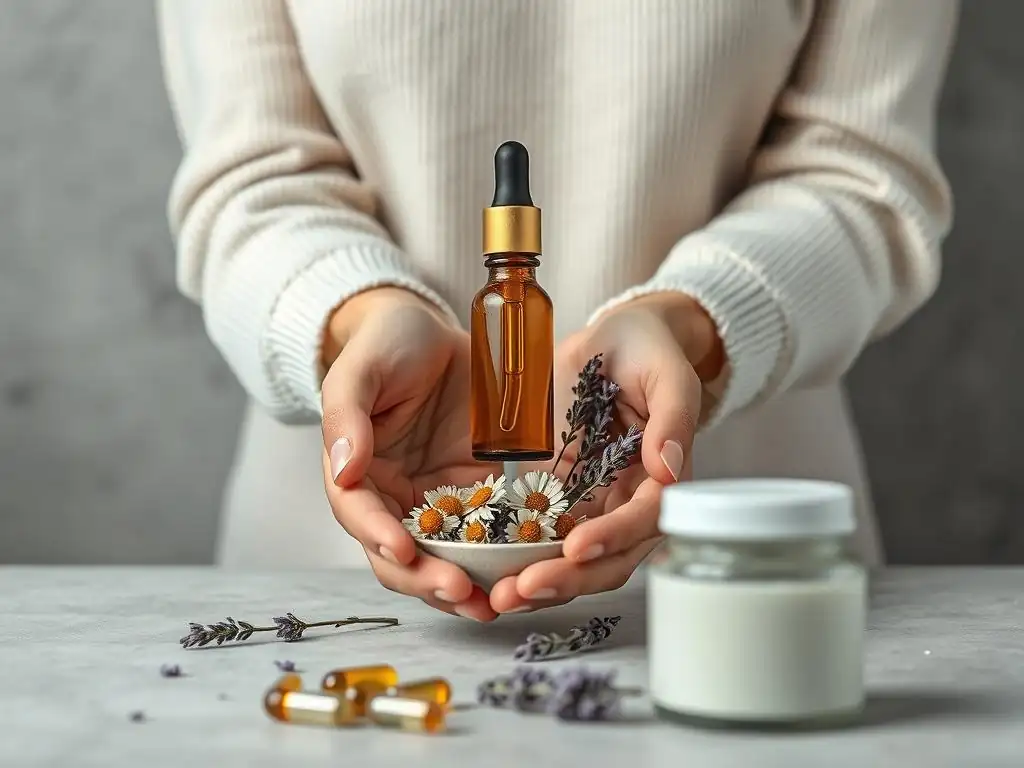
Selecting the appropriate CBD product is a critical step in effectively using CBD for anxiety relief. The market offers a wide variety of options, differing in their composition, administration method, and overall effect profile.
Making an informed choice involves understanding the different types of CBD extracts and product forms available and considering personal preferences and needs. This buyer's guide aims to clarify these distinctions.
Full-Spectrum vs. Broad-Spectrum vs. CBD Isolate
CBD products are typically categorized into three main types based on their cannabinoid and compound profiles:
- Full-Spectrum CBD: Contains a wide range of cannabinoids naturally found in the hemp plant, including CBD, minor cannabinoids (like CBG, CBN, CBC), terpenes, flavonoids, and trace amounts of THC (below the 0.3% legal limit). The presence of multiple compounds is believed to create an "entourage effect," where the compounds work synergistically to enhance therapeutic benefits.
- Broad-Spectrum CBD: Similar to full-spectrum but has undergone additional processing to remove detectable levels of THC while retaining other beneficial cannabinoids and terpenes. This option is suitable for individuals who want the potential benefits of the entourage effect without any THC.
- CBD Isolate: The purest form of CBD, containing 99% or more pure CBD with all other plant compounds removed. It contains no THC. While it lacks the potential entourage effect, it is ideal for those who require absolutely no THC or prefer a tasteless, odorless product.
For anxiety relief, some users report better results with full-spectrum or broad-spectrum products due to the potential entourage effect, though isolate can also be effective for many.
CBD Oil vs. Capsules vs. Edibles vs. Topicals
CBD is available in numerous product forms, each offering different benefits regarding onset time, duration, and convenience:
- CBD Oils/Tinctures: Taken sublingually (under the tongue). This method allows CBD to be absorbed directly into the bloodstream via capillaries, offering relatively fast effects (typically within 15-45 minutes). Dosage can be easily adjusted drop by drop.
- CBD Capsules/Softgels: Swallowed orally. These offer precise, pre-measured doses and are convenient for daily use. Effects take longer to appear (30-90 minutes) as the CBD must pass through the digestive system and liver, and bioavailability may be lower.
- CBD Edibles: Gummies, chocolates, beverages, etc. Like capsules, edibles are metabolized through the digestive system, resulting in delayed onset but potentially longer-lasting effects. Dosage is pre-set per serving.
- CBD Topicals: Creams, balms, lotions applied to the skin. Primarily used for localized effects (e.g., muscle soreness) and generally do not enter the bloodstream in significant amounts, making them less suitable for systemic anxiety relief.
For systemic anxiety relief, oils/tinctures, capsules, and edibles are the most commonly used forms, with sublingual oils often preferred for faster onset.
Important Factors to Consider When Buying CBD
When purchasing CBD products for anxiety relief, several factors are crucial to ensure quality, safety, and effectiveness:
- Source of Hemp: Look for products made from organically grown hemp cultivated in the USA, as domestic regulations are often stricter, and organic farming reduces the risk of pesticides.
- Extraction Method: CO2 extraction is considered the gold standard, as it is clean, efficient, and leaves no harmful solvent residues.
- Third-Party Lab Testing: Always check for readily available Certificates of Analysis (CoA) from an accredited third-party lab. The CoA should verify the cannabinoid content (CBD, THC levels), and test for contaminants like heavy metals, pesticides, and mold.
- Ingredients List: Review the full list of ingredients to avoid artificial additives, excessive fillers, or allergens. For oils, check the carrier oil (e.g., MCT oil, hemp seed oil).
- Brand Reputation: Research the company's reputation, read customer reviews, and look for transparency in their processes and sourcing.
- Potency: Understand the total CBD content in the product (e.g., 500 mg per bottle) and the concentration per serving (e.g., 25 mg per dropper or capsule) to determine the appropriate dosage.
Considering these factors is essential for choosing a safe and effective product as part of your CBD anxiety relief guide.
Using CBD for Anxiety: A Step-by-Step Guide
Once you have chosen a quality CBD product, incorporating it into your routine for anxiety relief requires a mindful approach. It's important to remember that CBD is not a magic bullet and individual responses can vary.
This guide outlines a common approach to starting and using CBD effectively, focusing on gradual implementation and observation.
Starting with a Low Dose
The principle of "start low and go slow" is widely recommended for using CBD for anxiety. Due to the variability in individual responses and the lack of standardized dosing guidelines, beginning with a minimal dose allows you to gauge your body's reaction.
A common starting dose might be 5-10 mg of CBD per day. Maintain this dose for several days (e.g., 3-7 days) to see how you feel. If you do not experience the desired effects, you can gradually increase the dose by a small amount (e.g., 5 mg) and repeat the process. This titration method helps you find the minimum effective dose for your specific needs, which is a key part of any personal CBD anxiety relief guide.
How to Administer CBD
The method of administration depends on the product form you chose:
- Sublingual (Oils/Tinctures): Place the desired number of drops or amount of oil under your tongue using the dropper. Hold it there for 30-60 seconds before swallowing. This allows for absorption through the mucous membranes, leading to faster effects.
- Oral (Capsules/Edibles): Swallow capsules with water or consume edibles as directed. These must pass through the digestive system, so effects will be slower but potentially longer-lasting.
- Inhalation (Vaping - Use with caution): While vaping offers the fastest onset of effects (within minutes), it is generally not recommended by health professionals due to potential risks associated with inhaling heated oils and additives. This method is less common for general anxiety management compared to oral or sublingual use.
Choose the method that best fits your lifestyle and desired onset time, keeping in mind the differences in how the body processes each form.
Monitoring Your Progress
Keeping track of your experience when using CBD for anxiety is crucial for determining its effectiveness and finding the right dose. Consider keeping a journal to record:
- The date and time you took CBD.
- The dose taken (in mg).
- The product used (type, brand, potency).
- Your anxiety levels before taking CBD (e.g., on a scale of 1-10).
- Your anxiety levels after taking CBD and how long it took to feel an effect.
- Any changes in specific symptoms (e.g., worry, physical tension, sleep).
- Any side effects experienced.
Reviewing this journal over time can help you identify patterns, understand what dose works best for you, and determine if CBD is providing meaningful anxiety relief.
Potential Side Effects of CBD
While generally well-tolerated, CBD can cause side effects in some individuals, particularly at higher doses. These are usually mild and may include:
- Drowsiness or fatigue
- Dry mouth
- Diarrhea
- Changes in appetite
- Changes in weight
If you experience side effects, lowering the dose or discontinuing use may help. It's always advisable to consult with a healthcare professional before starting CBD, especially if you have pre-existing health conditions or are taking other medications.
CBD Drug Interactions
CBD can interact with certain medications. This is because CBD is metabolized by enzymes in the liver, primarily the cytochrome P450 (CYP450) enzyme system. CBD can inhibit or induce these enzymes, potentially affecting how your body processes other drugs that are also metabolized by this system.
Medications commonly affected include blood thinners (like warfarin), certain antidepressants, anti-epileptic drugs, and some heart medications. Taking CBD alongside these medications could alter their concentration in your bloodstream, potentially making them more or less effective or increasing the risk of side effects. Always discuss CBD use with your doctor or pharmacist to check for potential interactions, ensuring safety while exploring CBD for anxiety relief.
Integrating CBD into a Holistic Anxiety Management Plan
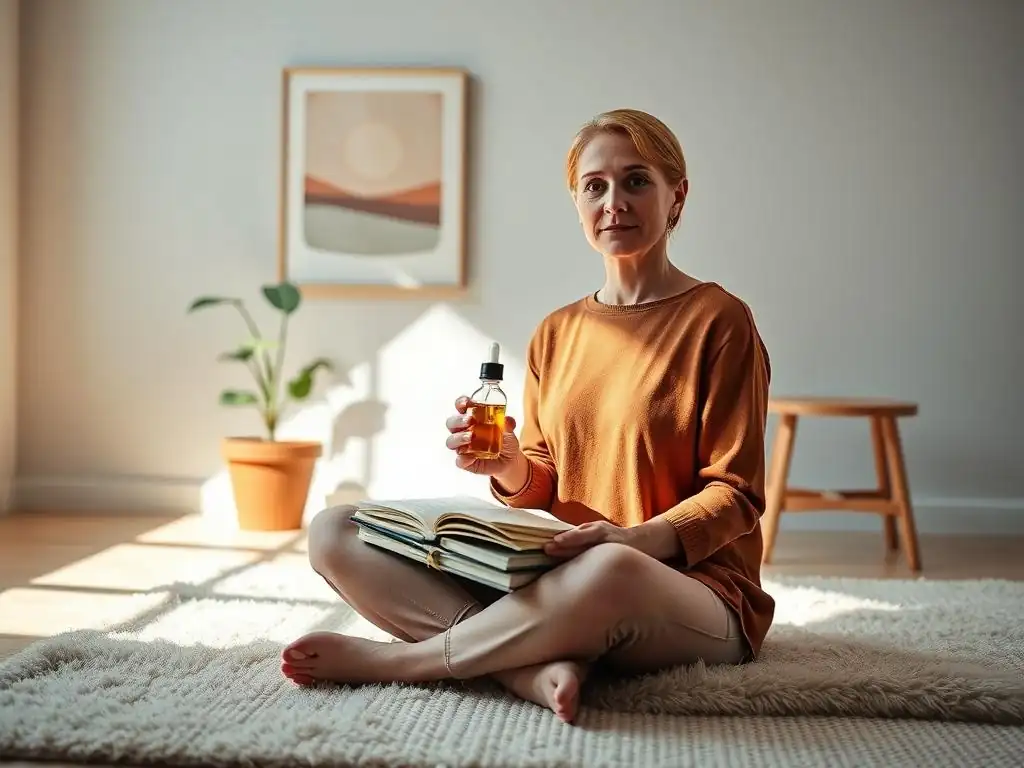
CBD should generally be viewed as a complementary tool within a broader, holistic approach to managing anxiety, rather than a standalone cure. Effective anxiety relief often involves addressing multiple facets of well-being.
Combining CBD with other proven strategies can potentially enhance its benefits and contribute to more sustainable mental wellness. A comprehensive CBD anxiety relief guide emphasizes this integrated perspective.
Combining CBD with Other Natural Remedies for Anxiety
Many individuals find combining CBD with other natural remedies beneficial. For instance, mindfulness and meditation practices, herbal supplements like chamomile or passionflower (used cautiously and ideally under guidance), and aromatherapy with essential oils like lavender are often used alongside CBD.
Regular physical activity, such as walking, yoga, or aerobic exercise, is also a powerful natural anxiety reducer that can complement the effects of CBD. While research on the specific interactions between CBD and other natural remedies is limited, using them together as part of a balanced routine may support overall calm and well-being.
The Importance of Therapy and Counseling for Anxiety
Therapy and counseling, particularly cognitive-behavioral therapy (CBT) and exposure therapy, are considered gold standards for treating anxiety disorders. These evidence-based approaches help individuals identify and change negative thought patterns and behaviors that contribute to anxiety.
CBD should not replace professional mental health support. Instead, it may potentially serve as an adjunct to therapy, helping to manage symptoms like persistent worry or sleep disturbances, which might make engaging in therapeutic work easier for some individuals. A responsible CBD anxiety relief guide encourages seeking professional help.
Lifestyle Changes That Can Enhance CBD's Effects on Anxiety
Certain lifestyle modifications can significantly impact anxiety levels and potentially enhance the benefits of CBD. These include:
- Maintaining a Consistent Sleep Schedule: Aim for 7-9 hours of quality sleep per night.
- Adopting a Balanced Diet: Focus on whole foods, limit caffeine and sugar, which can exacerbate anxiety symptoms.
- Managing Stress: Incorporate stress-reducing techniques like deep breathing exercises, meditation, or hobbies.
- Limiting Alcohol and Substance Use: These can interfere with sleep, mood, and potentially CBD's effects.
- Building a Strong Support System: Connect with friends, family, or support groups.
Integrating CBD into a life that prioritizes these foundational elements of health can contribute to more effective and lasting anxiety relief.
Debunking Myths About CBD and Anxiety
Misinformation surrounding CBD is common, leading to confusion and unrealistic expectations. Addressing popular myths is essential for anyone seeking accurate information in a CBD anxiety relief guide.
Separating fact from fiction helps users make informed decisions and understand what CBD can and cannot do for anxiety.
Myth: CBD is a Cure for Anxiety
Fact: CBD is not a cure for anxiety disorders. Anxiety is a complex condition influenced by genetic, environmental, and psychological factors. While research suggests CBD may help manage certain anxiety symptoms and promote a sense of calm for some individuals, it does not address the underlying causes of anxiety.
Viewing CBD as a potential tool for symptom management, rather than a cure, is a more realistic and helpful perspective. Effective long-term anxiety management often requires a multi-faceted approach involving therapy, lifestyle changes, and potentially conventional medication under medical supervision.
Myth: CBD Will Get You High
Fact: High-quality CBD products derived from hemp containing less than 0.3% THC will not cause intoxication or a "high." THC is the psychoactive compound responsible for the euphoric effects of cannabis. CBD is non-intoxicating.
While some full-spectrum products contain trace amounts of THC, the concentration is too low to produce psychoactive effects in most people. Broad-spectrum and isolate products contain no detectable THC. The primary effect reported with CBD is a sense of relaxation or calm, not intoxication.
Myth: All CBD Products Are Created Equal
Fact: The quality, purity, and potency of CBD products vary significantly across brands. Factors like the source of hemp, extraction methods, manufacturing practices, and third-party testing play a huge role in the final product.
Some products may contain less CBD than advertised, contain more THC than legally allowed, or be contaminated with pesticides, heavy metals, or solvents. This is why choosing products from reputable brands that provide transparent third-party lab reports is crucial, especially when seeking reliable CBD for anxiety relief.
Myth: CBD is Addictive
Fact: Research and clinical evidence suggest that CBD is not addictive and does not produce dependence in the same way as substances like opioids or THC. The World Health Organization (WHO) stated in a 2018 report that "In humans, CBD exhibits no effects indicative of any abuse or dependence potential... CBD is well tolerated and has a good safety profile."
While some individuals may incorporate CBD into their daily routine, this is related to managing symptoms rather than a compulsive need driven by addiction.
CBD for Anxiety: A Summary and Conclusion
Exploring CBD as a potential aid for anxiety relief is a journey that involves understanding the science, navigating the legal landscape, and making informed choices about products and usage. While research is still evolving, existing studies and anecdotal evidence offer promising insights into CBD's potential role in managing anxiety symptoms.
A comprehensive CBD anxiety relief guide highlights the importance of a balanced perspective, recognizing CBD as a potential complementary tool rather than a standalone solution.
The Future of CBD Research in Mental Health
The field of CBD research in mental health is rapidly expanding. Scientists are actively investigating CBD's mechanisms of action, optimal dosing for specific conditions, potential long-term effects, and interactions with other treatments.
Future research, including large-scale randomized controlled trials, is needed to provide more definitive evidence and establish clinical guidelines for using CBD for various anxiety disorders. As understanding grows, the role of CBD in mental health care may become clearer and more integrated.
Is CBD Right for You?
Deciding whether to try CBD for anxiety is a personal decision that should ideally be made in consultation with a healthcare professional. They can provide guidance based on your specific health history, current medications, and anxiety symptoms.
While many people report positive experiences with CBD for anxiety relief, it may not be effective for everyone. It's important to have realistic expectations and be prepared to explore other treatment options if CBD does not provide the desired benefits.
Resources for Further Learning About CBD and Anxiety
For those seeking to deepen their understanding, numerous resources are available. Reputable sources include scientific journals publishing clinical studies on CBD, government health organizations (like the NIH or FDA, keeping in mind their regulatory perspective), and educational websites from established medical institutions.
Consulting with healthcare providers knowledgeable about cannabis-based medicines can also provide valuable, personalized insights as you navigate options for anxiety relief, including the potential role of CBD.
Frequently Asked Questions
What is CBD and how does it relate to anxiety?
CBD, or cannabidiol, is a non-psychoactive compound found in cannabis. Some research suggests it may offer anxiety relief by interacting with the brain's serotonin receptors, but more studies are needed.
Is CBD legal to use for anxiety?
The legality of CBD varies by location. Generally, CBD derived from hemp with less than 0.3% THC is legal at the federal level in the US, but state laws can differ significantly. It's crucial to check your local regulations.
What does the science say about CBD's effectiveness for anxiety?
Research on CBD for anxiety is ongoing. Some studies show promising results in reducing anxiety symptoms, particularly in social anxiety disorder, but more rigorous, large-scale trials are needed to confirm these findings.
Are there any potential side effects or risks associated with using CBD for anxiety?
CBD is generally considered safe, but potential side effects include drowsiness, dry mouth, and changes in appetite. It can also interact with certain medications, so consulting a doctor is essential before use.
Where can I find reliable information and resources about using CBD for anxiety relief?
Mind Care Guide offers a comprehensive CBD anxiety relief guide with information, support, and resources. Always seek evidence-based information from reputable sources and consult with a healthcare professional.
Final Reflection: Finding Calm in the CBD Storm
The search for effective, natural anxiety relief is more urgent than ever, and the burgeoning CBD market reflects this widespread need. While promising, the landscape surrounding CBD's use for anxiety is complex, fraught with misinformation and inconsistent regulation. This article aimed to cut through the noise, providing a clear, evidence-based guide for navigating this rapidly evolving field.
The journey to understanding CBD's role in anxiety management has been a fascinating exploration of both scientific progress and cultural shifts. We've witnessed a growing acceptance of alternative therapies, a reflection of a society increasingly seeking holistic approaches to mental wellness. Yet, this very acceptance highlights the crucial need for responsible information dissemination. The greatest danger in times of turbulence is not the turbulence; it is to act with yesterday's logic.
– Ray Dalio. This quote underscores the importance of staying informed and adapting our understanding as new research emerges and regulations evolve.
Now, it's your turn. Consider what you've learned about CBD and its potential role in your own well-being. Don't just passively consume information; actively engage with it. Research further, consult with healthcare professionals, and prioritize informed decision-making. Your journey towards finding calm and managing anxiety is a personal one, and this guide is simply a starting point. Embrace the opportunity to take control of your mental health, and remember that seeking help and exploring different avenues for relief is a sign of strength, not weakness.
Unlock Your Calm: Next Steps to Manage Anxiety Naturally
Thanks for taking the time to explore the world of CBD and anxiety with us! We hope you gained valuable insights into its potential benefits and considerations. Now, it's time to take action and integrate these learnings into your wellness journey.
- Prioritize a consultation: Schedule a consultation with your doctor to discuss whether CBD is a suitable option for your anxiety management plan. This is crucial for personalized guidance and safety.
- Explore reputable CBD brands: Research and discover trusted sources of high-quality CBD products, ensuring third-party lab testing and transparency. This step ensures you’re using safe and effective products.
- Share your experience: Join our community on social media and share your thoughts and experiences with CBD for anxiety. Your insights can help others on their journey!
Ready to take control of your anxiety and discover a more peaceful you? What's the first step you'll take toward incorporating CBD into your self-care routine?