
Dosage Guide: Using Evidence to Determine Proper Dosing for Natural Remedies


Welcome to Mind Care Guide, a sanctuary for your well-being.
Feeling overwhelmed by anxiety and seeking gentler paths to relief? You're not alone. Many are exploring the potential of natural remedies, but understanding the right dosage can be confusing. Our Natural Remedies Dosage Guide cuts through the noise, providing evidence-based insights to help you make informed decisions. Curious about finding the right balance for your mental well-being? Let's explore together...
- Natural Remedies Dosage Guide: Evidence-Based Approaches for Anxiety Relief
- Understanding the Importance of Proper Dosage in Natural Anxiety Treatments
-
Top Natural Remedies for Anxiety: Dosage Guidelines Based on Research
- Ashwagandha Dosage for Anxiety: Benefits and Scientific Evidence
- L-Theanine Dosage for Anxiety: Promoting Relaxation and Focus
- Chamomile Dosage for Anxiety: Calming Effects and Sleep Improvement
- Lavender Dosage for Anxiety: Aromatherapy and Oral Supplements
- Magnesium Dosage for Anxiety: Natural Calming Agent
- Determining Your Ideal Dosage: A Step-by-Step Guide
- Risks and Considerations When Using Natural Remedies for Anxiety
- Optimizing Your Natural Remedy Regimen for Anxiety
- Conclusion: Empowering Your Mental Well-being with Informed Dosage of Natural Remedies
-
Frequently Asked Questions
- What is the general aim of a Dosage Guide for natural remedies?
- How does the "Dosage Guide" from Mind Care Guide approach the topic of natural remedy dosages?
- Why is determining the correct dosage important when using natural remedies?
- Where can I find the "Dosage Guide" and related resources on Mind Care Guide?
- What should I do if I experience adverse effects after taking a natural remedy based on the Dosage Guide?
- Final Reflection: Navigating the Wild West of Natural Remedies
- Unlock Your Natural Remedy Potential: Find Your Perfect Dose
Natural Remedies Dosage Guide: Evidence-Based Approaches for Anxiety Relief
Many individuals seek complementary approaches to manage anxiety, and natural remedies often emerge as a popular option. While these substances are derived from nature, understanding proper dosage is paramount. Just like conventional medications, natural remedies can have varying effects depending on the amount taken, influencing both their effectiveness in reducing anxiety symptoms and their potential for side effects. This natural remedies dosage guide aims to provide an evidence-based overview to help you navigate this landscape responsibly.
Exploring natural options for anxiety relief requires a thoughtful and informed approach. It's not simply a matter of "more is better" or assuming that because something is natural, it is inherently without risk. Effective use hinges on understanding the typical dosages supported by scientific research and recognizing that individual responses can differ significantly. This guide will delve into the importance of dosage, factors influencing it, and provide specific, evidence-informed insights into the dosing of several popular natural remedies used for anxiety.
Understanding the Importance of Proper Dosage in Natural Anxiety Treatments
Why Dosage Matters: Safety and Efficacy of Natural Remedies
The dosage of a natural remedy directly impacts its concentration in the body, which in turn determines its potential therapeutic effects and risks. Taking too little might result in no noticeable improvement in anxiety symptoms, leading to the conclusion that the remedy is ineffective when the issue is simply insufficient exposure. Conversely, taking too much can increase the likelihood of adverse reactions, ranging from mild digestive upset to more serious complications, depending on the substance. For instance, excessive doses of certain calming herbs could lead to excessive drowsiness or interact negatively with other substances.
Proper dosing, guided by research and traditional use, aims to find the "sweet spot" where the beneficial effects on anxiety are maximized while minimizing potential risks. This delicate balance is crucial for achieving the desired outcome – a reduction in anxiety symptoms – safely and effectively. Without adherence to established dosage guidelines, even well-studied natural remedies can become unpredictable in their outcome, potentially causing harm or simply wasting time and resources without providing relief. This highlights why a reliable natural remedies dosage guide is a vital resource.
Factors Influencing Natural Remedy Dosage: A Personalized Approach
Determining the correct dosage for a natural remedy is not a one-size-fits-all process. Several personal factors can significantly influence how your body processes and responds to a substance. These include your age, body weight, overall health status, metabolism, and genetic makeup. What might be an effective and safe dose for a young, healthy adult could be too strong or metabolically different for an older individual or someone with pre-existing liver or kidney conditions.
Furthermore, the severity of your anxiety symptoms can also play a role, although starting with a lower dose is generally recommended regardless of symptom intensity. The specific form of the natural remedy (e.g., extract, tea, tincture, capsule) and its concentration can also dramatically affect the appropriate dose. A concentrated extract will require a much smaller dose than a tea made from the same plant. This complexity underscores the need for personalized consideration when using a natural remedies dosage guide.
The Role of Evidence in Determining Safe and Effective Doses
Scientific evidence, primarily from clinical trials and pharmacological studies, provides the most reliable basis for establishing safe and effective dosage ranges for natural remedies. Researchers investigate how different doses affect the body, measure therapeutic outcomes (like reduced anxiety scores), and monitor for side effects. This evidence helps identify dose-response relationships – how the effects change as the dose increases – and determine a therapeutic window where benefits are likely without excessive risk.
For example, studies on ashwagandha often identify specific extract concentrations and dosages (e.g., 300-600 mg of a root extract standardized to certain levels of active compounds like withanolides) that show significant reductions in stress and anxiety markers compared to placebo. Relying on such research, rather than anecdotal reports or generalized recommendations, is critical for making informed decisions about dosing. A comprehensive natural remedies dosage guide should ideally be rooted in this scientific understanding.
Top Natural Remedies for Anxiety: Dosage Guidelines Based on Research
Ashwagandha Dosage for Anxiety: Benefits and Scientific Evidence
Ashwagandha (Withania somnifera) is an adaptogenic herb widely used in Ayurvedic medicine, gaining popularity for its stress and anxiety-reducing properties. Research suggests that ashwagandha may help modulate the body's stress response system, including the hypothalamic-pituitary-adrenal (HPA) axis, and may influence neurotransmitters like GABA. Multiple clinical trials have demonstrated its efficacy in reducing stress and anxiety symptoms in adults. For instance, a 2019 systematic review and meta-analysis of 12 studies found that ashwagandha supplementation significantly reduced stress and anxiety levels compared to placebo.
The specific benefits observed in studies often depend on the dosage and the form of the extract used. Standardized root extracts, particularly those concentrated for active compounds called withanolides (often around 2.5% to 5%), are commonly studied. These extracts are believed to be more potent and consistent than raw powder. Studies have shown improvements in perceived stress scales, cortisol levels, and anxiety symptom scores with consistent use over several weeks or months.
Recommended Ashwagandha Dosage for Anxiety Reduction
Based on the available clinical evidence, a common and often effective dosage range for ashwagandha root extract standardized to withanolides is typically between 300 mg and 600 mg per day. This dose is often divided into two equal doses (e.g., 300 mg in the morning and 300 mg in the evening).
Some studies have used doses as low as 250 mg daily or as high as 1,250 mg daily, but the 300-600 mg range is frequently cited as effective for anxiety and stress reduction with a favorable safety profile in many individuals. It is important to note that the full benefits may take several weeks (e.g., 4-8 weeks) to become noticeable with consistent daily use at the appropriate dosage.
When considering an ashwagandha dosage for anxiety, always check the product label for the standardization percentage of withanolides and calculate the required amount to reach the studied dosage range. For example, if a capsule contains 500 mg of extract standardized to 2.5% withanolides, it provides 12.5 mg of withanolides per capsule. To reach a therapeutic dose of, say, 30 mg of withanolides per day (a level sometimes associated with benefits in studies), you would need to take approximately 2-3 capsules depending on the product concentration. This focus on active compounds is key in a detailed natural remedies dosage guide.
Potential Side Effects and Precautions
Ashwagandha is generally considered safe for most people when taken at recommended dosages for up to a few months. The most commonly reported side effects are mild and may include stomach upset, diarrhea, or nausea. These effects are often transient and may be mitigated by taking the supplement with food. In rare cases, higher doses might cause drowsiness.
Individuals with certain medical conditions, such as autoimmune diseases (like rheumatoid arthritis, lupus, or Hashimoto's thyroiditis), or thyroid disorders, should exercise caution and consult a healthcare provider before using ashwagandha, as it may stimulate the immune system or affect thyroid hormone levels. Pregnant or breastfeeding women should also avoid ashwagandha due to insufficient safety data. Always discuss ashwagandha use with a healthcare professional, especially if you are taking other medications or have underlying health concerns, to ensure its suitability and determine the right ashwagandha dosage for anxiety in your specific case.
L-Theanine Dosage for Anxiety: Promoting Relaxation and Focus
L-Theanine is an amino acid naturally found primarily in tea leaves, particularly green tea. It is known for its ability to promote relaxation without causing drowsiness, making it unique among natural anxiolytics. Research suggests L-Theanine affects brain wave activity, increasing alpha waves associated with a relaxed, alert mental state.
It may also influence neurotransmitters like GABA, serotonin, and dopamine, contributing to its calming effects. Numerous studies have explored L-Theanine's impact on stress and anxiety, often showing a reduction in subjective stress responses and physiological markers like heart rate under stressful conditions. A 2019 review highlighted its potential to improve stress-related symptoms and cognitive function.
One of the attractive aspects of L-Theanine is its relatively rapid onset of action compared to some other natural remedies, with effects potentially noticeable within 30 minutes to an hour after ingestion. This makes it suitable for both daily anxiety management and as-needed use during acute stressful situations. Its synergy with caffeine, also found in tea, is notable; L-Theanine can help mitigate the jittery side effects of caffeine while maintaining focus and alertness, a combination studied for its cognitive benefits. Understanding this synergy is part of a comprehensive natural remedies dosage guide.
Optimal L-Theanine Dosage for Anxiety Relief
Studies investigating L-Theanine for anxiety and stress reduction commonly use dosages ranging from 50 mg to 200 mg. A typical starting point for anxiety relief is often 100 mg, taken as needed or once or twice daily. Some individuals may find higher doses, such as 200 mg, more effective, particularly during periods of increased stress or for more pronounced anxiety symptoms. Research suggests that doses up to 400 mg per day are generally well-tolerated and considered safe.
For acute anxiety or stressful events, a single dose of 100-200 mg may be taken. For general anxiety management, daily supplementation at a dose of 100-200 mg, potentially split throughout the day, is often explored. The optimal L-Theanine dosage for anxiety can vary based on individual sensitivity and the desired effect. It's generally recommended to start at the lower end of the range and gradually increase if needed while monitoring your response.
L-Theanine Safety Profile and Interactions
L-Theanine has an excellent safety profile and is generally considered very safe for most adults when taken within the recommended dosage ranges. Side effects are rare and typically mild, with no significant adverse reactions reported in most studies. Its safety has contributed to its popularity as a natural supplement for stress and anxiety.
There are no well-established significant interactions between L-Theanine and common medications. However, because it can promote relaxation, there is a theoretical possibility that it could enhance the effects of sedative medications or supplements. Conversely, it might theoretically reduce the effects of stimulant medications, although these interactions are not clinically confirmed. As always, it is prudent to consult with a healthcare provider before taking L-Theanine, especially if you are on prescription medication, to ensure it is appropriate for you and to confirm the right L-Theanine dosage for anxiety.
Chamomile Dosage for Anxiety: Calming Effects and Sleep Improvement
Chamomile, particularly German chamomile (Matricaria recutita), is a well-known herb traditionally used for its calming properties and digestive benefits. Its anxiolytic effects are primarily attributed to compounds like apigenin, which may bind to GABA receptors in the brain, similar to how some anti-anxiety medications work, albeit with a much milder effect. Research supports chamomile's use for mild to moderate anxiety symptoms. For instance, a study published in the Journal of Clinical Psychopharmacology found that a standardized chamomile extract significantly reduced symptoms in patients with generalized anxiety disorder (GAD) compared to placebo over an 8-week period.
Beyond its direct effects on anxiety, chamomile is also frequently used to improve sleep quality, which is often disrupted by anxiety. Its gentle sedative properties can help calm the nervous system, making it easier to fall asleep and stay asleep. This dual benefit makes it a popular natural remedy for individuals experiencing anxiety-related sleep disturbances. Its long history of safe use as a tea contributes to its perception as a gentle option in a natural remedies dosage guide.
Effective Chamomile Dosage for Anxiety Management
The effective chamomile dosage for anxiety varies significantly depending on the form used. Chamomile tea is perhaps the most common method of consumption. For anxiety relief, drinking several cups of strong chamomile tea throughout the day is often recommended. A typical dose for tea is using 2-4 grams of dried chamomile flowers per cup, steeped for 5-10 minutes. Consuming 2-3 cups daily may provide a noticeable calming effect for some individuals.
For more concentrated effects, standardized chamomile extracts are available in capsule or tincture form. The dosage for these extracts is typically based on the concentration of active compounds like apigenin. Studies using a specific standardized extract (e.g., containing 1.2% apigenin) have used dosages ranging from 220 mg to 1100 mg per day. For example, the study on GAD patients mentioned earlier used a dose of 220-1100 mg daily of a specific extract. Following the dosage instructions on a reputable product based on clinical research is key when using extracts.
Different Forms of Chamomile and Their Dosages
Chamomile is available in various forms, each with its own typical dosage considerations.
- Tea: As mentioned, 2-4 grams of dried flowers per cup, consumed multiple times daily. This is the most traditional and often gentlest form.
- Tincture: Typically taken in drops, the dosage varies greatly by concentration. Follow product instructions, but often 1-4 ml up to three times daily is suggested.
- Capsules/Tablets: Containing dried powder or standardized extract. Dosages for dried powder might be higher (e.g., 1-4 grams per day), while standardized extracts are typically in the 220-1100 mg range daily, depending on the extract type and standardization.
- Liquid Extract: Similar to tinctures, dosage depends on concentration, often measured in milliliters.
When using concentrated forms, it is crucial to check the product's specifications and follow the manufacturer's recommended dosage, ideally one that aligns with dosages used in clinical studies. Starting with a lower dose and observing your response is a prudent approach regardless of the form you choose when consulting a chamomile dosage for anxiety.
Lavender Dosage for Anxiety: Aromatherapy and Oral Supplements
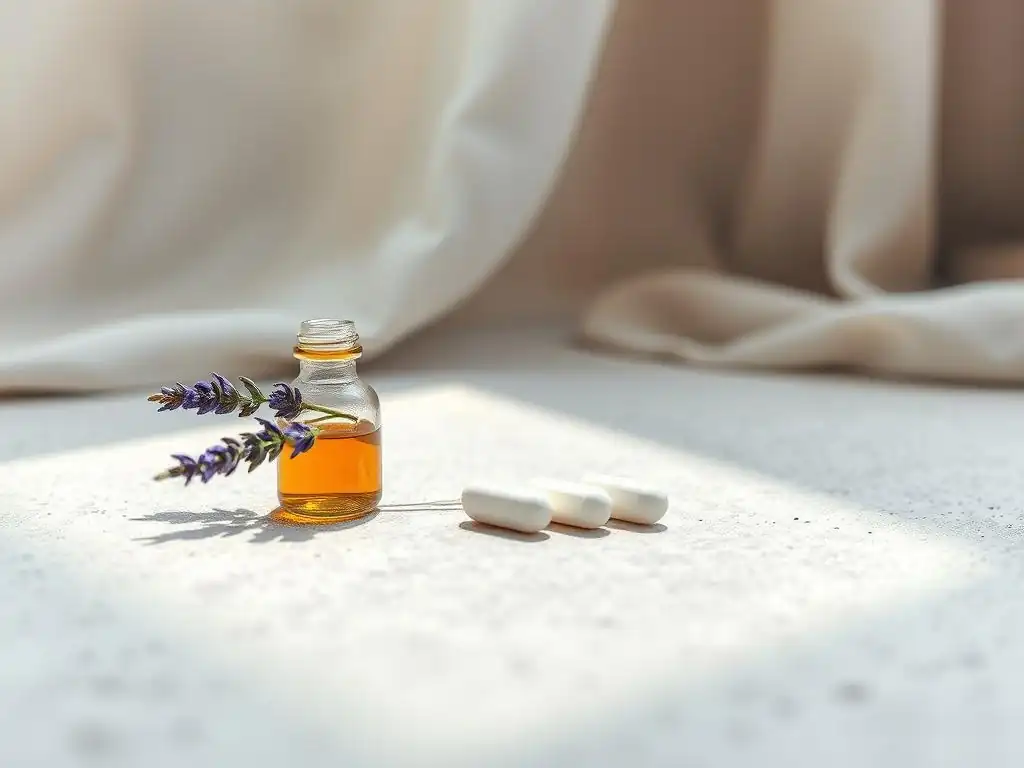
Lavender (Lavandula angustifolia) is widely recognized for its soothing aroma and calming properties. The use of lavender for relaxation and anxiety dates back centuries. Its effects are primarily attributed to compounds like linalool and linalyl acetate, which are believed to interact with neurotransmitter systems and have a calming effect on the nervous system. Lavender can be used in two main ways for anxiety: aromatherapy and internal consumption via oral supplements. Both methods have some level of scientific support for their anxiolytic effects.
Aromatherapy, involving inhaling the scent of lavender essential oil, has been shown in various studies to reduce anxiety and improve mood in different settings, such as dental offices, hospitals, and during exams. The compounds are thought to be absorbed into the bloodstream via the lungs and affect the limbic system in the brain, which is involved in emotions. Oral lavender supplements, typically in the form of a specific essential oil preparation, have also been studied and shown efficacy comparable to low-dose benzodiazepines in reducing anxiety symptoms in clinical trials, particularly for generalized anxiety disorder.
Using Lavender Essential Oil for Anxiety: Dosage and Application
For aromatherapy, the "dosage" isn't measured in milligrams but rather in the method and duration of exposure. Common methods include:
- Diffusion: Adding a few drops (e.g., 5-10 drops) of pure lavender essential oil to a diffuser in a room. Use intermittently, not continuously, for periods like 15-60 minutes.
- Inhalation: Adding 1-2 drops to a tissue or cotton ball and inhaling periodically, or adding a few drops to a bowl of hot water and inhaling the steam (carefully).
- Topical Application: Diluting lavender essential oil with a carrier oil (like jojoba or almond oil) at a concentration of 1-5% (e.g., 3-15 drops per tablespoon of carrier oil) and applying to pulse points like the wrists, temples, or behind the ears, or massaging into the skin. Always dilute essential oils before topical use to avoid skin irritation.
While there isn't a strict "dosage" for aromatherapy, consistent exposure through diffusion or topical application throughout the day or during stressful moments can contribute to anxiety reduction. Ensure you use high-quality, pure lavender (Lavandula angustifolia) essential oil.
Oral Lavender Supplement Dosage for Anxiety
Oral lavender supplements for anxiety most commonly come in the form of a specific, standardized essential oil capsule, often referred to by its clinical trial designation (e.g., Silexan). Studies supporting the efficacy of oral lavender for anxiety, particularly generalized anxiety disorder, have typically used a dosage of 80 mg per day. This dose is usually taken as a single capsule once daily.
Research suggests this specific 80 mg dosage is effective and well-tolerated, with potential side effects being mild and uncommon, such as gastrointestinal upset or a transient lavender taste. Higher doses have been explored but the 80 mg dose is the most well-studied for anxiety reduction in clinical trials. When seeking an oral lavender supplement for anxiety, look for products that match the dosage and type of preparation used in clinical research for reliable results, as highlighted in this natural remedies dosage guide.
Magnesium Dosage for Anxiety: Natural Calming Agent
Magnesium is an essential mineral involved in hundreds of biochemical reactions in the body, including many related to nerve function and stress response. Magnesium deficiency has been linked to increased anxiety and stress levels. It is thought to play a role in regulating neurotransmitters, such as GABA, and influencing the activity of the HPA axis. While severe magnesium deficiency (hypomagnesemia) is a medical condition, even subclinical deficiency may contribute to anxiety symptoms in some individuals. Supplementing with magnesium is often explored as a natural way to support relaxation and reduce anxiety.
Research on magnesium for anxiety is promising but sometimes inconsistent, partly due to variations in study design, magnesium forms used, and participant populations. However, several reviews and studies suggest that magnesium supplementation may help reduce symptoms of mild to moderate anxiety, particularly in individuals who may have suboptimal magnesium levels. For instance, a systematic review published in Nutrients in 2017 found some evidence supporting magnesium's role in reducing anxiety, though more robust research is needed.
Safe and Effective Magnesium Dosage for Anxiety
The recommended dietary allowance (RDA) for magnesium varies by age and sex, typically ranging from 310-420 mg per day for adults. However, dosages used in studies exploring magnesium for anxiety symptoms often exceed the RDA, ranging from 200 mg to 500 mg of supplemental magnesium per day. The effective magnesium dosage for anxiety can depend on the form of magnesium used, as different forms have varying absorption rates.
Commonly used forms in supplements include magnesium citrate, glycinate, taurate, and oxide. Magnesium glycinate and taurate are often favored for their potential calming effects and lower likelihood of causing digestive upset compared to forms like magnesium oxide or citrate (which are often used for constipation). A common starting point for anxiety relief might be 200-400 mg of an easily absorbed form like magnesium glycinate daily, potentially split into two doses.
It's important not to exceed the Tolerable Upper Intake Level (UL) from supplements, which is 350 mg per day for adults, unless under the supervision of a healthcare provider, although higher doses are sometimes used therapeutically. This distinction between RDA, UL, and therapeutic doses is critical in a natural remedies dosage guide.
Potential Interactions and Contraindications
Magnesium supplements are generally safe for most healthy individuals when taken within recommended dosages. The most common side effect is diarrhea, particularly with forms like magnesium oxide or at higher doses, due to its osmotic effect in the gut.
Individuals with kidney disease should be extremely cautious with magnesium supplementation, as impaired kidney function can lead to magnesium accumulation and toxicity. Magnesium can also interact with certain medications, including some antibiotics (like tetracyclines and fluoroquinolones), blood pressure medications, and diuretics, potentially affecting their absorption or efficacy. It is essential to consult with a healthcare provider before starting magnesium supplementation, especially if you have kidney issues or are taking any prescription medications, to determine a safe and appropriate magnesium dosage for anxiety and your overall health status.
Determining Your Ideal Dosage: A Step-by-Step Guide
Step 1: Consult with a Healthcare Professional
Before starting any new natural remedy for anxiety, it is crucial to consult with a qualified healthcare professional, such as a medical doctor, naturopathic doctor, or a pharmacist knowledgeable in natural medicines. They can help you determine if a particular natural remedy is appropriate for your specific type and severity of anxiety, considering your overall health status, existing medical conditions, and any medications or other supplements you are currently taking.
A healthcare provider can offer personalized guidance on potential benefits, risks, and interactions. They can also help rule out underlying medical conditions that might be contributing to your anxiety symptoms and ensure that natural remedies are part of a comprehensive and safe treatment plan. This initial consultation is the most critical step in determining your ideal natural remedies dosage guide.
Step 2: Research the Specific Natural Remedy
Once you and your healthcare provider have identified a suitable natural remedy, conduct thorough research on that specific substance. Focus on evidence-based information from reputable sources, such as peer-reviewed scientific studies, clinical trial summaries, and established herbal medicine texts. Pay attention to the forms of the remedy that have been studied (e.g., specific extracts, teas, powders) and the dosages that demonstrated efficacy in those studies.
Look for information on typical dosage ranges, how the dose was administered (e.g., once daily, split doses), the duration of the studies, and any reported side effects or contraindications at those dosages. Understanding the science behind the remedy and the dosages used in research provides a solid foundation for determining a safe and potentially effective starting point. A good natural remedies dosage guide will summarize this research, but verifying with primary sources or expert advice is always recommended.
Step 3: Start with a Low Dose and Gradually Increase
A general principle when using natural remedies, especially if you are new to them, is to start with the lowest effective dose recommended in research or by your healthcare provider. This allows you to assess your individual tolerance and response to the substance with minimal risk of adverse effects. Your body's metabolism and sensitivity may differ from the average person in a clinical trial.
After starting with a low dose, monitor your anxiety symptoms and any potential side effects for several days or a week, depending on the remedy (some take longer to show effects). If you experience no significant side effects and your symptoms have not improved, you can consider gradually increasing the dosage towards the middle or upper end of the recommended range, as advised by your healthcare provider or based on research. Avoid making large jumps in dosage.
Step 4: Monitor Your Symptoms and Adjust Accordingly
Consistent monitoring is key to finding your optimal dosage. Keep a journal to track your anxiety levels (e.g., using a simple scale), the specific dose of the natural remedy you are taking, the time of day you take it, and any effects you notice, positive or negative. Note any changes in sleep, mood, energy levels, or physical symptoms.
This detailed tracking provides valuable data for you and your healthcare provider to evaluate the remedy's effectiveness and tolerability at a given dose. Based on your observations, you can adjust the dosage upwards or downwards. If you experience significant side effects, reduce the dose or stop taking the remedy and consult your healthcare provider. If you reach the upper end of the recommended dosage range without significant improvement, it might indicate that this particular remedy is not the most effective option for you.
Step 5: Consider Individual Factors (Age, Weight, Health Conditions)
Remember that dosage recommendations are often based on the "average" adult. Your unique physiological characteristics and health status play a significant role. Older adults, for example, may metabolize substances more slowly and might require lower doses. Body weight can influence how a substance is distributed in the body.
Crucially, pre-existing health conditions (like liver or kidney issues) or simultaneous use of other medications or supplements can alter the way your body processes the natural remedy and increase the risk of interactions or side effects. Always factor these individual considerations into your dosage decision-making process, preferably in consultation with a healthcare professional. A truly effective natural remedies dosage guide must emphasize this personalized approach.
Risks and Considerations When Using Natural Remedies for Anxiety

Potential Side Effects of Natural Remedies
While often perceived as gentle, natural remedies can still cause side effects, just like any active substance. The nature and severity of side effects vary widely depending on the specific remedy, the dosage, and individual sensitivity. Common side effects can include digestive upset (nausea, diarrhea, stomach cramps), headache, dizziness, fatigue, or skin reactions. For example, high doses of valerian might cause drowsiness or digestive issues in some people.
Less common, but more serious side effects are possible with some remedies, especially at very high doses or with long-term use. It is essential to be aware of the potential side effects associated with the specific natural remedy you are using and to start with a low dose to gauge your reaction. If you experience any concerning or persistent side effects, stop using the remedy and consult a healthcare professional immediately.
Interactions with Medications and Other Supplements
One of the most significant risks of using natural remedies is the potential for interactions with prescription medications, over-the-counter drugs, or other supplements. Natural compounds can affect how your body metabolizes drugs, either increasing or decreasing their levels in the bloodstream, which can alter their effectiveness or increase the risk of side effects. For instance, St. John's Wort is well-known for interacting with a wide range of medications, including antidepressants, birth control pills, and blood thinners.
Combining multiple natural remedies can also lead to additive effects or interactions. For example, combining several remedies that cause drowsiness could be dangerous, especially if operating machinery or driving. Always inform your healthcare providers, including doctors and pharmacists, about all natural remedies and supplements you are taking to screen for potential interactions. This step is non-negotiable when using a natural remedies dosage guide.
The Importance of Quality and Sourcing of Natural Remedies
The quality, purity, and standardization of natural remedy products can vary significantly between manufacturers. Unlike pharmaceuticals, dietary supplements are not regulated by the FDA in the same way, meaning product content and potency might not always match what is stated on the label. Some products may contain contaminants (like heavy metals or pesticides), incorrect plant species, or inconsistent amounts of active compounds.
Choosing products from reputable manufacturers that conduct third-party testing for purity and potency is crucial. Look for standardized extracts, as these provide a consistent amount of the presumed active compounds, making it easier to follow dosage guidelines based on research. The source and processing of the raw materials also matter for the remedy's quality and safety. Investing in high-quality products is essential for both safety and ensuring you are taking the correct dosage as outlined in a natural remedies dosage guide.
When to Seek Professional Medical Advice
While natural remedies can be a helpful part of an anxiety management plan for some individuals, they are not a substitute for professional medical or psychological care, especially for severe or persistent anxiety. You should seek professional medical advice if your anxiety symptoms are severe, significantly interfere with your daily life, are worsening, or are accompanied by thoughts of self-harm.
Additionally, consult a healthcare provider if you experience any concerning side effects from a natural remedy, if your symptoms do not improve after using a natural remedy at the recommended dosage for an appropriate period, or if you are unsure about the correct dosage or potential interactions. A healthcare professional can provide an accurate diagnosis, discuss all available treatment options (including conventional therapies), and help you integrate natural remedies safely and effectively into your overall care plan.
Optimizing Your Natural Remedy Regimen for Anxiety
Combining Natural Remedies for Synergistic Effects
Sometimes, combining different natural remedies can offer synergistic benefits, meaning their combined effect is greater than the sum of their individual effects, or they address different aspects of anxiety. For example, combining a calming herb like chamomile with a stress-reducing adaptogen like ashwagandha might address both acute anxious feelings and the underlying stress response. Similarly, L-Theanine might be combined with magnesium for enhanced relaxation.
However, combining natural remedies requires careful consideration and is best done under the guidance of a knowledgeable healthcare professional. Combining remedies with similar actions (e.g., multiple sedatives) can increase the risk of side effects like excessive drowsiness. Understanding the mechanisms of action and potential interactions of each remedy is crucial before creating a combination regimen. A responsible natural remedies dosage guide will advise caution and professional consultation when considering combinations.
Lifestyle Factors that Enhance the Effectiveness of Natural Remedies
Natural remedies are most effective when used as part of a holistic approach to anxiety management. Lifestyle factors play a significant role in overall mental well-being and can enhance the benefits of natural remedies. Regular physical activity, for instance, is a powerful anxiety reducer. Incorporating exercise into your routine can improve mood, reduce stress hormones, and promote relaxation.
Other crucial lifestyle factors include maintaining a balanced diet rich in whole foods, getting adequate and consistent sleep, limiting caffeine and alcohol intake (which can exacerbate anxiety), and practicing stress-reduction techniques like deep breathing exercises, meditation, or yoga. Addressing these fundamental aspects of health creates a more supportive environment for natural remedies to work effectively, complementing the guidance found in any natural remedies dosage guide.
The Role of Mindfulness and Therapy in Anxiety Management
Natural remedies can provide support, but they often work best alongside psychological strategies for managing anxiety. Mindfulness practices, such as meditation or mindful breathing, teach you to observe your thoughts and feelings without judgment, helping to reduce the intensity of anxious responses. Regular mindfulness can rewire your brain over time, building resilience to stress.
Therapy, particularly cognitive behavioral therapy (CBT) or acceptance and commitment therapy (ACT), provides tools and strategies to identify and challenge anxious thought patterns and behaviors. Therapy helps address the root causes of anxiety and build coping mechanisms. Integrating natural remedies with therapy and mindfulness creates a multi-faceted approach that addresses anxiety from biological, psychological, and behavioral perspectives, offering a more sustainable path to well-being than relying solely on supplements, even with a precise natural remedies dosage guide.
Conclusion: Empowering Your Mental Well-being with Informed Dosage of Natural Remedies
Key Takeaways: Dosage Guidelines for Natural Anxiety Treatments
Navigating the world of natural remedies for anxiety requires more than just selecting a promising herb or supplement; it demands a careful and informed approach to dosage. Proper dosing, guided by scientific evidence and personalized considerations, is fundamental for maximizing the potential benefits of natural treatments while minimizing risks. As this natural remedies dosage guide has highlighted, specific remedies like Ashwagandha, L-Theanine, Chamomile, Lavender, and Magnesium have typical dosage ranges supported by research, but individual needs vary.
Key takeaways include the importance of starting low and increasing gradually, monitoring your body's response, and being aware of potential side effects and interactions. Crucially, always consult with a healthcare professional before beginning any new natural remedy regimen, especially if you have existing health conditions or are taking medications. Quality and sourcing of products are also paramount for safety and efficacy.
Further Resources for Exploring Natural Remedies and Anxiety Management
To deepen your understanding of natural remedies and anxiety management, seek out reputable resources. Look for websites and publications from academic institutions, government health organizations (like the NIH's National Center for Complementary and Integrative Health), and professional associations for herbalists or naturopathic doctors. Books written by qualified experts in botanical medicine or integrative health can also provide valuable insights.
Remember that this natural remedies dosage guide provides general information based on available evidence. Your journey to managing anxiety is personal. Continue to educate yourself, work closely with healthcare providers, and explore a combination of natural remedies, lifestyle adjustments, and therapeutic strategies to find the most effective path towards improved mental well-being.
Frequently Asked Questions
What is the general aim of a Dosage Guide for natural remedies?
The aim is to provide evidence-based information to help individuals determine appropriate dosages for natural remedies, promoting safe and effective use and preventing potential adverse effects. This often involves understanding the specific compound and its potential impact on the body.
How does the "Dosage Guide" from Mind Care Guide approach the topic of natural remedy dosages?
The Mind Care Guide's "Dosage Guide" likely emphasizes using scientific evidence to inform dosage recommendations. It probably stresses the importance of consulting with a healthcare professional before starting any new natural remedy regimen.
Why is determining the correct dosage important when using natural remedies?
Correct dosage is crucial for maximizing the therapeutic benefits of natural remedies while minimizing the risk of unwanted side effects or interactions. An inappropriate dose can render the remedy ineffective or even harmful.
The "Dosage Guide" and related resources should be located on the Mind Care Guide website, potentially within a dedicated section or under a mental well-being category. Using the site's search function with the keyword "Natural remedies dosage guide" is also recommended.
What should I do if I experience adverse effects after taking a natural remedy based on the Dosage Guide?
Stop using the remedy immediately and consult with a qualified healthcare provider. Report the adverse effects and the dosage information to your doctor or pharmacist, even if the Dosage Guide indicated a safe dose.
The quest for effective natural remedies is booming, yet the lack of standardized dosing remains a significant hurdle. Finding the right amount of a natural supplement can feel like navigating a minefield, with potential for both underwhelming results and unintended consequences. This article has highlighted the critical need for evidence-based approaches to dosing, emphasizing the importance of scientific research and individual considerations.
The impact of inconsistent dosing in the natural remedies market is profound, affecting not only individual health outcomes but also the overall credibility of this growing sector. The lack of regulation and standardized practices creates a breeding ground for misinformation and potentially harmful practices. As we move forward, a greater emphasis on rigorous research and transparent labeling is crucial. The dose makes the poison,
Paracelsus famously stated, a principle that holds true whether we're talking about pharmaceuticals or natural substances. Understanding the appropriate dosage is paramount to harnessing the potential benefits while mitigating risks.
You, the reader, now possess a more informed understanding of the complexities surrounding natural remedy dosing. Consider this: the next time you encounter a natural remedy, don't just rely on anecdotal evidence or marketing claims. Instead, actively seek out credible research, consult with healthcare professionals, and prioritize your own well-being by approaching natural remedies with the same level of informed caution you would any other form of treatment. Empower yourself with knowledge, and make informed choices about your health journey.
Unlock Your Natural Remedy Potential: Find Your Perfect Dose
Thanks for taking the time to explore the world of natural remedies and evidence-based dosing with Mind Care Guide! We hope you found the information empowering and insightful. Ready to put this knowledge into practice?
- Start your personalized dosage journey: Begin experimenting with the recommended dosages, carefully tracking your experience and any adjustments needed. Remember, consistency is key!
- Share your insights: Discuss your experience with others, or even contribute your findings to online forums (if appropriate and safe).
- Explore further: Deepen your understanding by researching the specific herbs or remedies relevant to your needs, always checking for updated research and safety information.
Are you ready to discover the optimal dosage that works best for you?