
The GutBrain Axis Revisited: Maximizing Probiotic Benefits for Anxiety Evidence

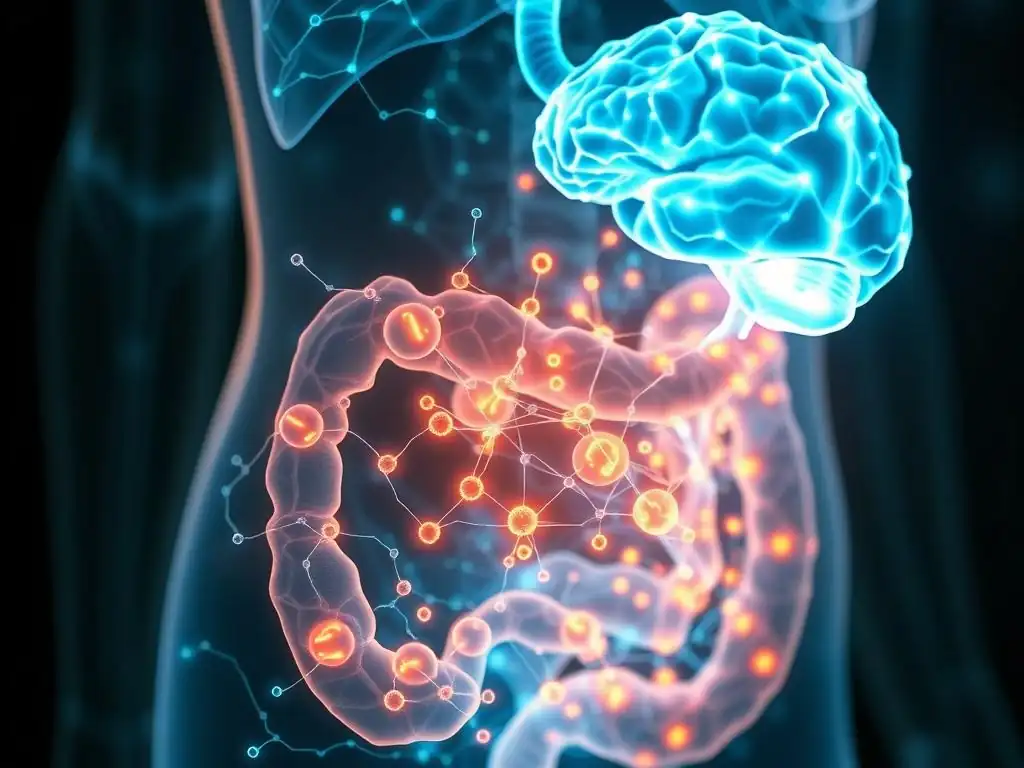
Welcome to Mind Care Guide, your trusted companion on the path to mental well-being. Feeling overwhelmed by anxiety? You're not alone. Emerging research suggests a powerful link between your gut and your brain. We invite you to explore the fascinating probiotic anxiety gutbrain connection and discover how nurturing your gut microbiome might offer a surprising key to unlocking greater calm and resilience. Could tiny bacteria hold the secret to a more peaceful mind? Let's delve into the evidence...
The Gut-Brain Axis Revisited: Maximizing Probiotic Benefits for Anxiety Evidence
- Introduction: Understanding the Probiotic Anxiety Gut-Brain Connection
- The Science Behind Probiotics and Anxiety Reduction
- Evidence-Based Probiotic Strains for Anxiety Relief
- Optimizing Probiotic Intake for Anxiety Management
- The Gut-Brain Axis and Anxiety: Beyond Probiotics
- Potential Side Effects and Precautions
- Real-World Examples: Probiotics and Anxiety Success Stories
- Future Directions in Probiotic Research for Anxiety
- Conclusion: Harnessing the Power of Probiotics for Anxiety Relief
-
Frequently Asked Questions
- How are probiotics believed to impact anxiety according to the gut-brain axis?
- What specific types of probiotics are most often associated with anxiety reduction?
- How long does it typically take to see noticeable improvements in anxiety after starting probiotic supplementation?
- Are there any potential side effects or risks associated with using probiotics for anxiety?
- Can probiotics completely replace traditional anxiety treatments like therapy or medication?
- Final Reflection: Unlocking the Mind-Gut Connection for Anxiety Relief
- Unlock Your Inner Calm: Boost Your Gut-Brain Connection Today!
Introduction: Understanding the Probiotic Anxiety Gut-Brain Connection
The Gut-Brain Axis: A Key to Mental Well-being
The gut-brain axis represents a complex, bidirectional communication system that links the central nervous system (brain and spinal cord) with the enteric nervous system (ENS), which governs the gastrointestinal tract. This intricate network involves various pathways, including neural, endocrine, and immune signaling. Emerging research highlights how the composition and activity of the gut microbiome – the trillions of microorganisms residing in our intestines – play a pivotal role in influencing brain function, mood, and behavior. Understanding this connection is fundamental to exploring natural approaches to mental health, such as leveraging the potential of probiotics.
This dynamic interplay means that what happens in your gut can directly affect your brain, and vice versa. Stress, for instance, can alter gut motility and microbiome composition, while changes in the gut microbiome can influence stress reactivity and mood. This fascinating area of study is shedding light on conditions like anxiety and depression, suggesting that interventions targeting the gut could offer novel therapeutic avenues. The concept of the probiotic anxiety gutbrain connection is gaining traction as scientists uncover the specific mechanisms by which gut microbes might impact our emotional state.
Probiotics and Anxiety: An Emerging Field of Research
Probiotics, defined as live microorganisms that, when administered in adequate amounts, confer a health benefit on the host, are increasingly being studied for their potential psychotropic effects. The idea that introducing beneficial bacteria into the gut could positively impact mental health, specifically anxiety, is a relatively new but rapidly expanding area of scientific inquiry. This field, often referred to as psychobiotics, focuses on the use of probiotics and prebiotics to improve mental well-being.
Initial studies and anecdotal evidence suggest that certain probiotic strains might help modulate stress responses and reduce anxiety symptoms. While the exact mechanisms are still being elucidated, research points towards effects on neurotransmitter production, reduction of inflammation, and modulation of the stress hormone cortisol. The growing body of evidence supporting the probiotic anxiety gutbrain connection is encouraging, prompting further investigation into specific strains and optimal delivery methods for managing anxiety.
Mind Care Guide's Perspective on Natural Anxiety Remedies
At Mind Care Guide, we are dedicated to exploring and sharing evidence-based information on a wide range of mental health topics, including natural and complementary approaches to managing conditions like anxiety. We believe in empowering individuals with knowledge about the various tools available to support their mental well-being. This includes delving into areas like the gut-brain axis and the potential role of dietary interventions and supplements.
Our perspective on natural anxiety remedies, such as probiotics, is grounded in scientific evidence. We aim to provide clear, accessible information based on the latest research findings, helping our readers understand the potential benefits, limitations, and considerations associated with these approaches. We emphasize that while natural remedies can be valuable components of a comprehensive mental health strategy, they should be used thoughtfully and ideally in consultation with healthcare professionals. The probiotic anxiety gutbrain connection represents an exciting frontier we are committed to exploring and explaining.
The Science Behind Probiotics and Anxiety Reduction
How Probiotics Influence the Gut Microbiome
Probiotics exert their influence on the gut microbiome through several mechanisms. Firstly, they can help restore balance in the microbial community, particularly after disturbances caused by factors like antibiotics, stress, or poor diet. They compete with potentially harmful bacteria for nutrients and adhesion sites on the gut lining, effectively crowding them out. This competition helps maintain a healthy diversity and composition of gut microbes.
Furthermore, probiotics can produce beneficial substances such as short-chain fatty acids (SCFAs), like butyrate, propionate, and acetate, through the fermentation of dietary fibers. These SCFAs are vital energy sources for colon cells and have systemic effects, including anti-inflammatory properties and potential signaling roles within the gut-brain axis. By enhancing the production of these beneficial compounds and improving the overall microbial balance, probiotics contribute to a healthier gut environment, which in turn can impact the probiotic anxiety gutbrain connection.
The Role of the Vagus Nerve in Gut-Brain Communication
The vagus nerve is a major component of the gut-brain axis, serving as a primary communication highway between the gut and the brain. This cranial nerve transmits signals in both directions, relaying information about the physiological state of the digestive system to the brain and mediating brain control over gut functions like motility and secretion. It's a crucial pathway through which gut microbes and their metabolites can influence brain function and mood.
Research suggests that probiotics can modulate vagal nerve activity. For example, some probiotic strains have been shown to influence the excitability of neurons in the ENS that communicate with the vagus nerve. Changes in gut microbial composition or the presence of specific metabolites produced by probiotics can send signals via the vagus nerve to brain regions involved in processing emotions and stress, such as the amygdala and prefrontal cortex. This neural link is a key part of how the probiotic anxiety gutbrain connection might work.
Neurotransmitter Production in the Gut: Serotonin, Dopamine, and GABA
The gut is surprisingly a major site for the production of several neurotransmitters and neuroactive compounds that are crucial for brain function and mental health. Enterochromaffin cells in the gut lining produce approximately 90% of the body's serotonin, a neurotransmitter deeply involved in mood regulation, sleep, and appetite. Gut microbes can influence serotonin production and metabolism.
Beyond serotonin, gut bacteria can also produce or influence the levels of other neurotransmitters like gamma-aminobutyric acid (GABA), a primary inhibitory neurotransmitter that helps reduce neuronal excitability and promote relaxation, and dopamine, involved in reward and motivation. Some probiotic strains have been shown in laboratory settings to produce GABA or influence its levels. By modulating the activity of gut cells and other microbes involved in neurotransmitter synthesis and metabolism, probiotics can potentially impact the availability of these neurochemicals, thereby influencing mood and anxiety levels through the probiotic anxiety gutbrain connection.
Evidence-Based Probiotic Strains for Anxiety Relief
Lactobacillus and Bifidobacterium: Key Probiotic Genera for Mental Health
The majority of research investigating the psychobiotic effects of probiotics for anxiety has focused on strains belonging to the Lactobacillus and Bifidobacterium genera. These are among the most common and well-studied groups of beneficial bacteria found in the human gut. Strains from these genera are widely available in probiotic supplements and fermented foods.
Studies involving various species within these genera, such as Lactobacillus rhamnosus, Lactobacillus helveticus, Bifidobacterium longum, and Bifidobacterium infantis, have reported promising results in animal models and some human trials regarding stress response, mood, and anxiety-like behaviors. Their prevalence in research makes them key candidates when exploring the probiotic anxiety gutbrain connection for therapeutic purposes.
Specific Probiotic Strains and Their Anxiety-Reducing Effects: Lactobacillus rhamnosus, Bifidobacterium longum, Lactobacillus plantarum
Certain specific strains have garnered particular attention in the context of anxiety relief. Lactobacillus rhamnosus (specifically strain GG, or LGG, and strain JB-1) has been shown in some animal studies to influence GABA receptors in the brain and reduce stress-induced anxiety-like behavior. While human trials on LGG and anxiety are mixed, studies on L. rhamnosus JB-1 have indicated potential benefits.
Bifidobacterium longum (especially strain 1714 and strain NCC3001) is another strain with notable research behind it. Studies using B. longum 1714 have demonstrated improvements in stress and memory in healthy adults. B. longum NCC3001 was shown in one study involving patients with irritable bowel syndrome (IBS) and anxiety/depression to reduce depression scores and alter brain activity in areas related to mood.
Lactobacillus plantarum (such as strain WCFS1 or PS128) has also shown promise, with some studies indicating reduced anxiety and stress markers in specific populations. These strain-specific effects underscore the importance of choosing probiotics based on targeted research outcomes related to the probiotic anxiety gutbrain connection.
Clinical Trials: Probiotics' Impact on Anxiety Symptoms
Numerous clinical trials have investigated the effects of probiotic supplementation on anxiety symptoms in humans. A meta-analysis published in 2018, reviewing 21 studies (including 14 randomized controlled trials), found that probiotic supplementation significantly reduced anxiety compared to placebo in human participants. Another systematic review and meta-analysis in 2020 specifically looked at psychobiotic interventions for anxiety and depression, including 34 studies. It concluded that psychobiotic interventions, including probiotics and prebiotics, had a small but significant overall effect in reducing anxiety symptoms.
However, it's important to note that results across studies are not uniform. Factors like the specific probiotic strain or combination used, dosage, duration of intervention, the population studied (e.g., healthy individuals vs. those with diagnosed anxiety disorders or comorbid conditions like IBS), and methods of anxiety assessment vary widely.
For instance, one study using Lactobacillus helveticus R0052 and Bifidobacterium longum R0175 showed reduced psychological distress in healthy volunteers, while other studies with different strains or populations have shown less pronounced effects. This highlights the complexity of the probiotic anxiety gutbrain connection and the need for more large-scale, well-designed trials targeting specific anxiety conditions.
Optimizing Probiotic Intake for Anxiety Management
Choosing the Right Probiotic Supplement for Anxiety
Selecting a probiotic supplement for anxiety requires careful consideration, as not all probiotics are created equal, and effects can be strain-specific. Look for products that contain the specific strains that have shown promise in clinical research for anxiety relief, such as Lactobacillus rhamnosus (certain strains), Bifidobacterium longum (certain strains), or Lactobacillus plantarum (certain strains). The label should clearly list the genus, species, and specific strain designation (e.g., Lactobacillus rhamnosus GG).
Consider the number of colony-forming units (CFUs), which indicates the number of live bacteria per dose. While optimal CFUs for anxiety are not definitively established, many studies showing positive effects have used dosages ranging from 1 billion to 10 billion CFUs per day. Ensure the product has a good reputation, uses reliable manufacturing practices, and provides information on how the probiotics are kept viable (e.g., refrigeration requirements, delayed-release capsules). Researching brands and looking for third-party certifications can help ensure product quality and potency when exploring the probiotic anxiety gutbrain connection.
Dosage and Timing: Maximizing Probiotic Effectiveness
The optimal dosage and timing for taking probiotics for anxiety are still areas of active research, and recommendations can vary depending on the specific strain and product. As mentioned, dosages typically range from 1 billion to 10 billion CFUs per day in studies showing positive effects. Some studies have used even higher doses, but more isn't always better, and the benefits may plateau.
Consistency is generally considered more important than the exact timing. Taking probiotics daily is key to establishing and maintaining a beneficial microbial population in the gut. Some experts recommend taking probiotics with a meal, as food can help buffer stomach acid and improve the survival rate of the bacteria as they pass through the digestive tract. However, specific product instructions should always be followed. Patience is also necessary; it may take several weeks or months of consistent supplementation to notice potential effects on anxiety symptoms via the probiotic anxiety gutbrain connection.
Dietary Considerations: Prebiotics and a Gut-Friendly Diet
Maximizing the benefits of probiotic supplements for anxiety is often best achieved as part of a broader approach that includes a gut-friendly diet rich in prebiotics. Prebiotics are non-digestible fibers that selectively stimulate the growth and activity of beneficial gut bacteria, including many probiotic species. Essentially, they serve as "food" for your gut microbes.
Incorporating prebiotic-rich foods into your diet can help create an environment where probiotic supplements can thrive and contribute to a healthy microbiome. Excellent sources of prebiotics include garlic, onions, leeks, asparagus, bananas, chicory root, and oats. Combining probiotic intake with a diet high in diverse plant fibers supports overall gut health and strengthens the probiotic anxiety gutbrain connection, potentially leading to more significant improvements in mental well-being.
The Gut-Brain Axis and Anxiety: Beyond Probiotics
Lifestyle Factors Impacting the Gut-Brain Connection: Stress, Sleep, and Exercise
The gut-brain axis is influenced by a multitude of lifestyle factors, not just diet and probiotic intake. Chronic stress, for example, can significantly disrupt the gut microbiome composition and function, increasing gut permeability ("leaky gut") and potentially exacerbating anxiety. Managing stress through techniques like mindfulness, meditation, or yoga is crucial for supporting a healthy gut-brain connection.
Sleep is another critical factor. Poor sleep quality or insufficient sleep can negatively impact gut microbial diversity and function, potentially affecting mood and anxiety. Aiming for 7-9 hours of quality sleep per night is vital. Regular physical exercise has also been shown to positively influence gut microbiome diversity and function, potentially reducing inflammation and improving mental health outcomes. Addressing these lifestyle factors alongside dietary interventions enhances the overall effectiveness of strategies targeting the probiotic anxiety gutbrain connection.
The Importance of a Holistic Approach to Anxiety Treatment
While focusing on the gut-brain axis and potentially using probiotics can be a valuable part of managing anxiety, it's crucial to adopt a holistic perspective. Anxiety is a complex condition influenced by genetic, environmental, psychological, and biological factors. Relying solely on one intervention is rarely sufficient for long-term relief.
A holistic approach typically involves a combination of strategies tailored to the individual's needs. This might include psychotherapy (such as Cognitive Behavioral Therapy or Acceptance and Commitment Therapy), stress management techniques, regular exercise, sufficient sleep, and a balanced diet. For some individuals, medication may also be a necessary component of their treatment plan. Integrating gut-focused strategies, like using probiotics, within this broader framework can provide synergistic benefits and offer a more comprehensive path towards managing anxiety and leveraging the probiotic anxiety gutbrain connection.
Combining Probiotics with Other Natural Remedies
For individuals exploring natural options, combining probiotics with other evidence-based natural remedies might offer enhanced benefits. For example, omega-3 fatty acids, often found in fish oil, have anti-inflammatory properties and have been studied for their effects on mood and anxiety. Some research suggests a potential interplay between omega-3s and the gut microbiome.
Herbal remedies like chamomile, valerian root, or ashwagandha have traditional uses and some research supporting their calming effects, though the evidence varies and potential interactions should be considered. Magnesium is another nutrient linked to stress and anxiety, and its absorption can be influenced by gut health. While research on combining probiotics with specific natural remedies for anxiety is still developing, adopting a nutrient-dense diet rich in various beneficial compounds supports overall well-being and complements efforts to improve the probiotic anxiety gutbrain connection. Always consult a healthcare professional before combining supplements.
Potential Side Effects and Precautions
Probiotic Side Effects: What to Watch Out For
Probiotics are generally considered safe for most healthy individuals. The most common side effects, particularly when first starting supplementation, are mild digestive symptoms such as gas, bloating, or temporary changes in bowel movements. These symptoms are usually transient and tend to subside as the body adjusts to the new bacteria.
In rare cases, individuals with severely compromised immune systems or those with certain underlying health conditions might be at a higher risk of adverse effects, though this is uncommon. If you experience persistent or severe digestive upset, or any other unusual symptoms after starting probiotics, it's advisable to discontinue use and consult with a healthcare professional. Understanding potential reactions is part of responsibly exploring the probiotic anxiety gutbrain connection.
Contraindications and Interactions with Medications
While probiotics are generally safe, there are certain situations where caution is advised or they may be contraindicated. Individuals with compromised immune systems (e.g., due to chemotherapy, organ transplant, or certain medical conditions), those with central venous catheters, or those with severe pancreatitis should use probiotics with extreme caution and only under strict medical supervision.
There is limited research on specific interactions between probiotics and most medications. However, individuals taking immunosuppressant drugs should be particularly cautious due to the theoretical risk of infection from live bacteria. Probiotics might also potentially interfere with the absorption of certain medications if taken simultaneously, although this is not well-established for most drugs. Always inform your healthcare providers about any supplements you are taking, including probiotics, to identify potential contraindications or interactions relevant to your health and the probiotic anxiety gutbrain connection.
Consulting with a Healthcare Professional Before Starting Probiotics
Given the nuances of choosing the right strain, determining appropriate dosage, and considering individual health status and potential interactions, it is highly recommended to consult with a healthcare professional before starting probiotic supplementation for anxiety or any other health condition. This is especially important if you have a diagnosed anxiety disorder, are taking medications, or have any underlying health issues.
A doctor, registered dietitian, or other qualified healthcare provider can help you determine if probiotics are appropriate for your specific situation, recommend suitable strains and dosages based on the current evidence, and integrate probiotic use safely into your existing treatment plan. They can also discuss the probiotic anxiety gutbrain connection in the context of your overall health, ensuring a safe and effective approach to supporting your mental well-being.
Real-World Examples: Probiotics and Anxiety Success Stories

A 24-year-old female student reported significant social anxiety that impacted her ability to participate in classes and social events. She enrolled in a study investigating the effects of Bifidobacterium infantis supplementation. After 6 weeks of daily intake, she reported a noticeable reduction in anticipatory anxiety before social interactions and felt more comfortable speaking in group settings.
While this was part of a research protocol, her subjective report aligned with the study's aim to explore the probiotic anxiety gutbrain connection's impact on social stress. This anecdotal outcome, while not conclusive proof from a single case, illustrates the type of subjective improvement individuals might experience.
Case Study 2: Improved sleep quality and reduced rumination with a L. helveticus and B. longum combination.
A 45-year-old professional experiencing chronic stress and anxiety, often manifesting as difficulty falling asleep due to racing thoughts (rumination), decided to try a probiotic supplement containing Lactobacillus helveticus R0052 and Bifidobacterium longum R0175, based on studies suggesting their potential psychobiotic effects. After approximately two months, she reported a significant improvement in her sleep onset latency – she was falling asleep faster – and a reduction in the intensity and frequency of ruminative thoughts that previously kept her awake.
This suggests that addressing the gut-brain axis via probiotics may impact related symptoms like sleep disturbances and rumination, which are often intertwined with anxiety, further highlighting the practical relevance of the probiotic anxiety gutbrain connection.
Beyond formal studies and case reports, numerous individuals share positive experiences with probiotics for anxiety on online health forums, social media groups, and product review sites. While these testimonials are subjective and not scientific evidence, they reflect real-world use and perceived benefits. Common reports include feeling "calmer," experiencing "less racing thoughts," having "improved mood," or noticing a "settling" of their digestive system which correlates with reduced anxiety.
For instance, a user on a mental health forum reported that after 3 months on a specific multi-strain probiotic, their generalized anxiety felt "less overwhelming." These shared experiences, while needing scientific validation, contribute to the growing interest in how the probiotic anxiety gutbrain connection might translate into tangible improvements in daily life.
Future Directions in Probiotic Research for Anxiety
Emerging Research on Novel Probiotic Strains
Research into the probiotic anxiety gutbrain connection is rapidly evolving, with scientists actively exploring novel probiotic strains beyond the commonly studied Lactobacillus and Bifidobacterium genera. Attention is turning to bacteria like Escherichia coli (Nissle 1917 strain), Bacillus, and even certain commensal bacteria typically found in the gut that might exert psychobiotic effects.
Studies are investigating the specific mechanisms by which these emerging strains interact with the host, including their unique metabolic outputs, their influence on immune pathways, and their potential to produce or modulate neuroactive compounds. This exploration of new microbial candidates holds the promise of identifying more potent or targeted probiotic interventions for different types of anxiety or anxiety-related conditions in the future.
Personalized Probiotic Therapies: Tailoring Treatment to the Individual
The concept of personalized medicine is gaining traction in many health fields, and psychobiotics is no exception. It is becoming increasingly clear that the effects of probiotics can vary significantly from person to person, likely due to differences in their baseline gut microbiome composition, genetics, diet, and lifestyle. Future research aims to develop methods for tailoring probiotic interventions to the individual.
This could involve analyzing a person's unique gut microbiome profile through sequencing technologies to identify microbial imbalances or deficiencies. Based on this analysis, specific probiotic strains or combinations could be recommended that are most likely to be effective for that individual's particular needs and anxiety presentation. Personalized probiotic strategies based on a deeper understanding of the individual probiotic anxiety gutbrain connection could significantly improve treatment outcomes.
The Gut-Brain Axis: A Frontier in Mental Health Research
The gut-brain axis remains a dynamic and exciting frontier in mental health research. Scientists are continuously uncovering new layers of communication between the gut, its microbes, and the brain. This includes exploring the role of microbial metabolites beyond SCFAs, such as tryptophan derivatives and bile acids, in influencing brain function.
Furthermore, research is delving into how factors like early life stress, diet during critical developmental windows, and the use of antibiotics can shape the gut microbiome and potentially predispose individuals to anxiety later in life. A deeper understanding of these complex interactions promises to unlock new therapeutic targets and preventative strategies for anxiety and other mental health conditions, solidifying the gut-brain axis and the probiotic anxiety gutbrain connection as central themes in the future of mental well-being.
Conclusion: Harnessing the Power of Probiotics for Anxiety Relief
The Promising Future of Probiotics in Mental Well-being
The research on the probiotic anxiety gutbrain connection is still young but highly promising. While not a cure-all, specific probiotic strains are emerging as potential adjunctive tools in the management of anxiety symptoms for some individuals. The evidence suggests that by positively influencing the gut microbiome and its communication with the brain via pathways like the vagus nerve and neurotransmitter production, probiotics may offer a natural way to support mental resilience and reduce the burden of anxiety.
As research continues to refine our understanding of strain-specific effects and optimal usage, the role of psychobiotics in promoting mental well-being is likely to grow. The future holds exciting possibilities for more targeted and personalized probiotic interventions.
Mind Care Guide's Commitment to Evidence-Based Natural Remedies
At Mind Care Guide, we are committed to providing our readers with accurate, evidence-based information on natural remedies and complementary approaches for mental health. We will continue to monitor the evolving research on the gut-brain axis and probiotics for anxiety, updating our guidance as new findings emerge. Our goal is to empower you with the knowledge to make informed decisions about your health journey.
We believe that understanding the intricate connections within your body, such as the probiotic anxiety gutbrain connection, can open up new avenues for self-care and support.
Empowering You to Take Control of Your Mental Health Through Gut Health
Taking steps to support your gut health, whether through diet, lifestyle changes, or considering targeted probiotic supplementation, can be a powerful way to contribute to your overall mental well-being. By recognizing the significant link between your gut and your brain, you gain another tool in your arsenal for managing anxiety.
Remember that incorporating gut-focused strategies is best done as part of a comprehensive approach to mental health. By staying informed and working with healthcare professionals, you can confidently explore the potential benefits of harnessing the power of your gut to support a calmer, more resilient mind.
Frequently Asked Questions
How are probiotics believed to impact anxiety according to the gut-brain axis?
Probiotics can influence anxiety via the gut-brain axis by modulating the gut microbiota. This altered microbiota can impact neurotransmitter production, influencing anxiety levels through neural pathways. This highlights the potential of using probiotics as an adjunct treatment.
What specific types of probiotics are most often associated with anxiety reduction?
While research is ongoing, strains like Lactobacillus and Bifidobacterium are often linked to improved mental well-being. Studies show these strains may help reduce anxiety symptoms and improve mood regulation. However, individual results may vary.
How long does it typically take to see noticeable improvements in anxiety after starting probiotic supplementation?
The timeframe can vary, but some studies suggest improvements may be noticeable within a few weeks to a couple of months. Factors like dosage, individual gut health, and the specific probiotic strain play a significant role. Consistency is key.
Are there any potential side effects or risks associated with using probiotics for anxiety?
While generally safe, some individuals may experience mild digestive discomfort like bloating or gas initially. It's crucial to consult with a healthcare professional before starting any new supplement, especially if you have underlying health conditions.
Can probiotics completely replace traditional anxiety treatments like therapy or medication?
Probiotics should not be considered a replacement for traditional treatments. They can be a complementary approach to support overall mental well-being. Always consult with a mental health professional for appropriate diagnosis and treatment options.
Final Reflection: Unlocking the Mind-Gut Connection for Anxiety Relief
The intricate relationship between our gut microbiome and mental health, specifically anxiety, is no longer a fringe theory; it's a burgeoning field of research with profound implications for how we approach mental wellness. Understanding this gut-brain axis offers a powerful, potentially transformative pathway to managing anxiety, moving beyond traditional approaches to encompass a holistic view of well-being.
The exploration of the gut-brain axis has profoundly shifted my understanding of anxiety, moving beyond the purely psychological to encompass the complex interplay of physical and mental factors. This journey into the world of probiotics and their impact on anxiety has underscored the importance of considering the body as a whole, rather than treating symptoms in isolation. The gut is the second brain,
a phrase often used, truly encapsulates the depth of this connection and the potential for positive change through targeted interventions. This isn't just about taking a supplement; it's about fostering a healthier relationship with our bodies and understanding the crucial role our gut plays in our overall mental state.
Now, consider your own relationship with your gut health. Are you nourishing it with the foods and practices that support a thriving microbiome? I encourage you to explore the evidence presented in this article and consider how you can incorporate these findings into your daily life.
Perhaps it's incorporating more fermented foods into your diet, exploring probiotic supplementation under the guidance of a healthcare professional, or simply paying closer attention to the signals your body is sending. The journey to better mental wellness begins with understanding the intricate connections within ourselves, and the gut-brain axis offers a powerful starting point.
Unlock Your Inner Calm: Boost Your Gut-Brain Connection Today!
Thanks for taking the time to explore the fascinating world of the gut-brain axis and its impact on anxiety! You've now learned how crucial gut health is for mental well-being. Ready to put this knowledge into action?
- Prioritize probiotic-rich foods: Start incorporating fermented foods like yogurt, kimchi, or sauerkraut into your daily diet. This is the easiest and most impactful step you can take right now.
- Deep Dive into Your Diet: Consider keeping a food journal for a week to identify potential triggers and patterns in your diet related to anxiety.
- Share your insights: Let's build a community! Share your experiences and favorite probiotic-rich recipes in the comments below. What other ways have you found to nurture your gut-brain connection?
Ready to experience the transformative power of a healthy gut?