
Arachnophobia No More: Effective Ways to Treat Spider Phobia


Welcome to Mind Care Guide, a space dedicated to nurturing your mental well-being.
Are you ready to break free from the web of fear? Many struggle with anxieties that seem insurmountable, and we understand. If you're battling an intense fear of spiders, you're not alone. Our article dives deep into overcoming spider phobia effectively, offering practical strategies and empathetic support to help you reclaim your peace of mind. Curious how to take the first step towards a life free from arachnophobia's grip? Let's explore the path together...
Arachnophobia No More: Effective Ways to Treat Spider Phobia
- Understanding Arachnophobia: What is Spider Phobia?
- Identifying the Root Causes of Arachnophobia
- Effective Treatment Options for Overcoming Arachnophobia
- Self-Help Strategies for Managing Spider Fear
- Finding a Therapist for Arachnophobia Treatment
- Maintaining Progress and Preventing Relapse
- Living a Life Free from Spider Fear: Achieving Lasting Results
-
Frequently Asked Questions
- What exactly is arachnophobia, and how common is it?
- What are some common symptoms of arachnophobia?
- What are the most effective treatments for overcoming spider phobia effectively?
- Can I overcome my fear of spiders on my own, or do I need professional help?
- How long does it typically take to overcome arachnophobia?
- Final Reflection: Weaving a New Narrative: From Fear to Freedom
- Conquer Your Fears: Start Your Journey to Spider Confidence Today!
Understanding Arachnophobia: What is Spider Phobia?
Defining Arachnophobia: The Fear of Spiders Explained
Arachnophobia is classified as a specific phobia, which is an intense, irrational fear of a specific object or situation. In this case, it's an overwhelming fear of spiders. Unlike a simple dislike or discomfort, arachnophobia involves significant distress and avoidance behaviors that can severely impact a person's daily life.
The fear is disproportionate to the actual danger posed by spiders, which are generally harmless to humans in most parts of the world. This persistent and excessive fear can lead to panic attacks and significant anxiety whenever a spider is encountered or even just thought about. Overcoming spider phobia effectively often begins with a clear understanding of its definition and scope.
This phobia is quite common, affecting a significant portion of the population. Estimates vary, but studies suggest that arachnophobia might be one of the most prevalent specific phobias, potentially affecting up to 5% of the global population. For someone struggling with this condition, the mere sight of a small house spider can trigger extreme reactions, including screaming, crying, trembling, and a desperate urge to flee.
The impact extends beyond direct encounters, as individuals might avoid certain places (like basements, attics, or even outdoor areas) where spiders are likely to be present, limiting their activities and freedom. Understanding this pervasive impact is crucial for anyone seeking effective ways to treat spider phobia.
Common Symptoms of Arachnophobia: Recognizing the Signs
Recognizing the symptoms of arachnophobia is the first step toward managing it. These symptoms can manifest physically, psychologically, and behaviorally. Physical symptoms often mimic those of a panic attack: rapid heartbeat, shortness of breath, sweating, trembling, dizziness, nausea, and a feeling of being detached from reality. Some individuals may also experience chest pain or a choking sensation. These reactions occur not only when a spider is present but can also be triggered by seeing pictures or videos of spiders, or even just thinking about them.
Psychologically, common symptoms include intense anxiety, dread, and a feeling of losing control. Individuals might become preoccupied with the thought of encountering a spider, leading to constant worry and hypervigilance. Behaviorally, the most prominent symptom is avoidance. People with arachnophobia will go to great lengths to avoid spiders, which can include refusing to enter certain rooms, avoiding outdoor activities, or even checking their surroundings obsessively. This avoidance, while providing temporary relief, reinforces the phobia and makes overcoming spider phobia effectively more challenging without intervention.
Arachnophobia vs. Normal Fear: Differentiating the Two
It's important to distinguish between a normal, healthy fear of spiders and arachnophobia. A normal fear is a cautious response to a potentially harmful creature. For instance, feeling a bit uneasy around a large, unknown spider is a natural survival instinct. This fear is proportional to the potential threat and doesn't significantly disrupt daily life. You might avoid a spider if you see one but won't experience extreme panic or reorganize your entire routine to prevent encounters.
Arachnophobia, conversely, is an irrational and excessive fear. The reaction is far more intense than the situation warrants. A small, harmless spider on a wall can trigger a full-blown panic attack.
The fear is persistent and causes significant distress or impairment in social, occupational, or other important areas of functioning. For example, someone with arachnophobia might refuse a job offer if it requires them to work in a building they believe might contain spiders, or avoid visiting friends with gardens. The key difference lies in the intensity, irrationality, and the degree to which the fear impacts a person's life – highlighting the need for strategies focused on overcoming spider phobia effectively.
Identifying the Root Causes of Arachnophobia
Genetic Predisposition and Arachnophobia: Is it Inherited?
Research suggests that there might be a genetic component to specific phobias, including arachnophobia. While there isn't a single "spider phobia gene," a general predisposition to anxiety disorders or phobias can run in families. Studies on twins, for example, have shown that identical twins are more likely to share a specific phobia than fraternal twins, suggesting a genetic influence. This doesn't mean you are destined to have arachnophobia if a family member does, but you might have a higher susceptibility to developing anxiety-related conditions.
However, genetics alone rarely determine whether someone develops arachnophobia. It's more likely that a genetic predisposition interacts with environmental factors. Someone might inherit a tendency towards being more anxious or sensitive to potential threats, making them more susceptible to developing a phobia if exposed to certain experiences later in life. Understanding this interplay between nature and nurture is part of a comprehensive approach to overcoming spider phobia effectively.
Environmental Factors Contributing to Arachnophobia
Environmental factors play a significant role in the development of arachnophobia. One common pathway is observational learning. Growing up in a household where a parent or sibling exhibited extreme fear reactions to spiders can teach a child to fear them as well. A child who repeatedly sees an adult scream and panic at the sight of a spider may internalize that reaction as the appropriate response, even if they haven't had a negative experience themselves. This learned behavior is a powerful environmental influence.
Cultural factors can also contribute. In some cultures, spiders are depicted in frightening ways in folklore, stories, or media, reinforcing negative associations from a young age. While spiders are beneficial creatures controlling insect populations, their appearance can be perceived as alien or threatening, contributing to a general sense of unease that can escalate into a phobia, especially when combined with other factors. Addressing these learned fears is vital for overcoming spider phobia effectively.
Traumatic Experiences and the Development of Arachnophobia
A direct traumatic experience involving a spider is a significant, albeit less common, cause of arachnophobia. This could involve being bitten by a spider (even if the bite was harmless), having a spider crawl on them unexpectedly, or witnessing someone else have a terrifying encounter with a spider. Such an event, especially if it occurred during childhood when fears can be more easily imprinted, can create a strong, lasting association between spiders and intense fear or danger.
Even without a direct traumatic event, repeated negative or startling encounters can build up over time. For example, frequently being startled by spiders appearing unexpectedly in dark corners or basements can contribute to developing a phobic response. The brain learns to associate the stimulus (spider) with the negative feeling (fear, surprise, helplessness), leading to an automatic fear reaction. Addressing these past experiences, whether direct trauma or repeated startling events, is a key component of overcoming spider phobia effectively through therapeutic interventions.
Effective Treatment Options for Overcoming Arachnophobia
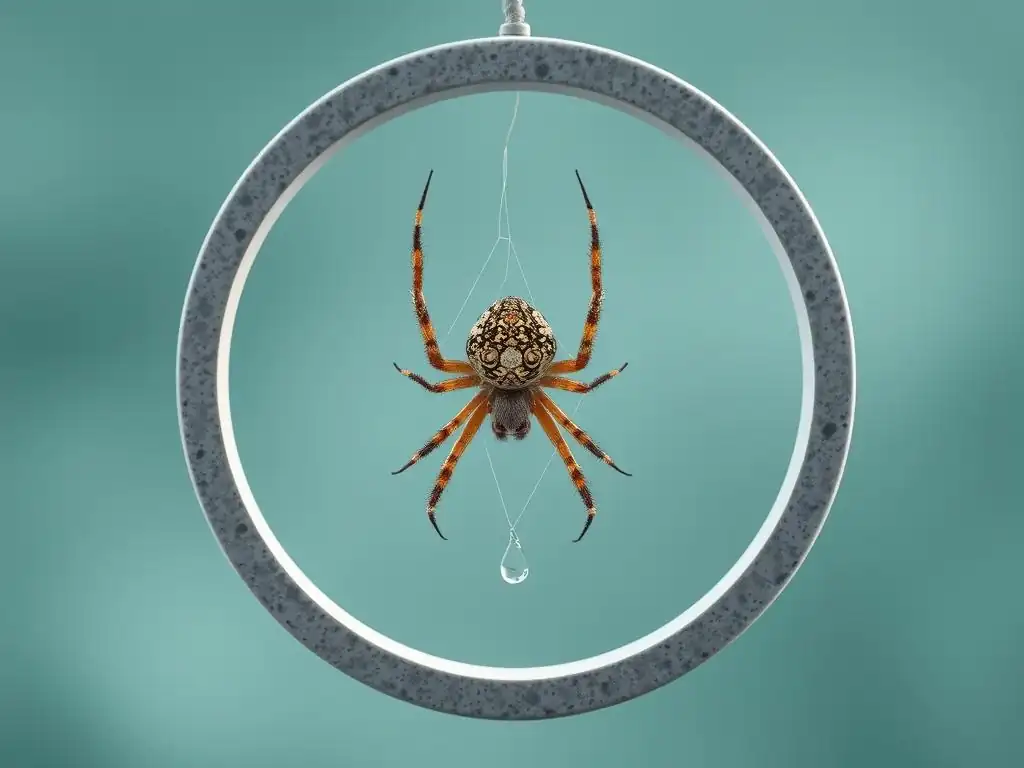
Exposure Therapy for Arachnophobia: A Gradual Approach
Exposure therapy is widely considered the most effective treatment for specific phobias, including arachnophobia. It involves gradually exposing the individual to the feared object or situation in a safe and controlled environment. The core principle is that repeated exposure without experiencing the feared outcome (e.g., being harmed by the spider) allows the brain to learn that the stimulus is not actually dangerous, thereby reducing the fear response. This process is systematic and proceeds at a pace the individual can tolerate.
The therapy typically starts with the least frightening scenario and progresses to the most frightening. This could begin with simply looking at pictures of spiders, then watching videos, moving to being in the same room as a spider in a secure container, and eventually progressing to potentially handling a spider under supervision. Throughout the process, the individual learns to manage their anxiety response.
Success rates for exposure therapy in treating specific phobias like arachnophobia are high, with many studies reporting significant reduction or elimination of phobic symptoms in 70-90% of participants after a relatively short course of treatment, often between 8-12 sessions. This makes it a cornerstone for overcoming spider phobia effectively.
How Exposure Therapy Works for Arachnophobia
Exposure therapy works through a process called habituation and extinction. When exposed to the feared stimulus repeatedly without negative consequences, the initial anxiety response naturally decreases over time – this is habituation. Simultaneously, the brain learns to break the association between the spider and danger – this is extinction.
For example, if someone is terrified of touching a spider, their therapist might first have them touch a picture of a spider, then a toy spider, then a preserved spider, and finally a live, non-venomous spider in a controlled setting. Each step is repeated until the anxiety significantly lessens before moving to the next.
Furthermore, exposure therapy helps individuals challenge their catastrophic thoughts about spiders. By experiencing proximity to spiders and realizing their fears don't come true (e.g., the spider doesn't attack, they don't lose control), they gain evidence that contradicts their phobic beliefs. This behavioral process is often combined with cognitive strategies, but the direct confrontation of the fear in a safe context is the primary mechanism for achieving lasting change and effectively overcoming spider phobia.
Benefits of Exposure Therapy for Reducing Spider Fear
The benefits of exposure therapy for arachnophobia are substantial and well-documented. The most significant benefit is a dramatic reduction or complete elimination of the phobic response. This allows individuals to engage in activities they previously avoided, improving their quality of life. For instance, someone might finally be able to go camping, clean their basement, or simply feel comfortable in their own home without constant vigilance. The therapy provides concrete skills for managing anxiety during exposure, which can also be applied to other stressful situations.
Moreover, exposure therapy empowers individuals by giving them a sense of control over their fear. By intentionally facing what they dread most, they learn that they can tolerate the discomfort and that the fear eventually subsides. This builds confidence and self-efficacy. Unlike temporary coping mechanisms, exposure therapy targets the root of the fear response, leading to long-term results. Studies have shown that the gains made during exposure therapy are often maintained years after treatment completion, making it a highly effective method for overcoming spider phobia effectively.
Sample Graded Exposure Hierarchy for Arachnophobia
A graded exposure hierarchy is a list of fear-inducing situations, ranked from least to most anxiety-provoking. A therapist helps the individual create this personalized list. Here is a sample hierarchy for someone with severe arachnophobia, moving from lowest (1) to highest (10) fear:
- Looking at a cartoon drawing of a spider.
- Looking at a realistic photo of a small, non-threatening spider.
- Watching a short, educational video about spiders from a distance on a screen.
- Looking at a realistic photo of a larger spider.
- Being in the same room as a sealed container with a very small spider visible.
- Approaching the container with the small spider.
- Being in the same room as a sealed container with a medium-sized spider.
- Sitting near the container with the medium-sized spider.
- Having the sealed container with the medium-sized spider placed on a table nearby.
- Gently touching the outside of the sealed container with the medium-sized spider.
- (Higher levels might involve touching the container with a larger spider, being in the same room as an uncontained spider in a controlled setting, or even supervised handling of a non-venomous spider).
This list is not exhaustive and would be tailored to the individual's specific fears and capabilities. The therapist guides the individual through each step, ensuring they feel in control and providing support as they work towards overcoming spider phobia effectively.
Cognitive Behavioral Therapy (CBT) for Arachnophobia: Changing Thought Patterns
Cognitive Behavioral Therapy (CBT) is another highly effective treatment approach for arachnophobia, often used in conjunction with or as a precursor to exposure therapy. CBT focuses on identifying and changing the negative thought patterns and beliefs that contribute to the phobia. The idea is that our thoughts influence our feelings and behaviors. If someone believes "All spiders are deadly and want to attack me," they will naturally feel intense fear and avoid spiders. CBT helps challenge these irrational thoughts.
A CBT therapist works with the individual to examine the evidence for and against their fearful beliefs. They learn to identify cognitive distortions, such as overgeneralization ("If I see one spider, my house is infested") or catastrophic thinking ("If a spider touches me, something terrible will happen"). By learning to replace these unhelpful thoughts with more realistic and balanced ones, the individual can reduce their anxiety response. This cognitive restructuring is a powerful tool for overcoming spider phobia effectively by addressing the mental component of the fear.
Identifying and Challenging Negative Thoughts About Spiders
A key part of CBT for arachnophobia is identifying automatic negative thoughts (ANTs) that pop up when thinking about or encountering spiders. These might include thoughts like:
- "It's going to jump on me."
- "It's poisonous."
- "I can't handle this."
- "I'm going to have a heart attack."
- "It's disgusting and evil."
Once identified, the therapist helps the individual challenge the validity of these thoughts. For example, if the thought is "It's poisonous," the therapist might ask: "Is that specific type of spider in your region actually poisonous to humans? What's the real risk?"
They might provide factual information about common house spiders, most of which are harmless. The individual learns to evaluate their thoughts objectively and develop more balanced perspectives, such as "This is a small spider, and it's unlikely to hurt me," or "I feel anxious, but I can cope with this feeling." This process weakens the link between the spider and the extreme fear response, aiding in overcoming spider phobia effectively.
Developing Coping Mechanisms for Managing Anxiety
Beyond challenging thoughts, CBT also equips individuals with practical coping mechanisms to manage the anxiety experienced during potential encounters or when thinking about spiders. These techniques don't eliminate the fear instantly but help individuals tolerate it and prevent it from escalating into a full-blown panic. Examples include relaxation techniques (discussed below), distraction strategies, and positive self-talk ("I can get through this," "This feeling will pass").
Individuals might also develop a step-by-step plan for dealing with a spider encounter, such as calmly observing it from a distance, deciding whether to leave it alone or safely remove it, and focusing on their breathing. Practicing these coping skills in therapy and then applying them in real-life or simulated situations helps build confidence and resilience. Learning these active strategies empowers individuals, making them feel less helpless and more capable of managing their fear, which is essential for overcoming spider phobia effectively.
Relaxation Techniques for Managing Arachnophobia Anxiety
Relaxation techniques are valuable tools for managing the physical symptoms of anxiety associated with arachnophobia. They can be used before or during a potentially anxiety-provoking situation (like exposure therapy) or simply as a way to reduce general stress levels that might exacerbate phobic symptoms. Regular practice of these techniques can lower overall anxiety sensitivity.
These techniques work by activating the body's relaxation response, which is the opposite of the fight-or-flight response triggered by fear. By consciously slowing breathing, relaxing muscles, or focusing the mind, individuals can counteract the physical sensations of panic like rapid heart rate and shortness of breath. Integrating these practices into a treatment plan supports the process of overcoming spider phobia effectively by providing immediate tools for managing distress.
Deep Breathing Exercises for Calming Down
Deep breathing is one of the simplest and most effective relaxation techniques. When we are anxious, our breathing becomes shallow and rapid. Deep breathing, also known as diaphragmatic or belly breathing, reverses this pattern. A common technique is the 4-7-8 method: inhale deeply through the nose for a count of four, hold the breath for a count of seven, and exhale slowly through the mouth for a count of eight. Repeating this cycle several times can significantly slow the heart rate and calm the nervous system.
Practicing deep breathing regularly, even when not feeling anxious, helps the body become accustomed to this relaxed state. When faced with a spider or a fearful thought, consciously focusing on slow, deep breaths can interrupt the escalating anxiety response. For instance, during an exposure exercise, if anxiety spikes, the individual can pause and use deep breathing until the intensity decreases before continuing. This active coping strategy is vital for navigating the challenges of overcoming spider phobia effectively.
Progressive Muscle Relaxation for Reducing Tension
Anxiety often manifests as physical tension in the body. Progressive Muscle Relaxation (PMR) is a technique that involves systematically tensing and then releasing different muscle groups in the body. By first creating tension and then releasing it, individuals become more aware of what muscle tension feels like and how to consciously release it.
Starting with the feet and moving up to the head, the process involves tensing a muscle group tightly for about 5-10 seconds and then releasing it completely, noticing the sensation of relaxation. This systematic approach helps release stored tension and promotes a state of physical calm. Practicing PMR can reduce the baseline level of physical anxiety and provide a tool to use when feeling tense due to spider-related fears, contributing to a more relaxed state conducive to overcoming spider phobia effectively.
Mindfulness Meditation for Anxiety Relief
Mindfulness meditation involves focusing attention on the present moment without judgment. For someone with arachnophobia, this can mean observing their fearful thoughts and physical sensations related to spiders without getting carried away by them. Instead of trying to suppress the fear, mindfulness encourages acknowledging it and letting it pass.
Simple mindfulness practices, like focusing on the sensation of breathing or doing a body scan, can help anchor an individual in the present and reduce rumination about potential spider encounters. Regular mindfulness practice can reduce overall anxiety levels and increase emotional regulation, making it easier to tolerate uncomfortable feelings during exposure therapy or unexpected encounters. By cultivating a non-reactive awareness, mindfulness supports the mental resilience needed for overcoming spider phobia effectively.
Medication for Arachnophobia: When is it Necessary?
Medication is generally not the first-line treatment for specific phobias like arachnophobia, as therapeutic approaches like exposure therapy have proven highly effective on their own. However, medication can be considered in certain circumstances, usually in conjunction with therapy, to help manage severe anxiety symptoms that might otherwise prevent someone from engaging in behavioral treatments.
Medication is typically a temporary measure to reduce acute distress or enable participation in exposure exercises. It does not cure the phobia itself, which requires addressing the underlying fear response through therapy. Decisions about medication should always be made in consultation with a qualified medical professional who can assess the individual's specific situation and determine if medication is appropriate and safe. For most people focused on overcoming spider phobia effectively in the long term, therapy remains the primary path.
Anti-Anxiety Medications and Their Role in Treatment
The types of medications that might be considered for arachnophobia primarily fall into the category of anti-anxiety drugs. Benzodiazepines, such as alprazolam (Xanax) or lorazepam (Ativan), can provide rapid, short-term relief from severe anxiety symptoms, like panic attacks.
They work by enhancing the effect of a neurotransmitter (GABA) that calms nervous activity. However, they carry risks of dependence and withdrawal and are usually prescribed only for very short periods or for specific, highly anticipated exposure situations (e.g., flying on a plane if the phobia extends to spiders on planes, though exposure during therapy is generally done without medication to ensure learning occurs).
Another class of medications, Beta-blockers (like propranolol), can help manage the physical symptoms of anxiety, such as rapid heart rate and trembling, by blocking the effects of adrenaline. These might be used situationally before a known exposure. Antidepressants, particularly SSRIs, are sometimes prescribed for general anxiety or co-occurring depression, which can exacerbate phobias, but they are not typically used solely for treating a specific phobia like arachnophobia unless there are other diagnosed conditions. The role of medication is usually facilitative, helping the individual engage with the core therapeutic work of overcoming spider phobia effectively.
Considerations Regarding Medication for Phobias
Using medication for specific phobias requires careful consideration. While it can provide temporary relief, it doesn't address the learned fear association. In fact, relying on medication during exposure therapy could potentially hinder the learning process, as the individual might attribute the reduction in anxiety to the drug rather than their ability to cope and the realization that the spider is not dangerous. This is why therapists often prefer to conduct exposure therapy without medication whenever possible.
Potential side effects and the risk of dependence, particularly with benzodiazepines, are also significant considerations. Medication is best viewed as a tool to lower anxiety enough to allow therapy to work, rather than a standalone solution. A thorough medical evaluation and discussion of risks and benefits with a healthcare provider are essential before starting any medication for arachnophobia, ensuring it complements the broader goal of overcoming spider phobia effectively through behavioral and cognitive strategies.
Self-Help Strategies for Managing Spider Fear
Creating a Spider-Safe Zone: Minimizing Exposure
While exposure therapy is about increasing controlled exposure, creating a "spider-safe zone" in your immediate living space can provide a temporary sense of security and reduce the constant vigilance that contributes to anxiety. This isn't about avoiding spiders forever but about managing the environment to reduce unexpected encounters, which can be particularly triggering before therapy has taken full effect.
Strategies include sealing cracks and openings around windows and doors, installing screens, and keeping living areas clean and clutter-free to reduce potential hiding spots. Regularly sweeping away cobwebs can also help. While some might see this as avoidance, for someone with severe arachnophobia, minimizing the chance of a sudden, unexpected spider appearance in their most personal space can lower baseline anxiety and make the idea of controlled exposure in therapy feel less overwhelming. It's a practical step in the journey towards overcoming spider phobia effectively, by managing immediate triggers.
Learning About Spiders: Addressing Misconceptions
Ignorance and misinformation often fuel fear. Learning factual information about spiders can help dispel irrational beliefs and reduce the fear response. Many people with arachnophobia overestimate the danger spiders pose, believing them to be aggressive, highly venomous, or intent on biting humans. In reality, most common house spiders are harmless, non-aggressive, and prefer to avoid human contact.
Researching common spider species in your area, learning about their behavior, habitats, and the actual rarity of medically significant bites can help challenge catastrophic thinking. For example, discovering that the vast majority of spider bites are less severe than a bee sting can significantly reduce perceived danger. Reading books, visiting reputable websites (without triggering images initially), or watching educational documentaries (perhaps with sound off at first) can reframe spiders from terrifying monsters to simply small creatures trying to survive. This cognitive shift is a crucial self-help step in overcoming spider phobia effectively.
Visualization Techniques for Reducing Anxiety
Visualization, or guided imagery, can be a helpful self-help tool. It involves creating calming mental images or mentally rehearsing coping strategies. For arachnophobia, this could involve imagining a peaceful place to retreat to when feeling anxious, or mentally walking through a successful, calm encounter with a spider.
Another approach is imaginal exposure, a component sometimes used in therapy, where the individual vividly imagines situations involving spiders, starting with less fearful scenarios and progressing to more fearful ones, practicing coping skills within the imagination. While not a substitute for real-life exposure, visualization can help desensitize the emotional response and build confidence in managing fear before attempting real-world steps. Regularly practicing visualization techniques can train the mind to respond more calmly to spider-related thoughts, supporting the process of overcoming spider phobia effectively.
Finding a Therapist for Arachnophobia Treatment

How to Choose the Right Therapist for Your Needs
Choosing the right therapist is crucial for successful treatment of arachnophobia. Look for licensed mental health professionals (psychologists, therapists, counselors, social workers) who specialize in anxiety disorders and specific phobias. Experience with exposure therapy and CBT is particularly important, as these are the most effective evidence-based treatments for this condition.
Consider the therapist's approach and ensure it aligns with your comfort level, while also being challenging enough to promote progress. Don't hesitate to ask about their experience treating arachnophobia and their typical treatment plan. The therapeutic relationship, or 'alliance', is also vital; you should feel comfortable and safe with your therapist. Many therapists offer a brief initial consultation, which can be a good opportunity to assess if they are a good fit for your journey in overcoming spider phobia effectively.
Questions to Ask a Potential Therapist
When interviewing potential therapists, asking specific questions can help you make an informed decision. Consider asking:
- What is your experience treating specific phobias, particularly arachnophobia?
- What therapeutic approaches do you primarily use (e.g., CBT, Exposure Therapy)?
- Can you describe your typical treatment plan for arachnophobia? How long does it usually take?
- How do you incorporate exposure therapy? Is it in-vivo (real-life), imaginal, or virtual reality? (Note: Virtual Reality Exposure Therapy is increasingly used and effective for arachnophobia, simulating spider encounters in a controlled digital environment).
- What is your philosophy on using medication for phobias?
- What are your fees and cancellation policy?
- Are you licensed and what are your credentials?
Asking these questions demonstrates you are an engaged participant in your treatment and helps you find a therapist who is qualified and whose methods resonate with you, setting a strong foundation for overcoming spider phobia effectively.
Resources for Finding Therapists Specializing in Phobias
Finding a therapist who specializes in phobias might require using specific resources. Professional organizations are a good starting point. In the United States, the Anxiety & Depression Association of America (ADAA) and the Association for Behavioral and Cognitive Therapies (ABCT) have "Find a Therapist" directories that allow you to search for therapists by specialization, such as specific phobias or anxiety disorders.
Other resources include national psychological associations (like the American Psychological Association - APA), local mental health directories, or referrals from your primary care physician. Online therapy platforms are also increasingly offering specialized treatment for phobias, providing access to therapists regardless of geographical location. When using online directories, filter results for keywords like "specific phobia," "exposure therapy," "CBT," or "arachnophobia" to find professionals best equipped to help you in overcoming spider phobia effectively.
Maintaining Progress and Preventing Relapse
Long-Term Strategies for Managing Arachnophobia
Overcoming spider phobia effectively is often a process that requires ongoing effort, even after formal therapy ends. Long-term strategies focus on maintaining the gains made and preventing relapse. Continue to use the coping skills learned in therapy, such as deep breathing or challenging negative thoughts, whenever you encounter a spider or feel anxious.
Regularly engage in "maintenance" exposures. This doesn't mean seeking out spiders constantly, but intentionally allowing yourself to be in situations where you might encounter one (e.g., spending time outdoors, going into a basement if needed) and practicing your coping mechanisms. This reinforces the learning that occurred during therapy and keeps the fear response from creeping back. Stay informed about spiders through reputable sources to keep misconceptions at bay. Integrating these practices into your life ensures the benefits of overcoming spider phobia effectively are lasting.
Recognizing and Addressing Triggers
Identifying and recognizing triggers is key to managing potential relapses. Triggers can be direct encounters with spiders, seeing spiderwebs, or even indirect cues like being in a dusty environment or watching a nature documentary about insects. Pay attention to the early signs of increased anxiety or avoidance behavior.
If you notice your fear starting to intensify or find yourself avoiding situations you were previously comfortable with, address it proactively. This might involve revisiting your exposure hierarchy mentally, practicing your coping skills more frequently, or even scheduling a booster session with your therapist. Don't wait until the fear becomes overwhelming again. Early intervention makes it much easier to get back on track with overcoming spider phobia effectively.
Building a Support System
Having a support system can make a significant difference in maintaining progress. Share your experiences and goals with trusted friends, family members, or a support group. They can offer encouragement, understanding, and practical support. For example, a supportive friend might accompany you to a park you've been avoiding, providing a sense of safety as you practice being outdoors.
Educating your support system about arachnophobia and your treatment process can help them understand how best to assist you. They can celebrate your successes and offer gentle encouragement if you face setbacks. Knowing you're not alone in your journey provides emotional resilience, which is an important component of successfully overcoming spider phobia effectively and maintaining a life free from excessive fear.
Living a Life Free from Spider Fear: Achieving Lasting Results
Achieving lasting results in overcoming spider phobia effectively means reclaiming areas of your life that fear previously restricted. It's about being able to enter any room in your home without scanning for spiders, enjoying outdoor activities without constant vigilance, and feeling a sense of calm and control rather than panic at the thought or sight of a spider.
Success isn't necessarily about becoming a spider enthusiast, but about the fear no longer dictating your choices or causing significant distress. With consistent application of therapeutic strategies, self-help techniques, and potential support from medication or a strong support system, living a life where the fear of spiders is manageable or virtually absent is a realistic and achievable goal. The journey requires effort and patience, but the freedom gained is invaluable.
Frequently Asked Questions
What exactly is arachnophobia, and how common is it?
Arachnophobia is an intense and irrational fear of spiders and other arachnids like scorpions. It's a relatively common phobia, affecting an estimated 3-15% of the population, depending on the study.
What are some common symptoms of arachnophobia?
Symptoms can range from mild anxiety to panic attacks when encountering a spider or even thinking about one. Other symptoms include rapid heartbeat, sweating, trembling, and an overwhelming urge to escape.
What are the most effective treatments for overcoming spider phobia effectively?
Exposure therapy is considered the gold standard, gradually exposing individuals to spiders in a controlled environment. Cognitive Behavioral Therapy (CBT) can also help challenge and change negative thought patterns associated with spiders.
Can I overcome my fear of spiders on my own, or do I need professional help?
While some individuals can manage their fear with self-help techniques, professional help is often recommended for severe cases. A therapist can provide guidance and support throughout the exposure process.
How long does it typically take to overcome arachnophobia?
The duration of treatment varies depending on the individual and the severity of their phobia. However, with consistent effort and the right approach, significant progress can often be made within a few months.
Final Reflection: Weaving a New Narrative: From Fear to Freedom
The pervasive fear of spiders, arachnophobia, impacts millions globally, hindering daily life and impacting mental well-being. But understanding the root causes and employing effective strategies, as detailed in this article, offers a powerful pathway to reclaiming control and living fearlessly. This isn't just about conquering a phobia; it's about recognizing the strength within ourselves to overcome deeply ingrained anxieties.
The journey from arachnophobia to acceptance is a deeply personal one, highlighting the resilience of the human spirit and the transformative power of self-discovery. It's about challenging ingrained beliefs and replacing irrational fears with rational understanding. This process, as I've explored through research and personal anecdotes, underscores the importance of self-compassion and the profound impact that even small steps can have on long-term mental health. The only way to do great work is to love what you do.
- Steve Jobs. This applies not only to career aspirations but also to conquering personal challenges, like overcoming a phobia. Loving the process of self-improvement is key.
Now, consider your own relationship with fear. What anxieties hold you back? This article has provided tools and techniques; the next step is yours. Embrace the opportunity to confront your fears, one step at a time, using the strategies outlined here. Remember, the journey towards freedom from arachnophobia, or any phobia, is a testament to your inner strength and capacity for growth. You are capable of weaving a new narrative, one where fear no longer dictates your life.
Conquer Your Fears: Start Your Journey to Spider Confidence Today!
Thanks for taking the time to learn more about overcoming your arachnophobia! We hope this article provided valuable insights and practical strategies to help you feel more comfortable around spiders. Now it's time to put that knowledge into action.
Here are a few steps you can take to build your confidence:
- Begin your personalized desensitization plan: Start small, perhaps by looking at pictures of spiders, then progressing to videos, and eventually, real-life encounters in a controlled environment. This gradual exposure is key!
- Share your progress (or questions!) with our community: Join the discussion in the comments below – connecting with others who understand can be incredibly supportive on this journey.
- Consider exploring mindfulness techniques: Practicing mindfulness can help you manage anxiety and fear responses more effectively. Try a simple breathing exercise next time you feel anxious.
What small step will you take this week to overcome your fear of spiders?