Medication Options for Health Anxiety: When and Why to Consider
🌟 Discover effective medication options for health anxiety and learn when and why they might be beneficial. This guide explores how medication…
Read article
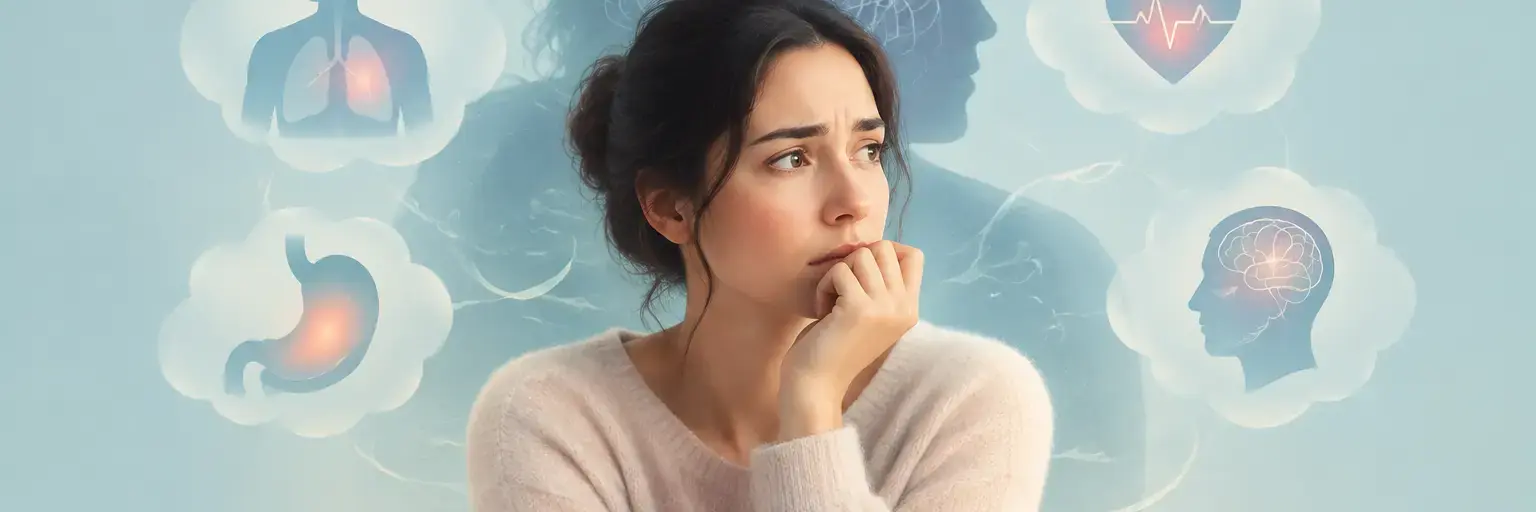
Health anxiety—often called illness anxiety disorder—can turn everyday bodily sensations into overwhelming fear, making worry about your health feel constant and exhausting. At Mind Care Guide, we understand that this cycle of checking, researching, and fearing the worst can disrupt your daily life, relationships, and peace of mind. Our compassionate resources help you recognize the difference between genuine concern and persistent, intrusive worry, while offering practical strategies to break free from the anxiety loop. Whether you’re struggling with recurring thoughts about serious illness, excessive symptom-checking, or the emotional toll of uncertainty, you’ll find evidence-based tools, expert insights, and supportive guidance here. Remember, your worry is real, but it doesn’t have to control you—discover how to regain balance, reduce fear, and live with confidence again.

🌟 Discover effective medication options for health anxiety and learn when and why they might be beneficial. This guide explores how medication…
Read article
🌟 Discover how health anxiety can deepen into illness and explore proven health anxiety treatment strategies effective in managing overwhelming worries, empowering…
Read article
🌟 Discover effective health anxiety recovery strategies to break free from fear and regain control. This guide offers essential tools and insights…
Read article
🌟 Discover practical strategies for managing health anxiety daily, overcoming persistent worries, and embracing a balanced life. This guide provides essential tips,…
Read article
😊 Discover what health anxiety is and how it manifests through symptoms. Learn about effective health anxiety symptoms treatment options, and find…
Read article
🧠 Discover the roots of health anxiety and understand why constant worrying about symptoms can dominate your thoughts. Learn to recognize health…
Read article
🤔 Navigating the health anxiety diagnosis process can be confusing—distinguishing between genuine illness and anxiety-driven fears. Our comprehensive guide helps you understand…
Read article
🌿 Discover how mindfulness can significantly reduce health anxiety by fostering calm and clarity. This guide offers practical techniques to help you…
Read article
🌟 Discover effective therapy options for health anxiety and take the first step toward relief. Our comprehensive guide explores proven strategies and…
Read article
🌟 Discover essential strategies for health anxiety relapse prevention to maintain lasting well-being. This guide offers expert tips and resources to support…
Read article
🌟 Struggling with health anxiety symptom checking? Learn practical strategies to break the cycle, reduce obsession, and regain control over your mental…
Read article
🌟 Discover a practical, step-by-step plan to reduce health anxiety and stop constantly worrying. This guide offers effective strategies and resources to…
Read articleHealth anxiety, also known as illness anxiety disorder, is a persistent and distressing preoccupation with having or developing a serious medical condition, despite reassurance from doctors and normal test results. Within the broader context of anxiety disorders, this subcategory focuses on the unique cognitive and emotional patterns that drive excessive worry about bodily sensations. Here, you will find evidence-based strategies to break the cycle of fear, regain perspective, and rebuild trust in your body. Our goal is to help you differentiate between genuine health concerns and anxiety-driven misinterpretations, empowering you to live with less fear and more clarity.
Health anxiety often manifests through constant checking of your body, frequent medical appointments, and excessive online research about symptoms. You may experience physical sensations like a racing heart or stomach discomfort, which you interpret as catastrophic signs. This hypervigilance can lead to avoidance of places or activities you fear might trigger a health crisis. Recognizing these patterns is the first step toward change, as awareness interrupts the automatic loop of worry and reassurance-seeking.
Key symptoms to watch for include a preoccupation lasting at least six months, high distress despite negative test results, and significant impairment in daily functioning. It’s also common to switch from one feared illness to another over time. By identifying these behaviors, you can begin to separate objective facts from anxiety-driven fears, reducing the urgency to constantly seek external validation for your health status.
At the core of health anxiety is a cognitive distortion known as catastrophic thinking, where minor bodily changes are blown out of proportion. Your brain’s threat detection system becomes overactive, interpreting benign sensations as life-threatening. This is often fueled by past experiences, such as a serious illness in loved ones, or by personality traits like perfectionism and high sensitivity to body signals. Understanding this mechanism helps you see that the fear is not about your actual body, but about your brain’s error in processing information.
Behavioral reinforcement also plays a role: every time you seek reassurance or check your body, you temporarily relieve anxiety, but you strengthen the belief that danger exists. Over time, this creates a costly cycle. By learning how your thoughts and behaviors interact, you can start to challenge irrational assumptions, replacing “What if I’m sick?” with “I have survived thousands of sensations before, and this is likely similar.” This psychological reframing is essential for long-term recovery.
Practical coping strategies are your first line of defense against health anxiety. Start by implementing a structured “worry time” schedule—set aside 15 minutes daily to write down your health fears, then postpone any additional rumination to that block. Use grounding techniques, such as deep breathing or progressive muscle relaxation, when panic arises. Additionally, limit your online symptom search to a maximum of 10 minutes per week, and always question the source of information you’re consuming.
Another powerful tool is exposure and response prevention (ERP)—gradually confronting feared situations without engaging in safety behaviors, such as calling a doctor for every minor ache. Keep a symptom diary to track patterns, noting that many sensations decrease when you redirect attention. Over time, these actions rewire your brain’s response to uncertainty, teaching it that discomfort is temporary and manageable without escalating to catastrophic conclusions.
If self-help strategies aren’t enough, professional intervention can be transformative. Cognitive Behavioral Therapy (CBT) is the gold standard, focusing on restructuring distorted thoughts and reducing avoidance behaviors. A therapist may also incorporate Acceptance and Commitment Therapy (ACT), which helps you accept uncomfortable sensations without fighting them. For some, medication such as SSRIs or SNRIs can reduce anxiety intensity, making it easier to engage in therapy. Always consult a licensed mental health professional to tailor treatment to your needs.
Seek help immediately if your worry severely disrupts your life, causes panic attacks, or leads to suicidal thoughts. Many people also benefit from group therapy, where shared experiences reduce feelings of isolation. Remember, asking for help is not a sign of weakness but a step toward reclaiming control. A therapist can provide a structured plan, track your progress, and offer accountability, which accelerates recovery and prevents relapse.
Your daily habits significantly influence anxiety levels. Prioritize regular physical activity—even 20 minutes of walking can lower cortisol and release endorphins. Maintain a balanced diet rich in omega-3 fatty acids, whole grains, and leafy greens, while limiting caffeine and sugar, which can mimic physical anxiety symptoms. Adequate sleep is non-negotiable, as fatigue amplifies worry; aim for 7-9 hours with a consistent sleep schedule. Mindfulness meditation, practiced for just 10 minutes daily, strengthens your ability to observe thoughts without judgment.
Social connection acts as a buffer against anxiety, so share your feelings with trusted friends or family but set boundaries to avoid excessive reassurance. Engage in hobbies that fully absorb your attention, such as painting, gardening, or reading. Also, schedule regular health check-ups with a trusted physician at reasonable intervals, but avoid booking appointments solely based on anxiety spikes. By cultivating a proactive, health-positive lifestyle, you build resilience that naturally diminishes the power of health-related worries.
You don’t have to face health anxiety alone. Online forums, such as those hosted by mental health organizations, allow you to connect with others who understand the struggle, sharing tips and encouragement. Local support groups, often found through community centers or hospitals, provide a safe space to discuss fears openly. Many nonprofits offer free webinars and educational materials specifically on health anxiety, helping you feel less isolated in your experience.
Professional helplines are available 24/7 for crises, but for ongoing support, consider peer-led recovery programs that follow a structured curriculum. Additionally, apps like “MindShift” or “What’s Up?” offer evidence-based tools for anxiety management, including CBT-based exercises. Don’t underestimate the value of family psychoeducation—share materials with loved ones so they can respond with empathy rather than reinforcing your fears. Building a robust support network is a cornerstone of sustained recovery, giving you both practical and emotional tools for the journey.
Health anxiety is a broader term that includes mild to severe worry about illness, while hypochondria is an outdated term, now called illness anxiety disorder. The key difference lies in severity and impairment; not all health worries qualify as a disorder. If your concern is persistent, causes distress, or disrupts daily life, it may be considered illness anxiety, which is a recognized mental health condition.
Yes, anxiety itself can produce physical symptoms like chest tightness, headaches, dizziness, and gastrointestinal issues. This happens because your body’s stress response activates the sympathetic nervous system, causing muscle tension and increased heart rate. These symptoms are real and unpleasant, but they are not a sign of underlying disease. Recognizing that anxiety can mimic illness helps reduce misinterpretation of bodily signals.
Gradually reducing doctor visits is a recommended strategy, but always under professional guidance. Completely stopping without a plan can spike anxiety. Work with a therapist to set a safe schedule for necessary medical care, usually based on age and real risk. For everyday sensations, practice sitting with uncertainty instead of rushing to a clinic. Always seek immediate care for genuine emergency signs, such as chest pressure with shortness of breath.
Recovery time varies based on severity, treatment adherence, and support. With consistent CBT or self-help practice, many people notice significant improvement within 8-12 sessions. However, full recovery may take several months to a year. Setbacks are common, especially during stressful periods, but they don’t mean failure. Focus on progress, not perfection, and celebrate small wins like resisting a checking behavior.
Absolutely. Mindfulness helps you observe your thoughts as temporary mental events rather than facts. By practicing non-judgmental awareness, you learn to let go of catastrophic narratives. Regular mindfulness meditation reduces hyperarousal and increases your ability to tolerate discomfort. Studies show it lowers anxiety scores and improves overall emotional regulation, making it a complementary tool alongside other therapies.