
Living with Health Anxiety: Daily Challenges and How to Navigate Them

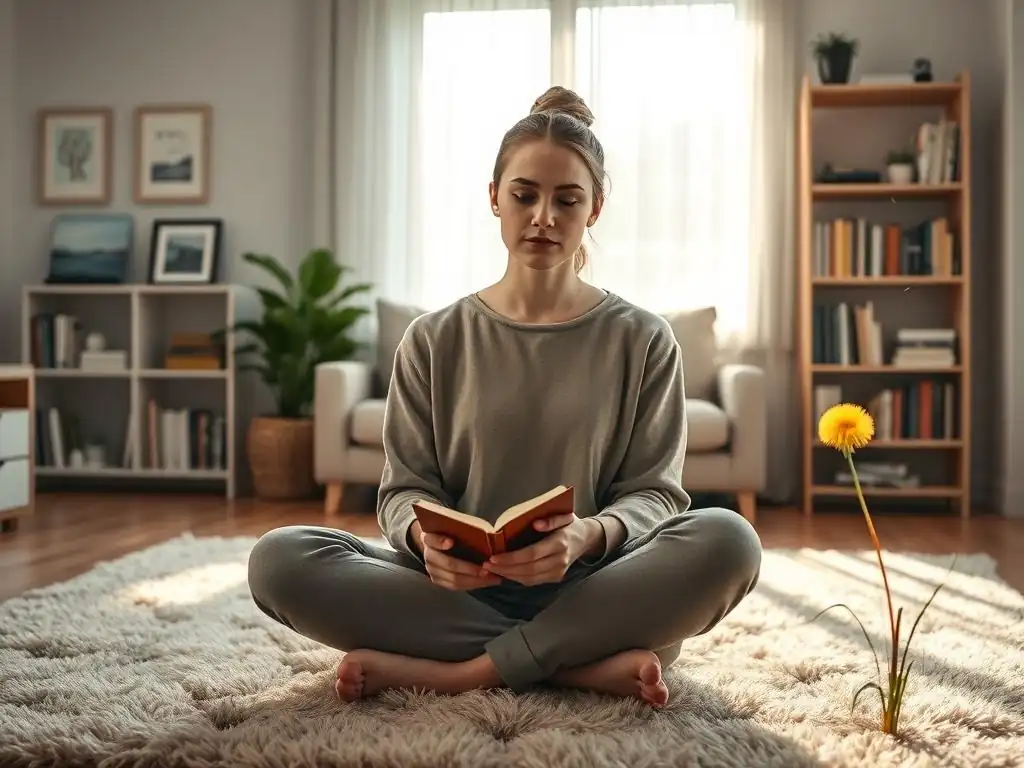
Welcome to Mind Care Guide.
Feeling overwhelmed by relentless worry about your health? You're not alone. It's understandable to feel anxious, and we're here to help you navigate those difficult feelings. This article delves into the daily realities of managing health anxiety, offering practical strategies and compassionate support to help you find peace and build resilience. Ready to take the first step towards a calmer, more grounded you? Let's explore how to reclaim your life, one day at a time.
Living with Health Anxiety: Daily Challenges and How to Navigate Them
- Understanding Health Anxiety and Its Daily Impact
- Daily Challenges Faced by Individuals with Health Anxiety
- Strategies for Managing Health Anxiety Daily
- Building a Support System for Living with Health Anxiety
- Long-Term Strategies for Overcoming Health Anxiety
- Overcoming Health Anxiety: A Journey Towards Well-being
-
Frequently Asked Questions
- What is health anxiety, and how does it present itself daily?
- How can I effectively manage health anxiety on a daily basis?
- What are some common triggers for health anxiety, and how can I identify mine?
- What resources are available to help me cope with health anxiety, aside from therapy?
- When should I seek professional help for my health anxiety?
- Final Reflection: Finding Peace Amidst the Storm of Health Anxiety
- Unleash Your Inner Calm: Practical Steps to Manage Health Anxiety
Understanding Health Anxiety and Its Daily Impact
What is Health Anxiety? Defining Illness Anxiety Disorder
Health anxiety, also known as illness anxiety disorder (formerly hypochondriasis), is a condition characterized by excessive worry about having or developing a serious medical condition. Individuals with health anxiety experience persistent fear and preoccupation with their health, often misinterpreting normal bodily sensations as symptoms of severe illness. This intense focus on health can consume a significant portion of their day, impacting their ability to concentrate on work, relationships, and other aspects of life.
This anxiety is often disproportionate to any actual medical risk and persists despite medical evaluations and assurances from healthcare professionals. It's not simply being concerned about one's health; it's a pervasive and distressing fear that interferes with daily functioning. For some, the anxiety centers on a specific disease, while for others, it's a general fear of illness. The core issue is the level of worry and the impact it has on managing health anxiety daily.
The Cycle of Worry: How Health Anxiety Manifests Daily
For those living with health anxiety, the day often begins and ends with worry. A slight twinge, a fleeting headache, or a momentary dizziness can trigger a cascade of anxious thoughts. This leads to behaviors like excessive checking (of symptoms, body parts, or vital signs) or seeking reassurance (from doctors, friends, family, or online). While these behaviors provide temporary relief, they ultimately reinforce the anxiety, creating a vicious cycle.
This daily manifestation means constantly scanning one's body for signs of illness, spending significant time researching symptoms online, or repeatedly visiting doctors despite being told they are healthy. The cycle looks something like this: Sensation/Thought -> Anxiety -> Checking/Reassurance Seeking -> Temporary Relief -> Increased Sensitivity/Worry -> Sensation/Thought. Breaking this cycle is central to managing health anxiety daily and reclaiming control over one's life.
Common Triggers for Health Anxiety Flare-Ups
Health anxiety can be triggered by a variety of internal and external factors throughout the day. Common internal triggers include noticing a new or unfamiliar bodily sensation, experiencing a typical symptom like fatigue or a cough, or even just having a thought about a specific disease. These internal cues are often misinterpreted through the lens of fear, instantly escalating into panic about serious illness.
External triggers are also prevalent. Hearing about someone else's illness, watching a medical drama on television, reading health-related articles online (even general wellness tips), or receiving routine medical information (like blood test results, even if normal) can all spark intense anxiety. Even simply being in a doctor's office or hospital setting can be a significant trigger. Understanding these triggers is a crucial first step in developing strategies for managing health anxiety daily.
Daily Challenges Faced by Individuals with Health Anxiety
Physical Sensations and the Fear of Illness
One of the most pervasive daily challenges is the misinterpretation of normal physical sensations. The human body constantly produces a range of feelings – a muscle twitch, a slight stomach gurgle, a momentary chest discomfort after eating, or a change in heart rate after climbing stairs. For someone with health anxiety, these typical, often benign sensations can instantly be perceived as definitive evidence of a severe, life-threatening illness.
This constant vigilance means that the individual is hyper-aware of every subtle internal change. A common cold symptom like a sore throat might be feared as the beginning of a rare infection, or mild indigestion could be catastrophized into a heart attack. The sheer volume of these daily bodily signals, coupled with the anxious interpretation, creates a near-constant state of fear and distress, making the task of managing health anxiety daily incredibly demanding.
Constant Body Scanning and Symptom Checking
A direct consequence of the fear of illness is the compulsive need to scan the body for symptoms and repeatedly check for signs of disease. This can involve behaviors like checking moles for changes multiple times a day, monitoring heart rate and blood pressure excessively, feeling lymph nodes for swelling, or inspecting skin and orifices. This checking can be overt or covert, happening subtly throughout the day.
This behavior, while intended to reduce anxiety by confirming "everything is okay," actually reinforces the anxiety by keeping the focus firmly on potential threats. It becomes a time-consuming ritual that disrupts activities and fuels the cycle of worry. For example, someone might spend 30 minutes each morning meticulously examining their skin or checking their pulse, significantly delaying their ability to start their day. This constant checking is a major hurdle in effectively managing health anxiety daily.
The Impact of Health Anxiety on Daily Routines and Activities
Health anxiety doesn't just affect internal feelings; it significantly disrupts daily life. The constant worry and associated behaviors can make it difficult to concentrate at work or school, leading to decreased productivity and potential job strain. Social activities may be avoided due to fears of encountering germs, experiencing symptoms in public, or being too preoccupied with health worries to enjoy interactions.
Simple tasks can become monumental challenges. Planning a trip might be fraught with anxiety about medical facilities at the destination. Engaging in physical activity might be avoided due to fear of triggering perceived symptoms or stressing the body. Even getting enough sleep can be difficult due to racing thoughts about health. The effort involved in managing health anxiety daily means that many individuals have limited energy left for other aspects of their lives.
Relationship Strain: How Health Anxiety Affects Loved Ones
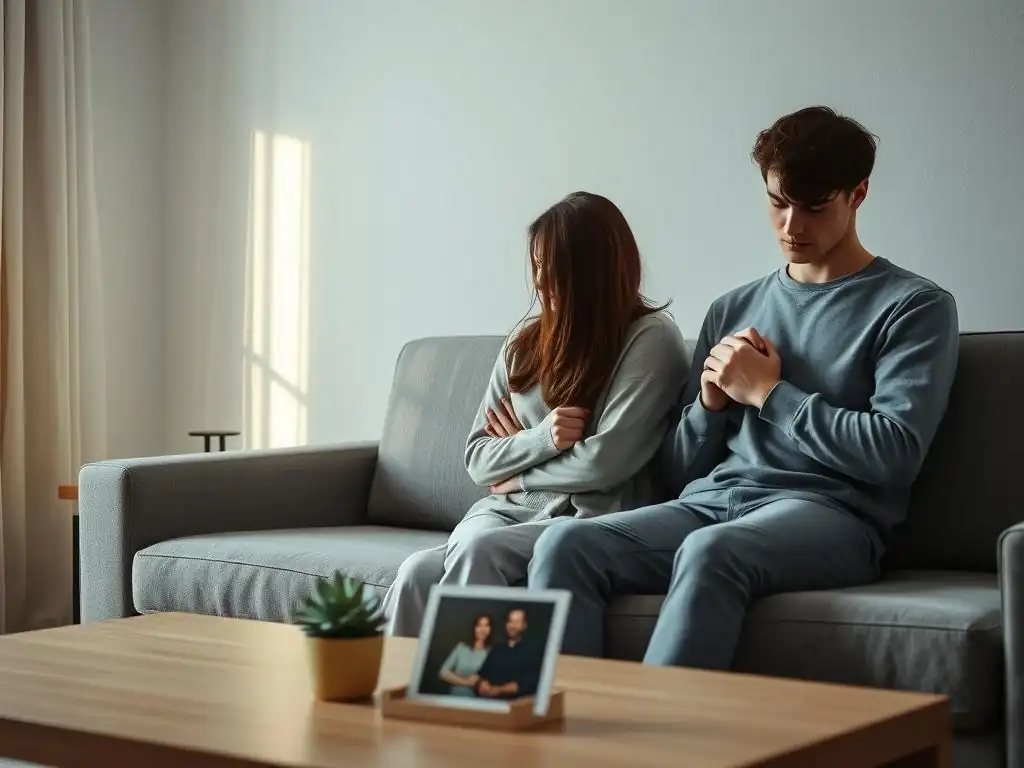
Living with health anxiety often puts a significant strain on relationships with family, friends, and partners. Loved ones may become exhausted by repeated requests for reassurance ("Does this mole look normal? ", "Do I sound sick? "), constant health-related discussions, or the individual's inability to participate fully in shared activities due to anxiety. While they want to be supportive, they may feel helpless, frustrated, or resentful.
Conversely, individuals with health anxiety may feel misunderstood or invalidated if their fears are dismissed by others. This dynamic can lead to conflict, isolation, and emotional distance within relationships. For example, a partner might grow weary of accompanying the individual to numerous doctor appointments or constantly having to provide reassurance that is quickly forgotten. Navigating these interpersonal challenges is a critical, often overlooked, aspect of managing health anxiety daily.
Fear of Medical Procedures and Doctor Visits
Despite the intense worry about health, individuals with health anxiety often have a complicated relationship with the medical system. While some may seek excessive medical attention, others may paradoxically avoid necessary doctor visits, screenings, or medical procedures due to intense fear. This fear might stem from anticipation of receiving bad news, anxiety about medical tests themselves (like blood draws or scans), or general discomfort in clinical settings.
This avoidance can be detrimental to actual health, as it may lead to delaying legitimate medical care. For example, someone might worry intensely about cancer but avoid a routine screening that could provide early detection and peace of mind. This conflict between intense health worry and avoidance of medical care highlights the complex nature of the disorder and presents a significant barrier to both physical and mental well-being, making effective management of health anxiety daily even more challenging.
Strategies for Managing Health Anxiety Daily
Cognitive Behavioral Therapy (CBT) Techniques for Health Anxiety
Cognitive Behavioral Therapy (CBT) is widely recognized as one of the most effective treatments for health anxiety. A core component of CBT involves identifying and challenging the unhelpful thought patterns that fuel anxiety. This includes recognizing catastrophic thinking, where minor symptoms are automatically interpreted as signs of severe illness, and learning to evaluate thoughts more realistically.
Therapists work with individuals to examine the evidence for and against their anxious beliefs. For instance, if a person fears a headache means they have a brain tumor, the therapist might help them consider the actual probability, recall past headaches that resolved without serious issues, and explore alternative, benign explanations. This process of thought restructuring is a fundamental daily practice in managing health anxiety effectively.
Challenging Negative Thoughts and Catastrophizing
A specific CBT technique involves actively identifying and disputing negative, catastrophic thoughts as they arise throughout the day. This can be done by keeping a thought record, noting the situation, the thought, the feeling, and then challenging the thought by asking:
- What is the evidence for this thought?
- What is the evidence against this thought?
- What is a more balanced or realistic perspective?
- What is the worst-case scenario, and how likely is it really?
- What is the best-case scenario?
- What is the most likely scenario?
By consistently practicing this thought challenging, individuals can weaken the connection between a bodily sensation and an automatic fear response, helping them better manage health anxiety daily. This requires conscious effort but can significantly reduce the intensity and frequency of anxious episodes over time.
Exposure Therapy: Facing Your Fears Gradually
Exposure therapy is another powerful CBT technique used in managing health anxiety. It involves gradually and systematically exposing oneself to feared situations, sensations, or thoughts without engaging in safety behaviors (like checking or seeking reassurance). The goal is to learn that the feared outcome does not occur and that anxiety decreases over time even without these behaviors.
Examples might include:
- Intentionally focusing on a benign bodily sensation (like a racing heart after exercise) without checking pulse or seeking reassurance.
- Reading about a specific illness for a limited, planned time without excessive research or panic.
- Sitting with the urge to check a symptom for a set period before allowing oneself to do it (and eventually not doing it at all).
This process is typically done with the guidance of a therapist, starting with less anxiety-provoking exposures and moving towards more challenging ones. While uncomfortable initially, it is a crucial step in breaking the cycle of fear and avoidance that characterizes health anxiety, leading to more effective daily management.
Mindfulness and Relaxation Techniques for Calming Anxiety
Mindfulness involves paying attention to the present moment without judgment. For health anxiety, this means observing bodily sensations, thoughts, and feelings as they are, rather than immediately interpreting them as dangerous or catastrophic. Practicing mindfulness can help individuals become more aware of their anxiety triggers and responses without getting swept away by them.
Relaxation techniques, such as deep breathing, progressive muscle relaxation, or guided imagery, provide immediate tools to calm the nervous system when anxiety flares up. Incorporating these practices into a daily routine can build resilience and provide coping mechanisms for moments of heightened worry, contributing significantly to managing health anxiety daily.
Practicing Mindfulness Meditation Daily
Committing to a daily mindfulness meditation practice, even for just 10-15 minutes, can significantly impact the ability to manage health anxiety. This involves finding a quiet space, focusing on the breath, and gently bringing attention back whenever the mind wanders (which it will). The goal isn't to stop thinking, but to observe thoughts and sensations without reacting to them as threats.
Through regular practice, individuals can develop a greater capacity to tolerate uncertainty and discomfort. They learn to see anxious thoughts about health as just thoughts, rather than absolute truths, and to experience bodily sensations simply as sensations, without the automatic leap to disaster. This detachment is a powerful tool for daily health anxiety management.
Deep Breathing Exercises for Immediate Relief
Simple deep breathing exercises can provide immediate relief when feeling overwhelmed by health anxiety. Techniques like diaphragmatic breathing (breathing deeply into the belly) or the 4-7-8 technique (inhaling for 4 counts, holding for 7, exhaling for 8) activate the body's relaxation response, counteracting the fight-or-flight response triggered by anxiety.
Keeping track of breathing during the day and using these techniques during moments of heightened anxiety or during planned "worry times" can help ground an individual and prevent a full-blown panic spiral related to health fears. These portable, accessible tools are essential for managing health anxiety daily, no matter where one is.
Lifestyle Changes to Reduce Health Anxiety
Beyond therapeutic techniques, certain lifestyle changes can play a supportive role in reducing overall anxiety levels, which in turn aids in managing health anxiety daily. These changes focus on promoting general well-being and reducing stressors that can exacerbate anxiety. They are not a cure but valuable components of a comprehensive management plan.
Consistency is key with lifestyle changes. Small, sustainable adjustments made daily or weekly are more impactful than sporadic grand gestures. These changes help build a foundation of physical and mental resilience, making it easier to implement other coping strategies when faced with health-related worries.
The Importance of Regular Exercise and a Healthy Diet
Regular physical activity is well-documented to reduce anxiety and improve mood by releasing endorphins. Aiming for at least 150 minutes of moderate-intensity exercise per week (e.g., 30 minutes, 5 days a week) can make a noticeable difference in overall stress levels. Activities like brisk walking, jogging, swimming, or cycling can be particularly beneficial.
Similarly, a balanced diet rich in fruits, vegetables, whole grains, and lean proteins supports overall physical and mental health. Limiting caffeine, alcohol, and sugar can prevent energy crashes and jitters that can mimic anxiety symptoms and exacerbate health fears. Fueling the body properly provides a stable base for managing health anxiety daily.
Limiting Exposure to Health-Related News and Information
For someone with health anxiety, excessive exposure to health-related news, medical dramas, or online symptom checkers can be highly detrimental. News headlines about disease outbreaks or medical conditions can trigger intense fear, and online searches often provide worst-case scenarios that fuel catastrophic thinking.
Setting boundaries around consuming this type of information is crucial. This might involve:
- Designating specific, limited times (e.g., 10 minutes per day) for checking necessary health information from reliable sources.
- Avoiding medical news websites or forums that are known triggers.
- Turning off notifications for health apps or news sources.
- Refraining from using online symptom checkers altogether.
Consciously reducing this exposure significantly cuts down on potential triggers, making the process of managing health anxiety daily much more manageable.
Seeking Professional Help for Health Anxiety
While self-help strategies and lifestyle changes are valuable, professional help is often necessary for effectively managing health anxiety, especially when symptoms are severe or significantly impacting daily life. Therapists specializing in anxiety disorders can provide tailored strategies and support.
Medication may also be an option, particularly if anxiety is severe or co-occurs with other conditions like depression. A psychiatrist or medical doctor can discuss appropriate pharmacological interventions and monitor their effectiveness. Professional guidance ensures the most appropriate and evidence-based approach to treatment.
Finding a Therapist Specializing in Anxiety Disorders
Identifying a therapist with experience in treating health anxiety or related anxiety disorders is key. Look for licensed psychologists, clinical social workers, or counselors who utilize evidence-based approaches like CBT or Acceptance and Commitment Therapy (ACT). Professional associations or directories can be helpful resources for finding qualified practitioners in your area.
A therapist can provide personalized tools, guide exposure exercises safely, and help process the underlying fears contributing to the anxiety. They offer a structured environment to learn and practice the skills needed for effectively managing health anxiety daily.
Medication Options for Managing Health Anxiety Symptoms
For some individuals, medication can be a helpful adjunct to therapy in managing health anxiety symptoms, particularly reducing the intensity of worry and physical anxiety. Common medications include Selective Serotonin Reuptake Inhibitors (SSRIs) or Serotonin-Norepinephrine Reuptake Inhibitors (SNRIs), which are types of antidepressants also effective for anxiety disorders.
Benzodiazepines may be prescribed for short-term use during acute periods of severe anxiety or panic, but their use is generally limited due to the risk of dependence. Any medication decision should be made in consultation with a psychiatrist or medical doctor who can assess individual needs, potential side effects, and interactions, ensuring a safe and effective approach to daily health anxiety management.
Building a Support System for Living with Health Anxiety

Living with health anxiety can feel isolating, but connecting with others is vital. Building a strong support system provides emotional comfort, understanding, and practical assistance. This network can include family, friends, support groups, and online communities.
Sharing your experiences with trusted individuals can alleviate feelings of shame and loneliness. A supportive network can also help challenge anxious thoughts or provide distraction during moments of heightened worry, making the task of managing health anxiety daily less overwhelming.
The Role of Family and Friends in Providing Support
Educating family and friends about health anxiety is crucial. Helping them understand that it's a real disorder, not just "making things up," can foster empathy and reduce frustration. They can offer support by:
- Listening without judgment.
- Validating feelings ("I see you're feeling really scared right now") without necessarily validating the anxious thought ("Yes, that headache is definitely a tumor").
- Gently redirecting reassurance-seeking behaviors towards coping strategies.
- Encouraging participation in activities and routines.
- Celebrating small victories in managing health anxiety daily.
Open communication about needs and boundaries within relationships is key to ensuring support is helpful and sustainable for everyone involved.
Joining a Health Anxiety Support Group
Connecting with others who have similar experiences can be incredibly validating and empowering. Support groups, whether in-person or online, provide a space to share challenges, learn coping strategies from peers, and feel understood. Hearing how others are successfully managing health anxiety daily can offer hope and practical tips.
These groups often discuss common struggles like dealing with symptom checking, navigating doctor visits, or explaining the condition to others. The shared experience reduces feelings of isolation and provides a sense of community among people who truly understand the specific difficulties of living with this disorder.
Online Resources and Communities for Individuals with Health Anxiety
The internet, while sometimes a source of triggers, can also be a valuable resource for support. Reputable mental health websites often host forums or communities specifically for anxiety disorders, including health anxiety. Organizations dedicated to anxiety research and support frequently offer online information, webinars, and peer support platforms.
When using online resources, it's important to be discerning and stick to reputable sources (like those affiliated with mental health organizations or research institutions) to avoid triggering content or misinformation. These platforms can provide 24/7 access to information and peer connection, supplementing in-person support efforts for managing health anxiety daily.
Long-Term Strategies for Overcoming Health Anxiety
Overcoming health anxiety is a journey, not a destination reached overnight. It involves developing sustainable strategies and shifting fundamental beliefs about health and uncertainty. Long-term management focuses on building resilience and maintaining progress made through therapy and lifestyle changes.
This involves consistently applying learned coping mechanisms, reframing anxious thought patterns over time, and creating a personalized plan that supports ongoing mental and physical wellness. The goal is to reduce the impact of health anxiety on daily life and increase overall well-being.
Developing Coping Mechanisms for Managing Worry
Developing a robust toolkit of coping mechanisms is essential for long-term management. This goes beyond initial strategies learned in therapy and involves finding what works best for the individual and practicing these techniques regularly. Effective coping mechanisms might include:
- Scheduled "worry time": Dedicating a specific, limited period each day (e.g., 20 minutes) to think about health worries, and postponing worry thoughts that arise outside this time.
- Distraction techniques: Engaging in activities that fully absorb attention, such as hobbies, puzzles, or spending time with loved ones.
- Journaling: Writing down anxious thoughts to gain perspective and identify patterns.
- Creative outlets: Using art, music, or writing to express feelings.
Consistently employing these mechanisms helps reduce the time spent dwelling on health fears, making managing health anxiety daily less consuming.
Reframing Thoughts and Beliefs About Health
A crucial long-term strategy is actively working to reframe core beliefs about health, illness, and the body. This involves moving away from the belief that any symptom equals severe disease or that perfect health is the only state free from worry. It's about accepting the inherent uncertainty of life and health.
This reframing involves challenging cognitive biases, such as the tendency to overestimate risk or selectively focus on negative health information. Over time, through consistent practice of CBT techniques and mindfulness, individuals can cultivate a more balanced and realistic perspective on their health and bodily sensations, fundamentally changing how they approach managing health anxiety daily.
Creating a Personalized Wellness Plan for Sustained Recovery
Sustained recovery from health anxiety is best supported by a personalized wellness plan that integrates various strategies. This plan should include:
- Regular therapy sessions (even if less frequent) or booster sessions as needed.
- A consistent schedule for practicing mindfulness or relaxation techniques.
- Specific goals for physical activity and nutrition.
- Strategies for managing triggers (like limits on health information consumption).
- Identifying and maintaining healthy social connections.
- Plans for addressing potential setbacks or increases in anxiety.
This living document serves as a roadmap, empowering the individual to proactively manage their mental health and continue making progress in effectively managing health anxiety daily over the long term.
Overcoming Health Anxiety: A Journey Towards Well-being
Living with health anxiety presents significant daily challenges, from misinterpreting physical sensations to straining relationships and disrupting routines. However, it is important to remember that recovery is possible. By understanding the nature of health anxiety, recognizing its daily manifestations, and implementing evidence-based strategies, individuals can learn to navigate these difficulties.
The journey towards overcoming health anxiety involves actively challenging anxious thoughts, gradually facing fears, adopting healthy lifestyle habits, and building a strong support system. With consistent effort, professional guidance, and self-compassion, it is possible to reduce the grip of health worries and move towards a life where health is a matter of care, not constant fear, enabling more effective and peaceful managing health anxiety daily.
Frequently Asked Questions
What is health anxiety, and how does it present itself daily?
Health anxiety, also known as illness anxiety disorder, involves excessive worry about having or developing a serious illness. Daily, this can manifest as constant checking for symptoms, seeking reassurance, and avoidance of situations that trigger fear.
How can I effectively manage health anxiety on a daily basis?
Daily management involves strategies like cognitive behavioral therapy (CBT) techniques, such as challenging negative thoughts, practicing relaxation techniques, and limiting health-related research online.
What are some common triggers for health anxiety, and how can I identify mine?
Common triggers include media reports of illnesses, physical sensations (even normal ones), and conversations about health. Identifying your triggers involves keeping a journal to track when anxiety spikes and what preceded it.
What resources are available to help me cope with health anxiety, aside from therapy?
Besides therapy, resources include support groups, online forums specifically designed for health anxiety, and mindfulness apps that promote stress reduction and relaxation.
When should I seek professional help for my health anxiety?
You should seek professional help when your health anxiety significantly impacts your daily life, causes distress that is overwhelming, or prevents you from engaging in normal activities, even after employing self-help strategies.
Final Reflection: Finding Peace Amidst the Storm of Health Anxiety
Living with health anxiety is a daily battle, a constant negotiation between fear and reality. This struggle, far from being a niche experience, affects countless individuals, impacting their mental well-being and daily lives. The pervasive nature of online information, while offering access to knowledge, can also fuel anxieties, making the challenge even more acute in our current digital age.
The journey of managing health anxiety is a deeply personal one, a continuous process of self-discovery and adaptation. It requires courage, resilience, and a willingness to confront deeply ingrained fears. The impact on daily life is profound, affecting relationships, work productivity, and overall quality of life. As the saying goes, The mind is a powerful thing. When you fill it with positive thoughts, your life will start to change.
This simple truth underscores the importance of proactive strategies in managing this condition, shifting the focus from fear to self-care and empowerment.
You are not alone in this journey. By understanding the triggers, developing coping mechanisms, and seeking professional support when needed, you can navigate the challenges of health anxiety and cultivate a life filled with peace and well-being. Take a moment to reflect on your own relationship with anxiety. What strategies have worked for you? What support systems do you have in place? Embrace the power of self-compassion and remember that progress, not perfection, is the key to a healthier, happier you.
Unleash Your Inner Calm: Practical Steps to Manage Health Anxiety
Thanks for taking the time to explore the world of health anxiety with us! We hope this article provided valuable insights and tools to help you navigate your daily challenges. Now it's time to put that knowledge into action. Let's focus on building a more peaceful and confident you.
- Prioritize one small, manageable self-care activity today. This could be anything from a mindful breathing exercise to a short walk in nature – anything that brings you a sense of calm and control. This is your first step towards reclaiming your well-being.
- Share your experiences and connect with our community. If you feel comfortable, leave a comment below. Sharing your journey can be incredibly empowering, and you might find comfort and support in others' experiences.
- Explore a new relaxation technique this week. There are countless resources available online and in your community. Experiment and find what resonates with you – whether it's meditation, yoga, or even listening to calming music.
What small step will you take today to nurture your mental well-being and cultivate a more balanced relationship with your health?