Lifestyle Changes That Significantly Reduce Panic Frequency.
🌟 Discover essential panic attack frequency reduction tips in our comprehensive mental well-being guide. Implementing simple lifestyle changes can profoundly decrease panic…
Read article

Panic attacks can feel overwhelming and frightening, but they are manageable with the right strategies and support. At Mind Care Guide, we empower you to understand the physical and emotional surges of panic, offering practical, science-backed techniques to regain control in the moment. From grounding exercises and breathing methods to cognitive reframing and long-term coping plans, our resources help you reduce the intensity and frequency of attacks. Whether you’re navigating a sudden rush of fear or seeking to prevent future episodes, you’ll find compassionate, actionable guidance designed to restore calm and confidence. You are not alone—and recovery is possible. Explore tools that build resilience, foster self-awareness, and transform panic from a crisis into a manageable signal. Embrace a path toward greater peace and mental clarity today.

🌟 Discover essential panic attack frequency reduction tips in our comprehensive mental well-being guide. Implementing simple lifestyle changes can profoundly decrease panic…
Read article
🌟 Therapy animals reduce anxiety stress, offering unmatched comfort and calm to those facing mental health challenges. Discover how these four-legged friends…
Read article
🌟 Discover how CBT panic attack treatment empowers you to rewire your mind, reducing fear and anxiety. This proven approach offers hope…
Read article
🌟 Experiencing your first panic attack can be overwhelming, but understanding the signs and symptoms is crucial. Discover effective panic attack recovery…
Read article
🌟 Discover how integrating art and music can be powerful tools for art music panic relief, helping individuals cultivate calm, reduce anxiety,…
Read article
🌟 Discover how to recognize early signs of panic in children and learn effective strategies for helping children with panic attacks, empowering…
Read article
🌟 Discover how understanding the "Panic attack physical sensations guide" can empower you to recognize and manage early signs of panic attacks,…
Read article
🌟 Discover inspiring stories of overcoming panic attacks naturally, showcasing resilience and effective strategies that lead to lasting peace. This guide offers…
Read article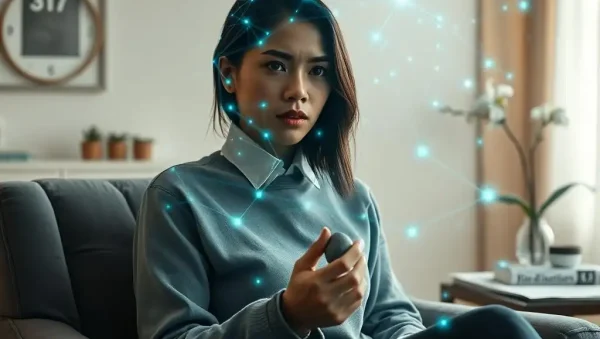
🌟 Discover the root causes of panic disorder triggers and effective strategies for symptoms relief. This guide helps you understand terrifying episodes,…
Read article
🌿 Discover how tailored diet and exercise routines can significantly reduce panic symptoms, offering effective relief. This comprehensive guide explores the powerful…
Read article
🌟 Discover effective anxiety reducing uncertainty strategies that empower you to embrace life's unpredictability. By understanding and managing the unknown, you can…
Read article
🌟 Empower your journey with effective panic disorder goal setting. Discover strategies to build confidence, track progress, and foster resilience, turning your…
Read articleWelcome to Mind Care Guide’s dedicated section on Panic Disorder - Managing Panic Attacks, a vital resource within our Anxiety Disorders category. Here, you’ll find practical, evidence-based strategies to help you understand the sudden surge of fear, regain control during an episode, and build long-term resilience. Whether you experience occasional panic or frequent attacks, this guide focuses on actionable coping techniques, lifestyle adjustments, and professional insights to empower your journey toward calm and confidence.
Panic attacks often mimic serious medical conditions—racing heart, chest tightness, dizziness, or a feeling of choking. Understanding these physical manifestations is the first step in managing panic disorder. Emotional symptoms like intense dread, fear of losing control, or a sense of unreality can amplify the experience. By learning to identify your unique warning signs, you can separate the attack from the "danger," reducing the secondary fear that often prolongs episodes.
Use this section to explore a comprehensive breakdown of symptoms, including how they differ from everyday stress or heart issues. You’ll also discover how to track your triggers and patterns using a simple symptom diary, which helps you predict and prepare for potential attacks. This foundational awareness is crucial for implementing the calming techniques featured later, as it allows you to intervene early—often before the panic fully escalates.
When a panic attack strikes, your brain’s fear center takes over, making rational thought difficult. Grounding techniques work by shifting your focus from internal chaos to external reality. The 5-4-3-2-1 method—naming five things you see, four you touch, three you hear, two you smell, and one you taste—is a powerful tool. Deep breathing exercises, like box breathing, also activate the parasympathetic nervous system, signaling your body to relax.
In this guide, you’ll find step-by-step instructions for these techniques, complete with tips for practicing them in various environments—home, work, or public transport. We also cover the "urge surfing" method, which teaches you to ride the wave of anxiety without fighting it. These tools are designed to be simple enough to remember mid-attack and adaptable to your comfort level, giving you a reliable safety net whenever fear surges unexpectedly.
Managing panic disorder isn’t just about surviving individual attacks; it’s about reducing their frequency and intensity over time. Cognitive Behavioral Therapy (CBT) helps you reframe catastrophic thoughts, such as "I’m having a heart attack" to "This is a false alarm." Lifestyle modifications—regular aerobic exercise, reducing caffeine and alcohol, and maintaining consistent sleep—can significantly lower your baseline anxiety. These changes rebuild your nervous system’s resilience, making panic less likely to trigger.
This section provides a practical roadmap for implementing these strategies, including example thought records and weekly schedule templates. You’ll learn how to gradually confront feared situations through exposure therapy, starting smaller and building confidence. We also emphasize the importance of self-compassion and patience, as progress is rarely linear. By adopting these long-term habits, you’re not just managing panic—you’re retraining your brain to feel safe in your own body.
While self-help techniques are effective, some individuals benefit from professional support. Therapists specializing in anxiety can guide you through cognitive restructuring and exposure exercises in a controlled setting. Psychiatrists may prescribe SSRIs (e.g., sertraline) or benzodiazepines for short-term relief, though these require careful monitoring. It’s crucial to understand that seeking help is a sign of strength, not weakness—early intervention prevents panic disorder from becoming chronic.
This resource outlines when to see a doctor, how to prepare for your appointment, and questions to ask about medication side effects and withdrawal risks. We also discuss alternative therapies like mindfulness-based stress reduction and acceptance and commitment therapy. You’ll find guidance on finding a licensed professional, understanding insurance coverage, and navigating telehealth options. With the right support, many people achieve significant symptom reduction within three to six months.
Panic disorder thrives in isolation, so building a strong support network is vital. Educating trusted friends and family about what an attack feels like—and how they can help—creates a safety net. Joining support groups, either online or in-person, reduces feelings of stigma and provides shared coping tips. Additionally, creating a "panic plan" that includes emergency contacts, soothing objects, and pre-written affirmations ensures you’re never caught off guard.
This section also covers relapse prevention, teaching you to recognize early warning signs of increasing anxiety and implement boosters like relaxation apps or periodic therapy refreshers. You’ll learn to celebrate small victories and maintain progress without becoming hypervigilant. By actively designing a supportive environment, you’re building a foundation that not only manages current symptoms but also empowers you to live fully, without fear dictating your choices.
A panic attack is a sudden, intense surge of fear that peaks within minutes, sometimes isolated. Panic disorder is diagnosed when you experience recurrent, unexpected attacks and worry persistently about having another, often leading to avoidance behaviors. Not everyone who has panic attacks has the disorder—it’s the chronic fear and behavioral changes that define it.
Yes, many people successfully manage panic attacks through therapy (especially CBT), grounding techniques, regular exercise, and stress reduction. However, medication can be helpful for severe or persistent cases. It’s best to work with a healthcare provider to determine your personal approach—non-pharmacological interventions are often effective alone or as a complement to medication.
Most panic attacks peak within 10 minutes and subside completely within 20-30 minutes, though some can last longer. The adrenaline surge that causes symptoms fades relatively quickly, but lingering anxiety and physical tension may continue for hours. Using grounding and breathing techniques can shorten the duration and reduce the post-attack emotional exhaustion.
Caffeine and high-sugar foods are common triggers because they stimulate the nervous system, mimicking anxiety symptoms. Alcohol and artificial sweeteners may also provoke panic in sensitive individuals. Keeping a food diary can help you identify personal triggers. Staying hydrated and eating balanced meals with protein and complex carbs helps stabilize blood sugar, reducing vulnerability.
First, move to a quiet spot if possible—step outside or into a restroom. Start slow, deep breathing (inhale for 4, hold for 4, exhale for 4) and use a simple grounding cue like focusing on your feet on the floor. Remind yourself this is a false alarm and will pass in minutes. Carrying a small, tactile object, like a smooth stone, can also redirect your attention.