
Decoding Panic Disorder: Why Do You Experience These Terrifying Episodes?


Welcome to Mind Care Guide, a safe space to explore the complexities of mental well-being.
Feeling overwhelmed by sudden, intense fear? Many experience the chilling grip of panic disorder. In this article, we delve into panic disorder triggers, symptoms relief, and offer practical strategies to reclaim your peace. Understand the "why" behind these terrifying episodes and begin your journey towards lasting calm. Let's unravel the mystery together.
Understanding and Managing Panic Disorder
Panic disorder is a type of anxiety disorder characterized by recurrent, unexpected panic attacks. These attacks are sudden periods of intense fear that come with physical and psychological symptoms, often feeling overwhelming and terrifying. Understanding the nuances of panic disorder is the first step toward finding effective panic disorder triggers, symptoms relief.
- Understanding Panic Disorder
- Symptoms and Signs of Panic Disorder
- Triggers of Panic Disorder
- The Neuroscience of Panic
- Strategies for Panic Attack Relief
- Lifestyle Changes for Symptom Reduction
- Seeking Professional Help
- Living with Panic Disorder
- Debunking Common Myths
- Preventing Panic Attacks
- Frequently Asked Questions
- Final Reflection: Understanding and Overcoming Panic's Grip
- Unveil Your Path to Calm: Take Control of Panic
Understanding Panic Disorder
Delving into the nature of panic disorder provides a foundation for managing its impact. It's more than just feeling anxious; it involves a distinct pattern of intense, sudden fear episodes.
What is Panic Disorder?
Panic disorder is diagnosed when someone experiences recurring, unexpected panic attacks and becomes persistently worried about having more attacks or changes their behavior to avoid them. Unlike a normal fear response to a real threat, panic attacks in panic disorder often occur out of the blue, without an obvious trigger. This unpredictability is a key feature and contributes significantly to the distress and avoidance behaviors associated with the condition. It's estimated that panic disorder affects about 2-3% of the population in a given year, making it a relatively common, yet often debilitating, condition if left untreated.
Individuals with panic disorder often live in a state of heightened anxiety between attacks, constantly anticipating the next episode. This anticipatory anxiety can be as disruptive as the attacks themselves, leading people to avoid situations, places, or activities where they've previously had an attack, or where they fear one might occur. This avoidance can severely limit their daily life, impacting work, social activities, and overall quality of life. Understanding the nature of these terrifying episodes is crucial for developing effective panic disorder triggers, symptoms relief strategies.
Panic Attacks vs. Panic Disorder
It's important to distinguish between experiencing a panic attack and having panic disorder. A panic attack is a sudden episode of intense fear that triggers severe physical reactions when there is no real danger or apparent cause. Many people may experience one or two panic attacks in their lifetime, often during periods of high stress. While incredibly frightening, isolated panic attacks do not necessarily indicate panic disorder.
Panic disorder, on the other hand, is characterized by recurrent, unexpected panic attacks, coupled with persistent worry about having more attacks, concern about the implications of the attack (e.g., losing control, having a heart attack, "going crazy"), or a significant change in behavior related to the attacks. For instance, someone might develop agoraphobia, avoiding places or situations where escape might be difficult if a panic attack were to strike. The diagnosis requires this pattern of recurrent, unexpected attacks and subsequent distress or behavioral changes.
Comorbidity with Other Anxiety Disorders
Panic disorder frequently co-occurs with other mental health conditions, particularly other anxiety disorders. Generalized Anxiety Disorder (GAD), Social Anxiety Disorder (SAD), and specific phobias are commonly seen alongside panic disorder. For example, someone with panic disorder might also experience intense worry about everyday events (GAD) or a fear of social situations (SAD), especially if they fear having a panic attack in public.
Furthermore, depression is highly prevalent among individuals with panic disorder, with studies suggesting that up to 50% of people with panic disorder also experience major depression at some point. This comorbidity complicates treatment and highlights the interconnectedness of mental health conditions. Addressing all co-occurring conditions is vital for comprehensive panic disorder triggers, symptoms relief and improving overall well-being.
Symptoms and Signs of Panic Disorder
Panic attacks are characterized by a sudden onset of intense fear and discomfort that peaks within minutes, involving a variety of physical and psychological symptoms. Recognizing these signs is key to identifying an attack and implementing strategies for panic disorder symptoms relief.
Physical Symptoms of a Panic Attack
The physical manifestations of a panic attack can be incredibly intense and often mimic symptoms of serious medical conditions like a heart attack or stroke, which is why many people experiencing their first panic attack end up in the emergency room. Common physical symptoms include a racing or pounding heart (palpitations), sweating, trembling or shaking, sensations of shortness of breath or smothering, and feelings of choking. These symptoms can be so overwhelming that the person feels they are losing control or even dying.
Other physical signs often present during an attack are chest pain or discomfort, nausea or abdominal distress, dizziness, lightheadedness, or faintness, chills or heat sensations, and numbness or tingling sensations (paresthesias), particularly in the extremities. The combination and intensity of these symptoms can vary greatly from person to person and from attack to attack, but they consistently involve a powerful surge of physical arousal. Learning to identify these physical panic disorder symptoms is the first step in managing the episodes.
Psychological Symptoms of Panic Disorder
Beyond the physical sensations, panic attacks and panic disorder involve significant psychological distress. A hallmark psychological symptom during an attack is an intense fear of losing control or "going crazy." This fear is often coupled with a terrifying sense of impending doom, a feeling that something catastrophic is about to happen, even without a clear threat.
Another common psychological symptom is derealization (feelings of unreality) or depersonalization (feeling detached from oneself). The individual might feel like they are in a dream or watching themselves from outside their body. Between attacks, individuals with panic disorder often experience significant anticipatory anxiety, a persistent worry about having future panic attacks, and may develop phobic avoidance of situations they associate with previous attacks. Addressing these psychological aspects is crucial for comprehensive panic disorder symptoms relief.
Emotional Impact of Panic Attacks
The emotional aftermath of a panic attack can be profound and lasting. The sheer terror experienced during an attack can lead to feelings of exhaustion, vulnerability, and emotional depletion. Many individuals feel embarrassed or ashamed after an attack, especially if it occurred in public, and may worry about being judged or misunderstood by others.
The fear of future attacks can lead to a state of chronic anxiety and hypervigilance, constantly scanning their body for any sign of physical arousal that might signal an impending attack. This emotional burden contributes significantly to the impairment seen in panic disorder, affecting mood, self-esteem, and the ability to engage fully in life. Understanding this emotional toll is vital when discussing panic disorder triggers, symptoms relief.
Triggers of Panic Disorder
While panic attacks in panic disorder are often described as "unexpected," meaning they don't occur in response to an immediate, objective danger, they can sometimes be linked to specific internal or external triggers. Identifying these panic disorder triggers is a critical component of effective management and prevention strategies.
Common Triggers
Common triggers for panic attacks can range widely, from specific situations to internal states. Stress, whether from work, relationships, or significant life changes, is a very common catalyst. Even positive stressors, like planning a wedding, can sometimes trigger attacks. Physical exertion, especially if sudden or intense, can also be a trigger for some individuals, as the bodily sensations of exercise (increased heart rate, shortness of breath) can be misinterpreted as signs of an impending panic attack.
Certain substances are also well-known panic disorder triggers. Caffeine, nicotine, alcohol (especially withdrawal), and recreational drugs can significantly increase anxiety and the likelihood of experiencing an attack. Even over-the-counter medications containing stimulants can sometimes trigger symptoms. Recognizing and managing exposure to these common triggers is an important step towards achieving panic disorder symptoms relief.
Psychological Triggers
Psychological factors play a significant role in triggering panic attacks for many people. Intense emotions, both negative (like fear, anger, or sadness) and sometimes positive (like excitement), can sometimes precede an attack. Worrying excessively about health, finances, or future events (anticipatory anxiety) can also prime the system for an attack.
Specific thought patterns, such as catastrophic thinking (assuming the worst possible outcome), can also act as triggers. For instance, someone experiencing a slight headache might instantly fear they are having a stroke, and this fear itself can escalate into a panic attack. Memories of past traumatic events or even memories of previous panic attacks can also serve as powerful psychological triggers. Addressing these thought patterns is key for long-term panic disorder triggers, symptoms relief.
Environmental Triggers
Certain environments or external situations can act as triggers for panic attacks, particularly for those who have developed agoraphobia as a result of their panic disorder. Crowded places like shopping malls or public transportation, enclosed spaces like elevators or tunnels, or open spaces like large parking lots can all be potential triggers. Driving, especially on highways or in heavy traffic, is another common environmental trigger.
Situations where escape might feel difficult or help unavailable, such as being far from home, sitting in the middle of a row in a theater, or waiting in a long line, can also be significant triggers. These environmental triggers often become associated with the fear of having an attack, leading to avoidance behaviors that further reinforce the panic disorder cycle. Identifying these specific panic disorder triggers is essential for exposure-based therapies aimed at symptoms relief.
Lifestyle Triggers
Daily habits and lifestyle factors can also contribute to the frequency and intensity of panic attacks. Poor sleep hygiene, including insufficient or disrupted sleep, can significantly increase anxiety levels and make individuals more vulnerable to attacks. Irregular eating patterns or skipping meals can lead to low blood sugar, which can cause physical symptoms like shakiness and dizziness, potentially triggering panic.
Lack of regular physical activity, despite the fact that intense exercise can sometimes be a trigger, paradoxically makes many people more prone to anxiety and panic. Chronic stress from work, relationships, or financial difficulties that isn't effectively managed is perhaps one of the most pervasive lifestyle triggers. Addressing these lifestyle factors is a foundational element of comprehensive panic disorder triggers, symptoms relief.
The Neuroscience of Panic
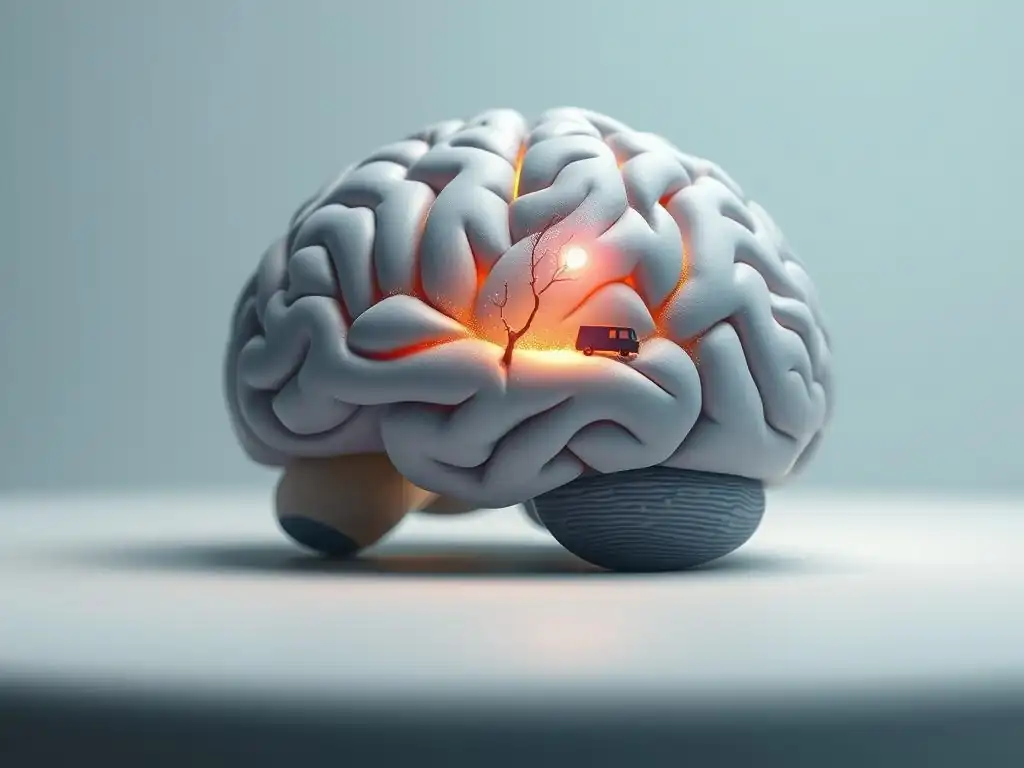
Understanding what happens in the brain and body during a panic attack can demystify the experience and highlight the biological basis of panic disorder. It's not "all in your head" in a dismissive sense; it's a real, albeit often misguided, activation of the body's alarm system.
Brain Response During a Panic Attack
During a panic attack, several areas of the brain are involved in initiating and processing the intense fear response. The limbic system, particularly the amygdala, plays a central role. When a perceived threat is detected (even if it's an internal sensation or a benign external cue misinterpreted as dangerous), the amygdala signals the hypothalamus, which in turn activates the sympathetic nervous system – the body's "fight or flight" response.
This activation leads to the cascade of physical symptoms characteristic of a panic attack: increased heart rate, rapid breathing, sweating, etc. Other brain areas, such as the prefrontal cortex, which is involved in rational thought and threat assessment, seem to be less effective in overriding the amygdala's alarm signal during an attack in individuals with panic disorder. Research using neuroimaging has shown distinct patterns of activity in these regions during panic attacks.
The Amygdala and Fear
The amygdala is a small, almond-shaped structure deep within the brain's temporal lobe, often referred to as the brain's "fear center." Its primary function is to process emotions, particularly fear, and to store memories associated with emotional events. In individuals with panic disorder, the amygdala appears to be hypersensitive, reacting strongly to stimuli that would not trigger a fear response in someone without the condition.
This hypersensitivity can lead to the amygdala misinterpreting benign bodily sensations (like a slight increase in heart rate) or external cues as significant threats, initiating a false alarm that escalates into a full-blown panic attack. Over time, the amygdala can become conditioned to react to increasingly subtle cues, contributing to the unpredictability and frequency of attacks. Targeting this fear circuitry is a goal of therapies aimed at panic disorder triggers, symptoms relief.
Neurotransmitters and Panic Disorder
Neurotransmitters, chemical messengers in the brain, also play a crucial role in panic disorder. Imbalances or dysregulation in several neurotransmitter systems are thought to contribute to the condition. Serotonin, a neurotransmitter involved in regulating mood, anxiety, and sleep, is particularly implicated. Many medications effective for panic disorder, such as Selective Serotonin Reuptake Inhibitors (SSRIs), work by increasing serotonin levels in the brain.
Other neurotransmitters like norepinephrine (involved in the fight-or-flight response), GABA (an inhibitory neurotransmitter that calms the nervous system), and glutamate (an excitatory neurotransmitter) are also believed to be involved. For example, benzodiazepines, another class of medication used for acute panic attacks, work by enhancing the effects of GABA, thereby reducing nervous system activity. Research continues to explore the complex interplay of these chemicals in the development and maintenance of panic disorder, informing strategies for panic disorder symptoms relief.
Strategies for Panic Attack Relief
Managing panic attacks involves both immediate techniques to cope during an episode and long-term strategies to reduce their frequency and intensity. Effective panic disorder symptoms relief often requires a multi-faceted approach.
Immediate Relief Techniques
When a panic attack strikes, having tools to use in the moment can help regain a sense of control and reduce the severity and duration of the episode. These techniques focus on calming the nervous system and redirecting attention away from fearful thoughts and physical sensations.
Breathing Exercises
Controlled breathing is one of the most effective immediate techniques for panic attack symptoms relief. Panic attacks often involve hyperventilation (rapid, shallow breathing), which can exacerbate physical symptoms like dizziness and chest tightness. Slowing down the breath signals the nervous system to calm down. A common technique is the 4-7-8 method: inhale deeply through the nose for a count of 4, hold the breath for a count of 7, and exhale slowly through the mouth for a count of 8. Repeating this several times can help regulate oxygen and carbon dioxide levels and activate the parasympathetic nervous system.
Another simple breathing exercise involves focusing on slow, deep abdominal breaths. Place one hand on your chest and the other on your belly. Inhale slowly through your nose, feeling your belly rise more than your chest. Exhale slowly through pursed lips. Aim for 6-10 slow breaths per minute. Practicing these techniques regularly, even when not having an attack, can make them more effective when needed for panic disorder symptoms relief.
Grounding Techniques
Grounding techniques are strategies that help anchor you to the present moment and your physical surroundings when feeling overwhelmed by anxiety or panic. They are particularly useful when experiencing derealization or depersonalization. The "5-4-3-2-1" method is a popular grounding exercise: identify 5 things you can see, 4 things you can touch, 3 things you can hear, 2 things you can smell, and 1 thing you can taste. This exercise engages your senses and pulls your focus away from your internal fear and physical sensations.
Other grounding techniques include focusing on the feeling of your feet on the ground, holding a comforting object, or describing your environment in detail. The goal is to connect with reality and interrupt the cycle of escalating fear and catastrophic thinking. Practicing grounding can provide immediate panic disorder symptoms relief by bringing you back to the here and now.
Progressive Muscle Relaxation
Progressive Muscle Relaxation (PMR) is a technique where you systematically tense and then release different muscle groups in the body. This process helps you become more aware of physical tension and teaches you how to release it. During a panic attack, muscles often become tense, contributing to physical discomfort. By consciously releasing tension, you can promote a sense of calm.
To practice PMR during an attack (or as a preventive measure), find a comfortable position. Start with your feet, tense the muscles tightly for about 5-10 seconds, then completely release the tension, noticing the difference. Move up through your body, tensing and releasing calves, thighs, abdomen, chest, arms, hands, shoulders, neck, and face. This technique can help reduce the physical symptoms that often fuel the psychological fear during an attack, offering a path to panic disorder symptoms relief.
Long-Term Management Strategies
While immediate techniques help during an attack, long-term strategies are necessary to reduce the frequency and severity of panic attacks and address the underlying causes of panic disorder. These often involve therapy, lifestyle changes, and sometimes medication. Consistent engagement with these strategies is key for sustained panic disorder triggers, symptoms relief.
Cognitive Behavioral Therapy (CBT)
Cognitive Behavioral Therapy (CBT) is widely considered one of the most effective psychological treatments for panic disorder, with success rates reported to be as high as 70-80%. CBT helps individuals identify and challenge the distorted thoughts and beliefs that contribute to their panic attacks. This includes recognizing catastrophic interpretations of physical sensations (e.g., "My heart is racing, I must be having a heart attack") and learning to replace them with more realistic and helpful thoughts.
A core component of CBT for panic disorder is psychoeducation about the nature of panic attacks and the fight-or-flight response, helping individuals understand that their symptoms are frightening but not dangerous. Therapists also teach coping skills like breathing exercises and grounding techniques and gradually introduce exposure exercises. CBT helps individuals gain control over their reactions and thought patterns, leading to significant panic disorder symptoms relief and reduced avoidance behaviors.
Exposure Therapy
Exposure therapy is a specific type of CBT that is highly effective for panic disorder, particularly when agoraphobia is present. It involves gradually and systematically exposing the individual to the physical sensations (interoceptive exposure) and/or external situations (situational exposure) that they fear might trigger a panic attack. The exposure is done in a controlled and safe environment, allowing the person to experience anxiety or panic symptoms without engaging in avoidance or safety behaviors.
For interoceptive exposure, this might involve exercises designed to reproduce physical symptoms, such as running in place to increase heart rate or spinning in a chair to induce dizziness. For situational exposure, it might involve gradually spending time in feared places like crowded stores or public transportation. The goal is to learn that these sensations and situations are not dangerous and that the anxiety will subside on its own, breaking the link between the trigger and the panic response. This process directly targets panic disorder triggers and helps achieve lasting symptoms relief.
Medication Options (SSRIs, Benzodiazepines)
Medication can be a valuable tool in managing panic disorder, either alone or in combination with therapy. Selective Serotonin Reuptake Inhibitors (SSRIs) are often the first-line medication treatment. These antidepressants, such as sertraline (Zoloft), paroxetine (Paxil), and fluoxetine (Prozac), work by increasing serotonin levels in the brain, which helps regulate mood and anxiety. They typically take several weeks to become fully effective but can significantly reduce the frequency and severity of panic attacks.
Benzodiazepines, such as alprazolam (Xanax) and lorazepam (Ativan), are fast-acting medications that can provide rapid relief during an acute panic attack. However, they are typically prescribed for short-term use due to the risk of dependence and withdrawal. They are often used in the initial stages of treatment while waiting for SSRIs to take effect or for occasional, severe attacks. Medication, when used appropriately under medical supervision, can provide essential panic disorder symptoms relief, making it easier to engage in therapeutic strategies.
Lifestyle Changes for Symptom Reduction
Beyond therapy and medication, adopting healthy lifestyle habits can significantly support the management of panic disorder and contribute to overall panic disorder symptoms relief. These changes can help regulate the nervous system and reduce general anxiety levels, making individuals less vulnerable to triggers.
Healthy Diet
Nutrition plays a role in mental well-being. Eating a balanced diet rich in whole foods, fruits, vegetables, lean proteins, and healthy fats provides the body and brain with the necessary nutrients to function optimally. Avoiding processed foods, excessive sugar, and unhealthy fats can help stabilize blood sugar levels, preventing crashes that can sometimes mimic anxiety symptoms.
Ensuring regular meal times is also important, as low blood sugar can trigger physical sensations that might be misinterpreted as signs of an impending panic attack. Staying well-hydrated by drinking enough water throughout the day is also crucial, as dehydration can sometimes cause dizziness or palpitations. Simple dietary adjustments can support panic disorder triggers, symptoms relief by promoting physical stability.
Exercise
Regular physical activity is a powerful tool for reducing anxiety and stress, which are common panic disorder triggers. Exercise releases endorphins, natural mood boosters, and can help burn off excess adrenaline. Engaging in aerobic exercise, such as brisk walking, running, swimming, or cycling, for at least 30 minutes most days of the week has been shown to have significant benefits for anxiety and mood.
Even moderate activities like yoga or stretching can be helpful, promoting relaxation and body awareness. For individuals whose panic attacks are triggered by physical exertion, gradually and safely incorporating exercise into their routine under guidance can also be a form of exposure therapy, helping them become more comfortable with the associated bodily sensations. Consistent exercise is a key component of long-term panic disorder symptoms relief.
Sleep Hygiene
Poor sleep is a significant contributor to anxiety and stress and can increase vulnerability to panic attacks. Establishing good sleep hygiene is therefore essential for managing panic disorder. This involves maintaining a consistent sleep schedule, going to bed and waking up at the same time each day, even on weekends.
Creating a relaxing bedtime routine can signal to your body that it's time to wind down. This might include taking a warm bath, reading, or practicing gentle stretching. Ensuring your bedroom is dark, quiet, and cool is also important for promoting restful sleep. Avoiding screens, caffeine, and alcohol close to bedtime can also improve sleep quality. Prioritizing sleep is a fundamental step towards reducing anxiety and supporting panic disorder symptoms relief.
Reducing Stimulants
As mentioned earlier, stimulants like caffeine and nicotine are common panic disorder triggers. Reducing or eliminating these substances can significantly decrease anxiety levels and the likelihood of experiencing an attack. Caffeine is found not only in coffee and tea but also in soda, energy drinks, chocolate, and some medications. Gradually reducing intake rather than stopping abruptly can help avoid withdrawal symptoms.
Nicotine, whether from cigarettes, vaping, or other tobacco products, is also a stimulant that increases heart rate and nervous system arousal. Quitting smoking or reducing nicotine use can have profound positive effects on anxiety levels over time. Limiting alcohol intake is also advisable, as while it may initially seem to reduce anxiety, it disrupts sleep and can cause rebound anxiety as its effects wear off, potentially triggering panic attacks. Reducing stimulants directly targets potential panic disorder triggers for better symptoms relief.
Seeking Professional Help

Living with panic disorder can be incredibly challenging, but effective treatments are available. Seeking professional help is a sign of strength and the most reliable path toward recovery and sustained panic disorder triggers, symptoms relief.
When to Seek Help
It's time to seek professional help if you are experiencing recurrent panic attacks, especially if they are unexpected. You should also seek help if you are persistently worried about having more attacks, or if the attacks and your fear of them are causing you to avoid situations or places, impacting your daily life, work, or relationships. If your physical symptoms during an attack are severe and you haven't been medically evaluated, it's important to rule out underlying medical conditions first.
Even if you've only had a few attacks but they are causing significant distress or fear, consulting a mental health professional is advisable. Early intervention can prevent the condition from becoming more severe and chronic. Don't wait until the disorder severely limits your life; reaching out when you notice the pattern of panic and worry is key to effective panic disorder triggers, symptoms relief.
Finding a Therapist
Finding the right therapist is a crucial step in getting help for panic disorder. Look for licensed mental health professionals such as psychologists, psychiatrists, licensed clinical social workers (LCSWs), or licensed professional counselors (LPCs) who specialize in anxiety disorders or panic disorder. You can ask your primary care physician for a referral, check with your insurance provider for a list of in-network therapists, or use online directories provided by professional organizations.
When choosing a therapist, consider their approach – look for those who utilize evidence-based therapies like Cognitive Behavioral Therapy (CBT) and exposure therapy, as these are highly effective for panic disorder. It's also important to feel comfortable and have a good rapport with your therapist. Don't hesitate to schedule initial consultations to find someone you feel you can trust and work with effectively on your journey to panic disorder triggers, symptoms relief.
What to Expect in Therapy
Therapy for panic disorder, particularly CBT, typically involves a structured approach. In initial sessions, the therapist will conduct an assessment to understand your history, symptoms, triggers, and the impact of panic disorder on your life. They will likely provide psychoeducation about panic and anxiety, explaining the physiological and psychological mechanisms involved.
You will learn coping skills like breathing techniques and grounding exercises to manage acute symptoms. A significant part of therapy will involve identifying and challenging your fearful thoughts and beliefs about panic attacks. If appropriate, you will engage in gradual exposure exercises, both interoceptive and situational, to help you confront feared sensations and situations in a safe environment. The therapist will work collaboratively with you to develop strategies for long-term panic disorder triggers, symptoms relief and relapse prevention.
Living with Panic Disorder
While managing panic disorder requires effort, it is a highly treatable condition, and many people achieve significant recovery. Living well with panic disorder involves ongoing self-care, building support, and challenging the stigma often associated with mental health challenges.
Building a Support System
Having a strong support system is invaluable when living with panic disorder. This includes trusted friends, family members, or partners who understand your condition and can offer emotional support. Educating your loved ones about panic disorder can help them understand what you're going through and how they can best support you, for instance, by knowing how to help during an attack or refraining from enabling avoidance behaviors.
Joining a support group, either in person or online, can also be incredibly beneficial. Connecting with others who share similar experiences can reduce feelings of isolation, provide a sense of community, and offer valuable insights and coping strategies from peers. Sharing experiences and offering mutual support is a powerful component of managing panic disorder triggers, symptoms relief.
Self-Care Practices
Integrating consistent self-care practices into your routine is essential for managing anxiety and maintaining overall well-being when living with panic disorder. This includes prioritizing the lifestyle factors mentioned earlier: getting adequate sleep, eating nutritious meals, and engaging in regular physical activity.
Beyond these basics, self-care can involve activities that help you relax and recharge, such as mindfulness meditation, yoga, spending time in nature, pursuing hobbies, or engaging in creative activities. Setting healthy boundaries in relationships and at work is also a form of self-care that can reduce stress. Making time for activities that bring you joy and reduce stress is vital for long-term panic disorder symptoms relief.
Overcoming Stigma
Unfortunately, mental health conditions like panic disorder still carry a degree of stigma. People may feel ashamed, weak, or fear judgment from others. Overcoming this stigma, both internal and external, is an important part of living openly and well with the condition. Remember that panic disorder is a recognized medical condition, not a personal failing.
Talking openly about your experiences with trusted individuals can help normalize your struggles and challenge misconceptions. Advocating for mental health awareness and education can also empower you and help others. Embracing self-compassion and recognizing your resilience in managing a challenging condition are key to living a fulfilling life despite having experienced panic disorder triggers, symptoms relief.
Debunking Common Myths
Misinformation about panic disorder can fuel fear and prevent individuals from seeking effective help. Addressing common myths is important for accurate understanding and promoting recovery.
Facts vs. Fiction
- Myth: Panic attacks are just a sign of weakness or overreacting.
- Fact: Panic attacks are a manifestation of a real physiological and psychological response, not a character flaw. They are involuntary and triggered by a dysregulated fight-or-flight system.
- Myth: You can stop a panic attack if you just "calm down."
- Fact: While calming techniques can help reduce the intensity and duration, a full-blown panic attack involves intense physiological processes that are difficult to simply "will away." Learning specific coping strategies is more effective than just trying to "calm down."
- Myth: You will eventually lose control, go crazy, or die during a panic attack.
- Fact: While the fear of these outcomes is terrifyingly real during an attack, panic attacks are not medically dangerous and do not cause you to lose your mind or die. The physical symptoms are a result of adrenaline and anxiety, not a sign of imminent physical collapse. Understanding this fact is crucial for managing the fear associated with panic disorder triggers, symptoms relief.
Understanding Treatment
- Myth: Medication is the only way to treat panic disorder.
- Fact: While medication can be very helpful for many, evidence-based therapies like CBT and exposure therapy are highly effective and often lead to long-lasting recovery without medication. A combination of therapy and medication is also a common and effective approach.
- Myth: Therapy for panic disorder involves just talking about your feelings.
- Fact: Therapy for panic disorder, particularly CBT and exposure therapy, is highly practical and skills-based. It involves learning specific techniques to manage symptoms, challenging thought patterns, and gradually confronting feared situations and sensations.
- Myth: You can never fully recover from panic disorder.
- Fact: Panic disorder is highly treatable. With appropriate therapy and/or medication, many individuals achieve full remission of symptoms or learn to manage them effectively, allowing them to live full and active lives. Focusing on consistent panic disorder triggers, symptoms relief strategies makes recovery possible.
Preventing Panic Attacks
While unexpected attacks are a hallmark of panic disorder, certain strategies can help reduce their frequency and intensity, and even prevent them for many individuals. Prevention focuses on managing triggers and building resilience.
Identifying Triggers
A critical step in preventing panic attacks is becoming aware of your personal panic disorder triggers. This involves paying attention to the situations, thoughts, feelings, or substances that tend to precede your attacks. Keeping a panic diary can be helpful, noting when attacks occur, where you were, what you were doing or thinking, and what you had recently consumed.
Over time, patterns may emerge, revealing specific external environments, internal states (like stress or fatigue), or substances that increase your vulnerability. Working with a therapist can also help you uncover less obvious or subconscious triggers. Once identified, you can develop targeted strategies to avoid or manage exposure to these specific panic disorder triggers, contributing significantly to symptoms relief.
Developing a Management Plan
Having a proactive management plan in place can empower you and reduce anxiety about future attacks. This plan should incorporate the long-term strategies discussed earlier, such as adhering to your therapy schedule, taking medication as prescribed, and maintaining healthy lifestyle habits (diet, exercise, sleep).
Your plan should also include strategies for managing identified triggers. If stress is a trigger, incorporate regular stress-reduction techniques like mindfulness or meditation. If certain places trigger attacks, work with your therapist on a gradual exposure plan. Having a clear set of actions to take daily and when feeling vulnerable provides a sense of control and confidence. A well-defined plan is crucial for consistent panic disorder triggers, symptoms relief.
Mindfulness and Meditation
Regular practice of mindfulness and meditation can be a powerful tool for preventing panic attacks and reducing overall anxiety. Mindfulness involves paying attention to the present moment without judgment, observing your thoughts, feelings, and bodily sensations as they arise. This practice can help you become more aware of early signs of anxiety or physical arousal that might precede a panic attack, allowing you to use coping strategies before the anxiety escalates.
Meditation techniques, such as focused breathing or loving-kindness meditation, can help calm the nervous system and cultivate a sense of inner peace and acceptance. Even just a few minutes of daily practice can build resilience to stress and reduce reactivity to potential panic disorder triggers. Incorporating mindfulness and meditation into your routine is a proactive step towards promoting mental well-being and achieving lasting panic disorder symptoms relief.
Frequently Asked Questions
What are the most common panic disorder triggers?
Panic disorder triggers are often unique to the individual, but common ones include stressful life events, caffeine or alcohol consumption, and certain phobias.
How can I identify the symptoms of a panic attack?
Panic attack symptoms can be intense and sudden, including rapid heartbeat, shortness of breath, and a feeling of impending doom. These symptoms can be extremely disorienting and frightening.
What are some effective strategies for panic disorder symptoms relief?
Effective strategies for relief include deep breathing exercises, grounding techniques, and mindfulness practices. Seeking professional help like therapy or medication is also crucial.
How is panic disorder different from general anxiety?
Panic disorder involves sudden, intense episodes of fear (panic attacks), while general anxiety is a more persistent and chronic worry. Panic attacks are often unexpected and overwhelming.
Where can I find resources and support for managing panic disorder?
Mind Care Guide offers comprehensive information and resources on panic disorder, including articles, support groups, and links to mental health professionals. You can find more at our website for mental well-being strategies.
Final Reflection: Understanding and Overcoming Panic's Grip
The pervasive nature of panic disorder demands our attention; millions worldwide grapple with its debilitating effects, yet understanding its triggers and finding effective relief remains a crucial, ongoing battle. The information presented in this article—from identifying common triggers to exploring various relief strategies—serves as a vital first step in this fight, empowering individuals to take control of their experience. This is not merely about managing symptoms; it's about reclaiming a sense of agency and well-being.
The exploration of panic disorder's impact extends far beyond the individual; it touches the fabric of our social landscape, influencing relationships, work productivity, and overall quality of life. The stigma surrounding mental health conditions, including panic disorder, often prevents individuals from seeking help, perpetuating a cycle of suffering. The greatest barrier to recovery is often the silence surrounding the illness.
This quote highlights the urgent need for open conversations and increased understanding, fostering a supportive environment where those struggling can feel safe to reach out.
Now, consider your own experiences. Have you recognized any of the triggers or symptoms discussed within this article? Perhaps you've witnessed the impact of panic disorder on someone close to you. This is your call to action.
Take the knowledge gained here and use it to advocate for yourself or others. Reach out to a mental health professional, explore the relief strategies mentioned, and remember that you are not alone. By understanding the complexities of panic disorder, we can collectively dismantle the stigma and build a future where everyone has access to the support and resources they need to thrive.
Unveil Your Path to Calm: Take Control of Panic
Thanks for taking the time to delve into the complexities of panic disorder. We hope this article provided valuable insights into understanding and managing your experiences. Now, let's turn that knowledge into action.
- Prioritize one self-soothing technique: From the breathing exercises discussed, to the mindfulness practices mentioned, choose one that resonates most with you and commit to practicing it daily. Even 5 minutes can make a difference.
- Share your journey: Connecting with others can be incredibly powerful. Consider sharing your experiences (anonymously, if you prefer) with a trusted friend, family member, or support group. This can foster understanding and reduce feelings of isolation.
- Explore additional resources: Take a moment to reflect on the coping mechanisms mentioned and research other methods that might be helpful for your specific situation. There are many tools and techniques available to support your well-being.
What small step will you take today to nurture your inner calm and manage your panic?