
Creative Calm: Using Art and Music to Manage Panic.

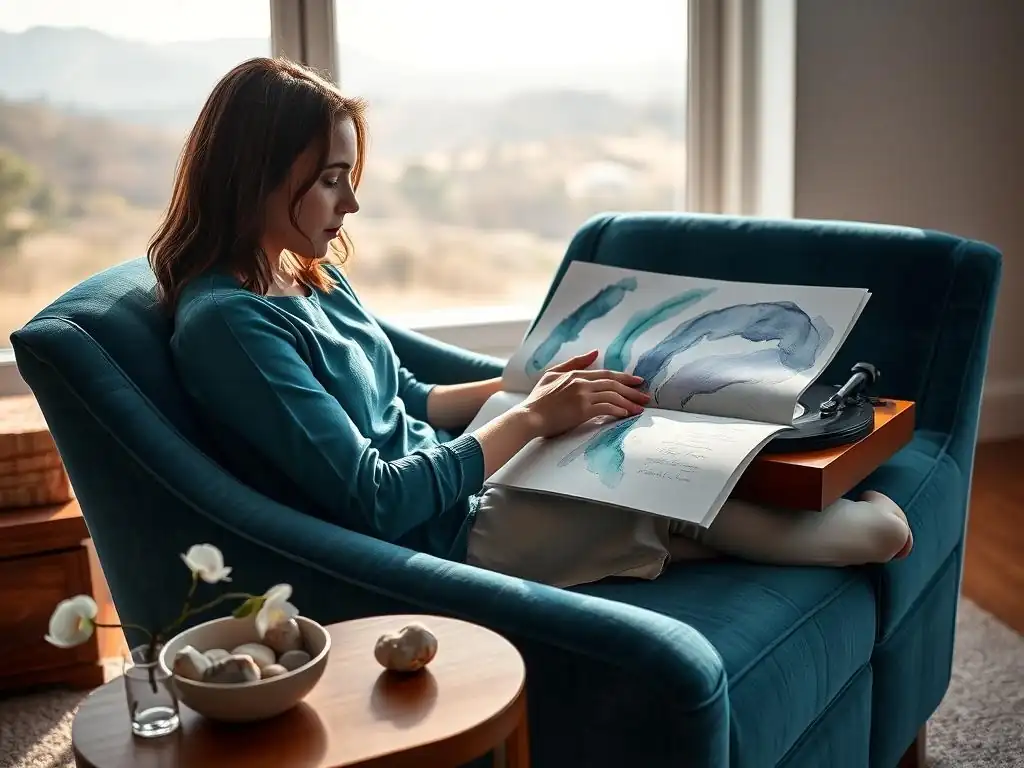
Welcome to Mind Care Guide, a safe space dedicated to your mental well-being. Feeling overwhelmed by panic? You're not alone. This article delves into a powerful yet often overlooked strategy: harnessing the creative calm of art and music for panic relief. Discover how these expressive outlets can become invaluable tools in managing anxiety and reclaiming your inner peace. Intrigued? Let's explore the soothing potential of "Art music panic relief" together.
Creative Calm: Using Art and Music for Panic Relief
- Understanding Panic Attacks and the Need for Creative Coping Mechanisms
- Art Therapy for Panic Disorder: Finding Calm Through Creation
- Music Therapy for Panic Attacks: Soothing the Soul and Mind
- Combining Art and Music: A Holistic Approach to Panic Relief
- Practical Tips for Incorporating Art and Music into Your Panic Relief Routine
- Art, Music, and Panic Relief: A Path to Empowerment and Well-being
- Frequently Asked Questions
- Final Reflection: Cultivating Inner Peace Through Creative Expression
- Embrace Your Calm Through Creative Expression
Understanding Panic Attacks and the Need for Creative Coping Mechanisms
What is a Panic Attack? Recognizing the Symptoms
A panic attack is a sudden episode of intense fear that triggers severe physical reactions when there is no real danger or apparent cause. These attacks can be terrifying, often making individuals feel like they are losing control, having a heart attack, or even dying.
Symptoms typically peak within minutes and can include a racing heart (tachycardia), sweating, trembling or shaking, shortness of breath, feelings of choking, chest pain, nausea, dizziness, derealization (feelings of unreality), depersonalization (feeling detached from oneself), fear of losing control or going crazy, and fear of dying. The intensity of these physical and psychological symptoms is profound, significantly impacting a person's ability to function during an episode.
These episodes are more common than many realize, affecting millions worldwide. Approximately 2-3% of the population in countries like the United States experience panic disorder in a given year, with panic attacks being a core feature. While the physical symptoms can be alarming, often mimicking serious medical conditions, they are a result of the body's fight-or-flight response being activated inappropriately. Understanding these symptoms is the first step, but finding effective strategies for art music panic relief is crucial for managing the distress and fear associated with these unpredictable episodes.
The Limitations of Traditional Panic Relief Methods
Traditional methods for managing acute panic attacks often involve techniques like deep breathing, mindfulness exercises, or cognitive restructuring. While highly effective for many and foundational in therapeutic approaches, these methods can sometimes fall short for individuals experiencing the most intense, overwhelming symptoms. During a severe panic attack, the cognitive brain can be hijacked by the amygdala, making it difficult to engage in complex thought processes required for cognitive restructuring or even focus on breathing patterns.
For some, the sheer intensity of physical sensations makes it challenging to remain present or grounded using solely internal focus techniques. Research has shown varying degrees of success with these methods, and a significant portion of individuals still struggle with breakthrough panic attacks despite practicing them. This highlights the need for complementary or alternative approaches that can bypass some of these cognitive barriers and offer more immediate, somatic, or non-verbal ways to engage with and reduce panic symptoms. Exploring avenues like art music panic relief offers promising alternatives or additions for those seeking broader coping toolkits.
Why Art and Music Therapy for Panic? Exploring Creative Expression
Art and music therapy offer unique pathways to address the emotional and physiological distress of panic attacks. Unlike purely verbal therapies, creative expression allows individuals to communicate feelings that may be too overwhelming or complex to articulate with words. This non-verbal outlet can be particularly powerful during states of intense anxiety or panic where cognitive function is impaired. Engaging in creative activities can activate different areas of the brain, promoting relaxation and shifting focus away from fearful thoughts and physical sensations.
Moreover, both art and music therapy can directly impact the nervous system. Music, through rhythm and melody, can influence heart rate and breathing, promoting a calmer physiological state. Art, through tactile engagement and focused creation, can provide grounding and a sense of control in moments of chaos. These creative modalities provide tangible ways to process emotions, reduce stress hormones, and build resilience, contributing significantly to effective art music panic relief. They offer a means to externalize internal turmoil and find a sense of order or beauty amidst the distress.
Art Therapy for Panic Disorder: Finding Calm Through Creation
The Power of Visual Art in Managing Anxiety
Engaging in visual art provides a powerful avenue for managing anxiety and panic. The process of creating art – whether drawing, painting, or sculpting – activates sensory pathways and promotes focus, effectively diverting attention from anxious rumination and physical panic symptoms. The act of making something tangible can instill a sense of control and accomplishment, counteracting feelings of helplessness often associated with panic attacks.
Furthermore, art allows for the externalization of internal states. Anxiety and panic can manifest as chaotic, overwhelming sensations and thoughts. Through visual art, these internal experiences can be given form, color, or texture, making them feel less abstract and more manageable. This process of externalization aids in processing difficult emotions and can lead to insights into the triggers and patterns of panic, contributing to long-term art music panic relief. Studies have indicated that even short periods of creative activity, such as 45 minutes, can reduce cortisol levels, a key stress hormone.
Specific Art Therapy Techniques for Panic Relief
Art therapy offers a variety of techniques specifically adapted to help individuals cope with panic and anxiety. These methods often focus on process over product, emphasizing the therapeutic benefits of the creative act itself.
Drawing and Painting for Panic Attack Management
Drawing and painting can be immediate and accessible tools for managing rising panic. Simple techniques like repetitive mark-making (scribbling, drawing lines or circles) can be incredibly grounding, providing a focus for restless energy. Using specific colors can also be therapeutic; cool colors like blues and greens are often associated with calm, while expressing intense emotions might involve using warmer, more vibrant hues. One technique involves drawing the physical sensations of panic – attempting to visually represent the tightness in the chest or the swirling feeling of dizziness.
This externalization can make the sensations feel less frightening and more understandable. For example, someone might paint fiery reds and jagged lines to depict intense fear, gradually incorporating softer colors and smoother shapes as the panic subsides. This visual journey provides a concrete representation of art music panic relief through expression.
Another effective drawing technique involves creating mandalas. The repetitive, symmetrical nature of filling in or creating a mandala can be deeply meditative and calming, promoting focus and reducing intrusive thoughts. Studies involving participants with anxiety disorders have shown that engaging in mandala coloring can significantly reduce anxiety levels compared to unstructured drawing. The act of carefully choosing colors and patterns provides a structured yet creative outlet during moments of distress.
Sculpting and Clay Modeling for Emotional Release
Working with clay or other sculpting materials offers a powerful tactile experience that can be particularly grounding during panic. The physical act of kneading, shaping, and molding clay engages the hands and body, providing a somatic release for pent-up tension and energy. This tactile engagement can pull focus away from the overwhelming sensations of panic and into the present moment.
Sculpting allows for the literal shaping of emotions or experiences. An individual might sculpt a physical representation of their anxiety or panic, giving it form and dimension. This can make the feeling less abstract and more manageable to confront or even symbolically "transform" or "contain." For example, someone might shape a tight, spiky ball to represent their panic and then work on smoothing it out or transforming it into something softer. This process offers a non-verbal way to process intense feelings and can be a profound form of art music panic relief through physical engagement.
Collage and Mixed Media for Grounding During Panic
Collage and mixed media techniques can be effective for grounding and expressing complex emotions during or after a panic attack. The process of selecting different materials – paper, fabric scraps, magazine clippings, natural elements – and arranging them requires focus and intentionality, pulling attention away from internal distress. The variety of textures and visual elements provides sensory input that can help anchor an individual in the present moment.
Creating a collage allows for the symbolic representation of feelings, experiences, or desired states of calm. Someone might create a collage using images and textures that represent safety, peace, or strength to counteract feelings of vulnerability and fear during panic. This technique is less about technical skill and more about intuitive selection and arrangement, making it accessible to everyone. The act of cutting and pasting can also be repetitive and soothing for some, contributing to the overall goal of art music panic relief.
Art Therapy: Benefits for Long-Term Panic Disorder Management
Beyond immediate panic relief, art therapy offers significant long-term benefits for managing panic disorder. Regular engagement in creative practices can help individuals develop a deeper understanding of their triggers, emotional patterns, and internal resources. Through creating art over time, individuals can track their emotional states, identify recurring themes related to their anxiety, and gain insight into underlying issues contributing to their panic disorder.
Art therapy also serves as a tool for building resilience and developing a stronger sense of self-efficacy. The act of creating and completing art pieces, regardless of perceived artistic skill, fosters a sense of accomplishment and competence. This can be particularly empowering for individuals who often feel powerless during panic attacks. By consistently engaging in art as a coping mechanism, individuals build confidence in their ability to manage distress, enhancing their overall mental well-being and supporting sustained art music panic relief.
Music Therapy for Panic Attacks: Soothing the Soul and Mind
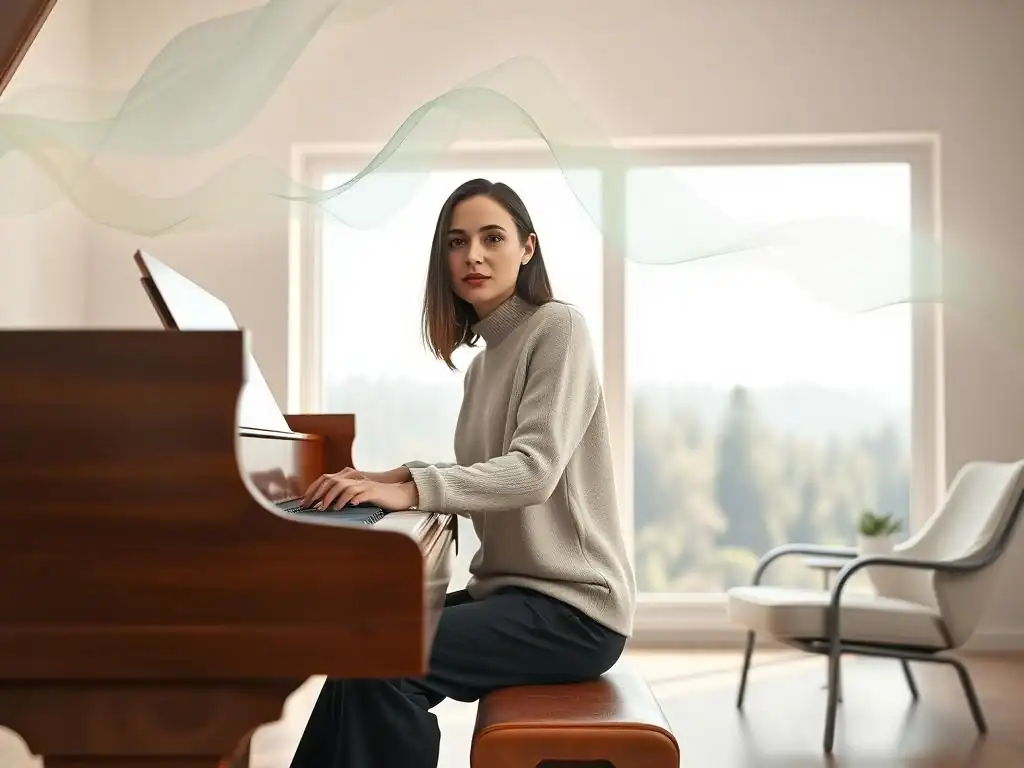
The Science Behind Music's Calming Effects
Music has a profound impact on the human brain and body, making it a powerful tool for managing panic and anxiety. Research in neurobiology has shown that listening to or creating music can influence several physiological responses related to stress and panic. Music can regulate heart rate, blood pressure, and respiration, often slowing them down to a calmer rhythm.
Furthermore, music affects brainwave activity. Certain types of music, particularly those with a slow tempo (around 60 beats per minute, similar to a resting heart rate) and predictable structure, can encourage the brain to shift from beta waves (associated with alertness and anxiety) to alpha waves (associated with relaxation and calm). Music can also stimulate the release of neurotransmitters like dopamine and serotonin, which are associated with pleasure and well-being, while potentially reducing cortisol levels. This scientific basis underscores why music is such a potent tool for art music panic relief.
Types of Music Best Suited for Panic Relief
Not all music is equally effective for managing panic. The most beneficial music for panic relief tends to be instrumental, with a consistent, moderate-to-slow tempo, and a predictable or simple structure. Complex, discordant, or fast-paced music can sometimes exacerbate anxiety for some individuals.
Classical Music for Anxiety Reduction
Classical music, particularly pieces from the Baroque era (like Bach or Handel) or certain ambient classical pieces (like Debussy or Satie), is often cited for its calming effects. The structured nature, predictable harmonies, and often moderate tempos of these compositions can provide a sense of order and stability that is soothing during moments of chaos and panic.
Studies have shown that listening to classical music can lead to reductions in heart rate and blood pressure, physiological markers often elevated during panic attacks. While individual preferences vary, exploring composers known for their calming works can be a starting point for art music panic relief.
Nature Sounds and Ambient Music for Grounding
Recordings of nature sounds, such as ocean waves, rain, or forest ambiance, can be incredibly grounding and anxiety-reducing. These sounds often mimic natural rhythms and frequencies that the human brain finds inherently calming. Similarly, ambient music, characterized by its atmospheric, unobtrusive, and often texture-based sounds without strong melodies or rhythms, can create a peaceful background that promotes relaxation without demanding cognitive attention. These types of sounds can help transport the listener mentally to a more tranquil environment, providing a mental escape from the immediate distress of panic.
Guided Meditations with Music for Panic Control
Combining music with guided meditation or relaxation scripts offers a structured approach to using sound for panic control. Many guided meditations incorporate calming background music designed to enhance the meditative state. The combination provides both auditory focus (the guide's voice and the music) and relaxation techniques, making it easier for individuals to stay present and manage anxious thoughts. While not purely music, the musical element plays a crucial role in setting the tone and facilitating the relaxation response, contributing to comprehensive art music panic relief.
Practical Music Therapy Techniques for Immediate Panic Relief
Beyond simply listening, actively engaging with music can provide more profound and immediate relief during a panic attack.
Creating a Personalized Calming Playlist
Having a readily accessible playlist of music known to be calming for you is a simple yet highly effective strategy. This playlist should consist of pieces that personally resonate as soothing, whether they are classical, ambient, nature sounds, or even specific pop songs with calming qualities. During the onset of panic symptoms, putting on this playlist can quickly shift your physiological and emotional state.
A study involving surgical patients found that personalized music playlists were more effective at reducing anxiety than a standardized selection. Curating your own list ensures the music is tailored to your unique preferences, maximizing its potential for art music panic relief.
Active Listening Exercises for Stress Reduction
Active listening involves focusing intently on the details of the music – the melody, rhythm, harmony, instrumentation, and texture – rather than letting it simply be background noise. This focused attention serves as a form of mindfulness, anchoring you in the present moment and diverting your mind from anxious thoughts about the past or future. During a panic attack, choosing one element of the music to focus on – for instance, following a single instrument's line or counting the beats – can provide a powerful distraction and grounding technique.
Singing and Vocalization to Release Tension
Singing, humming, or even just vocalizing sounds can be a surprisingly effective way to release physical tension and regulate breathing during a panic attack. Singing requires controlled breathing, which can help slow down rapid, shallow panic breathing. The vibrations created by vocalization can also have a calming effect on the body.
You don't need to be a good singer; the act of producing sound, even just humming a simple tune or repeating a calming mantra, can be therapeutic. This active engagement provides a physical outlet for the energy of panic and promotes a sense of agency, supporting art music panic relief through vocal expression.
Combining Art and Music: A Holistic Approach to Panic Relief
Integrating Art and Music Therapy for Enhanced Effects
Combining art and music therapy can create a synergistic effect, offering a more holistic approach to managing panic and anxiety. Engaging both auditory and visual/tactile senses simultaneously can deepen the therapeutic experience and provide multiple pathways for processing emotions and finding calm. For example, listening to calming music while drawing or painting can enhance the meditative quality of the art process, making it even more effective for reducing distress.
Conversely, using music as inspiration for art can help individuals access and express deeper emotions that might be difficult to reach otherwise. The rhythm and mood of a piece of music can influence the colors, textures, and forms used in a visual creation. This integrated approach leverages the unique strengths of both modalities – music's ability to directly influence mood and physiology, and art's capacity for tangible expression and grounding – to provide comprehensive art music panic relief.
Case Studies: Real-Life Examples of Art and Music Helping with Panic
While specific individual case details are confidential, illustrative examples based on common therapeutic outcomes demonstrate the power of art music panic relief. These examples highlight how creative modalities can significantly impact the lives of individuals struggling with panic.
Case Study 1: Art Therapy and Panic Reduction in a Veteran with PTSD
Consider a veteran experiencing frequent, debilitating panic attacks triggered by trauma-related memories. Traditional talk therapy and medication provided some relief, but the panic persisted, sometimes occurring several times a week. Introducing art therapy, specifically focusing on creating visual representations of their feelings and experiences, offered a non-verbal way to process the trauma. Through abstract painting and collage, they were able to externalize the intensity and fragmentation of their memories and associated panic.
Over several months of weekly art therapy sessions, alongside other treatments, the veteran reported a significant decrease in the frequency and intensity of panic attacks. While they still experienced anxiety, the severe, acute panic episodes reduced dramatically, perhaps from several per week to one or two per month. They also reported feeling more in control and having a tangible way to express and understand their internal struggles, illustrating the profound impact of art music panic relief through visual expression.
Case Study 2: Music Therapy and Panic Attacks in a Healthcare Worker During the Pandemic
Imagine a healthcare worker facing unprecedented stress and burnout during a public health crisis, leading to the onset of panic attacks both at work and home. They found it difficult to relax or "switch off." Music therapy was introduced as a coping mechanism. Creating personalized playlists of calming ambient music and nature sounds became a crucial part of their routine.
They began using active listening techniques during short breaks and incorporating calming music into their commute. This practice helped regulate their nervous system and provided moments of respite. While the stressful environment remained, the music provided a mental buffer and a physical calming effect. The healthcare worker reported that while they still felt stressed, the music helped prevent the escalation of stress into full-blown panic attacks, particularly during challenging shifts. This case exemplifies the practical application of art music panic relief in a high-stress environment.
Practical Tips for Incorporating Art and Music into Your Panic Relief Routine
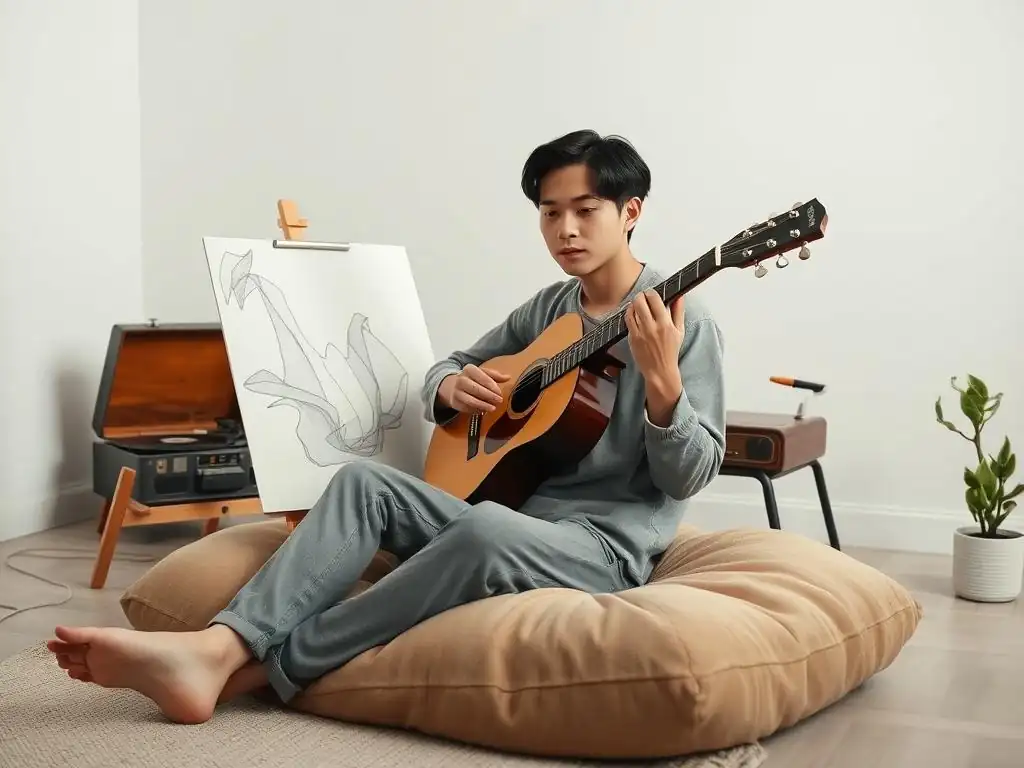
Making art music panic relief a consistent part of your life requires integrating these creative practices into your daily or weekly routine. Consistency is key to building these skills and benefiting from their long-term effects.
Creating a Dedicated Creative Space for Calm
Designate a small area in your home as your creative sanctuary. This doesn't need to be a large room; a corner of a desk or a comfortable chair with a small table can suffice. Stock it with basic, easily accessible art supplies (paper, pens, colored pencils, clay) and ensure you have access to a music player and headphones. Having a dedicated space free from distractions signals to your brain that this is a place for relaxation and self-care, making it easier to turn to creative activities when you feel overwhelmed or anticipate panic.
Simple Art and Music Exercises to Practice Daily
Even a few minutes of creative engagement each day can make a difference. Try simple exercises like:
- Drawing three things you are grateful for.
- Scribbling freely for two minutes to release tension.
- Listening to one calming song mindfully, focusing on the instruments.
- Humming or singing along to a favorite soothing tune.
- Creating a small collage from magazine scraps reflecting your mood.
These short, manageable activities build the habit and keep your creative tools sharp for when you need them most for art music panic relief.
Resources for Finding Art and Music Therapists
While many benefits of art and music for panic relief can be gained through personal practice, working with a qualified art or music therapist can provide deeper therapeutic support. These professionals are trained to use creative modalities to address specific mental health challenges.
- Look for professional associations for art therapists or music therapists in your region or country. Many maintain directories of certified practitioners.
- Consult with your current mental health provider (therapist, counselor, psychiatrist); they may have referrals to art or music therapists.
- Some community mental health centers or hospitals offer group art or music therapy sessions.
Working with a therapist can help you explore specific techniques tailored to your needs and process underlying issues contributing to panic, enhancing your journey towards art music panic relief.
Art, Music, and Panic Relief: A Path to Empowerment and Well-being
Building Resilience Through Creative Expression
Engaging in art and music for panic relief is not just about managing acute symptoms; it's about building long-term psychological resilience. By regularly turning to creative expression as a coping mechanism, individuals develop confidence in their ability to navigate difficult emotions and stressful situations. The process of creating, even when challenging, fosters perseverance and adaptability.
Through art and music, individuals can explore their inner world, process past experiences, and develop a stronger sense of self. This deeper self-understanding and emotional regulation capacity contribute significantly to resilience, enabling individuals to face potential panic triggers with greater strength and preparedness. Creative expression becomes a source of personal power.
Overcoming the Fear of Panic Attacks with Art and Music
The fear of having a panic attack can be as debilitating as the attack itself, often leading to avoidance behaviors that restrict life. Art and music therapy offer tools that can help dismantle this fear. By providing concrete, accessible methods to engage with and reduce distress during an attack, these modalities lessen the perceived threat. Knowing you have a calming playlist or a sketchbook ready can instill a sense of agency and control.
Furthermore, processing the experience of panic through art or music can help demystify it. Externalizing the fear makes it feel less overwhelming and more understandable. This process reduces the power the fear holds, allowing individuals to gradually confront situations they previously avoided, leading to greater freedom and confidence in their ability to achieve art music panic relief.
Maintaining Long-Term Mental Wellness Through Creative Practices
Integrating art and music into a long-term wellness routine extends benefits far beyond panic relief. These practices offer ongoing stress reduction, emotional regulation, and opportunities for self-discovery and joy. Regular creative engagement promotes mindfulness, enhances mood, and provides a healthy outlet for daily stressors, potentially preventing the build-up of tension that can contribute to anxiety and panic.
Making time for creativity is an investment in your mental health. Whether it's daily sketching, weekly music listening sessions, or occasional creative projects, these activities nourish the spirit and ground you in the present moment. By embracing art and music, individuals cultivate a sustainable path towards emotional balance and overall well-being, solidifying art music panic relief as a cornerstone of their mental health strategy.
Task List for Integrating Creative Calm:
- [ ] Identify 3 types of calming music you enjoy.
- [ ] Create a short (10-15 min) calming music playlist.
- [ ] Gather basic art supplies (paper, pencil, colors).
- [ ] Designate a small creative space.
- [ ] Try a 5-minute drawing or listening exercise this week.
- [ ] Explore resources for local art or music therapists if interested.
Frequently Asked Questions
How can art therapy help with panic attacks?
Art therapy provides a non-verbal outlet for expressing feelings and anxieties, which can be particularly helpful when words fail during a panic attack. It can also promote self-awareness and emotional regulation, ultimately reducing the intensity and frequency of panic episodes.
What types of music are most effective for panic relief?
Generally, slow-tempo, instrumental music with a predictable rhythm is considered most effective. Look for genres like classical, ambient, or nature sounds that promote relaxation and reduce anxiety. Avoid music with sudden changes or intense sounds.
Can creating art distract me from a panic attack?
Yes, engaging in a creative activity can serve as a powerful distraction technique. The focus required to create art or music can shift your attention away from the physical and mental symptoms of a panic attack, providing temporary relief.
Is it necessary to be "good" at art or music for this to work?
Absolutely not! The benefits of using art and music for panic relief come from the process of creation, not the end product. Focus on expressing yourself and enjoying the activity, rather than striving for perfection.
How often should I engage in art or music to manage panic long-term?
There's no magic number, but incorporating art or music into your routine regularly is beneficial. Even short sessions of 15-30 minutes several times a week can make a significant difference in managing anxiety and preventing panic attacks.
Final Reflection: Cultivating Inner Peace Through Creative Expression
The pervasive anxiety of modern life demands innovative coping mechanisms, and the power of art and music as therapeutic tools cannot be overstated. Finding solace and managing panic attacks is no longer a niche concern; it's a shared human experience requiring accessible and effective solutions. Art and music offer a powerful, readily available pathway to calm amidst the storm.
The profound impact of creative expression on mental well-being is undeniable, shaping not only individual lives but also the cultural landscape. We see it in the rise of art therapy, the proliferation of mindfulness-based music programs, and the increasing integration of creative outlets into mental health treatment plans. The simple act of creating, whether it's a vibrant painting or a soothing melody, can shift our perspective, fostering self-awareness and emotional regulation. Art washes away from the soul the dust of everyday life.
– Pablo Picasso. This quote beautifully encapsulates the cleansing and restorative power of creative engagement, a power that transcends artistic skill and embraces the process itself.
Now, consider your own life. What creative outlet resonates with you? Perhaps it's painting, sculpting, playing an instrument, singing, writing poetry, or even simply listening to music that evokes a sense of peace. I invite you to explore this potential within yourself. Dedicate even just fifteen minutes a day to engage in a creative activity that brings you joy and a sense of calm. Embrace the process, allow yourself to be present in the moment, and witness the transformative power of creative expression in managing your own anxieties and finding your own unique path to inner peace.
Embrace Your Calm Through Creative Expression
Thank you for joining us on this journey to explore the power of art and music in managing panic. You've learned valuable techniques that can help ground you during moments of anxiety. Now it’s time to take the next steps toward a more serene state of mind.
Here are a few simple yet impactful actions you can start today:
- Try a creative outlet: Set aside 15 minutes today to draw, paint, or play an instrument. Let your imagination flow without judgment!
- Create a calming playlist: Curate a collection of your favorite soothing songs and dedicate a time each week to unwind with your music.
- Join a local art or music group: Connect with others who share your passion, allowing for a supportive environment to express yourself freely and meet like-minded individuals.
How will you integrate creativity into your daily routine to enhance your emotional well-being?