
Best Mobile Apps to Help You Manage Social Anxiety DaytoDay


Welcome to Mind Care Guide, a compassionate space dedicated to your mental well-being.
Feeling overwhelmed by social anxiety? You're not alone. We understand the daily challenges it presents, and we're here to help you find practical solutions. Curious about how technology can be a supportive ally? Explore our insights into the best mobile apps for managing social anxiety and discover how they can empower you to navigate social situations with greater confidence. Let's embark on this journey to a calmer, more connected you.
Best Mobile Apps to Help You Manage Social Anxiety Day-to-Day
- Understanding Social Anxiety and the Role of Mobile Apps
-
Top Mobile Apps for Managing Social Anxiety: A Detailed Overview
- App 1: Calm - Mindfulness and Meditation for Anxiety Relief
- App 2: Headspace - Guided Meditation and Stress Reduction
- App 3: Woebot - AI-Powered Chatbot for Cognitive Behavioral Therapy
- App 4: Insight Timer - Free Meditation App with a Large Library
- App 5: Moodpath - Anxiety Tracking and Mental Health Assessment
- Comparing the Best Social Anxiety Management Apps
- Integrating Mobile Apps into Your Social Anxiety Management Plan
- Beyond Apps: Additional Resources for Overcoming Social Anxiety
- Frequently Asked Questions
- Final Reflection: Finding Calm in the Connected World
- Conquer Your Day: Put These Anxiety-Fighting Apps to Work!
Social Anxiety Disorder (SAD), also known as social phobia, is a common type of anxiety disorder characterized by intense fear or anxiety of social situations where the individual may be scrutinized, evaluated, or judged by others. This fear can be so overwhelming that it interferes significantly with daily life, making it difficult to perform common activities like speaking in public, attending social gatherings, or even interacting with colleagues or classmates. The core fear often revolves around the possibility of embarrassment, humiliation, or rejection.
Individuals with SAD may experience a range of physical symptoms in anticipation of or during social situations, including blushing, sweating, trembling, rapid heartbeat, nausea, and difficulty speaking. These physical reactions can further intensify the anxiety, creating a cycle of fear and avoidance. The impact of SAD can be far-reaching, affecting education, career, relationships, and overall quality of life, making effective strategies for managing social anxiety crucial.
Mobile apps designed for mental health offer a convenient and accessible resource for individuals seeking to manage social anxiety day-to-day. These apps can provide tools and techniques derived from evidence-based therapies, such as Cognitive Behavioral Therapy (CBT) and mindfulness, directly to a user's smartphone. They offer privacy, flexibility in usage, and often lower barriers to access compared to traditional therapy, serving as supplementary tools or initial steps toward seeking help.
Using managing social anxiety apps mobile can empower individuals by providing coping mechanisms they can practice anywhere, anytime. Whether it's guided meditations to calm nerves before a social event, thought diaries to challenge negative thinking patterns, or exposure exercises presented in a controlled digital environment, these apps can help build resilience and gradually reduce the intensity of social fears. They offer a portable support system for navigating challenging social situations.
When exploring mobile apps for managing social anxiety, it's important to look for specific features that align with therapeutic approaches known to be effective. Apps incorporating elements of Cognitive Behavioral Therapy (CBT) are particularly valuable, offering exercises to identify and challenge distorted thoughts about social interactions and gradual exposure techniques to face fears in a structured way. Features like thought records, cognitive restructuring modules, and behavioral experiments can be highly beneficial.
Mindfulness and meditation components are also crucial features in effective social anxiety management apps. Guided meditations, breathing exercises, and body scans can help individuals stay present, reduce physiological symptoms of anxiety, and develop a more non-judgmental attitude towards their thoughts and feelings. Look for apps that offer a variety of meditation types and lengths suitable for different situations, from a quick calming exercise before a meeting to a longer session for daily practice.
App 1: Calm - Mindfulness and Meditation for Anxiety Relief
Key Features of Calm for Social Anxiety
Calm is widely recognized for its extensive library of guided meditations, sleep stories, and calming music, many of which are directly applicable to managing anxiety, including social anxiety. The app offers specific meditation programs focused on anxiety reduction, stress management, and building self-compassion, which are vital for individuals struggling with fear of judgment. Features like the "Daily Calm," a 10-minute guided meditation updated daily, provide a consistent practice opportunity.
Beyond traditional meditation, Calm provides breathing exercises and stretching routines that can help alleviate the physical tension often associated with social anxiety. The "Scenes" feature offers calming background sounds and visuals, creating a peaceful environment for relaxation or focus. For someone preparing for a daunting social event, a quick breathing exercise or a short meditation session within the app can provide immediate relief and help ground them in the moment.
Benefits and Drawbacks of Using Calm
A significant benefit of Calm is its user-friendly interface and high-quality audio content, making meditation accessible even for beginners. The wide variety of content caters to different needs and time constraints, allowing users to find practices that resonate with them. Many users report feeling more relaxed and less overwhelmed after incorporating Calm into their routine, which can indirectly improve their ability to handle social situations. The sleep stories can also help improve sleep quality, which is often disrupted by anxiety.
However, a major drawback for some users is that the most comprehensive features of Calm require a paid subscription, which can be relatively expensive annually. While there is a limited free version, the bulk of the content specifically designed for anxiety management is behind a paywall. Additionally, Calm primarily focuses on mindfulness and relaxation techniques, and it doesn't offer explicit CBT modules or direct social exposure exercises, which are key components of managing social anxiety for some individuals.
Who is Calm Best Suited For?
Calm is best suited for individuals who are new to meditation or mindfulness and are looking for a high-quality, easy-to-use platform to build a consistent practice. It is particularly helpful for those whose social anxiety is significantly impacted by general stress, poor sleep, or difficulty managing physical anxiety symptoms like rapid heart rate or muscle tension. It serves as an excellent tool for learning relaxation techniques and cultivating a sense of calm before or after challenging social interactions.
It may be less suitable for individuals whose primary need is structured cognitive restructuring or behavioral exposure therapy specifically targeting social situations, as Calm's focus is more on general well-being and emotional regulation through mindfulness. However, for someone seeking a tool to manage the physical and emotional discomfort associated with social anxiety through relaxation, Calm is a top contender among managing social anxiety apps mobile.
App 2: Headspace - Guided Meditation and Stress Reduction
Using Headspace to Practice Mindfulness for Social Anxiety
Headspace offers a structured approach to learning meditation and mindfulness, starting with foundational courses like the "Basics." This can be particularly helpful for individuals with social anxiety who might feel overwhelmed by unstructured practice. The app provides guided meditations specifically tailored to various emotions and situations, including sessions on anxiety, fear, and self-esteem – all relevant themes for managing social anxiety.
The app's clear explanations of mindfulness principles and techniques help users understand why these practices are effective. By learning to observe thoughts and feelings without judgment, individuals can reduce the intensity of their reactions to social fears. Headspace also offers "SOS" sessions for moments of panic or intense anxiety, providing quick tools to regain composure before or during a stressful social interaction.
Calming Anxiety Symptoms with Headspace's Meditation Packs
Headspace features curated meditation packs that delve deeper into specific areas like "Fear of Flying," "Public Speaking," or "Dealing with Regret," which can be adapted to address fears related to social scrutiny. While not all packs are directly about social anxiety, the underlying principles of acknowledging discomfort and practicing acceptance are universally applicable. The "Anxiety" pack, for instance, helps users explore the roots of their worries and develop techniques to cope with anxious thoughts and feelings.
These targeted packs, combined with breathing exercises and focus-oriented meditations, equip users with practical skills to manage the physiological symptoms of anxiety. Regular practice with Headspace can help lower baseline anxiety levels, making exposure to social situations feel less daunting over time. The app's playful animations and clear guidance make the learning process engaging and less intimidating.
User Reviews and Ratings of Headspace
Headspace generally receives positive user reviews, often praised for its engaging content, clear guidance, and the sense of progress users feel as they move through structured courses. Many users report significant reductions in stress and anxiety after consistent use. For instance, a study published in JMIR Mental Health in 2018 found that using Headspace for 30 days led to a 28% decrease in anxiety symptoms and a 31% decrease in depressive symptoms in a non-clinical population.
However, like Calm, a common point raised in reviews is the cost of the premium subscription required to access the full content library. Some users also find the voice of the main narrator, Andy Puddicombe, either very soothing or somewhat monotonous, which is a matter of personal preference. Overall, Headspace is highly rated as an effective tool for building a meditation practice and managing general anxiety, making it a valuable addition to a managing social anxiety apps mobile toolkit.
App 3: Woebot - AI-Powered Chatbot for Cognitive Behavioral Therapy
Improving Cognitive Skills with Woebot's Interactive Exercises
Woebot is an AI-powered chatbot that uses principles of Cognitive Behavioral Therapy (CBT) to help users manage their mental health, including anxiety and depression. It engages users in daily check-ins and offers interactive exercises designed to improve cognitive skills. For social anxiety, this means learning to identify automatic negative thoughts that arise in social situations, such as "Everyone is judging me" or "I'm going to say something stupid."
Through conversational modules, Woebot guides users through techniques like identifying cognitive distortions (e.g., catastrophizing, mind-reading) and challenging the validity of these thoughts. For example, it might ask the user for evidence supporting their negative thought or prompt them to consider alternative interpretations of a social interaction. This process helps users develop a more balanced and realistic perspective on social situations, reducing the power of fearful thoughts.
Overcoming Negative Thoughts Using Woebot
A core function of Woebot is helping users overcome negative thought patterns, which are central to social anxiety. The chatbot teaches techniques like thought challenging and cognitive restructuring through simple, engaging conversations. If a user reports feeling anxious about a social event, Woebot might walk them through a step-by-step process to examine the thought, explore its intensity, and work on reframing it.
Woebot's accessibility and non-judgmental nature make it easy for users to practice these techniques regularly. The daily check-ins provide a structure for monitoring mood and identifying triggers, helping users become more aware of the thoughts that contribute to their social anxiety. This consistent practice of identifying and challenging negative thoughts is a fundamental aspect of CBT and a key benefit of using Woebot among managing social anxiety apps mobile.
Real-Life Scenarios and CBT Techniques in Woebot
Woebot incorporates real-life scenarios (or prompts users to discuss their own) to apply CBT techniques in a practical context. For instance, if a user mentions a specific upcoming social event they are dreading, Woebot can guide them through preparing for it by anticipating difficult thoughts and planning coping strategies. It might suggest techniques like practicing relaxation exercises or setting small, achievable goals for the interaction.
The chatbot also introduces concepts like behavioral activation and gratitude journaling, which can indirectly help manage social anxiety by improving overall mood and increasing engagement in positive activities. While Woebot doesn't replace human therapy, its ability to deliver CBT-informed exercises in a conversational format provides a valuable, accessible tool for practicing cognitive skills and managing the anxious thoughts associated with social situations. As an AI, it's available 24/7, offering support whenever anxiety strikes.
App 4: Insight Timer - Free Meditation App with a Large Library
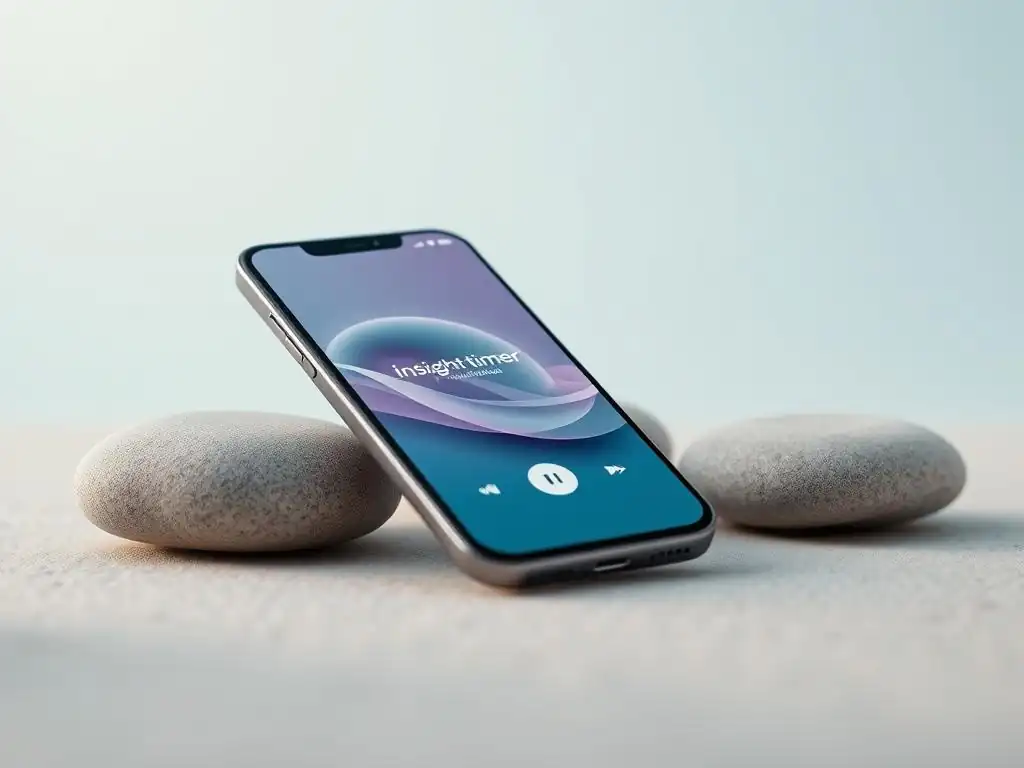
Connecting with Guided Meditations Through Insight Timer
Insight Timer stands out due to its vast library of over 100,000 free guided meditations, talks, and courses contributed by thousands of teachers worldwide. This extensive collection includes numerous resources specifically tagged for anxiety, social anxiety, self-compassion, and confidence, allowing users to easily find relevant content. The sheer volume means users can explore different styles, lengths, and teachers to find what best suits their needs for managing social anxiety.
Users can search for meditations based on duration, topic, or even specific emotions they are experiencing. Whether needing a short grounding exercise before entering a crowded room or a longer practice to work on self-acceptance, the variety available is immense. The platform also includes music tracks and ambient sounds for unguided meditation or relaxation.
Benefits of Meditation in Managing Social Anxiety
Regular meditation practice, facilitated by apps like Insight Timer, offers significant benefits for managing social anxiety. It helps individuals develop greater self-awareness, enabling them to recognize anxious thoughts and physical sensations without immediately reacting to them. This non-reactive stance can lessen the intensity of fear in social situations.
Meditation also activates the parasympathetic nervous system, promoting relaxation and reducing the physiological symptoms of anxiety like rapid heart rate, sweating, and muscle tension. By cultivating present moment awareness, individuals can shift their focus away from fearful future predictions or ruminations on past awkward encounters, allowing them to engage more fully in current social interactions. Studies have shown that mindfulness meditation can lead to measurable reductions in social anxiety symptoms over time, making Insight Timer a valuable resource among managing social anxiety apps mobile.
Community Features of Insight Timer
Beyond its vast content library, Insight Timer includes community features that can be particularly appealing and potentially beneficial for individuals with social anxiety, although they should be approached mindfully depending on individual comfort levels. Users can join groups related to specific interests or conditions, follow teachers, and see who else is meditating in real-time. There's also a feature to thank teachers after a session.
While direct social interaction is optional, seeing others meditating and feeling part of a larger community can provide a sense of connection, even if anonymous. The "Insight Groups" allow for discussion forums on various topics, offering a space for shared experiences. For someone working on social connection, engaging with the community features, even in a limited way, could be a gentle form of exposure, though the primary benefit for social anxiety management typically comes from the meditation practice itself.
App 5: Moodpath - Anxiety Tracking and Mental Health Assessment
Monitoring Your Anxiety Levels with Moodpath
Moodpath is designed as a mental health assessment and tracking tool that can be highly useful for individuals managing social anxiety. The app asks users a series of questions multiple times a day over a 14-day period to assess their mood, feelings, and symptoms. This detailed check-in process helps users objectively monitor their anxiety levels and how they fluctuate throughout the day and in response to different situations, including social ones.
By consistently answering questions about their emotional state, thoughts, and physical sensations, users gain a clearer picture of the intensity and frequency of their social anxiety. This data collection helps move beyond subjective feelings to a more concrete understanding of the problem, which is a crucial first step in effective management. The daily reminders encourage regular self-reflection and tracking.
Identifying Patterns Using Moodpath's Tracking Features
One of Moodpath's key strengths is its ability to help users identify patterns related to their anxiety. By logging symptoms, activities, and thoughts, the app can highlight correlations between specific social situations (e.g., attending a meeting, going to a party, making a phone call) and the onset or worsening of anxiety. For example, the data might reveal that anxiety consistently spikes before presentations but remains lower during casual interactions.
This pattern identification is invaluable for developing targeted coping strategies. Once triggers are clearly identified, individuals can better prepare for challenging situations, practice specific techniques beforehand, or work on challenging the thoughts associated with those particular contexts. Understanding these patterns provides actionable insights for managing social anxiety effectively.
Data Analysis and Personalized Insights in Moodpath
After the initial 14-day assessment period, Moodpath provides a comprehensive report analyzing the user's data. This report summarizes symptoms, identifies potential patterns, and offers personalized insights into the user's mental health state. This data-driven feedback can be incredibly validating and informative, helping users understand the nature of their anxiety.
The app also provides access to educational content and exercises based on CBT and other therapeutic approaches, tailored somewhat to the user's reported symptoms. While it doesn't offer the extensive interactive therapy of Woebot or the vast meditation library of Insight Timer, Moodpath's strength lies in its detailed tracking and analytical insights, providing a solid foundation of self-awareness for anyone using managing social anxiety apps mobile as part of their overall strategy. The data can also be a useful tool to share with a therapist.
Feature Comparison Table: Calm vs. Headspace vs. Woebot
While a visual table isn't possible here, we can compare the core features relevant to managing social anxiety across some of the top apps discussed. Calm and Headspace are primarily focused on mindfulness and meditation. Calm excels with its vast library of sleep stories and diverse relaxation content, while Headspace offers structured courses ideal for learning meditation basics and specific anxiety-focused packs. Both provide guided meditations and breathing exercises crucial for calming physical symptoms and fostering present-moment awareness in social situations.
Woebot, on the other hand, is distinct as it is an AI chatbot rooted in CBT principles. Its core features include interactive conversations, mood tracking, thought challenging exercises, and educational modules on cognitive distortions and behavioral techniques. It's less about relaxation and more about actively working with thoughts and behaviors related to social fears.
Insight Timer provides an unparalleled free library of guided meditations from various teachers, offering immense choice for mindfulness practice, plus optional community features. Moodpath focuses heavily on detailed tracking and analysis of mood and symptoms over time, providing data-driven insights into anxiety patterns rather than direct therapeutic exercises or meditations.
Price and Subscription Models: Which App Offers the Best Value?
The pricing models vary significantly among these managing social anxiety apps mobile. Calm and Headspace operate primarily on a premium subscription model, offering limited free content and requiring a monthly or annual fee (often ranging from approximately $10 to $15 per month or $70 to $100+ annually) for full access to their extensive libraries. Headspace sometimes offers discounts for students or through employer wellness programs.
Insight Timer stands out by offering the vast majority of its content, including over 100,000 meditations, completely free of charge. It has an optional "Member Plus" subscription (around $60 annually) for advanced courses and offline listening, but the core meditation library remains free. Woebot offers a free tier with daily check-ins and core CBT tools, with a premium subscription unlocking additional content and exercises (pricing varies, sometimes around $10 per month).
Moodpath also offers a free version with core tracking, requiring a subscription (around $50 annually) for full access to insights, reports, and additional content. For users prioritizing free access to meditation, Insight Timer offers exceptional value. For those seeking structured learning (Headspace), diverse relaxation (Calm), interactive CBT (Woebot), or detailed tracking (Moodpath), the value depends on individual needs and willingness to pay for premium features.
User Interface and Ease of Use: Finding the Right App for You
The user interface and overall ease of use are subjective but important factors when choosing a managing social anxiety app mobile. Calm is often praised for its aesthetically pleasing design and intuitive layout, making it very easy to navigate and find content. Headspace features a distinct, playful animated style and a structured progression through its content, which some users find highly engaging and simple to follow, especially for learning meditation step-by-step.
Woebot's interface is conversational, mimicking a chat application, which many users find approachable and non-intimidating. The interaction is text-based and guided by prompts, making it straightforward to use even for those less tech-savvy. Insight Timer, while having a massive library, can sometimes feel a bit overwhelming initially due to the sheer volume of content, but its search and filtering options are robust.
Moodpath has a clean, clinical interface focused on the check-in process, which is designed for clarity and ease of data entry. Ultimately, the "right" interface depends on personal preference – whether you prefer calming visuals (Calm), structured learning (Headspace), conversational interaction (Woebot), extensive choice (Insight Timer), or data-focused simplicity (Moodpath).
Combining App Usage with Traditional Therapy
Mobile apps for managing social anxiety should ideally be seen as supplementary tools rather than replacements for professional help, especially for moderate to severe SAD. Combining app usage with traditional therapy, such as Cognitive Behavioral Therapy (CBT) or exposure therapy led by a qualified therapist, can significantly enhance outcomes. A therapist can help you select the most appropriate app features for your specific challenges, interpret the insights gained from tracking apps like Moodpath, and guide you on how to apply the skills learned (like mindfulness from Calm or Headspace, or cognitive restructuring from Woebot) to real-life social situations.
Using an app alongside therapy allows for consistent practice of skills between sessions. For instance, a therapist might assign "homework" like practicing a specific meditation technique daily or using a thought record tool, and an app can provide the platform to do this. This integrated approach leverages the accessibility and convenience of technology while benefiting from the personalized guidance and expertise of a mental health professional, creating a more robust and effective management plan for social anxiety.
Setting Realistic Goals and Expectations When Using Apps
It's crucial to set realistic goals and expectations when incorporating managing social anxiety apps mobile into your routine. Apps are powerful tools, but they are not magic cures. Progress in managing social anxiety is often gradual and involves consistent effort. Expecting immediate and complete elimination of anxiety after a few days or weeks of using an app is unrealistic and can lead to disappointment.
Instead, focus on setting small, achievable goals, such as using a meditation app for 10 minutes daily, completing one CBT module on a chatbot app each week, or consistently tracking your mood before and after challenging social interactions. Acknowledge and celebrate small victories, like feeling slightly calmer before a phone call or noticing a negative thought without getting completely consumed by it. Understand that apps provide tools and support, but the work of confronting fears and changing thought patterns is an ongoing process that requires patience and persistence.
To maximize the benefits of managing social anxiety apps mobile, consistency is key. Try to integrate app usage into your daily routine, perhaps setting aside a specific time for meditation or completing a check-in. Explore different features within the app to find what resonates most with you and addresses your specific social anxiety challenges. Don't be afraid to try different apps or use a combination if they offer complementary tools (e.g., using a meditation app for relaxation and a CBT app for thought work).
Actively engage with the content rather than passively listening or clicking. For instance, when using a thought record feature, genuinely reflect on your thoughts and challenge them. When meditating, truly focus on bringing your attention back to your breath or body sensations. Use the insights gained from tracking apps to inform your actions and strategies. Finally, remember that apps are just one part of the picture; ensure you are also addressing other factors like lifestyle habits and seeking professional support if needed.
The Importance of Professional Help and Therapy
While managing social anxiety apps mobile offer valuable tools and support, they are not a substitute for professional help, especially for moderate to severe social anxiety disorder. Therapy, particularly Cognitive Behavioral Therapy (CBT) and exposure therapy, is considered the gold standard treatment for SAD. A qualified therapist can provide personalized assessment, help you understand the root causes of your anxiety, and guide you through evidence-based techniques tailored to your specific fears and challenges.
Therapists can facilitate controlled exposure exercises, which involve gradually confronting feared social situations in a safe and supportive environment, a crucial step in overcoming avoidance behaviors. They can also help you develop more complex coping strategies and address any co-occurring conditions like depression or other anxiety disorders. Seeking professional guidance from a psychologist, psychiatrist, or licensed counselor is a vital step towards long-term recovery and significantly improves the chances of effectively managing social anxiety.
In addition to using managing social anxiety apps mobile and seeking therapy, several lifestyle changes can significantly contribute to reducing social anxiety symptoms. Regular physical activity has been shown to reduce overall anxiety levels; even moderate exercise like brisk walking for 30 minutes several times a week can have a positive impact. Ensuring adequate and consistent sleep is also crucial, as sleep deprivation can exacerbate anxiety. Aim for 7-9 hours of quality sleep per night.
Mindful eating and reducing consumption of caffeine and alcohol can also help manage physical anxiety symptoms. Caffeine is a stimulant that can increase heart rate and jitters, while alcohol might temporarily reduce anxiety but can worsen it in the long run and interfere with sleep. Practicing relaxation techniques learned through apps, like deep breathing or progressive muscle relaxation, can also be integrated into your daily life to manage stress and anxiety proactively.
Building a Support System for Long-Term Mental Well-being
Building a strong support system is essential for long-term mental well-being and can be particularly helpful for individuals managing social anxiety. This support system can include understanding family members, trusted friends, or support groups. Sharing your experiences with others who understand can reduce feelings of isolation and provide encouragement.
While social interaction itself can be challenging with SAD, finding even one or two supportive individuals to talk to can make a significant difference. Support groups, whether in-person or online (though exercise caution with online anonymity), offer a space to connect with others facing similar challenges, share coping strategies, and practice social skills in a less intimidating environment. Gradually building a network of supportive relationships provides a buffer against anxiety and contributes to overall resilience.
Frequently Asked Questions
Social anxiety is a fear of social situations leading to significant distress. Mobile apps can help by providing coping strategies, relaxation techniques, and virtual exposure to social scenarios.
No, these apps are not a replacement for therapy. They can be a supplemental tool to support your mental well-being alongside professional guidance. Think of them as supportive resources, not cures.
Look for apps that offer cognitive behavioral therapy (CBT) techniques, mindfulness exercises, social skills training, and progress tracking features. Also, consider user reviews and privacy policies.
Yes, there are several free apps available. However, be aware that free apps may have limited features or contain advertisements. Some offer premium subscriptions for expanded content.
The effectiveness varies depending on the individual and the app's quality. Research shows that some apps can be beneficial in reducing anxiety symptoms, especially when used consistently. Consistent use is key to success.
Final Reflection: Finding Calm in the Connected World
The pervasive nature of technology means that our smartphones, once tools for connection, can ironically exacerbate social anxieties. The very apps designed to connect us can become sources of pressure, comparison, and fear of missing out. However, as this article has explored, the right mobile applications can become powerful allies in managing these anxieties, offering practical tools and support in the palm of your hand.
The journey of navigating social anxiety is deeply personal, and the impact of technology on this journey is undeniable. The constant stream of curated online lives can be both inspiring and overwhelming, creating a sense of inadequacy that fuels anxiety. Yet, the ability to access coping mechanisms, mindfulness exercises, and supportive communities through apps offers a counterbalance to this pressure. The greatest glory in living lies not in never falling, but in rising every time we fall.
- Nelson Mandela. This quote resonates deeply, as these apps provide the tools to help us rise after each challenging social interaction.
Now, consider your own relationship with technology and social anxiety. Which apps in your life contribute to your anxiety, and which might offer support? Take a moment to reflect on this, and actively curate your digital environment to foster a sense of calm and self-compassion. Download one of the apps highlighted in this article, and commit to using it consistently. Small steps, taken with intention, can make a significant difference in your journey towards managing social anxiety and embracing a more fulfilling life.
Conquer Your Day: Put These Anxiety-Fighting Apps to Work!
Thanks for taking the time to explore practical ways to manage social anxiety. We hope you found some helpful tools and strategies within this article! Now it's time to put that knowledge into action. Ready to feel more confident and in control?
- Download your top choice app from the list above and give it a trial run today. Start small – focus on just one feature at first.
- Share this article with a friend or family member who might also benefit from these amazing resources. Helping others can be a powerful way to manage your own anxiety.
- Leave a comment below and share your experience! What app are you most excited to try, and what's one thing you hope to achieve with it?
Are you ready to actively build a more comfortable and confident social life?