CBT for SAD: How Cognitive Behavioral Therapy Can Help
🌟 Discover how CBT treatment for seasonal affective disorder can effectively lift your mood and restore balance. This proven approach in our…
Read article

Separation anxiety isn’t just a childhood phase—it can deeply affect adults, too, creating overwhelming fear and distress when apart from loved ones. At Mind Care Guide, we break down the signs, triggers, and effective coping strategies for this often misunderstood anxiety disorder. From school-age kids clinging to parents to adults struggling with work trips or relationship distance, our expert-backed insights help you recognize the difference between normal attachment and debilitating anxiety. Discover proven therapies, self-help techniques, and when to seek professional support—all in one compassionate, SEO-friendly resource. 🧠💙

🌟 Discover how CBT treatment for seasonal affective disorder can effectively lift your mood and restore balance. This proven approach in our…
Read article
🌟 Discover effective strategies in our Children’s Separation Anxiety Treatment Guide to help your child overcome fears, foster independence, and regain confidence.…
Read article
🌟 Explore the complexities of separation anxiety disorder and discover effective treatment options. This comprehensive guide offers insights, support, and resources to…
Read article
🌟 Discover effective child separation anxiety strategies to ease your child's fears and build confidence. Our comprehensive guide offers practical tips and…
Read article
🌟 When separation anxiety seeking professional help becomes essential, recognizing its impact is crucial. Expert support can transform distress into manageable challenges,…
Read article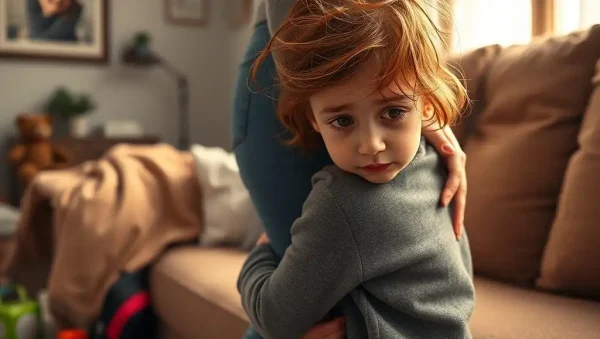
🌟 Discover essential insights with our Separation Anxiety Diagnosis Symptoms Guide, helping individuals of all ages identify key signs, understand underlying causes,…
Read article
🌟 Discover how parental anxiety can influence a child's seasonal sadness, emphasizing the vital connection between parental mental health and children’s emotional…
Read article
🌟 Discover how normal anxiety can escalate into a disorder and learn effective anxiety disorder treatment strategies help individuals regain control and…
Read article
🌟 Discover essential strategies for preventing separation anxiety in children, empowering parents with proactive steps to foster confidence and emotional resilience. Learn…
Read article
🌟 Discover effective strategies to manage separation anxiety during life changes, empowering you to navigate transitions with resilience. Our comprehensive guide offers…
Read article
🌟 Discover the underlying adult separation anxiety reasons that contribute to persistent fear of solitude. This insightful guide explores emotional roots, impacts…
Read article
🌟 Discover effective Seasonal Affective Disorder recovery strategies that promote long-term well-being. This guide explores proven methods for managing symptoms, fostering resilience,…
Read articleSeparation Anxiety Disorder (SAD) is far more than ordinary clinginess or homesickness—it is a profound, often paralyzing fear of being apart from attachment figures, affecting both children and adults. At Mind Care Guide, we break down the symptoms, triggers, and evidence-based treatments for this anxiety disorder, helping you recognize when normal separation distress crosses into clinical territory. Whether you’re a parent, partner, or someone personally struggling, this guide offers compassionate, practical strategies for recovery.
In children, SAD typically emerges between ages 6 and 12, but can start earlier. Look for persistent worry about losing parents, refusal to attend school, nightmares about separation, and physical complaints like stomachaches or headaches before goodbyes. These behaviors must last at least four weeks and cause significant distress in daily functioning. Unlike typical developmental phases, a child with SAD might shadow a parent from room to room, panic at sleepovers, or become hysterical at drop-off. Understanding these signs early is critical, as untreated childhood SAD often predicts adult anxiety disorders.
Effective parenting strategies include gradual desensitization (short separations that lengthen slowly), consistent goodbye rituals, and validating feelings without reinforcing avoidance. Cognitive-behavioral therapy (CBT) with a child therapist teaches coping skills like “brave thoughts” and relaxation techniques. For severe cases, family therapy or school-based interventions help. Avoid criticism or shaming—this intensifies fear. Instead, praise small victories and maintain predictable routines. Remember, early intervention in children dramatically improves long-term emotional resilience.
Adult SAD often surfaces after a major life transition—moving for work, a partner’s illness, divorce, or the death of a parent. Symptoms include intense distress when a loved one is away, fear that harm will befall them, difficulty sleeping alone, and even physical panic attacks when anticipating separation. Adults may become overly dependent, repeatedly checking in via text or call, or avoid jobs requiring travel. This can strain relationships and careers, yet many suffer silently, unaware this is a diagnosable, treatable condition.
Treatment for adult SAD focuses on individual CBT to restructure catastrophic thoughts, exposure therapy to tolerate distance gradually, and in some cases, SSRIs or SNRIs. Mindfulness and grounding exercises help manage acute anxiety. Couples or family counseling can reconstruct healthier attachment patterns. Self-help strategies include journaling, building a support network, and scheduling “check-in” times to reduce compulsive contacting. Recognizing that adult SAD is not weakness but a neurobiological response is a crucial first step toward healing.
While core fear—being separated from a secure base—is similar, children often express distress through regression (e.g., bedwetting, tantrums), while adults internalize it as rumination and avoidance. Genetic predisposition, overprotective parenting, and childhood trauma are significant predictors. Notably, adults with a history of childhood SAD are more likely to develop panic disorder, agoraphobia, or obsessive-compulsive disorder later. Cultural factors also play a role: collectivist societies may normalize proximity in ways that mask symptoms, while individualistic cultures may stigmatize dependence.
Risk factors include parental anxiety, unexpected losses, and major transitions like becoming a parent or retirement. Interestingly, the COVID-19 pandemic increased SAD rates globally—children re-entering school and adults returning to offices from remote work faced heightened separation distress. Identifying these patterns helps clinicians tailor treatment to life stage. For instance, children benefit from school-based support teams, while adults may need workplace accommodations (flexible hours, remote meetings) during exposure therapy. Understanding these nuanced differences improves diagnostic accuracy and treatment efficacy.
Beyond professional therapy, daily coping tools are indispensable. For children, create a “worry monster” box where they can draw fears and physically deposit them before separation. Use visual schedules so they know when reunions will occur. For adults, practice “steel kisses” techniques—brief mindful pauses to self-soothe when panic rises. Develop a strong self-identity by nurturing personal hobbies and friendships separate from your attachment figure, reducing overdependence. Scheduled digital check-ins can paradoxically reduce anxiety—knowing exactly when connection is coming lessens the urge to constantly seek reassurance.
Grounding exercises like 5-4-3-2-1 (name 5 things you see, 4 you touch, etc.) interrupt spiraling thoughts. Progressive muscle relaxation before sleep eases nighttime separation fears. Cognitive reframing helps challenge catastrophic predictions (“If she’s late, she crashed” becomes “Traffic is common; she’ll call soon”). Keep a “distress tolerance kit” with comforting photos, scents, or fidgets. Consistency is key—practice these skills even when calm to build neural pathways that make them automatic during high-stress moments. With regular use, these strategies become powerful allies.
If symptoms persist for over a month, interfere with school, work, or relationships, or cause panic attacks, professional help is essential. First-line treatment is CBT, particularly exposure-based therapy, where a therapist guides gradual, structured separations. For children, parent-child interaction therapy (PCIT) or emotional regulation training with caregivers is effective. Medication—typically SSRIs like fluoxetine or sertraline—is considered when symptoms are severe or refractory. Always consult a psychiatrist for dosing, especially in children. Therapists often combine individual sessions with family or couple counseling to address systemic triggers.
Seek immediate help if separation fears lead to suicidal ideation, self-harm, or severe depression—these require urgent emergency care. Additionally, consider support groups online or in-person; hearing others’ stories reduces isolation and provides tested tactics. At Mind Care Guide, we encourage using telehealth options if local providers are scarce—video-based CBT has shown strong efficacy for SAD. Remember, seeking help is a sign of strength, not failure. With the right combination of understanding, skill-building, and—when needed—professional support, separation anxiety can be managed and overcome.
Normal separation anxiety is temporary and proportionate to the situation—for example, a toddler crying at daycare drop-off but calming within minutes. A disorder is persistent (at least 4 weeks in children, 6 months in adults), excessive for developmental age, and causes significant impairment in social, academic, or occupational functioning. If the fear prevents attending school or work, or triggers panic attacks, it’s likely clinical SAD.
Yes, absolutely. Adult-onset SAD can emerge after major life events like a partner’s serious illness, military deployment, or a traumatic loss. Even without childhood history, an insecure attachment style developed elsewhere—such as in early romantic relationships—can trigger adult SAD. However, late-onset cases often carry co-existing conditions like generalized anxiety or depression, so a comprehensive evaluation is crucial.
With consistent CBT, many individuals see significant improvement in 8 to 16 sessions. For children, parent-involved therapy may take 3-6 months to solidify gains. Medication, if used, typically shows effects in 4-8 weeks but is often continued for 6-12 months before tapering. Relapses can occur during stress, but booster sessions or self-directed practice help maintain recovery. The outlook is excellent with early intervention.
Yes—create a “brave chart” where your child earns stickers for each successful separation. Use a special token—like a small photo locket—they hold during the day. Practice short separations starting with 2-3 minutes, then gradually increase. Keep goodbyes brief and consistent, never sneaking away, which breaks trust. Read books like “The Kissing Hand” together. If home efforts don’t improve symptoms within a month, consult a professional.
Definitely. Adults with SAD may become overly reliant on their partner for emotional regulation, leading to jealousy, possessiveness, or chronic anxiety when they spend time apart. This can push partners away, creating a self-fulfilling prophecy of abandonment. Couples therapy that includes psychoeducation about SAD, clear communication of support needs, and gradual independence exercises—while maintaining intimacy—can restore balance and trust.