
Navigating Transitions: Managing Separation Anxiety During Life Changes


Welcome to Mind Care Guide, a safe space dedicated to nurturing your mental well-being.
Are you feeling adrift amidst life's shifting tides, experiencing heightened anxiety as things change? You're not alone. Many find that even positive transitions can trigger feelings of unease, particularly when it comes to separation anxiety during life changes. This can manifest in ways you might not expect.
Dive into our guide to understand the roots of this anxiety and discover practical strategies to navigate these transitions with greater confidence and peace. Let's explore together how to build resilience and embrace the future, one step at a time.
Navigating Transitions: Managing Separation Anxiety During Life Changes
- Understanding Separation Anxiety and Life Transitions
- Recognizing the Signs of Separation Anxiety During Change
- Strategies for Managing Separation Anxiety During Life Changes
- Practical Tips for Coping with Separation Anxiety in Specific Life Changes
- Supporting Loved Ones Experiencing Separation Anxiety During Transitions
- Long-Term Strategies for Overcoming Separation Anxiety
- Seeking Professional Help for Persistent Separation Anxiety
-
Frequently Asked Questions
- What is separation anxiety, and how is it related to life changes?
- What are some common life changes that can trigger separation anxiety?
- What are some effective coping strategies for managing separation anxiety during transitions?
- When should I seek professional help for separation anxiety related to life changes?
- Are there resources available to help me understand and manage separation anxiety during life changes?
- Final Reflection: Embracing Change, Transcending Anxiety
- Unleash Your Resilience: Embrace the Next Chapter
Understanding Separation Anxiety and Life Transitions
Defining Separation Anxiety: Symptoms and Characteristics
Separation Anxiety Disorder (SAD) is typically associated with childhood, characterized by excessive fear or anxiety concerning separation from home or from those to whom the individual is attached. However, it's increasingly recognized that adults can also experience significant separation anxiety, particularly when facing major life changes.
In adults, symptoms might manifest as intense worry about the safety of loved ones when apart, a reluctance to leave home, difficulty being alone, or even physical symptoms like headaches or nausea when anticipating separation. These feelings go beyond typical 'missing someone' and can significantly impair daily functioning, impacting work, social life, and overall well-being.
For instance, an adult with separation anxiety might constantly text their partner when they are away on a business trip, experiencing panic attacks if they don't receive immediate responses. A child might refuse to go to school, cling excessively to a parent, or have recurring nightmares about separation.
While diagnostic criteria exist, the core experience is a profound distress related to actual or anticipated separation. Studies suggest that while childhood SAD prevalence is around 4%, adult SAD is less common but still impacts a notable number of individuals, perhaps around 1-2% of the adult population at some point in their lives, often linked to underlying anxiety vulnerabilities exacerbated by stress or change.
The Link Between Life Changes and Separation Anxiety in Adults and Children
Life changes, whether anticipated or sudden, often disrupt established routines, support systems, and a sense of security, making them powerful triggers for separation anxiety during life changes. For both children and adults, transitions can involve leaving a familiar environment or being physically or emotionally separated from key attachment figures. This disruption can reactivate underlying separation fears or create new ones in individuals who previously felt secure. A child starting a new school is separated from the familiar classroom and teacher; an adult starting a new job is separated from their previous colleagues and work environment.
The uncertainty inherent in transitions is a major factor. When the future is unknown, individuals prone to anxiety may anticipate worst-case scenarios related to separation or loss. This is particularly true when the change involves moving away from loved ones or when the new situation feels isolating. The perceived threat of separation can be magnified, leading to intense feelings of distress. Understanding this connection is crucial for effectively managing separation anxiety during life changes, as it highlights the need to address both the anxiety itself and the challenges presented by the transition.
Common Life Transitions That Trigger Separation Anxiety
Numerous life events can precipitate or worsen separation anxiety. For children, common triggers include starting daycare or school for the first time, changing schools, moving to a new house or city, parental separation or divorce, or the illness or death of a family member or pet. These events directly impact their primary attachment figures and familiar surroundings.
For adults, separation anxiety during life changes can be triggered by a wide range of events. This includes starting a new job or experiencing a career change, moving away from family or a long-term partner, entering or ending a significant relationship, becoming a parent (leading to anxiety about leaving the child), or even children leaving home (empty nest syndrome). Each of these transitions involves a degree of separation – from people, places, or established ways of life – which can activate feelings of vulnerability and distress related to being apart from sources of comfort and security.
Recognizing the Signs of Separation Anxiety During Change
Emotional Symptoms of Separation Anxiety in Adults Facing Transitions
When adults experience separation anxiety during life changes, the emotional fallout can be significant and varied. They might feel excessive worry or panic about being away from their spouse, children, or even their home. This worry can be disproportionate to the actual threat. Intense sadness, loneliness, and a sense of dread when anticipating separation are also common. Some adults report feeling constantly on edge, irritable, or unable to concentrate due to preoccupying thoughts about their loved ones' safety or their own ability to cope alone.
These emotional symptoms can lead to significant distress and impaired functioning. For example, an adult starting a remote job might experience overwhelming anxiety about their partner leaving for work, leading to frequent calls or texts throughout the day. The emotional burden of separation anxiety during life changes can feel isolating, as others may not understand the intensity of their feelings, mistaking it for simple clinginess or worry. Recognizing these internal emotional states is the first step toward seeking help and developing coping strategies.
Behavioral Indicators of Separation Anxiety in Children Adapting to New Situations
Children often express their separation anxiety through observable behaviors, especially when adapting to new situations like starting school or moving. A primary indicator is resistance or refusal to separate, such as refusing to go to school or daycare, or clinging tightly to a parent during drop-off. Tears, tantrums, or excessive crying when separation is imminent are also common. Some children may develop physical complaints like stomachaches or headaches just before having to separate, even if there's no underlying medical issue.
Other behavioral signs include difficulty sleeping alone, refusing to sleep away from home (like at a grandparent's house), or needing a parent nearby to fall asleep. Children might also display excessive worry about their parents' safety or fear that something bad will happen to them or their loved ones while they are apart.
For instance, a child starting kindergarten after a move might hide under a table during circle time or follow the teacher around the room, unable to engage with peers due to intense anxiety about being away from their primary caregiver. These behaviors are their way of communicating distress related to separation anxiety during life changes.
Identifying Triggers: Pinpointing the Source of Separation Anxiety
Identifying the specific triggers for separation anxiety during life changes is crucial for effective management. Triggers are the particular situations, places, or times that activate the anxious response. For some, it might be the moment of physical separation itself, like a parent leaving for work. For others, it could be the anticipation of separation, such as the night before a planned trip. The trigger might also be linked to specific locations associated with past difficult separations, like a particular classroom or airport terminal.
Pinpointing these triggers often involves reflection or working with a therapist to understand the patterns of the anxiety. Keeping a journal of when the anxiety occurs, what the situation was, and who was involved can be helpful. For example, someone might notice their separation anxiety peaks not when their partner leaves for work, but when they are home alone in the evening.
This might indicate the trigger isn't just physical separation, but also the feeling of being isolated or vulnerable without their partner present. Understanding these specific triggers allows for targeted strategies to manage the anxiety more effectively during life changes.
Strategies for Managing Separation Anxiety During Life Changes
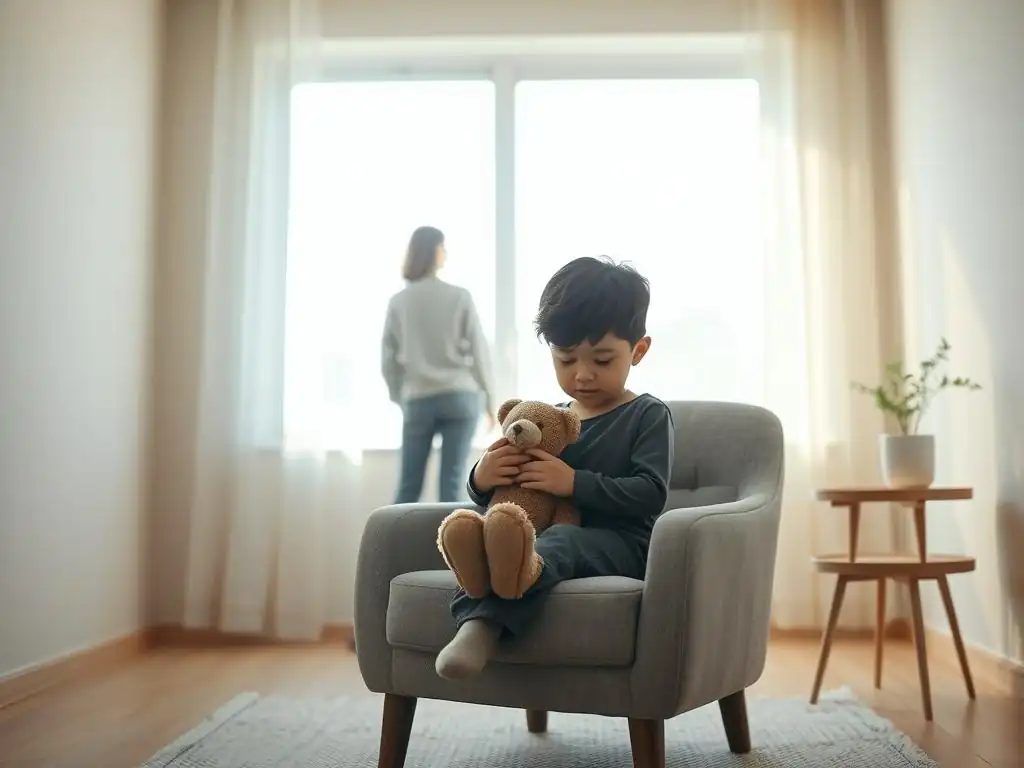
Cognitive Behavioral Therapy (CBT) Techniques for Separation Anxiety
Cognitive Behavioral Therapy (CBT) is a highly effective therapeutic approach for managing separation anxiety during life changes, for both children and adults. CBT focuses on identifying and challenging negative thought patterns and developing healthier coping behaviors. A key technique used is cognitive restructuring, where individuals learn to recognize anxious thoughts (e.g., "Something terrible will happen if I'm alone") and replace them with more realistic and helpful thoughts (e.g., "I am safe, and I can handle being alone for a while").
Another powerful CBT technique is exposure therapy, often done gradually. This involves safely and incrementally exposing the individual to situations that trigger their separation anxiety, starting with less anxiety-provoking scenarios and slowly progressing to more challenging ones. For example, a child might start by spending a few minutes in a separate room from their parent, then an hour, then a night at a relative's house.
An adult might practice being home alone for short periods, gradually increasing the duration. This controlled exposure helps individuals learn that they can tolerate the separation and that their feared outcomes are unlikely to occur, thereby reducing the intensity of the separation anxiety during life changes.
Mindfulness and Relaxation Exercises to Reduce Anxiety Symptoms
Mindfulness and relaxation techniques offer valuable tools for managing the physical and emotional symptoms of separation anxiety during life changes. Mindfulness involves bringing non-judgmental awareness to the present moment, which can help interrupt the cycle of anxious thoughts about the past or future. Simple practices like focusing on the breath, body scanning, or mindful walking can ground an individual when separation anxiety starts to escalate. For example, during a wave of anxiety before a separation, a person could sit quietly and focus solely on the sensation of their breath entering and leaving their body for a few minutes.
Relaxation exercises, such as progressive muscle relaxation or guided imagery, can help calm the nervous system and reduce physical tension associated with anxiety. Progressive muscle relaxation involves tensing and then releasing different muscle groups in the body, promoting a deep sense of relaxation. Guided imagery involves creating calming mental scenes. Practicing these techniques regularly, not just during moments of high anxiety, can build a greater capacity to manage distress. Incorporating these practices can be particularly helpful for navigating the emotional turbulence that often accompanies separation anxiety during life changes.
Creating a Support System: Building Connections During Transitions
Building and utilizing a strong support system is vital when dealing with separation anxiety during life changes. Transitions can feel isolating, and having people to rely on provides comfort, understanding, and practical help. This support system can include family members, friends, colleagues, or support groups. Sharing feelings with trusted individuals can alleviate the burden of anxiety and provide new perspectives.
For instance, an adult moving to a new city might proactively seek out local community groups or clubs related to their interests to build new social connections. A child starting a new school might benefit from scheduled playdates with classmates to foster friendships outside of school hours. Having people who understand and validate the experience of separation anxiety during life changes can reduce feelings of shame and loneliness. A support system acts as a safety net, reminding the individual that they are not alone in facing the challenges of transition and managing their anxiety.
Practical Tips for Coping with Separation Anxiety in Specific Life Changes
Managing Separation Anxiety During a Job Change or Career Transition
A job change often involves separating from familiar colleagues, routines, and a known environment, which can trigger separation anxiety in adults. Practical tips include visiting the new workplace beforehand if possible to reduce the unknown. On the first day, focus on small, manageable goals rather than the entire transition. Establishing a new routine quickly can help create a sense of predictability and security. This might involve planning your commute, scheduling coffee breaks with new colleagues, or setting specific work hours.
Maintaining connections with former colleagues through occasional lunches or messages can ease the feeling of complete separation. Simultaneously, actively participating in social activities at the new workplace, even if it feels uncomfortable initially, helps build new attachments. Remind yourself of the reasons for the job change and the potential positive outcomes. If separation anxiety during this life change is severe, practicing deep breathing exercises before leaving for work or during stressful moments can provide immediate relief.
Helping Children Cope with Separation Anxiety During a School Change or Move
Helping children manage separation anxiety during life changes like a school change or move requires patience and preparation. Visit the new school multiple times before the start date, exploring the classroom, playground, and meeting the teacher if possible. Talk openly with your child about the change, acknowledging their feelings of fear or sadness without dismissing them. Read books about starting school or moving.
Establish consistent drop-off routines at school, keeping goodbyes brief and reassuring. Provide a transitional object, like a small toy or a family photo, that the child can keep with them. Arrange playdates with children from the new neighborhood or school to help them build new friendships. Validate their feelings when they express distress about separation anxiety during this life change, but gently encourage them to engage in the new environment, celebrating small successes as they adapt.
Separation anxiety can be acutely triggered when navigating relationship changes, such as breakups or long-distance relationships. During a breakup, the 'separation' is profound and often unwanted. Focus on self-care and rebuilding your sense of self independent of the relationship. Lean on your support system and engage in activities you enjoy. It's okay to grieve the loss, but try to avoid excessive rumination on the past or constant contact with the ex-partner if it fuels anxiety.
In long-distance relationships, separation anxiety can manifest as constant worry about the partner's fidelity or safety, or intense distress during goodbyes. Establishing clear communication expectations and routines (e.g., scheduled video calls) can help create a sense of connection and predictability. Plan future visits to have something to look forward to. Focus on building your own fulfilling life and support system in your location, reducing reliance solely on the distant partner for emotional security. Managing separation anxiety during this life change requires trust and independent coping skills.
Supporting Loved Ones Experiencing Separation Anxiety During Transitions

How to Talk to Someone About Their Separation Anxiety
Approaching a loved one about their separation anxiety during life changes requires sensitivity and empathy. Choose a calm, private moment to talk. Start by expressing your concern and observations using "I" statements, such as "I've noticed you seem very worried when I'm not around lately" or "I've been concerned about how hard the separation has been for you since the move." Avoid accusatory language like "You're too clingy" or "You just need to get over it."
Listen actively and validate their feelings, even if they seem excessive to you. Phrases like "That sounds really difficult" or "I understand this transition is causing you a lot of stress" can be very helpful. Avoid offering unsolicited advice immediately. The goal is to open a dialogue and let them know they are seen and heard. You can gently ask how you can best support them, perhaps by discussing strategies they might find helpful or suggesting they explore resources about separation anxiety during life changes.
Creating a Safe and Supportive Environment
Providing a safe and supportive environment is crucial for someone struggling with separation anxiety during life changes. This involves being predictable and reliable. For a child, this means sticking to routines as much as possible and following through on promises (e.g., "I will be back to pick you up at 3 pm"). For an adult partner, it might mean communicating clearly about your whereabouts and expected return times. Avoid sudden or unexplained absences.
Encourage independence gently, without pushing too hard or too fast. Celebrate small steps they take towards managing separation. For example, praise a child for staying in their classroom for an extra 10 minutes or acknowledge an adult partner's effort in attending a social event alone. Be patient and understanding; setbacks are possible. Reassure them of your continued presence and support through the transition, reinforcing that the separation is temporary or manageable. This supportive framework helps mitigate the intensity of separation anxiety during life changes.
Knowing When to Seek Professional Help for Separation Anxiety
While some degree of anxiety during transitions is normal, knowing when to seek professional help for separation anxiety during life changes is important. Consider professional support if the anxiety is:
- Intense and persistent: Symptoms don't improve over time and significantly impact daily life for weeks or months.
- Causing significant distress: The individual is experiencing extreme emotional pain, panic attacks, or physical symptoms.
- Interfering with functioning: The anxiety prevents the individual from attending work or school, maintaining relationships, or engaging in necessary activities. For example, an adult might turn down a promotion requiring travel, or a child might refuse to go to school altogether.
- Leading to avoidance: The individual is actively avoiding situations that trigger separation, severely limiting their life experiences.
If you or a loved one are experiencing these signs of significant separation anxiety during a life change, consulting a mental health professional can provide effective strategies and support.
Long-Term Strategies for Overcoming Separation Anxiety
Building Resilience and Emotional Regulation Skills
Developing resilience and strong emotional regulation skills are key long-term strategies for overcoming separation anxiety, especially in the face of future life changes. Resilience is the ability to bounce back from adversity. It's built by successfully navigating challenges and learning from them. Encourage problem-solving skills and a belief in one's ability to cope. For instance, reflecting on past transitions that were successfully managed can build confidence.
Emotional regulation involves understanding and managing your emotional responses. This includes identifying emotions, understanding their triggers, and developing healthy ways to respond to intense feelings instead of being overwhelmed by them. Techniques learned in therapy, like identifying cognitive distortions or practicing mindfulness, contribute significantly to better emotional regulation. By building these skills, individuals are better equipped to handle the inevitable separations and changes that life brings, reducing the impact of separation anxiety during future life changes.
Developing Healthy Coping Mechanisms for Future Transitions
Establishing a repertoire of healthy coping mechanisms is essential for managing separation anxiety during life changes throughout life. Instead of relying on avoidance or excessive reassurance-seeking, develop proactive strategies. This might include planning and preparation for anticipated changes, practicing relaxation techniques regularly, maintaining healthy habits like exercise and sufficient sleep, and nurturing a strong social support network independent of one primary attachment figure.
Learning to tolerate uncertainty is also a crucial coping mechanism. Life transitions inherently involve elements of the unknown. Practicing acceptance that you cannot control every outcome, but you can control your response, is powerful. Engaging in hobbies and activities that bring joy and a sense of accomplishment provides a stable foundation during times of change. These mechanisms provide a toolkit to draw upon, making the experience of separation anxiety during future life changes less debilitating.
The Importance of Self-Care and Maintaining Well-being
Prioritizing self-care and overall well-being is foundational to managing any anxiety, including separation anxiety during life changes. When you are physically and emotionally depleted, anxiety is often amplified. Ensure you are getting adequate sleep (aim for 7-9 hours for adults, more for children), eating nutritious meals, and engaging in regular physical activity. These basic health habits have a profound impact on mental health.
Beyond the basics, self-care involves activities that recharge you and bring you pleasure. This could be spending time in nature, reading, listening to music, practicing a hobby, or spending time with supportive friends. During periods of transition, it's easy to let self-care slide, but it's precisely when it's most needed. Making time for activities that reduce stress and promote emotional balance helps build resilience and makes navigating separation anxiety during life changes more manageable.
Seeking Professional Help for Persistent Separation Anxiety
When to Consult a Therapist or Counselor
Deciding when to consult a therapist or counselor for separation anxiety during life changes is a significant step towards healing. As mentioned earlier, professional help is advisable when the anxiety is severe, persistent, causing significant distress, or interfering with daily functioning. If symptoms have lasted for several weeks or months and are not improving with self-help strategies, or if the anxiety is escalating, it's time to seek expert guidance.
A mental health professional can provide a proper diagnosis, rule out other potential conditions, and develop a tailored treatment plan. They can also help identify underlying factors contributing to the anxiety that may not be apparent. Don't wait until the anxiety is completely debilitating. Seeking help early can prevent the condition from worsening and equip you with effective strategies to manage separation anxiety during life changes and beyond.
Types of Therapy Effective for Separation Anxiety Disorder
Several types of therapy have proven effective in treating separation anxiety disorder in both children and adults. Cognitive Behavioral Therapy (CBT), as discussed, is a cornerstone approach, focusing on changing thought patterns and behaviors. Exposure therapy, often a component of CBT, is particularly useful for gradually confronting feared situations.
Dialectical Behavior Therapy (DBT) can also be helpful, especially for individuals who struggle with intense emotions and distress tolerance. DBT teaches skills in mindfulness, distress tolerance, emotional regulation, and interpersonal effectiveness. For children, play therapy or family therapy might be recommended, involving parents in the treatment process to create a supportive home environment and learn strategies for responding to the child's anxiety. The specific type of therapy will depend on the individual's age, symptoms, and needs, all aimed at helping them cope with separation anxiety during life changes and daily life.
Finding the Right Mental Health Professional
Finding the right mental health professional is a crucial step in getting effective help for separation anxiety during life changes. Look for licensed therapists, counselors, psychologists, or psychiatrists who have experience treating anxiety disorders, specifically separation anxiety if possible. You can search online directories provided by professional organizations, ask for recommendations from your primary care doctor, or inquire with your insurance provider for in-network options.
Consider scheduling initial consultations (often called a "goodness of fit" session) with a couple of different professionals to see who you feel most comfortable with. A good therapeutic relationship is built on trust and rapport. Don't hesitate to ask about their experience with separation anxiety, their therapeutic approach, and what treatment might look like. Finding a professional who understands the nuances of separation anxiety during life changes can make a significant difference in the journey towards recovery and improved well-being.
Frequently Asked Questions
Separation anxiety involves excessive distress when separated from attachment figures. Life changes can trigger it by disrupting routines and creating uncertainty and fear about the future. It can be a normal reaction, but becomes problematic when it significantly impacts daily life.
What are some common life changes that can trigger separation anxiety?
Major life changes such as moving to a new city, starting a new job or school, the loss of a loved one, or even relationship changes can trigger separation anxiety. These events often lead to feelings of instability and insecurity.
What are some effective coping strategies for managing separation anxiety during transitions?
Developing a strong support system is crucial. Implementing relaxation techniques, like deep breathing and mindfulness, can help manage anxiety symptoms. Professional help, such as therapy or counseling, can also provide valuable tools and guidance.
If your separation anxiety is severe, persistent, and interferes with your daily functioning, seeking professional help is advisable. Signs include panic attacks, excessive worry, or difficulty concentrating. A therapist can provide a personalized treatment plan.
Are there resources available to help me understand and manage separation anxiety during life changes?
Yes, the Mind Care Guide website offers comprehensive information, support, and resources for various mental health challenges, including separation anxiety. Online forums, support groups, and mental health professionals are also valuable resources.
Final Reflection: Embracing Change, Transcending Anxiety
The anxieties surrounding life transitions are not merely fleeting inconveniences; they are deeply ingrained responses demanding understanding and proactive management. The journey through significant life changes – from moving to a new city to navigating career shifts or relationship alterations – often triggers a surge of separation anxiety, impacting our emotional well-being and hindering our ability to thrive. This article has explored various coping mechanisms and strategies to navigate these turbulent waters, equipping readers with the tools to transform anxiety into resilience.
The pervasive nature of separation anxiety during life changes underscores its profound impact on our collective experience. It shapes our relationships, influences our career choices, and even dictates how we approach personal growth. The fear of the unknown, the loss of familiar comfort, and the uncertainty of the future are universal themes that resonate deeply. The only constant in life is change,
Heraclitus famously observed, and understanding this truth is the first step towards mastering the anxieties it inevitably brings. This understanding, coupled with the practical strategies discussed, empowers us to not only survive but flourish amidst the inevitable transitions life presents.
Now, consider your own life. What transitions are you facing, or have you faced, that triggered feelings of separation anxiety? How can you apply the insights and techniques shared in this article to better manage these feelings and embrace the opportunities inherent in change? I invite you to actively cultivate self-compassion, seek support when needed, and remember that the discomfort of transition is often a prelude to growth and a richer, more fulfilling life. Embrace the journey, and let the lessons learned empower you to navigate future changes with greater confidence and grace.
Unleash Your Resilience: Embrace the Next Chapter
Thanks for taking the time to explore the complexities of separation anxiety during life transitions! We hope this article provided valuable insights and tools to help you navigate this challenging period. Now, let's turn those insights into action.
- Prioritize self-care: Identify one small act of self-compassion you can integrate into your daily routine this week—whether it’s a relaxing bath, a mindful walk, or simply 10 minutes of quiet reflection. This is your foundation for managing change.
- Connect with your support system: Reach out to a trusted friend, family member, or therapist to share your feelings and experiences. Consider scheduling a supportive conversation as your next step.
- Share your journey: Inspire others by sharing this article on social media and sparking conversations around managing transition anxiety. Let's create a supportive community together.
What small step will you take today to embrace this new chapter with greater confidence and peace of mind?