
Creating a Safe Space: Environmental Coping for Adults

Welcome to Mind Care Guide, your trusted companion on the journey to mental well-being. Feeling overwhelmed by the chaos of the modern world? You're not alone. Discover how creating calm environments for adults can be a powerful tool in managing anxiety and fostering inner peace. Let's explore practical strategies to transform your surroundings and unlock a sense of serenity. What if a simple change in your environment could significantly improve your mental state? Read on to find out.
Creating a Safe Space: Environmental Coping for Adults
- Understanding Environmental Coping for Anxiety in Adults
- Designing Your Personal Sanctuary: Creating Calm Environments for Adults
- Practical Steps to Build Your Safe Space for Anxiety Relief
- Maintaining Your Safe Space: Long-Term Strategies
- The Benefits of Creating Calm Environments for Wellbeing
- Troubleshooting Common Challenges in Creating a Calm Space
- Examples of Effective Safe Spaces
- Resources for Further Exploration of Environmental Coping
-
Frequently Asked Questions
- How does the environment impact an adult's mental well-being?
- What are some key elements to consider when creating calm environments for adults?
- Can creating a safe space at home really improve my mental health?
- What role do sensory elements play in designing a calming environment?
- How can I adapt my existing workspace to create a calmer environment for better focus?
- Final Reflection: Cultivating Calm in a Chaotic World
- Unveil Your Calm: Cultivate a Sanctuary at Home
Understanding Environmental Coping for Anxiety in Adults
What is Environmental Coping and Why Does it Matter?
Environmental coping refers to the intentional modification or selection of one's physical surroundings to manage stress, anxiety, or other mental health challenges. It's based on the understanding that our environment significantly impacts our psychological state. For adults navigating the complexities of modern life, which often include demanding jobs, financial pressures, and social obligations, anxiety can be a pervasive issue.
Learning to shape the spaces we inhabit – be it a home, office, or even a small corner – into havens of calm can be a powerful tool in an anxiety management toolkit, offering a sense of control and predictability in an often unpredictable world. This isn't about escaping reality, but about creating environments that support resilience and emotional well-being.
The importance of environmental coping lies in its direct influence on our nervous system. A chaotic, noisy, or overly stimulating environment can trigger the body's stress response, leading to increased heart rate, muscle tension, and heightened feelings of anxiety. Conversely, a calm, organized, and aesthetically pleasing space can promote relaxation, lower stress hormones like cortisol, and foster a sense of peace.
For many adults, daily life offers few opportunities for genuine respite. Creating calm environments adults can retreat to, even for short periods, provides necessary moments for recovery and emotional regulation, making it a vital strategy for long-term mental health maintenance. It empowers individuals to actively participate in their own healing process by adjusting the external factors that contribute to their internal state.
The Link Between Environment and Adult Anxiety
The relationship between our physical surroundings and anxiety levels in adulthood is well-documented. Studies and anecdotal evidence consistently show that factors like excessive noise, poor lighting, clutter, and lack of access to nature can exacerbate feelings of stress and anxiety. For instance, chronic exposure to high noise levels, such as living near a busy road, has been linked to increased stress hormone production and heightened anxiety symptoms.
Similarly, working or living in spaces with harsh fluorescent lighting or insufficient natural light can disrupt circadian rhythms, negatively impacting mood and sleep quality, both of which are crucial for managing anxiety. The environment doesn't just passively exist around us; it actively interacts with our physiology and psychology.
Furthermore, the organization and aesthetics of a space play a significant role. A cluttered or disorganized environment can create a sense of overwhelm and lack of control, triggering anxiety in susceptible individuals. Conversely, a well-ordered, visually pleasing space can promote feelings of calm and clarity.
The deliberate act of creating calm environments adults find soothing provides a tangible way to address anxiety triggers rooted in external stimuli. It allows individuals to curate their personal bubble, minimizing exposure to environmental stressors and maximizing exposure to elements that promote relaxation and security. This proactive approach acknowledges that while we can't control all external factors, we can exert significant influence over the immediate spaces we inhabit most frequently.
Identifying Anxiety Triggers in Your Surroundings
Identifying environmental triggers is the first critical step in effectively creating calm environments adults can truly benefit from. This involves becoming a detective of your own space and emotional responses. Pay close attention to specific places or elements in your home, workplace, or other frequented locations that seem to consistently precede or worsen your feelings of anxiety. Is it the harsh overhead light in the kitchen?
The pile of mail on the counter? The constant hum of traffic outside your window? Or perhaps the visual chaos of too many items competing for attention in your living room? Keeping a simple journal for a week or two, noting your anxiety levels and the environmental factors present at the time, can reveal surprising patterns.
Beyond obvious stressors like noise or clutter, triggers can also be more subtle, such as specific colors, textures, or even smells that hold negative associations or are simply overwhelming to your senses. For example, some adults find bright red or neon colors agitating, while others might be sensitive to strong artificial scents. Reflect on past experiences and how different environments made you feel. Was there a place where you always felt at ease? What elements were present there?
Conversely, think about spaces that made you feel uneasy. What was it about them? This self-awareness is fundamental to tailoring your environment effectively. Understanding what in your surroundings specifically triggers your anxiety allows you to make targeted changes, rather than general modifications, leading to a more personalized and effective safe space.
Designing Your Personal Sanctuary: Creating Calm Environments for Adults
Key Principles of a Calming Environment
Designing a calming environment centers on several core principles aimed at reducing sensory input, promoting relaxation, and fostering a sense of peace and control. The first principle is Simplicity and Order: a minimalist approach, reducing clutter and visual noise, helps quiet the mind. The second is Softness and Comfort: incorporating comfortable textures, soft furnishings, and inviting seating areas encourages physical relaxation, which in turn aids mental calm.
Thirdly, Harnessing Natural Elements: integrating plants, natural light, and views of nature has profound positive effects on mood and stress levels. These elements connect us to the natural world, which is inherently calming.
Another crucial principle when creating calm environments adults need is Personalization. The space should feel uniquely yours, filled with items that bring you joy, comfort, or positive memories, while avoiding anything that triggers negative feelings. This could be family photos, cherished mementos, or artwork you love.
Finally, Sensory Harmony is key: paying attention to how your space appeals to all five senses – sight (colors, light, order), sound (quiet or gentle ambient noise), smell (pleasant, subtle aromas), touch (soft textures), and even taste (having comforting drinks or snacks available) – ensures a holistic approach to creating a truly soothing sanctuary. Applying these principles systematically can transform any space into a refuge from the stresses of the outside world.
Minimizing Sensory Overload: Reducing Noise and Visual Clutter
Sensory overload is a significant anxiety trigger for many adults. Effectively creating calm environments adults can thrive in requires actively working to minimize excessive sensory input. Noise pollution is a common culprit; strategies include using noise-cancelling headphones during specific times, installing thicker curtains or acoustic panels, or even positioning furniture to create sound barriers.
If outdoor noise is a major issue, consider investing in double-paned windows if feasible. For internal noise, establishing quiet hours or using soft furnishings like carpets and upholstered furniture can help absorb sound. Background noise, if desired, should be consistent and non-jarring, such as white noise, nature sounds, or quiet instrumental music.
Visual clutter is equally detrimental. Piles of papers, disorganized shelves, and too many decorative items can overwhelm the visual field and create a sense of chaos, directly contributing to feelings of anxiety and lack of control. Dedicate time to decluttering regularly, finding designated homes for items, and adopting a "less is more" philosophy for surfaces.
Storage solutions like baskets, bins, and drawers can hide visual noise. Arranging items neatly and creating clear pathways also contributes to a sense of order and calm. The goal is to create visual resting spots, areas where the eye can land without being bombarded by stimuli, allowing the mind to feel more settled and at ease.
Optimizing Lighting for Relaxation and Anxiety Reduction
Lighting plays a profound role in mood and anxiety management, making its optimization essential when creating calm environments adults rely on. Harsh, bright overhead lighting, particularly cool-toned fluorescent or LED lights, can be stimulating and even physiologically stressful, mimicking the intensity of midday sun and potentially disrupting natural sleep-wake cycles. Instead, favor softer, warmer light sources, ideally around 2700-3000 Kelvin, which is similar to the glow of an incandescent bulb or sunset.
Use multiple light sources at different levels – floor lamps, table lamps, and task lighting – rather than relying solely on one overhead fixture. This allows for greater flexibility in adjusting the light level and mood of the room throughout the day and evening.
Natural light is incredibly beneficial for mental well-being. Maximize access to daylight by keeping windows clear of obstructions, using sheer curtains, and positioning workspaces near windows if possible. Exposure to natural light during the day helps regulate circadian rhythms, improving sleep quality and mood.
In the evening, dimming lights and avoiding bright screens helps signal to the body that it's time to wind down. Consider using smart bulbs that allow you to adjust both brightness and color temperature throughout the day, mimicking natural light changes. The strategic use of light can transform a space from potentially anxiety-provoking to deeply calming and restorative.
The Power of Nature: Incorporating Natural Elements
Bringing elements of nature indoors is a powerful strategy for creating calm environments adults find grounding and soothing. Biophilic design, which integrates natural materials, patterns, and elements into built environments, has been shown to reduce stress, improve mood, and enhance cognitive function. Houseplants are an easy and effective way to do this.
They add visual interest, improve air quality, and the act of caring for them can be meditative. Even just having a few plants can make a space feel more alive and tranquil. Research suggests that viewing nature scenes, even if it's just a picture or a plant, can lower heart rate and blood pressure.
Beyond plants, incorporate natural materials like wood, stone, cotton, linen, and wool into your decor. These materials often have calming textures and colors. Consider adding a small water feature, like a tabletop fountain, as the sound of flowing water can be very relaxing for some. Maximizing views of the outdoors, whether it's a garden, trees, or even just the sky, is also beneficial.
If direct views aren't possible, use nature-inspired art or photographs. Simply spending time near a window with a view of greenery can help reduce stress. Connecting with nature, even indirectly within your home, provides a sense of peace and rejuvenation that is invaluable for managing anxiety.
Practical Steps to Build Your Safe Space for Anxiety Relief
Decluttering Your Physical Space for Mental Clarity
Decluttering is often the first and most impactful step in creating calm environments adults can truly relax in. A cluttered space often reflects or contributes to a cluttered mind, making it hard to focus and increasing feelings of overwhelm. Start small; you don't need to tackle your entire home at once. Choose one area, like a desk, a single shelf, or a small corner of a room.
Remove everything from that area. Sort items into categories: Keep, Donate/Sell, Trash. Be honest about what you truly need and use. A common guideline is if you haven't used something in six months to a year (excluding seasonal items or important documents), consider letting it go.
Once sorted, put the "Keep" items back in an organized manner, giving everything a designated home. Use storage solutions like boxes, bins, or drawer dividers to maintain order. Immediately bag up items for donation/selling and trash, and remove them from the space. The physical act of decluttering can feel empowering, and the resulting clear space provides immediate visual relief. Make it a regular habit, perhaps dedicating 15-20 minutes each week to tidy up and put things away. This prevents clutter from accumulating again and helps maintain the mental clarity that comes with an organized environment.
Choosing Calming Colors and Textures
The colors and textures in your environment significantly influence your mood and energy levels, making deliberate choices crucial for creating calm environments adults find soothing. Generally, soft, muted colors are more conducive to relaxation than bright, saturated hues. Think about colors found in nature: gentle blues, greens, soft grays, warm beiges, and earthy browns.
Blue is often associated with calmness and serenity, while green can evoke feelings of balance and harmony. Using these colors on walls, furniture, or in decorative accents can create a peaceful backdrop. Avoid overly stimulating colors like bright reds, oranges, or yellows in areas intended for relaxation.
Textures add another layer of sensory comfort. Incorporate soft, inviting textures like plush rugs, cozy throws, velvet pillows, or woven baskets. These elements add visual warmth and provide pleasant tactile experiences. Hard, cold surfaces and sharp lines can sometimes feel less inviting and more sterile.
Balancing different textures adds depth and interest to a space while enhancing its calming qualities. For example, pairing a soft wool rug with a smooth wooden table and a textured linen sofa creates a layered, comfortable feel. Consider how different materials feel to the touch and how they contribute to the overall sensory experience of your safe space.
Utilizing Aromatherapy for Anxiety Management
Aromatherapy, the use of essential oils for therapeutic purposes, can be a simple yet effective addition when creating calm environments adults can retreat to. Certain scents have been shown to influence mood and reduce anxiety. Lavender is perhaps the most well-known, widely studied for its calming and sedative properties; diffusing lavender oil in the evening can promote relaxation and improve sleep. Chamomile, bergamot, frankincense, and ylang-ylang are other essential oils often recommended for their anxiety-reducing effects. Peppermint can help with focus and alertness without being overly stimulating for some.
You can incorporate aromatherapy into your space in various ways. Diffusers are popular for dispersing scents throughout a room. Scented candles (preferably made from natural waxes like soy or beeswax with essential oils) can also create a calming ambiance, but be mindful of potential sensitivities to smoke.
Room sprays made with essential oils and water offer a quick refresh. Even placing a few drops of essential oil on a cotton ball near your desk or bed can provide a subtle, localized effect. Always use high-quality, pure essential oils and research their properties and safe usage, especially if you have pets or health conditions.
Soundscapes for Serenity: Selecting Soothing Sounds
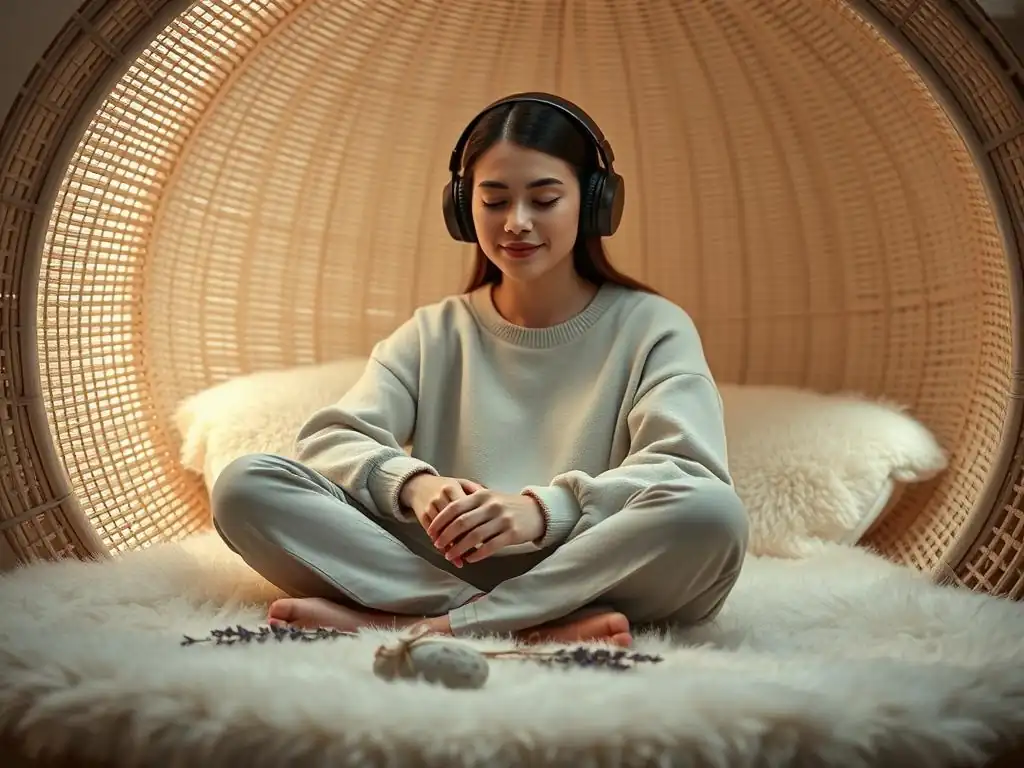
The sounds (or lack thereof) in your environment are powerful contributors to your state of mind. While minimizing unwanted noise is key, intentionally introducing soothing sounds can further enhance creating calm environments adults find restorative. Silence itself can be calming for some, but for others, a gentle soundscape provides a pleasant distraction from intrusive thoughts or external noise. Nature sounds like rainfall, ocean waves, or gentle birdsong are widely considered relaxing and can mask distracting sounds. White noise or pink noise machines can create a consistent, unobtrusive background sound that helps many people feel calmer and focus better.
Music is another powerful tool. Instrumental music, ambient soundscapes, or classical pieces with slow tempos and predictable melodies can promote relaxation and reduce physiological signs of stress. Avoid music with jarring changes in volume or tempo, or lyrics that might trigger negative emotions. Experiment with different types of soothing sounds or music to find what resonates best with you. There are numerous apps and online resources dedicated to providing curated soundscapes for relaxation, meditation, or sleep. The goal is to create an auditory environment that supports your desired mental state, whether that's quiet contemplation, focused work, or deep relaxation.
Creating a Dedicated Relaxation Zone
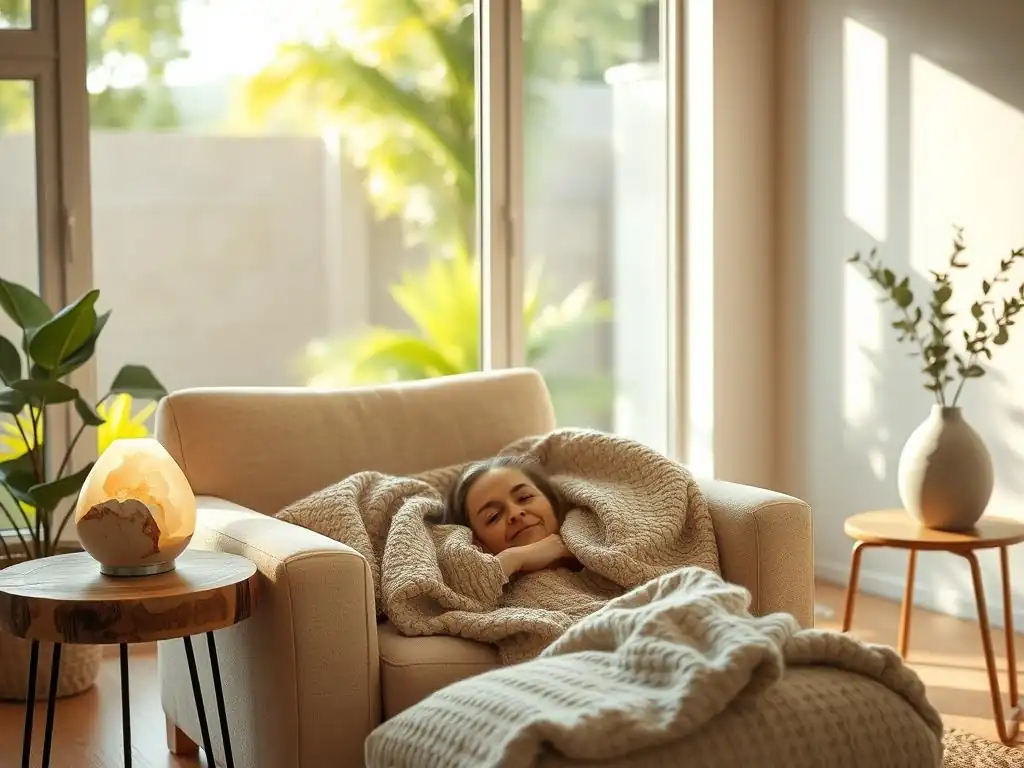
Even in a small home, dedicating a specific area, no matter how modest, as a relaxation zone is a valuable step in creating calm environments adults can consistently turn to for relief. This doesn't require a whole room; it could be a comfortable armchair in a quiet corner, a window seat, or even just a designated spot on the floor with cushions and a soft rug. The key is that this space is solely intended for relaxation, free from work materials, electronic devices (unless used for calming music or guided meditation), or other stressors.
Equip this zone with items that support your relaxation practices. This might include soft blankets, pillows, a comfortable place to sit or lie down, a small table for a drink or book, a plant, a diffuser for aromatherapy, and perhaps a journal. The visual cues of this dedicated space help your brain associate it with calm and rest.
Make it a habit to spend time in this zone regularly, even if only for 10-15 minutes. Use this time for reading, listening to music, meditation, deep breathing exercises, or simply quiet contemplation. Having a physical sanctuary reinforces the intention to prioritize your mental well-being.
Maintaining Your Safe Space: Long-Term Strategies
Establishing a Routine for Environmental Upkeep
Creating calm environments adults can rely on isn't a one-time project; it requires ongoing maintenance. Just as personal hygiene requires daily effort, maintaining a calming environment benefits from a regular routine. Schedule short, consistent periods for tidying and organization rather than waiting until clutter becomes overwhelming. This could be 15 minutes each evening to put things back in their place, or 30 minutes every weekend for a slightly deeper clean and reset of your chosen safe space. Consistency is more effective than infrequent, marathon cleaning sessions.
Beyond cleaning, this routine should include checking on elements that contribute to the calming atmosphere. Water your plants, refresh the water in your diffuser, change light bulbs as needed, and ensure your comfort items like blankets and pillows are clean and inviting. Regularly assess if any new clutter has accumulated or if any environmental factors are starting to feel overwhelming again. A proactive approach prevents the space from reverting to a state that triggers anxiety and ensures your sanctuary remains a reliable source of peace.
Adapting Your Space to Changing Needs
Life circumstances change, and so might your environmental coping needs. What felt calming during one period might not be as effective during another, making adaptability key to creating calm environments adults can sustain. Perhaps you've moved, changed jobs, or are experiencing a different type of stressor. Regularly check in with yourself: Does your safe space still feel supportive? Are there new environmental triggers in your life that need addressing? For example, if you've started working from home more, you might need to create a more defined and calm workspace separate from your relaxation zone.
Be willing to make adjustments to your space as your life evolves. This might involve redecorating, rearranging furniture, investing in new organizational tools, or changing your aromatherapy scents based on your current emotional needs. If you find yourself reacting negatively to something in your environment that didn't bother you before, explore the possibility of it being a new trigger. Flexibility and a willingness to adapt your strategies ensure that your environment remains a dynamic and effective tool for managing anxiety over the long term.
Seeking Professional Guidance for Environmental Modifications
While many aspects of creating calm environments adults can implement themselves, sometimes professional guidance can be invaluable, particularly when dealing with complex living situations, significant environmental stressors, or when anxiety is severe. An interior designer specializing in wellness or biophilic design can offer expertise on optimizing layouts, lighting, color palettes, and materials for mental well-being. They can provide tailored solutions for specific challenges like small spaces, poor natural light, or high noise levels.
For individuals whose anxiety is significantly impacted by their environment, a therapist or counselor might explore the psychological connection between their surroundings and their mental state. They can help identify deeply rooted triggers and develop coping strategies that include environmental adjustments as part of a broader treatment plan. In some cases, professionals like occupational therapists might offer practical advice on organizing spaces for better function and reduced overwhelm. Don't hesitate to seek expert help if you feel overwhelmed by the process or if environmental factors are profoundly impacting your anxiety despite your best efforts.
The Benefits of Creating Calm Environments for Wellbeing
Reduced Anxiety Symptoms and Improved Mood
The most direct benefit of creating calm environments adults can retreat to is a tangible reduction in anxiety symptoms. A peaceful environment lowers physiological arousal, decreasing heart rate, muscle tension, and the intensity of worry or panic. When surrounded by soothing colors, soft sounds, and order, the nervous system receives signals of safety and calm, counteracting the 'fight or flight' response often associated with anxiety. This physical relief contributes significantly to an improved mood, fostering feelings of contentment and tranquility.
Spending time in a personally curated sanctuary provides a mental break from stressors, allowing the mind to quiet down. This respite helps prevent the escalation of anxious thoughts and provides an opportunity for emotional reset. For many adults, simply knowing they have a calm space to retreat to can be a source of comfort and reduce anticipatory anxiety about potential triggers. This proactive approach empowers individuals, giving them a sense of agency in managing their mental state by actively shaping their external world.
Enhanced Focus and Productivity
Anxiety often impairs concentration, making it difficult to focus on tasks and reducing productivity. A cluttered, noisy, or overly stimulating environment exacerbates these difficulties, constantly pulling attention away and contributing to mental fatigue. By creating calm environments adults can work or relax in, free from distractions and sensory overload, focus is naturally enhanced. An organized space reduces the mental load required to navigate it, freeing up cognitive resources.
Optimized lighting, comfortable temperatures, and reduced noise levels in a calm environment create conditions conducive to sustained attention. Whether it's focusing on work, a hobby, or simply being present, a peaceful setting minimizes interruptions and promotes a state of flow. This improved ability to concentrate not only boosts productivity but also reduces the frustration and stress that often accompany difficulty focusing, creating a positive cycle that further supports mental well-being.
Better Sleep Quality
Sleep disturbances are a common symptom of anxiety, and the bedroom environment plays a critical role in promoting restful sleep. Creating calm environments adults need for sleep involves optimizing the bedroom specifically for rest. This means ensuring it's dark, quiet, and cool, with minimal clutter and electronics. The principles of calming design – soft colors, comfortable textures, pleasant scents (like lavender) – are particularly important in the bedroom.
Reducing environmental stimuli associated with wakefulness or stress (like bright screens, work-related items, or harsh lights) helps signal to the body that the bedroom is a place for sleep and relaxation. A calm bedroom environment reduces nighttime anxiety and worry that can keep you awake. Investing in blackout curtains, using a white noise machine, keeping the room tidy, and ensuring comfortable bedding are all practical steps that contribute to creating a sleep sanctuary, leading to better sleep quality and, consequently, improved anxiety management during the day.
Increased Self-Awareness and Emotional Regulation
The process of creating calm environments adults design for themselves fosters increased self-awareness. The initial step of identifying environmental triggers requires introspection and paying close attention to one's own reactions and feelings. This practice of observing how different elements in the environment impact mood and anxiety builds a deeper understanding of personal sensitivities and coping needs. It encourages individuals to become more attuned to their internal state and how it interacts with the external world.
Furthermore, having a dedicated safe space and engaging in environmental coping strategies provides a tangible method for practicing emotional regulation. When anxiety arises, having a plan to retreat to a calm space or make small environmental adjustments (like dimming the lights or using aromatherapy) offers a concrete action to take. This empowers individuals to actively manage their emotional state rather than feeling overwhelmed by it. The sense of control gained from shaping one's environment translates into increased confidence in the ability to regulate emotions in other areas of life.
Troubleshooting Common Challenges in Creating a Calm Space
Dealing with Limited Space
A common challenge when creating calm environments adults desire is limited physical space, particularly in urban areas or smaller homes. The key here is to think creatively and optimize the space you do have. Even a small corner can become a dedicated relaxation zone with the addition of a comfortable chair, a plant, and appropriate lighting. Vertical space can be utilized for storage to reduce clutter on surfaces. Multifunctional furniture, like an ottoman with storage or a desk that folds away, can help maximize usability without adding visual bulk.
Focus on quality over quantity. Instead of trying to transform an entire cramped room, concentrate on making one small area truly peaceful. Use mirrors strategically to make a space feel larger and brighter. Ensure good airflow, as stagnant air can feel oppressive. Prioritize decluttering ruthlessly, as less stuff makes any space feel more open and calming. Remember that the feeling of calm comes not just from the size of the space, but from how intentionally and mindfully it is designed and used.
Creating calm environments adults share with partners, family, or roommates presents unique challenges, as personal preferences and needs must be negotiated. Open communication is paramount. Discuss the concept of environmental coping and explain why having a calm space is important for your well-being. Identify shared areas where compromises can be made (e.g., agreeing on a general level of tidiness, setting rules for noise levels during certain hours) and personal areas where you have more control (your bedroom, a specific chair).
Work together to find solutions. Perhaps a living room can be tidied nightly, or specific headphones can be used for watching TV late. If possible, designate one small area that is primarily yours and can be optimized for your specific calming needs.
Respecting others' preferences while advocating for your own is crucial. It might require finding middle ground, such as choosing wall colors that are agreeable to everyone but incorporating personal calming elements in your private space. The goal is collaboration, finding ways for your need for a calm environment to coexist with the needs and preferences of those you live with.
Overcoming Resistance to Change
Implementing environmental changes, even for your own benefit, can sometimes face internal or external resistance. Internally, you might feel overwhelmed by the task, doubt its effectiveness, or struggle with letting go of items during decluttering due to sentimental attachment or a "just in case" mentality. Externally, family members or roommates might resist changes to shared spaces or question the need for your modifications. Overcoming this resistance is part of the process of creating calm environments adults can successfully integrate into their lives.
Start small to avoid feeling overwhelmed. Focus on one drawer, one corner, or one small habit change (like 10 minutes of tidying). Celebrate small victories. Educate yourself and others about the link between environment and mental health; sharing information can help gain understanding and support. For sentimental items, consider alternative ways to cherish memories, like digitizing photos or keeping a select few special pieces. Be patient with yourself and others. Behavioral and environmental changes take time. Frame the changes not as a burden, but as an investment in your health and well-being, which ultimately benefits everyone around you.
Examples of Effective Safe Spaces
The Home Office Retreat
For many adults, the home office is a source of stress, but it can also be transformed into a calm space that supports focus and reduces anxiety. An effective home office retreat minimizes visual and auditory distractions. This involves facing your desk away from the door or high-traffic areas if possible, using noise-cancelling headphones, and keeping the workspace strictly for work activities. Decluttering is essential; only necessary items should be on the desk or within easy reach.
Incorporating calming elements makes the space more supportive. A small plant, natural light from a window, warm-toned task lighting, and comfortable seating can make a significant difference. Personal touches, like a favorite calming piece of art or a diffuser with a focus-enhancing or calming scent (like peppermint or bergamot), can personalize the space. The goal is to create an environment that promotes concentration without feeling sterile, a place where productivity meets peace, demonstrating how creating calm environments adults can use extends beyond just relaxation zones.
The Bedroom Oasis
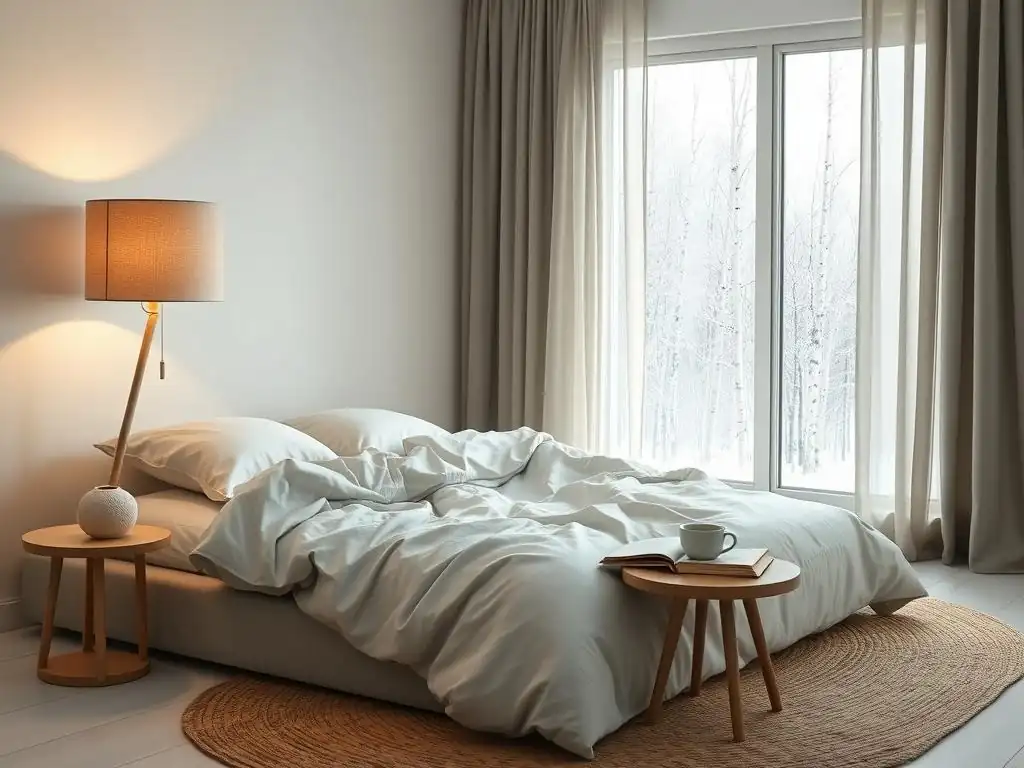
The bedroom is perhaps the most intuitive space for creating calm environments adults use for rest and rejuvenation. An effective bedroom oasis prioritizes sleep and relaxation above all else. This means minimizing electronics (ideally removing TVs and keeping phones away from the bed), ensuring it's as dark as possible (blackout curtains are highly recommended), and maintaining a cool temperature (typically between 60-67°F or 15-19°C).
The decor should be soothing: soft colors, comfortable bedding with pleasant textures (cotton, linen), and gentle lighting. Remove clutter, especially from surfaces like nightstands, which should only hold essentials like a book, a glass of water, and perhaps a small lamp. Incorporating elements like a bedside plant, a diffuser with lavender oil, or a sound machine can further enhance the calming atmosphere. The bedroom oasis is a sanctuary dedicated solely to sleep, intimacy, and peaceful rest, free from the stresses and demands of the waking world.
The Garden or Balcony Sanctuary
Access to nature is a powerful anxiety reducer, and creating calm environments adults can use outdoors, even in a small capacity, provides a direct connection to the natural world. A garden, balcony, or even a sunny windowsill can be transformed into a mini-sanctuary. This involves adding comfortable seating – a bench, a chair, or even just some cushions – where you can sit and observe nature.
Fill the space with plants, flowers, or herbs that you enjoy looking at, smelling, or even touching. Consider a small water feature for the soothing sound of trickling water. If privacy is an issue, use screens or taller plants. Ensure the space is tidy and inviting, not just a storage area. Spending even just 15-20 minutes daily in this outdoor sanctuary, sipping tea, reading, or simply breathing fresh air and observing the plants, can significantly lower stress levels and improve mood. It serves as a vital reminder of the calming power inherent in nature.
Resources for Further Exploration of Environmental Coping
Books and Articles on Creating Calm Environments
For adults interested in delving deeper into the principles and practices of creating calm environments adults can benefit from, numerous resources are available. Books like "The Little Book of Hygge" by Meik Wiking explore the Danish concept of coziness and well-being through environment, offering practical tips for creating warm, inviting spaces. "Feng Shui for Dummies" or similar introductory texts can provide basic principles of energy flow and arrangement for harmony.
Numerous articles and blogs on interior design, wellness, and psychology websites often discuss the impact of environment on mental health and offer specific advice on topics like color psychology, the benefits of plants, and decluttering techniques. Searching for terms like "wellness design," "biophilic design," "calming home," or "anxiety and environment" can yield valuable information and inspiration for tailoring your space to support your mental well-being.
Apps and Tools for Sensory Management
In the digital age, several apps and tools can assist in creating calm environments adults need, particularly for managing sensory input. Apps like "Calm," "Headspace," or "Insight Timer" offer guided meditations and soothing soundscapes, including nature sounds, white noise, and ambient music, which can be used to create a calming auditory environment. Dedicated sound machine apps or physical white noise machines are also readily available.
For visual management, digital tools are less direct but can help with organization (task management apps, digital note-taking) which reduces mental clutter that contributes to physical clutter. Smart lighting systems allow for easy control of brightness and color temperature, enabling you to adjust the lighting to your needs throughout the day. While these digital tools don't change the physical space itself, they can be powerful aids in controlling the sensory experience within that space.
Organizations Supporting Mental Wellness
Many mental health organizations offer resources and support that touch upon the importance of lifestyle factors, including environmental influences, on well-being. While they may not focus exclusively on creating calm environments adults, they provide broader support for managing anxiety and related conditions. Organizations like the National Alliance on Mental Illness (NAMI) or the Anxiety & Depression Association of America (ADAA) offer information on coping mechanisms, support groups, and professional help.
These organizations often publish articles or link to resources that discuss holistic approaches to mental health, including how your physical surroundings can be part of a comprehensive wellness plan. While specific environmental design advice might be limited, they provide the foundational understanding of anxiety and coping that contextualizes why creating a supportive environment is a valuable strategy. Consulting their resources can provide additional context and support for your journey towards better mental well-being.
Frequently Asked Questions
How does the environment impact an adult's mental well-being?
Our surroundings significantly influence our mood and stress levels. A cluttered or noisy environment can exacerbate anxiety and overwhelm, while a calm space promotes relaxation and focus.
What are some key elements to consider when creating calm environments for adults?
Consider elements like natural light, comfortable temperatures, and minimal distractions. Incorporating calming colors like blues and greens, and reducing noise pollution are also crucial.
Can creating a safe space at home really improve my mental health?
Yes, absolutely! A dedicated safe space provides a sense of control and security, allowing you to de-stress and regulate emotions. It's a proactive step towards self-care and emotional well-being.
What role do sensory elements play in designing a calming environment?
Sensory elements are vital. Think about soft textures, soothing scents like lavender, and gentle sounds like nature recordings. All these contribute to a multi-sensory experience that fosters relaxation.
How can I adapt my existing workspace to create a calmer environment for better focus?
Start with decluttering and organizing your desk. Introduce plants or natural elements, use noise-canceling headphones, and ensure proper lighting. These simple changes can significantly improve focus and reduce stress at work.
Final Reflection: Cultivating Calm in a Chaotic World
The pursuit of calm amidst the relentless pace of modern life is not a luxury; it's a necessity. Creating safe and calming environments isn't just about aesthetics; it's about actively prioritizing mental and emotional well-being, a crucial element often overlooked in our increasingly demanding world. This article explored practical strategies for adults to design spaces that foster peace and reduce stress, highlighting the profound impact our surroundings have on our inner state.
The journey towards creating a truly calming environment is deeply personal, a continuous process of self-discovery and adaptation. It's about understanding what truly resonates with you, what soothes your soul, and what helps you disconnect from the external noise. This process of intentional design reflects a growing societal awareness of the importance of mental health. The environment is not just a setting, but a living, breathing entity that profoundly influences our well-being.
This understanding is crucial, as it shifts the focus from simply surviving to truly thriving in our daily lives.
Now, consider your own space. What elements contribute to feelings of peace and tranquility? What needs to be changed or added to better support your mental and emotional health? Take this opportunity to actively cultivate calm in your life. Start small, perhaps by adding a plant, rearranging furniture, or incorporating calming scents. Each step you take towards creating a more peaceful environment is an investment in your overall well-being, a testament to your commitment to self-care, and a journey towards a more balanced and fulfilling life.
Unveil Your Calm: Cultivate a Sanctuary at Home
Thank you for taking the time to explore practical ways to create a calming environment. We hope you gained valuable insights into building a safer, more peaceful space for yourself. Now, it's time to put that knowledge into action!
- Designate your sanctuary: Identify one area in your home (even a small corner!) and dedicate it to relaxation and self-care. This could be a reading nook, a meditation spot, or simply a comfortable chair where you can unwind. Think about what makes you feel most at peace.
- Incorporate sensory elements: Begin incorporating calming sensory elements into your sanctuary. Think soft textures, calming scents (lavender, chamomile), or soothing sounds (nature sounds, gentle music).
- Share your sanctuary story: Share your experience creating your safe space – what worked best for you? What challenges did you overcome? This will help others and inspire them on their own journeys to peaceful living.
What simple change will you implement today to cultivate a more calming space in your home?