
Beyond SelfHelp: Finding Support for Severe Sleep Anxiety


Welcome to Mind Care Guide, where we understand the profound impact mental well-being has on your life. Are sleepless nights a constant battle, fueled by relentless anxiety? You're not alone. In this safe space, we offer information and support to navigate those challenging moments. This article, " Beyond SelfHelp: Finding Support for Severe Sleep Anxiety", delves into severe sleep anxiety support resources, offering a pathway to reclaim restful nights and peaceful days. Feeling overwhelmed? Let's explore some actionable steps together, and discover how to find the right support for you. What if relief was just a few clicks away?
Beyond Self-Help: Finding Support for Severe Sleep Anxiety
Severe sleep anxiety is a distressing condition where the fear of not sleeping, or of the consequences of sleeplessness, becomes so overwhelming that it actively prevents sleep. It's more than just occasional worry before a big day; it's a persistent, intense dread associated with bedtime and the sleeping process itself. This anxiety can manifest physically, causing racing heartbeats, shortness of breath, and muscle tension, making relaxation, which is essential for sleep, incredibly difficult.
Unlike mild sleep concerns that might respond to simple sleep hygiene adjustments, severe sleep anxiety often feels like a trap. Individuals may spend hours tossing and turning, their minds replaying anxious thoughts about sleep failure, the looming fatigue of the next day, or even existential fears triggered by the quiet darkness. This heightened state of arousal is fundamentally incompatible with falling asleep, creating a frustrating cycle that reinforces the anxiety with each failed attempt to rest. The severity lies in its pervasiveness and debilitating impact on daily functioning.
- Understanding Severe Sleep Anxiety and Its Impact
- Recognizing the Need for External Support
- Exploring Professional Treatment Options for Sleep Anxiety
- Finding Severe Sleep Anxiety Support Resources
- Practical Strategies to Enhance Professional Treatment
- Navigating the Healthcare System for Sleep Anxiety
- Maintaining Long-Term Well-being After Treatment
-
Frequently Asked Questions
- What defines severe sleep anxiety, and how does it differ from occasional sleep worries?
- Where can I find specialized sleep anxiety support resources besides self-help books and apps?
- How can a mental health professional help with severe sleep anxiety?
- What are some practical strategies I can implement immediately to manage my sleep anxiety while seeking professional help?
- How do I know if I need professional help for my sleep anxiety, or if self-help methods are sufficient?
- Final Reflection: Unraveling the Silence of Severe Sleep Anxiety
- Unveil Your Path to Restful Sleep
Understanding Severe Sleep Anxiety and Its Impact
What is Severe Sleep Anxiety? Defining the Condition
Severe sleep anxiety, often categorized clinically under insomnia disorder with significant anxiety features, is characterized by excessive worry and negative thoughts about sleep that are disproportionate to the actual lack of sleep experienced. It's the fear of insomnia that becomes the primary driver of sleeplessness. People with this condition may dread going to bed, viewing it as a battleground rather than a place of rest, and experience significant anticipatory anxiety throughout the day leading up to bedtime.
This condition is distinct from simply having trouble sleeping due to stress or poor habits. It involves a profound emotional and cognitive preoccupation with sleep failure. Individuals may develop elaborate rituals or avoidance behaviors around bedtime in an attempt to control the uncontrollable process of falling asleep, paradoxically increasing their anxiety. The core issue is the fear and the physiological and psychological arousal it generates, making sleep elusive.
The Vicious Cycle: How Anxiety Fuels Sleeplessness
The relationship between anxiety and sleeplessness is a classic vicious cycle. Anxiety triggers the body's fight-or-flight response, releasing stress hormones like cortisol and adrenaline. This physiological arousal keeps the brain alert and vigilant, making it difficult to relax and fall asleep. For someone with severe sleep anxiety, the anticipation of this difficulty at bedtime becomes a potent trigger for the same arousal response.
As sleep becomes harder to achieve, the anxiety about not sleeping intensifies. This leads to more physiological arousal, further disrupting sleep. A single bad night can fuel intense worry about the next night, perpetuating the cycle. For instance, someone might lie awake for two hours one night, then spend the entire following day dreading bedtime, convinced they will repeat the experience, which then makes it even more likely they will struggle to sleep that night due to the heightened anxiety and arousal. This self-fulfilling prophecy is central to severe sleep anxiety.
The Long-Term Effects of Untreated Sleep Anxiety
Leaving severe sleep anxiety untreated can have significant and wide-ranging consequences for both physical and mental health. Chronic sleep deprivation, often a result of this anxiety, is linked to a higher risk of various physical ailments, including cardiovascular problems, weakened immune function, metabolic issues like type 2 diabetes, and chronic pain conditions. The constant state of stress also puts a toll on the body.
Beyond physical health, the impact on mental well-being is profound. Untreated severe sleep anxiety can exacerbate existing mental health conditions like depression and generalized anxiety disorder, or even contribute to their development. Concentration, memory, and decision-making abilities are impaired, affecting work performance, relationships, and overall quality of life. The persistent fatigue and emotional distress can lead to feelings of hopelessness and isolation, underscoring the critical need for effective severe sleep anxiety support resources.
Recognizing the Need for External Support
When Self-Help Isn't Enough: Identifying Red Flags
While self-help strategies like improving sleep hygiene, using relaxation apps, or trying over-the-counter sleep aids can be helpful for mild sleep issues, they are often insufficient for severe sleep anxiety. Red flags indicating a need for professional help include experiencing intense anxiety specifically related to sleep for several months, despite consistent efforts at self-improvement. If the anxiety about sleep is causing significant distress or impairment in daily functioning – affecting work, social life, or physical health – it's a clear sign that more targeted intervention is needed.
Another critical indicator is the feeling of being trapped or hopeless regarding sleep. If bedtime consistently triggers panic-like symptoms, or if you are spending an excessive amount of time in bed awake (more than 30-60 minutes trying to fall asleep or returning to sleep), or if you're relying heavily on substances (alcohol, sedatives) to induce sleep, these are strong signals that self-help is not addressing the root cause and that seeking severe sleep anxiety support resources is essential.
Assessing Your Sleep Anxiety Severity: Generalized Anxiety Disorder 7-item (GAD-7) scale
While not exclusively for sleep anxiety, the Generalized Anxiety Disorder 7-item (GAD-7) scale is a widely used self-report questionnaire that can help gauge the severity of general anxiety, which often underlies or co-occurs with sleep anxiety. It asks how often in the last two weeks you have been bothered by certain problems, such as "Worrying too much about different things" or "Being so restless that it's hard to sit still." Each item is scored from 0 (Not at all) to 3 (Nearly every day).
A total score on the GAD-7 can provide a rough indicator of anxiety severity: 0-4 suggests minimal anxiety, 5-9 indicates mild anxiety, 10-14 points to moderate anxiety, and 15-21 suggests severe anxiety. While this doesn't specifically measure sleep anxiety, a high score (e.g., 15 or above) strongly suggests that your anxiety levels are significant enough to warrant professional evaluation and intervention, especially if much of that anxiety is focused on sleep. This can be a useful tool when discussing your symptoms with a healthcare provider.
Common Co-Occurring Conditions with Severe Sleep Anxiety
Severe sleep anxiety rarely exists in isolation. It frequently co-occurs with other mental health conditions, most notably generalized anxiety disorder (GAD) itself, panic disorder, and major depressive disorder. Approximately 50% of individuals with chronic insomnia, which often stems from or leads to sleep anxiety, also have a co-occurring mental health condition. For example, someone struggling with GAD may find their general worry naturally gravitates towards sleep at night, exacerbating their sleep difficulties.
Furthermore, conditions like restless legs syndrome or sleep apnea can also contribute to sleeplessness, which then triggers anxiety about not sleeping, creating a complex clinical picture. Substance use disorders are also common, as individuals may turn to alcohol or drugs in a desperate attempt to find relief from sleeplessness. Addressing severe sleep anxiety effectively often requires screening for and treating these co-occurring conditions concurrently, highlighting the need for comprehensive severe sleep anxiety support resources.
Exploring Professional Treatment Options for Sleep Anxiety

Cognitive Behavioral Therapy for Insomnia (CBT-I): A Powerful Tool
Cognitive Behavioral Therapy for Insomnia (CBT-I) is widely regarded as the gold standard non-pharmacological treatment for chronic insomnia, including that driven by severe sleep anxiety. It's a structured program, typically delivered over 4 to 8 sessions, that addresses the underlying thoughts, feelings, and behaviors contributing to sleep problems. Unlike general CBT, CBT-I is specifically tailored to sleep and focuses on breaking the negative associations with bedtime.
CBT-I involves several key components: cognitive restructuring to challenge unhelpful beliefs about sleep (e.g., "I must get 8 hours of sleep or my day will be ruined"), stimulus control to re-associate the bed with sleep rather than wakefulness and anxiety, sleep restriction (initially limiting time in bed to increase sleep drive), and relaxation techniques. Studies consistently show high success rates, with many patients experiencing significant and lasting improvements in sleep quality and reduced sleep anxiety, often exceeding the long-term effectiveness of sleep medications.
How CBT-I Addresses Underlying Anxiety
CBT-I directly targets the core mechanisms driving sleep anxiety. Cognitive restructuring helps individuals identify and challenge the catastrophic thoughts and worries that fuel their fear of sleeplessness. By examining the evidence for and against these beliefs, patients learn to adopt more balanced and realistic perspectives on sleep and its impact. This process helps to reduce the cognitive arousal that keeps them awake.
Stimulus control and sleep restriction components help break the negative association between the bed/bedroom and anxiety/wakefulness. If someone spends hours in bed feeling anxious and unable to sleep, the bed becomes a cue for arousal, not relaxation. By limiting time in bed and advising patients to only be in bed when sleepy, and to leave the bed if awake for too long, CBT-I helps re-establish the bed as a place for sleep, reducing the anticipatory anxiety associated with bedtime. These behavioral changes directly reduce the opportunities for anxiety to flourish in the sleep environment.
Finding a Qualified CBT-I Therapist
Finding a qualified CBT-I therapist is crucial for effective treatment of severe sleep anxiety. While many therapists practice general CBT, CBT-I requires specialized training. Look for psychologists, licensed clinical social workers, or other mental health professionals who explicitly list CBT-I as a specialty. Professional organizations related to sleep medicine or behavioral sleep medicine often maintain directories of certified or credentialed providers.
When searching for severe sleep anxiety support resources, consider using online therapist directories (many allow filtering by specialty like CBT-I) or asking your primary care physician or a sleep specialist for a referral. Don't hesitate to ask potential therapists about their specific training and experience in delivering CBT-I. A qualified therapist should be able to explain the CBT-I process and its components clearly and outline a treatment plan tailored to your specific sleep anxiety challenges.
Medication for Sleep Anxiety: Benefits and Risks
Medication can play a role in managing severe sleep anxiety, particularly in the short term or when anxiety levels are extremely high and interfering with the ability to engage in behavioral therapies like CBT-I. Medications can help break the immediate cycle of sleeplessness and intense anxiety, providing temporary relief. However, it's crucial to understand that medication typically addresses the symptoms (sleeplessness, anxiety) rather than the underlying causes of severe sleep anxiety, which behavioral and cognitive therapies are designed to do.
Medication should always be used under the strict supervision of a qualified healthcare provider (like a psychiatrist or sleep specialist) who can assess appropriateness, dosage, potential side effects, and risks of dependence or withdrawal. A common approach is to use medication as a temporary bridge while behavioral therapies begin to take effect, or for managing acute crises of sleep anxiety. Long-term reliance on medication for chronic sleep anxiety is generally discouraged due to potential side effects and reduced effectiveness over time.
Anti-Anxiety Medications for Sleep
In cases where severe sleep anxiety is part of a broader anxiety disorder, a healthcare provider might prescribe anti-anxiety medications, such as selective serotonin reuptake inhibitors (SSRIs), serotonin-norepinephrine reuptake inhibitors (SNRIs), or in some acute situations, benzodiazepines. SSRIs and SNRIs are typically prescribed for longer-term management of generalized anxiety and can indirectly improve sleep as overall anxiety levels decrease. They often take several weeks to become fully effective.
Benzodiazepines (like lorazepam or alprazolam) or newer "Z-drugs" (like zolpidem or eszopiclone) are sometimes prescribed specifically for sleep. Benzodiazepines reduce anxiety and promote sleepiness by affecting GABA neurotransmitters. Z-drugs primarily target sleep onset or maintenance. While effective for immediate relief, benzodiazepines and Z-drugs carry risks of dependence, tolerance, and rebound insomnia upon discontinuation, making them generally unsuitable for long-term use in managing chronic severe sleep anxiety. Their use should be limited and carefully monitored.
Sleep Aids: When and How to Use Them Safely
Over-the-counter (OTC) sleep aids, often containing antihistamines like diphenhydramine, are widely available. While they can induce drowsiness, they are not effective for treating the anxiety component of severe sleep anxiety and can have side effects like next-day grogginess, dizziness, or confusion, especially in older adults. They are generally not recommended for chronic use. Prescription sleep aids include the Z-drugs mentioned above, as well as other classes of medications like sedative antidepressants (e.g., trazodone) or melatonin receptor agonists.
The decision to use prescription sleep aids for severe sleep anxiety should be made in consultation with a healthcare provider. They are best used for short durations (e.g., a few weeks) to help stabilize sleep while other treatments, like CBT-I, are implemented. Safe use involves adhering strictly to the prescribed dosage, avoiding alcohol or other sedatives, and discussing any side effects or concerns with the prescribing doctor. Understanding the limitations and potential risks of sleep aids is key when exploring severe sleep anxiety support resources.
Alternative Therapies for Managing Sleep Anxiety
Beyond conventional CBT-I and medication, several alternative therapies may offer additional support for managing severe sleep anxiety, either as standalone practices or in conjunction with primary treatments. These approaches often focus on reducing overall stress and teaching relaxation techniques that can counteract the physiological arousal associated with sleep anxiety. While evidence varies for their direct impact on clinical insomnia compared to CBT-I, many individuals find them beneficial for overall well-being and anxiety reduction.
Examples include mindfulness meditation, yoga, acupuncture, biofeedback, and progressive muscle relaxation. These therapies can help individuals become more aware of their body's stress responses and learn techniques to calm the nervous system. They can be valuable components of a holistic approach to managing severe sleep anxiety, especially when integrated into a broader treatment plan developed with a mental health professional.
Mindfulness and Meditation Techniques
Mindfulness and meditation practices can be particularly helpful for individuals with severe sleep anxiety because they teach skills for observing thoughts and feelings without judgment. Instead of getting swept away by anxious thoughts about sleep, mindfulness encourages acknowledging them and letting them pass. This can reduce the power these thoughts have to trigger the body's stress response and keep you awake.
Regular meditation practice, even just 10-15 minutes daily, can lower overall anxiety levels. Specific guided meditations for sleep can also be used at bedtime to promote relaxation. While mindfulness doesn't guarantee immediate sleep, it helps build a different relationship with sleeplessness – one of acceptance rather than frantic struggle. This shift in perspective can significantly reduce the anxiety surrounding wakefulness, making sleep more likely when it does occur.
Acupuncture and Other Complementary Approaches
Acupuncture, a traditional Chinese medicine technique involving inserting thin needles into specific points on the body, is sometimes explored for anxiety and insomnia. The theory suggests it may help regulate the nervous system and release endorphins. While research on acupuncture for insomnia and sleep anxiety is mixed, some individuals report reduced anxiety and improved sleep quality.
Other complementary approaches include massage therapy, aromatherapy (using calming scents like lavender), and yoga. Yoga combines physical postures, breathing exercises, and meditation, which can help reduce physical tension and mental stress. While these therapies may not be primary treatments for severe sleep anxiety, they can be valuable additions to a treatment plan, supporting relaxation and reducing overall anxiety levels when used alongside evidence-based therapies like CBT-I.
Finding Severe Sleep Anxiety Support Resources
Locating appropriate severe sleep anxiety support resources is a critical step toward recovery. This involves connecting with professionals who specialize in sleep disorders and mental health, finding peer support, and knowing where to turn in moments of crisis. Building a network of support ensures you don't have to face the challenges of severe sleep anxiety alone and provides access to effective, evidence-based interventions tailored to your needs.
The journey to better sleep and reduced anxiety often requires a multi-faceted approach, combining professional guidance, behavioral strategies, and emotional support. Accessing the right resources can empower you with the tools and knowledge needed to break free from the cycle of sleep anxiety and regain control over your sleep and well-being.
Locating Mental Health Professionals Specializing in Sleep Disorders
Finding a mental health professional with expertise in treating sleep disorders, particularly severe sleep anxiety, is paramount. These specialists understand the complex interplay between anxiety and sleep and are trained in treatments like CBT-I. Look for psychologists, psychiatrists, or clinical social workers who list behavioral sleep medicine, insomnia, or sleep disorders as areas of focus.
They can provide an accurate diagnosis, rule out other potential causes of sleeplessness (like underlying medical conditions), and develop a personalized treatment plan. Working with a specialist ensures you receive care that is not only effective but also addresses the specific psychological factors contributing to your severe sleep anxiety.
Online Directories and Databases for Therapists
Numerous online directories can help you find mental health professionals specializing in sleep anxiety. Websites like the Psychology Today Therapy Directory, the Anxiety & Depression Association of America (ADAA) Find a Therapist tool, or the directories provided by sleep-focused organizations like the Society of Behavioral Sleep Medicine (SBSM) or the American Academy of Sleep Medicine (AASM) often allow you to search by location, insurance, and areas of expertise, including insomnia or sleep disorders.
When using these directories to find severe sleep anxiety support resources, filter your search specifically for therapists who mention CBT-I or behavioral sleep medicine in their profiles. Reading therapist bios can give you insight into their approach and experience. While these directories are helpful starting points, always take steps to verify credentials and ensure the therapist is a good fit.
Verifying Credentials and Expertise
Once you've identified potential therapists, it's important to verify their credentials and confirm their expertise in treating severe sleep anxiety. Check that they are licensed in your state or region. You can usually do this through your state's licensing board website. Look for certifications or memberships in relevant professional bodies, such as certification in Behavioral Sleep Medicine (DBSM) or membership in the Society of Behavioral Sleep Medicine, which indicate specialized training.
Don't hesitate to schedule a brief introductory call or consultation to ask about their experience treating severe sleep anxiety, their approach (specifically if they offer CBT-I), and how they tailor treatment. A qualified professional will be transparent about their qualifications and treatment methods, helping you feel confident in your choice of severe sleep anxiety support resources.
Support Groups and Online Communities for Sleep Anxiety
Connecting with others who understand the experience of severe sleep anxiety can provide invaluable emotional support and practical insights. Support groups, whether in-person or online, offer a space to share experiences, challenges, and coping strategies in a non-judgmental environment. Hearing from others who have navigated similar struggles can reduce feelings of isolation and provide hope.
Online communities and forums dedicated to anxiety, insomnia, or sleep disorders can be particularly accessible, offering 24/7 connection. While these platforms are not a substitute for professional medical or psychological care, they can be a powerful complement, providing peer support and a sense of community. Look for forums that are moderated and encourage respectful, supportive interactions.
The Power of Shared Experiences
Sharing your struggles with severe sleep anxiety with others who truly understand can be incredibly validating. Many people with sleep anxiety feel misunderstood by friends or family who don't grasp the depth of their distress. In a support group, you can openly discuss fears about bedtime, frustrations with sleeplessness, and the impact on your life without needing to explain the basics.
Hearing success stories from others who have found effective severe sleep anxiety support resources or coping strategies can provide practical tips and renewed motivation. It's a reminder that recovery is possible and that you are not alone in your fight for better sleep. This shared understanding fosters a sense of belonging and mutual encouragement.
Finding a Support Group That's Right for You
To find a support group, you can search online for local mental health organizations or hospitals that may host groups for anxiety or insomnia. Online platforms like the Anxiety & Depression Association of America (ADAA) often list online support groups. Consider whether you prefer the anonymity of an online forum or the personal connection of an in-person group.
When joining a group, observe the dynamics to ensure it feels like a safe and supportive space. A good support group encourages active listening, respectful sharing, and focuses on mutual support rather than simply complaining. Finding the right group can be a vital component of your severe sleep anxiety support resources.
Crisis Resources for Acute Sleep Anxiety
For individuals experiencing acute, overwhelming sleep anxiety, or if sleep deprivation is leading to severe distress or thoughts of self-harm, knowing where to access immediate help is crucial. Crisis situations require prompt intervention from trained professionals, not just standard severe sleep anxiety support resources.
Having a plan in place for how to handle severe spikes in anxiety or prolonged periods of no sleep can provide a sense of control during distressing moments. These resources are designed to provide immediate support and ensure safety during times of intense vulnerability.
Immediate Help for Overwhelming Anxiety
If severe sleep anxiety is causing panic attacks, intense fear, or suicidal thoughts, do not wait. Reach out immediately to a crisis hotline or seek emergency medical attention. Crisis hotlines are available 24/7 and are staffed by trained counselors who can provide immediate support and guidance. Examples include national suicide prevention lifelines or local mental health crisis lines.
You can also go to the nearest emergency room or urgent care center, especially if physical symptoms of anxiety are severe or if you feel unsafe. Inform the medical staff about your severe sleep anxiety and current level of distress. They can provide immediate assessment and potentially connect you with further severe sleep anxiety support resources.
Creating a Safety Plan for Sleep-Related Distress
Working with a therapist to create a safety plan can be very helpful in managing acute episodes of severe sleep anxiety. A safety plan is a personalized, step-by-step guide for coping with distress and staying safe during a crisis. It typically includes:
- Identifying triggers for severe anxiety (e.g., a particularly bad night's sleep).
- Listing coping strategies you can use immediately (e.g., deep breathing, contacting a friend, listening to calm music).
- Listing people or social settings that can provide distraction or support.
- Listing contact information for supportive friends or family members.
- Listing contact information for mental health professionals or services.
- Identifying crisis resources (hotlines, emergency services) to contact if the situation escalates.
Having this plan readily accessible can provide a roadmap during moments when severe sleep anxiety feels overwhelming and thinking clearly is difficult.
Practical Strategies to Enhance Professional Treatment
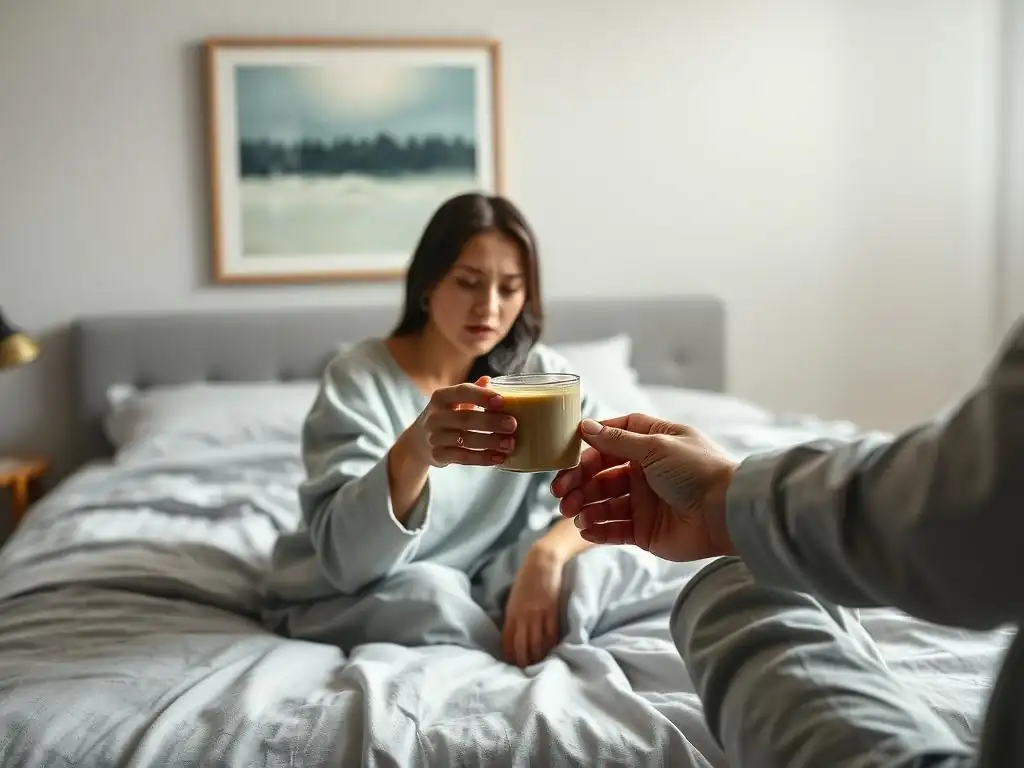
While professional severe sleep anxiety support resources like CBT-I are the cornerstone of effective treatment, incorporating practical strategies into your daily life can significantly enhance their effectiveness and support long-term recovery. These strategies often involve modifying behaviors and environments to create conditions more conducive to sleep and reinforce the principles learned in therapy.
Consistency is key when implementing these strategies. It takes time and practice to change long-standing habits and thought patterns related to sleep and anxiety. Patience with yourself during this process is also vital, recognizing that setbacks are a normal part of the journey.
Optimizing Your Sleep Environment for Better Rest
Creating an optimal sleep environment is a foundational element of good sleep hygiene, a component often emphasized in CBT-I. Your bedroom should be a sanctuary dedicated primarily to sleep and intimacy, free from distractions and stressors. This involves controlling light, temperature, and noise levels to make the space as comfortable as possible.
Aim for a dark, quiet, and cool bedroom. Use blackout curtains to block external light, earplugs or a white noise machine to mask disruptive sounds, and set the thermostat to a comfortable, slightly cool temperature (often cited around 60-67°F or 15-19°C). Remove electronic devices that emit blue light (like phones, tablets, TVs) or at least turn them off well before bedtime.
Creating a Relaxing Bedtime Routine
A consistent, relaxing bedtime routine signals to your body and mind that it's time to wind down and prepare for sleep. This routine should begin 30-60 minutes before your target bedtime and involve calming activities. Avoid stimulating activities like intense exercise, work, or stressful discussions in the hour before bed.
Examples of relaxing activities include taking a warm bath, reading a physical book (not on a backlit device), listening to quiet music or a podcast, gentle stretching or yoga, or practicing relaxation techniques learned in therapy (like progressive muscle relaxation or guided imagery). The goal is to create a smooth transition from the demands of the day to a state of restfulness.
Minimizing Sleep Disruptions
Beyond creating a good environment, minimizing potential disruptions is crucial. This includes avoiding caffeine and alcohol, especially in the hours leading up to bedtime (caffeine within 6-8 hours, alcohol within 3-4 hours). While alcohol might initially make you feel sleepy, it disrupts sleep architecture later in the night.
Manage noise from roommates, partners, or pets if possible. If you share a bed, discuss sleep needs and potential compromises. If you wake up during the night, avoid checking the time repeatedly, as this can increase anxiety. If you are awake for more than about 20 minutes, get out of bed and do a quiet, non-stimulating activity in dim light until you feel sleepy again, as recommended in stimulus control therapy.
Working with Your Therapist to Develop Coping Mechanisms
Your therapist, particularly if they practice CBT-I, will work with you to identify and develop specific coping mechanisms for managing severe sleep anxiety when it arises. These skills are designed to interrupt the anxiety cycle and help you respond differently to anxious thoughts and feelings about sleep. Practicing these techniques regularly, not just at bedtime, is key to making them effective tools.
These coping mechanisms empower you to feel more in control of your response to anxiety, reducing the feeling of helplessness that often accompanies severe sleep anxiety. They shift the focus from trying to force sleep to managing the anxiety that prevents it.
Identifying and Challenging Anxious Thoughts
A core component of CBT-I is cognitive restructuring, which involves identifying and challenging the negative, often distorted, thoughts associated with sleep anxiety. Examples include thoughts like "I'll never be able to sleep," "If I don't sleep tonight, I'll fail that presentation tomorrow," or "This sleeplessness is ruining my health."
Your therapist will help you examine the evidence supporting and contradicting these thoughts. You might learn to replace them with more balanced perspectives, such as "Even a little sleep is better than none," or "I've managed after poor sleep before." Techniques like thought records or journaling can help track these thoughts and practice challenging them, reducing their power to trigger anxiety at night.
Relaxation Techniques for Sleep
Learning and practicing various relaxation techniques is crucial for counteracting the physiological arousal caused by severe sleep anxiety. Techniques such as diaphragmatic (deep belly) breathing, progressive muscle relaxation (tensing and releasing different muscle groups), and guided imagery (visualizing a calm, peaceful scene) can lower heart rate, reduce muscle tension, and quiet the nervous system.
Your therapist can guide you in learning these techniques. Regular practice during the day makes them more effective when you need them at bedtime. Incorporating a brief relaxation practice into your bedtime routine can help transition your body and mind into a state more conducive to sleep, directly addressing the anxiety that keeps you awake.
The Importance of Consistency and Patience in Treatment
Treating severe sleep anxiety, especially with behavioral therapies like CBT-I, requires significant consistency and patience. CBT-I involves implementing new behaviors and challenging deeply ingrained thought patterns, which takes time and effort. Initial improvements might be gradual, and there may be periods of setbacks where sleep anxiety flares up again.
Sticking with the treatment plan, attending therapy sessions regularly, and consistently practicing the learned strategies, even when you feel discouraged, is essential. Recognize that changing your relationship with sleep anxiety is a process, not an overnight fix. Be patient with yourself, acknowledge small victories, and view setbacks as temporary bumps in the road rather than failures. Consistency reinforces the new, healthier patterns and ultimately leads to more sustainable improvement in managing severe sleep anxiety.
Accessing effective severe sleep anxiety support resources often involves navigating the healthcare system, which can sometimes be confusing. Understanding how to find affordable care and utilize insurance benefits is important for ensuring you can receive the necessary treatment without undue financial burden.
While cost can be a barrier for some, there are options available to make mental health and sleep disorder treatment more accessible. Exploring these avenues can open doors to the professional help you need to overcome severe sleep anxiety.
Understanding Your Insurance Coverage for Mental Health Services
Before seeking treatment for severe sleep anxiety, it's advisable to understand your health insurance coverage for mental health and behavioral health services. Contact your insurance provider directly or review your plan documents. Look for information on benefits for outpatient therapy (individual and group), coverage for behavioral sleep medicine specialists, and potential coverage for psychiatric evaluations or medication management.
Key questions to ask include:
- Do I need a referral from my primary care physician?
- Is there a deductible I need to meet?
- What is my co-pay or co-insurance percentage for in-network and out-of-network providers?
- Is there a limit on the number of therapy sessions covered per year?
- Are specific treatments like CBT-I covered?
- Is there coverage for sleep studies if needed?
Understanding these details will help you plan financially and identify in-network providers who are part of your severe sleep anxiety support resources.
Affordable Treatment Options for Sleep Anxiety
If cost is a significant concern or you have limited insurance coverage, there are still options for accessing severe sleep anxiety support resources. Don't let financial worries prevent you from seeking help. Many communities offer more affordable alternatives to private practice therapists.
Exploring these options can make professional help for severe sleep anxiety attainable, regardless of your financial situation. Prioritizing your mental and physical health is an investment worth exploring all available avenues for support.
Community Mental Health Centers
Community mental health centers often provide a range of services, including therapy and psychiatric care, on a sliding scale based on income. These centers are typically funded by government grants and donations, allowing them to offer services at significantly reduced costs compared to private practices. They can be excellent severe sleep anxiety support resources, providing access to qualified professionals including therapists trained in relevant modalities.
Services may include individual therapy, group therapy, medication management, and case management. While wait times might sometimes be longer than in private practice, community mental health centers offer a vital pathway to affordable care for those who need it most.
Sliding Scale Fees
Many therapists in private practice offer a limited number of appointments on a sliding scale, adjusting their fees based on a client's income and financial situation. Don't be afraid to inquire about this option when contacting potential therapists. Some therapists may advertise this service, while others may offer it upon request.
University training clinics or psychology departments may also offer therapy services provided by graduate students under the supervision of licensed faculty at reduced rates. These can be high-quality severe sleep anxiety support resources, as students are often trained in the latest evidence-based practices like CBT-I.
Maintaining Long-Term Well-being After Treatment
Overcoming severe sleep anxiety is a significant achievement, but maintaining that progress requires ongoing effort. Treatment provides you with the tools and strategies needed to manage anxiety and improve sleep, but continued well-being involves actively incorporating these practices into your life long-term and building a resilient support system.
Relapse prevention and sustained self-care are crucial components of living well after addressing severe sleep anxiety. Think of it as maintaining the skills you've learned, much like managing a chronic physical condition requires ongoing lifestyle adjustments.
Preventing Relapse of Sleep Anxiety
Preventing the relapse of severe sleep anxiety involves recognizing potential triggers and having a plan to address them before they escalate. Common triggers include periods of increased stress (work pressure, relationship issues), significant life changes, or even a single night of poor sleep that triggers old anxious thought patterns.
Maintain awareness of your anxiety levels and sleep patterns. If you notice old worries creeping back in or sleep starting to become consistently difficult again, revisit the strategies you learned in therapy immediately. This might involve re-engaging with cognitive restructuring, increasing relaxation practice, or temporarily implementing stimulus control principles. Don't wait until the anxiety becomes severe again before taking action.
Continuing Self-Care Practices
Consistent self-care is fundamental to maintaining mental and physical well-being and preventing the return of severe sleep anxiety. This includes continuing to practice good sleep hygiene, but extends to broader aspects of health. Regular physical activity, a balanced diet, and effective stress management techniques are all vital.
Continue utilizing relaxation or mindfulness practices regularly, even when sleep is going well. Make time for enjoyable activities, maintain social connections, and ensure you are addressing other aspects of your physical and mental health. Self-care isn't a luxury; it's a necessary part of sustaining the gains made in treatment and supporting overall resilience against anxiety.
Building a Strong Support Network
Maintaining a strong support network is crucial for long-term well-being after addressing severe sleep anxiety. This network can include understanding friends, supportive family members, or connections made through support groups. Having people you can talk to openly about challenges, celebrate successes with, and lean on during difficult times provides a buffer against stress and isolation.
Consider staying connected with severe sleep anxiety support resources like occasional check-ins with your therapist or participating in an ongoing support group if needed. A strong support system helps you feel understood and less alone, providing encouragement and accountability as you continue to prioritize your sleep and mental health.
Frequently Asked Questions
What defines severe sleep anxiety, and how does it differ from occasional sleep worries?
Severe sleep anxiety is characterized by persistent and overwhelming fear or worry related to sleep, significantly impacting daily life and often requiring professional intervention. It’s more than just a bad night; it's a chronic condition that affects daytime functioning.
Where can I find specialized sleep anxiety support resources besides self-help books and apps?
Beyond self-help, explore resources like cognitive behavioral therapy for insomnia (CBT-I), support groups specializing in anxiety disorders, and consultations with sleep specialists or psychiatrists familiar with anxiety. These are professional avenues to consider.
How can a mental health professional help with severe sleep anxiety?
A therapist can help identify the root causes of your anxiety, teach coping mechanisms, and potentially prescribe medication if necessary. They offer a personalized treatment plan tailored to your specific needs.
What are some practical strategies I can implement immediately to manage my sleep anxiety while seeking professional help?
Try mindfulness techniques like meditation, establish a consistent sleep schedule, and create a relaxing bedtime routine. Avoid caffeine and screen time before bed to improve sleep hygiene.
How do I know if I need professional help for my sleep anxiety, or if self-help methods are sufficient?
If self-help strategies aren't providing relief and your anxiety is significantly impacting your daily life, it's time to seek professional help. This includes persistent insomnia and daytime distress.
Final Reflection: Unraveling the Silence of Severe Sleep Anxiety
The struggle with severe sleep anxiety is far from an individual battle; it's a widespread experience demanding collective understanding and effective support. The pervasiveness of this issue, exacerbated by modern stressors and often misunderstood, necessitates a shift from solely self-help approaches to a more comprehensive, community-based strategy. We need to move beyond the individual struggle and embrace a collaborative approach to healing.
The impact of chronic sleep anxiety extends far beyond sleepless nights; it profoundly shapes our mental, emotional, and physical well-being, influencing relationships, productivity, and overall quality of life. It's a silent epidemic, often hidden behind a mask of normalcy. Sleep is the golden chain that ties health and our bodies together.
This quote, though not directly about anxiety, highlights the fundamental importance of sleep and the cascading effects of its disruption. My own journey navigating sleep anxiety has underscored the critical need for open conversations, accessible resources, and a supportive community to break the cycle of suffering.
You are not alone in this fight. Consider the resources discussed in this article – the therapeutic options, community support groups, and self-care strategies – as stepping stones on your path to healthier sleep. Take the time to explore what resonates with you, and remember that seeking professional help is a sign of strength, not weakness. Begin today by identifying one small step you can take to prioritize your sleep health. Your journey to restful nights begins with a single, conscious choice.
Unveil Your Path to Restful Sleep
Thanks for taking the time to explore the world of sleep anxiety with us! We hope you gained valuable insights into managing this often-overlooked challenge. Now it's time to turn knowledge into action.
- Prioritize your sleep hygiene: This is the foundation – commit to a consistent sleep schedule, create a relaxing bedtime routine, and optimize your sleep environment. This is your primary action!
- Reach out to someone: Share what you've learned with a friend, family member, or support group. Talking about it can be incredibly helpful.
- Explore additional resources: Check out the links to further reading we've included (Note: I can't add actual links here, but they would be placed here on the actual website. ).
What small step will you take tonight to improve your sleep?