
Helping Your Child Conquer Separation Anxiety: Practical Strategies

Welcome!
Feeling overwhelmed by your child's separation anxiety? You're not alone. At Mind Care Guide, we understand the heartache and challenges this can bring. Discover practical and empathetic guidance in our comprehensive guide on child separation anxiety strategies. We'll help you navigate this sensitive time with effective tools and resources to build resilience and foster a sense of security in your little one. Ready to take the first step toward calmer goodbyes?
Helping Your Child Conquer Separation Anxiety: Practical Strategies
- Understanding Child Separation Anxiety
- Effective Strategies for Managing Separation Anxiety
- Coping Techniques for Parents Dealing with Separation Anxiety
- Long-Term Strategies for Managing Separation Anxiety
- When to Seek Professional Help for Separation Anxiety
- Resources for Parents and Children Experiencing Separation Anxiety
-
Frequently Asked Questions
- How can I tell if my child is experiencing separation anxiety, or just normal shyness?
- What are some practical, immediate strategies I can use to ease my child's separation anxiety at school drop-off?
- What role does my own anxiety play in my child's separation anxiety?
- When should I seek professional help for my child's separation anxiety?
- Besides direct strategies, what lifestyle changes can help reduce my child's overall anxiety levels, which can indirectly help with separation anxiety?
- Final Reflection: Nurturing Independence, One Step at a Time
- Unleash Your Child's Confidence: Take the Next Step
Understanding Child Separation Anxiety
Defining Separation Anxiety in Children
Separation anxiety in children is a common developmental stage characterized by distress when a child is separated from their primary caregiver or home. This anxiety is a natural part of growing up, typically emerging around 8 to 12 months of age and often peaking between 18 months and 3 years. It reflects a child's secure attachment to their parent or caregiver and their understanding of object permanence – the knowledge that someone still exists even when they can't be seen. For most children, this phase gradually diminishes as they gain confidence and independence.
However, for some children, separation anxiety can be more intense, persistent, and disruptive than is typical for their age. It can manifest as extreme worry about being apart from loved ones, fear that something bad will happen to the caregiver or themselves during separation, and refusal to be alone. Understanding the nuances of this anxiety is the first step in implementing effective child separation anxiety strategies to support your child's emotional development and ease transitions.
Common Signs and Symptoms of Child Separation Anxiety
Recognizing the signs of child separation anxiety is crucial for providing timely support. Symptoms can vary in intensity but often include crying, tantrums, or clinging behavior when separation is anticipated or occurs. Children might express fears about being alone, refuse to go to school or daycare, or have difficulty sleeping away from home. Physical complaints such as stomachaches or headaches, especially before separation, are also common manifestations of this anxiety.
During separation, a child might become preoccupied with the caregiver's return, constantly asking when they will be back. Nightmares about separation themes are also possible. While it's normal for children to show some distress upon separation, persistent, severe reactions that significantly impact their daily life or development may indicate a need for more focused child separation anxiety strategies or professional evaluation. Observing the frequency, intensity, and duration of these symptoms helps parents gauge the level of support required.
Differentiating Normal Separation Anxiety from Separation Anxiety Disorder
It's essential to distinguish between developmentally appropriate separation anxiety and Separation Anxiety Disorder (SAD). Normal separation anxiety is a temporary phase that children typically outgrow, often resolving by the time they enter elementary school. The distress is usually manageable and doesn't significantly interfere with the child's ability to engage in age-appropriate activities like playing with peers or attending preschool for short periods.
In contrast, Separation Anxiety Disorder is a more severe and persistent condition. According to diagnostic criteria, symptoms must last for at least four weeks in children and adolescents and cause significant distress or impairment in social, academic, or other important areas of functioning. Children with SAD might experience excessive worry about losing major attachment figures, reluctance or refusal to go to school or sleep alone, repeated nightmares about separation, and physical symptoms when separation is anticipated. If you suspect your child's anxiety goes beyond typical developmental stages, exploring targeted child separation anxiety strategies or seeking professional advice is advisable.
Effective Strategies for Managing Separation Anxiety
Creating a Gradual Exposure Plan
A gradual exposure plan is one of the most effective child separation anxiety strategies. This involves slowly increasing the time and distance of separations in a controlled and predictable manner. Start with very short separations, perhaps just a few minutes in a different room while you are still in the house. As your child becomes comfortable with this, gradually extend the duration – maybe leaving them with a trusted friend or family member for 15-20 minutes while you run a quick errand nearby.
The key is consistency and patience. Each successful separation, no matter how brief, builds your child's confidence that they can cope and that you will return. For instance, if preparing for school, practice short "drop-offs" at a friend's house or playground where you leave briefly and return. This process helps desensitize the child to the anxiety-provoking situation and reinforces the concept of your return, making future separations less daunting.
Establishing Consistent Routines for Reduced Anxiety
Consistency provides children with a sense of security and predictability, which is vital when addressing child separation anxiety. Establishing clear and consistent routines for goodbyes, daily schedules, and transitions significantly reduces uncertainty, a major contributor to anxiety. A predictable morning routine before school or daycare, a consistent bedtime routine, and a specific ritual for saying goodbye can make separations feel more manageable.
For example, a goodbye routine might involve reading one short book together, a specific hug, and a consistent phrase like "I love you, I'll be back after snack time!" This routine signals to the child what to expect and provides comfort in its familiarity. Knowing the sequence of events helps children anticipate transitions and feel more in control, making them less likely to experience intense distress when it's time to part ways.
Using Positive Reinforcement for Courageous Behavior
Positive reinforcement is a powerful tool among child separation anxiety strategies. It involves rewarding brave behavior during separations, no matter how small the step. Praise your child enthusiastically when they handle a separation well, perhaps by not having a full tantrum or staying calm for a few minutes after you leave. Specific praise like, "You were so brave when I left for the store, and you played nicely with Grandma!" is more effective than general praise.
Consider using a reward system, such as a sticker chart. Each time the child successfully manages a separation (e.g., stays at daycare without excessive crying, sleeps in their own bed), they earn a sticker. After accumulating a certain number of stickers, they can earn a small reward, like choosing a movie or getting extra playtime. This focuses their attention on their successes and motivates them to practice coping strategies, reinforcing positive behavior related to separation.
Role-Playing and Practice Separations
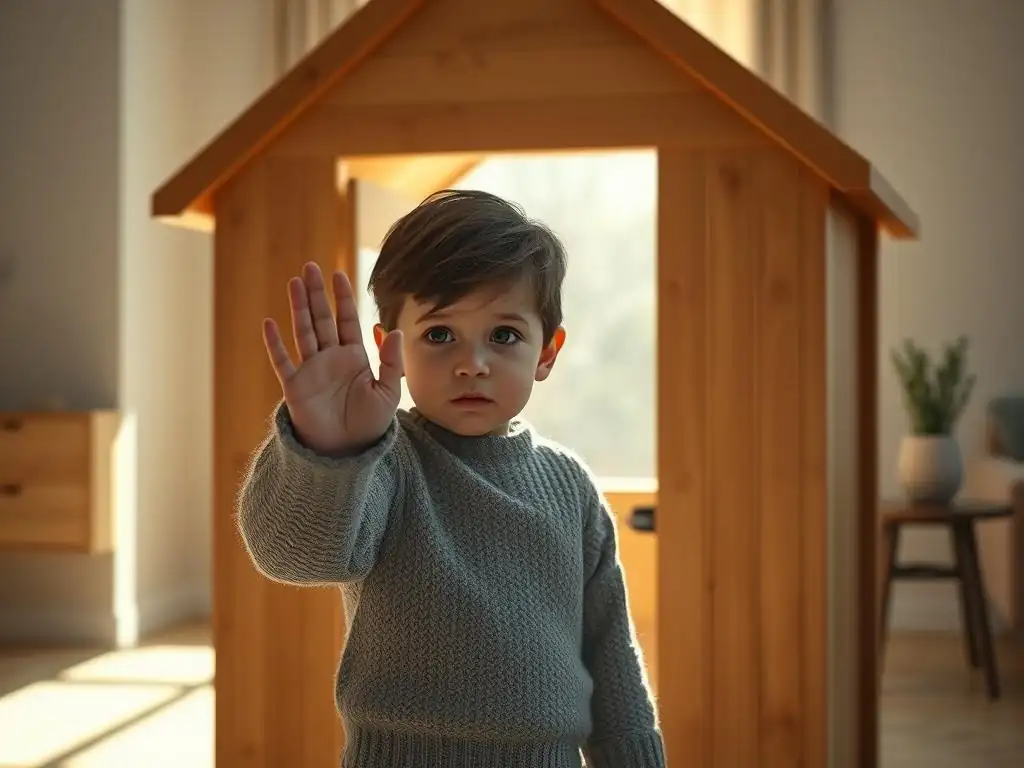
Role-playing different separation scenarios can help children rehearse coping mechanisms and reduce anxiety about the unknown. Act out common situations like saying goodbye at school, going to a friend's house, or having a parent leave for work. Take turns being the child and the parent. This allows the child to express their fears in a safe environment and practice saying goodbye and managing their feelings.
Practice separations in low-stakes environments are also beneficial. For instance, have a friend or family member come over, and you step out of the house for 10 minutes. Or, leave your child with their other parent while you go to the gym. These practice sessions, combined with role-playing, build familiarity and confidence. They allow you to implement and refine your child separation anxiety strategies in a controlled setting before tackling more challenging separations like the first day of school.
The Power of Comfort Objects and Transitional Items
Comfort objects, such as a favorite blanket, stuffed animal, or a small item belonging to the parent (like a scarf or a photo), can serve as powerful transitional items for children experiencing separation anxiety. These objects provide a tangible connection to home and the caregiver, offering a sense of security when the child is in an unfamiliar environment or feeling anxious.
Allowing your child to bring a comfort object to daycare or school can make the transition easier. Discuss with the school or caregiver how the object can be used appropriately (e.g., kept in their cubby, used during quiet time). For older children, a small memento like a smooth stone or a special keychain can serve a similar purpose. These items aren't just toys; they are tools that help children feel connected and safe, facilitating the use of other child separation anxiety strategies by providing a foundation of comfort.
Coping Techniques for Parents Dealing with Separation Anxiety
Staying Calm and Reassuring During Separations
Your child mirrors your emotions, so maintaining a calm and confident demeanor during goodbyes is paramount when implementing child separation anxiety strategies. If you appear anxious, hesitant, or sad, it validates your child's fear and reinforces their belief that separation is something to be worried about. Take a deep breath before saying goodbye, speak in a calm, steady voice, and smile reassuringly.
Brief, confident goodbyes are key. Convey your love and confidence in their ability to cope, for example, "I know you can have a great time at school. I'll see you this afternoon!" Avoid lingering, looking worried, or repeatedly checking back after you've said goodbye, as this can increase their distress and make future separations harder. Projecting calm helps your child feel safe and encouraged to manage their anxiety.
Avoiding Prolonged Goodbyes
While staying calm is crucial, it's equally important to make goodbyes brief and to the point. Prolonged goodbyes, where you return multiple times for extra hugs or reassurances, confuse the child and signal that you are unsure about leaving them. This can escalate their anxiety and make the separation process more difficult for everyone involved.
Establish your quick, consistent goodbye routine and stick to it. Once you've said your calm goodbye and left, resist the urge to peek back or return if you hear crying. Caregivers at school or daycare are equipped to comfort your child after you're gone. Trusting them to handle the initial distress allows your child to learn that they can indeed cope and that the caregiver is a safe person to be with in your absence. This firm but gentle approach is a fundamental aspect of effective child separation anxiety strategies.
Building Trust and Security with Your Child
A secure attachment is the foundation for helping a child manage separation anxiety. Building trust involves consistently meeting your child's needs, being emotionally available, and following through on promises. When you say you will return at a specific time (relative to their understanding, e.g., "after nap time"), make every effort to do so. This builds their confidence in your predictability and reliability.
Spend quality time with your child when you are together, engaging in activities that foster connection and security. This reinforces your bond and assures them of your love and presence when you are together, making separations easier to tolerate. A child who feels securely attached is more likely to explore their world and feel confident that their caregiver will be there upon their return.
Prioritizing Parental Self-Care
Dealing with a child's separation anxiety can be emotionally draining for parents. Witnessing your child's distress can evoke feelings of guilt, frustration, or sadness. Prioritizing your own mental and emotional well-being is not selfish; it's essential for effectively supporting your child. Burnout can make it harder to maintain patience, consistency, and a calm demeanor during challenging moments.
Make time for activities that help you relax and recharge, whether it's exercise, spending time with friends, pursuing a hobby, or simply taking a few quiet moments for yourself. Discuss your feelings with your partner, a trusted friend, or a support group. Recognizing that you are not alone in this challenge and taking steps to care for yourself allows you to approach your child's anxiety with greater resilience and effectiveness, strengthening your ability to implement helpful child separation anxiety strategies.
Long-Term Strategies for Managing Separation Anxiety
Fostering Independence and Self-Confidence
Encouraging independence is a key long-term strategy for reducing separation anxiety. Provide your child with opportunities to do things for themselves, such as getting dressed, packing their own snack bag (with help if needed), or choosing their activities. Celebrate their efforts and successes, reinforcing their capabilities. Allow them to make age-appropriate choices, which builds a sense of control and self-reliance.
Gradually introduce activities that require increasing levels of independence, like playing in a different room while you're nearby, having a short playdate at a friend's house, or participating in a class without you present for the entire duration. These experiences teach children that they can manage on their own and that independence can be enjoyable, reducing their reliance on constant proximity to a caregiver.
Improving Communication and Emotional Expression
Helping children identify and express their feelings is a crucial component of long-term child separation anxiety strategies. Talk openly about emotions, both yours and theirs. Use simple language to label feelings like "sad," "scared," "brave," and "happy." Encourage your child to talk about what makes them feel anxious about separation. Listen empathetically without dismissing their fears.
Teach them simple coping phrases they can use when they feel anxious, such as "Mommy/Daddy will be back," or "I am safe." Practice relaxation techniques together, like deep breathing or squeezing and releasing muscles. The ability to understand and communicate their internal experience empowers children to manage their anxiety rather than being overwhelmed by it.
School transitions are common triggers for separation anxiety. Specific child separation anxiety strategies for school include visiting the school beforehand, meeting the teacher, and practicing the route to school. Some schools offer phased entry programs where children attend for shorter periods initially. Establish a consistent morning routine that minimizes rush and stress.
Collaborate closely with the school staff. Share information about your child's anxiety and the strategies that work at home. Agree on a consistent goodbye routine with the teacher. Teachers are experienced in managing drop-off difficulties and can provide reassurance and distraction once you've left. Knowing your child is in capable hands can also ease parental anxiety.
Addressing Underlying Fears and Anxieties
Separation anxiety can sometimes be linked to broader underlying fears or anxieties, such as a fear of the dark, specific phobias, or general worries about safety. If separation anxiety seems linked to other fears, addressing those specific issues can help alleviate the separation-related distress. For example, if a child is afraid you won't be safe when you leave, talking about safety measures or using play to explore those fears can be helpful.
Sometimes, separation anxiety is a symptom of a child's temperament – some children are naturally more cautious or sensitive. Understanding your child's individual nature allows you to tailor child separation anxiety strategies to their specific needs, providing gentle encouragement and support rather than pushing them too hard or too fast.
When to Seek Professional Help for Separation Anxiety
Identifying When Professional Intervention is Needed
While many children outgrow separation anxiety with parental support and consistent child separation anxiety strategies, there are times when professional help is necessary. Consider seeking professional evaluation if your child's separation anxiety is severe, persistent (lasting more than four weeks), significantly interferes with their daily life (e.g., preventing school attendance, participation in activities), causes significant distress to the child or family, or is accompanied by other concerning symptoms like panic attacks or excessive physical complaints.
A mental health professional, such as a child psychologist or counselor, can accurately diagnose Separation Anxiety Disorder or other co-occurring conditions and develop a tailored treatment plan. Early intervention is crucial for preventing the anxiety from becoming more entrenched and impacting future development.
Types of Therapy for Separation Anxiety
Cognitive Behavioral Therapy (CBT) is a highly effective treatment for Separation Anxiety Disorder in children. CBT helps children identify the anxious thoughts associated with separation (e.g., "Mommy won't come back," "Something bad will happen") and learn to challenge and replace them with more realistic and helpful thoughts. It also involves gradual exposure to separation situations in a safe and controlled environment, helping the child build tolerance and coping skills.
Parent training is often included in therapy for child separation anxiety. Parents learn strategies for managing challenging behaviors, supporting their child through separations, and reducing their own anxiety about the process. Play therapy can also be useful for younger children, allowing them to express their fears and work through anxieties symbolically.
Finding a Qualified Therapist or Counselor
Finding the right professional is a crucial step. Look for a licensed mental health professional who specializes in treating children and adolescents, particularly those with anxiety disorders. Credentials such as Licensed Clinical Social Worker (LCSW), Licensed Professional Counselor (LPC), or Ph.D./Psy.D. in Clinical Psychology are good indicators of expertise.
Ask potential therapists about their experience treating separation anxiety, their therapeutic approach (e.g., do they use CBT? ), and how they involve parents in the treatment process. You can obtain referrals from your pediatrician, school counselor, or by searching directories of mental health professionals specializing in child therapy.
Medication Considerations for Severe Cases
For most children, therapy, particularly CBT, combined with effective child separation anxiety strategies implemented by parents, is sufficient to manage symptoms. However, in severe cases of Separation Anxiety Disorder, especially when anxiety is debilitating or co-occurs with other conditions like depression or panic disorder, medication may be considered as an adjunct to therapy.
Medication is typically not the first line of treatment for SAD in children and is usually prescribed by a child psychiatrist. Selective Serotonin Reuptake Inhibitors (SSRIs) are the most commonly prescribed type of medication for anxiety disorders in children. Any decision about medication should be made in careful consultation with a qualified child psychiatrist, discussing potential benefits, risks, and side effects, and always alongside ongoing therapy.
Resources for Parents and Children Experiencing Separation Anxiety
Recommended Books and Websites on Separation Anxiety
Numerous resources are available to help parents understand and support their children. Books specifically written for parents can offer detailed explanations of child separation anxiety, practical tips, and guidance on implementing effective child separation anxiety strategies. Examples might include guides on managing anxious behaviors or building resilience in children.
Websites from reputable mental health organizations often provide valuable information, articles, and tools. Many offer free resources, fact sheets, and sometimes even online forums or Q&A sections where parents can find support and information. Look for sites associated with child psychology, mental health advocacy groups, or national health institutes.
Support Groups for Parents of Anxious Children
Connecting with other parents facing similar challenges can be incredibly validating and informative. Support groups, whether in-person or online, provide a safe space to share experiences, exchange child separation anxiety strategies that have worked, and receive emotional support. Hearing from others who understand the daily struggles of managing a child's anxiety can reduce feelings of isolation.
Many community mental health centers, hospitals, or non-profit organizations offer parent support groups for various mental health challenges, including anxiety. Online forums or social media groups dedicated to childhood anxiety can also offer a sense of community and a wealth of shared knowledge and practical tips.
Activities and Games to Reduce Anxiety
Engaging in specific activities and games can help children process their feelings and build coping skills in a fun, non-threatening way. Playdough or drawing can help children express emotions they might not be able to verbalize. Games involving hiding and finding (like hide-and-seek) can gently address the concept of separation and return.
Mindfulness activities for children, such as simple breathing exercises or guided imagery tailored for kids, can teach them techniques to calm their bodies and minds when feeling anxious. Storytelling that features characters overcoming fears or successfully navigating separations can also be very helpful. Incorporating these activities into your routine provides enjoyable ways to practice child separation anxiety strategies and build resilience.
Frequently Asked Questions
How can I tell if my child is experiencing separation anxiety, or just normal shyness?
Separation anxiety involves intense distress when separated from caregivers, often accompanied by excessive worry about their safety or the caregiver's. Shyness is generally a more situational discomfort in new environments.
What are some practical, immediate strategies I can use to ease my child's separation anxiety at school drop-off?
Try establishing a consistent and quick goodbye routine. Offer a comfort object, like a small toy or blanket. Reassure them you'll be back, but avoid lingering.
What role does my own anxiety play in my child's separation anxiety?
Children are highly perceptive. Your own anxiety can inadvertently reinforce their fears, making separation more difficult. Try to project calm confidence during goodbyes.
When should I seek professional help for my child's separation anxiety?
If the anxiety is severe, persistent, and interferes with their daily life (school, social activities), professional help is recommended. A therapist can provide specialized strategies and support.
Besides direct strategies, what lifestyle changes can help reduce my child's overall anxiety levels, which can indirectly help with separation anxiety?
Ensuring adequate sleep, regular exercise, and a healthy diet can significantly impact a child's overall well-being and resilience. Also, limiting screen time can be beneficial.
Final Reflection: Nurturing Independence, One Step at a Time
The anxieties surrounding separation from loved ones are not merely childhood quirks; they are crucial developmental milestones that profoundly impact a child's emotional well-being and future relationships. Understanding and addressing these anxieties effectively is not just about managing tantrums, but about fostering a secure attachment that empowers children to navigate the world with confidence. This understanding is more critical than ever in our increasingly fast-paced and demanding society.
The journey of helping a child overcome separation anxiety is a deeply personal one, filled with both challenges and incredible rewards. Witnessing their gradual growth in independence and self-assurance is a testament to the power of patience, understanding, and consistent support. The most important thing a father can do for his children is to love their mother.
– Theodore Hesburgh. While not directly about separation anxiety, this quote highlights the foundational importance of secure attachment, which is the bedrock of overcoming this challenge. The strength of the parent-child bond directly influences a child's ability to cope with separation.
Now, consider your own experiences with separation – whether as a child or as a parent. What strategies resonated most with you from this article? How can you apply these techniques not only to your child's development but also to your own journey towards emotional resilience? Remember, fostering independence is not about abandoning our children, but about equipping them with the tools they need to thrive, both now and in the future. Embrace the journey, celebrate the small victories, and nurture the bond that will empower your child to face the world with courage and confidence.
Unleash Your Child's Confidence: Take the Next Step
Thanks for taking the time to learn about helping your child overcome separation anxiety! We hope this article provided valuable insights and practical strategies. Now it's time to put that knowledge into action. Ready to see real progress?
- Implement one new strategy from the article this week. Start small, focus on consistency, and celebrate even the smallest successes. This is the key to building your child's confidence.
- Share this article with other parents who might be facing similar challenges. Your experience could make a real difference in their lives.
- Consider journaling your child's progress. Tracking their responses to different strategies can help you refine your approach and identify what works best.
What small step will you take today to support your child's journey towards greater independence?