
LongTerm Outlook for SAD: Recovery and Management


Welcome to Mind Care Guide, a space dedicated to nurturing your mental well-being. Feeling the weight of the changing seasons? You're not alone. Delve into our insightful exploration of Seasonal Affective Disorder recovery strategies, and discover practical steps to reclaim your joy and navigate the darker months with resilience. Ready to learn how to brighten your outlook?
Long-Term Outlook for SAD: Recovery and Management - Mind Care Guide
- Understanding the Long-Term Trajectory of Seasonal Affective Disorder (SAD)
- Seasonal Affective Disorder Recovery Strategies: A Comprehensive Guide
- Managing SAD for the Long Haul: Lifestyle Adjustments and Self-Care
- Preventing SAD Relapse: Long-Term Strategies for Mental Wellness
- Coping with Co-occurring Conditions in Long-Term SAD Management
- Long-Term Monitoring and Follow-Up Care for SAD
- The Future of SAD Treatment and Management
- Living Well with SAD: A Message of Hope and Resilience
-
Frequently Asked Questions
- What exactly is Seasonal Affective Disorder (SAD) and how does it relate to mental well-being?
- What are some recovery strategies mentioned for managing SAD, particularly regarding long-term outlook?
- How does "Mind Care Guide" support individuals facing mental health challenges like SAD?
- What is the long-term outlook for someone diagnosed with SAD, and how can it be effectively managed?
- What are some key lifestyle adjustments that can aid in SAD recovery strategies, and how do they contribute to mental well-being?
- Final Reflection: Embracing the Light Within: Hope and Resilience in SAD
- Rediscover Your Sunshine: Take Control of Your SAD
Understanding the Long-Term Trajectory of Seasonal Affective Disorder (SAD)
Defining Seasonal Affective Disorder: A Brief Overview
Seasonal Affective Disorder (SAD) is a type of depression that is related to changes in seasons. It typically begins and ends at about the same times every year. For most people with SAD, symptoms start in the fall and continue into the winter months, causing a significant dip in mood and energy.
Less commonly, SAD can cause depression during the spring or early summer. The core characteristic is the recurrent seasonal pattern, distinguishing it from major depressive disorder without a seasonal pattern. While often perceived as simply "winter blues," SAD is a clinically recognized condition that can severely impact daily functioning and quality of life.
This condition affects millions globally, though prevalence varies significantly by geographic location and latitude. In regions further from the equator, where winter days are shorter and darker, the incidence of SAD is notably higher. For instance, studies suggest that in Florida, the prevalence might be around 1%, whereas in Alaska, it could be as high as 9%. Understanding this cyclical nature and its potential severity is the first step in exploring effective Seasonal Affective Disorder recovery strategies aimed at managing symptoms not just through one season, but over the long term.
Factors Influencing the Long-Term Course of SAD
The long-term course of Seasonal Affective Disorder can be influenced by a variety of factors, including genetics, geographical location, and individual physiological responses to light. Research indicates a potential genetic predisposition, meaning individuals with a family history of depression or SAD may be at a higher risk of experiencing recurrent episodes. Living in higher latitudes, as mentioned, significantly increases the likelihood of developing SAD and potentially experiencing more severe or prolonged episodes due to reduced exposure to natural light during winter months.
Individual differences in brain chemistry, particularly the regulation of serotonin and melatonin, also play a critical role. Serotonin, a neurotransmitter affecting mood, is often lower in individuals with SAD during winter. Melatonin, a hormone influencing sleep patterns, may be produced in higher levels or for longer periods in response to decreased light, disrupting circadian rhythms and contributing to depressive symptoms. Over time, these biological factors, combined with environmental influences and the effectiveness of implemented Seasonal Affective Disorder recovery strategies, shape the overall trajectory and severity of the condition throughout a person's life.
Seasonal Affective Disorder Recovery Strategies: A Comprehensive Guide
Early Intervention for Improved Long-Term Outcomes in SAD
Implementing Seasonal Affective Disorder recovery strategies early, ideally at the first sign of seasonal mood changes, can significantly improve long-term outcomes. Recognizing the subtle shifts – perhaps decreased energy in late fall, increased carbohydrate cravings, or social withdrawal – and seeking professional evaluation promptly allows for timely intervention.
Early diagnosis and treatment can help prevent symptoms from escalating into a full depressive episode, which is often more challenging to manage and can have a greater cumulative impact on mental and physical health over the years. Proactive management, rather than waiting for symptoms to become debilitating, is a cornerstone of successful long-term recovery.
Studies and clinical experience consistently demonstrate that individuals who engage with treatment early in their seasonal symptom cycle experience shorter and less severe episodes compared to those who delay seeking help. For example, starting light therapy or other treatments in early autumn, before major symptoms manifest, can significantly mitigate the severity of winter depression. This proactive approach not only alleviates immediate distress but also builds a foundation of coping mechanisms and resilience that can be drawn upon in subsequent years, making future seasonal transitions smoother.
The Role of Light Therapy in Sustained SAD Management
Light therapy, also known as phototherapy, is one of the most established and effective Seasonal Affective Disorder recovery strategies. It involves daily exposure to a special light box that mimics natural outdoor light, typically used for 20-60 minutes each morning. The bright light is thought to affect brain chemicals linked to mood and sleep, helping to reset the body's internal clock (circadian rhythm) and alleviate SAD symptoms.
For many individuals, starting light therapy in the fall and continuing until spring can prevent or significantly reduce the severity of their winter depression. Its effectiveness is often reported to be between 50% and 80%, making it a primary treatment for many.
For long-term management, consistent and proper use of a high-quality light box (usually emitting 10,000 lux) is crucial. Regular use during the susceptible months, even if symptoms are mild, can act as a preventative measure. While generally safe, it's important to use a light box specifically designed for SAD and to follow guidelines regarding distance and duration to avoid side effects like eye strain or headaches. Integrating light therapy into a daily routine is a sustainable practice that empowers individuals to actively manage their SAD symptoms year after year.
Cognitive Behavioral Therapy (CBT) for SAD: Building Resilience
Cognitive Behavioral Therapy (CBT) is a highly effective form of psychotherapy that can be particularly beneficial as one of the key Seasonal Affective Disorder recovery strategies, especially for long-term management. CBT for SAD often focuses on identifying and changing negative thought patterns and behaviors that contribute to seasonal depression. This might include challenging thoughts about winter being inherently bad or insurmountable, increasing engagement in enjoyable activities despite the weather, and developing coping skills to manage stress and isolation during darker months. A specific form, CBT-SAD, is tailored to address the unique challenges of the disorder.
Unlike light therapy or medication which primarily address biological factors, CBT equips individuals with psychological tools that promote resilience. Learning to anticipate seasonal changes, plan enjoyable activities during winter, and reframe negative thoughts about the season are skills that can be applied lifelong. Research indicates that CBT can be as effective as light therapy for SAD and may even have longer-lasting effects after treatment ends, potentially reducing the likelihood or severity of future seasonal episodes by helping individuals build sustained coping mechanisms.
Medication Management for Persistent SAD Symptoms
For individuals experiencing severe SAD symptoms, or those who do not fully respond to light therapy or CBT, antidepressant medication may be a necessary component of their Seasonal Affective Disorder recovery strategies. Selective serotonin reuptake inhibitors (SSRIs) are commonly prescribed for SAD. These medications work by increasing the levels of serotonin in the brain, which can help improve mood. Medications can be taken daily throughout the year, or specifically during the months when symptoms typically occur, often starting in the fall before symptoms begin and continuing through spring.
The decision to use medication, and whether to use it seasonally or year-round, is made in consultation with a healthcare provider based on the severity of symptoms, history of past episodes, and response to other treatments. While medications can be highly effective in alleviating symptoms, they are often most beneficial when used in conjunction with other strategies like light therapy and CBT. Long-term management with medication requires regular monitoring by a doctor to assess effectiveness, manage potential side effects, and adjust dosage as needed, ensuring it remains a safe and effective part of the individual's long-term SAD management plan.
Managing SAD for the Long Haul: Lifestyle Adjustments and Self-Care
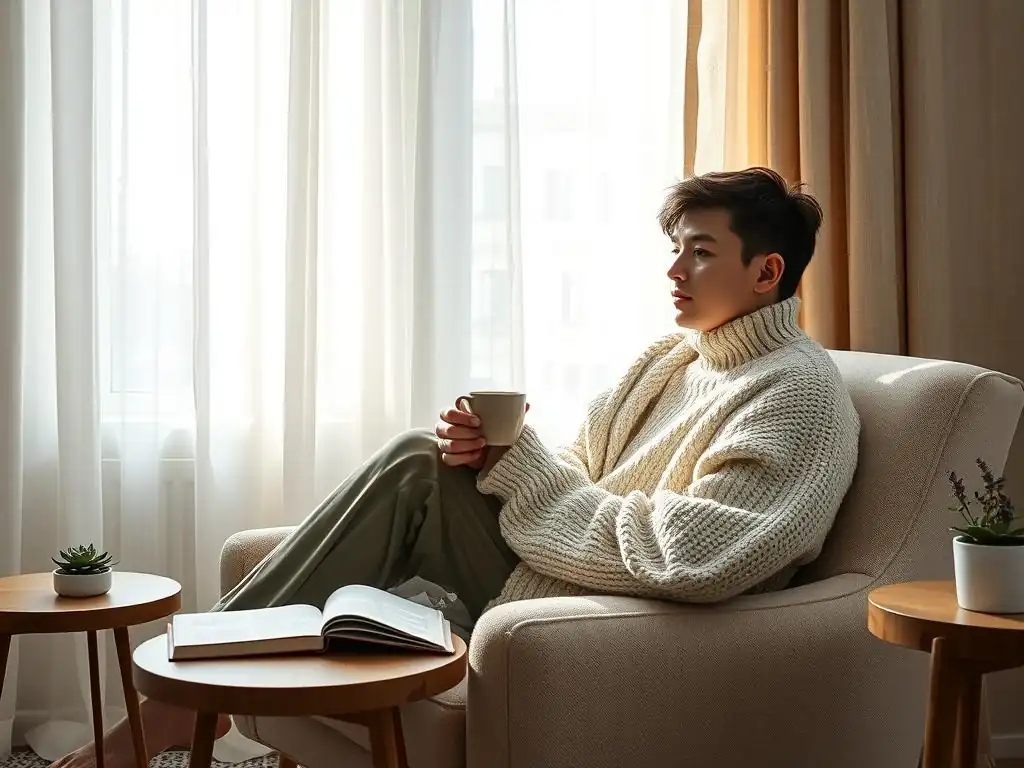
The Importance of Regular Exercise in SAD Management
Regular physical activity is a powerful tool among Seasonal Affective Disorder recovery strategies for managing symptoms over the long term. Exercise has been shown to boost mood by releasing endorphins, natural mood elevators, and can also help regulate sleep patterns and reduce stress. Aiming for at least 30 minutes of moderate-intensity exercise most days of the week can make a significant difference in mitigating the severity of seasonal depressive episodes. This doesn't need to be strenuous; even a brisk walk outdoors, especially during daylight hours, can be beneficial.
Consistency is key for exercise to be an effective long-term strategy. Finding activities that are enjoyable and sustainable throughout the year, including indoor options for bad weather days, helps maintain a regular routine. Incorporating exercise into the daily or weekly schedule can provide a sense of structure and accomplishment, counteracting feelings of lethargy and hopelessness that are common in SAD. Making exercise a non-negotiable part of the routine is a proactive step towards sustained well-being.
Diet and Nutrition: Fueling Mental Well-being During Winter Months
While no specific diet cures SAD, focusing on balanced nutrition is an important aspect of long-term Seasonal Affective Disorder recovery strategies. During seasonal depression, some individuals experience increased cravings for carbohydrates and sugary foods, which can lead to energy crashes and worsen mood in the long run. Prioritizing whole foods, lean proteins, fruits, vegetables, and healthy fats provides the body and brain with essential nutrients needed for optimal functioning.
Ensuring adequate intake of omega-3 fatty acids, found in fish like salmon and walnuts, and Vitamin D, which is often deficient during winter months due to lack of sun exposure, may be particularly beneficial. While research on specific nutrient impacts on SAD is ongoing, maintaining stable blood sugar levels through regular, balanced meals and avoiding excessive sugar and processed foods can help manage energy fluctuations and support a more stable mood throughout the day.
Sleep Hygiene for Enhanced Mood Regulation in SAD
Disrupted sleep patterns are a common symptom of SAD, often presenting as oversleeping (hypersomnia) in winter SAD. Establishing and maintaining good sleep hygiene is therefore a critical element of long-term Seasonal Affective Disorder recovery strategies. This involves creating a consistent sleep schedule, going to bed and waking up at the same time each day, even on weekends, to help regulate the body's internal clock.
Other practices include ensuring the bedroom is dark, quiet, and cool; avoiding screens (phones, tablets, TVs) for at least an hour before bed; limiting caffeine and alcohol intake, especially in the afternoon and evening; and creating a relaxing bedtime routine. Improving sleep quality and consistency can significantly impact mood, energy levels, and overall resilience against seasonal depressive symptoms. Prioritizing sleep is not a luxury, but a fundamental component of mental wellness, particularly for those managing SAD.
Stress Management Techniques for Seasonal Affective Disorder
Stress can exacerbate symptoms of depression, including SAD. Developing effective stress management techniques is a valuable part of long-term Seasonal Affective Disorder recovery strategies. Chronic stress can disrupt hormone levels and neurotransmitter function, potentially worsening mood and making individuals more vulnerable to seasonal shifts. Learning to identify stressors and implement coping mechanisms is crucial for maintaining emotional stability.
Techniques such as mindfulness meditation, deep breathing exercises, yoga, progressive muscle relaxation, or engaging in hobbies can help reduce stress levels. Regularly incorporating these practices into the daily or weekly routine provides tools to navigate challenging periods and build resilience. Even short periods of stress reduction throughout the day can have a cumulative positive effect on mood and overall well-being during the winter months and beyond.
Preventing SAD Relapse: Long-Term Strategies for Mental Wellness
Identifying and Addressing Triggers for SAD Episodes
A key aspect of preventing SAD relapse is learning to identify the specific triggers that herald the onset of symptoms each year. For most, the primary trigger is the decrease in natural light exposure that occurs with shorter days in the fall. However, other factors can also contribute, such as increased social isolation during winter, changes in routine, or even specific anniversaries or events that coincide with the season. Recognizing these early warning signs – perhaps increased fatigue, changes in appetite, or a subtle shift in mood – allows for proactive intervention.
Once triggers are identified, individuals can implement pre-emptive Seasonal Affective Disorder recovery strategies. This might involve starting light therapy in early autumn before symptoms appear, scheduling regular social engagements throughout the winter, or adjusting work schedules to maximize daylight exposure. Developing a personalized "early warning sign" checklist and an action plan helps individuals feel more in control and better prepared to navigate the seasonal transition proactively, significantly reducing the likelihood of a full relapse.
Building a Strong Support System for Ongoing Mental Health
Having a robust support system is invaluable for long-term mental health, particularly when managing a recurrent condition like SAD. This network can include family, friends, support groups, and mental health professionals. Sharing experiences with trusted individuals can reduce feelings of isolation, provide emotional comfort, and offer practical assistance during difficult periods. Support group participation, whether in-person or online, connects individuals with others who understand the unique challenges of SAD, fostering a sense of community and shared experience.
Maintaining these connections requires conscious effort, especially during times when symptoms might lead to withdrawal. Scheduling regular check-ins, being open about feelings, and accepting help when needed are vital. For example, arranging weekly video calls with friends or committing to a monthly family dinner can provide essential social contact during darker months. This network serves as a buffer against the isolating effects of SAD and provides ongoing encouragement for adhering to Seasonal Affective Disorder recovery strategies.
Maintaining a Consistent Routine for Stability and Well-being
Consistency in daily life provides structure and predictability, which can be particularly grounding for individuals managing SAD. Establishing and adhering to a regular routine for waking, sleeping, eating, exercising, and engaging in activities helps regulate the body's internal clock and provides a sense of normalcy. During winter months, when natural light cues are diminished, maintaining a consistent schedule becomes even more important for stabilizing mood and energy levels.
This involves waking up around the same time each day, ideally using light therapy or exposure to natural light soon after waking; eating meals at regular intervals; and scheduling time for work, leisure, exercise, and social interaction. While flexibility is important, a consistent framework helps prevent the disorganization and withdrawal that can accompany SAD episodes. Making small, manageable commitments to a routine, such as a daily morning walk or a fixed bedtime, are practical Seasonal Affective Disorder recovery strategies that contribute significantly to long-term stability.
Coping with Co-occurring Conditions in Long-Term SAD Management
Addressing Anxiety and Depression Alongside SAD
It is common for SAD to co-occur with other mental health conditions, particularly generalized anxiety disorder, social anxiety, or other forms of depression. Managing these co-occurring conditions effectively is crucial for successful long-term SAD management, as they can exacerbate seasonal symptoms and complicate treatment. For instance, an individual with SAD and social anxiety might find the winter months particularly challenging due to reduced opportunities for outdoor activities and increased pressure to attend indoor social gatherings.
Treatment plans should be integrated to address all present conditions. Therapies like CBT, which is effective for both depression and anxiety, can be tailored to address the interplay between SAD and other disorders. Medication regimens may also need to be adjusted to target symptoms of both conditions. A comprehensive assessment by a mental health professional is essential to identify all co-occurring issues and develop a holistic treatment strategy that supports overall mental wellness, not just the seasonal component.
Sleep disturbances are intimately linked with mood disorders, and SAD is no exception. While winter SAD often involves hypersomnia (oversleeping), some individuals may experience insomnia or disrupted sleep cycles. These sleep issues can significantly worsen depressive symptoms and impact daily functioning. Addressing sleep disorders directly is therefore a vital part of long-term Seasonal Affective Disorder recovery strategies.
Beyond general sleep hygiene, specific interventions may be needed. A sleep study might be recommended to rule out conditions like sleep apnea. For hypersomnia, strategically timed light therapy in the morning can help regulate the sleep-wake cycle. For insomnia, CBT for Insomnia (CBT-I) can teach techniques to improve sleep patterns. Treating underlying sleep disorders can lead to substantial improvements in mood, energy, and overall quality of life for individuals managing SAD.
Optimizing Treatment for Co-occurring Conditions to Improve SAD Outcomes
Effective long-term management of SAD hinges on optimizing treatment for any accompanying mental or physical health conditions. Untreated anxiety, chronic pain, thyroid issues, or other conditions can undermine the effectiveness of SAD-specific treatments like light therapy or antidepressants. For example, an individual with SAD and an untreated thyroid condition causing fatigue might not see full benefits from light therapy because their primary energy issue isn't solely SAD-related.
Regular communication between all healthcare providers involved in an individual's care is paramount. This ensures that treatment plans for different conditions are coordinated and do not conflict. A holistic approach that considers the individual's overall health profile allows for the development of the most effective and sustainable Seasonal Affective Disorder recovery strategies, leading to better outcomes and enhanced well-being across all seasons.
Long-Term Monitoring and Follow-Up Care for SAD

Regular Check-ins with Mental Health Professionals
Long-term management of SAD is not a one-time fix but an ongoing process that benefits significantly from regular check-ins with mental health professionals. These appointments provide an opportunity to review the effectiveness of current Seasonal Affective Disorder recovery strategies, discuss any new or lingering symptoms, and adjust treatment plans as needed. For example, a check-in in late summer or early autumn can help prepare for the upcoming seasonal change and reinforce preventative strategies.
These regular consultations ensure that the individual is receiving the most appropriate care as their needs change over time. They also provide accountability and support, which can be particularly helpful during periods of low motivation. Establishing a long-term relationship with a therapist or psychiatrist familiar with SAD allows for continuity of care and a deeper understanding of the individual's specific pattern and challenges, contributing to more stable outcomes over the years.
Adjusting Treatment Plans Based on Individual Needs
Successful long-term SAD management requires flexibility and a willingness to adjust treatment plans. What works well one year might be less effective the next, or an individual's life circumstances might change, impacting their ability to adhere to certain strategies. For instance, someone who previously relied solely on light therapy might find they need to add CBT or medication during a particularly stressful winter. These adjustments should always be made in consultation with a healthcare provider.
- Possible adjustments include:
- Changing the duration or timing of light therapy.
- Adjusting medication dosage or trying a different medication.
- Increasing the frequency of therapy sessions.
- Incorporating new lifestyle changes like a specific exercise program or dietary changes.
This iterative process of evaluation and adjustment ensures that the Seasonal Affective Disorder recovery strategies remain optimized for the individual's current situation, promoting sustained recovery and resilience.
Recognizing Warning Signs and Seeking Timely Professional Help
Empowering individuals to recognize the early warning signs of a potential SAD episode or relapse is critical for long-term management. These signs are often subtle and can include changes in sleep patterns, appetite, energy levels, interest in activities, or increased irritability. Developing a personal list of these signs, perhaps with the help of a therapist, allows for prompt action.
Seeking timely professional help at the first sign of these changes, rather than waiting for symptoms to become severe, can significantly shorten the duration and reduce the intensity of an episode. This might involve scheduling an earlier-than-planned appointment with a therapist or psychiatrist, or proactively starting light therapy or medication based on a pre-discussed plan. Being proactive and knowing when and how to access support are essential components of effective long-term Seasonal Affect Disorder recovery strategies and help prevent the cycle of severe seasonal depression.
The Future of SAD Treatment and Management
Emerging Therapies and Research in Seasonal Affective Disorder
Research into Seasonal Affective Disorder continues to explore new and more effective treatment modalities and Seasonal Affective Disorder recovery strategies. Beyond established treatments like light therapy, CBT, and medication, scientists are investigating other avenues. For example, repetitive Transcranial Magnetic Stimulation (rTMS), a non-invasive brain stimulation technique already used for major depression, is being explored for its potential in treating SAD. While not yet standard practice, early findings are promising for some individuals who haven't responded to traditional treatments.
Other areas of research include understanding the specific genetic markers associated with SAD risk, exploring the role of Vitamin D supplementation more definitively, and investigating the gut-brain axis connection as it relates to mood disorders. As research progresses, new and potentially more personalized treatment options may become available, offering hope for individuals seeking improved ways to manage their seasonal symptoms over the long term.
Exploring the Potential of Circadian Rhythm-Based Therapies for SAD
Given the strong link between SAD and disruptions to the body's natural circadian rhythm, therapies specifically targeting this system are a significant area of focus in SAD research. Light therapy is one such therapy, but researchers are looking at other ways to reinforce or adjust circadian timing. This includes the potential use of carefully timed melatonin supplementation, although its role remains debated and requires precise timing for effectiveness.
Another area of exploration involves chronotherapy, which aims to reset the sleep-wake cycle through controlled sleep deprivation followed by scheduled sleep. While intensive and typically conducted under clinical supervision, preliminary studies suggest it could be beneficial for some depressive states, potentially including SAD. Understanding the intricate relationship between light, circadian rhythms, and mood is paving the way for more sophisticated and targeted Seasonal Affective Disorder recovery strategies that address the root biological mechanisms of the disorder.
Living Well with SAD: A Message of Hope and Resilience
Cultivating Hope and Accessing Resources for Sustainable Well-being
Living with a recurrent condition like SAD can feel challenging, but it is absolutely possible to live a full and meaningful life while managing its symptoms. Cultivating hope is a vital, though sometimes difficult, part of the journey. This involves recognizing that seasonal dips are temporary, that effective treatments and Seasonal Affective Disorder recovery strategies exist, and that each year provides an opportunity to refine management techniques. Focusing on past successes in navigating difficult seasons can build confidence in facing future challenges.
Accessing and utilizing available resources is key to sustainable well-being. This includes professional help from therapists, psychiatrists, and doctors; support from friends, family, and support groups; and reliable information from reputable organizations like the National Institute of Mental Health (NIMH) or the Mayo Clinic. Building a toolkit of strategies – from light therapy and exercise to stress management and social connection – empowers individuals to approach each seasonal transition with preparation and resilience, fostering a sense of hope and control over the long-term trajectory of SAD.
Frequently Asked Questions
What exactly is Seasonal Affective Disorder (SAD) and how does it relate to mental well-being?
SAD is a type of depression that's related to changes in seasons, typically starting in the fall and continuing into the winter months. It directly impacts mental well-being by affecting mood, energy levels, and overall functionality.
What are some recovery strategies mentioned for managing SAD, particularly regarding long-term outlook?
Recovery strategies often involve light therapy, medication, and talk therapy. Long-term management also emphasizes lifestyle adjustments such as regular exercise and a healthy diet to support mental well-being.
How does "Mind Care Guide" support individuals facing mental health challenges like SAD?
"Mind Care Guide" provides information, support, and resources for various mental health challenges, including SAD. We aim to help individuals understand their condition and find effective strategies for recovery and management.
What is the long-term outlook for someone diagnosed with SAD, and how can it be effectively managed?
The long-term outlook for SAD is generally positive with appropriate management. Consistent application of recovery strategies and lifestyle adjustments can significantly improve symptoms and overall quality of life.
What are some key lifestyle adjustments that can aid in SAD recovery strategies, and how do they contribute to mental well-being?
Key adjustments include regular exercise, a healthy diet, and maintaining social connections. These contribute to mental well-being by boosting mood, reducing stress, and promoting a sense of belonging, all essential for SAD recovery.
Final Reflection: Embracing the Light Within: Hope and Resilience in SAD
The struggle with Seasonal Affective Disorder is far from a seasonal inconvenience; it's a pervasive challenge impacting millions, demanding ongoing attention and innovative solutions. The strategies outlined in this article – from light therapy and lifestyle adjustments to medication and therapeutic interventions – represent a crucial step towards reclaiming well-being during the darker months and beyond. Understanding the multifaceted nature of SAD is the first step towards effective management and ultimately, recovery.
The impact of SAD extends far beyond individual suffering; it subtly shapes our cultural understanding of mental health and the importance of self-care. The pervasive nature of winter blues, often dismissed as mere melancholy, highlights the need for greater awareness and empathy. The darkness of winter is not merely a meteorological phenomenon; it is a psychological one as well.
This quote underscores the profound connection between our environment and our emotional state, a connection that deserves deeper exploration and understanding. This article aims to be a part of that exploration, offering a roadmap for navigating the challenges of SAD and fostering a more compassionate approach to mental health in general.
Now, consider your own relationship with light, both literally and metaphorically. Are you actively seeking out sources of illumination in your life – be it sunlight, supportive relationships, or engaging activities? This article provides a framework, but the journey towards managing and recovering from SAD is deeply personal. Take the time to reflect on your own experiences, identify your personal triggers, and actively implement the strategies that resonate most with you. Remember, embracing self-compassion and seeking professional guidance when needed are crucial components of this journey. You deserve to experience the fullness of life, regardless of the season.
Rediscover Your Sunshine: Take Control of Your SAD
Thank you for taking the time to explore the long-term outlook for Seasonal Affective Disorder (SAD) with us. We hope this article has equipped you with valuable knowledge and renewed hope for managing your wellbeing. Now, let's turn that knowledge into action.
- Prioritize your light exposure: Make a conscious effort to get at least 15-30 minutes of sunlight daily, especially in the morning. This simple step can make a significant difference in your mood. Consider strategically scheduling outdoor activities or even using a light therapy box.
- Share your journey: Connect with others who understand. Discuss your experience and coping strategies with friends, family, or support groups. Sharing your journey can be surprisingly therapeutic and empowering.
- Explore a new self-care ritual: Try incorporating a new activity that brings you joy and relaxation – whether it's journaling, meditation, or a creative hobby. This enhances your overall well-being and complements your light therapy and social support.
What small step can you take today to boost your mood and shine a little brighter?