
The Physical Toll: Understanding the Bodily Symptoms of Performance Anxiety

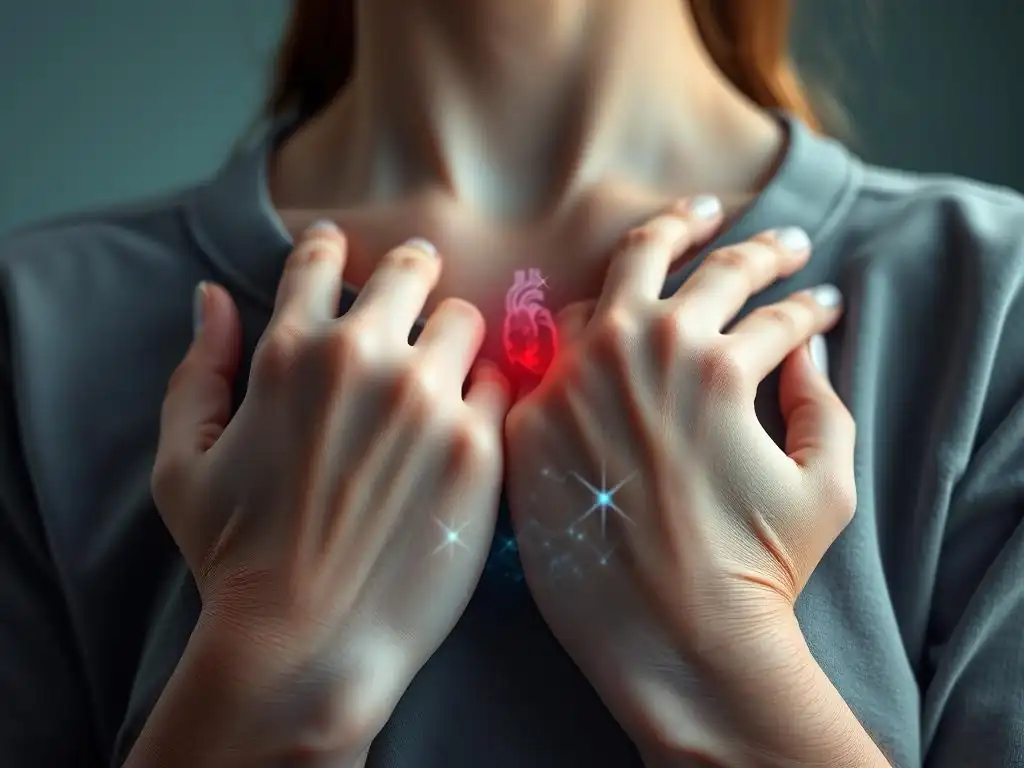
Welcome to Mind Care Guide, your sanctuary for navigating the complexities of mental well-being.
Feeling like your body is betraying you during moments of pressure? You're not alone. Many experience the unsettling physical symptoms of performance anxiety, and understanding them is the first step towards relief. This guide delves deep into these often-overlooked bodily responses, offering practical strategies to regain control and conquer your anxieties. Curious to learn how to soothe that racing heart and calm those trembling hands? Let's begin.
- The Physical Toll: Understanding the Bodily Symptoms of Performance Anxiety
- What is Performance Anxiety and How Does it Manifest Physically?
-
Common Physical Symptoms of Performance Anxiety: A Detailed Guide
- Cardiovascular Symptoms of Performance Anxiety
- Respiratory Symptoms Triggered by Performance Pressure
- Gastrointestinal Symptoms Associated with Performance Anxiety
- Musculoskeletal Symptoms of Performance Anxiety
- Neurological Symptoms Linked to Performance Anxiety
- Other Physical Manifestations of Performance Anxiety
- Why Do These Physical Symptoms Occur? The Science Behind Performance Anxiety
- Performance Anxiety Physical Symptoms Relief: Practical Strategies
- When to Seek Professional Help for Performance Anxiety Physical Symptoms
- Understanding the Physical Toll of Performance Anxiety: A Summary
-
Frequently Asked Questions
- What are some common physical symptoms associated with performance anxiety?
- How does performance anxiety specifically affect breathing and what can be done for physical symptoms relief?
- Can muscle tension be a physical symptom of performance anxiety, and how can I achieve performance anxiety physical symptoms relief?
- What role does diet and hydration play in managing the physical symptoms of performance anxiety?
- Are there any over-the-counter remedies or supplements that can provide performance anxiety physical symptoms relief?
- Final Reflection: Embracing the Body's Wisdom in Performance Anxiety
- Unleash Your Potential: Conquer Performance Anxiety
The Physical Toll: Understanding the Bodily Symptoms of Performance Anxiety
Performance anxiety is a common experience that can manifest in a wide range of physical symptoms, often making the situation even more challenging. While typically associated with mental distress, the body's reaction to perceived threats or high-pressure situations, like public speaking or taking a test, can be quite profound. Recognizing these bodily signals is the first step towards finding effective performance anxiety physical symptoms relief.
This article delves into the various ways performance anxiety impacts the body, exploring the underlying physiological mechanisms and offering practical strategies for managing these uncomfortable manifestations. Understanding why your body reacts the way it does can empower you to address the root causes and develop coping mechanisms for performance anxiety physical symptoms relief.
What is Performance Anxiety and How Does it Manifest Physically?
Defining Performance Anxiety and its Impact on the Body
Performance anxiety, often referred to as stage fright, is a type of anxiety that occurs in situations where an individual is being evaluated, observed, or is expected to perform a task. This can range from delivering a speech, playing a musical instrument, or participating in sports to taking an exam or even engaging in social interactions. The core fear is typically centered around failure, judgment, or embarrassment.
When triggered, performance anxiety initiates the body's stress response system, commonly known as the "fight or flight" response. This ancient survival mechanism prepares the body to either confront or flee from a perceived threat. While useful in genuine danger, this response is disproportionate and unhelpful in performance situations, leading to a cascade of physical changes that can be distressing and even impair performance itself. For example, many people report a sudden surge of energy followed by debilitating physical discomfort right before stepping onto a stage or starting a high-stakes task.
The Connection Between Anxiety and Physical Symptoms: A Deeper Look
The intricate connection between the mind and body means that psychological states like anxiety have direct physiological consequences. When you feel anxious about performing, your brain sends signals to your nervous system, activating the sympathetic branch. This system then triggers the release of stress hormones, primarily adrenaline (epinephrine) and cortisol.
These hormones flood the bloodstream, causing widespread changes throughout the body. Adrenaline, for instance, rapidly increases heart rate and breathing, diverts blood flow to large muscles, and sharpens senses – all preparatory actions for physical exertion. Cortisol, while having a slower onset, maintains this state of heightened arousal and can affect digestive and immune functions over time. This hormonal surge is the direct cause of many of the uncomfortable physical symptoms experienced during performance anxiety, such as trembling hands or a knot in the stomach.
Common Physical Symptoms of Performance Anxiety: A Detailed Guide

Cardiovascular Symptoms of Performance Anxiety
Rapid Heartbeat and Palpitations Explained
One of the most common and noticeable physical symptoms of performance anxiety is a rapid or pounding heart. This occurs because the release of adrenaline stimulates the heart muscle, causing it to beat faster and with more force. This increased heart rate, often exceeding 100 beats per minute in anxious states, is the body's attempt to pump more oxygenated blood to the muscles in preparation for action.
Individuals experiencing this might describe it as their heart "racing" or "thumping" in their chest. Palpitations can feel like skipped beats, flutters, or just an overall awareness of the heart beating irregularly or strongly. While usually harmless in healthy individuals, these sensations can be alarming and contribute to a feeling of panic, creating a vicious cycle where the physical symptom exacerbates the anxiety.
Blood Pressure Fluctuations During Performance Stress
Along with an increased heart rate, performance anxiety can also cause blood pressure to rise temporarily. The stress hormones released during anxiety cause vasoconstriction, the narrowing of blood vessels, which increases resistance to blood flow and thus elevates blood pressure. This is part of the body's preparation for physical exertion, ensuring muscles receive adequate blood supply.
For most people, this rise in blood pressure is transient and returns to normal once the stressful situation passes. However, in individuals with pre-existing hypertension or those who experience chronic performance anxiety, these frequent spikes could potentially have longer-term health implications. The sensation of increased pressure or tension in the head can sometimes be linked to these temporary blood pressure fluctuations.
Respiratory Symptoms Triggered by Performance Pressure
Hyperventilation and Shortness of Breath
Performance anxiety frequently affects breathing patterns, often leading to hyperventilation. This involves breathing too quickly or too deeply, causing an imbalance of oxygen and carbon dioxide in the body. The sensation is often described as shortness of breath or feeling like you can't get enough air, even though you are actually taking in excess oxygen relative to CO2 expulsion.
Hyperventilation can lead to other physical symptoms like dizziness, lightheadedness, and tingling sensations in the hands and feet. It's a classic manifestation of the "fight or flight" response, as rapid breathing is intended to increase oxygen intake for potential physical activity. Learning controlled breathing techniques is a key strategy for performance anxiety physical symptoms relief related to respiration.
Chest Tightness and Discomfort
Many individuals report feeling a tightness or pressure in their chest when experiencing performance anxiety. This symptom can be quite distressing and is often mistaken for a heart problem. The chest tightness is typically caused by muscle tension in the chest wall and diaphragm as a result of the heightened state of arousal and changes in breathing patterns.
The muscles involved in respiration can become tense and constricted, leading to a feeling of being unable to take a full, deep breath. This discomfort is a direct physical manifestation of the anxiety-induced muscle tension and respiratory changes. While uncomfortable, it is generally not indicative of a serious cardiac issue in the context of anxiety, though any persistent or severe chest pain should always be evaluated by a medical professional.
Gastrointestinal Symptoms Associated with Performance Anxiety
Nausea and Upset Stomach Before Performance
The gut is often referred to as the "second brain" due to its extensive nervous system, and it is highly sensitive to stress and anxiety. Performance anxiety commonly triggers gastrointestinal distress, with nausea and an upset stomach being frequent complaints. The stress response diverts blood flow away from the digestive system towards muscles, slowing down digestion.
Furthermore, stress hormones can increase gut motility or cause spasms, leading to feelings of nausea or butterflies in the stomach. It's not uncommon for individuals to feel queasy or even experience the urge to vomit before a significant performance or test. This is a direct result of the body prioritizing the "fight or flight" response over digestion.
Diarrhea and Other Digestive Issues
Beyond nausea, performance anxiety can also lead to changes in bowel function, most notably diarrhea. The increased gut motility stimulated by stress hormones can cause food to pass through the intestines too quickly, resulting in loose stools. This symptom is a clear example of how psychological stress can profoundly impact physical bodily functions.
Other digestive issues like stomach cramps, bloating, or excessive gas can also occur. These symptoms are part of the body's overall stress response impacting the sensitive gastrointestinal system. Managing gut health and employing relaxation techniques can offer performance anxiety physical symptoms relief for these uncomfortable digestive disturbances.
Musculoskeletal Symptoms of Performance Anxiety
Muscle Tension and Stiffness
A hallmark physical symptom of anxiety, including performance anxiety, is increased muscle tension. When the body prepares for "fight or flight," muscles throughout the body tense up, ready for action. This chronic or acute tension can lead to stiffness, soreness, and even pain in various muscle groups, particularly in the neck, shoulders, back, and jaw.
Individuals might clench their jaw, hunch their shoulders, or feel a general rigidity in their posture. This tension consumes energy and can be exhausting. It's a direct physical manifestation of the body being constantly "on alert." Techniques aimed at releasing this tension are vital for performance anxiety physical symptoms relief.
Trembling and Shaking
Another visible physical symptom of performance anxiety is trembling or shaking, especially in the hands, voice, or knees. This is caused by the surge of adrenaline stimulating the muscles and increasing metabolic rate. The muscles are primed for rapid movement, and this heightened state of readiness can manifest as involuntary shaking.
For someone about to give a presentation, trembling hands can make holding notes difficult. For a musician, a shaking bow hand or vocal tremors can significantly impair performance. This symptom is particularly distressing because it is often outwardly visible, potentially increasing the performer's anxiety about being perceived as nervous.
Neurological Symptoms Linked to Performance Anxiety
Sweating and Clammy Hands
Excessive sweating, particularly in the palms, underarms, and feet, is a very common physical symptom of performance anxiety. This is regulated by the sympathetic nervous system, which activates sweat glands as part of the stress response. Sweating helps to cool the body down in anticipation of increased physical activity.
Clammy or cold hands can also occur as blood flow is diverted away from the extremities towards larger muscle groups. While sweating is a natural bodily function, excessive or noticeable sweating can be embarrassing and contribute to feelings of self-consciousness, further fueling the anxiety cycle during a performance situation.
Dizziness and Lightheadedness
Feelings of dizziness or lightheadedness are frequently reported during episodes of performance anxiety. This can be linked to several factors, including hyperventilation (causing a drop in CO2 levels), changes in blood pressure, and the general physiological arousal of the stress response.
When breathing becomes rapid and shallow, it affects the balance of gases in the blood, which can reduce blood flow to the brain temporarily, leading to dizziness. Similarly, the sudden rush of adrenaline can affect blood flow dynamics. These sensations can be disorienting and increase the fear of fainting, adding another layer to the performance anxiety.
Other Physical Manifestations of Performance Anxiety
Headaches and Migraines
Performance anxiety, especially when prolonged or severe, can contribute to tension headaches or even trigger migraines in susceptible individuals. The chronic muscle tension, particularly in the neck and shoulders, can lead to tension headaches.
Furthermore, the hormonal fluctuations and overall physiological stress associated with anxiety can act as a trigger for migraines. The intense focus and mental strain required during performance preparation or the performance itself can also contribute to headache development. Finding performance anxiety physical symptoms relief can often alleviate these associated headaches.
Dry Mouth and Difficulty Swallowing
A dry mouth, medically known as xerostomia, is another common physical symptom of performance anxiety. The stress response inhibits saliva production as the body redirects fluids and energy away from non-essential functions like digestion and salivation towards more critical survival mechanisms.
This lack of saliva can make the mouth feel sticky or parched and can lead to difficulty speaking clearly or swallowing. For someone giving a speech or singing, a dry mouth can be particularly problematic, impacting their ability to perform effectively and potentially increasing their anxiety about making mistakes.
Why Do These Physical Symptoms Occur? The Science Behind Performance Anxiety
The Role of the Sympathetic Nervous System in Anxiety Responses
The sympathetic nervous system is a branch of the autonomic nervous system, which controls involuntary bodily functions like heart rate, breathing, and digestion. It is the primary system responsible for initiating the "fight or flight" response when the brain perceives a threat, whether real or imagined, as in the case of performance anxiety.
When activated, the sympathetic nervous system releases neurotransmitters like norepinephrine, which act on various organs to prepare the body for intense physical activity. This leads to the rapid heart rate, increased respiration, muscle tension, and other physical changes described earlier. Understanding that these are automatic, physiological responses, not signs of personal weakness, is crucial for managing performance anxiety physical symptoms relief.
The Impact of Stress Hormones (Cortisol, Adrenaline) on Physical Health
The adrenal glands, located atop the kidneys, play a central role in the stress response by releasing stress hormones. Adrenaline (epinephrine) provides a rapid, immediate surge of energy and physical changes, peaking within minutes of a stressor. It increases heart rate, blood pressure, and diverts blood flow, preparing the body for immediate action.
Cortisol, often called the "stress hormone," is released by the adrenal glands under the direction of the brain's hypothalamic-pituitary-adrenal (HPA) axis. While adrenaline handles the acute, immediate response, cortisol sustains the body's alert state over a longer period. Chronic exposure to high levels of cortisol due to persistent anxiety can have detrimental effects on physical health, including impacting the immune system, sleep patterns, and digestive function. Both hormones contribute significantly to the physical symptoms of performance anxiety.
The Brain-Body Connection in Performance Anxiety
The brain and body are in constant communication, forming a complex feedback loop that is highly relevant to performance anxiety. The amygdala, a region in the brain responsible for processing emotions like fear, plays a key role. When it detects a perceived threat (like an upcoming performance), it signals the hypothalamus, which in turn activates the sympathetic nervous system and the HPA axis.
This triggers the release of stress hormones, which then act on various parts of the body, causing the physical symptoms. These physical sensations (e.g., pounding heart, shaking hands) are then interpreted by the brain as further evidence of danger, reinforcing the feeling of anxiety. This cycle can quickly escalate. Strategies for performance anxiety physical symptoms relief often target breaking this feedback loop, either by calming the physical response or by altering the brain's interpretation of the situation.
Performance Anxiety Physical Symptoms Relief: Practical Strategies

Finding effective performance anxiety physical symptoms relief involves a combination of immediate coping techniques and longer-term strategies. Addressing both the acute physical discomfort and the underlying anxiety is key to managing this challenge.
Immediate Relief Techniques for Managing Physical Symptoms
When physical symptoms strike just before or during a performance, having immediate techniques at your disposal can be incredibly helpful. These methods aim to calm the nervous system and counteract the "fight or flight" response in the moment.
Deep Breathing Exercises for Calming the Body
Deep, controlled breathing is one of the most effective immediate strategies for managing the physical symptoms of performance anxiety. Rapid, shallow breathing (hyperventilation) exacerbates anxiety symptoms like dizziness and chest tightness. By consciously slowing down your breath and breathing deeply from the diaphragm, you can activate the parasympathetic nervous system, the body's "rest and digest" system.
A simple technique is box breathing: inhale slowly for a count of four, hold your breath for a count of four, exhale slowly for a count of four, and hold your breath out for a count of four. Repeat this cycle several times. This helps regulate oxygen and carbon dioxide levels, slow heart rate, and promote a sense of calm, offering quick performance anxiety physical symptoms relief.
Progressive Muscle Relaxation for Reducing Tension
Muscle tension is a significant contributor to the physical toll of performance anxiety. Progressive Muscle Relaxation (PMR) is a technique that involves tensing and then releasing different muscle groups in the body. By deliberately tensing a muscle group (e.g., fists, shoulders) for a few seconds and then consciously releasing the tension, you become more aware of the feeling of relaxation and can learn to release tension on command.
Practicing PMR can help reduce overall muscle stiffness, alleviate headaches caused by tension, and decrease shaking or trembling. Even a brief session backstage or before an exam can help release some of the physical tightness associated with anxiety, providing tangible performance anxiety physical symptoms relief.
Grounding Techniques for Staying Present
Anxiety often pulls your mind into worries about the future (the performance) or ruminations about the past. Grounding techniques help anchor you in the present moment, distracting your mind from anxious thoughts and reducing the intensity of physical symptoms. These techniques use your five senses to connect you to your immediate surroundings.
A common grounding technique is the "5-4-3-2-1" method: identify 5 things you can see, 4 things you can touch, 3 things you can hear, 2 things you can smell, and 1 thing you can taste. Engaging your senses pulls your attention away from internal anxiety and towards external reality, helping to calm the nervous system and provide immediate performance anxiety physical symptoms relief.
Long-Term Strategies for Reducing Physical Symptoms of Performance Anxiety
While immediate techniques help in the moment, addressing performance anxiety at its root requires longer-term strategies. These approaches focus on changing thought patterns, building resilience, and improving overall well-being to reduce the frequency and severity of physical symptoms.
Cognitive Behavioral Therapy (CBT) for Managing Anxiety
Cognitive Behavioral Therapy (CBT) is a highly effective form of psychotherapy for anxiety disorders, including performance anxiety. CBT helps individuals identify and challenge negative or irrational thought patterns that contribute to their anxiety. For example, a thought like "If I make one mistake, everyone will think I'm a failure" can be examined and replaced with a more balanced perspective, such as "Mistakes are normal, and one error doesn't define my entire performance."
By changing the way you think about performance situations, CBT can reduce the initial trigger for the "fight or flight" response, thereby lessening the intensity of physical symptoms. A typical course of CBT might involve weekly sessions over several months, providing lasting strategies for performance anxiety physical symptoms relief.
Mindfulness and Meditation for Stress Reduction
Mindfulness and meditation practices involve paying attention to the present moment without judgment. Regular practice can help train your mind to observe anxious thoughts and physical sensations without getting carried away by them. Instead of immediately reacting to a pounding heart with fear, mindfulness teaches you to notice the sensation with curiosity and acceptance.
Consistent meditation can lower overall stress levels and reduce the reactivity of the sympathetic nervous system. Even 10-15 minutes of daily mindfulness or meditation can build resilience against anxiety triggers over time, leading to a significant reduction in the frequency and severity of performance anxiety physical symptoms. These practices are powerful tools for achieving long-term performance anxiety physical symptoms relief.
Lifestyle Changes to Improve Physical and Mental Well-being
Your general physical health significantly impacts your vulnerability to and experience of anxiety symptoms. Adopting healthy lifestyle habits can build a stronger foundation for managing performance anxiety.
Regular Exercise and a Balanced Diet
Regular physical activity is a potent stress reliever. Exercise helps burn off excess adrenaline and cortisol, reduces muscle tension, and releases endorphins, which have mood-boosting effects. Aim for at least 150 minutes of moderate-intensity exercise per week. A balanced diet, rich in whole foods, can also stabilize blood sugar levels, which can prevent energy crashes and mood swings that might exacerbate anxiety. Avoiding excessive caffeine and sugar, especially before a performance, can help minimize jitters and digestive upset, contributing to performance anxiety physical symptoms relief.
Adequate Sleep and Rest
Sleep deprivation significantly worsens anxiety symptoms. When you're tired, your body's ability to manage stress is impaired, making you more susceptible to the physical manifestations of performance anxiety. Aim for 7-9 hours of quality sleep per night. Establishing a regular sleep schedule and creating a relaxing bedtime routine can improve sleep hygiene. Prioritizing rest allows your body and mind to recover, building resilience against stress and reducing the likelihood of intense physical reactions during performance situations.
When to Seek Professional Help for Performance Anxiety Physical Symptoms
While many people experience mild performance anxiety that can be managed with self-help strategies, there are times when the physical symptoms become severe, persistent, or significantly interfere with daily life. Recognizing these signs is important for knowing when to seek professional support.
Recognizing When Physical Symptoms Interfere with Daily Life
It's time to consider professional help if the physical symptoms of performance anxiety are:
- Frequent and Intense: Occurring regularly and severely impacting your comfort and well-being.
- Avoiding Situations: Causing you to avoid important performance situations (e.g., job interviews, presentations, exams, social events) because you fear the physical symptoms.
- Causing Significant Distress: Leading to significant emotional distress, worry, or panic about the symptoms themselves.
- Impacting Performance Quality: The physical symptoms are so disruptive that they directly hinder your ability to perform the task effectively.
- Unexplained by Medical Causes: A doctor has ruled out other medical conditions that could be causing similar physical symptoms.
If you find yourself constantly battling intense physical reactions like severe trembling, debilitating nausea, or panic-like symptoms (rapid heart rate, difficulty breathing) that prevent you from participating in activities you value, seeking professional performance anxiety physical symptoms relief is a wise step.
The Benefits of Therapy and Medication for Managing Performance Anxiety
Therapy, particularly CBT as mentioned earlier, is highly effective in addressing the cognitive and behavioral patterns underlying performance anxiety. It provides tools to challenge fear-inducing thoughts and gradually expose oneself to performance situations in a controlled way. Exposure therapy, a component of CBT, can help desensitize the body and mind to the anxiety triggers, naturally reducing the physical response over time.
In some cases, medication may be considered, especially if symptoms are severe and debilitating. Beta-blockers, for example, are sometimes prescribed off-label to manage the physical symptoms of performance anxiety, such as rapid heart rate, trembling, and sweating. They work by blocking the effects of adrenaline on the body. Antidepressants (like SSRIs) or anti-anxiety medications may be used for more generalized or severe anxiety where performance anxiety is a major component. Medication is typically used in conjunction with therapy for the best long-term outcomes and performance anxiety physical symptoms relief.
Finding a Qualified Mental Health Professional for Performance Anxiety Treatment
Choosing the right professional is crucial. Look for a therapist or counselor who specializes in anxiety disorders or performance issues. Psychologists, licensed professional counselors, or clinical social workers are common providers. You can find professionals through referrals from your doctor, mental health directories online, or through professional organizations.
When meeting a potential therapist, don't hesitate to ask about their experience treating performance anxiety and their therapeutic approach. Finding a good fit is important for successful treatment. A qualified professional can provide a tailored treatment plan that addresses both the psychological and physical aspects of your performance anxiety, guiding you towards lasting performance anxiety physical symptoms relief.
Understanding the Physical Toll of Performance Anxiety: A Summary
Performance anxiety is far more than just feeling nervous; it's a significant physiological event that triggers a cascade of physical symptoms throughout the body. From a racing heart and shaky hands to an upset stomach and difficulty breathing, these bodily manifestations are the direct result of the "fight or flight" response being activated in non-threatening situations.
Key Takeaways About Bodily Symptoms and Relief Strategies
- Performance anxiety activates the sympathetic nervous system and releases stress hormones like adrenaline and cortisol.
- Common physical symptoms include cardiovascular (rapid heart rate, palpitations), respiratory (shortness of breath, chest tightness), gastrointestinal (nausea, diarrhea), musculoskeletal (tension, trembling), and neurological (sweating, dizziness) effects.
- These symptoms are real and can be distressing, often creating a cycle where the physical sensations increase the anxiety.
- Immediate strategies like deep breathing, progressive muscle relaxation, and grounding techniques can provide quick performance anxiety physical symptoms relief in the moment.
- Long-term strategies such as CBT, mindfulness, regular exercise, healthy eating, and adequate sleep are essential for reducing the frequency and severity of symptoms over time.
- Seeking professional help is important if physical symptoms are severe, debilitating, or significantly interfere with daily life.
Empowering Yourself to Manage Performance Anxiety and its Physical Effects
Understanding the science behind performance anxiety and its physical toll is empowering. It helps demystify the often-frightening bodily sensations and allows you to approach them with knowledge rather than just fear. By learning and practicing a range of coping strategies, both immediate and long-term, you can gain greater control over your body's response to performance situations.
Managing performance anxiety and its physical symptoms is a journey that may involve experimenting with different techniques and, if needed, seeking professional support. With consistent effort and the right tools, you can significantly reduce the impact of physical symptoms, allowing you to approach performances, tests, and public speaking engagements with greater confidence and ease, finding true performance anxiety physical symptoms relief.
Frequently Asked Questions
What are some common physical symptoms associated with performance anxiety?
Performance anxiety can manifest physically in several ways. Common symptoms include increased heart rate, sweating, trembling, and gastrointestinal distress. These are all part of the body's fight-or-flight response.
How does performance anxiety specifically affect breathing and what can be done for physical symptoms relief?
Performance anxiety often leads to rapid, shallow breathing or even hyperventilation. Practicing diaphragmatic breathing can help calm the nervous system and provide physical symptoms relief. Focusing on slow, deep breaths is key.
Can muscle tension be a physical symptom of performance anxiety, and how can I achieve performance anxiety physical symptoms relief?
Yes, muscle tension, especially in the neck, shoulders, and back, is a common physical symptom. Techniques like progressive muscle relaxation and gentle stretching can offer performance anxiety physical symptoms relief.
What role does diet and hydration play in managing the physical symptoms of performance anxiety?
Dehydration and poor nutrition can exacerbate anxiety symptoms. Staying hydrated and eating a balanced diet rich in nutrients can help regulate the nervous system and lessen performance anxiety physical symptoms. Avoid excessive caffeine and sugar.
Are there any over-the-counter remedies or supplements that can provide performance anxiety physical symptoms relief?
While not a substitute for professional help, some people find relief with magnesium supplements or herbal remedies like chamomile. Always consult with a healthcare provider before starting any new supplement regimen for physical symptoms relief.
Final Reflection: Embracing the Body's Wisdom in Performance Anxiety
The pervasive nature of performance anxiety, often dismissed as "just nerves," significantly impacts physical well-being, manifesting in a range of debilitating symptoms. Understanding this connection is crucial, not just for managing anxiety itself, but for recognizing the body's vital role in signaling distress and paving the way for genuine relief. Ignoring these physical manifestations only perpetuates the cycle of anxiety and suffering.
The exploration of performance anxiety's physical toll has profoundly impacted my understanding of the mind-body connection. It's not simply a case of "mind over matter," but rather a complex interplay where physical sensations are integral to the experience of anxiety. This holistic perspective is essential for effective treatment and self-care. The body keeps the score,
as Bessel van der Kolk so aptly puts it, reminding us that trauma and stress are deeply imprinted within our physical selves. This understanding shifts the focus from solely managing the mental aspects of anxiety to nurturing the entire being.
You, the reader, now possess a deeper understanding of the physical symptoms associated with performance anxiety and the pathways to relief. Take this knowledge and use it to listen to your body. Recognize the signals it sends, validate your experience, and seek appropriate support when needed. Remember, acknowledging the physical toll of performance anxiety is the first step towards reclaiming your well-being and achieving a more balanced, fulfilling life. Don't let anxiety silence your voice; empower yourself to understand and address its physical manifestations.
Unleash Your Potential: Conquer Performance Anxiety
Thanks for taking the time to learn about the physical effects of performance anxiety. Understanding these symptoms is the first step towards managing them effectively. Now, let's put this knowledge into action!
- Prioritize your physical well-being: Identify one small, manageable self-care practice you can implement daily – even 5 minutes of mindful breathing can make a difference.
- Share your experience: Discuss the article's insights with a friend or family member. Open conversations can be surprisingly supportive.
- Explore further resources: Delve deeper into stress management techniques by searching for additional articles on MindCareGuide.org.
Ready to take control of your physical and mental well-being? What’s one small step you’ll take today to manage performance anxiety's physical impact?