
Making Mindfulness Stick: Building a Consistent Practice for Anxiety

Welcome to Mind Care Guide, your compassionate companion on the path to mental well-being.
Feeling overwhelmed by anxiety? You're not alone. Many struggle to find lasting relief, and sometimes, the most effective tools feel out of reach. In this article, we'll explore how to make mindfulness for anxiety relief not just a fleeting technique, but a sustainable part of your daily life. Curious how to build a consistent practice that truly makes a difference? Let's dive in and discover the power of mindful presence together.
Making Mindfulness Stick: Building a Consistent Practice for Anxiety
- Understanding Mindfulness for Anxiety Relief
- Overcoming Challenges to Building a Mindfulness Routine
- Practical Strategies for Establishing a Daily Mindfulness Practice
- Deepening Your Mindfulness Practice for Enhanced Anxiety Management
- Tracking Progress and Maintaining Motivation in Your Mindfulness Journey
- Mindfulness for Anxiety: Long-Term Strategies for Sustainable Well-being
-
Frequently Asked Questions
- What exactly is mindfulness and how does it relate to anxiety relief?
- How can a consistent mindfulness practice help with anxiety?
- What are some simple mindfulness exercises I can start with to relieve anxiety?
- How much time do I need to dedicate to mindfulness each day to see a difference in my anxiety levels?
- What if I find it difficult to quiet my mind during mindfulness exercises? Is that normal?
- Final Reflection: Cultivating the Quiet Revolution Within
- Unlock Your Inner Calm: Start Your Mindfulness Journey Today!
Understanding Mindfulness for Anxiety Relief
What is Mindfulness and How Does It Reduce Anxiety?
Mindfulness is essentially the practice of paying attention to the present moment without judgment. It involves noticing your thoughts, feelings, bodily sensations, and surrounding environment with gentle curiosity. When applied as mindfulness for anxiety relief, it helps individuals step out of the cycle of worry, which often focuses on past regrets or future fears. Instead, it anchors attention in the here and now, interrupting the anxious thought loop. This present-moment awareness can significantly reduce the intensity and frequency of anxious feelings by shifting focus away from catastrophic thinking and towards observable reality.
The mechanism by which mindfulness impacts anxiety is multifaceted. By observing thoughts without identifying with them, practitioners learn that thoughts are temporary mental events, not absolute truths. This detachment weakens the power of anxious thoughts. Furthermore, mindfulness cultivates a greater tolerance for discomfort. Rather than reacting automatically with avoidance or panic to uncomfortable sensations or emotions associated with anxiety, individuals learn to acknowledge them with acceptance, which diminishes their threat level. This fundamental shift in relating to internal experiences is key to finding relief through mindfulness for anxiety.
The Science Behind Mindfulness and Anxiety Reduction
Research into the neurobiological effects of mindfulness has provided compelling evidence for its impact on anxiety. Studies utilizing fMRI scans have shown that consistent mindfulness practice can lead to decreased activity in the amygdala, the brain region often referred to as the "fear center," which is hyperactive in individuals experiencing anxiety. Concurrently, there is often increased activity in the prefrontal cortex, the area associated with higher-order cognitive functions like attention, emotional regulation, and decision-making. This suggests that mindfulness strengthens the brain's capacity to manage emotional responses rather than being overwhelmed by them.
Beyond structural and functional changes, mindfulness also influences neurochemical processes. Regular practice has been linked to changes in neurotransmitter levels, potentially increasing gamma-aminobutyric acid (GABA), a calming neurotransmitter, and influencing cortisol levels, the primary stress hormone. Chronic stress and anxiety are often associated with elevated cortisol, and studies have indicated that mindfulness interventions can lead to reductions in salivary cortisol. For individuals seeking mindfulness for anxiety relief, understanding these physiological underpinnings reinforces the practice's legitimacy and potential effectiveness.
Benefits of a Consistent Mindfulness Practice for Anxiety
Committing to a consistent mindfulness practice offers a wide array of benefits for managing anxiety. One of the most immediate advantages is an increased ability to recognize the early signs of escalating anxiety. By regularly checking in with internal states, individuals become more attuned to subtle physical sensations or thought patterns that precede intense anxious episodes. This allows for proactive intervention using mindfulness techniques before anxiety becomes overwhelming. This heightened self-awareness is a foundational element of effective mindfulness for anxiety.
Over time, consistent practice leads to more profound and lasting changes. Many practitioners report a significant reduction in overall anxiety levels and an improved capacity to handle stressful situations with greater calm and resilience. For example, studies have shown average reductions in self-reported anxiety scores among participants in mindfulness-based stress reduction (MBSR) programs, sometimes ranging from 20% to 40% depending on the individual and the severity of their initial symptoms. Furthermore, consistent mindfulness practice can improve sleep quality, enhance concentration, and foster a more positive outlook, all of which contribute to better management of anxiety and overall mental well-being.
Overcoming Challenges to Building a Mindfulness Routine
Identifying Your Personal Barriers to Mindfulness Practice
Building a consistent mindfulness practice for anxiety relief isn't always easy, and the first step to overcoming challenges is identifying what specifically gets in your way. For some, a major barrier might be the belief that they "can't quiet their mind," leading to frustration and giving up. Others might feel they aren't doing it "right," comparing their experience to an imagined ideal.
It's crucial to honestly assess these internal narratives and beliefs. Are you telling yourself you're too busy, too restless, or that mindfulness simply doesn't work for you? Pinpointing these personal doubts and resistances provides clarity on the specific hurdles you need to address on your journey towards using mindfulness for anxiety.
Another common personal barrier relates to expectations. If you expect mindfulness to instantly erase all anxious feelings or provide a constant state of bliss, you're likely to be disappointed. Mindfulness is a practice of managing anxiety, not eliminating it entirely. It's about changing your relationship with anxiety. Identifying unrealistic expectations, such as anticipating immediate profound calm during every session, is vital. Recognizing these personal barriers allows you to approach mindfulness for anxiety with greater self-compassion and a more realistic perspective, setting the stage for sustained effort rather than quick discouragement.
Common Obstacles and How to Address Them
One of the most frequently cited obstacles to consistent mindfulness practice is the feeling of having "no time." In today's fast-paced world, scheduling even a few minutes seems daunting. However, mindfulness doesn't always require long seated meditations. Addressing this involves reframing what practice looks like.
Instead of aiming for a 30-minute session, start with 2-3 minutes. Integrate mindfulness into existing activities, like mindful eating or walking. For instance, simply paying attention to the sensations of brushing your teeth can be a brief mindfulness exercise. This approach makes incorporating mindfulness for anxiety relief feel less like an insurmountable task and more like manageable moments throughout the day.
Another significant obstacle is the discomfort that can arise when first sitting with one's thoughts and feelings, especially for those prone to anxiety. The mind might race, uncomfortable sensations might surface, or emotions might feel overwhelming. The key here is gentle persistence and non-judgment. Instead of trying to push these experiences away, the practice is to simply notice them without getting swept away.
Using techniques like focusing on the breath provides an anchor. Remind yourself that it is okay for the mind to wander – the practice is noticing when it wanders and gently guiding it back, perhaps dozens or even hundreds of times in a short session. This patient and non-reactive stance is fundamental to making mindfulness for anxiety effective.
Time Constraints: Integrating Mindfulness into a Busy Schedule
Feeling pressed for time is a universal experience, and it often becomes the primary excuse for not starting or maintaining mindfulness for anxiety relief. The good news is that mindfulness doesn't demand hours of your day. Even integrating very short bursts of practice can be beneficial.
Consider 'micro-mindfulness' moments: taking three conscious breaths before opening an email, paying full attention to the taste and texture of your first few sips of coffee, or mindfully walking from one room to another, noticing the sensations in your feet. These brief practices add up and help build the habit of present-moment awareness without requiring large blocks of time.
To make mindfulness a consistent part of a busy schedule, try 'habit stacking.' This involves pairing a mindfulness practice with an activity you already do daily. For example, after you finish your morning shower, immediately sit for five minutes of mindful breathing.
Or, while waiting for your computer to boot up, practice a short body scan. Scheduling mindfulness like any other important appointment can also help reinforce its priority. Even setting a phone alarm for a one-minute mindfulness break mid-morning and mid-afternoon can make a significant difference in cultivating the habit and providing moments of relief through mindfulness for anxiety throughout the day.
Dealing with Distractions During Mindfulness Meditation
Distractions are an inherent part of mindfulness meditation, especially when using mindfulness for anxiety. The mind's tendency to wander is not a sign of failure; it's simply what minds do. External distractions like sounds or internal distractions like thoughts, feelings, and sensations will inevitably arise. The practice is not to eliminate these distractions, but to notice them without judgment and gently return your attention to your chosen anchor, often the breath. Think of it like training a puppy – it will wander off, and you patiently guide it back, repeatedly.
When a thought or feeling arises, acknowledge it ("Ah, there's a thought about my to-do list," or "Okay, feeling some restlessness in my legs") and then deliberately, but gently, shift your focus back to the sensation of your breath entering and leaving your body. It can be helpful to even mentally label the distraction ("thinking," "planning," "sound") before returning to the breath.
This process of noticing and returning is the core practice of building mindful attention. The more you practice this gentle redirection, the stronger your capacity to manage distractions becomes, which is directly applicable to managing the distracting nature of anxious thoughts when using mindfulness for anxiety relief.
Overcoming Self-Criticism and Negative Thoughts
Self-criticism and negative thoughts are particularly challenging obstacles, especially for individuals already prone to anxiety. During mindfulness practice, the mind might become louder, filled with judgments like "I'm bad at this," "My mind is too busy," or "This isn't working." It's crucial to apply the principles of mindfulness to these thoughts themselves. Notice the self-critical thought without believing it or getting caught up in it. See it as just another mental event passing through your awareness. This non-judgmental observation is a powerful way to undermine the power of the inner critic.
Cultivating self-compassion is a vital antidote to self-criticism in mindfulness for anxiety. Treat yourself with the same kindness and understanding you would offer a friend who is struggling. Acknowledge that building a consistent practice takes time and effort, and there will be moments of difficulty.
When you notice a negative thought about your practice, pause and offer yourself a kind word or phrase, such as "This is challenging right now, and that's okay," or "I'm doing my best." Integrating self-compassion directly into your mindfulness practice helps transform it from a potential source of frustration into a nurturing tool for managing anxiety.
Practical Strategies for Establishing a Daily Mindfulness Practice
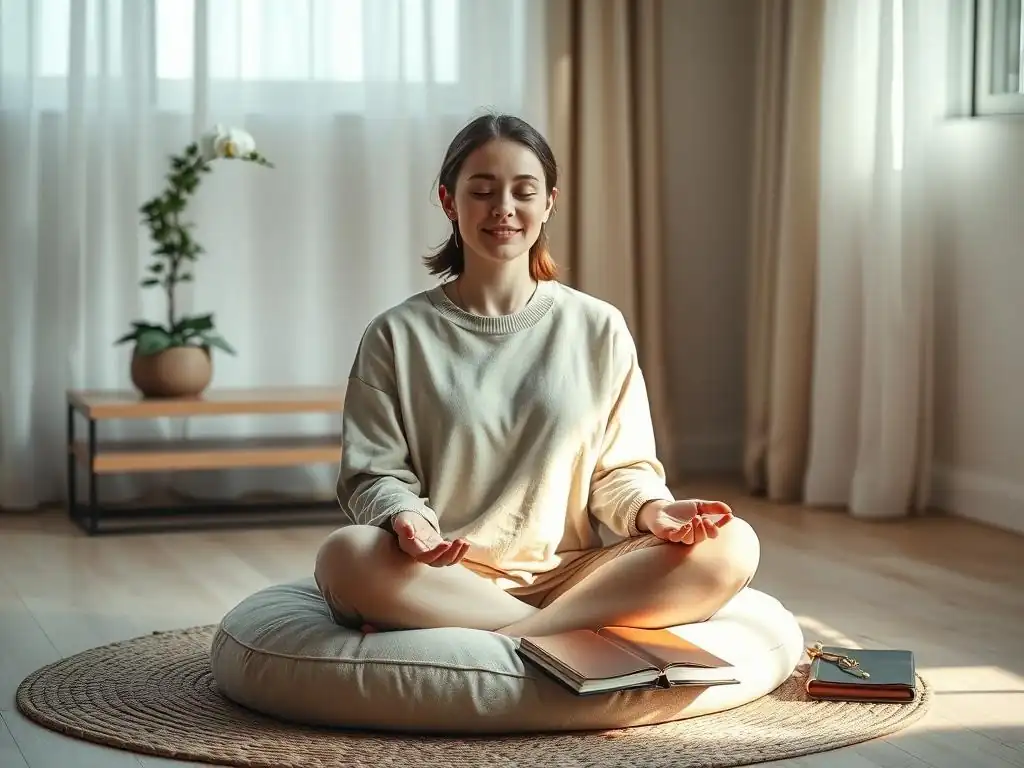
Start Small: Micro-Mindfulness Techniques for Beginners
For beginners, the idea of meditating for 20 or 30 minutes daily can feel overwhelming, becoming another source of anxiety. A highly effective strategy for establishing a consistent mindfulness practice for anxiety relief is to start incredibly small. Begin with just 1-3 minutes a day. This could be a single minute of focused breathing, paying attention only to the sensation of air moving in and out. Or, it could be 90 seconds devoted to mindfully washing the dishes, feeling the water, the soap, and the textures. The goal is consistency, not duration.
These micro-mindfulness moments build the habit and demonstrate that mindfulness is accessible even in a busy life. As you become more comfortable with these short bursts, you can gradually increase the duration by a minute or two each week. Starting small reduces the barrier to entry, makes the practice feel less intimidating, and allows you to experience the subtle benefits of present-moment awareness without feeling pressured to achieve a deep state of calm immediately. This gentle introduction is crucial for building a sustainable foundation for using mindfulness for anxiety.
Choosing the Right Mindfulness Meditation Technique for You
There isn't a one-size-fits-all approach to mindfulness meditation, and finding the technique that resonates with you can significantly impact your consistency in using mindfulness for anxiety. Some people find focusing on the breath to be the most grounding anchor. Others prefer a body scan, systematically bringing awareness to different parts of the body to notice sensations. Walking meditation, paying attention to the physical sensations of walking, can be ideal for those who find sitting still challenging. Some might connect best with loving-kindness meditation, cultivating feelings of warmth and compassion.
Experimentation is key. Try different techniques for a week or two each and see which one feels most accessible and helpful for you in managing your anxiety. Don't feel confined to one technique; you can mix and match or use different techniques depending on how you feel on a given day. The most effective technique for you is the one you are most likely to practice consistently. Finding this personal connection makes integrating mindfulness for anxiety relief a more enjoyable and sustainable endeavor.
Guided Meditations for Anxiety: A Powerful Tool
Guided meditations can be particularly beneficial for individuals using mindfulness for anxiety, especially beginners. They provide structure and instruction, helping to keep your attention focused and guiding you through the practice. A soothing voice can make the experience feel less daunting and more supportive. Many guided meditations are specifically designed for anxiety relief, offering gentle prompts to notice thoughts without judgment, release tension in the body, and cultivate a sense of calm.
Numerous resources offer guided meditations, ranging in length from a few minutes to 30 minutes or more. Exploring different voices and styles can help you find guides that resonate with you. For instance, a 10-minute guided body scan might be perfect for grounding yourself when feeling overwhelmed, while a guided loving-kindness meditation could help soften self-critical thoughts often linked to anxiety. Using guided meditations removes the pressure of "doing it right" on your own and provides a consistent framework, making it easier to show up for your practice regularly and effectively utilize mindfulness for anxiety.
Creating a Dedicated Mindfulness Space
While you can practice mindfulness anywhere, having a dedicated space, even a small one, can signal to your brain that it's time to shift into a more mindful state. This doesn't require a large room or elaborate setup. It could be a comfortable cushion in a quiet corner of your living room, a specific chair by a window, or simply clearing a small area on your desk. The key is that this space is relatively free from clutter and distractions and is used primarily for your mindfulness practice.
Making this space appealing can also enhance motivation. Perhaps add a small plant, a simple piece of art, or ensure it's tidy. When you go to this designated spot, it helps create a ritual, making it easier to transition into your practice. This dedicated space serves as a physical anchor for your intention to practice mindfulness for anxiety, reducing internal debate about where and when to practice and reinforcing the habit through environmental cues.
Setting Realistic Goals and Expectations for Your Mindfulness Journey
Approaching mindfulness for anxiety with realistic goals and expectations is paramount for long-term consistency. Avoid setting overly ambitious goals initially, such as aiming for 30 minutes of meditation every day from the start. Instead, set a goal you feel confident you can achieve, like "practice mindfulness for 5 minutes, 3 times a week." Once that feels manageable, gradually increase the frequency or duration. Success in meeting small goals builds confidence and momentum.
Manage your expectations about the results of mindfulness for anxiety. It's not a magic cure that eliminates anxiety overnight. You will still experience anxious thoughts and feelings. The goal is to change how you relate to them – to observe them with less reactivity and more acceptance. Understand that progress isn't linear; some days will feel easier than others. Setting realistic expectations, acknowledging that building this skill takes time and practice, prevents discouragement and helps you stay committed to your mindfulness journey for managing anxiety.
Deepening Your Mindfulness Practice for Enhanced Anxiety Management
Mindfulness in Daily Life: Extending Practice Beyond Meditation
While formal meditation is a cornerstone of a consistent mindfulness practice, extending mindfulness into everyday activities significantly enhances its benefits for anxiety management. This involves intentionally bringing present-moment awareness to routine tasks. For example, practice mindful eating by slowing down, noticing the colors, smells, textures, and tastes of your food, chewing thoroughly, and paying attention to sensations of hunger and fullness. This simple act interrupts the autopilot mode and anchors you in the present.
Mindful walking is another accessible practice; focus on the sensations in your feet as they touch the ground, the swing of your arms, and the rhythm of your breath. Mindful listening involves giving your full attention to another person without planning your response or getting lost in your own thoughts.
Integrating these practices throughout the day helps cultivate a state of mindfulness that can be readily accessed when anxiety arises, making mindfulness for anxiety less about a specific seated time and more about a way of being. These informal practices build the muscle of attention and non-reactivity in real-world situations.
Mindful Breathing Exercises for Immediate Anxiety Relief
Mindful breathing is one of the most immediate and accessible tools within mindfulness for anxiety relief. When anxiety flares, the breath often becomes shallow and rapid. Consciously shifting your attention to your breath can interrupt the physiological stress response. Simple exercises like "anchor breathing" involve focusing solely on the physical sensation of the breath at one point, such as the nostrils or the rise and fall of the abdomen. When the mind wanders, gently guide it back to this anchor.
Another effective technique is "counting the breath." Inhale deeply, and on the exhale, count "one." Inhale again, and on the next exhale, count "two," up to ten, and then start over. If you lose count, simply begin again at one. This provides a gentle mental task that occupies the mind just enough to keep it from spiraling into anxious thoughts, while the focus on the breath calms the nervous system. Practicing these simple mindful breathing exercises regularly makes them readily available as a quick, on-the-spot tool for immediate relief when experiencing anxiety.
Body Scan Meditations for Increased Body Awareness
Body scan meditation is a powerful technique for deepening mindfulness for anxiety by cultivating greater awareness of bodily sensations. Anxiety often manifests physically as tension, tightness, or restlessness. A body scan involves systematically bringing your attention to different parts of your body, starting from the toes and slowly moving up to the top of your head, noticing any sensations present – warmth, coolness, tingling, tension, relaxation – without trying to change them.
This practice helps you become more attuned to how anxiety shows up in your body, allowing you to recognize its physical signals earlier. By simply observing these sensations with non-judgmental awareness, you learn that physical discomfort associated with anxiety is often transient and can be tolerated. Regular body scans can also help release chronic tension held in the body due to stress and anxiety. This increased interoceptive awareness is a crucial component of effective mindfulness for anxiety management, providing a concrete way to ground yourself when feeling overwhelmed.
Mindful Movement: Yoga and Tai Chi for Anxiety
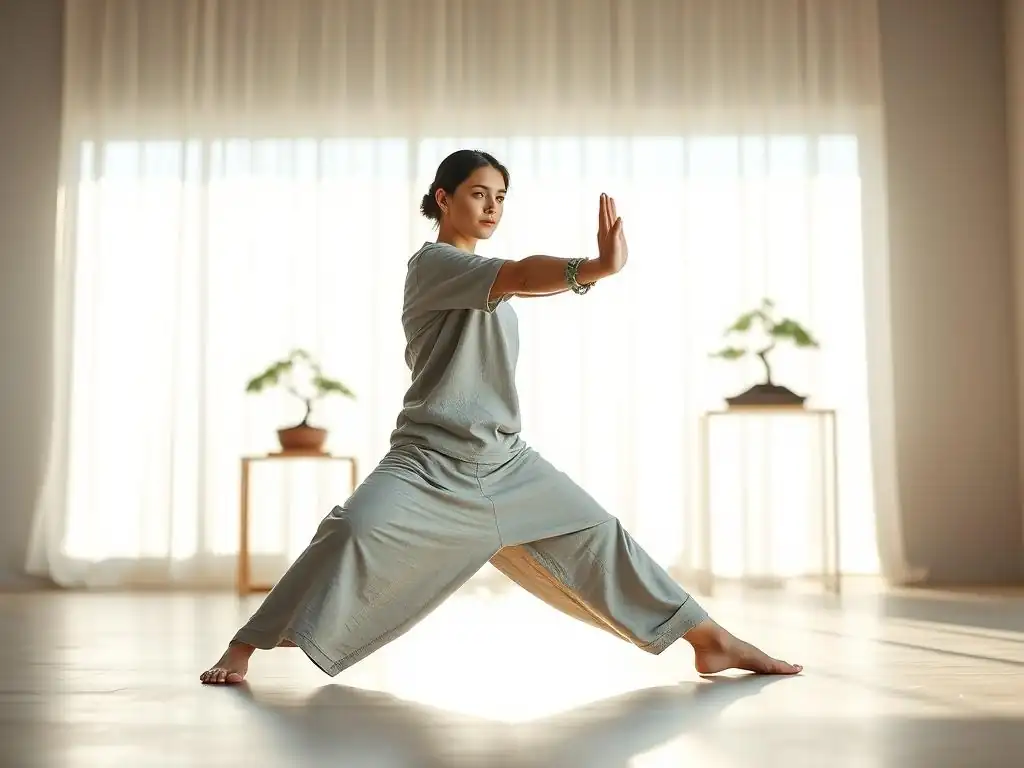
Incorporating mindful movement practices like yoga or Tai Chi can be an excellent way to deepen mindfulness for anxiety, especially for those who find seated meditation challenging. These practices combine gentle physical movement with focused attention on the breath and bodily sensations. Yoga, for example, encourages awareness of the body's position, the feeling of muscles stretching, and coordinating movement with breath. It helps release physical tension, which is often intertwined with mental anxiety.
Tai Chi involves slow, deliberate movements performed with focused attention and deep breathing. The fluid, continuous motions promote relaxation and concentration. Both yoga and Tai Chi encourage a non-judgmental attitude towards one's physical capabilities on any given day, embodying the core principles of mindfulness. Studies have indicated that regular practice of mindful movement can lead to significant reductions in anxiety symptoms, sometimes comparable to or even exceeding the effects of some other interventions. Integrating mindful movement provides an active, embodied pathway to cultivating mindfulness for anxiety relief.
Cultivating Self-Compassion Through Mindfulness
Self-compassion is a key element often woven into mindfulness practice, and it is particularly vital for individuals managing anxiety. Anxiety often comes hand-in-hand with self-criticism, shame, and the feeling of not being good enough. Cultivating self-compassion means treating yourself with the same kindness, care, and understanding you would extend to a dear friend facing similar difficulties. It involves recognizing that suffering, including anxiety, is a part of the shared human experience.
Mindfulness helps by enabling you to notice when you are experiencing self-criticism or emotional pain without getting lost in it. Self-compassion then adds the element of responding to that suffering with warmth and understanding rather than judgment. Practices like repeating kind phrases to yourself (e.g., "May I be kind to myself," "May I be free from suffering") or placing a hand over your heart while acknowledging difficult feelings can be powerful. Integrating self-compassion deepens the effectiveness of mindfulness for anxiety by transforming your inner dialogue and fostering a more supportive relationship with yourself.
Tracking Progress and Maintaining Motivation in Your Mindfulness Journey
Journaling: Reflecting on Your Mindfulness Experiences
Journaling can be a valuable tool for tracking your progress and gaining insight into your experience with mindfulness for anxiety. After a meditation session or a period of mindful activity, take a few minutes to jot down your observations. You might note how long you practiced, what technique you used, what thoughts or feelings arose, how you related to distractions, and how you felt physically and emotionally before and after the practice.
Over time, reviewing your journal entries can reveal patterns. You might notice that certain times of day are better for practice, that specific techniques are more helpful for reducing anxiety on a particular day, or that your ability to sit with discomfort is gradually increasing. Seeing this tangible evidence of your journey can be incredibly motivating and provide valuable information for tailoring your mindfulness practice to better serve your needs in managing anxiety. It shifts the focus from perceived failure to insightful observation.
Using Mindfulness Apps to Monitor Progress and Stay Accountable
Mindfulness apps can be excellent resources for both guided meditations and for helping you stay accountable and monitor your progress with mindfulness for anxiety. Many apps allow you to track the frequency and duration of your practice sessions, sometimes providing statistics on your consistency over weeks or months. Seeing a visual representation of your commitment can be highly motivating.
Beyond tracking, apps often offer features like daily reminders, streaks (consecutive days of practice), and milestones that can help reinforce the habit. Some even provide a space for brief reflections after a session. While the core practice is internal, the external structure and motivation provided by these tools can be instrumental in maintaining consistency, especially in the early stages of building a routine of mindfulness for anxiety relief. Choose an app with an interface and features that you find encouraging and easy to use.
Celebrating Small Victories and Acknowledging Challenges
Maintaining motivation on any long-term journey, including building a consistent mindfulness practice for anxiety, requires recognizing and celebrating progress, no matter how small. Did you manage to practice for 5 minutes today when you've been struggling to find time? That's a victory. Did you notice an anxious thought arise during meditation and gently return to your breath instead of getting swept away? Celebrate that moment of non-reactivity. Acknowledging these small successes reinforces positive behavior and makes the practice feel rewarding rather than just another chore.
Equally important is acknowledging challenges without letting them derail you. Missed a day or two? Instead of self-criticism, acknowledge it gently ("Okay, I missed yesterday") and simply commit to starting again today. Had a session where your mind felt particularly chaotic? Recognize that some days are harder than others and that simply showing up is an accomplishment. This balanced approach – celebrating successes and accepting challenges with compassion – is crucial for sustaining motivation in your practice of mindfulness for anxiety.
Seeking Support: Connecting with a Mindfulness Community
Building and maintaining a consistent mindfulness practice for anxiety doesn't have to be a solitary endeavor. Connecting with others who are also exploring mindfulness can provide invaluable support, shared experience, and motivation. This could involve joining a local meditation group, participating in a mindfulness-based course (like MBSR or MBCT), or engaging with online mindfulness communities or forums.
Sharing your experiences, challenges, and insights with others can normalize difficulties, offer new perspectives, and provide encouragement. Learning from experienced practitioners or teachers can also help deepen your understanding and refine your technique. Knowing you are part of a community can foster a sense of accountability and belonging, making it easier to stay committed to using mindfulness for anxiety relief over the long term. Support from others reinforces the value of the practice and helps navigate obstacles.
Mindfulness for Anxiety: Long-Term Strategies for Sustainable Well-being
Integrating Mindfulness into Your Overall Mental Health Plan
For most individuals, mindfulness for anxiety is most effective when viewed as one component within a broader mental health plan. It works synergistically with other helpful practices and professional support. This might involve combining mindfulness with therapy, such as Cognitive Behavioral Therapy (CBT) or Acceptance and Commitment Therapy (ACT), which can provide additional tools and frameworks for understanding and managing anxiety.
Furthermore, integrating mindfulness means recognizing its connection to other lifestyle factors that impact mental well-being. Consistent practice is supported by adequate sleep, regular physical activity, a balanced diet, and strong social connections. Viewing mindfulness not as a standalone cure but as a foundational skill that enhances resilience and complements other self-care and professional strategies is key to achieving sustainable relief from anxiety and fostering overall psychological health.
Recognizing and Responding to Anxiety Triggers with Mindfulness
A significant long-term benefit of a consistent mindfulness practice for anxiety is an increased ability to recognize and skillfully respond to personal anxiety triggers. Through heightened self-awareness cultivated by mindfulness, you become more adept at noticing the thoughts, feelings, situations, or physical sensations that tend to precede or intensify your anxiety. This recognition is the first step towards a different response.
Instead of reacting automatically with avoidance, worry spirals, or panic, mindfulness allows for a pause. In that pause, you can apply mindful awareness to the trigger and your reaction. You might notice the physical sensations of anxiety arising without judgment, observe the anxious thoughts as just thoughts, and consciously choose a different response than your habitual one. This might involve taking a few mindful breaths, grounding yourself in your body, or applying self-compassion. Over time, this mindful response weakens the power of triggers and builds a greater sense of agency in managing anxiety.
Maintaining a Flexible and Adaptive Mindfulness Practice
Life is dynamic, and a sustainable mindfulness practice for anxiety must be flexible and adaptive to changing circumstances. There will be periods when daily formal meditation feels challenging due to illness, travel, or increased responsibilities. During these times, rigidity can lead to abandonment of the practice altogether. Instead, be willing to adjust. Perhaps shorten your meditation time, rely more on micro-mindfulness moments, or shift from seated meditation to mindful walking.
Flexibility also applies to your approach. If one technique isn't resonating, try another. If practicing at the same time every day isn't feasible, be open to finding different slots. The key is to maintain the intention to practice present-moment awareness consistently, even if the form of the practice changes. An adaptive approach ensures that mindfulness remains a supportive tool for managing anxiety through life's inevitable ups and downs, rather than becoming another source of stress or pressure.
The Role of Mindfulness in Preventing Anxiety Relapse
Mindfulness plays a crucial role in preventing anxiety relapse by building long-term resilience and providing ongoing tools for self-management. For individuals who have successfully reduced their anxiety symptoms, maintaining a consistent mindfulness practice helps sustain those gains. It keeps the skills of present-moment awareness, non-judgment, and emotional regulation sharp, making it easier to navigate future stressors and potential triggers without returning to previous levels of anxiety.
Regular mindfulness practice helps individuals stay attuned to their internal landscape, enabling early detection of warning signs that anxiety might be increasing. By noticing subtle shifts in thoughts, feelings, or bodily sensations, they can apply mindfulness techniques proactively before a full relapse occurs. Mindfulness cultivates a deeper understanding of the impermanent nature of thoughts and feelings, including anxiety, fostering a perspective that reduces fear of future episodes and empowers individuals to maintain their well-being over the long haul using mindfulness for anxiety.
Frequently Asked Questions
What exactly is mindfulness and how does it relate to anxiety relief?
Mindfulness is paying attention to the present moment without judgment. It helps reduce anxiety by shifting focus away from worrying about the future or dwelling on the past, allowing you to better manage current feelings.
How can a consistent mindfulness practice help with anxiety?
A consistent practice trains your brain to better regulate emotions. This can lead to a decreased reactivity to anxiety triggers and an overall increased sense of calm over time.
What are some simple mindfulness exercises I can start with to relieve anxiety?
Try focusing on your breath, paying attention to the sensations of each inhale and exhale. Another option is a body scan meditation, noticing sensations in different parts of your body. You can also practice mindful walking.
How much time do I need to dedicate to mindfulness each day to see a difference in my anxiety levels?
Even short sessions of 5-10 minutes daily can be beneficial. Consistency is key, so start small and gradually increase the duration as you become more comfortable and see positive results.
What if I find it difficult to quiet my mind during mindfulness exercises? Is that normal?
Yes, it's completely normal! Mindfulness isn't about stopping thoughts, but about observing them without judgment. Gently redirect your attention back to your chosen focus (like your breath) each time your mind wanders.
Final Reflection: Cultivating the Quiet Revolution Within
The pervasive anxiety of modern life demands a powerful antidote, and the consistent practice of mindfulness offers just that. It's no longer a niche practice; it's a vital tool for navigating the overwhelming pressures of our increasingly complex world. The ability to find calm amidst the chaos is not a luxury, but a necessity for mental and emotional well-being.
The journey towards consistent mindfulness is deeply personal, a continuous process of self-discovery and acceptance. It's about learning to observe our thoughts and feelings without judgment, creating space between stimulus and reaction. This journey has profoundly impacted my own life, teaching me the power of presence and the importance of self-compassion. The time you enjoy wasting is not wasted time.
This quote, often attributed to Bertrand Russell, perfectly encapsulates the beauty of mindful moments – even seemingly unproductive ones can contribute to a sense of peace and well-being.
Now, I invite you to consider your own relationship with anxiety. What small steps can you take today to integrate mindfulness into your daily routine? Perhaps it's a few minutes of deep breathing before bed, a mindful walk during your lunch break, or simply pausing to appreciate the beauty in the everyday. Remember, the path to a more peaceful mind is paved with consistent, compassionate effort. Begin your journey today, and discover the transformative power of mindfulness for yourself.
Unlock Your Inner Calm: Start Your Mindfulness Journey Today!
Thanks for taking the time to explore the power of mindfulness for managing anxiety. We hope you found practical strategies to ease your mind and build a more resilient you. Now it's time to put those insights into action!
- Begin your personalized mindfulness practice: Start with just 5 minutes a day using the techniques discussed, focusing on your breath or body sensations. This is the most crucial step to experiencing the benefits.
- Share your experience: Connect with others on your mindfulness journey. Share your insights or challenges in the comments – you might inspire someone else to start their own practice!
- Experiment with a new mindfulness technique: Explore a different approach to mindfulness, such as a guided meditation or mindful walking. See what resonates best with you and helps you build consistency.
Ready to cultivate a calmer, more focused you? What small step will you take today to integrate mindfulness into your daily life?