
5Minute Mindfulness Exercises for Instant Stress Relief

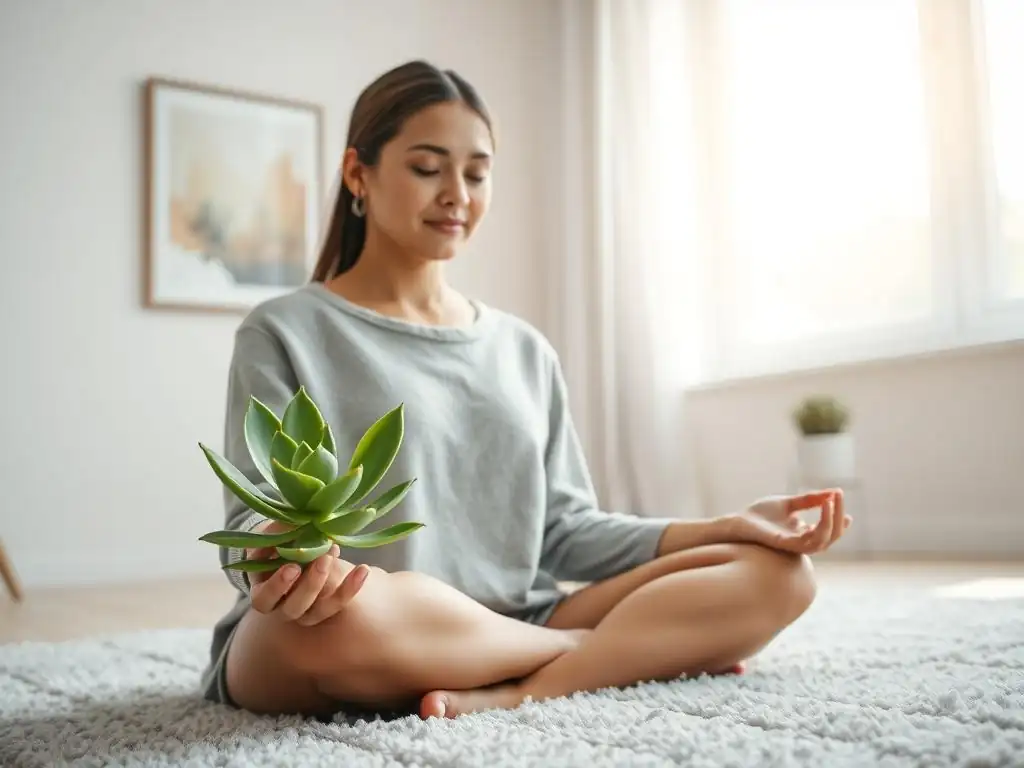
Welcome to Mind Care Guide, a space dedicated to nurturing your mental well-being. Feeling overwhelmed? Life getting a little too hectic? We understand. That's why we've created this sanctuary, starting with something simple yet powerful: quick mindfulness stress relief exercises. Are you ready to discover how just 5 minutes of mindfulness can transform your day? Let's explore together...
5-Minute Mindfulness Exercises for Instant Stress Relief | Mind Care Guide
- Introduction: Finding Calm with Quick Mindfulness
- 5 Quick Mindfulness Exercises You Can Do Anywhere
- Integrating Mindfulness into Your Daily Routine
- Expanding Your Mindfulness Practice
- Conclusion: Achieving Lasting Stress Relief with Mindfulness
-
Frequently Asked Questions
- What is mindfulness, and how can it help with stress relief?
- How quickly can these 5-minute mindfulness exercises provide stress relief?
- Do I need any special equipment or training to perform these mindfulness exercises?
- What are some examples of quick mindfulness exercises I can do when feeling stressed?
- How often should I practice these 5-minute mindfulness exercises for optimal mental well-being?
- Final Reflection: Finding Stillness in the Five-Minute Miracle
- Unleash Your Inner Calm: Start Practicing Mindfulness Now!
Introduction: Finding Calm with Quick Mindfulness
Stress is an unavoidable part of modern life, often leaving us feeling overwhelmed, anxious, and disconnected. The constant demands of work, relationships, and daily responsibilities can accumulate, impacting both our mental and physical well-being. While long retreats or extensive meditation sessions may seem out of reach for many, the good news is that even short bursts of focused attention can make a significant difference. Learning how to implement quick mindfulness stress relief exercises can be a powerful tool in navigating challenging moments and finding a sense of calm amidst the chaos.
This article explores the profound impact that brief mindfulness practices can have on reducing stress levels almost instantly. We will delve into the principles behind mindfulness and why even a few minutes dedicated to conscious presence can shift your state of mind. We'll then introduce five practical, 5-minute mindfulness exercises that you can easily incorporate into your day, no matter where you are or how busy you are. These simple yet effective techniques are designed to provide immediate relief and build resilience over time.
The Power of Mindfulness for Stress Reduction
Mindfulness is essentially the practice of paying attention, on purpose, to the present moment, without judgment. It involves observing your thoughts, feelings, bodily sensations, and the surrounding environment with a sense of open curiosity. This deliberate act of focusing your awareness helps to interrupt the cycle of worry and rumination that often fuels stress and anxiety. Instead of being caught up in past regrets or future fears, mindfulness gently guides you back to the here and now, where true peace resides.
Research consistently supports the efficacy of mindfulness in mitigating stress. Studies have shown that regular mindfulness practice can lead to measurable reductions in stress hormones like cortisol. For instance, some findings indicate that even brief daily sessions can lower perceived stress by a noticeable percentage, sometimes upwards of 10-15% after just a few weeks.
Beyond hormone levels, individuals often report feeling less reactive to stressful situations, experiencing improved emotional regulation, and gaining a greater capacity to cope with challenges without becoming overwhelmed. It's about building a mental muscle that allows you to choose your response rather than simply reacting automatically to stressors.
Why 5-Minute Mindfulness Exercises Work
The beauty of quick mindfulness stress relief exercises lies in their accessibility and immediate impact. In moments of acute stress – perhaps before a difficult conversation, during a hectic commute, or when feeling overwhelmed by tasks – a long meditation session isn't practical or even necessary. A 5-minute exercise provides a rapid reset button, allowing you to step back from the intensity of the moment and regain perspective. These short practices help to anchor you in the present, disrupting the stress response loop that can otherwise spiral.
These brief exercises work by engaging the parasympathetic nervous system, often referred to as the "rest and digest" system. When stressed, our sympathetic nervous system ("fight or flight") is activated. Quick mindfulness techniques, such as focusing on the breath or a simple sensory experience, signal to the brain that you are safe, helping to calm the nervous system.
Even five minutes dedicated to mindful presence can slow your heart rate, relax tense muscles, and clear mental clutter, providing a noticeable shift towards a calmer state. It's a powerful reminder that even small investments in mindfulness can yield significant returns in stress reduction.
5 Quick Mindfulness Exercises You Can Do Anywhere
Exercise 1: Mindful Breathing for Immediate Stress Relief
Mindful breathing is perhaps the most fundamental and accessible of all quick mindfulness stress relief exercises. It requires no special equipment or location, just your own breath. The simple act of paying attention to your inhale and exhale can immediately ground you and interrupt the cascade of stress-inducing thoughts. It's a portable anchor you can use anytime, anywhere you feel tension building.
This practice involves consciously observing the physical sensations of breathing. You don't need to change your breath, just notice it – the coolness of air entering your nostrils, the rise and fall of your chest or abdomen, the warmth of air leaving. This focused attention pulls your awareness away from stressors and into the present moment. Even a minute or two of this can provide a noticeable reduction in anxiety.
Focusing on Your Breath: A Simple Technique
To perform a 5-minute mindful breathing exercise, find a comfortable position, whether sitting, standing, or even lying down. Gently close your eyes if you feel safe doing so, or soften your gaze. Bring your attention to your breath, noticing the physical sensations as you inhale and exhale. You might focus on the feeling of air moving in and out of your nose or mouth, or the gentle expansion and contraction of your belly or chest.
Simply observe each breath without trying to change it. Thoughts will inevitably arise – this is normal. When you notice your mind wandering, gently acknowledge the thought without judgment and guide your attention back to your breath. It's like training a puppy; every time it wanders, you gently bring it back to the designated spot. Continue this gentle focusing and redirecting for five minutes.
Benefits of Mindful Breathing for Stress
The immediate benefit of mindful breathing is a rapid calming effect on the nervous system. By focusing on the breath, you activate the vagus nerve, which helps slow heart rate and lower blood pressure. This physical response counteracts the body's stress reaction, providing instant relief from feelings of panic or overwhelm. It's a physiological pathway to quick mindfulness stress relief.
Beyond the immediate physical benefits, mindful breathing helps to create space between you and your stressful thoughts. Instead of being consumed by worry, you learn to observe thoughts as temporary mental events rather than absolute truths. This detachment reduces their power to trigger a stress response. Regular practice also enhances your ability to stay present and centered throughout the day, making you less susceptible to minor stressors accumulating into major overwhelm.
Exercise 2: Body Scan Meditation for Quick Tension Release
Often, stress manifests physically as tension in the body – tight shoulders, a clenched jaw, a knot in the stomach. A quick body scan meditation is an effective way to become aware of these physical sensations and consciously release them, offering tangible quick mindfulness stress relief. It brings your attention out of your head and into your physical form, grounding you in the present.
This exercise involves systematically bringing your awareness to different parts of your body, noticing any sensations present without judgment. It's not about fixing anything, but simply observing what is there. This mindful observation can reveal areas of tension you weren't even aware of, providing the opportunity to consciously relax those muscles and alleviate physical manifestations of stress.
How to Perform a 5-Minute Body Scan
Begin by finding a comfortable position. Close your eyes or lower your gaze. Take a few deep breaths to settle yourself. Then, bring your attention to your feet. Wiggle your toes, notice the feeling of your feet against the floor or shoes. Simply observe any sensations – warmth, coolness, tingling, pressure. Hold your attention there for a few moments.
Slowly, begin to move your attention upwards through your body: ankles, calves, knees, thighs, hips, abdomen, lower back, upper back, chest, shoulders, arms, hands, neck, face, and finally the top of your head. As you focus on each area, simply notice any sensations you find. If you encounter tension, gently acknowledge it and, on an exhale, imagine that tension softening and releasing. Continue this scan for approximately five minutes, moving at a pace that feels natural.
Identifying and Releasing Physical Tension
The body scan is a powerful tool for identifying where you hold stress. Many people carry tension in common areas like the neck, shoulders, and jaw. By consciously bringing your awareness to these spots, you make the tension visible, so to speak. For example, you might notice your shoulders are hunched up towards your ears, or your jaw is tightly clenched without realizing it.
Once identified, the practice is not to force relaxation, but to gently invite it. As you breathe out, imagine the breath flowing into that tense area and carrying the tension away as you exhale. This conscious intention, combined with mindful awareness, can facilitate significant physical release. Even if the tension doesn't completely disappear in five minutes, acknowledging it and making the effort to soften can provide considerable quick mindfulness stress relief.
Exercise 3: Mindful Observation: Engaging Your Senses
Our senses are constantly processing information, but we often tune out much of it when our minds are racing with stressful thoughts. Mindful observation is a quick mindfulness stress relief exercise that uses your senses to anchor you firmly in the present moment, pulling your attention away from internal worries and towards the external world.
This technique involves deliberately focusing on what you can see, hear, smell, taste, or touch in your immediate environment. By directing your attention outward and engaging your sensory organs mindfully, you interrupt the cycle of rumination and create a powerful connection to the 'now'. It's a simple yet effective way to ground yourself when feeling overwhelmed.
Using Your Senses to Anchor Yourself in the Present
Choose one or more of your senses to focus on for five minutes. For sight, look around and notice five things you haven't noticed before – perhaps the pattern on a wall, the color of a leaf, the texture of a surface. For sound, close your eyes and listen intently for five distinct sounds – distant traffic, the hum of electronics, your own breathing, birdsong.
You can also focus on touch – the feeling of your clothes against your skin, the texture of an object you're holding, the sensation of air on your face. For smell, take a few deep breaths and try to identify any scents in the air – coffee brewing, rain, a nearby plant. For taste, if you have something available, mindfully savor a small bite or sip, noticing its texture and flavor. Dedicate the full five minutes to exploring your chosen sense(s) with focused curiosity.
The Power of Sensory Awareness for Calmness
Engaging your senses mindfully acts as a powerful disruptor to the stress response. When your mind is preoccupied with worries about the future or regrets about the past, your awareness is pulled away from the present. By deliberately focusing on sensory input – the color of the sky, the sound of rain, the feel of a warm cup – you forcefully redirect your attention to what is happening right now.
This redirection immediately pulls you out of the mental loop of stress and anxiety. It grounds you in the tangible reality of the present moment, which is often much less threatening than the scenarios our minds conjure up. This shift in focus provides rapid quick mindfulness stress relief by interrupting the stress-inducing thought patterns and replacing them with concrete, present experiences. It's a simple way to break the cycle of worry.
Exercise 4: Gratitude Meditation for Instant Positive Energy

Stress often narrows our focus to problems and challenges. A quick gratitude meditation is a powerful counterpoint, intentionally shifting your attention towards the positive aspects of your life, no matter how small. This practice can significantly boost your mood and provide quick mindfulness stress relief by reframing your perspective.
Gratitude isn't about ignoring difficulties, but about acknowledging the good that is still present. Even in challenging times, there are often things to be grateful for – health, relationships, simple comforts like a warm place to sleep or a good meal. Focusing on these can immediately shift your emotional state from one of lack or threat to one of appreciation and abundance.
Shifting Your Focus to Appreciation
Find a quiet moment and comfortable position. Close your eyes or soften your gaze. Take a few mindful breaths to settle yourself. Now, bring to mind things in your life for which you feel grateful. Start small if needed – the warmth of the sun, a comfortable chair, a favorite song you heard recently.
Allow your mind to gently wander through different areas of your life – people you appreciate, opportunities you've had, skills you possess, simple pleasures, aspects of nature. As you identify something, pause for a moment and really feel the sense of gratitude associated with it. Don't just list things; allow the feeling to resonate within you. Spend five minutes intentionally cultivating this feeling of appreciation.
Expressing Gratitude for Stress Alleviation
Focusing on gratitude actively counteracts the negative thought patterns associated with stress and anxiety. When you are stressed, your brain is often in a state of threat detection, scanning for problems. By intentionally shifting your focus to things you appreciate, you engage different neural pathways associated with positive emotions. This can help to interrupt the stress response and promote a sense of well-being.
Studies have shown that regularly practicing gratitude can lead to increased levels of happiness and reduced symptoms of depression and anxiety. Even a short, 5-minute gratitude practice can provide an immediate emotional uplift, making you feel more resilient and less overwhelmed by current challenges. It's a simple, yet profound, way to inject positivity and achieve quick mindfulness stress relief.
Exercise 5: Walking Meditation for On-the-Go Stress Relief
Sometimes, sitting still feels impossible when you're stressed. Walking meditation offers a dynamic way to practice mindfulness and achieve quick mindfulness stress relief while incorporating movement. It's an excellent exercise for those who find it easier to focus when their body is engaged, and it can be done discreetly almost anywhere you can take a few steps.
This practice involves paying mindful attention to the sensations of walking – the feeling of your feet on the ground, the movement of your legs, the swing of your arms, your posture, and the rhythm of your breath as you move. It transforms a simple act into a mindful exercise, grounding you in your body and the present environment.
Mindful Walking: Connecting with Your Body and Surroundings
Find a space where you can walk slowly and safely for about five minutes, whether it's a short hallway, a path in a park, or even just pacing in a room. Begin by standing for a moment, feeling your feet on the ground. When you start walking, bring your attention to the sensations in your feet and legs. Notice the lifting of one foot, the movement through the air, the placing of the foot back down, the shift of weight.
Walk at a pace that allows you to feel these sensations. You can also expand your awareness to include the movement of your arms, the rhythm of your breath, or even the sights and sounds you encounter, bringing a gentle, non-judgmental awareness to everything. If your mind wanders, simply notice, and gently bring your attention back to the physical sensations of walking.
Using Movement to Reduce Stress and Anxiety
Walking meditation combines the benefits of mindfulness with the physiological effects of gentle movement. Physical activity, even light walking, helps to release endorphins, which have mood-boosting and stress-reducing effects. When combined with mindful attention, the act of walking becomes a powerful tool for grounding and calming the nervous system.
Focusing on the physical sensations of walking pulls your attention away from stressful thoughts and anchors you in the present moment. The rhythmic nature of walking can also be inherently soothing, creating a moving meditation that helps to quiet the mind. This quick mindfulness stress relief exercise is particularly useful when you feel restless or agitated, providing a productive outlet for nervous energy while simultaneously promoting calm.
Integrating Mindfulness into Your Daily Routine
Finding quick mindfulness stress relief exercises is one step; making them a regular part of your life is another. Consistency is key to experiencing the cumulative benefits of mindfulness. Even incorporating just one or two 5-minute practices each day can significantly enhance your ability to manage stress and improve your overall well-being over time. It's about building small habits that lead to big changes.
The goal isn't to become a full-time meditator, but to weave moments of mindful awareness into the fabric of your daily life. This integration makes mindfulness a practical tool for navigating everyday challenges rather than just something you do during a dedicated 'session'. By mindfully approaching ordinary activities, you create opportunities for calm throughout the day.
Tips for Sticking with Your Mindfulness Practice
Making mindfulness a habit requires intention and consistency, even with quick practices. Start small and be realistic about what you can commit to. Choosing just one 5-minute exercise to practice daily, perhaps at the same time each day, can make it easier to remember and incorporate. For instance, you might decide to do mindful breathing for five minutes before starting work or a body scan before bed.
Another helpful tip is to pair your mindfulness practice with an existing habit. For example, you could decide that every time you brush your teeth, you will also spend 60 seconds mindfully focusing on the sensations. Or perhaps you practice mindful walking during your commute from the bus stop to your office door. Using triggers like these helps the practice become automatic, reducing the mental effort required to remember to do it. Don't strive for perfection; simply aim for consistency and approach your practice with self-compassion.
Scheduling Mindfulness Breaks
Just as you schedule meetings or appointments, intentionally scheduling short mindfulness breaks can ensure they happen. Look at your daily or weekly calendar and identify a few moments where five minutes are available. This could be first thing in the morning, during your lunch break, or mid-afternoon when you feel a slump. Blocking out this time, even if it's just a mental note, makes it a priority.
Consider setting reminders on your phone or computer to prompt you to take a quick mindfulness break. These cues can be invaluable when you're busy and might otherwise forget. For example, a reminder that says "Mindful Moment" at 10:30 AM can prompt you to do a 5-minute mindful breathing exercise. Over time, these scheduled breaks will become a natural part of your rhythm, providing regular opportunities for quick mindfulness stress relief and helping you maintain a sense of calm throughout your day.
Expanding Your Mindfulness Practice

Once you become comfortable with quick mindfulness stress relief exercises and begin to experience their benefits, you may find yourself wanting to explore mindfulness more deeply. Starting with short, accessible practices is an excellent foundation, building both skill and motivation. Expanding your practice doesn't necessarily mean dedicating hours each day, but perhaps gradually increasing the duration or exploring different techniques that resonate with you.
Think of your 5-minute exercises as the gateway. They've shown you that mindfulness is accessible and effective. Now, you can build upon that foundation. This expansion is a natural progression for many people as they discover the profound impact mindfulness can have beyond just immediate stress reduction, influencing overall well-being and resilience.
Transitioning to Longer Meditation Sessions
If you find that 5-minute exercises are helping and you have slightly more time available, consider gradually extending the duration of your sessions. You might increase your mindful breathing practice from five minutes to seven, then ten. A body scan could extend from five minutes to fifteen or twenty. This gradual increase allows you to build stamina and deepen your ability to sustain focused attention.
Longer sessions can allow for a more profound exploration of your internal landscape and a deeper sense of calm. For example, a 20-minute sitting meditation might allow you to observe thoughts and emotions with greater clarity and detachment than a shorter session. Many guided meditations are available online or through apps that offer various lengths, making it easy to transition from short quick mindfulness stress relief exercises to more extended practices.
Exploring Different Mindfulness Techniques
The world of mindfulness offers a rich variety of practices beyond the basic exercises discussed here. Once you're comfortable with core techniques like breathing and body scans, you might explore others such as loving-kindness meditation, which cultivates feelings of compassion towards yourself and others, or mindful eating, which brings awareness to the experience of nourishment.
Different techniques can offer different benefits and may resonate with you more strongly at various times. Exploring these options keeps your practice fresh and engaging. For instance, if you're struggling with self-criticism, a loving-kindness practice might be particularly beneficial. If you tend to rush through meals, mindful eating can help you slow down and connect with your body's signals. Continuing to learn and experiment allows you to build a robust and personalized mindfulness toolkit for comprehensive stress management.
Conclusion: Achieving Lasting Stress Relief with Mindfulness
Navigating the complexities of modern life often means encountering stress on a regular basis. While we can't always control external circumstances, we can cultivate the inner resources to meet challenges with greater ease and resilience. Quick mindfulness stress relief exercises, like the 5-minute techniques explored in this article, offer an accessible and effective pathway to finding immediate calm amidst the storm. They are not a cure-all, but a powerful set of tools you can deploy whenever stress arises.
By incorporating these simple yet profound practices into your day, you build a foundation for sustained well-being. The ability to pause, breathe, and bring non-judgmental awareness to the present moment is invaluable. It allows you to respond thoughtfully rather than react impulsively, fostering greater emotional regulation and a clearer mind. Consistent practice, even in short bursts, empowers you to reclaim your inner peace and navigate stress more effectively.
The Long-Term Benefits of Regular Mindfulness Practice
While 5-minute exercises provide instant relief, the true power of mindfulness unfolds with regular practice over time. Consistent engagement, even if it's just these short bursts daily, builds resilience. Your baseline stress level may decrease, you might find yourself less reactive to minor irritations, and your ability to recover from stressful events can improve significantly. It's like consistently exercising a muscle; it gets stronger over time.
Long-term benefits extend beyond just stress reduction. Regular mindfulness has been associated with improved focus and concentration, enhanced self-awareness, better sleep quality, and even improvements in physical health markers related to stress, such as blood pressure. It fosters a greater sense of presence and appreciation for life, helping you to experience more joy and less anxiety on a daily basis. These quick mindfulness stress relief exercises are the starting point for a journey towards deeper and more lasting calm.
Integrating Mindfulness into Your Life
Ultimately, mindfulness is less about formal meditation sessions and more about how you live your life. The goal is to bring mindful awareness to everyday activities – washing dishes, commuting, listening to a friend, working on a task. These moments of informal mindfulness complement your formal practice, reinforcing your ability to stay present and centered throughout the day.
Start by choosing one or two daily activities to approach mindfully. Perhaps you decide to mindfully brush your teeth, paying attention to the sensations, or mindfully drink your morning coffee, savoring the aroma and taste. These small acts of presence accumulate, weaving a tapestry of mindfulness into your daily existence. By consistently applying quick mindfulness stress relief exercises and informal mindfulness, you create a life where calm is not just an occasional escape, but an integrated way of being.
Frequently Asked Questions
What is mindfulness, and how can it help with stress relief?
Mindfulness is the practice of paying attention to the present moment without judgment. It can help relieve stress by reducing overthinking and promoting a sense of calm.
How quickly can these 5-minute mindfulness exercises provide stress relief?
These exercises are designed for instant relief. You can expect to feel a noticeable reduction in stress and anxiety within just 5 minutes of practice.
Do I need any special equipment or training to perform these mindfulness exercises?
No, no special equipment or training is required. These exercises are simple and accessible to everyone and can be practiced anywhere, anytime.
What are some examples of quick mindfulness exercises I can do when feeling stressed?
Examples include deep breathing exercises, focusing on your senses (the 5-4-3-2-1 technique), and body scan meditations. These are all detailed on the Mind Care Guide website.
How often should I practice these 5-minute mindfulness exercises for optimal mental well-being?
While these exercises provide instant relief, regular practice is recommended for sustained mental well-being. Aim for at least once or twice daily, or whenever you feel stressed.
Final Reflection: Finding Stillness in the Five-Minute Miracle
The relentless pace of modern life demands readily available tools for stress management, and the simple act of incorporating five-minute mindfulness exercises offers a powerful antidote to the pervasive anxiety of our times. These exercises, as explored throughout this article, aren't just fleeting moments of calm; they are potent strategies for recalibrating our nervous systems and fostering a more resilient approach to daily challenges. The ability to quickly access inner peace is not a luxury, but a necessity in today's demanding world.
The impact of consistent mindfulness practice extends far beyond the immediate reduction of stress. It cultivates a deeper self-awareness, allowing us to observe our thoughts and emotions without judgment, fostering emotional regulation and improved mental clarity. Mindfulness isn't about escaping life, it's about finding peace within it.
This quote perfectly encapsulates the transformative power of even short mindfulness exercises; they are not about ignoring our problems, but about gaining the perspective and resilience to navigate them effectively. The ripple effect of this practice extends into our relationships, our work, and our overall well-being, creating a more compassionate and balanced life.
You now hold the key to unlocking a more peaceful and productive existence. Don't let the busyness of your day overshadow the importance of these simple yet profound practices. I encourage you to choose one exercise from this article and commit to practicing it daily for just five minutes. Observe the subtle shifts in your mood, your energy levels, and your overall sense of well-being. This is your invitation to cultivate a mindful life, one five-minute exercise at a time. Embrace the stillness, embrace the peace, and embrace the transformative power of mindful living.
Unleash Your Inner Calm: Start Practicing Mindfulness Now!
Thanks for taking the time to explore simple ways to ease stress with mindfulness. We hope you found these 5-minute exercises helpful and empowering! Ready to cultivate more calm in your daily life?
- Prioritize your well-being: Dedicate just 5 minutes today to one of the exercises – notice the difference it makes in your mood and energy levels.
- Share the calm: Tell a friend or family member about your mindfulness experience and encourage them to try it, too.
- Discover more: Explore our website for additional resources and guided meditations that can support your mindfulness journey.
What simple mindfulness practice will you integrate into your day today to find more inner peace?