
Walking Meditation: Calming Your Mind and Body Simultaneously

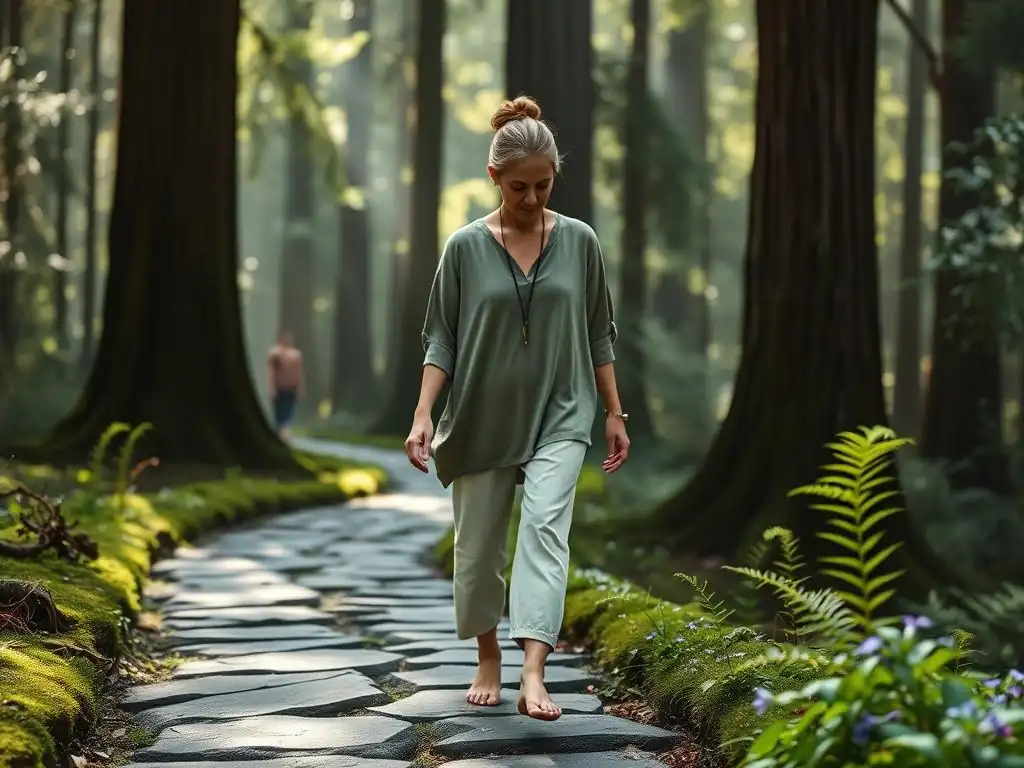
Welcome to Mind Care Guide, a sanctuary for your mental well-being. Feeling overwhelmed by anxiety? You're not alone. Discover the transformative power of walking meditation for anxiety relief, a simple yet profound technique that can help you find calm amidst the chaos. Curious to learn how connecting with your body and surroundings can quiet your racing thoughts? Let's take a step forward, together.
Walking Meditation: Calming Your Mind and Body Simultaneously
- Introduction to Walking Meditation for Anxiety Relief
- Preparing for Your Walking Meditation Practice
-
Step-by-Step Guide to Walking Meditation for Stress Reduction
- Step 1: Finding Your Posture and Grounding Yourself
- Step 2: Focusing on Your Breath and Body Sensations
- Step 3: Paying Attention to the Movement of Your Feet
- Step 4: Dealing with Distractions During Walking Meditation
- Step 5: Expanding Your Awareness to Your Surroundings
- Step 6: Ending Your Walking Meditation Practice Mindfully
- Techniques and Variations in Walking Meditation
- Integrating Walking Meditation into Your Daily Life
- The Science Behind Walking Meditation and Anxiety
- Troubleshooting Common Challenges in Walking Meditation
- Advanced Walking Meditation Practices
- Conclusion: Embracing Walking Meditation for a Calmer, More Balanced Life
- Frequently Asked Questions
- Final Reflection: The Paved Path to Inner Peace
- Unlock Inner Peace: Start Your Walking Meditation Journey Today!
Introduction to Walking Meditation for Anxiety Relief
What is Walking Meditation and How Does it Work?
Walking meditation is a form of mindfulness practice that involves paying deliberate attention to the physical sensations of walking. Unlike simply going for a stroll, the purpose is not to reach a destination or get exercise in the traditional sense, although those are potential side benefits. Instead, the focus is entirely on the present moment experience of putting one foot in front of the other.
This practice invites you to engage your senses, noticing the feeling of your feet touching the ground, the movement of your legs, the swing of your arms, and the rhythm of your breath. It's a way to bring mindfulness into everyday movement, transforming a common activity into an opportunity for introspection and calm.
The mechanism behind its effectiveness, particularly for anxiety relief, lies in its ability to ground you in the present moment. Anxiety often involves worrying about the future or ruminating on the past. By directing your attention to the here and now – the simple act of walking – you gently pull your mind away from anxious thought loops.
The repetitive, rhythmic nature of walking can also have a soothing effect on the nervous system. Combining this physical rhythm with focused awareness helps to interrupt the stress response, promoting a sense of calm and presence. It's a dynamic way to cultivate mindfulness, offering a different avenue than traditional seated meditation for those who find stillness challenging.
The Benefits of Walking Meditation for Mental Well-being
The practice of walking meditation offers a unique blend of physical movement and mental stillness that can profoundly impact mental well-being, especially for those seeking walking meditation for anxiety relief. Regular engagement can lead to a significant reduction in stress hormones like cortisol. Studies, while varied in methodology, often show that incorporating mindful movement into one's routine can decrease self-reported stress levels and improve mood. Beyond stress reduction, it can enhance self-awareness, helping individuals recognize their thought patterns and emotional states without judgment. This non-judgmental observation is crucial for managing difficult emotions, including anxiety.
Furthermore, walking meditation can improve focus and concentration. By training the mind to stay present with the sensations of walking, practitioners develop a greater capacity to direct their attention. This enhanced focus can spill over into other areas of life, making it easier to concentrate on tasks and less likely to get swept away by distracting or anxious thoughts.
The physical aspect of walking also contributes; even moderate physical activity is known to release endorphins, which have mood-boosting effects. Together, the mindful attention and gentle exercise create a powerful tool for cultivating resilience, emotional balance, and providing tangible walking meditation for anxiety relief.
Walking Meditation vs. Traditional Seated Meditation: A Comparison
Traditional seated meditation typically involves finding a comfortable seated posture and focusing on the breath, body sensations, or a mantra while remaining still. It's a powerful practice for cultivating stillness of mind and deep introspection. However, some individuals find it difficult to sit still, especially when experiencing restlessness or high levels of anxiety. The lack of physical movement can sometimes amplify feelings of agitation, making it hard to settle the mind. Seated meditation is excellent for deep dives into consciousness and developing concentration in stillness.
Walking meditation, on the other hand, incorporates gentle, rhythmic movement. This can be particularly beneficial for those who find stillness challenging or whose anxiety manifests as physical restlessness. The movement provides an anchor for the mind that is different from focusing solely on the breath in a static position.
While seated meditation often emphasizes withdrawal from external stimuli, walking meditation integrates awareness with the environment, whether indoors or outdoors. Both practices aim to cultivate mindfulness and presence, but they offer different pathways to achieve this. For many, walking meditation serves as an accessible entry point into mindfulness or a complementary practice that offers walking meditation for anxiety relief in a more active form.
Preparing for Your Walking Meditation Practice
Choosing the Right Location for Mindful Walking
Selecting an appropriate location is key to a successful walking meditation practice, particularly when starting out. A quiet, relatively undisturbed space allows you to focus more easily on your internal experience without excessive external distractions. For beginners, a short, straight path is often ideal, perhaps 10 to 20 paces long.
This could be a hallway in your home, a quiet stretch in your backyard, or a secluded path in a park. The purpose of a short path is to allow you to turn around frequently, bringing mindful attention to the transition itself, rather than focusing on covering a long distance.
As you become more comfortable, you might choose longer paths or more varied environments. However, prioritize safety and minimal interruption. A public park during off-peak hours, a nature trail, or even a quiet street can work.
The goal isn't complete isolation, but rather an environment where you feel secure and can reasonably maintain focus. Being in nature, for instance, can add another layer of sensory experience to enhance the practice. The key is finding a place where you feel comfortable slowing down and bringing your full attention to the act of walking, facilitating walking meditation for anxiety relief by minimizing external stressors.
What to Wear for a Comfortable Walking Meditation Session
Comfort is paramount when preparing for walking meditation to ensure your physical state doesn't become a distraction. Choose clothing that allows for ease of movement and doesn't restrict your breath or circulation. Loose-fitting layers are often a good choice, allowing you to adjust to temperature changes. Avoid tight waistbands, constricting shoes, or anything that feels itchy or irritating. The aim is to minimize physical discomfort so your attention can remain on the meditation itself.
Footwear is particularly important. While some traditional forms of walking meditation are practiced barefoot indoors, for most outdoor or longer practices, comfortable, supportive shoes are essential. Choose shoes you can walk in for an extended period without pain or blisters. The goal is to feel grounded and stable with each step. If practicing indoors on a soft surface, socks might be sufficient, but ensure they provide adequate grip to prevent slipping. By dressing comfortably, you create a foundation that supports your mental focus and allows the benefits of walking meditation for anxiety relief to unfold without unnecessary physical hindrance.
Setting Your Intention: Preparing Your Mind for Meditation
Before you begin your walking meditation, take a moment to pause and set an intention. This mental preparation helps to focus your mind and clarify the purpose of your practice. Your intention doesn't need to be elaborate; it could be as simple as "to be present with each step," "to notice the sensations in my body," or specifically, "to practice walking meditation for anxiety relief." Setting an intention shifts your mindset from a goal-oriented walk to a process-oriented mindful movement.
This brief pause also serves as a transition from whatever you were doing before to the present moment of the meditation. You might take a few deep breaths, gently close your eyes for a moment, or simply stand still and feel your feet on the ground. Acknowledging why you are undertaking this practice reinforces its value and helps you commit to staying present.
Even if the mind wanders later, returning to your initial intention can gently guide you back to the practice. This mindful preparation is a small but powerful step in making your walking meditation session more focused and beneficial.
Step-by-Step Guide to Walking Meditation for Stress Reduction
Step 1: Finding Your Posture and Grounding Yourself
Begin by standing at the start of your chosen path. Allow your body to settle. Stand tall but relaxed, with your spine naturally aligned. Your shoulders can be relaxed, and your hands can be clasped loosely in front or behind you, or simply hang naturally by your sides – choose whatever feels comfortable and least distracting. Let your gaze soften, looking gently downwards a few feet in front of you, or you can close your eyes briefly if you feel stable.
Take a few moments here to simply be. Feel the weight of your body on your feet. Notice the points of contact between your feet and the ground. Allow yourself to feel supported and grounded by the earth beneath you. This initial pause is crucial for transitioning into the meditative state, anchoring you in the present moment before you even take your first step. It creates a foundation of stability from which to begin your mindful movement.
Step 2: Focusing on Your Breath and Body Sensations
Once you feel grounded, bring your awareness to your breath. Notice the natural rhythm of your inhale and exhale without trying to change it. Feel the breath entering and leaving your body. Simultaneously, begin to tune into the sensations throughout your body. Scan your body gently, noticing any areas of tension or ease. Pay attention to how your body feels as you stand there.
As you prepare to walk, continue to hold this gentle awareness of your breath and body. The breath can serve as a consistent anchor throughout your walking meditation. While the primary focus will shift to the movement of your feet, maintaining a background awareness of your breath helps keep you centered. Noticing body sensations also helps to stay present and connected to your physical experience, providing another anchor away from anxious thoughts.
Step 3: Paying Attention to the Movement of Your Feet
This is the core focus of walking meditation. Begin to walk at a slower pace than your usual gait. Lift one foot and notice the sensation of it leaving the ground. Feel the forward movement of your leg. Notice the moment your foot begins to descend. Feel the heel touch the ground, then the ball of the foot, then the toes. Shift your weight onto this foot. Then repeat the process with the other foot.
Break down the movement into distinct phases: lifting, moving forward, lowering, touching the ground, shifting weight. Pay attention to the subtle shifts in balance and pressure. You don't need to intellectualize it; just feel it. The slower pace allows you to notice these sensations in detail. This focused attention on the physical process of walking is a powerful way to anchor your mind firmly in the present moment, which is incredibly effective for walking meditation for anxiety relief.
Step 4: Dealing with Distractions During Walking Meditation

It is inevitable that your mind will wander during walking meditation. You might start thinking about your to-do list, replaying a conversation, or getting caught up in anxious thoughts. This is not a failure; it's simply what minds do. The practice isn't about not having thoughts, but about noticing when your mind has wandered and gently bringing your attention back to the present experience of walking.
When you notice your mind has drifted, acknowledge the thought or distraction without judgment. Simply say to yourself, perhaps internally, "thinking" or "planning" or "worrying." Then, with kindness and patience, deliberately redirect your attention back to the sensations of your feet touching the ground, the movement of your legs, or the rhythm of your breath. Each time you notice wandering and return your focus, you strengthen your capacity for mindfulness and presence. This process is central to using walking meditation for anxiety relief.
Step 5: Expanding Your Awareness to Your Surroundings
Once you feel comfortable focusing on the sensations of walking, you can gradually expand your awareness to include your surroundings. While maintaining primary attention on your feet and body, gently open your awareness to take in what is around you. Notice the sights, sounds, and smells of your environment. You might notice the color of leaves, the sound of birds, the feeling of the air on your skin.
The key is to observe these external stimuli without getting lost in them or letting them pull you away from the present moment of walking. It's about being with your surroundings while still being anchored in your internal experience of movement. This expanded awareness helps to cultivate a sense of connection to the world around you, adding another dimension to your walking meditation practice and further grounding you away from internal anxieties.
Step 6: Ending Your Walking Meditation Practice Mindfully
As you approach the end of your intended walking time or path, prepare to conclude the practice mindfully. Slow your pace even further for the last few steps. Come to a complete stop back at your starting point or a designated end point. Once stopped, stand still for a moment, just as you did at the beginning.
Bring your full awareness back to your body standing still. Notice the sensations in your feet, legs, and torso. Take a few deep breaths. You might reflect briefly on your experience – what did you notice? How do you feel now compared to when you started? Offer yourself a moment of gratitude for taking the time to practice. This mindful conclusion helps to integrate the benefits of the meditation and transition smoothly back into your daily activities, carrying a little bit of that cultivated calm with you.
Techniques and Variations in Walking Meditation
Formal Walking Meditation vs. Informal Mindful Walking
Formal walking meditation is typically practiced in a designated space, often a quiet room or a short outdoor path, for a set duration (e.g., 10-30 minutes). The pace is usually slower than normal, and the focus is deliberately placed on the physical sensations of walking, following a structured approach like the steps outlined above. This dedicated practice time allows for deep immersion and concentrated development of mindfulness skills. It's a specific exercise undertaken with the explicit intention of meditating while moving.
Informal mindful walking, on the other hand, involves bringing mindful awareness to the act of walking during everyday activities. This could be walking to the store, commuting to work, or simply moving from one room to another. The pace is often closer to a normal walking speed, and the focus might be less intense than in formal practice.
The goal is to integrate moments of presence into your daily life, noticing the sensations of walking, the environment, and your breath as you go about your tasks. Both formal and informal approaches are valuable; formal practice builds the skill, while informal practice helps integrate walking meditation for anxiety relief into the fabric of daily living.
Walking Meditation with a Mantra or Affirmation
Incorporating a mantra or affirmation can add another layer to your walking meditation practice, providing an additional anchor for the mind. A mantra is typically a word or phrase repeated silently or softly. For walking meditation, you might coordinate the mantra with your steps or breath. For example, you could silently say "in" as you step with one foot and "out" as you step with the other, or "calm" on the left step and "peace" on the right.
An affirmation is a positive statement that you repeat to yourself, such as "I am present," "I am safe," or "With each step, I release anxiety." Repeating an affirmation while walking can help to counter negative thought patterns and cultivate a more positive mindset. This technique is particularly useful when seeking walking meditation for anxiety relief, as affirmations can directly address feelings of worry or fear. Experiment with different mantras or affirmations to find what resonates with you and supports your practice.
Varying Your Pace: Slow and Moderate Walking Meditation
While slow, deliberate walking is commonly taught in formal walking meditation to allow for detailed sensory awareness, varying your pace can offer different benefits and adapt the practice to different situations. A very slow pace, almost like a moving contemplation, allows for heightened sensitivity to the subtle mechanics of walking and deep grounding. This is often recommended for beginners or for cultivating deep calm.
A more moderate, yet still mindful, pace can be integrated into everyday walks. While you might not dissect each micro-movement of the foot, you can still maintain awareness of your breath, the rhythm of your steps, and your surroundings. This moderate pace can also provide a gentle physical workout, combining the mood-boosting effects of exercise with the mental benefits of mindfulness. Practicing at different paces allows you to explore how speed affects your ability to stay present and utilize walking meditation for anxiety relief in various contexts.
Incorporating Nature into Your Walking Meditation Practice
Walking meditation in nature offers a rich sensory experience that can significantly enhance the practice and deepen its calming effects. Being outdoors, surrounded by trees, plants, natural sounds, and fresh air, provides a powerful environment for grounding and presence. As you walk, you can mindfully engage with the natural world: noticing the textures of bark, the colors of leaves and flowers, the sounds of birds or insects, the feeling of the breeze on your skin, and the scent of damp earth or blossoms.
This mindful interaction with nature adds layers of sensory input that can make it easier to stay present and pull your attention away from internal chatter. Research suggests that spending time in nature itself has numerous mental health benefits, including reducing rumination and improving mood. Combining the practice of walking meditation with the healing power of nature creates a potent synergy for stress reduction and is an excellent way to practice walking meditation for anxiety relief, connecting you both with yourself and the wider living world.
Integrating Walking Meditation into Your Daily Life
Making Time for Walking Meditation in a Busy Schedule
Integrating walking meditation into a busy life requires intentionality, but it doesn't necessarily demand large blocks of time. Even short periods, like 5-10 minutes, can be beneficial. Look for opportunities to transform existing walks into mindful ones. Can your walk to the coffee maker, the bus stop, or between meetings become a mini-meditation? Schedule it like any other important appointment, perhaps first thing in the morning, during a lunch break, or in the evening to wind down.
Start small and build consistency. A commitment to 5 minutes daily is more effective than planning an hour that never happens. Consider combining it with other activities you already do, like walking the dog or going for a walk after dinner. The key is to prioritize these moments of mindful movement. Recognizing that even brief periods of walking meditation can offer significant walking meditation for anxiety relief can motivate you to find and create these opportunities throughout your day.
Using Walking Meditation for Anxiety Relief on the Go
Walking meditation is uniquely portable and can be practiced almost anywhere you can walk, making it an excellent tool for managing anxiety in real-time. If you feel anxiety rising before a meeting, during a commute, or in a crowded place, you can use the simple act of walking mindfully to ground yourself. Even walking down a hallway or across a room can become a brief practice session.
In these moments, you might not be able to slow down significantly or close your eyes, but you can still bring awareness to your breath, the sensation of your feet on the ground, and your body moving. This simple act of focusing on physical sensations can interrupt the cycle of anxious thoughts and bring you back to the present moment. Practicing walking meditation for anxiety relief on the go is about making mindfulness a readily available resource whenever you need it most.
Combining Walking Meditation with Other Mindfulness Practices
Walking meditation can be a powerful standalone practice, but it also complements other mindfulness and well-being techniques. Many people alternate between seated meditation and walking meditation during longer practice sessions or retreats. The movement of walking meditation can help to release physical restlessness built up during seated practice, while seated practice can deepen the stillness cultivated during walking.
It can also be combined with practices like body scanning, where you bring awareness to different parts of your body as you walk, or loving-kindness meditation, where you send kind thoughts to yourself and others with each step. Integrating mindful walking into a broader mindfulness routine enhances overall presence and emotional regulation. For those seeking comprehensive walking meditation for anxiety relief, combining it with practices like deep breathing exercises or journaling can create a robust toolkit for managing stress and cultivating inner calm.
The Science Behind Walking Meditation and Anxiety
Research on the Benefits of Walking Meditation for Mental Health
While research specifically on walking meditation is still growing compared to seated meditation, studies on the combined effects of mindful movement and physical activity offer compelling insights. Research indicates that regular physical activity alone can significantly reduce symptoms of anxiety and depression, potentially by 20-30% or more in some populations, though individual results vary widely. When mindfulness is added to movement, the benefits appear to be enhanced.
For example, studies on mindful walking programs often show improvements in mood, reduced stress levels, and increased feelings of well-being. A study involving participants with moderate anxiety might report a noticeable decrease in self-reported anxiety scale scores after an 8-week mindful walking intervention. While pinpointing exact percentage reductions requires specific study data, the general trend across research supports the effectiveness of combining movement and mindfulness for mental health benefits, making it a promising approach for walking meditation for anxiety relief.
How Walking Meditation Affects the Brain and Nervous System
Walking meditation influences the brain and nervous system in several beneficial ways. The repetitive, rhythmic nature of walking can activate the parasympathetic nervous system, often called the "rest and digest" system, which counteracts the "fight or flight" response associated with anxiety. This shift helps lower heart rate, blood pressure, and stress hormone levels.
Mindfulness practices, including walking meditation, have been shown to increase activity in the prefrontal cortex, the part of the brain responsible for executive functions like attention, decision-making, and emotional regulation. Simultaneously, they can decrease activity in the amygdala, the brain's fear center, which is often overactive in individuals with anxiety disorders. Furthermore, physical activity releases endorphins, natural mood elevators. The combined effect is a reduction in physiological arousal associated with anxiety and an increase in brain capacity for managing emotional responses, offering a neurobiological basis for walking meditation for anxiety relief.
Walking Meditation as a Complementary Therapy for Anxiety Disorders
Given its effects on the nervous system and brain, walking meditation can serve as a valuable complementary therapy for individuals managing anxiety disorders. It is not a replacement for professional medical or therapeutic treatment, but it can be used alongside traditional approaches like therapy (e.g., CBT) and medication. Its accessibility and gentle nature make it suitable for many people.
Incorporating walking meditation into a treatment plan can provide patients with a practical, self-management tool to use when anxiety arises. For instance, someone experiencing heightened anxiety might use a 15-minute mindful walk to help ground themselves and reduce immediate distress. Anecdotal evidence from therapists and patients often highlights how mindful movement practices help individuals feel more in control of their anxiety symptoms and build resilience over time. As a low-impact, non-pharmacological intervention, walking meditation for anxiety relief offers a gentle yet effective path towards greater emotional balance.
Troubleshooting Common Challenges in Walking Meditation
Dealing with Physical Discomfort During Walking Meditation
Physical discomfort can be a significant distraction during walking meditation. This might include aching feet, tight muscles, or joint pain. It's important to first rule out any underlying medical issues; if pain is persistent or severe, consult a healthcare professional. Assuming no serious condition, discomfort can often be managed within the practice itself.
Instead of ignoring the discomfort, try bringing mindful awareness to it. Acknowledge the sensation without judgment. Where exactly is the pain located? What is its quality – is it dull, sharp, throbbing? Can you breathe into the area?
Sometimes, simply observing the sensation without resistance can lessen its intensity. Adjusting your pace, changing your posture slightly, or ensuring you have appropriate footwear can also help. If the discomfort is too great, it's okay to pause, stretch, or end the session early. The goal is not to endure pain but to cultivate awareness, and sometimes that means mindfully addressing or backing away from discomfort.
Overcoming Mental Restlessness and Wandering Thoughts
Mental restlessness and a constant stream of wandering thoughts are perhaps the most common challenges in any mindfulness practice, including walking meditation. It can feel frustrating when your mind seems determined to be anywhere but the present moment, especially when you're seeking walking meditation for anxiety relief and the thoughts are anxious ones. Remember that a wandering mind is normal, not a sign of failure.
The key is patient, non-judgmental awareness and gentle redirection. Each time you notice your mind has wandered – whether to a past event, future worry, or random thought – simply acknowledge it ("thinking," "planning," "worrying") and kindly guide your attention back to your primary anchor, which is usually the sensation of your feet on the ground. It's like training a puppy; you gently but firmly bring it back to the desired spot. Don't criticize yourself for wandering; celebrate each moment you remember to return to the present. With practice, the periods of presence will gradually lengthen.
Staying Present in the Moment: Tips for Mindful Awareness
Cultivating mindful awareness during walking meditation is an ongoing process that requires practice and patience. Beyond gently returning from distractions, there are strategies to help you stay present. Engage your senses deliberately: really feel the ground beneath your feet, hear the sounds around you without labeling them, see the colors and textures of your environment without getting lost in thought about them.
Using the breath as a secondary anchor can also be helpful; notice the rhythm of your inhale and exhale as you walk. Break down the walking movement into very small, distinct steps if you find your mind racing – focusing intensely on "lifting," "moving," "placing," "shifting weight" can occupy the mind just enough to stay present. Practicing regularly, even for short periods, is the most effective way to strengthen your ability to stay present. Consistency builds the mental muscle needed for sustained mindful awareness and enhanced walking meditation for anxiety relief.
Advanced Walking Meditation Practices
Walking Meditation with Open Awareness
Once you are comfortable focusing on specific anchors like the feet or breath, you can explore walking meditation with open awareness. This practice involves broadening your field of attention to include everything that arises in your experience – physical sensations, sounds, sights, thoughts, and emotions – without focusing on any one thing in particular. As you walk, you simply notice whatever comes into your awareness, allowing it to be there without judgment or attachment, and without getting drawn into narratives about it.
It's like having a wide-angle lens on your experience, rather than a zoom lens focused on your feet. You notice the feeling of your legs moving, the sound of a distant car, a thought about dinner, a feeling of warmth – all arising and passing in the field of awareness as you continue to walk. This practice cultivates a spaciousness in the mind and can deepen your capacity to observe your inner and outer world with equanimity. It's a more subtle practice than focused attention, requiring a stable foundation in basic mindfulness.
Walking Meditation and Loving-Kindness
Combining walking meditation with loving-kindness (Metta) practice can cultivate compassion and warmth while engaging in mindful movement. As you walk, you can silently repeat phrases of loving-kindness, directing them towards yourself, loved ones, neutral persons, difficult persons, and eventually all beings. For example, you might coordinate phrases like "May I be happy, may I be well" with your steps.
This practice adds an emotional dimension to the physical meditation. The rhythmic movement can help to embody the feeling of sending kindness outwards, while the loving-kindness phrases can soften the mind and heart. This combination is particularly potent for transforming difficult emotions, including anxiety, by cultivating a sense of connection and compassion. It shifts the focus from internal discomfort to outward-flowing warmth, providing a different pathway for walking meditation for anxiety relief that involves the heart as well as the mind and body.
Deepening Your Connection to Nature Through Walking Meditation
For those who enjoy practicing outdoors, walking meditation can become a powerful way to deepen your connection to the natural world. Moving beyond simply noticing sights and sounds, this involves cultivating a sense of interdependence and reverence for nature. As you walk, you might reflect on your connection to the earth beneath your feet, the air you breathe, the water cycle, or the life cycle of plants and animals around you.
This practice encourages a shift in perspective, seeing yourself not as separate from nature, but as an integral part of it. You might mindfully touch leaves or bark, stand still to feel the energy of a tree, or observe the intricate details of an insect or flower with deep appreciation. This deeper connection can be incredibly grounding and awe-inspiring, fostering a sense of peace and belonging that can be profoundly healing, particularly when seeking walking meditation for anxiety relief rooted in a sense of disconnection.
Conclusion: Embracing Walking Meditation for a Calmer, More Balanced Life
Walking meditation offers a practical, accessible, and powerful path to cultivating mindfulness and finding walking meditation for anxiety relief. By intentionally bringing your awareness to the simple act of walking, you create an opportunity to ground yourself in the present moment, interrupt anxious thought patterns, and connect more deeply with your body and surroundings.
Whether practiced formally on a quiet path or informally during your daily commute, this dynamic form of meditation provides a unique blend of physical movement and mental stillness. It's a versatile tool that can be adapted to suit different needs, paces, and environments. By embracing walking meditation, you gain a valuable skill for navigating the stresses of modern life with greater ease, presence, and calm, stepping towards a more balanced and peaceful existence, one mindful step at a time.
Frequently Asked Questions
What is walking meditation and how does it differ from sitting meditation?
Walking meditation is a mindfulness practice that involves paying attention to the sensations of walking, such as the feeling of your feet on the ground. Unlike sitting meditation, it encourages movement and can be a more accessible option for those who find it difficult to sit still. It focuses on present moment awareness while in motion.
How can walking meditation help with anxiety relief?
Walking meditation can help reduce anxiety by shifting your focus from anxious thoughts to the physical sensations of walking. This allows you to ground yourself in the present moment and interrupt the cycle of rumination that often fuels anxiety. It promotes relaxation and reduces stress hormones.
Where can I practice walking meditation?
You can practice walking meditation almost anywhere, but quieter environments like parks or gardens are often preferred. The key is to find a space where you can walk slowly and mindfully without distractions. Even a small indoor space can work.
How long should a walking meditation session last?
There's no set time limit, but even 10-15 minutes of walking meditation can be beneficial. You can gradually increase the duration as you become more comfortable with the practice. Consistency is key, even short daily sessions are effective.
What if my mind wanders during walking meditation?
It's completely normal for your mind to wander. The key is to gently redirect your attention back to the sensations of walking without judgment. Acknowledge the thought and then refocus on your feet and the rhythm of your steps.
Final Reflection: The Paved Path to Inner Peace
The simple act of walking, when approached with mindful intention, offers a powerful antidote to the anxieties of modern life. In a world saturated with constant stimulation and relentless demands, the practice of walking meditation provides a readily accessible tool for cultivating inner calm and restoring a sense of equilibrium. It's a technique that transcends age, background, and physical limitations, making its accessibility a testament to its enduring power.
The profound impact of walking meditation on my own life, and the lives of those I've shared it with, has been nothing short of transformative. It's a practice that gently unravels the knots of stress, allowing us to reconnect with the present moment and appreciate the subtle beauty of our surroundings. As Thich Nhat Hanh so eloquently stated, Walk as if you are kissing the Earth with your feet.
This simple act of mindful walking embodies the essence of the practice, transforming a mundane activity into a profound spiritual experience. It's a reminder that peace isn't a destination, but a way of being, cultivated through consistent, gentle practice.
Now, I invite you to take this reflection and integrate it into your own life. Begin with just five minutes of mindful walking, paying attention to the sensation of your feet on the ground, the rhythm of your breath, and the world unfolding around you. Let this practice become a daily ritual, a refuge from the storm of daily life. Observe how it shifts your perspective, reduces your anxiety, and fosters a deeper connection with yourself and the world. The path to inner peace begins with a single, mindful step.
Unlock Inner Peace: Start Your Walking Meditation Journey Today!
Thanks for taking the time to explore the power of walking meditation with Mind Care Guide. We hope you've gained valuable insights into calming your mind and body through mindful movement. Now it's time to put those insights into practice!
Here's how you can deepen your connection with this powerful practice:
- Begin your first walking meditation today! Find a quiet space, even just for 5 minutes, and focus on your breath and the sensation of your feet on the ground. This is your primary step towards finding inner peace.
- Share your experience: Tell a friend or family member about your walking meditation practice. Sharing your journey can help solidify your commitment and inspire others.
- Try a guided walking meditation – explore different approaches to find what resonates with you. This will deepen your understanding and allow for a more enriching practice.
Ready to embrace a more mindful and peaceful way of life? What small step will you take today to incorporate walking meditation into your routine?