
The Gentle Path to Presence: Exploring Guided Meditation

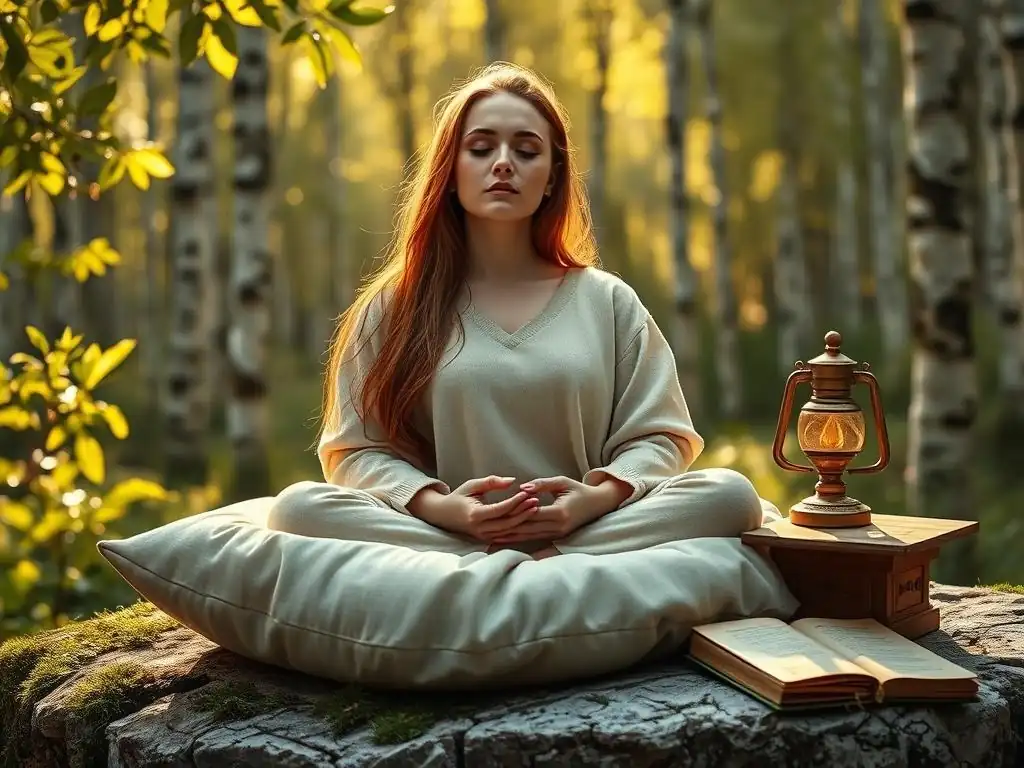
Welcome to Mind Care Guide, a safe space dedicated to nurturing your mental well-being.
Feeling overwhelmed? You're not alone. Many find solace in simple practices that ground us in the present. That's why we're diving deep into a powerful tool for finding inner peace: guided meditation. Discover how guided meditation for anxiety relief can be your gentle path to presence, offering a moment of calm amidst the storm. Curious to learn more? Let's begin...
The Gentle Path to Presence: Exploring Guided Meditation
- Understanding Guided Meditation: A Pathway to Calm
- Mastering Guided Meditation Techniques for Anxiety
- Guided Meditation for Anxiety Relief: Practical Exercises
- Troubleshooting Common Challenges in Guided Meditation
- Advanced Guided Meditation Practices for Deeper Relaxation
- Measuring the Effectiveness of Guided Meditation for Your Well-being
- The Future of Guided Meditation: Innovations and Trends
-
Frequently Asked Questions
- What is guided meditation, and how does it differ from regular meditation?
- How can guided meditation specifically help with anxiety relief?
- How often should I practice guided meditation to see noticeable improvements in my anxiety levels?
- What are some effective types of guided meditation for anxiety relief, and where can I find them?
- Is guided meditation a substitute for professional mental health treatment for anxiety?
- Final Reflection: Finding Stillness in a Restless World
- Unveil Your Inner Peace: Start Your Meditation Journey Today
Understanding Guided Meditation: A Pathway to Calm
Guided meditation offers a structured approach to mindfulness, providing verbal cues and instructions to help individuals focus their attention and cultivate a state of relaxation and awareness. It's a practice that has gained significant traction as a tool for managing stress and improving overall mental well-being. For those seeking effective strategies for handling feelings of unease, exploring guided meditation for anxiety relief presents a promising avenue.
What is Guided Meditation and How Does it Work?
Guided meditation involves a practitioner or recording leading participants through a meditation session. This guidance can include instructions on breathing techniques, body awareness, visualization, or focusing on specific thoughts or feelings without judgment. The core mechanism involves shifting attention away from distracting or anxiety-provoking thoughts and gently redirecting it to the present moment, often anchored by the breath or bodily sensations. Unlike silent meditation, the guidance provides a framework that can be particularly helpful for beginners or those whose minds tend to wander excessively, making the practice more accessible and less intimidating.
The process typically begins with settling into a comfortable position, followed by instructions to relax the body. The guide then directs attention to the breath, sensations, or imagery, gently bringing the focus back whenever the mind drifts. This repeated act of noticing the distraction and returning to the present moment strengthens the 'mindfulness muscle' and helps train the brain to be less reactive to anxious thoughts. Over time, this practice can reduce the intensity and frequency of worry, making guided meditation for anxiety relief a practical coping strategy.
The Science Behind Guided Meditation for Anxiety Reduction
Research into the neurological effects of meditation, including guided forms, has shown promising results regarding anxiety reduction. Studies utilizing fMRI scans have indicated that regular meditation practice can lead to changes in brain structure and function, particularly in areas associated with stress and emotional regulation. For instance, the amygdala, often referred to as the brain's fear center, has been shown to exhibit reduced activity in experienced meditators when exposed to emotionally challenging stimuli. This suggests a decreased stress response.
Furthermore, guided meditation appears to strengthen the prefrontal cortex, the area responsible for executive functions like attention, decision-making, and emotional control. A study published in JAMA Internal Medicine in 2014, reviewing multiple trials, found that mindfulness meditation programs, which often include guided elements, had moderate evidence of improving anxiety symptoms. While more extensive research is always ongoing, the current scientific understanding supports the idea that regular engagement with guided meditation for anxiety relief can foster neurobiological changes that promote calmness and emotional resilience.
Benefits of Guided Meditation: Beyond Anxiety Relief
While guided meditation for anxiety relief is a significant benefit, the practice offers a wide array of positive impacts on mental and physical health. Regular engagement can lead to improved sleep quality, as the practice helps calm the nervous system and reduce the mental chatter that often interferes with falling asleep. Many individuals also report enhanced focus and concentration in their daily tasks, a direct result of the training in sustained attention that meditation provides.
Beyond these cognitive benefits, guided meditation can foster greater self-awareness and emotional regulation. By observing thoughts and feelings without judgment, individuals become better equipped to understand their emotional landscape and respond to challenges with more composure rather than reactivity. This increased emotional intelligence extends to improved relationships, as enhanced empathy and understanding often develop. Anecdotal evidence from practitioners often highlights a general increase in feelings of peace, contentment, and a greater appreciation for the present moment, contributing to a more fulfilling life overall.
Mastering Guided Meditation Techniques for Anxiety
Effectively using guided meditation for anxiety relief involves understanding different approaches and finding what resonates best with your personal needs and preferences. Various techniques focus on different aspects of awareness, each offering a unique path towards calmness and presence. Experimenting with these different styles can help you build a versatile toolkit for managing anxious feelings.
Types of Guided Meditations for Different Needs
Choosing the right type of guided meditation can significantly impact its effectiveness, especially when targeting specific challenges like anxiety. Some techniques are designed to ground you in physical reality, while others use imagination or cultivate positive emotions.
Body Scan Meditation for Anxiety
Body scan meditation is a grounding technique that involves systematically bringing awareness to different parts of the body, noticing physical sensations without judgment. It typically begins by focusing on the toes and slowly moving up through the legs, torso, arms, neck, and head. This practice helps anchor your attention in the present moment through physical sensations, diverting focus from anxious thoughts about the past or future.
For individuals experiencing anxiety, particularly somatic anxiety (physical symptoms like tension, rapid heartbeat), a body scan can be incredibly helpful. By mindfully observing these sensations without trying to change them, you can learn to tolerate physical discomfort and reduce your reactivity to it. Many people find that simply noticing tension in the shoulders or tightness in the chest through a body scan helps to gently release it, promoting a sense of relaxation and reducing the physical manifestations of anxiety.
Visualization Meditation for Stress and Worry
Visualization meditation uses imagery to create a calming mental escape or to process difficult emotions symbolically. A common technique involves imagining a peaceful place, such as a serene beach or a quiet forest, engaging all the senses to make the scene vivid. This mental journey can provide a temporary respite from worrying thoughts and activate the body's relaxation response.
Another approach uses visualization to confront or release anxiety. For example, one might imagine placing worries onto leaves floating down a stream or enclosing them in bubbles that drift away. This technique helps externalize anxious thoughts, making them feel less overwhelming and more manageable. While some people find visualization very effective, others might find it challenging; it often requires practice to fully immerse oneself in the imagined scene, but it can be a powerful form of guided meditation for anxiety relief.
Loving-Kindness Meditation for Self-Compassion and Anxiety
Loving-kindness meditation, also known as Metta meditation, cultivates feelings of warmth, compassion, and acceptance towards oneself and others. It typically involves silently repeating phrases such as "May I be happy. May I be healthy. May I be safe. May I live with ease." These phrases are first directed towards oneself, then towards loved ones, neutral persons, difficult persons, and finally towards all beings.
This practice is particularly beneficial for anxiety that stems from self-criticism, fear of judgment, or interpersonal difficulties. By actively cultivating kindness towards oneself, it counteracts the harsh inner dialogue that often accompanies anxiety. Extending this kindness to others can also reduce social anxiety and feelings of isolation. While it may feel unnatural at first, consistent practice of loving-kindness meditation can foster a more compassionate internal environment, significantly easing the burden of anxiety.
Preparing for Your Guided Meditation Session: Setting the Stage for Success
Effective guided meditation for anxiety relief isn't just about the meditation itself; the preparation plays a crucial role in creating an environment conducive to relaxation and focus. Taking a few simple steps beforehand can enhance your experience and deepen the benefits you receive from the practice.
Creating a Calm and Quiet Environment
Choosing a suitable location is paramount. Find a space where you are unlikely to be interrupted for the duration of your meditation, whether it's 5 minutes or 30. This could be a quiet corner of your home, a park bench, or even a designated spot in your office during a break. Minimize potential distractions: silence your phone or put it on airplane mode, inform others in your household that you need quiet time, and close doors or windows if external noise is an issue.
Consider the sensory aspects of your space. Dim lighting can be soothing, and a comfortable room temperature prevents physical distraction. Some people find gentle background sounds like nature sounds or soft instrumental music helpful, while others prefer complete silence. The goal is to create a sanctuary, however temporary, where your mind can feel safe to settle without the constant intrusion of external stimuli, making it easier to engage in guided meditation for anxiety relief.
Choosing the Right Guided Meditation Audio or Script
The quality and style of the guidance can significantly impact your experience. With countless options available online through apps, websites, and podcasts, it's worth exploring to find a voice and approach that resonates with you. Some people prefer a calm, gentle voice, while others might find a more energetic or instructional style more engaging.
Consider the length and focus of the meditation. If you're new to the practice or experiencing high levels of anxiety, start with shorter meditations, perhaps 5-10 minutes, and those specifically labeled as "guided meditation for anxiety relief" or "calming." Read descriptions or listen to samples to ensure the content aligns with your needs. Some guides focus heavily on the breath, others on body sensations, and some on positive affirmations or visualizations. Don't hesitate to try different sources until you find a guide whose voice and method feel supportive and effective for you.
Comfortable Posture and Breathing Techniques
Finding a comfortable posture is essential to avoid physical distractions during meditation. You can sit on a cushion on the floor with legs crossed, sit on a chair with feet flat on the ground, or even lie down if you are comfortable doing so without falling asleep. The key is to keep your spine relatively straight yet relaxed, allowing for ease of breathing. Your hands can rest comfortably in your lap or on your knees.
While specific breathing instructions are often included in guided meditations, starting with conscious breathing can help prepare your body and mind. Simple deep breathing – inhaling slowly through the nose, filling the belly, and exhaling slowly through the mouth – can activate the parasympathetic nervous system, promoting relaxation before the guided portion even begins. Many guided meditations will direct your attention to your natural breath or suggest specific breathing patterns, making conscious breathing a fundamental element of the practice.
Guided Meditation for Anxiety Relief: Practical Exercises
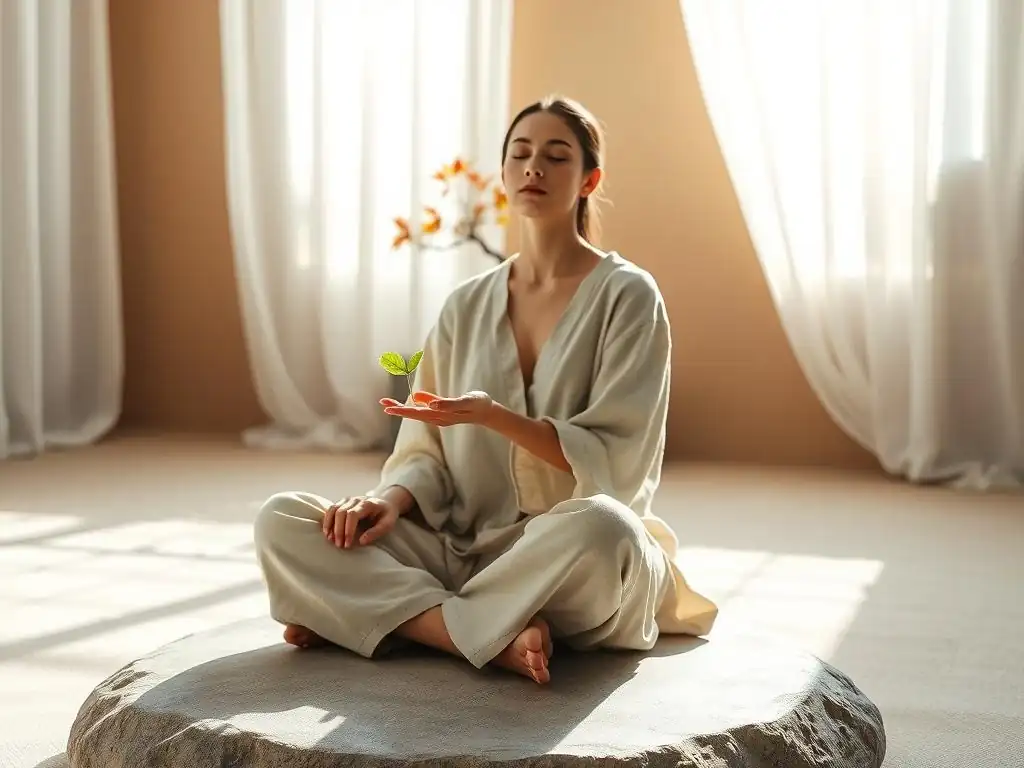
Putting guided meditation into practice is the most important step. Understanding the 'how-to' and knowing where to find resources can empower you to integrate this powerful tool into your life. Let's look at a sample structure and where to find guidance.
A Sample Guided Meditation Script for Anxiety
While full scripts vary greatly, a basic structure for a guided meditation focused on anxiety relief might look something like this:
[Beginning - Settling In]
"Find a comfortable position... sitting or lying down... gently close your eyes if that feels safe... Take a deep breath in through your nose... and exhale slowly through your mouth... Repeat this a few times... allowing your shoulders to relax... your jaw to soften... Notice the weight of your body... supported by the surface beneath you..."

[Body Awareness/Anchoring]
"Bring your attention now to your breath... Not trying to change it in any way... just noticing the natural rhythm... the gentle rise and fall of your chest or belly... Feel the air entering your nostrils... and leaving... If your mind wanders, that's okay... it's natural... Just gently guide your attention back to the breath... like a gentle hand returning a balloon..."

[Acknowledging and Releasing Anxiety]
"Now, without judgment, notice any feelings of anxiety or tension that might be present... Perhaps a tightness in your chest... a knot in your stomach... or racing thoughts... Acknowledge these feelings... saying silently, 'Hello anxiety'... or 'I notice this tension'... You don't need to fix it or push it away... just notice it... Now, imagine each anxious thought or sensation... as a cloud drifting across the sky... You can watch it... without getting pulled into it... See it appear... and then gently drift away... carried by the wind of your breath..."

[Cultivating Calm/Return]
"Bring your awareness back to your breath... steady and constant... Feel the sense of calm that is always available beneath the surface... Rest here for a few moments... simply being... When you're ready... gently bring your awareness back to your body... Wiggle your fingers and toes... Take a slightly deeper breath... And when you feel ready, slowly open your eyes..."
This structure moves from grounding to acknowledging discomfort, using imagery for release, and returning to a state of calm presence. Many guided meditations for anxiety relief follow a similar flow, adapting the language and specific techniques.
Finding Guided Meditation Resources Online: Apps, Websites, and Podcasts
The digital landscape offers a vast and accessible library of guided meditation resources, making it easier than ever to find practices tailored for anxiety relief. Popular meditation apps like Headspace, Calm, Insight Timer, and Ten Percent Happier offer extensive libraries of guided sessions, often categorized by duration, theme (like sleep, stress, anxiety), and instructor. Many provide free introductory courses or daily meditations, with subscription options for full access.
Websites dedicated to mindfulness and mental wellness also host guided meditations. Platforms like UCLA Health's Mindful Awareness Research Center or Palouse Mindfulness offer free audio guides. Additionally, podcasts like "The Daily Meditation Podcast" or "Mindful Minutes" provide regular guided sessions you can download or stream. When searching, use terms like " guided meditation for anxiety relief," "stress reduction meditation," or "calming meditation" to find relevant content. Always listen to a short sample first to ensure the guide's voice and style are a good fit for you.
Incorporating Guided Meditation into Your Daily Routine for Lasting Impact
Consistency is key to experiencing the full benefits of guided meditation for anxiety relief. Aim to make it a regular part of your day, even if only for 5-10 minutes initially. Think of it like building a muscle – the more you practice, the stronger your ability to manage anxiety becomes. Consider scheduling your meditation at a specific time each day, such as first thing in the morning to set a calm tone, during a lunch break to de-stress, or before bed to unwind.
Start small and be patient with yourself. If you miss a day, don't view it as a failure; simply return to the practice the next day. Some people find it helpful to stack meditation with an existing habit, like after brushing their teeth or before their first cup of coffee. Tracking your practice can also provide motivation and insight into its impact on your anxiety levels. Over time, this consistent engagement helps build resilience and makes guided meditation a reliable tool in your anxiety management strategy.
Troubleshooting Common Challenges in Guided Meditation
Even with the best intentions and guidance, practicing meditation, especially guided meditation for anxiety relief, can present challenges. It's important to view these not as failures, but as natural parts of the learning process. Understanding common hurdles and developing strategies to overcome them can help you maintain a consistent and beneficial practice.
Dealing with a Wandering Mind During Meditation
One of the most frequent challenges in meditation is the mind wandering away from the intended focus, often drifting into thoughts about the past, future, or current worries. This is particularly true when using guided meditation for anxiety relief, as the very thoughts you're trying to manage can become distractions. It's crucial to understand that a wandering mind is not a sign of failure; it's simply what minds do. The practice isn't about stopping thoughts, but about noticing them without judgment and gently returning your attention to the anchor (like the breath or the guide's voice).
When you notice your mind has wandered, simply acknowledge it with kindness – perhaps a silent "thinking" or "wandered" – and without self-criticism, guide your attention back to the meditation. Think of yourself as a friendly shepherd gently guiding a sheep back to the flock. The more you practice this gentle redirection, the better you become at recognizing when your mind has strayed and bringing it back with less effort. Over time, the periods of focused attention may lengthen, but the act of returning is the core practice itself.
Overcoming Resistance to Meditation: Tips and Strategies
Sometimes, despite knowing the benefits, you might feel a strong resistance to practicing guided meditation, especially when you're feeling anxious. This resistance can manifest as procrastination, feeling too restless to sit still, or believing you're "not good at it." Recognize that this resistance is often the anxiety itself trying to keep you in your comfort zone, even if that zone is uncomfortable.
One strategy is to commit to a very short duration, perhaps just 3-5 minutes. Tell yourself you only need to do this small amount, which makes the task feel less daunting. Often, once you start, you might find yourself continuing for longer.
Another tip is to explore different types of guided meditations – maybe a walking meditation or a movement-based guide would be more appealing than a seated one on a particular day. Finding an accountability partner or joining a meditation group can also provide external motivation. Remember why you want to practice guided meditation for anxiety relief and gently encourage yourself to show up for yourself, even when it feels difficult.
Adjusting Your Practice to Suit Your Individual Needs
Meditation is not a one-size-fits-all practice. What works wonders for one person might not be the best fit for another, and your needs can change from day to day. It's important to be flexible and willing to adjust your guided meditation practice to suit your current state and individual needs.
If you find seated meditation challenging due to restlessness, try a walking guided meditation or a body scan while lying down. If a particular guide's voice or style is irritating, explore others. If you're feeling overwhelmed by a long session, switch to a shorter one.
Some days, focusing on the breath might feel impossible; on those days, perhaps a visualization or loving-kindness meditation would be more accessible. Pay attention to how different techniques and durations affect you and be empowered to choose the practice that feels most supportive for your anxiety relief on any given day. Your practice should serve you, not the other way around.
Advanced Guided Meditation Practices for Deeper Relaxation
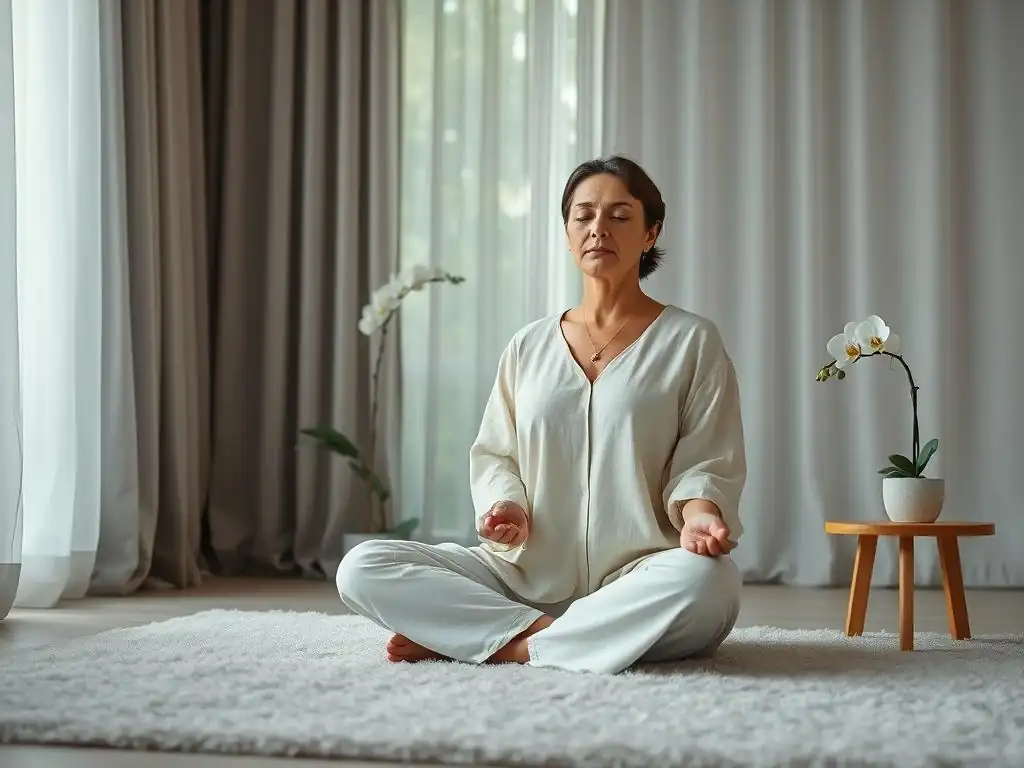
Once you've established a consistent practice of guided meditation for anxiety relief, you might find yourself ready to explore more advanced techniques or integrate meditation more deeply into your life. These steps can lead to profound levels of relaxation, self-understanding, and emotional resilience.
Exploring Different Meditation Themes and Styles
Beyond the basic techniques like body scans and visualization, the world of guided meditation offers a rich tapestry of themes and styles. You can find guided meditations focused on cultivating gratitude, forgiveness, patience, or joy. Some meditations are specifically designed for challenging emotions, guiding you through acknowledging and sitting with feelings like sadness or anger in a mindful way. Others might focus on specific life situations, such as guided meditations for difficult conversations, transitions, or creativity.
Exploring these diverse themes allows you to tailor your practice to specific areas of your life or emotional landscape. For instance, if your anxiety is linked to interpersonal issues, a guided meditation on compassion or forgiveness might offer significant relief. If you're feeling stuck or uninspired, a creativity-focused meditation could help. Don't hesitate to venture beyond the "anxiety relief" label and discover how broader mindfulness themes can indirectly yet powerfully support your mental well-being.
Combining Guided Meditation with Other Mindfulness Practices
Guided meditation is just one facet of mindfulness. Integrating it with other mindfulness practices can create a more holistic approach to managing anxiety and enhancing presence. Mindful movement, such as gentle yoga or Qigong, can help release physical tension often held in the body due to anxiety. Mindful eating involves paying full attention to the experience of eating, engaging the senses and slowing down, which can be a grounding practice.
Another valuable combination is pairing guided meditation with mindful journaling. After a meditation session, taking a few minutes to write down any insights, feelings, or observations can help process the experience and deepen self-awareness. Simply noting how you feel before and after a session can also reinforce the benefits of guided meditation for anxiety relief. By weaving these practices together, you create a lifestyle of mindfulness that extends beyond your formal meditation time.
The Role of a Meditation Teacher or Guide
While countless excellent guided meditations are available through apps and recordings, working with a live meditation teacher or guide can offer unique benefits, especially when navigating persistent anxiety. A teacher can provide personalized instruction, answer specific questions about your practice, and offer insights tailored to your individual challenges. They can help you troubleshoot difficulties, such as persistent mind wandering or physical discomfort, in real-time.
Participating in live guided meditation sessions, whether in person or online, can also foster a sense of community and shared practice, which many people find supportive. A teacher can introduce you to a wider range of techniques and provide deeper context about the principles of mindfulness and meditation. While not essential for everyone, seeking guidance from an experienced teacher can accelerate your progress, deepen your understanding, and make your journey with guided meditation for anxiety relief even more impactful.
Measuring the Effectiveness of Guided Meditation for Your Well-being
Understanding how guided meditation is impacting your anxiety levels and overall well-being is important for staying motivated and refining your practice. While the effects can be subtle and gradual, there are ways to observe and track the changes over time.
Tracking Your Progress and Identifying Improvements
Keeping a simple journal or using a tracking app can be an effective way to measure the impact of guided meditation for anxiety relief. Before and after a meditation session, you might note your anxiety level on a scale of 1 to 10, or jot down a few words about how you are feeling. Over days and weeks, review your entries. Do you notice a pattern of lower anxiety scores after meditating? Are there specific types of guided meditations that seem particularly effective?
Beyond immediate session effects, consider tracking your general anxiety levels throughout the week. Are there fewer instances of intense worry? Do you feel more capable of handling stressful situations? Are you sleeping better? Looking at these broader patterns over a month or several months can provide valuable insights into the cumulative benefits of your consistent guided meditation practice. Don't expect linear progress; there will be ups and downs, but tracking helps reveal the overall trend.
Recognizing the Signs of Reduced Anxiety and Increased Calm
The signs that guided meditation is helping to reduce anxiety can manifest in various ways, both emotionally and physically. You might notice that racing thoughts don't consume you as intensely or for as long as they used to. You might feel a greater sense of spaciousness around difficult emotions, allowing you to observe them without being overwhelmed. Physically, you might experience less muscle tension, a slower heart rate in stressful situations, or fewer stress-related headaches.
Increased calm often shows up as greater patience, improved ability to focus, and a general feeling of being more grounded and present in daily life. You might find yourself reacting less impulsively to triggers or feeling more resilient in the face of challenges. These shifts can be subtle, but they are significant indicators that your practice of guided meditation for anxiety relief is cultivating a more peaceful internal state. Celebrate these small victories as they affirm the positive impact of your efforts.
When to Seek Professional Help Alongside Guided Meditation
While guided meditation is a powerful tool for managing anxiety and promoting well-being, it is not a substitute for professional medical or psychological care, especially for severe or persistent anxiety disorders. If your anxiety is significantly interfering with your daily life, work, relationships, or if you are experiencing panic attacks, intense worry that feels uncontrollable, or symptoms of depression alongside anxiety, it is crucial to seek help from a qualified healthcare professional.
A doctor or therapist can provide a proper diagnosis, discuss treatment options such as therapy (like Cognitive Behavioral Therapy or Exposure Therapy, which can complement meditation), or medication if necessary. Guided meditation for anxiety relief can be a wonderful complementary practice within a broader treatment plan. Discuss your meditation practice with your therapist or doctor; they can offer guidance on how to integrate it effectively with other forms of support and help you determine the most appropriate path for your specific needs.
The Future of Guided Meditation: Innovations and Trends
The field of guided meditation is constantly evolving, driven by technological advancements, growing scientific understanding, and increasing demand for accessible mental wellness tools. These innovations are making guided meditation for anxiety relief more personalized, integrated, and potentially more impactful for a wider audience.
The Integration of Technology in Guided Meditation Practices
Technology has already played a significant role in making guided meditation widely accessible through apps and online platforms. The future promises even deeper integration. Virtual reality (VR) and augmented reality (AR) are being explored to create immersive meditation environments, transporting users to calming virtual landscapes. Wearable devices that track biometric data like heart rate variability (HRV) or brain activity (EEG) could potentially provide real-time feedback during guided sessions, allowing for personalized adjustments to the practice or indicating states of relaxation.
AI is also beginning to influence guided meditation, with potential for creating dynamic scripts that adapt to a user's mood, stress levels, or progress. Imagine a guided meditation that shortens or changes its focus based on your current physiological state detected by a wearable. While ethical considerations and data privacy are important aspects of these advancements, the potential for technology to enhance and personalize the delivery of guided meditation for anxiety relief is substantial.
Personalized Guided Meditation Programs for Specific Needs
Beyond general anxiety relief, there's a growing trend towards creating highly personalized guided meditation programs tailored to very specific needs and demographics. This includes programs designed for pregnant individuals, athletes recovering from injury, people facing chronic illness, students preparing for exams, or those grieving a loss. These programs often incorporate language, imagery, and techniques that are particularly relevant to the individual's unique situation.
The future may see even more granular personalization, potentially using data from user input or biometric sensors to dynamically select or even generate meditation content. For example, a program might offer a different type of guided meditation for anxiety relief depending on whether your anxiety stems from social situations versus performance pressure. This move towards hyper-personalization aims to increase the relevance and effectiveness of the practice for diverse populations and challenges.
Guided Meditation as a Complementary Therapy for Mental Health
The acceptance and integration of guided meditation as a complementary therapy within mainstream mental healthcare is a significant trend. Hospitals, clinics, and therapy practices are increasingly recommending or incorporating mindfulness and guided meditation into treatment plans for various conditions, including anxiety disorders, depression, PTSD, and chronic pain.
This trend reflects the growing body of research supporting the efficacy of meditation practices. As healthcare providers become more educated about mindfulness, they are better equipped to advise patients on how to use guided meditation for anxiety relief and other mental health challenges as a supportive tool alongside traditional treatments like therapy and medication. The future likely holds greater collaboration between meditation instructors and mental health professionals, creating a more integrated and holistic approach to care.
Frequently Asked Questions
What is guided meditation, and how does it differ from regular meditation?
Guided meditation involves following a narrator's instructions and visualizations, whereas regular meditation often involves focusing on breath or a mantra. The key difference is the external guidance provided in guided sessions.
How can guided meditation specifically help with anxiety relief?
Guided meditation can help reduce anxiety by calming the nervous system, promoting relaxation, and shifting focus away from anxious thoughts. It provides a structured approach to achieve a state of presence.
How often should I practice guided meditation to see noticeable improvements in my anxiety levels?
Consistency is key. Aim for at least 3-5 sessions per week to experience the full benefits of guided meditation for anxiety relief.
What are some effective types of guided meditation for anxiety relief, and where can I find them?
Body scan meditations, breathwork exercises, and visualization techniques are particularly helpful. Resources are available on the Mind Care Guide website, YouTube, and meditation apps.
Is guided meditation a substitute for professional mental health treatment for anxiety?
No, guided meditation is a complementary tool. It's beneficial for managing anxiety symptoms, but professional therapy or medication may be necessary for comprehensive treatment.
Final Reflection: Finding Stillness in a Restless World
The pervasive anxiety of modern life demands a counterpoint, a sanctuary of calm amidst the storm. Guided meditation offers precisely that—a gentle path to presence, a powerful tool for navigating the challenges of our increasingly frenetic world. This exploration into the practice has revealed not only its efficacy in anxiety relief, but also its potential to cultivate deeper self-awareness and a more fulfilling existence.
The impact of guided meditation extends far beyond the immediate relief of anxiety. It's a practice that subtly yet profoundly shapes our relationship with ourselves and the world around us. It fosters a sense of inner peace that ripples outwards, influencing our interactions, our decisions, and our overall well-being. As Thich Nhat Hanh wisely said, Peace is not something you can find. Peace is something you create.
Guided meditation provides the tools to actively create that peace, not just for ourselves, but for those around us.
Now, consider your own journey. What small step can you take today to incorporate this powerful practice into your life? Perhaps it's just five minutes of quiet reflection, a gentle exploration of your breath, or a guided meditation session before bed. Begin where you are, with whatever time you have available. The rewards—a calmer mind, a more centered self, and a greater capacity for joy—are immeasurable. Embrace the gentle path to presence, and discover the transformative power of stillness within.
Unveil Your Inner Peace: Start Your Meditation Journey Today
Thanks for taking the time to explore the world of guided meditation with us! We hope you found valuable insights into finding presence and calm within. Ready to deepen your practice?
- Begin your free guided meditation session: We've prepared a special introductory meditation just for you – a perfect next step to experiencing the benefits firsthand.
- Share your experience: Connect with our community on social media and share your thoughts on your meditation journey. Let's inspire each other!
- Explore our resources: Dive deeper into the world of mindfulness with our curated collection of articles and tips on MindCareGuide.org.
What aspect of presence are you most excited to cultivate in your daily life?