
Navigate Anxiety: Guided Meditations Designed for Calming Worry

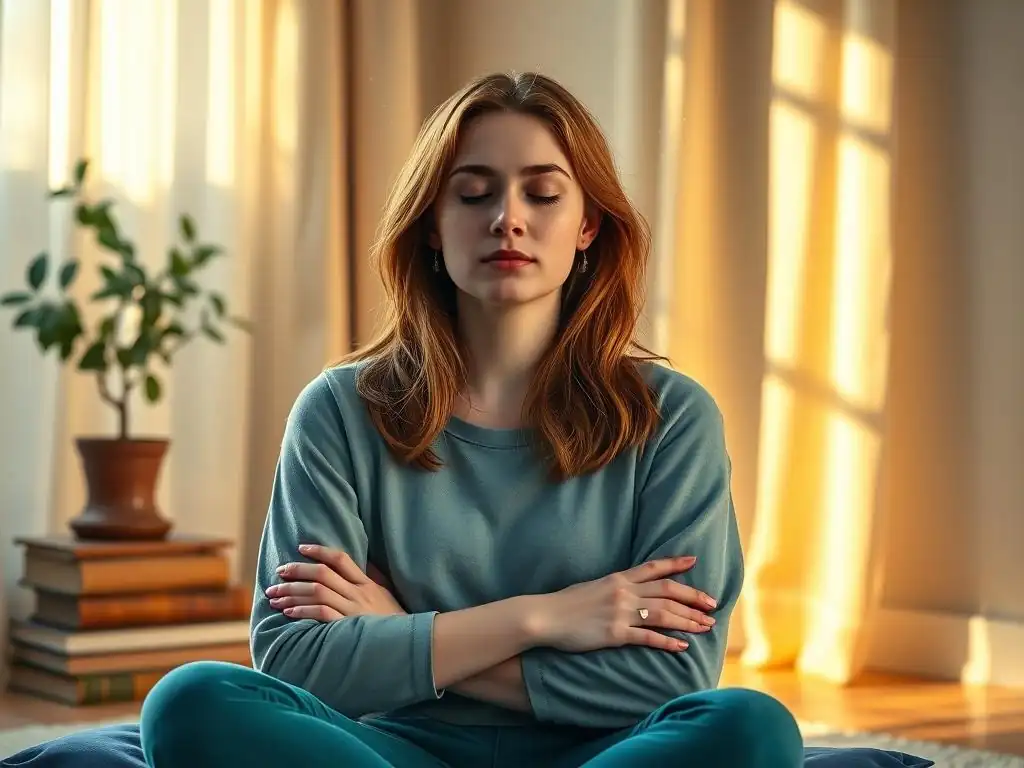
Welcome to Mind Care Guide, a sanctuary dedicated to nurturing your mental well-being. Feeling overwhelmed by anxiety? You're not alone. Discover how to reclaim your inner peace with our comprehensive guide to anxiety relief guided meditations. Curious how a few minutes of mindful practice can dramatically shift your perspective and soothe your worries? Let's explore together...
- Anxiety Relief Guided Meditations: Your Mind Care Guide
- Understanding Anxiety and the Power of Meditation
- Exploring Different Types of Anxiety Relief Guided Meditations
- Getting Started with Anxiety Relief Guided Meditations: A Step-by-Step Guide
- Deep Dive: Specific Guided Meditations for Different Anxiety Triggers
- Maximizing the Benefits of Your Anxiety Relief Meditation Practice
- Overcoming Challenges in Your Anxiety Meditation Journey
- Advanced Techniques: Deepening Your Meditation Practice for Anxiety
- Resources for Anxiety Relief Guided Meditations
- Mind Care Guide's Commitment to Mental Well-being: Anxiety and Beyond
-
Frequently Asked Questions
- What are anxiety relief guided meditations, and how can they help me?
- How often should I practice anxiety relief guided meditations for best results?
- What types of anxiety relief guided meditations are most effective?
- Can anxiety relief guided meditations replace professional mental health treatment?
- Where can I find reliable anxiety relief guided meditations?
- Final Reflection: Finding Stillness in the Storm of Anxiety
- Unwind Your Worries: Start Your Journey to Calm
Anxiety Relief Guided Meditations: Your Mind Care Guide
Welcome to Mind Care Guide's exploration of how guided meditations can serve as a powerful tool in navigating anxiety. In a world that often feels overwhelming, finding accessible and effective strategies for calming worry is essential for overall mental well-being. This article delves into the practice of anxiety relief guided meditations, offering insights, techniques, and practical advice to help you find peace amidst the storm.
Understanding Anxiety and the Power of Meditation
Anxiety is a common human experience, but for many, it can become a persistent and debilitating challenge. Understanding its nature and how practices like meditation can intervene is the first step towards finding relief and restoring balance.
What is Anxiety and How Does it Affect You?
Anxiety is more than just feeling stressed or worried; it's a complex response involving thoughts, feelings, and physical sensations that can significantly impact daily life. Clinically, anxiety disorders affect millions globally. For instance, in the United States alone, approximately 19.1% of adults experienced an anxiety disorder in the past year, according to data from the National Institute of Mental Health. This translates to tens of millions of people grappling with excessive worry, fear, and nervousness that can interfere with work, relationships, and simple everyday activities.
The effects of anxiety manifest in numerous ways. Physically, it can lead to symptoms like rapid heartbeat, sweating, trembling, fatigue, and difficulty sleeping. Mentally and emotionally, individuals may experience intrusive thoughts, difficulty concentrating, irritability, and a pervasive sense of dread. Consider the case of someone with social anxiety who avoids public speaking opportunities, potentially hindering career advancement, or a person with generalized anxiety disorder (GAD) who spends hours each day worrying about hypothetical future events, exhausting their mental and emotional resources. These real impacts highlight the critical need for effective strategies like anxiety relief guided meditations.
The Science Behind Meditation for Anxiety Reduction
The growing body of scientific research supports the effectiveness of meditation, including guided meditation for anxiety relief. Neuroimaging studies have shown that regular meditation practice can lead to changes in brain structure and function, particularly in areas related to stress response and emotional regulation. For example, studies using fMRI scans have indicated that meditation can decrease activity in the amygdala, often referred to as the brain's fear center, while increasing connections to the prefrontal cortex, which is involved in conscious decision-making and emotional control.
Furthermore, meditation has been shown to influence physiological markers of stress. Research published in journals like Health Psychology has demonstrated that mindfulness meditation can lower levels of cortisol, the primary stress hormone, and reduce inflammatory markers in the body. This suggests that the benefits of anxiety relief guided meditations extend beyond just subjective feelings of calm, impacting the body's stress response system at a fundamental level. By engaging in these practices, individuals can actively work to re-regulate their nervous system and build resilience against future stressors.
Benefits of Guided Meditations for Calming Worry
Guided meditations offer a structured and accessible pathway to experiencing the benefits of meditation, especially for those new to the practice or struggling with severe anxiety. One primary benefit is the ease of getting started; a soothing voice and clear instructions help direct focus, which can be particularly challenging when the mind is racing with anxious thoughts. This external guidance provides an anchor, making it easier to stay present and less likely to get lost in internal chatter.
Beyond accessibility, guided meditations for calming worry can help cultivate specific mental states beneficial for anxiety. They often incorporate techniques like deep breathing exercises, progressive muscle relaxation, and visualization, all of which are known to activate the body's relaxation response. Users frequently report feeling a sense of immediate calm and reduced physical tension after a session. Over time, consistent practice of anxiety relief guided meditations can help individuals develop greater self-awareness regarding their anxiety triggers and learn to respond to anxious thoughts with more acceptance and less reactivity, fostering a greater sense of control and peace.
Exploring Different Types of Anxiety Relief Guided Meditations
Guided meditations come in various forms, each offering a unique approach to calming the mind and body. Exploring these different types can help you find the practices that resonate most with your specific needs and preferences for anxiety relief.
Body Scan Meditations for Anxiety
Body scan meditations are a foundational mindfulness practice that involves systematically bringing attention to different parts of the body, noticing physical sensations without judgment. For individuals experiencing anxiety, which often manifests as physical tension (tight shoulders, clenched jaw, stomach discomfort), a body scan can be incredibly grounding. By directing focus away from anxious thoughts and towards present-moment bodily sensations, the practice interrupts the cycle of worry and helps cultivate a sense of being present in one's physical form.
A typical body scan for anxiety relief might start by bringing awareness to the feet, noticing pressure or temperature, then slowly moving up through the legs, torso, arms, neck, and head. The instruction encourages simply observing whatever arises – be it discomfort, numbness, warmth, or tingling – with gentle curiosity.
This non-judgmental observation helps to де-escalate the physical symptoms of anxiety by reframing them not as threats, but simply as sensations to be noticed. Regular practice of body scan meditations can increase interoceptive awareness, improving the ability to recognize the early physical signs of anxiety and intervene before they escalate.
Breathwork Guided Meditations for Stress Relief
Breathwork is an integral component of many meditation practices, and guided meditations specifically focused on breath can be profoundly effective for managing stress and anxiety. The breath is a powerful tool because it's always available and directly linked to the nervous system. Slowing and regulating the breath can activate the parasympathetic nervous system, which is responsible for the body's "rest and digest" state, counteracting the "fight or flight" response triggered by anxiety.
Guided breathwork sessions often involve techniques like deep diaphragmatic breathing, box breathing (inhaling for a count, holding for a count, exhaling for a count, holding for a count), or alternate nostril breathing. These techniques provide a concrete focus point, making it easier to quiet a busy mind.
For example, a guided session might instruct you to inhale deeply through the nose, feeling the abdomen rise, hold for a few seconds, and exhale slowly through the mouth, releasing tension. Practicing these anxiety relief guided meditations focused on breath can quickly bring a sense of calm and control, providing an immediate tool to use during moments of acute stress or panic.
Visualization Meditations for Anxiety Management
Visualization meditations involve creating mental images or scenes to promote relaxation and a sense of calm. For anxiety management, these guided practices often lead listeners through imagining peaceful environments or scenarios that evoke feelings of safety and tranquility. This technique leverages the power of the mind-body connection; just as imagining a stressful situation can trigger physical anxiety symptoms, imagining a peaceful one can induce a state of relaxation.
Common visualization themes for anxiety relief include walking on a serene beach, sitting by a peaceful lake, or being in a safe, cozy room. The guided narrative provides rich sensory details – the sound of waves, the warmth of the sun, the feeling of soft sand – to immerse the listener in the imagined scene.
This mental escape offers a respite from anxious thoughts and helps redirect focus towards positive, calming imagery. Regular engagement with these types of anxiety relief guided meditations can train the mind to more easily access states of calm and create a mental 'safe space' to return to when feeling overwhelmed.
Loving-Kindness Meditations for Reducing Anxiety and Promoting Self-Compassion
Loving-kindness meditation, also known as Metta meditation, involves cultivating feelings of warmth, compassion, and kindness towards oneself and others. While it might not seem directly related to anxiety at first glance, it is remarkably effective, particularly for anxiety rooted in self-criticism, fear of judgment, or interpersonal worries. Anxiety often involves harsh self-talk and feelings of inadequacy, and Metta actively counteracts these patterns.
A typical loving-kindness practice for anxiety relief involves silently or softly repeating phrases like "May I be safe," "May I be happy," "May I be healthy," "May I live with ease." These phrases are first directed towards oneself, then often extended to loved ones, neutral acquaintances, difficult people, and finally, all beings.
By intentionally cultivating feelings of kindness and acceptance towards oneself, individuals can begin to soften harsh inner criticism and build self-compassion, which is crucial for managing anxiety. Research, like studies conducted at Stanford University, has shown that consistent Metta practice can increase positive emotions and reduce symptoms of anxiety and depression, highlighting its value as a form of anxiety relief guided meditation.
Getting Started with Anxiety Relief Guided Meditations: A Step-by-Step Guide
Beginning a meditation practice, especially when feeling anxious, can seem daunting. However, approaching it step-by-step makes it more accessible and manageable. This guide provides a simple framework to help you embark on your journey with anxiety relief guided meditations.
Creating a Comfortable Meditation Space
Finding a quiet and comfortable space is crucial for establishing a consistent meditation practice, particularly when using anxiety relief guided meditations. While you don't need a dedicated meditation room, minimizing distractions is key. Choose a time when you are least likely to be interrupted by phone calls, emails, or household noise. Inform others in your home that you need a few minutes of undisturbed time.
Your chosen space should feel safe and calming to you. This could be a quiet corner of your bedroom, a comfortable chair by a window, or even a spot outdoors if the weather permits. Ensure you have a comfortable place to sit – a cushion on the floor, a chair with back support, or even lying down if that feels best, though be mindful of falling asleep. The goal is to create an environment where you can relax and focus on the guided meditation without external stressors adding to your anxiety.
Choosing the Right Guided Meditation for You
With the vast number of anxiety relief guided meditations available, selecting the right one can feel overwhelming. Start by considering the duration; if you're new, begin with shorter sessions, perhaps 5-10 minutes, and gradually increase the time as you become more comfortable. Think about the type of anxiety you experience – do you need help with physical tension (body scan), racing thoughts (breathwork), or self-criticism (loving-kindness)?
Experiment with different voices and styles. Some people prefer a calm, soothing voice, while others might find a more energetic or instructional tone helpful. Many apps and websites offer categories like "meditation for sleep," "meditation for stress," or "meditation for panic," which can help narrow down your choices. Don't be afraid to try a few different options until you find a guided meditation for anxiety relief that truly resonates with you and helps you feel calmer.
Preparing Your Mind and Body for Meditation
Before you even press play on your chosen anxiety relief guided meditation, taking a few moments to prepare your mind and body can enhance the experience. Avoid meditating immediately after a heavy meal or consuming caffeine, as these can make it harder to settle down. If possible, engage in some light stretching or gentle movement beforehand to release physical tension.
Mentally, acknowledge any anxiety you might be feeling without judgment. There's no need to try and force yourself to be calm immediately; the meditation is the tool to help you get there. Simply acknowledge the presence of anxiety and set the intention to be present with the practice. Taking a few deep breaths before starting the recording can also help signal to your body that it's time to relax and transition into a more receptive state for the anxiety relief guided meditation.
Following the Guided Meditation: Tips for Success
Once you've chosen your meditation and are in your comfortable space, here are some tips for following the anxiety relief guided meditation effectively. Listen attentively to the instructions, but don't feel pressured to perform them perfectly. The goal isn't to empty your mind or achieve a state of perfect stillness, but rather to practice focusing your attention and gently returning it when it wanders.
It's completely normal for your mind to wander during meditation, especially when dealing with anxiety. When you notice your thoughts drifting (which you will, often), gently acknowledge the thought without judgment and guide your attention back to the instructions, the breath, or the focus point provided in the guided meditation. This act of noticing and returning is the core practice. Be patient and compassionate with yourself; some sessions will feel easier than others, and that's okay. The consistency of showing up is more important than the perceived "success" of any single session of anxiety relief guided meditations.
Deep Dive: Specific Guided Meditations for Different Anxiety Triggers
Anxiety manifests differently for everyone and can be triggered by a variety of situations. Fortunately, many anxiety relief guided meditations are specifically designed to address common triggers, offering targeted support.
Social anxiety involves intense fear and self-consciousness in social situations, often stemming from a fear of being judged or rejected. Guided meditations for social anxiety often focus on building self-compassion, challenging negative self-talk, and practicing mindfulness in relation to social interactions. They might involve visualizations of feeling calm and confident in social settings or exercises to accept feelings of nervousness without letting them dictate behavior.
These anxiety relief guided meditations can help individuals reframe their perception of social situations. Instead of viewing an upcoming event as a threat, the meditation might guide them to focus on being present, observing their physical sensations without judgment, and responding to others with openness rather than fear. Practices incorporating loving-kindness towards oneself are particularly beneficial, helping to counteract the harsh self-criticism often associated with social anxiety.
Guided Meditation for Panic Attacks
Panic attacks are sudden episodes of intense fear accompanied by severe physical symptoms like racing heart, shortness of breath, dizziness, and chest pain. During a panic attack, the body's fight-or-flight response is in overdrive. Guided meditations specifically for panic attacks aim to interrupt this cycle by bringing the individual back into the present moment and activating the relaxation response.
These anxiety relief guided meditations often emphasize grounding techniques, such as focusing on the sensations of the feet on the ground or the feeling of the chair beneath you. They heavily utilize breathwork to help regulate the rapid breathing common during a panic attack. The calming voice of the guide acts as an anchor, providing a sense of safety and control amidst the overwhelming physical sensations. The goal is not to eliminate the panic immediately, but to navigate through it with greater awareness and less fear of the symptoms themselves.
Guided Meditation for Generalized Anxiety Disorder (GAD)
Generalized Anxiety Disorder (GAD) is characterized by excessive, persistent worry about various everyday things, often disproportionate to the actual likelihood of the feared event. Guided meditations for GAD often focus on developing a different relationship with anxious thoughts – acknowledging them without getting swept away by them.
These anxiety relief guided meditations might incorporate techniques like noting thoughts ("thinking, thinking") and letting them pass like clouds, or practicing mindful acceptance of uncertainty. They help individuals to gently redirect their attention away from future-oriented worries and towards the present moment, where anxiety typically has less power. Regular practice can help build the mental muscle to observe worried thoughts without automatically believing or reacting to them, reducing the overall burden of chronic worry associated with GAD.
Guided Meditation for Performance Anxiety
Performance anxiety is the fear of failing or being judged negatively when performing a task, whether it's public speaking, taking an exam, or participating in a sports event. This can lead to significant stress and physical symptoms that hinder performance. Guided meditations for performance anxiety often focus on building confidence, managing fear of judgment, and staying present and focused during the task.
These anxiety relief guided meditations might involve visualizing a successful performance, practicing self-compassion regardless of the outcome, and using breathwork to manage physical symptoms like trembling or rapid heart rate. They help individuals shift their focus from potential negative outcomes to the process itself, encouraging a mindset of mindful effort rather than outcome-dependent stress. Incorporating positive affirmations and visualizations of feeling calm and capable are common elements in these types of anxiety relief guided meditations.
Maximizing the Benefits of Your Anxiety Relief Meditation Practice
Starting with anxiety relief guided meditations is a great first step, but consistent effort and integrating the practice into your life are key to unlocking its full potential for long-term well-being.
Consistency is Key: Establishing a Regular Meditation Routine
Like any skill, the benefits of meditation grow with consistent practice. Aim to meditate daily, even if only for a short duration (5-10 minutes). Finding a consistent time that works for you – perhaps first thing in the morning, during a lunch break, or before bed – can help solidify the habit. Starting small and gradually increasing the duration is more sustainable than attempting lengthy sessions infrequently.
Think of it as training a muscle. The more you practice focusing your attention and returning it gently when it wanders during anxiety relief guided meditations, the stronger your ability to manage anxious thoughts and feelings becomes throughout your day. Even on days when you feel particularly anxious or find it hard to focus, showing up for your practice, however imperfectly, reinforces the habit and provides a moment of intentional calm.
Combining Guided Meditations with Other Anxiety Management Techniques
Anxiety relief guided meditations are a powerful tool, but they are often most effective when used as part of a broader anxiety management strategy. Consider incorporating other evidence-based techniques into your routine. This could include regular physical exercise, which is known to reduce stress hormones and improve mood. Engaging in hobbies or creative activities can also provide a healthy outlet for stress.
Therapy, particularly Cognitive Behavioral Therapy (CBT) or Acceptance and Commitment Therapy (ACT), can be highly beneficial for addressing the root causes and thought patterns associated with anxiety. Working with a therapist can provide personalized strategies and support that complement your meditation practice. Combining these approaches – for example, using anxiety relief guided meditations to manage immediate symptoms while working with a therapist to understand underlying triggers – can lead to more comprehensive and lasting relief.
Tracking Your Progress and Adjusting Your Practice
Paying attention to how your anxiety relief guided meditation practice is impacting you can be motivating and help you tailor your approach. You might notice subtle shifts over time – perhaps you're becoming more aware of the physical signs of anxiety, or you're able to recover more quickly after a stressful event. Consider keeping a simple journal to note how you feel before and after meditation, or track your anxiety levels on a scale of 1-10.
Based on your observations, don't hesitate to adjust your practice. If a particular type of guided meditation isn't resonating, try another. If you find your mind is constantly racing during seated meditation, explore walking meditations. As your needs change, so too can your approach to anxiety relief guided meditations. Being flexible and responsive to your own experience is part of the mindful journey.
Overcoming Challenges in Your Anxiety Meditation Journey
Embarking on a meditation practice for anxiety relief is not always smooth sailing. It's normal to encounter challenges along the way. Recognizing these potential hurdles and having strategies to navigate them can help you stay committed to your practice.
Dealing with Distractions During Meditation
Distractions are a universal experience in meditation, not a sign of failure. For those with anxiety, distractions often take the form of anxious thoughts, worries about the future, or replaying past events. When using anxiety relief guided meditations, your mind will inevitably wander away from the guide's voice or the intended focus.
The key is how you respond to these distractions. Instead of getting frustrated or judging yourself for not being able to stay focused, simply notice that your mind has wandered. Acknowledge the distracting thought or sensation without getting involved in its content. Then, gently, without self-criticism, guide your attention back to the meditation – back to the breath, the body scan, the visualization, or the sound of the guide's voice. This gentle redirection is the fundamental practice of building focus and awareness, crucial skills for managing anxiety.
Addressing Difficult Emotions That Arise
Sometimes, meditation can bring difficult emotions or uncomfortable sensations to the surface. This is particularly true when practicing anxiety relief guided meditations, as the quiet space can make you more aware of underlying fears or discomforts you might usually push away. It's not uncommon for tears to arise, for anger to surface, or for physical tension to become more pronounced.
When difficult emotions arise during meditation, try to meet them with curiosity and acceptance rather than resistance. Acknowledge the feeling ("I notice sadness," "I notice fear") without getting caught up in the story behind it. Allow the emotion to be present without judgment, much like you would observe a passing cloud. If it feels overwhelming, you can gently open your eyes, take a few deep breaths, and ground yourself. Remember that it's okay to pause or stop if needed. The goal is to cultivate a capacity to be with difficult experiences, not to suppress them.
Finding the Right Guided Meditation Resources
With the proliferation of apps, websites, and recordings, finding high-quality anxiety relief guided meditations can be overwhelming. Not all resources are created equal, and some might not resonate with your specific needs or preferences. It's important to find resources led by experienced and potentially certified instructors.
Look for platforms that offer a variety of meditation lengths and styles, allowing you to explore different approaches. Many reputable mental health organizations and mindfulness centers offer recommended resources. Reading reviews and trying free trials can also help you assess the quality and suitability of a resource. Don't settle for the first one you find; take the time to explore until you find guided meditations for anxiety relief that feel supportive, calming, and effective for you.
Advanced Techniques: Deepening Your Meditation Practice for Anxiety
Once you've established a consistent practice with anxiety relief guided meditations, you might feel ready to explore more advanced techniques or integrate meditation more broadly into your life for deeper and more lasting anxiety relief.
Mindfulness Meditation for Anxiety: Beyond Guided Sessions
While guided meditations provide structure and support, developing the ability to practice mindfulness meditation independently can deepen your practice. This involves cultivating present-moment awareness throughout your day, not just during formal meditation sessions. For anxiety management, this means learning to notice anxious thoughts, feelings, and sensations as they arise in everyday situations without immediately reacting to them.
You can integrate mindfulness into daily activities like eating, walking, or even washing dishes, paying full attention to the sensory experience. This helps build the capacity to stay grounded and present even when faced with potential triggers. Learning to sit in silence for periods, simply observing the breath and whatever arises without the guidance of a voice, can further strengthen your ability to tolerate discomfort and navigate internal experiences with greater ease, complementing your use of anxiety relief guided meditations.
Incorporating Movement and Yoga into Your Meditation Routine for Anxiety
For many people, anxiety manifests significantly in the body as restlessness, tension, or pent-up energy. Incorporating mindful movement or yoga into your routine can be a powerful way to complement seated anxiety relief guided meditations by releasing physical tension and promoting a stronger mind-body connection.
Yoga practices, particularly gentle or restorative styles, combine physical postures with breath awareness and often include elements of meditation. This can help release chronic muscle tension held due to anxiety and provide a moving meditation experience. Even simple mindful walking, where you pay attention to the sensations of your feet on the ground and the movement of your body, can be a form of active meditation that helps discharge anxious energy and ground you in the present moment.
Exploring Different Meditation Styles for Lasting Anxiety Relief
Beyond the common types of anxiety relief guided meditations discussed, there are numerous other meditation traditions and styles that might offer additional benefits. Exploring options like Transcendental Meditation (TM), Vipassana meditation, or even walking meditation can provide fresh perspectives and techniques.
Each style offers a slightly different path to cultivating awareness, focus, and equanimity. For instance, Vipassana emphasizes insight into the nature of reality and the impermanence of thoughts and feelings, which can be helpful in detaching from anxious narratives. TM uses a mantra to facilitate deep relaxation. Trying different approaches can help you find practices that resonate deeply and contribute to more sustainable and comprehensive anxiety relief.
Resources for Anxiety Relief Guided Meditations
Accessing reliable and high-quality resources is essential when starting or deepening your practice of anxiety relief guided meditations. Fortunately, there are many options available.
Recommended Apps and Websites for Guided Meditations
Numerous apps and websites offer extensive libraries of guided meditations, many specifically tailored for anxiety relief. Popular apps like Headspace, Calm, Insight Timer, and Ten Percent Happier provide structured courses, single meditations, and different voices and styles to choose from. Insight Timer, for example, offers thousands of free guided meditations contributed by various teachers.
Websites of reputable organizations like UCLA Health's Mindful Awareness Research Center (MARC) or the Palouse Mindfulness program often provide free guided meditation recordings. Exploring these platforms allows you to sample different approaches and find what works best for you. Look for resources that are user-friendly and offer search filters for duration, topic (like "anxiety"), and teacher.
Books and Articles on Meditation and Anxiety
For those who prefer learning through reading, there are many excellent books and articles that delve deeper into the connection between meditation and anxiety. Books like "Mindfulness for Beginners" by Jon Kabat-Zinn, "10% Happier" by Dan Harris, or "Peace Is Every Step" by Thich Nhat Hanh offer foundational teachings on mindfulness and meditation that can be applied to anxiety.
Academic journals and reputable mental health websites also publish articles summarizing research findings on meditation's effectiveness for anxiety. Reading these resources can provide a deeper understanding of the principles behind anxiety relief guided meditations and motivate consistent practice by highlighting the evidence-based benefits.
Finding Qualified Meditation Teachers and Therapists
While apps and recordings are accessible, working with a qualified meditation teacher or a therapist who incorporates mindfulness into their practice can offer personalized guidance and support, especially if you are dealing with significant anxiety. A teacher can help you troubleshoot challenges in your practice and provide tailored recommendations.
Therapists who specialize in mindfulness-based therapies like MBSR (Mindfulness-Based Stress Reduction) or MBCT (Mindfulness-Based Cognitive Therapy) can integrate guided meditation practices within a therapeutic framework to address the underlying causes and mechanisms of your anxiety. Websites for professional organizations often have directories to help you find qualified practitioners in your area.
Mind Care Guide's Commitment to Mental Well-being: Anxiety and Beyond
At Mind Care Guide, we understand that navigating anxiety is a significant part of the mental well-being journey for many. Our aim is to provide comprehensive, empathetic, and informative resources like this guide to anxiety relief guided meditations. We believe in empowering individuals with practical tools and knowledge to support their mental health.
Our commitment extends beyond just addressing anxiety. We strive to cover a wide range of mental health topics, offering insights into various challenges and highlighting diverse strategies for building resilience, fostering emotional health, and living a more fulfilling life. We are dedicated to being a trusted source of information and support as you explore the many facets of mind care.
Frequently Asked Questions
What are anxiety relief guided meditations, and how can they help me?
Anxiety relief guided meditations are audio or video sessions that lead you through relaxation techniques and mindfulness exercises to reduce feelings of anxiety. They provide a structured approach to calming the mind and body.
How often should I practice anxiety relief guided meditations for best results?
Consistency is key. Aim for at least 10-15 minutes daily to experience the cumulative benefits of reduced anxiety. You can adjust the frequency based on your individual needs and schedule.
What types of anxiety relief guided meditations are most effective?
Effective meditations often focus on breathwork, body scans, and visualization techniques. The best type is subjective, so experiment with different styles to find what resonates most with you.
Can anxiety relief guided meditations replace professional mental health treatment?
No, guided meditations are a complementary tool, not a replacement. If you're experiencing significant anxiety, seek guidance from a qualified mental health professional. Meditation can support your treatment plan.
Where can I find reliable anxiety relief guided meditations?
Mind Care Guide offers a variety of resources, including high-quality guided meditations. You can also find them on reputable apps and websites specializing in mental wellness.
Final Reflection: Finding Stillness in the Storm of Anxiety
The pervasive nature of anxiety in our modern world demands accessible and effective coping mechanisms, and guided meditation offers a powerful, readily available tool. The techniques explored in this article – from mindful breathing to body scans – aren't merely trendy wellness practices; they are practical strategies for navigating the turbulent waters of anxious thoughts and feelings. They represent a path towards reclaiming inner peace and fostering a more resilient self.
The journey towards managing anxiety is deeply personal, a continuous process of self-discovery and acceptance. It's a journey I've undertaken myself, and the profound impact of incorporating guided meditation into my daily life cannot be overstated. The mind is everything. What you think you become.
– Buddha. This quote encapsulates the transformative power of consciously shaping our thoughts and emotional responses, a power that guided meditation helps us unlock. The ongoing shift towards prioritizing mental wellness, as evidenced by increased accessibility to resources and a growing societal understanding, is a testament to the importance of this work.
Now, consider your own relationship with anxiety. What small step can you take today to incorporate the principles discussed here into your life? Perhaps it's setting aside five minutes for a mindful breathing exercise, or downloading a guided meditation app. Remember, the path to calm is paved with consistent, compassionate self-care. Embrace the journey, and allow the stillness within to guide you towards a more peaceful and fulfilling life.
Unwind Your Worries: Start Your Journey to Calm
Thanks for taking the time to explore practical ways to manage anxiety. We hope you found the guided meditation techniques helpful in understanding how to navigate those anxious feelings. Now it's time to put what you've learned into practice!
- Begin your personal meditation journey: Download our free introductory meditation track (available on our website) and experience the immediate benefits of mindful breathing. This will help you build a foundation for future practice.
- Share your experience: Let's build a supportive community! Share your thoughts on this technique in the comments below – what worked best for you, what challenges did you encounter?
- Explore other calming strategies: Dive deeper into our resource library on MindCareGuide.org for additional articles and tools to support your mental wellbeing.
Ready to embrace a calmer, more centered you? What small step will you take today to reduce your anxiety?