
The Brain on Guided Meditation: What Science Says

Welcome to Mind Care Guide, your sanctuary for mental well-being.
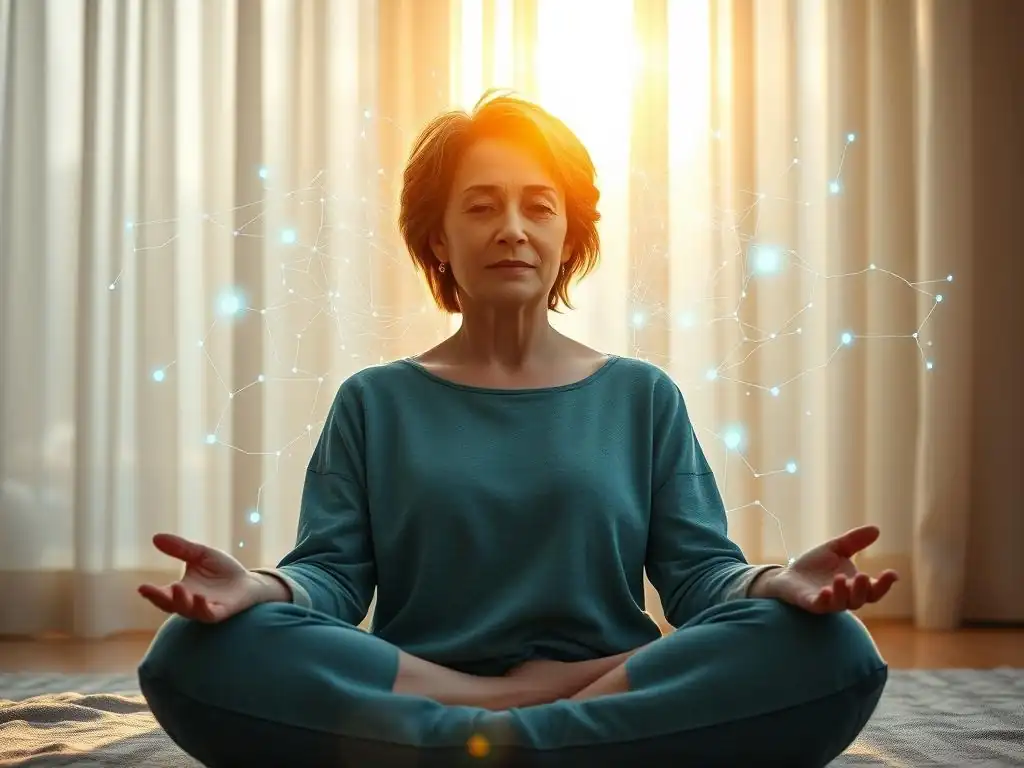
Feeling overwhelmed by anxiety? You're not alone. We understand the weight of those feelings and are here to offer support. In this article, we delve into the science behind how guided meditation benefits anxiety relief, exploring the profound impact it can have on your mind and body. Curious to know what happens to your brain during a session and how it can help you find calm? Let's explore together.
The Impact of Nature Exposure on Mental Well-being: A Scientific Review
- Nature Exposure and Mental Health: An Introduction
- How Nature Exposure Impacts Brain Activity: The Scientific Evidence
- Nature Exposure Benefits: Stress Reduction and Beyond
- Nature Exposure Techniques: Different Approaches for Mental Well-being
- The Long-Term Effects of Nature Exposure on the Brain
- Choosing the Right Nature Exposure for Your Needs
- Potential Limitations and Considerations of Nature Exposure
- Conclusion: The Future of Nature Exposure and Mental Health
-
Frequently Asked Questions
- What are the proven benefits of guided meditation for anxiety relief, according to scientific studies?
- How does guided meditation specifically impact the brain's activity to provide anxiety relief?
- How often should one practice guided meditation to experience significant anxiety relief?
- What types of guided meditation are most effective for targeting anxiety symptoms?
- Besides anxiety relief, what other potential mental well-being benefits can be gained from practicing guided meditation?
- Final Reflection: Unlocking Inner Peace Through Guided Meditation
- Unleash Your Inner Calm: Start Your Meditation Journey Today!
Nature Exposure and Mental Health: An Introduction
Understanding Nature Exposure and its Growing Importance
Nature exposure, broadly defined, encompasses any interaction with natural environments, ranging from spending time in forests, parks, and gardens to simply viewing natural landscapes or incorporating natural elements into built spaces. This concept is gaining significant traction in the fields of public health and mental wellness. Historically, humans have lived in close proximity to nature, and only relatively recently have large populations become predominantly urbanized. This shift has led to a growing awareness of what some researchers term "nature deficit disorder," highlighting the potential negative consequences of disconnection from the natural world on human health, particularly mental health.
The recognition of nature's therapeutic potential is not new; practices like therapeutic horticulture and wilderness therapy have existed for decades. However, recent years have seen a surge in scientific research providing empirical evidence for these long-held beliefs. Studies are now exploring the specific pathways through which exposure to nature impacts the brain and body, contributing to improvements in mood, stress levels, cognitive function, and overall mental resilience. As urban populations continue to grow, understanding and promoting nature exposure becomes increasingly vital for fostering mental well-being on a large scale.
Why Nature Exposure is Becoming a Recognized Mental Health Strategy
The increasing prevalence of mental health challenges globally, coupled with the limitations and costs associated with traditional treatments, has spurred interest in accessible and complementary strategies. Nature exposure offers a low-cost, widely available intervention that can be integrated into daily life. Scientific evidence is accumulating rapidly, demonstrating tangible benefits that are measurable through physiological markers and psychological assessments. For instance, research indicates that spending time in green spaces can significantly reduce levels of the stress hormone cortisol and lower heart rate, acting as a natural buffer against the pressures of modern life.
Furthermore, the concept of "green prescribing," where healthcare professionals recommend time in nature as part of a treatment plan, is gaining momentum in several countries, including the UK and Canada. This formal recognition underscores the growing confidence in nature exposure as a valid and effective component of mental health care.
The appeal lies in its non-pharmacological nature and its potential to address the root causes of some mental health issues, such as chronic stress and attentional fatigue, rather than merely managing symptoms. As we seek holistic approaches to mental well-being, nature exposure stands out as a promising and scientifically supported strategy.
How Nature Exposure Impacts Brain Activity: The Scientific Evidence
Neuroscience of Nature Exposure: Key Brain Regions Involved
Emerging neuroscience research is shedding light on how nature exposure influences brain activity. Studies utilizing fMRI (functional Magnetic Resonance Imaging) have shown that spending time in nature can lead to decreased activity in the subgenual prefrontal cortex (sgPFC), a brain region strongly associated with rumination and negative thought patterns often seen in depression and anxiety. A study published in Nature Human Behaviour in 2020 found that a 90-minute walk in a natural environment, compared to an urban setting, resulted in reduced sgPFC activity among participants, suggesting that nature can help quiet the brain's internal monologue of worry.
Beyond the sgPFC, nature exposure appears to impact other crucial brain networks. It is thought to engage the parasympathetic nervous system, promoting a state of rest and relaxation, while reducing activity in the sympathetic nervous system, responsible for the 'fight or flight' response. Additionally, the prefrontal cortex (PFC), involved in executive functions like attention, planning, and impulse control, seems to benefit.
According to the Attention Restoration Theory (ART), natural environments require less directed attention than urban settings, allowing the PFC to recover from fatigue, leading to improved focus and cognitive performance. This neural shift contributes directly to the feelings of calm and clarity often reported after spending time outdoors.
Physiological Changes During Nature Exposure: Heart Rate Variability and Stress Hormones
The impact of nature exposure extends beyond brain activity to observable physiological changes. One of the most consistently reported findings is the reduction in stress hormones, particularly cortisol. Numerous studies, including those conducted in forest environments (Shinrin-yoku research), have shown that participants who spend time in nature exhibit lower cortisol levels in saliva or urine compared to those in urban control groups. For example, a 2010 study involving Japanese participants found that forest walks significantly lowered cortisol concentrations, as well as blood pressure and heart rate, indicating a systemic stress-reducing effect.
Another key physiological marker influenced by nature is Heart Rate Variability (HRV). HRV is a measure of the variation in time intervals between heartbeats, reflecting the balance between the sympathetic and parasympathetic nervous systems. Higher HRV is generally associated with better stress resilience, emotional regulation, and overall health. Research has demonstrated that exposure to nature can increase HRV, indicating a shift towards parasympathetic dominance and a more relaxed physiological state. This improved vagal tone contributes to reduced anxiety and a greater capacity to cope with stressors, underpinning the physiological basis for nature's benefits for mental well-being.
Nature Exposure Benefits: Stress Reduction and Beyond

Nature Exposure and Stress Reduction: Lowering Cortisol Levels
One of the most well-documented benefits of nature exposure is its profound effect on stress reduction. As previously mentioned, spending time in natural environments demonstrably lowers levels of cortisol, the primary stress hormone. This effect has been observed across various populations and settings, from short walks in urban parks to extended stays in forests. A systematic review of studies on forest bathing (Shinrin-yoku) found consistent evidence of reduced cortisol, blood pressure, and heart rate, all objective markers of stress.
This reduction in physiological stress markers translates directly into subjective feelings of reduced stress and tension. Participants in studies often report feeling more relaxed, calm, and less overwhelmed after nature experiences. For individuals struggling with chronic stress or anxiety, regular nature exposure can serve as a vital tool for managing symptoms and preventing burnout. The simple act of being in a natural setting seems to interrupt the stress response cycle, allowing the body and mind to enter a state of recovery and restoration.
Enhancing Mood and Emotional Well-being Through Nature Experiences
Beyond stress reduction, nature exposure significantly contributes to enhanced mood and overall emotional well-being. Research consistently shows that time spent in green spaces can increase feelings of happiness, contentment, and vitality while decreasing feelings of anger, fatigue, and sadness. A study involving participants walking in either a natural or urban environment found that those in nature reported greater positive emotions and less negative affect.
The mechanisms behind this mood enhancement are thought to include the release of endorphins during physical activity in nature, the calming effect of natural stimuli (like gentle sounds and sights), and the restorative impact on cognitive fatigue. Exposure to sunlight in nature also helps regulate circadian rhythms and vitamin D production, both of which are linked to mood regulation. For those experiencing symptoms of depression or general low mood, incorporating regular nature experiences can provide a significant boost to emotional resilience and outlook.
Improved Cognitive Function and Creativity: The Cognitive Benefits of Nature
Nature exposure isn't just good for emotional health; it also offers substantial cognitive benefits. The Attention Restoration Theory (ART) posits that natural environments allow directed attention (the kind needed for focused tasks) to recover from fatigue, as they engage "soft fascination" – effortless attention drawn by intriguing but non-demanding stimuli like rustling leaves or flowing water. This restoration leads to improved concentration, problem-solving abilities, and memory.
Studies have shown that even brief interactions with nature, such as looking out a window at a green space, can improve performance on cognitive tasks. Research on hikers completing multi-day wilderness trips has demonstrated significant increases in creativity and problem-solving skills, sometimes by as much as 50%, after several days immersed in nature. This suggests that prolonged nature exposure can have a profound impact on cognitive capacity. For students, professionals, or anyone needing a mental reset, a dose of nature can be a powerful tool for enhancing focus and fostering innovative thinking.
Nature Exposure Techniques: Different Approaches for Mental Well-being
Forest Bathing (Shinrin-Yoku): A Step-by-Step Guide
Forest Bathing, or Shinrin-yoku in Japanese, is not about swimming but about immersing oneself in the atmosphere of the forest using all five senses. Developed in Japan in the 1980s, it is a form of preventative healthcare and stress reduction. The practice involves slowly and mindfully walking through a forest or wooded area, paying deliberate attention to sensory details – the scent of trees, the feel of the bark, the sounds of birds, the sight of sunlight filtering through leaves, and even tasting the clean air.
A typical Forest Bathing session might involve walking slowly along a trail for an hour or two, punctuated by stops to sit quietly and observe. There is no goal to cover a certain distance or elevation; the focus is purely on being present in the environment. Activities might include simply sitting on a log and watching squirrels, touching the moss on a tree, or listening to the sounds of the stream.
The cumulative effect of these sensory experiences is a deep sense of relaxation, reduced stress, and a boosted immune system (linked to inhaling phytoncides, airborne chemicals produced by trees). It's a gentle yet powerful technique accessible to many.
Green Exercise: Combining Physical Activity with Nature
Green Exercise refers to any physical activity undertaken in a natural environment. This combines the known benefits of exercise for mental health – such as the release of endorphins, improved sleep, and reduced tension – with the specific benefits of nature exposure. Activities can range from walking, running, or cycling in parks or trails to gardening, kayaking, or even outdoor yoga. The key is the synergy between physical movement and the natural setting.
Research indicates that exercising in green spaces can yield greater mental health benefits than exercising indoors or in urban environments. Studies have shown that green exercise leads to greater improvements in self-esteem and mood compared to the same exercise performed indoors. Even short bursts of green exercise, such as a 5-minute walk in a park, have been shown to improve mood and self-esteem. The combination of physical exertion and exposure to natural light and scenery appears to amplify the positive effects on stress, anxiety, and overall psychological well-being.
Biophilic Design: Integrating Nature into Indoor Environments
Biophilic design is an architectural and interior design approach that seeks to connect building occupants more closely to nature. This isn't just about adding potted plants; it involves incorporating natural elements, patterns, and processes into the built environment. Examples include using natural materials like wood and stone, maximizing natural light and views of nature, incorporating water features, using designs that mimic natural patterns (fractals), and creating indoor green spaces or living walls.
The principles of biophilic design are based on the hypothesis that humans have an innate need to affiliate with nature (the biophilia hypothesis). By meeting this need within buildings where people spend the majority of their time, biophilic design aims to improve occupant well-being, productivity, and cognitive function.
Studies in offices and healthcare settings have shown that biophilic elements can reduce stress, improve mood, increase creativity, and even speed up recovery times. For individuals who have limited access to outdoor nature, integrating biophilic principles into homes and workplaces can provide a crucial link to the natural world and support mental health.
The Long-Term Effects of Nature Exposure on the Brain
Neuroplasticity and Nature Exposure: Rewiring the Brain for Resilience
The brain is remarkably adaptable through a process called neuroplasticity, the ability to reorganize itself by forming new neural connections throughout life. Regular exposure to nature appears to positively influence this process, potentially rewiring the brain for greater resilience to stress and negative emotional states. By consistently reducing activity in stress-related brain regions like the amygdala and sgPFC and enhancing activity in areas associated with attention and executive function (PFC), nature exposure can help strengthen neural pathways that support calm, focus, and emotional regulation.
This consistent engagement with nature's restorative qualities acts like training for the brain, making it more adept at bouncing back from stressors and less prone to getting stuck in cycles of worry or rumination. While research on the direct impact of nature on specific neuroplastic changes (like synaptogenesis or neurogenesis) is ongoing, the observed functional changes in brain activity and the sustained psychological benefits suggest a significant influence on the brain's structural and functional organization over time. Regular doses of nature seem to help build a more resilient mental framework.
Sustained Mental Well-being: Maintaining the Benefits of Regular Exposure
The benefits of nature exposure are often cumulative, meaning that regular and sustained interaction with natural environments is key to maintaining long-term mental well-being. While a single walk in the park can provide an immediate mood boost and stress reduction, incorporating nature into one's lifestyle on a consistent basis appears to yield more enduring results. Studies tracking individuals over time have shown that those who report more frequent nature exposure tend to have lower levels of psychological distress and higher levels of life satisfaction.
For instance, one study found that visiting natural spaces for at least 120 minutes per week was associated with significantly better health and well-being than not visiting nature at all. It didn't matter if the 120 minutes were achieved in a single visit or spread over several shorter visits. This suggests a threshold effect where a certain minimum dose is necessary for sustained benefits. Making nature a regular part of one's routine, whether through daily walks, weekend hikes, or even tending a garden, helps solidify the positive neurological and physiological changes that support mental health over the long haul.
Nature Exposure for Preventing Mental Health Decline
Beyond treating existing conditions, nature exposure holds promise as a preventative measure against the onset or worsening of mental health issues. By acting as a natural stress buffer and enhancing cognitive function and emotional regulation, regular contact with nature can build resilience, making individuals less vulnerable to the challenges that can trigger mental health decline. This is particularly relevant in rapidly urbanizing environments where exposure to natural stressors (like noise and pollution) is high and access to restorative environments is limited.
Longitudinal studies are beginning to explore this preventative potential. Research indicates that living in areas with greater access to green space is associated with a lower incidence of depression and anxiety disorders over time.
For example, a Danish study found that children who grew up with more green space around their homes had up to a 55% lower risk of developing a mental disorder later in life. While these studies are complex and involve many factors, they strongly suggest that integrating nature into daily life can serve as a protective factor, contributing to sustained mental wellness and potentially reducing the burden of mental illness in the population.
Choosing the Right Nature Exposure for Your Needs

Factors to Consider When Selecting a Nature Experience [e.g., environment, duration, activity level]
Choosing the right type of nature exposure depends heavily on individual needs, preferences, and circumstances. Several factors should be considered. The environment matters: some people find forests most calming, while others prefer coastal areas, mountains, or even urban parks. Consider what feels most appealing and accessible. The duration of exposure is also important; while longer periods often yield greater benefits, even short bursts (10-20 minutes) can be effective. Aim for consistency, perhaps starting with short daily exposures and gradually increasing duration.
The activity level should match your comfort and goals. Gentle activities like mindful walking or sitting and observing are excellent for stress reduction and restoration. More vigorous activities like hiking or trail running combine physical health benefits with nature's mental health boost. Accessibility is a practical consideration; choose locations that are easy to reach from your home or workplace. Finally, consider the quality of the nature experience – is it relatively quiet and free from major distractions? Finding the right combination of these factors will help maximize the mental health benefits of your nature exposure.
Exploring Different Nature-Based Programs and Resources
A wealth of nature-based programs and resources exist to help people connect with the natural world for mental well-being. Many cities and regions offer guided nature walks, birdwatching groups, or conservation volunteering opportunities, providing structured ways to spend time outdoors and often offering social benefits as well. Therapeutic horticulture programs use gardening activities to improve mental and physical health, particularly beneficial for individuals dealing with depression, anxiety, or addiction.
Wilderness therapy programs, often more intensive, use challenging outdoor experiences to facilitate personal growth and therapeutic change, typically for adolescents or young adults with behavioral or emotional difficulties. Additionally, many mental health organizations and parks departments now offer "green prescribing" initiatives or provide information on local green spaces suitable for restorative visits. Exploring these different options can help individuals find a nature connection strategy that aligns with their specific needs, interests, and therapeutic goals.
Tailoring Nature Exposure to Specific Mental Health Conditions [e.g., Depression, Anxiety]
While nature exposure offers general benefits for well-being, it can be particularly helpful when tailored to specific mental health conditions like depression and anxiety. For individuals experiencing depression, nature exposure can help combat lethargy and low motivation. Engaging in green exercise, even gentle walking, can provide mood elevation and a sense of accomplishment. Exposure to natural light helps regulate sleep patterns, which are often disrupted in depression. Focusing on the sensory details during a mindful walk can also help interrupt rumination and bring attention to the present moment.
For those with anxiety, the calming and restorative qualities of nature are particularly beneficial. The reduction in physiological stress markers like heart rate and cortisol directly counteracts the physical symptoms of anxiety. Techniques like Forest Bathing, which emphasize slow, mindful presence, can help ground individuals and reduce racing thoughts.
Spending time in nature can also increase feelings of safety and connection, reducing the social isolation that can exacerbate anxiety. Tailoring the type of nature (e.g., a calming forest vs. an expansive mountain view) and the activity (e.g., gentle vs. vigorous) can optimize the benefits for the individual's specific symptoms and preferences.
Potential Limitations and Considerations of Nature Exposure
Who Might Not Benefit from Nature Exposure?
While nature exposure offers significant benefits for many, it's important to acknowledge that it may not be universally beneficial or appropriate for everyone. Individuals with severe mobility issues or certain physical disabilities may face significant barriers to accessing natural environments, particularly those that are rugged or require significant physical exertion. For some, allergies to pollen, insects, or certain plants can make spending time outdoors uncomfortable or even medically risky.
Furthermore, individuals with severe mental health conditions, such as acute psychosis or severe dissociative disorders, may require more structured and supervised therapeutic interventions before nature exposure can be safely or effectively incorporated. While nature can be a powerful complement to traditional therapy, it is generally not a standalone treatment for severe conditions. It's crucial to consider individual circumstances, safety, and accessibility when recommending or pursuing nature-based interventions.
Combining Nature Exposure with Other Mental Health Treatments [e.g., Therapy, Medication]
Nature exposure should generally be viewed as a complementary strategy rather than a replacement for established mental health treatments like therapy and medication. For many individuals, combining nature experiences with psychotherapy (such as Cognitive Behavioral Therapy or talking therapy) can enhance overall outcomes. Therapy provides tools and strategies for processing thoughts and emotions, while nature can help regulate the nervous system, reduce stress, and improve mood, making therapeutic work potentially more effective.
Similarly, for individuals requiring medication for conditions like depression or anxiety, nature exposure can work alongside pharmaceutical interventions to support recovery and well-being. Nature can help manage symptoms, improve quality of life, and potentially reduce reliance on higher doses of medication over time, although any changes to medication should always be discussed with a healthcare provider. Integrating nature into a comprehensive treatment plan, guided by mental health professionals, is often the most effective approach.
Common Challenges and How to Overcome Them [e.g., accessibility, allergies]
Despite its benefits, integrating nature exposure into daily life can present challenges. Accessibility is a major hurdle for many, particularly those living in urban areas with limited green spaces or lacking transportation. Overcoming this might involve seeking out urban parks, exploring community gardens, utilizing public transport to reach natural areas, or focusing on biophilic design principles within the home or workplace. Even viewing nature documentaries or bringing plants indoors can offer some benefits.
Allergies or fear of insects/wildlife can also deter people. Wearing appropriate clothing, using insect repellent, understanding local flora and fauna, and choosing less allergen-rich environments (like coastal areas if pollen is the issue) can help mitigate these challenges. Weather can also be a factor; finding ways to engage with nature in different seasons or adapting activities (e.g., visiting botanical gardens or nature centers indoors) can maintain consistency. Identifying specific barriers and finding creative solutions is key to making nature exposure a sustainable part of a mental wellness routine.
Conclusion: The Future of Nature Exposure and Mental Health
Nature Exposure as a Complementary Therapy for Mental Well-being
The scientific evidence strongly supports the role of nature exposure as a powerful complementary therapy for enhancing mental well-being. It is not a panacea, but a valuable tool that can work synergistically with traditional treatments or serve as a preventative measure. By positively impacting brain activity, reducing stress hormones, improving mood, and boosting cognitive function, time spent in nature offers a holistic approach to supporting psychological health. Its accessibility and low cost make it a potentially equitable intervention for many.
As our understanding grows, integrating nature into public health initiatives, urban planning, and individual wellness plans will become increasingly important. Recognizing nature as a vital resource for mental health allows us to harness its restorative power to build more resilient individuals and communities. Embracing nature exposure as a regular practice can be a simple yet profound step towards a healthier, more balanced mind.
Further Research and Emerging Trends in Nature Neuroscience
Despite the significant progress made, research into the precise mechanisms and optimal application of nature exposure for mental health is ongoing. Future studies are likely to delve deeper into the specific neurochemical changes induced by nature, explore the differential impacts of various types of natural environments (e.g., forests vs. oceans vs. mountains), and investigate the long-term effects on brain structure and connectivity through advanced neuroimaging techniques.
Emerging trends include the development of personalized "nature prescriptions" based on individual health profiles and the use of technology, such as virtual reality nature experiences, to provide access for those with physical limitations. Research is also focusing on the impact of nature exposure on specific populations, such as children, the elderly, and individuals with chronic illnesses. This continued exploration will further refine our understanding of how best to leverage the power of nature for human mental flourishing.
Embracing Nature for a Healthier, More Balanced Mind
Ultimately, the message from science is clear: connecting with nature is not just a pleasant pastime; it is essential for our mental health. In an increasingly fast-paced and demanding world, making time for nature can provide the necessary respite and restoration our minds and bodies need. Whether it's a walk in a local park, a weekend hike, gardening, or simply finding moments to observe the natural world around us, embracing nature can lead to a healthier, more balanced, and more resilient mind.
Let us encourage ourselves and others to step outside, breathe deeply the air of green spaces, and allow the gentle rhythms of nature to soothe and restore us. The path to enhanced mental well-being is often closer than we think, waiting just outside our doors in the natural world.
Frequently Asked Questions
What are the proven benefits of guided meditation for anxiety relief, according to scientific studies?
Research suggests guided meditation can reduce stress hormones like cortisol and activate the parasympathetic nervous system, promoting relaxation. This leads to a decrease in anxiety symptoms.
How does guided meditation specifically impact the brain's activity to provide anxiety relief?
Guided meditation can increase alpha and theta brainwave activity, associated with relaxation and reduced mental chatter. It also strengthens connections in brain regions related to emotional regulation and attention.
How often should one practice guided meditation to experience significant anxiety relief?
While individual results vary, studies often show benefits with consistent practice, even for short periods. Aim for 10-20 minutes daily for several weeks to see noticeable improvements.
What types of guided meditation are most effective for targeting anxiety symptoms?
Body scan meditations and mindfulness-based meditations are particularly helpful for anxiety. These practices encourage awareness of the present moment and reduce dwelling on anxious thoughts.
Besides anxiety relief, what other potential mental well-being benefits can be gained from practicing guided meditation?
Guided meditation may also improve sleep quality, enhance emotional resilience, and boost overall mood and well-being, leading to a more balanced mental state.
Final Reflection: Unlocking Inner Peace Through Guided Meditation
The science is clear: guided meditation offers a powerful, accessible tool for anxiety relief, and its impact on our mental well-being is only growing in significance. In a world increasingly characterized by stress and uncertainty, the ability to cultivate inner calm becomes not just a desirable trait, but a vital necessity for navigating the complexities of modern life. The research presented in this article highlights the tangible neurological benefits, demonstrating that guided meditation isn't just a trendy practice, but a scientifically-backed method for improving mental health.
The exploration of guided meditation's impact on anxiety has profoundly shifted my own understanding of stress management. I've personally witnessed the transformative power of incorporating regular practice into my daily routine, experiencing a noticeable reduction in anxiety levels and an increase in overall emotional resilience. This journey underscores the importance of exploring these techniques, not just as a means of alleviating symptoms, but as a pathway to cultivating a deeper understanding of the mind and its inherent capacity for healing. The mind is everything. What you think you become.
- Buddha. This ancient wisdom finds powerful validation in the contemporary scientific understanding of the brain's plasticity and its responsiveness to mindful practices.
Now, consider your own journey. What steps will you take to integrate the insights of this article into your life? Perhaps you'll dedicate just five minutes a day to a guided meditation session, or explore different techniques to find what resonates with you. Remember, the journey towards inner peace is a personal one, and even small, consistent efforts can yield significant, lasting benefits. Embrace the opportunity to unlock your mind's potential and cultivate a more tranquil, resilient you.
Unleash Your Inner Calm: Start Your Meditation Journey Today!
Thanks for exploring the fascinating world of guided meditation with us! We hope you gained valuable insights into its power to transform your mind and well-being. Now it's time to put that knowledge into practice.
Here’s how you can begin:
- Begin your personalized meditation practice: Start with just 5 minutes a day using a guided meditation app or online resource. Consistency is key!
- Share your experience: Tell a friend or family member about your newfound meditation practice. Their support can make all the difference.
- Explore different meditation techniques: Try different styles – from mindfulness to loving-kindness – to discover what resonates best with you.
Ready to embrace the transformative power of guided meditation? What specific technique are you most excited to try first?