
Beyond Basic: Exploring Different Types of Guided Meditation Practices

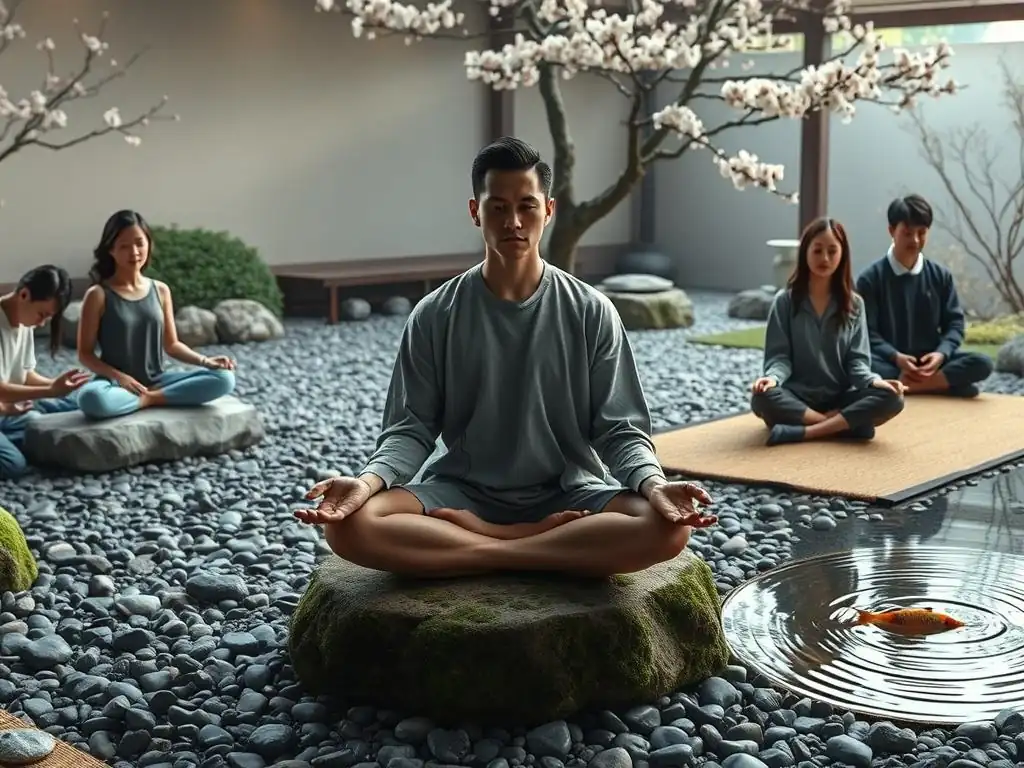
Welcome to Mind Care Guide, your sanctuary for nurturing inner peace and fostering mental well-being. Feeling overwhelmed and unsure where to begin on your meditation journey? You're not alone. Let's gently unravel the mystery surrounding guided meditation, because understanding the different types and their unique benefits can truly transform your practice. Curious to discover which approach resonates most deeply with your needs? Dive in and let's explore!
- Beyond Basic: Exploring Different Types of Guided Meditation Practices for Mental Well-being
-
Exploring Diverse Guided Meditation Techniques: Finding the Right Fit for You
- Body Scan Meditation: Cultivating Awareness and Reducing Tension
- Visualization Meditation: Harnessing the Power of Imagination for Positive Change
- Mindfulness Meditation: Anchoring in the Present Moment
- Loving-Kindness Meditation: Cultivating Compassion and Connection
- Walking Meditation: Bringing Mindfulness to Movement
- Sleep Meditation: Promoting Rest and Relaxation
- Tailoring Your Guided Meditation Practice: Personalization and Adaptation
- Maximizing the Benefits of Guided Meditation: Tips and Best Practices
- Conclusion: Embracing the Power of Guided Meditation for Enhanced Mental Well-being
-
Frequently Asked Questions
- What are the main benefits of practicing guided meditation?
- What are some different types of guided meditation practices?
- How does visualization meditation differ from other guided meditation types?
- Can guided meditation help with specific mental health challenges?
- Where can I find resources or guidance on different guided meditation techniques?
- Final Reflection: Unveiling the Transformative Power of Guided Meditation
- Unlock Deeper Relaxation: Your Guided Meditation Journey Starts Now!
Beyond Basic: Exploring Different Types of Guided Meditation Practices for Mental Well-being
What is Guided Meditation and How Does it Work?
Guided meditation is a practice where an instructor, either in person or via a recording, leads you through a meditation session. This guidance can involve verbal cues, soothing music, or specific instructions to help focus the mind, relax the body, or cultivate particular states of awareness.
Unlike silent meditation, which requires the practitioner to maintain focus independently, guided meditation provides a structured path, making it particularly accessible for beginners or those who find it challenging to quiet a busy mind. The guide's voice acts as an anchor, directing attention away from distracting thoughts and towards the intended focus, whether it's the breath, bodily sensations, or a specific theme.
The mechanism behind guided meditation's effectiveness lies in its ability to facilitate a shift in brain activity and physiological responses. By following the guide's instructions, the practitioner is encouraged to enter a state of relaxed focus. This often leads to a decrease in activity in the amygdala, the brain region associated with fear and stress, and an increase in activity in areas related to attention, self-awareness, and emotional regulation, such as the prefrontal cortex.
Regular practice can help train the brain to respond differently to stress, reduce rumination, and enhance emotional resilience. For instance, studies have indicated that consistent meditation can lead to measurable changes in grey matter density in areas associated with learning and memory, suggesting a neuroplastic effect.
The Benefits of Guided Meditation: A Comprehensive Overview
Engaging in guided meditation offers a wide array of benefits for both mental and physical health. One of the most widely reported advantages is stress reduction. By learning to observe thoughts and feelings without judgment and cultivating a state of calm, individuals can lower cortisol levels, the body's primary stress hormone. This reduction in physiological stress can translate into improved mood, decreased anxiety symptoms, and better overall emotional stability. Many individuals report feeling significantly calmer and more centered after incorporating guided meditation into their routine, sometimes within just a few weeks of consistent practice.
Beyond stress and anxiety relief, the benefits of different guided meditation types extend to improved sleep quality, enhanced focus and concentration, and greater self-awareness. For example, specific guided meditations designed for sleep can help quiet the mind and relax the body, addressing common causes of insomnia.
A report from the National Institutes of Health noted that mindfulness meditation, a type often delivered in a guided format, has shown promise in helping people manage symptoms of anxiety and depression. Furthermore, by regularly directing attention during guided sessions, practitioners can strengthen their ability to concentrate on tasks in daily life, leading to increased productivity and a greater sense of presence in their interactions and activities.
Guided Meditation Types Benefits: A Deeper Dive
The specific guided meditation types benefits vary depending on the technique employed and the focus of the session. Different practices target different outcomes, allowing individuals to choose approaches best suited to their personal needs and goals. For instance, while a general mindfulness meditation might aim for broad stress reduction and present moment awareness, a specialized loving-kindness meditation focuses specifically on cultivating feelings of compassion towards oneself and others, which can be particularly beneficial for improving relationships and reducing feelings of loneliness or anger.
Exploring the guided meditation types benefits reveals how tailored practices can address specific mental health challenges. A body scan meditation, for example, is highly effective at reducing physical tension and increasing body awareness, which can be particularly helpful for individuals experiencing chronic pain or anxiety manifesting as physical symptoms. Visualization exercises, on the other hand, can be powerful tools for building confidence, preparing for challenging situations, or reinforcing positive self-beliefs. Understanding these distinct guided meditation types benefits allows individuals to create a more targeted and effective personal practice, moving beyond basic relaxation to address deeper aspects of mental well-being.
Exploring Diverse Guided Meditation Techniques: Finding the Right Fit for You
Body Scan Meditation: Cultivating Awareness and Reducing Tension
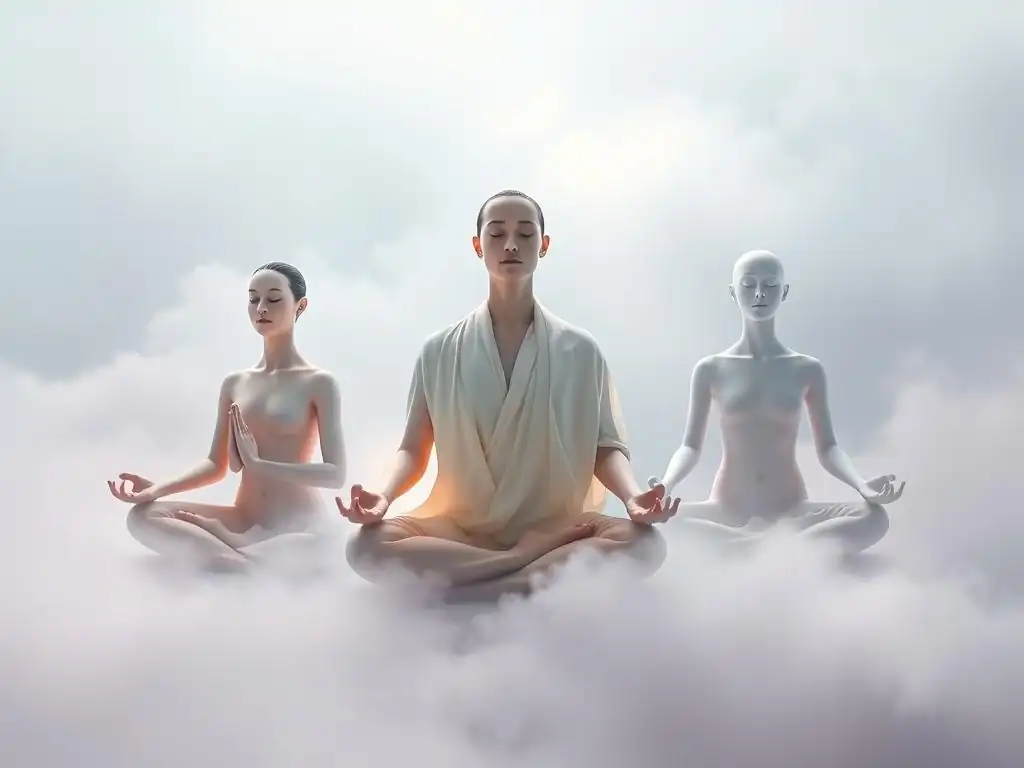
Body scan meditation is a foundational mindfulness practice that involves systematically bringing attention to different parts of the body, from the toes to the top of the head. The goal is to notice any sensations – such as warmth, tingling, pressure, or absence of sensation – without judgment. This practice helps to anchor the mind in the present moment through physical awareness and can reveal areas of tension that might otherwise go unnoticed. It cultivates a deeper connection between mind and body, enhancing interoceptive awareness, which is the ability to perceive internal bodily states.
This technique is particularly valuable for individuals who tend to intellectualize their experiences or disconnect from their physical selves. By gently directing awareness through the body, guided body scans encourage acceptance of whatever is present, whether it's discomfort or ease. Regular practice can lead to a greater tolerance for difficult physical sensations and a reduced tendency to react impulsively to discomfort. For example, someone experiencing chronic lower back pain might learn through body scan to observe the sensation without adding layers of fear or frustration, potentially reducing the overall suffering associated with the pain.
Benefits of Body Scan Guided Meditation for Anxiety and Stress Relief
The benefits of body scan guided meditation for anxiety and stress relief are well-documented. Anxiety often manifests physically as muscle tension, shallow breathing, or restlessness. The body scan practice directly addresses these physical symptoms by encouraging relaxation and mindful awareness of bodily states. By learning to notice tension without trying to immediately fix it, individuals can reduce the automatic fight-or-flight response triggered by anxious thoughts. This can lead to a significant decrease in overall stress levels and a reduction in the frequency and intensity of anxiety symptoms.
Research has consistently shown that mindfulness-based practices, including body scan, can lead to measurable reductions in perceived stress. For instance, a study involving participants with generalized anxiety disorder found that regular mindfulness practice significantly reduced anxiety symptoms compared to a control group. The body scan component specifically helps individuals recognize the early physical warning signs of stress or anxiety, enabling them to apply coping strategies sooner. The guided format is particularly helpful here, as the instructor's voice provides a gentle reminder to stay present with sensations, preventing the mind from wandering into anxious rumination.
How to Practice Body Scan Meditation: A Step-by-Step Guide
Practicing a body scan meditation typically involves lying down or sitting comfortably in a quiet space. You can follow a guided recording or guide yourself through the process.
- Begin by taking a few deep breaths to settle in.
- Bring your awareness to your feet, wiggling your toes, and noticing any sensations present.
- Slowly move your attention up through the body: ankles, lower legs, knees, thighs, hips.
- Spend a few moments in each area, simply observing sensations without judgment.
- Continue moving awareness up through the torso: abdomen, lower back, chest, upper back.
- Bring attention to your hands and arms, then your shoulders and neck.
- Finally, focus on your head and face, noticing sensations in the jaw, eyes, forehead.
- Conclude by taking a few conscious breaths, integrating the experience.
It's common for the mind to wander during a body scan. The practice isn't about keeping the mind completely still, but about noticing when it wanders and gently bringing it back to the current body part. If you feel impatient or bored, simply notice those feelings with curiosity. A typical guided body scan session might last anywhere from 10 to 45 minutes, with longer sessions often used in formal mindfulness programs like MBSR (Mindfulness-Based Stress Reduction). Many guided meditation apps offer various lengths and styles of body scan meditations to fit different schedules and preferences.
Visualization Meditation: Harnessing the Power of Imagination for Positive Change
Visualization meditation involves creating mental images or scenes in the mind's eye to evoke specific feelings, states of being, or outcomes. The guide typically describes a peaceful setting, a desired scenario, or a symbolic journey, encouraging the listener to engage their senses – sight, sound, smell, touch, and even taste – to make the experience as vivid and real as possible. This technique leverages the mind-body connection, as the brain can respond to imagined experiences in similar ways it responds to real ones, influencing emotions and physiological states.
This form of guided meditation can be incredibly versatile, used for relaxation, stress reduction, improving mood, enhancing creativity, or even preparing for specific events. By mentally rehearsing a positive outcome or immersing oneself in a calming scene, individuals can shift their emotional state and build a sense of confidence or tranquility. For example, someone preparing for a public speaking engagement might use visualization to mentally rehearse feeling calm and confident on stage, helping to reduce pre-event anxiety. The power of visualization lies in its ability to bypass the analytical mind and engage the subconscious, potentially influencing beliefs and behaviors.
Using Visualization in Guided Meditation for Goal Setting and Achievement
Visualization in guided meditation is a powerful tool for goal setting and achievement. By vividly imagining the successful attainment of a goal, individuals can clarify their aspirations, strengthen their motivation, and build a mental blueprint for success. The guided format helps structure this process, often leading the listener through specific steps like defining the goal, overcoming potential obstacles, and experiencing the positive feelings associated with achieving it. This mental rehearsal can increase self-efficacy – the belief in one's ability to succeed in specific situations or accomplish a task.
Numerous athletes, performers, and business professionals use visualization techniques to enhance performance. While specific data can vary widely based on the goal and individual, the principle is that mental practice can strengthen neural pathways relevant to the desired action or outcome. For example, a guided visualization for weight loss might involve imagining oneself making healthy food choices, enjoying exercise, and feeling confident in a healthier body. This isn't just wishful thinking; it's about aligning one's mindset and emotional state with the desired future, making it feel more attainable and motivating consistent action towards it.
Examples of Visualization Meditation Scripts and Themes
Visualization meditation scripts and themes are diverse, catering to various needs and intentions. Common themes include:
- Peaceful Place: Imagining a serene natural environment like a beach, forest, or mountain top to induce relaxation.
- Healing Light: Visualizing a warm, healing light flowing through the body to promote physical or emotional healing.
- Confidence Building: Picturing oneself successfully navigating a challenging situation or embodying desired qualities like courage and self-assurance.
- Manifestation: Visualizing the desired outcome of a goal, focusing on the feelings associated with its achievement.
- Inner Sanctuary: Creating a safe mental space where one can retreat for calm and reflection.
A simple script might guide the listener to "Imagine yourself walking along a soft, sandy beach. Feel the warm sun on your skin, hear the gentle rhythm of the waves, smell the salty air." More complex scripts might involve meeting an inner guide, releasing negative energy, or stepping into a future version of oneself. The effectiveness often depends on the individual's ability to engage their senses and emotions, and guided meditations often include prompts to facilitate this immersive experience. Many guided meditation types benefits lists include improved mood and increased optimism directly linked to these positive mental rehearsals.
Mindfulness Meditation: Anchoring in the Present Moment
Mindfulness meditation is perhaps the most widely recognized form of meditation in the West, focusing on cultivating awareness of the present moment without judgment. In a guided format, this often involves directing attention to the breath, bodily sensations, thoughts, or sounds as they arise and pass. The guide encourages the practitioner to simply observe these experiences with curiosity and acceptance, rather than getting caught up in analyzing, judging, or reacting to them. The core principle is to train the mind to be present, reducing the tendency to dwell on the past or worry about the future.
This practice builds mental resilience by teaching individuals how to observe thoughts and emotions from a distance, recognizing them as transient mental events rather than absolute truths or overwhelming forces. By repeatedly bringing the attention back to the present anchor (like the breath) whenever the mind wanders, the "muscle" of attention is strengthened. This can lead to improved focus and concentration in daily tasks. Furthermore, by practicing non-judgmental observation, individuals can develop a more compassionate relationship with themselves and their experiences, reducing self-criticism and emotional reactivity.
Guided Mindfulness Meditation for Beginners: Focusing on Breath and Sensations
Guided mindfulness meditation for beginners often starts with simple anchors like the breath. The guide might instruct the listener to simply notice the sensation of air entering and leaving the nostrils or the rise and fall of the abdomen. This focus provides a concrete point of attention that is always available. Beginners are encouraged to approach the practice with patience and self-compassion, understanding that the mind will wander – that's normal. The practice is in noticing the wandering and gently returning the attention to the breath, again and again.
Another common starting point is focusing on bodily sensations, similar to a body scan but often less systematic. The guide might simply ask the listener to notice whatever sensations are most prominent in the body at that moment. This helps beginners connect with their physical experience of being present.
For instance, a beginner's guided session might include prompts like "Notice the feeling of your feet on the floor... the weight of your body in the chair... the subtle sensations in your hands." These simple instructions make the practice accessible and less intimidating than trying to empty the mind, focusing instead on simply being aware of what is already happening.
Advanced Mindfulness Techniques in Guided Meditation
Advanced mindfulness techniques in guided meditation build upon the foundational skills of present moment awareness and non-judgment. These might involve expanding the field of awareness to encompass sounds, thoughts, or emotions as objects of observation, or practicing mindfulness during movement (like walking meditation). More advanced guided sessions might explore themes of impermanence, interconnectedness, or emptiness, drawing from deeper philosophical aspects of mindfulness traditions. The guide might use longer periods of silence interspersed with instructions, requiring the practitioner to maintain focus for extended periods.
Another advanced application is mindful inquiry, often done after a period of silent or guided practice. While not strictly part of the meditation itself, a guide might prompt reflection on insights gained during the session, encouraging deeper understanding of one's patterns of thinking, feeling, and reacting. For example, a guided session focused on observing difficult emotions might be followed by prompts like "What did you notice in your body as that emotion arose?" or "What stories did your mind tell about that feeling?" These techniques help integrate mindfulness into daily life and deepen the transformative potential of the practice.
Loving-Kindness Meditation: Cultivating Compassion and Connection
Loving-kindness meditation, also known as Metta meditation, is a practice focused on cultivating feelings of warmth, friendliness, and compassion towards oneself and others. It typically involves silently or verbally repeating specific phrases that express benevolent wishes, directing these wishes sequentially towards oneself, loved ones, neutral individuals, difficult individuals, and finally all beings. The intention is to open the heart and generate positive emotional states that can counter negativity, anger, and resentment.
This practice directly targets emotional well-being and interpersonal relationships. By intentionally generating feelings of kindness and compassion, practitioners can reduce self-criticism and develop greater self-acceptance. Extending these feelings outwards can improve empathy, forgiveness, and connection with others. The guided format is particularly effective for Metta practice, as the guide's voice and pacing can help evoke the intended feelings and maintain focus on the specific recipients of the loving-kindness phrases, making the practice feel more accessible and less abstract, especially for beginners.
The Practice of Loving-Kindness Guided Meditation for Self-Acceptance
The initial and crucial stage of loving-kindness guided meditation often focuses on directing benevolent wishes towards oneself. This is particularly important for individuals who struggle with self-criticism or low self-esteem. Common phrases include:
- "May I be happy."
- "May I be healthy."
- "May I be safe."
- "May I live with ease."
The guide encourages the practitioner to gently repeat these phrases, allowing the meaning and intention to resonate, and noticing any feelings or resistance that arise. This practice helps to counteract negative self-talk and cultivate a sense of inherent worthiness. Studies suggest that regular loving-kindness practice can increase positive emotions and decrease negative emotions, leading to improved psychological well-being. For someone struggling with past mistakes, directing kindness inward can be a powerful step towards forgiveness and self-acceptance, fostering a more compassionate inner dialogue.
Extending Loving-Kindness to Others Through Meditation
After cultivating loving-kindness towards oneself, the practice extends outwards. The guide typically leads the practitioner to direct the same benevolent wishes sequentially to:
- Loved Ones: People for whom it is easy to feel love and warmth.
- Neutral Individuals: People you encounter regularly but have no strong feelings about (e.g., a cashier, a bus driver).
- Difficult Individuals: People with whom you have conflict or find challenging.
- All Beings: Expanding the intention to encompass everyone everywhere.
This gradual expansion helps to break down barriers and cultivate a sense of interconnectedness. Directing kindness towards neutral and difficult individuals can be particularly transformative, challenging ingrained biases and fostering empathy. While it might feel challenging to send kind wishes to someone who has caused harm, the practice is not about condoning behavior but about freeing oneself from the burden of resentment and anger. The benefits of guided meditation types focusing on Metta include improved social connection, reduced anger, and increased feelings of goodwill towards others, contributing to healthier relationships and a more positive outlook on the world.
Walking Meditation: Bringing Mindfulness to Movement
Walking meditation integrates the principles of mindfulness with the physical act of walking. Instead of walking mindlessly, the practitioner brings their full attention to the sensations of walking – the lifting and placing of the feet, the movement of the legs, the swing of the arms, the rhythm of the breath, and the contact with the ground. A guided walking meditation provides prompts to help maintain this focus, preventing the mind from getting lost in planning, worrying, or daydreaming while moving. It can be practiced indoors or outdoors, in a straight line or a circular path.
This type of meditation is excellent for those who find it difficult to sit still for extended periods or who want to incorporate mindfulness into their daily activities. It demonstrates that mindfulness is not confined to formal seated practice but can be brought to any moment. By paying attention to the simple act of walking, practitioners can cultivate a deeper appreciation for the present moment and develop a greater sense of connection to their bodies and the environment. It transforms a mundane activity into an opportunity for awareness and presence.
Guided Walking Meditation for Stress Reduction and Enhanced Awareness
Guided walking meditation is effective for stress reduction by providing a moving anchor for the mind. When stress builds, physical activity can be helpful, and combining it with mindfulness amplifies the benefits. The rhythmic nature of walking, coupled with focused attention on bodily sensations and the environment, can help calm the nervous system and interrupt cycles of anxious thought. The guide's prompts help keep the mind engaged with the present experience of walking, rather than allowing it to ruminate on stressors.
This practice also significantly enhances sensory awareness. As the guide directs attention to the feeling of the ground beneath the feet, the temperature of the air, the sounds around, or the sights encountered, the practitioner becomes more attuned to their surroundings. This heightened awareness can lead to a greater appreciation for the simple details of life and a reduced tendency to operate on autopilot. For someone feeling overwhelmed, a 15-minute guided mindful walk can provide a powerful reset, reducing mental clutter and restoring a sense of calm presence.
Tips for Practicing Walking Meditation Safely and Effectively
Practicing walking meditation safely and effectively requires a few considerations.
- Choose a Safe Environment: Select a quiet, safe space where you won't be distracted by traffic or obstacles. A park, a quiet street, or even a hallway indoors can work.
- Slow Down: Walking meditation is typically done at a slower pace than your usual walk, allowing you to focus on the sensations of movement.
- Find a Rhythm: Pay attention to the natural rhythm of your steps and breath.
- Gentle Gaze: Keep your gaze soft, directed a few feet ahead of you, rather than looking around distractingly.
- Use a Guide: A guided walking meditation track can be very helpful, providing prompts to focus your attention and structure the practice.
- Start Small: Begin with 10-15 minutes and gradually increase the duration as you become more comfortable.
Remember that the goal is awareness, not reaching a destination quickly. If practicing outdoors, be mindful of your surroundings for safety, especially if you are using headphones for a guided track. The beauty of guided meditation types benefits like those from walking meditation is their ability to integrate mindfulness into everyday activities, making mental well-being accessible beyond seated practice.
Sleep Meditation: Promoting Rest and Relaxation
Sleep meditation is a specific type of guided meditation designed to help quiet the mind and relax the body in preparation for sleep. These sessions often involve gentle breathing exercises, progressive muscle relaxation, visualization of peaceful scenes, or soothing narratives. The intention is to calm the nervous system, reduce racing thoughts, and create a state conducive to falling asleep. Unlike energizing forms of meditation, sleep meditations are deliberately slow, gentle, and aim to lull the listener into a restful state.
This practice is particularly beneficial for individuals who struggle with insomnia, frequent waking, or difficulty winding down at the end of the day. By providing a structured way to release tension and mental chatter, sleep meditation can interrupt the cycle of anxiety and rumination that often interferes with sleep. Many people find the sound of a calming voice and gentle instructions helps to distract from worrying thoughts and focus instead on relaxation.
Guided Sleep Meditation Techniques for Insomnia and Better Sleep Quality
Guided sleep meditation techniques often combine several approaches to promote rest. Progressive muscle relaxation, where you tense and then release different muscle groups throughout the body, is commonly used to release physical tension. Breathing exercises, such as slow, deep abdominal breathing or 4-7-8 breathing (inhale for 4, hold for 7, exhale for 8), help to activate the parasympathetic nervous system, promoting a state of calm. Visualization might involve imagining a peaceful landscape or floating gently on water.
Narrative-based sleep meditations, such as listening to calming stories or descriptions, are also popular. The key is that the content is non-stimulating and repetitive enough to allow the mind to disengage from active thinking. Studies have shown that mindfulness and relaxation techniques, including guided meditation, can improve sleep quality and reduce symptoms of insomnia. For example, a study published in JAMA Internal Medicine found that mindfulness meditation improved sleep quality in older adults with moderate sleep disturbances. The guided format provides the necessary structure and soothing presence to make these techniques effective right before bed.
Creating a Bedtime Routine with Guided Sleep Meditation
Integrating guided sleep meditation into a consistent bedtime routine can significantly enhance its effectiveness. The routine signals to your body and mind that it's time to wind down and prepare for sleep.
- Set a Regular Time: Go to bed and wake up around the same time, even on weekends.
- Wind Down: Spend the hour before bed engaging in relaxing activities like reading, taking a warm bath, or gentle stretching. Avoid screens (phones, tablets, TVs) as the blue light can interfere with melatonin production.
- Prepare Your Space: Ensure your bedroom is dark, quiet, and cool.
- Start the Guided Meditation: Once in bed, listen to your chosen guided sleep meditation. Use headphones if necessary to avoid disturbing others.
- Allow Yourself to Rest: Don't worry if you don't fall asleep immediately. The goal is relaxation. Even if you don't fall asleep during the track, the relaxation benefits can still improve sleep quality later in the night.
Consistency is crucial. Practicing guided sleep meditation nightly helps train your mind and body to associate the practice with sleep, making it easier to relax and drift off over time. The specific guided meditation types benefits for sleep are profound, offering a drug-free approach to managing sleep difficulties and waking up feeling more rested.
Tailoring Your Guided Meditation Practice: Personalization and Adaptation
Matching Guided Meditation Types to Your Specific Needs and Goals
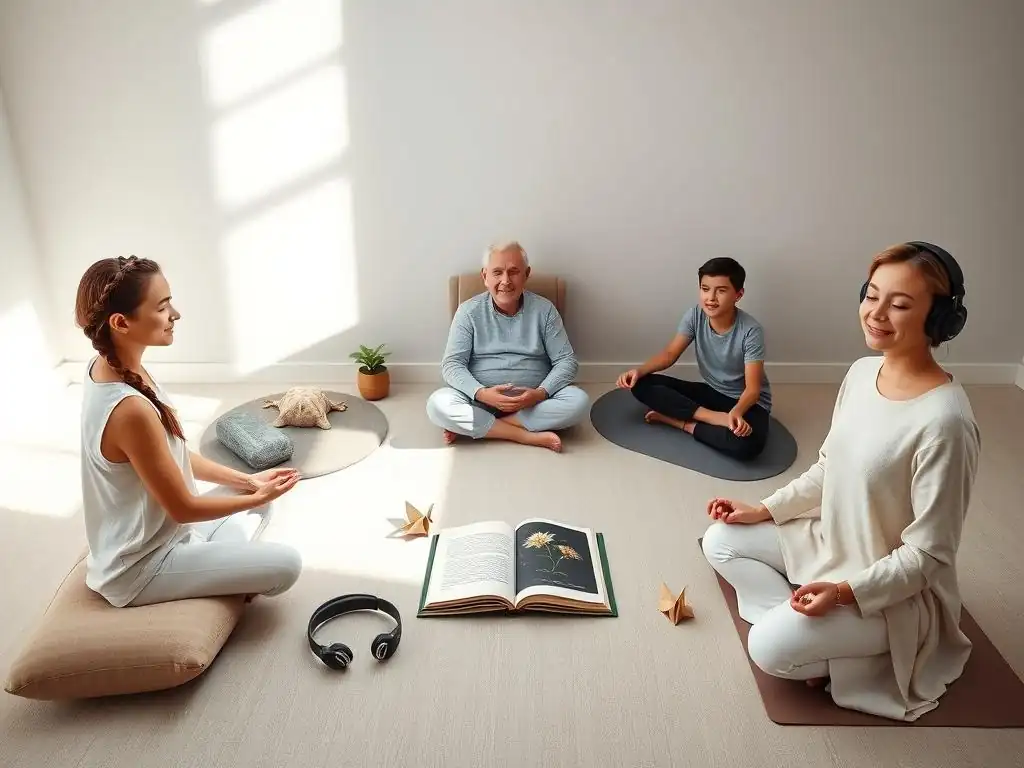
Selecting the right guided meditation practice is key to maximizing its benefits. Consider what you hope to achieve through meditation. Are you primarily seeking stress relief? Improved focus? Better sleep? Enhanced self-compassion? Different guided meditation types benefits align with different intentions.
- For stress and anxiety, body scan and general mindfulness meditations are excellent starting points.
- If you need help falling asleep, dedicated sleep meditations are designed for this purpose.
- To improve relationships or reduce anger, loving-kindness meditation is highly effective.
- For boosting confidence or preparing for challenges, visualization meditation can be very helpful.
- If you find sitting still difficult or want to be more present during daily activities, walking meditation is a great option.
It's also helpful to experiment. Try different types of guided meditations and different instructors or apps to see what resonates most with you. Your needs may also change over time, requiring you to adapt your practice. For instance, during a period of high stress, you might focus more on stress-reducing techniques, while during a period of personal growth, you might explore visualizations for goal setting.
Combining Different Guided Meditation Techniques for Enhanced Results
Combining different guided meditation techniques can lead to a more holistic and powerful practice, leveraging the specific guided meditation types benefits in synergy. For example, you might start your day with a short mindfulness meditation to anchor yourself in the present, use a walking meditation during a lunch break to stay centered while moving, and finish the day with a body scan or sleep meditation to relax before bed.
Another approach is to use different techniques within a single session or week based on what feels needed at the moment. If you're feeling particularly anxious, a body scan might be most helpful. If you're struggling with frustration towards someone, a loving-kindness practice could be beneficial. Many guided meditation apps and platforms offer a variety of techniques, making it easy to mix and match. By integrating various guided meditation types benefits, you can create a well-rounded practice that supports multiple aspects of your mental and emotional well-being.
Utilizing Guided Meditation Apps and Resources for Support
Guided meditation apps and online resources have made access to diverse practices easier than ever. Platforms like Headspace, Calm, Insight Timer, and numerous others offer extensive libraries of guided meditations varying in length, style, and focus. These resources provide:
- Variety: Access to different guided meditation types benefits, instructors, and themes.
- Structure: Programs and courses for beginners and experienced meditators.
- Convenience: Meditation available anytime, anywhere via smartphone or computer.
- Tracking: Some apps allow you to track your progress and consistency.
- Community: Some platforms offer community features or live sessions.
While free resources are abundant, subscription-based apps often offer higher production quality and a wider range of content. When choosing a resource, consider the types of meditation offered, the style of the instructors, and whether the interface is easy to use. Utilizing these resources can provide valuable support, guidance, and motivation as you explore the guided meditation types benefits and build a consistent practice.
Maximizing the Benefits of Guided Meditation: Tips and Best Practices
Creating a Comfortable and Conducive Environment for Meditation
The environment in which you practice guided meditation can significantly impact your experience. While you can meditate anywhere, creating a dedicated space, even a small one, can help signal to your mind that it's time to focus inward. Find a quiet place where you are unlikely to be interrupted. Turn off notifications on your phone or put it in airplane mode if you're using an app.
Ensure you are comfortable, whether sitting on a cushion, a chair, or lying down. Wear loose, comfortable clothing. While some prefer complete silence, others find gentle background sounds or nature sounds helpful, which are often included in guided tracks. The goal isn't to create a perfect, sterile environment, but one that minimizes distractions and allows you to relax and focus on the guide's voice and the practice itself. Even small adjustments, like dimming the lights or using a comfortable blanket, can make a difference in enhancing the guided meditation types benefits you experience.
Consistency is Key: Establishing a Regular Guided Meditation Routine
Consistency is arguably the most important factor in realizing the long-term guided meditation types benefits. Just like physical exercise, the positive effects of meditation accumulate over time with regular practice. Aim to meditate daily, even if only for a short period like 5-10 minutes. Finding a time that works for you, such as first thing in the morning, during a lunch break, or before bed, can help establish a routine.
Missing a day or two is not a failure; simply return to your practice when you can. It's better to meditate for a few minutes consistently than to attempt long sessions sporadically. Consider using a meditation tracker (many apps include this feature) or simply marking it on a calendar to help build the habit. Over time, consistent practice of exploring different guided meditation types benefits will lead to noticeable improvements in your ability to manage stress, focus, and experience greater emotional balance.
Overcoming Challenges and Obstacles in Guided Meditation Practice
It's normal to encounter challenges when practicing guided meditation. The most common obstacles include a restless mind, feeling impatient, falling asleep, or feeling like "nothing is happening."
- Restless Mind: Recognize that mind-wandering is part of the process. Gently bring your attention back to the guide's instructions or the anchor (like breath) without self-criticism.
- Impatience: Be kind to yourself. Meditation is a practice, not a performance. Focus on the process, not the outcome.
- Falling Asleep: If this happens frequently outside of dedicated sleep meditation, try meditating in a different posture (sitting up instead of lying down) or at a different time of day when you are more alert.
- "Nothing is Happening": Benefits often unfold subtly over time. Don't expect dramatic shifts immediately. Even simply sitting and observing your experience is practicing mindfulness.
A guided format can be helpful in overcoming these challenges, as the guide's voice provides structure and gentle reminders to stay present. If you struggle with a particular type of meditation, try exploring other guided meditation types benefits to see if a different technique is a better fit for you at this time. Persistence and self-compassion are key to navigating these common hurdles and continuing to reap the rewards of your practice.
Conclusion: Embracing the Power of Guided Meditation for Enhanced Mental Well-being
Summarizing the Various Guided Meditation Types and Their Benefits
We've explored a range of guided meditation practices, each offering unique pathways to enhanced mental well-being. From the grounding awareness of Body Scan Meditation which excels at reducing physical tension and anxiety, to the imaginative power of Visualization Meditation for goal setting and positive change, these techniques provide diverse tools for mind care. Mindfulness Meditation anchors us in the present, improving focus and reducing rumination, while Loving-Kindness Meditation cultivates compassion for ourselves and others, strengthening connections.
Finally, Walking Meditation brings mindfulness into movement, and Sleep Meditation offers a gentle path to restful sleep. Understanding these distinct guided meditation types benefits allows for a personalized approach to practice.
Each type of guided meditation contributes to a broader spectrum of mental health benefits, including significant reductions in stress and anxiety, improved emotional regulation, enhanced self-awareness and self-compassion, better sleep quality, and increased focus and concentration. While the specific benefits of different guided meditation types vary, the overarching theme is the cultivation of a more present, calm, and resilient mind. The accessibility provided by guided formats makes these powerful practices available to anyone seeking to improve their mental health.
Integrating Guided Meditation into a Holistic Mental Wellness Approach
Guided meditation is a powerful component of a holistic approach to mental wellness, complementing other healthy habits and potential therapeutic interventions. It is not a standalone cure but a supportive practice that builds inner resources. Combining regular guided meditation with practices like balanced nutrition, regular physical activity, sufficient sleep, strong social connections, and seeking professional help when needed creates a comprehensive strategy for maintaining and improving mental health.
For individuals managing conditions like anxiety or depression, guided meditation can be a valuable adjunct to therapy or medication, providing coping skills and promoting emotional resilience. Many therapists recommend mindfulness and meditation practices as part of a treatment plan. By consistently engaging with the specific guided meditation types benefits that address individual challenges, individuals can build a stronger foundation for navigating life's difficulties and cultivating lasting well-being.
Further Resources for Exploring Guided Meditation and Mindfulness Practices
For those interested in delving deeper into the world of guided meditation and mindfulness, a wealth of resources is available. Many non-profit organizations dedicated to mindfulness and meditation offer free guides, articles, and even free guided sessions or courses. Universities and research institutions often publish findings and offer programs based on evidence-based mindfulness techniques like MBSR (Mindfulness-Based Stress Reduction) and MBCT (Mindfulness-Based Cognitive Therapy).
Additionally, numerous books by respected meditation teachers and researchers provide in-depth explanations of the philosophy and practice of various techniques. Exploring these resources can offer a richer understanding of the principles behind the practices and provide further guidance on integrating them into your life. Engaging with the diverse guided meditation types benefits through continued learning and consistent practice is a rewarding journey towards enhanced mental well-being.
Frequently Asked Questions
What are the main benefits of practicing guided meditation?
Guided meditation can significantly reduce stress and anxiety. It also promotes relaxation and mindfulness, leading to improved overall well-being.
What are some different types of guided meditation practices?
Various types exist, including visualization meditation, focusing on creating mental images, and body scan meditation, which brings awareness to different parts of the body. Others include loving-kindness meditation and mindfulness meditation.
How does visualization meditation differ from other guided meditation types?
Visualization meditation uses guided imagery to create a mental picture, fostering positive emotions and goals. Other types focus more on present moment awareness or specific emotional states.
Can guided meditation help with specific mental health challenges?
Yes, guided meditation can be a valuable tool for managing anxiety disorders, depression symptoms, and even chronic pain by promoting relaxation and emotional regulation.
Where can I find resources or guidance on different guided meditation techniques?
Mind Care Guide offers a comprehensive collection of articles and resources on various guided meditation techniques. You can also find apps and online platforms dedicated to guided meditation practice.
Final Reflection: Unveiling the Transformative Power of Guided Meditation
The exploration of diverse guided meditation practices isn't just a trendy wellness pursuit; it's a powerful tool for navigating the complexities of modern life. The benefits, ranging from stress reduction to enhanced self-awareness, are increasingly relevant in our fast-paced, often overwhelming world. This journey through various techniques has highlighted the profound impact these practices can have on our mental, emotional, and even physical well-being.
The sheer variety of guided meditation styles, from the grounding presence of mindfulness meditation to the expansive journeys of visualization, underscores its adaptability to individual needs and preferences. This inherent flexibility is what makes it such a potent tool for personal growth. As the ancient wisdom of mindful practice continues to resonate in contemporary society, we see a growing understanding of its potential. The mind is everything. What you think you become.
– Buddha. This quote encapsulates the core principle behind guided meditation: by consciously shaping our thoughts and directing our attention, we can cultivate inner peace and positive change.
Now, consider your own journey. Which type of guided meditation resonated most with you? What aspects of your life could benefit from incorporating a regular practice? Take the time to experiment, to discover the technique that best suits your needs and embark on a path of self-discovery and inner peace. The transformative power awaits; all you need to do is begin.
Unlock Deeper Relaxation: Your Guided Meditation Journey Starts Now!
Thanks for taking the time to explore the world of guided meditation with us! We hope you discovered a practice that resonates with you and can help you find more peace and focus in your daily life. Ready to deepen your practice?
- Dive deeper: Choose one of the meditation types we discussed and commit to a 10-minute daily session for a week. Notice how it impacts your mood and energy levels.
- Share your experience: Tell us which meditation style you're trying and what you're discovering! Leave a comment below—we'd love to hear your journey.
- Expand your toolkit: Explore different guided meditation apps or resources to discover even more techniques and styles.
What unique benefit are you most excited to experience from your guided meditation practice?