
Your Daily Dose of Peace: Making Guided Meditation a Habit

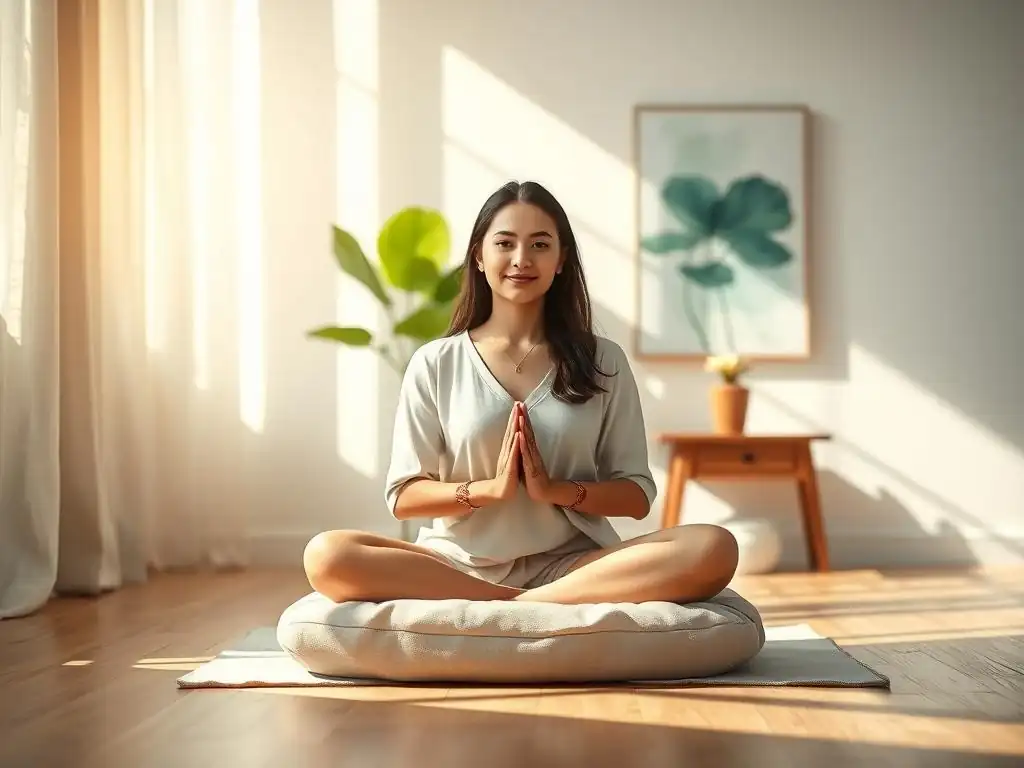
Welcome to Mind Care Guide, your sanctuary for cultivating inner peace.
Feeling overwhelmed by the constant noise of modern life? You're not alone. We understand the struggles with anxiety and stress. That's why we're thrilled to share practical strategies, starting with how guided meditation can significantly reduce anxiety stress. Curious to discover how simple, daily practices can lead to profound and lasting change? Let's begin your journey to a calmer, more centered you.
Cultivating Inner Peace: Integrating Mindfulness Meditation into Daily Life
In the hustle and bustle of modern life, finding moments of calm can feel like a luxury. Yet, cultivating inner peace isn't just desirable; it's essential for our mental and emotional well-being. Mindfulness meditation offers a powerful pathway to achieving this state, providing tools to navigate stress, reduce anxiety, and enhance our overall quality of life. Making mindfulness meditation a regular habit can profoundly transform how we experience the world and interact with ourselves.
This article serves as a comprehensive guide to understanding and implementing mindfulness meditation into your daily routine. We'll explore what mindfulness meditation is, its numerous benefits backed by scientific understanding, and provide practical steps to establish a consistent practice. Whether you're new to meditation or looking to deepen your existing habit, these insights and techniques can help you unlock a greater sense of presence and tranquility.
- Understanding Mindfulness Meditation and its Benefits for Mental Well-being
-
Establishing a Mindfulness Meditation Habit: A Practical Guide
- Step 1: Defining Achievable Goals for Your Daily Meditation Practice
- Step 2: Selecting a Suitable Type of Mindfulness Meditation for Your Needs
- Step 3: Creating a Tranquil and Undisturbed Environment for Meditation
- Step 4: Scheduling a Consistent Time for Your Daily Mindfulness Practice
- Step 5: Utilizing Mindfulness Meditation Resources to Support Consistency
- Addressing Obstacles and Sustaining Your Mindfulness Meditation Practice
- Exploring Various Techniques in Mindfulness Meditation
- Enhancing Your Mindfulness Meditation Practice for Optimal Results
- Sustained Advantages of Consistent Mindfulness Meditation Practice
- Resources to Support Your Mindfulness Meditation Journey
- Conclusion: Embrace Mindfulness Meditation for a More Present and Balanced Life
-
Frequently Asked Questions
- What is guided meditation and how can it help with anxiety and stress?
- How does guided meditation specifically reduce anxiety and stress?
- How often should I practice guided meditation to see real benefits?
- Where can I find reliable resources for guided meditation, especially for anxiety and stress relief?
- What are some common obstacles to starting a guided meditation practice, and how can I overcome them?
- Final Reflection: Cultivating Inner Calm in a Chaotic World
- Unlock Your Inner Calm: Start Your Meditation Journey Today!
Understanding Mindfulness Meditation and its Benefits for Mental Well-being
Mindfulness meditation is a practice rooted in ancient traditions, yet highly relevant to contemporary challenges like stress and anxiety. It involves paying deliberate attention to the present moment without judgment, fostering a state of non-reactive awareness. This simple act of focused presence can have profound effects on our mental landscape.
The benefits of integrating mindfulness into daily life are extensive, ranging from improved focus and emotional regulation to significant reductions in stress and anxiety levels. By training the mind to stay present, we build resilience against the mental chatter that often fuels worry and distraction. This practice doesn't aim to empty the mind, but rather to change our relationship with our thoughts and feelings, observing them without getting swept away.
What is Mindfulness Meditation? A Concise Overview
Mindfulness meditation is a form of mental training that cultivates present-moment awareness. It typically involves focusing attention on a specific anchor, such as the breath, bodily sensations, or sounds, while observing thoughts, feelings, and external stimuli without judgment. The core principle is to simply notice what is happening, as it is, in the current moment.
Unlike some other forms of meditation, mindfulness doesn't require achieving a blank state or spiritual enlightenment. It is a practical exercise in paying attention. When the mind inevitably wanders, the practice involves gently bringing the attention back to the chosen anchor. This repetitive process of noticing distraction and returning focus is the fundamental training that builds mental resilience and can significantly help guided meditation reduce anxiety stress over time.
How Mindfulness Meditation Enhances Focus and Reduces Mental Clutter
Regular engagement in mindfulness meditation directly trains the brain's attention networks. By repeatedly bringing focus back to the present moment anchor (like the breath) whenever the mind wanders, you are essentially exercising the parts of your brain responsible for sustained attention and cognitive control. This practice helps to strengthen your ability to concentrate on tasks and filter out irrelevant distractions in daily life.
Beyond improving focus, mindfulness meditation also helps to reduce mental clutter. Much of our internal noise consists of ruminating on the past or worrying about the future. By grounding attention in the present, meditation provides respite from this cycle. It teaches you to observe thoughts as transient mental events rather than absolute truths, diminishing their power to create distress and freeing up mental space. This clearing of mental clutter is a crucial aspect of how guided meditation reduce anxiety stress effectively.
The Neurological Basis of Mindfulness Meditation's Positive Effects
Research using neuroimaging techniques like fMRI has provided compelling evidence for the impact of mindfulness meditation on brain structure and function. Studies have shown that consistent meditation practice can lead to measurable changes in brain regions associated with attention, emotion regulation, and self-awareness. For instance, the prefrontal cortex, involved in planning and decision-making, often shows increased activity and connectivity.
Furthermore, meditation appears to reduce the activity and size of the amygdala, the brain's primary fear center. This reduction in amygdala reactivity is directly linked to decreased levels of anxiety and stress. Long-term meditators often show less activation in response to stressful stimuli compared to non-meditators. This neurological evidence underscores how regular guided meditation reduce anxiety stress by rewiring the brain's response to challenging situations.
Establishing a Mindfulness Meditation Habit: A Practical Guide
Starting a new habit can feel daunting, but establishing a mindfulness meditation practice is achievable with a clear approach and consistent effort. The key is to begin small, be patient with yourself, and integrate the practice seamlessly into your daily routine. Think of it as planting a seed and nurturing its growth over time.
This practical guide breaks down the process into manageable steps, offering actionable advice to help you build a sustainable meditation habit. From setting realistic goals to finding the right resources, each step is designed to make the journey into daily mindfulness accessible and rewarding. Committing to these steps is the first move towards making guided meditation reduce anxiety stress in your life consistently.
Step 1: Defining Achievable Goals for Your Daily Meditation Practice
When starting mindfulness meditation, setting realistic goals is crucial for long-term adherence. Instead of aiming for hour-long sessions immediately, begin with a modest commitment. For many beginners, just 5-10 minutes of meditation per day is a perfectly achievable starting point. This small duration is less intimidating and easier to fit into a busy schedule, increasing the likelihood that you will stick with it.
Your goal shouldn't be to stop thinking or achieve perfect stillness, but simply to show up and practice presence for the chosen duration. Recognize that some days will feel easier than others, and that's completely normal. The goal is consistency over intensity. By setting realistic time goals, you create a low-pressure environment that encourages daily engagement, laying the foundation for how guided meditation reduce anxiety stress builds over time.
Step 2: Selecting a Suitable Type of Mindfulness Meditation for Your Needs
Mindfulness meditation encompasses various techniques, and finding one that resonates with you can enhance your practice. The most common starting point is breath awareness meditation, which involves focusing solely on the sensation of breathing. This technique is simple, accessible anywhere, and provides a constant anchor for your attention.
Other forms include body scan meditation, where you bring awareness to different parts of your body, or walking meditation, which integrates mindfulness into movement. If you are specifically looking for guided meditation reduce anxiety stress, guided sessions focusing on relaxation or stress reduction might be most suitable. Experimenting with different types, perhaps through guided recordings, can help you discover what feels most supportive and effective for your personal journey.
Step 3: Creating a Tranquil and Undisturbed Environment for Meditation
While mindfulness can be practiced anywhere, especially as you become more experienced, creating a dedicated, quiet space can be highly beneficial when establishing a daily habit. Choose a location where you are least likely to be interrupted, such as a quiet corner of your home. Ensure the space is tidy and comfortable, allowing you to sit or lie down without physical discomfort being a distraction.
Minimize potential disturbances by turning off notifications on your phone and letting others in your household know you need a few minutes of quiet time. While a perfectly silent environment isn't always possible, making an effort to reduce interruptions signals to yourself the importance of this practice time. This dedicated space helps create a ritual around your meditation, making it easier to settle in and allow guided meditation reduce anxiety stress effectively.
Step 4: Scheduling a Consistent Time for Your Daily Mindfulness Practice
Consistency is key to building any habit, and mindfulness meditation is no exception. Decide on a specific time each day when you will meditate and try your best to stick to it. Many people find that meditating first thing in the morning sets a positive tone for the day, while others prefer the evening to unwind before sleep. The best time is ultimately the one that works reliably for you and your schedule.
Treat your meditation time as a non-negotiable appointment with yourself. Putting it on your calendar can help reinforce this commitment. Even on busy days, remind yourself that even a few minutes of guided meditation reduce anxiety stress and improve your overall well-being. A consistent schedule helps transform meditation from an occasional activity into an ingrained part of your daily rhythm.
Step 5: Utilizing Mindfulness Meditation Resources to Support Consistency
Various resources are available today that can significantly support your journey in making mindfulness meditation a habit. Meditation apps offer guided sessions of varying lengths and focus areas, providing structure and instruction, which is particularly helpful when starting out. Online platforms and websites also offer guided meditations, talks, and courses.
Books and articles provide deeper insights into the philosophy and practice of mindfulness. Utilizing guided meditation reduce anxiety stress is often easier when you have a supportive voice or structure to follow, especially in the beginning. Experiment with different teachers or styles available through these resources until you find guidance that resonates with you. These resources can help you stay motivated and deepen your understanding over time.
Addressing Obstacles and Sustaining Your Mindfulness Meditation Practice
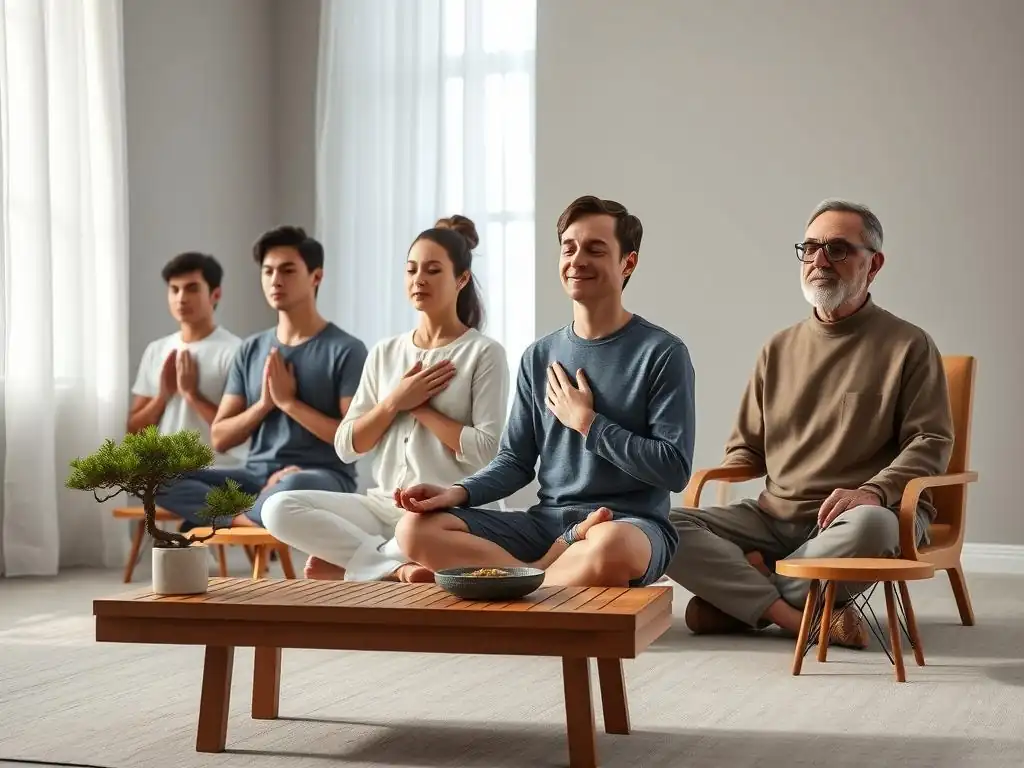
Building a consistent meditation habit is a journey, and like any journey, you will likely encounter bumps in the road. It's important to anticipate potential obstacles and develop strategies to navigate them. Common challenges include dealing with a restless mind, feeling like you don't have enough time, or getting discouraged when you miss a session.
Approaching these challenges with patience and self-compassion is vital. Setbacks are normal and do not mean you've failed. Instead, they are opportunities to learn and refine your approach. By understanding how to handle common difficulties, you can build resilience in your practice and maintain the benefits of mindfulness meditation over the long term, including its capacity to help guided meditation reduce anxiety stress.
Managing Intrusive Thoughts During Mindfulness Meditation
One of the most common misconceptions about meditation is that you are supposed to stop thinking. In reality, thoughts will inevitably arise. When practicing mindfulness meditation, the goal is not to eliminate thoughts but to change your relationship with them. When you notice your mind has wandered, simply acknowledge the thought without judgment.
Gently guide your attention back to your chosen anchor, such as the breath. This act of noticing and returning is the core practice. Don't get frustrated if your mind wanders repeatedly; this is normal. Each time you notice and return, you are strengthening your "attention muscle." Over time, you may find that the gaps between thoughts lengthen, and the thoughts themselves hold less power over you, contributing to how guided meditation reduce anxiety stress by reducing mental reactivity.
Re-Engaging After Interruptions in Your Meditation Routine
Life happens, and there will be days when you miss your scheduled meditation session due to unforeseen circumstances, illness, or simply forgetting. It's easy to feel discouraged and let one missed day turn into many. However, the most important thing after an interruption is to simply re-engage as soon as possible.
Avoid self-criticism or the thought that you've ruined your progress. Mindfulness is about non-judgment, and that includes being non-judgmental towards your own practice. If you miss a day, just commit to meditating the next day. If you can't fit in your usual time slot, try a shorter session at a different time. The key is flexibility and persistence. Re-establishing your routine quickly helps maintain the positive momentum and the benefits of guided meditation reduce anxiety stress over time.
Adapting Your Mindfulness Meditation Practice to Changing Circumstances
Life is dynamic, and your meditation practice may need to adapt to different phases or circumstances. Perhaps your schedule changes, you're traveling, or you're facing a period of increased stress. During challenging times, maintaining your practice can be even more important, although it might also feel more difficult.
Be willing to be flexible. If your usual 20-minute session is impossible, commit to 5 or 10 minutes. If you can't find a quiet space, try a walking meditation or a brief mindful moment while commuting. During periods of high stress or anxiety, you might find specific guided meditation reduce anxiety stress resources particularly helpful. The practice isn't rigid; it's a tool to support you through life's fluctuations. The ability to adapt ensures that you can continue to reap its benefits regardless of external circumstances.
Exploring Various Techniques in Mindfulness Meditation
Mindfulness meditation is not a monolithic practice; it encompasses a variety of techniques that can be used independently or integrated into a broader approach. Exploring different methods can help you find what resonates most deeply with you and what is most effective for addressing specific needs, such as managing stress or cultivating positive emotions.
Each technique offers a unique pathway into present-moment awareness and can cultivate different qualities of mind. From focusing on the simple act of breathing to extending compassion outwards, these variations provide richness and depth to the practice. Understanding these techniques can empower you to tailor your meditation experience to your current needs and goals, enhancing how guided meditation reduce anxiety stress in diverse ways.
Breath Awareness Meditation for Anchoring in the Present
Breath awareness meditation is perhaps the most fundamental and widely practiced form of mindfulness meditation. It involves directing your attention to the physical sensations of breathing – the rise and fall of the abdomen, the air entering and leaving the nostrils, or the expansion and contraction of the chest. The breath serves as a constant, readily available anchor to the present moment.
When your mind wanders, as it inevitably will, you simply notice the distraction without judgment and gently bring your attention back to the breath. This repetitive process trains your ability to focus and to disengage from trains of thought, particularly those that fuel anxiety or worry. The breath is always in the present, making it an ideal tool for grounding yourself when your mind is pulled into the past or future, thereby supporting the goal of guided meditation reduce anxiety stress.
Walking Meditation for Cultivating Mindfulness in Movement
Mindfulness doesn't have to be limited to sitting still. Walking meditation is a practice that brings mindful awareness to the act of walking. It involves paying attention to the sensations in your feet as they lift and fall, the movement of your legs, the swing of your arms, and the rhythm of your breath as you walk.
This technique allows you to integrate mindfulness into daily activities and can be particularly helpful if you find sitting meditation challenging or if you want to cultivate presence throughout the day. It can be practiced indoors or outdoors, taking slow, deliberate steps or simply bringing mindful attention to your regular pace. Walking meditation can be a dynamic way to stay grounded and can contribute to overall stress reduction alongside seated practices, supporting the broader aim to guided meditation reduce anxiety stress.
Loving-Kindness Meditation for Fostering Compassion and Connection
Loving-kindness meditation, also known as Metta meditation, is a practice aimed at cultivating feelings of warmth, compassion, and kindness towards oneself and others. It typically involves silently repeating phrases wishing well-being, happiness, and freedom from suffering first to oneself, then to loved ones, neutral people, difficult people, and finally to all beings.
While not strictly a pure mindfulness practice focused solely on non-judgmental awareness of the present moment (as it involves cultivating a specific emotional state), it is often integrated into mindfulness traditions. This practice can be a powerful antidote to negative emotions like anger, resentment, and self-criticism. By actively cultivating positive emotions, it can indirectly help guided meditation reduce anxiety stress by fostering a more positive internal environment and improving relationships.
Enhancing Your Mindfulness Meditation Practice for Optimal Results
Once you have established a consistent mindfulness meditation habit, you might look for ways to deepen and enrich your practice. While consistency is the foundation, exploring ways to enhance your experience can lead to greater insights and more profound benefits. This involves integrating related practices, refining your technique, and being open to different perspectives.
Think of enhancing your practice as adding layers to a strong base. It's about exploring the nuances of mindfulness and finding what helps you connect more deeply with yourself and the present moment. These enhancements can make your practice more engaging and effective in helping guided meditation reduce anxiety stress and promote overall well-being.
Integrating Mindfulness Meditation with Mindful Movement Practices
Combining seated mindfulness meditation with mindful movement practices can create a powerful synergy for both physical and mental well-being. Practices like yoga, Tai Chi, or even mindful stretching involve bringing conscious awareness to bodily sensations, breath, and movement.
Engaging in mindful movement can help release physical tension, which is often a manifestation of stress and anxiety. It also provides another avenue for practicing present-moment awareness, grounding you in your physical body. Integrating movement can make your overall mindfulness practice more holistic and accessible, especially if you find sitting for long periods challenging. This combination can significantly enhance the physical and mental benefits, further supporting how guided meditation reduce anxiety stress by addressing both mind and body.
The Significance of Mindful Breathing in Deepening Meditation
While breath awareness is fundamental to many mindfulness practices, focusing on mindful breathing techniques can further deepen your meditation. This goes beyond simply noticing the breath to intentionally working with its rhythm and depth. Techniques like deep diaphragmatic breathing, paced breathing (e.g., box breathing), or simply elongating the exhale can activate the body's relaxation response.
Consciously regulating your breath can have a direct physiological impact, calming the nervous system and reducing feelings of stress and anxiety in the moment. Incorporating deliberate mindful breathing techniques into your seated meditation or as a standalone practice can provide an additional powerful tool for managing stress and enhancing your sense of calm. This focus on breath control is a core reason why guided meditation reduce anxiety stress so effectively for many people.
Experimenting with Different Meditation Styles and Teachers
Just as there are different types of mindfulness meditation, there are also variations in teaching styles and approaches. If you primarily use a particular app or follow one teacher, consider exploring others. Different voices, instructions, and perspectives can offer fresh insights and help you connect with the practice in new ways.
Some teachers might emphasize gentle acceptance, while others focus more on cultivating focus. Experimenting with different guided meditation reduce anxiety stress formats available through various resources can help you find what resonates most deeply with you at different times. Being open to new styles keeps your practice dynamic and prevents it from feeling stagnant, ensuring you continue to grow and benefit.
Sustained Advantages of Consistent Mindfulness Meditation Practice
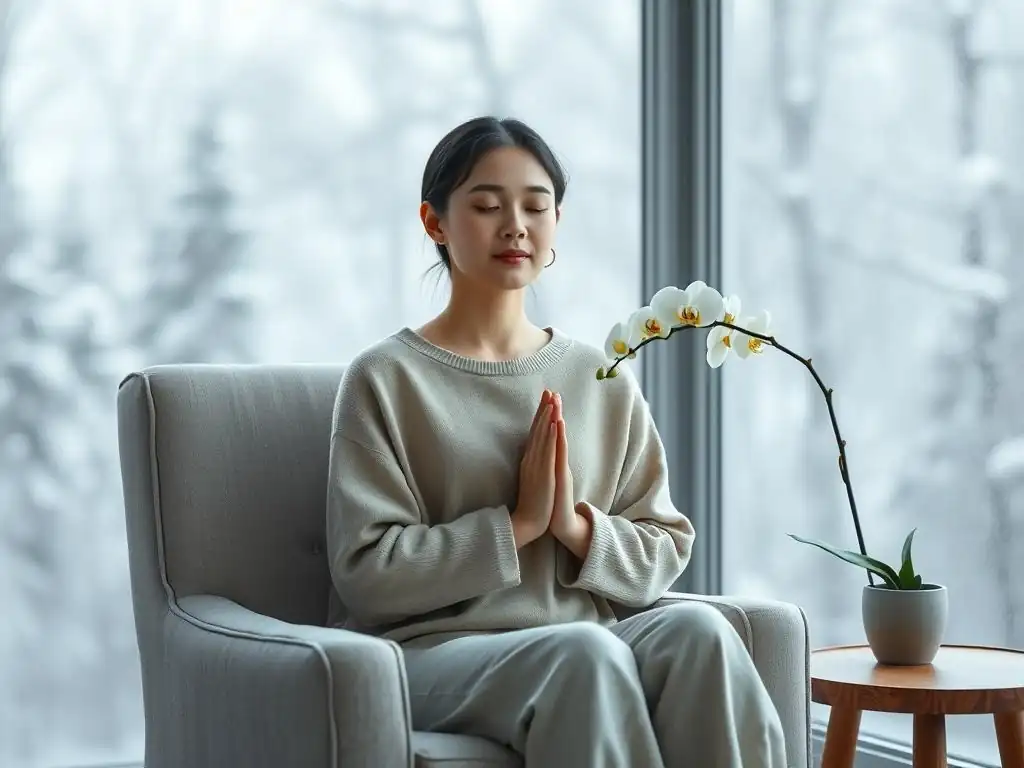
Committing to a regular mindfulness meditation practice yields numerous benefits that extend far beyond the meditation cushion. Over time, consistency builds mental resilience, enhances emotional intelligence, and fosters a greater sense of peace and clarity in daily life. These sustained advantages highlight the transformative power of making meditation a habit.
The cumulative effect of daily practice fundamentally changes how you perceive and react to challenges. It's not just about feeling calm during meditation, but about cultivating a state of being that allows you to navigate life's ups and downs with greater ease and presence. The long-term benefits underscore why incorporating guided meditation reduce anxiety stress is a valuable investment in your overall well-being.
Reduced Anxiety and Improved Stress Resilience
One of the most significant and well-documented benefits of consistent mindfulness meditation is its impact on anxiety and stress levels. Regular practice helps to calm the nervous system, reducing the physiological symptoms associated with stress, such as rapid heart rate and muscle tension. It also trains the mind to be less reactive to stressful thoughts and situations.
Studies often report that individuals who meditate regularly experience a notable reduction in perceived stress. For example, some research indicates a decrease in anxiety symptoms by as much as 30-40% after a consistent period of mindfulness training. By cultivating a non-judgmental awareness of thoughts and feelings, guided meditation reduce anxiety stress by helping you observe anxious thoughts without getting trapped by them, building a greater capacity to bounce back from challenging experiences.
Enhanced Emotional Intelligence and Self-Regulation
Mindfulness meditation cultivates emotional intelligence by increasing your awareness of your own emotions and how they manifest in your body and mind. By observing feelings without immediately reacting, you develop a greater capacity to understand your emotional landscape. This self-awareness is the first step towards better emotional regulation.
With consistent practice, you become more adept at noticing challenging emotions like anger or sadness as they arise, giving you the space to choose how to respond rather than being impulsively driven by them. This improved self-regulation extends to managing stress responses more effectively. This heightened emotional intelligence is a crucial long-term benefit, making guided meditation reduce anxiety stress not just by calming the nervous system, but by changing your relationship with your inner emotional world.
Greater Clarity of Thought and Improved Decision-Making
The reduction in mental clutter and improved focus that result from regular mindfulness meditation contribute to greater clarity of thought. When the mind is less preoccupied with rumination and worry, there is more cognitive space available for clear thinking and problem-solving.
This enhanced mental clarity can significantly improve decision-making abilities. By being more present and less swayed by emotional reactivity or distracting thoughts, you are better able to assess situations objectively and make choices aligned with your values and goals. This sharpness of mind is a powerful benefit that supports various aspects of life, demonstrating how consistent guided meditation reduce anxiety stress frees up mental resources for more constructive use.
Resources to Support Your Mindfulness Meditation Journey
Embarking on or sustaining a mindfulness meditation practice is greatly aided by accessing supportive resources. Whether you prefer guided sessions, in-depth reading, or structured programs, a wealth of tools is available to help you deepen your understanding and maintain consistency. These resources can provide guidance, motivation, and community as you integrate mindfulness into your daily life.
Finding resources that resonate with you can make the practice more accessible and enjoyable. They can offer different perspectives on techniques, provide guided sessions tailored to specific needs like sleep or stress, and offer insights into the broader context of mindfulness. Utilizing these tools is a practical step towards making guided meditation reduce anxiety stress a consistent and effective part of your well-being strategy.
Recommended Mindfulness Meditation Apps and Online Platforms
A wide variety of mindfulness meditation apps and online platforms offer guided meditations, courses, and tracking features that can be invaluable for establishing and maintaining a habit. These resources often provide sessions of different lengths, themes (like stress reduction, sleep, or focus), and teaching styles, making it easy to find something that fits your needs and schedule.
Many platforms offer introductory series for beginners, as well as more advanced content for experienced practitioners. They provide convenient access to guided meditation reduce anxiety stress sessions anytime, anywhere, removing potential barriers to practice. Exploring free trials or introductory content can help you find a platform whose style and content align with your preferences.
Books and Research Articles on Mindfulness Meditation
For those who want to delve deeper into the theory and science behind mindfulness, books and research articles offer a wealth of information. Numerous books provide practical guidance on how to meditate, explore the philosophical underpinnings of mindfulness, and share personal stories of transformation.
Academic research articles provide scientific insights into the effects of meditation on the brain and body, offering data-driven evidence for its benefits, including how guided meditation reduce anxiety stress. While some research can be highly technical, many articles and summaries are accessible to a general audience. Reading about the practice can deepen your understanding and reinforce your motivation to maintain consistency.
Conclusion: Embrace Mindfulness Meditation for a More Present and Balanced Life
Integrating mindfulness meditation into your daily life is a powerful step towards cultivating inner peace, reducing stress, and enhancing overall well-being. It is a practice that requires patience and consistency, but the rewards – including reduced anxiety, improved focus, and greater emotional resilience – are profound and lasting.
By understanding what mindfulness meditation is, establishing achievable goals, creating a supportive environment, and utilizing available resources, you can successfully build a sustainable habit. Remember that challenges will arise, but approaching them with self-compassion and persistence is part of the practice itself. Embracing guided meditation reduce anxiety stress is not about achieving perfection, but about committing to showing up for yourself, cultivating presence, and fostering a more balanced and fulfilling life, one mindful moment at a time.
Frequently Asked Questions
What is guided meditation and how can it help with anxiety and stress?
Guided meditation is a process where a meditation leader guides you through imagery and relaxation techniques. It can help reduce anxiety and stress by promoting mindfulness and a sense of calm.
How does guided meditation specifically reduce anxiety and stress?
Guided meditation helps by shifting your focus away from anxious thoughts and towards the present moment. This practice can lower cortisol levels (the stress hormone) and activate the parasympathetic nervous system (the "rest and digest" system).
How often should I practice guided meditation to see real benefits?
Consistency is key. Aim for at least 10-15 minutes daily. Even short, regular sessions can significantly impact your anxiety and stress levels over time.
Where can I find reliable resources for guided meditation, especially for anxiety and stress relief?
Platforms like Mind Care Guide, apps like Calm and Headspace, and YouTube channels offer a wide variety of guided meditations. Look for meditations specifically designed to address anxiety and stress reduction.
What are some common obstacles to starting a guided meditation practice, and how can I overcome them?
Common obstacles include lack of time, difficulty focusing, and feeling self-conscious. Start small, find a quiet space, and be patient with yourself as you develop the habit.
Final Reflection: Cultivating Inner Calm in a Chaotic World
The pursuit of peace in our daily lives is no longer a luxury, but a necessity. In a world saturated with constant stimulation and relentless demands, the simple act of incorporating guided meditation into our routines offers a powerful antidote to the pervasive anxiety and stress that plague modern society. This isn't just about fleeting moments of calm; it's about building resilience, fostering self-awareness, and cultivating a deeper connection with ourselves and the world around us.
The impact of guided meditation extends far beyond individual well-being; it ripples outwards, influencing our relationships, our productivity, and even the collective consciousness. By prioritizing inner peace, we contribute to a more compassionate and understanding society. As the Dalai Lama wisely stated, Peace is not merely the absence of war, but the presence of justice, compassion, and the understanding of others.
This resonates deeply with the transformative power of guided meditation, which cultivates precisely these qualities within us. The practice allows us to approach challenges with greater clarity, empathy, and resilience, ultimately fostering a more peaceful existence for ourselves and those around us.
Now, consider your own life. What small step can you take today to integrate the practice of guided meditation into your daily routine? Even five minutes of mindful breathing can make a profound difference. Commit to exploring this powerful tool for self-care, and witness the transformative effects it has on your stress levels, your overall well-being, and your ability to navigate the complexities of modern life with greater ease and grace. Embrace the journey towards inner peace – it's a journey worth taking.
Unlock Your Inner Calm: Start Your Meditation Journey Today!
Thanks for taking the time to explore the power of guided meditation! We hope you've discovered new ways to cultivate inner peace and reduce stress. Now it's time to put your knowledge into practice.
- Begin your daily meditation practice: Even 5 minutes a day can make a significant difference. Choose a quiet space and follow a guided meditation (there are plenty of free resources online! ). This is your key step to a calmer you.
- Share this article with a friend or loved one who could benefit from incorporating mindful practices into their daily life. Help them discover the joy of meditation too!
- Try a different meditation technique than what you read about, perhaps a walking meditation or a body scan. Explore what resonates best with you!
Ready to experience the transformative power of consistent meditation? What's your biggest hurdle to starting a daily practice, and how can we help you overcome it?