
The Role of Intention in Guided Meditation

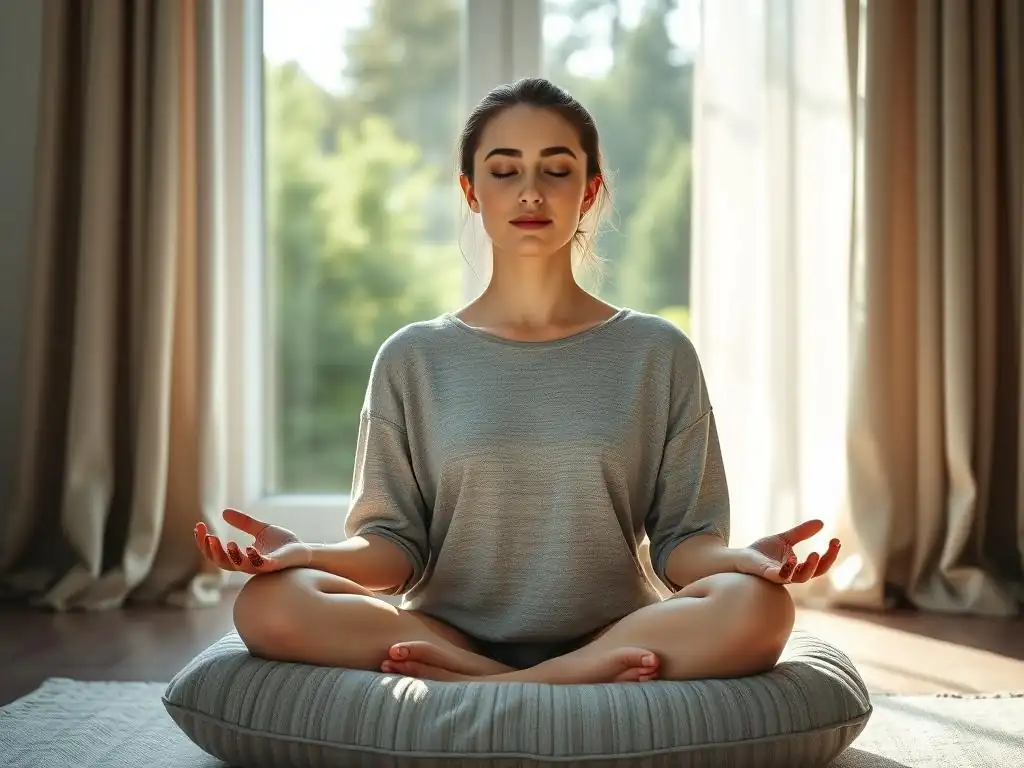
Welcome to Mind Care Guide.
Are you feeling overwhelmed by anxiety and searching for a path to inner peace? You're not alone. At Mind Care Guide, we understand the challenges you face. Discover the transformative power of mindfulness as we delve into the profound impact of intentional guided meditation benefits anxiety. Curious about how setting a specific intention can amplify the calming effects of meditation? Let's explore this powerful technique together and begin your journey towards a calmer, more centered you.
The Role of Intention in Guided Meditation: A Mind Care Guide
- Understanding Intention in Meditation
- Intentional Guided Meditation Benefits Anxiety
- Types of Intentions for Guided Meditation
- The Science Behind Intention and Meditation
- Practical Steps for Setting Intentions in Guided Meditation
- Integrating Intention into Your Daily Meditation Practice
- Troubleshooting Common Challenges with Intention Setting
- Examples of Intentional Guided Meditation Scripts
- Measuring the Impact of Intentional Guided Meditation on Your Mental Well-being
- Advanced Techniques for Intentional Guided Meditation
-
Frequently Asked Questions
- What is intentional guided meditation and how does it differ from regular guided meditation?
- How can setting an intention enhance the benefits of guided meditation for anxiety?
- What kind of intentions are most effective for managing anxiety through guided meditation?
- How often should I practice intentional guided meditation to see noticeable improvements in my anxiety levels?
- Where can I find resources or examples of intentional guided meditations specifically designed for anxiety relief?
- Final Reflection: Unleashing the Power of Intention in Your Meditation Practice
- Unlock Your Inner Peace: Take the Next Step
Understanding Intention in Meditation
Defining Intention: Setting the Stage for Guided Meditation
Intention, in the context of guided meditation, is more than just a casual thought or wish; it is a conscious, deliberate focus or purpose that you bring to your practice. Think of it as setting a compass bearing before you begin your journey. Without a clear intention, your meditation might feel aimless or unfocused, like drifting on a placeless sea.
When you engage in intentional guided meditation, you are actively choosing what you hope to cultivate, release, or explore during the session. This could range from a simple desire for relaxation to a specific goal like developing patience or finding peace amidst challenging emotions.
This deliberate act of setting an intention transforms the passive experience of simply following instructions into an active engagement with your inner landscape. It provides a framework for the mind, giving it a positive direction to move towards rather than getting lost in habitual thought patterns, especially those that fuel anxiety. By clearly stating or holding your intention before the guided practice begins, you prime your subconscious mind to be receptive to the themes and guidance offered, making the session potentially more potent and relevant to your personal needs.
The Power of Intention: How it Shapes Your Meditation Experience
The power of intention lies in its ability to direct your attention and energy. When you set a clear intention, you are essentially telling your mind what is important for this specific practice session. This focused energy can significantly deepen your engagement with the guided meditation, making you more attuned to the instructions and more receptive to the intended outcome. For example, if your intention is to release tension, you might become more aware of physical sensations of tightness and the guide's cues for relaxation.
Furthermore, intention acts as a anchor during the meditation. When the mind inevitably wanders – a common experience, particularly for those dealing with anxiety – your intention serves as a gentle reminder of why you are practicing. You can simply acknowledge the distraction and return your focus to your stated purpose. This repeated act of returning to your intention strengthens your mental discipline and reinforces the desired mental state or quality you are cultivating. Over time, this consistent practice of focusing energy through intention can lead to more profound and lasting benefits, especially in managing persistent states like anxiety.
Intentional Guided Meditation Benefits Anxiety
Reducing Anxiety with Focused Intention
Focusing your intention during guided meditation specifically on releasing anxiety or cultivating calm can be profoundly effective. When you sit down to practice with the clear purpose of reducing anxious feelings, you are actively directing your mind away from worry and towards peace. This conscious redirection is a powerful tool against the cyclical nature of anxiety, which often involves getting trapped in negative thought loops. An intentional guided meditation benefits anxiety by providing a structured path to interrupt these patterns.
For instance, a guided meditation session with the intention 'I intend to release anxious thoughts and find inner calm' provides a specific goal. As the guide leads you through body scans or breath awareness, your intention helps you apply these techniques to the specific sensations and thoughts associated with your anxiety.
You become more mindful of where anxiety manifests in your body and mind, and the guided practice, coupled with your intention, helps you gently process or release these manifestations. Many people find that even a single session focused on this intention can offer temporary relief, and consistent practice builds resilience.
Intentional Guided Meditation for Stress Reduction
While anxiety is a specific emotion, stress is often a broader state that contributes significantly to anxious feelings. Setting an intention for stress reduction during guided meditation can address the root causes and physical manifestations of stress. An intention like 'I intend to soften tension in my body and mind' or 'I intend to cultivate a sense of ease' directs your practice towards releasing physical tightness and calming mental chatter associated with stress.
Consider a guided meditation focused on progressive muscle relaxation. If your intention is stress reduction, you will likely engage more deeply with the process of tensing and releasing muscles, consciously connecting it to letting go of accumulated stress. Research broadly supports the idea that mindfulness and meditation practices, when engaged with purpose, can lower cortisol levels, the body's primary stress hormone.
While specific numbers vary widely between studies and individuals (e.g., some studies suggest reductions in cortisol by 10-15% after regular practice over several weeks), the directional impact towards reduced physiological stress markers is consistently observed. This makes intentional guided meditation a valuable tool for managing stress and, consequently, reducing stress-induced anxiety.
How Intention Amplifies the Calming Effects of Guided Meditation
Intention acts as an amplifier for the inherent calming effects of guided meditation. Guided meditation provides the structure – the soothing voice, the specific instructions, the calming pace. Intention provides the focus and personal relevance. Without intention, a guided session might offer general relaxation. With intention, that relaxation becomes specifically targeted towards, say, easing the tightness in your chest caused by anxiety or quieting the racing thoughts that keep you awake.
For example, if a guided meditation includes instructions to "breathe into any areas of tension," and your intention is 'to bring peace to my anxious mind', you will likely focus that breath and awareness specifically on the mental tension related to anxiety. This focused application of the technique, driven by intention, makes the practice more efficient and potentially more impactful in addressing your specific anxiety symptoms.
It's like using a magnifying glass to focus sunlight – the sun is the guided meditation, the magnifying glass is your intention, and the concentrated heat is the amplified calming effect targeted at your anxiety. This deliberate targeting is why intentional guided meditation benefits anxiety so effectively.
Types of Intentions for Guided Meditation
Cultivating Self-Compassion Through Intention
Setting an intention to cultivate self-compassion during guided meditation is particularly healing, especially for those whose anxiety is tied to self-criticism or fear of judgment. An intention such as 'I intend to treat myself with kindness' or 'I intend to offer myself the same compassion I would offer a friend' can guide your practice towards softening harsh inner dialogue. Guided meditations focused on self-compassion often involve gentle affirmations or visualizations of warmth and acceptance.
When you approach these practices with the clear intention of nurturing self-compassion, you are more likely to absorb the messages and techniques deeply. Instead of just listening to soothing words, you are actively applying them to your own inner experience, perhaps directing kindness towards the parts of you that feel anxious or inadequate. This intentional focus can gradually shift your relationship with yourself, leading to a decrease in self-inflicted pressure and a greater capacity to handle difficult emotions, which in turn can alleviate anxiety.
Setting Intentions for Emotional Healing During Guided Meditation
Guided meditation can be a powerful space for processing difficult emotions, and setting a specific intention for emotional healing can significantly enhance this process. Intentions might include 'I intend to gently explore feelings of sadness' or 'I intend to create space for my anger without judgment'. Such intentions prepare your mind to approach challenging emotions with curiosity and acceptance rather than avoidance or suppression, which often exacerbate anxiety.
By setting an intention for healing, you signal to yourself that it is safe to feel and explore. A guided meditation might then lead you through techniques like observing emotions without getting carried away by them or visualizing releasing emotional burdens. Your intention acts as a compass, ensuring that as you navigate these potentially turbulent inner waters, you remain grounded in your purpose of healing and integration. This intentional approach can help break the cycle of emotional avoidance that often fuels anxiety.
Intentions for Improved Focus and Concentration in Meditation
While meditation itself is a practice in focus, setting an explicit intention for improved concentration can make the practice even more effective in strengthening this skill. An intention like 'I intend to gently return my attention to my breath whenever it wanders' or 'I intend to cultivate unwavering focus for the next 10 minutes' provides a clear goal for your mental training. This is particularly helpful for individuals whose anxiety manifests as racing thoughts or difficulty staying present.
Guided meditations designed to build focus often involve concentrating on a single object, like the breath, a mantra, or a sensation. By bringing the intention of improving concentration to these practices, you sharpen your awareness of moments when your mind drifts and strengthen your ability to redirect it kindly. This repeated exercise, driven by intention, builds mental muscle, improving your ability to focus not just in meditation but also in daily life, which can help ground you and reduce the scattered feeling often associated with anxiety.
Intentions for Gratitude and Positive Thinking in Guided Meditation
Intentions focused on cultivating positive states like gratitude or positive thinking can actively counteract negative thought patterns prevalent in anxiety. Setting an intention such as 'I intend to notice and appreciate the good things in my life' or 'I intend to cultivate a more positive outlook' shifts your mental energy towards uplifting perspectives. Guided meditations for gratitude might prompt you to think about things you are thankful for, while positive thinking meditations might use affirmations.
Approaching these guided sessions with a clear intention makes you more attuned to the prompts designed to foster positivity. Instead of just passively hearing suggestions to feel grateful, you actively seek out reasons for gratitude, reinforcing those neural pathways. While these intentions don't negate difficult feelings, they build resilience by strengthening your capacity to access positive emotions and perspectives, creating a counterbalance to anxiety and fostering a more balanced emotional landscape.
The Science Behind Intention and Meditation

Research on the Impact of Intention on Brain Activity during Meditation
Neuroscientific research, while still exploring the nuances of intention in meditation, suggests that setting an intention can influence brain activity. Studies using fMRI (functional magnetic resonance imaging) have observed changes in brain regions associated with attention, self-referential processing, and emotional regulation during meditation, particularly when individuals engage with a specific focus. For instance, research indicates that areas like the prefrontal cortex (involved in planning and attention) and the anterior cingulate cortex (involved in focus and conflict monitoring) show increased activity during focused meditation practices.
When an intention is added, it provides a specific target for this neural engagement. While pinpointing the exact neural signature of "intention" is complex, it's understood that directing your focus towards a specific goal, like reducing anxiety, activates these attention and regulation networks in a way that aligns with that goal. This suggests that intention isn't just a mental construct but has tangible effects on how the brain engages with the meditative process, potentially enhancing the desired outcomes, including the benefits of intentional guided meditation for anxiety.
The Mind-Body Connection: Intention as a Catalyst for Healing
The mind-body connection is a well-established concept, recognizing the intricate link between our psychological state and physical health. Intention serves as a powerful catalyst within this connection, particularly in facilitating healing during guided meditation. When you set an intention focused on physical or emotional well-being – for example, 'I intend to send healing energy to my body' or 'I intend to release the physical tension caused by anxiety' – you are directing your mental focus in a way that can influence physiological responses.
While not a substitute for medical treatment, intentional meditation can support the body's natural healing processes by reducing stress hormones, lowering blood pressure (some studies show a reduction of 5-10 mmHg in systolic pressure with regular practice), and improving immune function. The focused attention brought about by intention can heighten body awareness, allowing you to notice and respond to physical sensations more effectively. This conscious engagement with the body, guided by a healing intention, can contribute to a greater sense of physical and emotional well-being, alleviating some somatic symptoms often associated with anxiety.
Exploring the Placebo Effect and the Power of Intention in Mental Well-being
The placebo effect, where a person experiences a benefit from an inactive substance or treatment due to their belief in its efficacy, highlights the profound power of expectation and belief. While distinct from the active practice of meditation, the principles underlying the placebo effect share common ground with the power of intention in enhancing mental well-being. Setting an intention involves a degree of belief in the potential outcome – you intend to feel calmer because you believe it is possible through the practice.
This element of positive expectation, fueled by a clear intention, can prime the mind and body to be more receptive to the calming and healing aspects of guided meditation. If you genuinely intend to reduce your anxiety through a guided session, your mind is likely more attuned to the cues that facilitate relaxation and less likely to get caught up in skeptical or resistant thoughts.
While meditation has demonstrable effects independent of belief, the presence of a clear, positively framed intention can amplify these effects, harnessing the mind's own capacity for self-regulation and healing, thereby boosting the intentional guided meditation benefits anxiety sufferers seek.
Practical Steps for Setting Intentions in Guided Meditation
Preparing Your Mind: Creating a Quiet Space for Intention Setting
Before you even begin the guided meditation itself, dedicating a few moments to prepare your mind and environment is crucial for effective intention setting. Find a quiet space where you won't be easily disturbed. Turn off notifications on your phone and minimize external distractions. Sit or lie down in a comfortable position, taking a few deep breaths to center yourself and transition from the busyness of your day.
This preparatory phase allows you to become present and more aware of your current state – both mentally and emotionally. By consciously creating this space, you signal to your mind that you are transitioning into a period of focused inner work. This simple act of preparation helps quiet the mental chatter and makes it easier to connect with what you truly need from the upcoming meditation session, laying the groundwork for a meaningful intention.
Formulating Your Intention: Tips for Clarity and Specificity
Formulating a clear and specific intention is key to its effectiveness. Instead of a vague idea like "feel better," aim for something more focused. Consider what you most need in this moment or what quality you wish to cultivate. Ask yourself: What is my deepest need right now? What do I hope to gain or release during this practice?
Here are some tips for formulating your intention:
- Keep it simple: A short, concise phrase is often easier to remember and hold throughout the meditation.
- Make it positive: Frame your intention around what you want to cultivate, rather than what you want to avoid (e.g., "Cultivate peace" instead of "Don't be anxious").
- Be specific: Instead of "Reduce stress," try "Release tension in my shoulders and jaw."
- Make it personal: Connect it to your current feelings or challenges.
- State it in the present tense: "I am cultivating calm" or "I am breathing ease into my body."
You can state your intention silently to yourself or even write it down before you begin. For example, if you're using intentional guided meditation benefits anxiety, a clear intention might be: 'I intend to meet my anxiety with kindness and create space for calm breathing.'
Visualizing Your Intention: Engaging Your Senses for Deeper Connection
Once you have formulated your intention, take a moment to visualize it. Engaging your senses can deepen your connection to your intention and make it more potent. Close your eyes and imagine what it would feel like, look like, or sound like to experience the outcome of your intention.
For example, if your intention is to cultivate inner peace, visualize a calm scene – perhaps a still lake or a peaceful garden. Imagine the feeling of peace spreading through your body, the softening of tension, the slowing of your breath. If your intention relates to releasing anxiety, visualize the anxious energy as something you can gently breathe out or watch float away like clouds. Engaging these sensory details makes your intention more than just a thought; it becomes a felt experience that you are moving towards during the meditation.
Releasing Your Intention: Trusting the Process of Guided Meditation
After setting and perhaps visualizing your intention, the final practical step is to gently release it as you begin the guided meditation. This might sound counterintuitive, but it's about holding the intention lightly rather than grasping onto it tightly. Once you've set the direction, trust the guided meditation process to help you navigate towards it.
As you follow the guide's voice and instructions, your intention acts as an underlying theme, subtly influencing how you engage with the practice. You don't need to constantly repeat it in your mind. Simply bring it back to awareness gently if you notice your mind wandering significantly off course. Releasing the need to force the outcome allows you to relax into the meditation itself, trusting that by simply being present and following the guidance, you are working towards your intended goal. This easeful approach is often more effective than striving, particularly when seeking intentional guided meditation benefits anxiety.
Integrating Intention into Your Daily Meditation Practice
Morning Intentions: Starting Your Day with Purpose
Setting an intention during your morning guided meditation can powerfully shape the tone and direction of your entire day. Before the demands and distractions of the day begin, taking just a few minutes to sit quietly and set a clear intention provides a compass for the hours ahead. This could be an intention related to how you want to feel, how you want to interact with others, or what you want to focus your energy on.
For example, if you know you have a challenging day ahead, your morning intention might be 'I intend to meet challenges with patience and presence.' Or, if you tend to start your day feeling overwhelmed, an intention might be 'I intend to approach my tasks with calm focus.' Carrying this intention with you throughout the day acts as a gentle reminder to pause, breathe, and realign when you feel yourself getting pulled off course. This proactive approach can significantly reduce anticipatory anxiety about the day.
Evening Intentions: Reflecting and Releasing Before Sleep
Evening guided meditation, coupled with intention, offers a valuable opportunity for reflection and release before sleep. Setting an intention at night can help you process the day's experiences, let go of accumulated stress, and prepare your mind for restful sleep. An intention might focus on forgiveness, gratitude, or simply releasing the day's worries.
Consider an intention like 'I intend to release the tensions of the day and find peace before sleep.' Or, 'I intend to reflect on moments of kindness and gratitude.' A guided meditation focused on body scan or gentle breathing can support these intentions, helping you consciously let go of physical and mental burdens. This practice of intentional release in the evening can help quiet the anxious thoughts that often interfere with sleep, contributing to overall mental well-being.
Using Affirmations to Reinforce Your Intentions
Affirmations are positive statements that can be used to reinforce your intentions, both during and outside of guided meditation. They are often short, powerful phrases that encapsulate the essence of your intention and desired state. Repeating affirmations, either silently or aloud, can help reprogram negative thought patterns and strengthen your belief in your ability to achieve your intended outcome.
Examples of affirmations that support intentions related to intentional guided meditation benefits anxiety include:
- "I am safe and calm." (Reinforces an intention for peace)
- "I breathe in peace, I breathe out worry." (Supports an intention for releasing anxiety)
- "I trust my ability to handle challenges." (Builds confidence and reduces anxiety about the future)
- "I am present and grounded." (Supports an intention for focus and presence)
You can integrate affirmations into your guided meditation by repeating one silently during moments of stillness or using them as a mantra. You can also use them throughout your day as a way to stay connected to your intention and reinforce positive mental states.
Troubleshooting Common Challenges with Intention Setting

Difficulty Focusing on Your Intention
It's common to find your mind wandering, even after setting an intention. This is not a sign of failure, but simply the nature of the mind. If you have difficulty focusing on your intention during guided meditation, acknowledge the distraction without judgment. Gently guide your attention back to your intention or to the anchor of the meditation, such as the breath or the guide's voice.
- Try simplifying your intention: Is your intention too complex or vague? A simple, clear phrase is often easier to hold.
- Break down the meditation: For longer sessions, perhaps focus on your intention more strongly during the first few minutes and then let it reside more subtly in the background.
- Use a physical anchor: Some people find it helpful to hold a small stone or wear a specific piece of jewelry during the meditation as a physical reminder of their intention.
- Practice self-compassion: Don't get frustrated. Each time you notice your mind has wandered and gently bring it back, you are strengthening your mental muscle for focus and intention, which is part of the intentional guided meditation benefits anxiety training provides.
Feeling Unsure About Your Intention
Sometimes, you might sit down to meditate and feel unsure about what intention to set. This is also perfectly normal. It might mean you need a moment to check in with yourself.
- Take a few deep breaths: Pause and simply notice how you are feeling in your body and mind. What emotions are present? What thoughts are dominant?
- Ask yourself simple questions: What do I need right now? What would feel most supportive? Is there anything I need to release? Is there a quality I want to cultivate?
- Start generally: If a specific intention doesn't come to mind, start with a general one like 'I intend to be present with whatever arises' or 'I intend to cultivate a sense of peace.'
- Sometimes, no intention is okay: On some days, the most helpful approach might be to simply engage with the guided meditation without a specific intention, allowing the practice itself to reveal what you need.
When Intentions Don't Seem to Be Working
There might be times when you feel that setting intentions isn't having a noticeable impact, or that your anxiety isn't improving despite your efforts with intentional guided meditation benefits anxiety. It's important to remember that progress with meditation and intention setting is often gradual and non-linear.
- Be patient: Lasting change takes time and consistent practice. Don't expect miraculous results overnight.
- Check your consistency: Are you practicing regularly? Sporadic practice is less likely to yield significant results. Aim for consistency, even if it's just for a few minutes daily.
- Re-evaluate your intention: Is your intention realistic? Is it truly what you need? Sometimes intentions need to evolve as you do.
- Look for subtle shifts: Notice small changes, such as a brief moment of peace, a slightly quicker recovery from a stressful moment, or a subtle shift in perspective. These small shifts are often indicators of progress.
- Consider other factors: Meditation is a powerful tool, but it's part of a larger picture of mental well-being. Ensure you are also addressing other factors like sleep, nutrition, social support, and professional help if needed.
Examples of Intentional Guided Meditation Scripts
Guided Meditation Script for Self-Love and Acceptance
Imagine a guided meditation script designed to foster self-love. It might begin with settling in, bringing awareness to the breath. Then, the guide might invite you to bring to mind your intention: 'I intend to meet myself with unconditional love and acceptance.'
The script could then lead you through a body scan, inviting you to send kindness to each part of your body, acknowledging it without judgment. It might incorporate visualizations, like picturing a warm, gentle light filling your chest, representing love and acceptance. The guide might offer affirmations like "I am worthy of love," or "I accept myself completely, just as I am." The intentional focus on self-love ensures that each step of the meditation is directed towards cultivating this specific quality, making the practice deeply personal and healing, particularly for anxiety rooted in self-doubt.
Guided Meditation Script for Releasing Fear and Anxiety
A guided meditation script focused on releasing fear and anxiety with intention would be structured to gently address these feelings. It would likely start with grounding, focusing on the support beneath you and the stability of your breath. The intention could be 'I intend to create space for my fear and anxiety, and gently release what is ready to go.'
The script might guide you to notice where fear or anxiety is held in your body, perhaps as tightness in the chest or stomach. Instead of trying to push it away, you would be invited to breathe into these sensations with curiosity and acceptance. Visualizations could include picturing the anxious energy as clouds drifting across the sky or leaves floating down a stream, emphasizing impermanence and release. The guide's voice would be calming and reassuring, reinforcing the intention to find ease and peace amidst challenging emotions, directly applying intentional guided meditation benefits anxiety symptoms.
Guided Meditation Script for Cultivating Inner Peace and Calm
A script aimed at cultivating inner peace and calm through intention would emphasize settling the mind and body. It might begin with extended focus on the breath, using it as an anchor. Your intention would be 'I intend to cultivate a deep sense of inner peace and calm.'
The guided practice might involve visualizations of peaceful places in nature or feeling a sense of calm spreading from your center outwards. The guide could use calming language and slow pacing, inviting you to sink deeper into relaxation with each exhale. Techniques like gentle body scans focused on releasing tension or focusing on soothing sounds could be incorporated. By holding the intention for inner peace, you actively engage with these practices, directing your attention towards cultivating the desired state, making the meditation a powerful tool for finding tranquility amidst the turbulence of daily life.
Measuring the Impact of Intentional Guided Meditation on Your Mental Well-being
Tracking Your Progress: Journaling and Self-Reflection
Tracking your progress is a valuable way to understand the impact of intentional guided meditation benefits anxiety and overall mental well-being. Journaling is an excellent tool for this. After each meditation session, or at the end of the day, take a few minutes to write down your experience.
Consider reflecting on:
- What was your intention for the session?
- How did you feel before the meditation?
- How did you feel during the meditation?
- How did you feel immediately after?
- Did you notice any moments where your intention felt particularly present or helpful?
- Did you notice any subtle shifts in your mood or physical state?
- Any challenges you encountered (e.g., difficulty focusing)?
Over time, reviewing your journal entries can reveal patterns and highlight the positive changes occurring, even subtle ones. This self-reflection provides concrete evidence of the benefits you are gaining from your intentional practice.
Identifying Changes in Anxiety Levels and Stress Response
One of the primary goals for many is identifying tangible changes in anxiety levels and stress response. While subjective, these changes are real and significant. Look for shifts in how intensely you experience anxiety in typical situations, how quickly you recover from stressful events, and the frequency of anxious thoughts or physical symptoms.
Consider these questions:
- Do you feel less overwhelmed by daily stressors?
- Are anxious thoughts less frequent or less intense?
- Do physical symptoms of anxiety (like rapid heart rate or muscle tension) occur less often or feel less severe?
- Are you able to cope with challenging situations more effectively?
- Do you feel more present and less caught up in worry about the future?
While precise measurement can be difficult without clinical assessments, consistently noticing a reduction in the impact or frequency of anxiety on your daily life is a strong indicator that your intentional guided meditation practice is having a positive effect. Tracking these observations in your journal reinforces the benefits.
Recognizing the Subtle Shifts in Your Mindset and Emotions
Beyond just a reduction in negative states like anxiety, intentional guided meditation can lead to subtle but profound shifts in your overall mindset and emotional landscape. These changes might not be immediately obvious but accumulate over time.
Look for signs such as:
- Increased self-awareness: You might notice your emotional reactions or thought patterns more quickly.
- Greater emotional regulation: You might find it easier to navigate difficult feelings without being consumed by them.
- Increased patience and tolerance: You might react less impulsively to frustrations.
- More positive outlook: You might find yourself noticing and appreciating positive aspects of life more readily.
- Enhanced self-compassion: You might be kinder and less critical towards yourself.
These subtle shifts indicate a deeper transformation occurring beneath the surface, fostered by the consistent, intentional practice of guided meditation. Recognizing and acknowledging these changes validates your efforts and encourages continued practice, reinforcing the long-term intentional guided meditation benefits anxiety relief and overall well-being.
Advanced Techniques for Intentional Guided Meditation
Combining Intention with Visualization Techniques
Combining clear intentions with specific visualization techniques can create a powerful synergy in guided meditation. While basic visualization involves imagining a scene, advanced techniques use visualization to actively work with energy, emotions, or desired outcomes, all guided by your initial intention.
For example, if your intention is 'I intend to release the heavy burden of worry', an advanced visualization might involve picturing the worry as a physical weight or color, then visualizing yourself consciously lifting it off and placing it gently aside, or watching it dissolve into light as you breathe. If your intention is 'I intend to cultivate vibrant health', you might visualize healing energy flowing to specific areas of your body, seeing them become strong and well.
The intention provides the 'why' and the direction, while the detailed visualization provides the 'how,' making the process more tangible and engaging for the mind and body.
Using Mantras to Amplify Your Intentions
Mantras are words or phrases, often repeated silently or softly, that can serve to amplify your intentions during guided meditation. A mantra acts as a focal point, helping to quiet the busy mind, while its meaning resonates with your chosen intention, embedding it more deeply within your consciousness.
You can choose a traditional mantra or create a personal one that aligns perfectly with your intention. For instance, if your intention is 'I intend to find inner peace,' a suitable mantra might be "Shanti," the Sanskrit word for peace, or a simple phrase like "Peace begins within me." During the guided meditation, especially during moments of quiet focus, you can gently repeat your chosen mantra, allowing its vibration and meaning to reinforce your intention. This dual approach of intention and mantra provides both a clear direction and a rhythmic anchor for the mind, enhancing the meditative experience.
Exploring the Role of Intention in Mindfulness Meditation
While often associated with guided or focused meditations, intention also plays a significant role in mindfulness meditation, which emphasizes non-judgmental awareness of the present moment. In mindfulness, the intention isn't necessarily to change something, but rather to cultivate a specific quality of presence or awareness.
Common intentions in mindfulness meditation include 'I intend to be fully present with my breath' or 'I intend to meet whatever arises with open awareness and acceptance.' While the practice involves simply observing thoughts, sensations, and emotions without getting caught up in them, the underlying intention guides how you observe – with kindness, curiosity, and non-reactivity. This intentional approach to mindfulness helps to anchor the practice and ensures that even when simply observing difficult feelings like anxiety, you are doing so with the purpose of understanding and acceptance rather than avoidance, which is crucial for long-term relief.
Frequently Asked Questions
What is intentional guided meditation and how does it differ from regular guided meditation?
Intentional guided meditation involves setting a specific goal or intention before beginning the session. This focuses the mind and can enhance the meditation's effectiveness compared to a non-intentional approach.
How can setting an intention enhance the benefits of guided meditation for anxiety?
Setting an intention directs your focus, helping to reduce mind-wandering and rumination, which are common anxiety symptoms. This focused attention allows for deeper relaxation and stress reduction.
What kind of intentions are most effective for managing anxiety through guided meditation?
Effective intentions often center around calming the mind, releasing tension, or cultivating feelings of peace and acceptance. Examples include "I release my anxiety" or "I am calm and at peace."
How often should I practice intentional guided meditation to see noticeable improvements in my anxiety levels?
Consistency is key. Aim for at least 15-20 minutes daily, or several times a week, to experience the cumulative benefits of intentional guided meditation on your anxiety.
Where can I find resources or examples of intentional guided meditations specifically designed for anxiety relief?
Mind Care Guide offers a variety of guided meditations focused on anxiety, many of which incorporate intentional practice. You can also find resources on YouTube and meditation apps.
Final Reflection: Unleashing the Power of Intention in Your Meditation Practice
The intentional setting of goals within guided meditation isn't merely a helpful addition; it's the very key that unlocks its profound anxiety-reducing potential. By consciously directing your focus and energy, you transform passive listening into active participation, amplifying the therapeutic benefits and creating a personalized path to inner peace. This isn't just about relaxation; it's about harnessing the power of your mind to cultivate resilience and well-being.
The impact of intentional meditation extends far beyond the cushion or the app. It's a practice that ripples outwards, influencing how we approach challenges, navigate stress, and connect with ourselves and others. The subtle shift in perspective, the increased self-awareness, and the cultivation of inner calm all contribute to a more balanced and fulfilling life. As Thich Nhat Hanh wisely said, Peace is not something you can find. Peace is something you create.
Intentional meditation provides the tools to actively create that peace within.
Now, consider your own life. What anxieties weigh on you? What intentions could you bring to your next meditation session to address them? Perhaps it's cultivating self-compassion, releasing limiting beliefs, or simply finding a moment of quiet amidst the chaos. Take a moment to reflect on this, and then, with intention, begin. The journey to a calmer, more centered you begins with a single, focused breath.
Unlock Your Inner Peace: Take the Next Step
Thanks for taking the time to explore the powerful role of intention in guided meditation with Mind Care Guide! We hope you've gained valuable insights into how to deepen your practice and experience its transformative effects.
Now, it's time to put your newfound knowledge into action. Here's how:
- Begin your next meditation session with a clear intention. Focus on a specific outcome, whether it's reducing stress, increasing focus, or cultivating self-compassion. This is the crucial first step to harnessing the full potential of guided meditation.
- Share your experience! Tell us (or a friend!) about your intention setting and how it affected your meditation. Sharing your journey can inspire others and strengthen your own practice.
- Experiment with different intention-setting techniques: Try writing down your intention beforehand, visualizing it, or even whispering it aloud. Find what works best for you and discover what unlocks your inner peace.
Ready to embark on your intentional meditation journey? What specific intention will you set for your next practice?