
Guided Meditation for Caregivers: Finding Respite and Strength

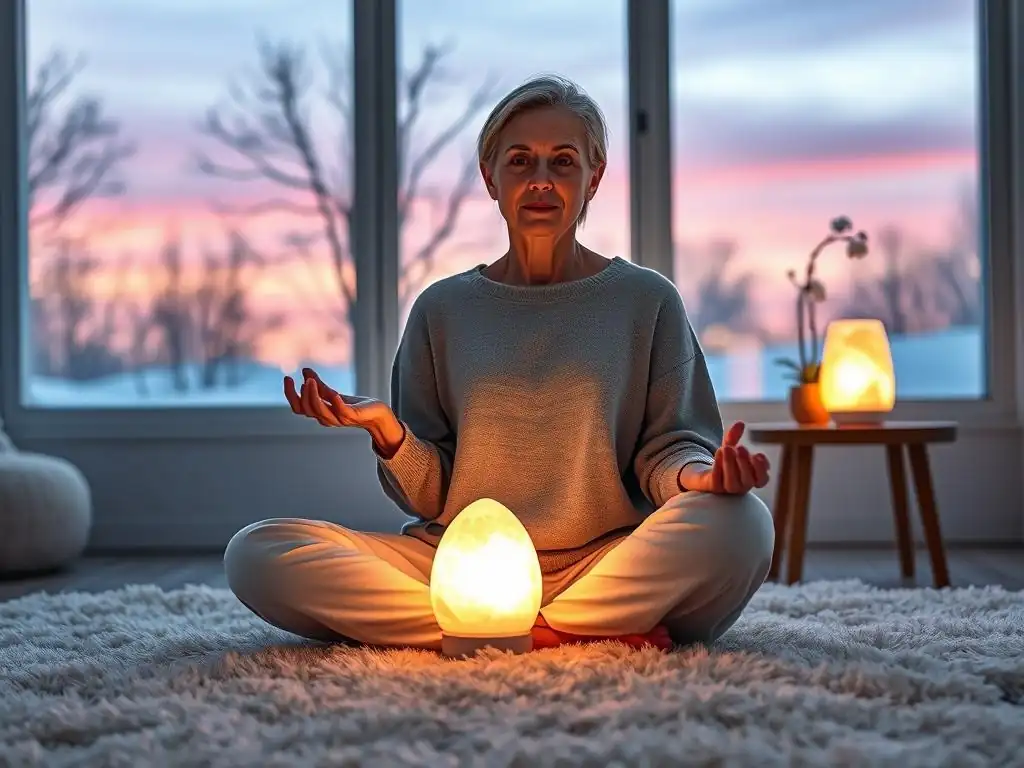
Welcome to Mind Care Guide, your compassionate companion on the journey to mental well-being. Are you a caregiver feeling overwhelmed and drained? You're not alone. Discover how caregiver meditation reduces stress anxiety in our featured article. Find a moment of peace and reclaim your strength – your well-being matters. Let's explore simple yet powerful techniques to nurture your mind, body, and spirit.
Guided Meditation for Caregivers: Finding Respite and Strength
- The Unique Challenges Faced by Caregivers: Why Meditation Matters
- Preparing for Your Guided Meditation Session
-
Guided Meditation Techniques for Caregivers
- Breath Awareness Meditation for Immediate Stress Relief
- Body Scan Meditation for Releasing Tension
- Loving-Kindness Meditation for Cultivating Self-Compassion and Resilience
- Visualization Techniques for Caregivers: Nature Scenes, Safe Place
- Mindfulness Meditation for Caregivers: Staying Present in Demanding Moments
- Sample Guided Meditation Script for Caregivers: A Step-by-Step Guide
- Integrating Meditation into Your Daily Caregiving Routine
- Overcoming Common Challenges in Caregiver Meditation
- Resources for Caregivers Seeking Meditation Support
- Long-Term Benefits of Meditation for Caregiver Mental Health
- Conclusion: Embracing Meditation as a Path to Strength and Well-being for Caregivers
-
Frequently Asked Questions
- How can guided meditation specifically help caregivers dealing with stress and anxiety?
- What are some common challenges caregivers face that make meditation particularly beneficial?
- How often should caregivers practice guided meditation to see positive results?
- Are there specific types of guided meditations that are more suitable for caregivers?
- Where can caregivers find reliable resources for guided meditation practices?
- Final Reflection: Cultivating Inner Peace in the Caregiver's Journey
- Rediscover Your Inner Peace: Take the First Step to Self-Care
The Unique Challenges Faced by Caregivers: Why Meditation Matters
Understanding Caregiver Stress and Burnout
Caregiving is a profoundly demanding role, often requiring individuals to balance the needs of a loved one with their own life, work, and family responsibilities. This constant pressure frequently leads to chronic stress and, eventually, burnout. Studies consistently show that caregivers, particularly those caring for individuals with chronic illnesses or dementia, report significantly higher stress levels than the general population.
For instance, research from the National Alliance for Caregiving and AARP indicates that a substantial percentage of caregivers experience high emotional stress, with many reporting feelings of being overwhelmed, isolated, and exhausted. This relentless strain isn't just emotional; it can manifest physically through fatigue, sleep disturbances, and weakened immune systems.
The cumulative effect of this ongoing stress is burnout, a state of physical, emotional, and mental exhaustion. Burnout can severely impair a caregiver's ability to provide care effectively and compassionately, and it dramatically increases their risk of developing serious health problems, including depression, anxiety disorders, and heart disease.
The demands are often 24/7, leaving little room for personal time or recovery. Recognising these signs early – chronic fatigue, irritability, loss of interest in activities once enjoyed, changes in appetite or sleep patterns – is crucial, but finding practical, accessible tools to mitigate this stress is even more important for long-term well-being.
The Benefits of Meditation for Caregiver Well-being
Amidst the relentless demands of caregiving, finding moments of peace and mental clarity can seem impossible. This is where meditation offers a powerful and accessible solution. Regular meditation practice has been extensively studied and proven to reduce stress hormones like cortisol, calm the nervous system, and promote a sense of tranquility. For caregivers, who often operate in a state of hyper-vigilance, techniques like focused breathing or body scans can provide much-needed physiological relief, lowering heart rate and blood pressure.
Beyond the immediate stress reduction, meditation cultivates resilience, emotional regulation, and self-compassion. It helps caregivers observe difficult emotions without being consumed by them, fostering patience and a greater capacity to handle challenging situations. Research published in journals like Health Psychology has demonstrated that mindfulness-based interventions, including meditation, can lead to significant decreases in perceived stress, anxiety, and depression among family caregivers. Incorporating meditation into a daily routine, even for just a few minutes, can create essential mental space, helping caregivers feel more grounded, centered, and less overwhelmed by the immense responsibilities they carry.
Caregiver meditation reduces stress anxiety: An Overview
The phrase "Caregiver meditation reduces stress anxiety" encapsulates a well-supported truth in mental health. The practice of meditation directly counteracts the physiological and psychological effects of stress and anxiety, which are prevalent among individuals providing care for others. When a caregiver engages in meditation, even a brief guided session, they activate the body's relaxation response, shifting from the 'fight or flight' sympathetic nervous system state to the calming parasympathetic state. This physiological shift is fundamental to stress reduction.
Moreover, meditation trains the mind to become less reactive to stressful thoughts and challenging circumstances. Instead of being swept away by worry or frustration, caregivers learn to observe these feelings with a degree of detachment. This increased psychological flexibility is key to reducing anxiety. By providing concrete tools for managing difficult emotions in the moment and building long-term emotional resilience, caregiver meditation reduces stress anxiety effectively, offering a vital lifeline for those navigating the often-turbulent waters of caregiving.
Preparing for Your Guided Meditation Session
Creating a Calm and Comfortable Space for Meditation
Finding a dedicated space, even a small one, for your meditation practice can significantly enhance its effectiveness. Ideally, this space should be quiet and free from potential interruptions, although complete silence may not always be achievable in a busy household. Look for a corner in a bedroom, a quiet chair in a living room, or even a spot outdoors if weather permits. The key is to designate this area as your meditation zone, signaling to your mind that this is a time for peace and introspection.
Ensure the space is comfortable. This might mean sitting on a cushion on the floor, in a comfortable chair with back support, or even lying down if that feels better (though be mindful of falling asleep). Adjust lighting to be soft or dim, and consider the temperature of the room. Minimise clutter in the immediate vicinity to avoid visual distractions. While creating a perfect sanctuary might be unrealistic for many caregivers, making small adjustments to enhance comfort and reduce external stimuli can make a significant difference in your ability to relax and focus during the meditation session.
Setting Realistic Expectations for Your Meditation Practice
It's important to approach meditation with realistic expectations, especially when you're managing the demands of caregiving. You are likely to experience distractions – thoughts about your loved one, worries about the future, or even physical discomfort. This is entirely normal. The goal of meditation isn't to empty your mind or achieve a state of blissful transcendence overnight. Instead, it's about noticing where your mind goes without judgment and gently guiding it back to your anchor, whether that's your breath, bodily sensations, or the guided voice.
Understand that some days will be easier than others. There will be sessions where your mind feels restless and others where you find a deeper sense of calm. Don't judge your progress or compare your experience to others. Even just a few minutes of dedicated practice can offer benefits. The consistency of showing up for yourself, even when it's difficult, is more important than achieving a perfect state. Embrace the process with patience and self-compassion, acknowledging that this is a skill that develops over time and with practice.
Choosing the Right Guided Meditation for Your Needs: Breathwork, Body Scan, Visualization
Guided meditations offer a structured way to practice, with a voice guiding you through the process. Different types of guided meditations focus on different techniques, and choosing one that aligns with your immediate needs can be helpful. For instance, if you're feeling overwhelmed and need immediate stress relief, a guided breathwork meditation focusing on deep, calming breaths can be very effective. These meditations often involve simple instructions like inhaling deeply through the nose and exhaling slowly through the mouth, activating the parasympathetic nervous system.
If you're experiencing physical tension from the demands of caregiving – sore shoulders, tight jaw, general fatigue – a guided body scan meditation can be incredibly beneficial. This technique involves systematically bringing awareness to different parts of the body, noticing sensations without judgment, and consciously releasing tension.
For caregivers who feel drained and need to reconnect with their inner strength or find a sense of peace, guided visualization techniques, such as picturing a safe, calming place or a source of inner light, can be particularly powerful. Experiment with different types to find what resonates most with you in different moments.
Guided Meditation Techniques for Caregivers
Breath Awareness Meditation for Immediate Stress Relief
Breath awareness meditation is one of the most accessible and powerful tools for managing stress in the moment. It requires no special equipment or posture and can be done anywhere, anytime – while sitting by your loved one, during a short break, or even for a minute while waiting for the kettle to boil. The practice involves simply bringing your attention to the sensation of your breath as it enters and leaves your body.
You don't need to change your breath initially, just observe its natural rhythm. Notice the feeling of air in your nostrils, the rise and fall of your chest or abdomen, and the temperature difference between the inhale and the exhale.
When your mind inevitably wanders – thinking about tasks, worries, or distractions – the practice is to gently notice the thought without judgment and guide your attention back to the breath. This repeated act of returning to the breath is the core of the training.
For a caregiver needing quick respite, a guided breath awareness session of 3-5 minutes can provide a rapid shift from a state of anxiety to one of greater calm. Focusing on the breath grounds you in the present moment, pulling you away from stressful thoughts about the past or future, and activating the body's natural relaxation response.
Body Scan Meditation for Releasing Tension
Caregiving often involves physical strain – lifting, positioning, or simply being physically present for extended periods. This can lead to accumulated tension in the body. A guided body scan meditation is designed to help you become aware of and release this physical stress.
The practice typically involves lying down or sitting comfortably and systematically bringing your attention to different parts of your body, starting from the toes and moving up to the head, or vice versa. As you focus on each area, you notice any sensations present – warmth, coolness, tingling, tightness, or relaxation – without trying to change them.
The power of the body scan lies in cultivating present moment awareness of physical sensations and providing an opportunity for conscious release. As you bring attention to a tense area, you can often encourage that area to soften or relax simply by acknowledging it and breathing into it. Guided body scans are particularly helpful before sleep, as they can aid in releasing the day's physical burdens and preparing the body for rest. For a caregiver whose body often feels like a site of constant demand, this practice offers a valuable opportunity for physical acknowledgment and relief.
Loving-Kindness Meditation for Cultivating Self-Compassion and Resilience
Loving-kindness meditation, also known as Metta meditation, involves cultivating feelings of warmth, compassion, and kindness towards oneself and others. This practice is incredibly valuable for caregivers who often experience guilt, self-blame, or feel drained by the emotional demands of their role. It typically involves silently repeating phrases that express goodwill, such as "May I be happy. May I be healthy. May I be safe. May I live with ease." After directing these phrases towards oneself, the practice extends outwards to loved ones, neutral persons, difficult persons, and finally, all beings.
For caregivers, starting with phrases directed towards themselves is crucial. Many caregivers neglect their own needs and struggle with self-compassion. By intentionally cultivating kindness towards themselves, they can counter feelings of inadequacy and burnout. Extending this kindness to the person they are caring for, even during challenging moments, can also shift perspective and foster patience. Practicing Metta regularly builds emotional resilience, helping caregivers maintain a compassionate heart even in exhausting circumstances, and reinforcing the understanding that they, too, deserve kindness and care.
Visualization Techniques for Caregivers: Nature Scenes, Safe Place

Visualization meditation involves creating mental images to evoke specific feelings or states of being. For caregivers, who may have limited opportunities to physically escape their challenging environment, guided visualization can provide a powerful mental respite. One common technique is visualizing a "safe place" – a serene beach, a peaceful forest, a cozy cabin, or any location that evokes feelings of calm, safety, and relaxation. You engage all your senses in this visualization: picturing the sights, hearing the sounds, feeling the textures, and even smelling the scents of this peaceful environment.
Another effective visualization for caregivers is connecting with a source of inner strength or light. This might involve imagining a strong, steady anchor within your core, or visualizing a warm, radiant light filling your body, dissolving tension and replenishing your energy. These practices aren't about escaping reality but about creating mental resources and finding inner peace amidst external difficulty. Guided visualizations can offer a few moments of mental vacation, helping caregivers feel refreshed and more capable of facing their responsibilities upon returning to the present moment.
Mindfulness Meditation for Caregivers: Staying Present in Demanding Moments
Mindfulness meditation, in its broader sense, is about paying attention to the present moment without judgment. For caregivers, this means bringing awareness to whatever is happening right now – the task at hand, a conversation, a difficult emotion, or a brief moment of quiet – with curiosity and acceptance. This practice is not limited to formal sitting sessions; it can be integrated into daily activities. For example, mindfully washing dishes, taking a few conscious breaths before responding to a challenging behavior, or simply noticing the sensations of eating a meal.
Cultivating mindfulness helps caregivers step out of autopilot and the endless loop of planning, worrying, or reacting. It allows them to respond more skillfully to difficult situations rather than reacting impulsively based on stress or fatigue. By practicing present moment awareness, caregivers can appreciate small moments of connection or peace that might otherwise be overlooked. This ability to anchor oneself in the present is a vital skill for managing the unpredictable and often demanding nature of caregiving, helping to reduce the pervasive stress and anxiety associated with the role.
Sample Guided Meditation Script for Caregivers: A Step-by-Step Guide
Introduction and Setting the Intention
Begin by finding a comfortable position, whether sitting or lying down. Allow your eyes to gently close or soften your gaze. Take a moment to arrive in this space, noticing the support beneath you. Acknowledge that you are taking this time for yourself, a precious and necessary act of self-care. Set a simple intention for this practice, perhaps to find a moment of peace, to release tension, or simply to be present with yourself. There is nothing you need to do right now except breathe and be.
- Example Script Opening: "Welcome. Find a comfortable seat or place to lie down. Allow your body to settle. Gently close your eyes or lower your gaze. Take a deep breath in, and a slow breath out. Let the air fill your lungs, and as you exhale, release any tension you may be holding. Set an intention now for this time, perhaps to find a moment of quiet or to simply be present."
Body Scan and Relaxation
Bring your awareness now to your physical body. Start at your feet. Notice any sensations there – warmth, coolness, tingling. Simply observe. Now move your awareness up to your ankles, your calves, your knees. Continue this journey upwards, through your thighs, your hips, your abdomen, your lower back, your chest, your upper back, your shoulders. Pay particular attention to your shoulders, a common place where caregivers hold tension.
See if you can soften them just a little. Move to your arms, hands, fingers. Then to your neck, throat, jaw – often held tight. Gently release any clenching in your jaw. Finally, bring awareness to your face and the top of your head. Notice the sensations throughout your entire body now, feeling the connection between all parts.
- Example Script Segment: "Now, bring your awareness to your feet. Notice the sensations there... Move up to your calves and knees... Scan your attention through your hips and abdomen... Feel the rise and fall of your belly with your breath... Bring awareness to your shoulders... See if you can let them soften down your back... Continue up through your neck and head... Notice the feeling of your face... Now, feel your whole body resting here."
Focusing on the Breath
Now, gently bring your attention to your breath. You don't need to change it in any way, just observe it as it is. Notice the sensation of the air entering your body, perhaps cool or dry, and the sensation of the air leaving, perhaps warmer or more moist.
Feel the subtle movement of your body with each inhale and exhale – the gentle rise and fall of your chest or abdomen. The breath is always here, a constant anchor in the present moment. Whenever your mind wanders, which it will, simply notice where it went without judgment and gently guide your attention back to the feeling of your breath.
- Example Script Segment: "Now, shift your focus to your breath. Notice the sensation of the breath entering and leaving your body... Feel the rise and fall of your chest or belly... The breath is a steady anchor... When your mind drifts, simply notice the thought and gently return your awareness to the breath."
Cultivating Self-Compassion
Caregiving is challenging work, and it's easy to be hard on yourself. Now, let's take a moment to cultivate self-compassion. Mentally place a hand over your heart, or simply bring a sense of warmth and kindness to yourself. Acknowledge the effort you put in, the sacrifices you make, the love you give. Offer yourself the same kindness and understanding you would offer a dear friend who is struggling.
You might silently repeat phrases like: May I be kind to myself. May I be patient with myself. May I accept myself as I am. Allow these intentions of kindness to wash over you.
- Example Script Segment: "Bring a sense of warmth and kindness to your heart... Acknowledge the immense effort you give as a caregiver... Offer yourself compassion... Silently repeat: May I be kind to myself. May I be patient with myself. May I accept myself."
Visualizing Inner Strength and Resilience
Now, let's take a moment to connect with your inner strength and resilience. Imagine a place within you, perhaps in your chest or your belly, where your strength resides. It might feel like a steady light, a deep reservoir, or a strong anchor. Visualize this place, feeling its presence. Connect with the times you have overcome challenges, the moments you have found unexpected reserves of strength, the love that motivates you. Know that this strength is always available to you. Breathe into this feeling of inner resilience.
- Example Script Segment: "Now, visualize a place within you where your strength resides... It might be a steady light or a deep reservoir... Feel this inner strength... Remember times you have been resilient... Breathe into this feeling of inner capacity and knowing."
Returning to the Present Moment
As this meditation comes to a close, slowly begin to bring your awareness back to the room. Notice the sounds around you. Feel the contact of your body with the surface supporting you. Gently wiggle your fingers and toes. Take a deeper breath in. And a slow breath out. When you feel ready, you can gently open your eyes. Take this feeling of calm and presence with you as you move back into your day. Remember that you can return to your breath or a moment of mindful awareness anytime you need it.
- Example Script Segment: "Now, slowly bring your awareness back to your surroundings... Notice the sounds around you... Feel your body supported... Gently wiggle your fingers and toes... Take a deeper breath... And a slow exhale... When you are ready, gently open your eyes."
Integrating Meditation into Your Daily Caregiving Routine
Finding Small Pockets of Time for Meditation
The idea of finding 20-30 minutes for meditation can feel completely overwhelming for a caregiver. However, the power of integrating meditation lies in finding small pockets of time throughout the day. Even 1-5 minutes can make a significant difference. Think about moments you already have: waiting for medication to be ready, sitting by your loved one's bedside while they rest, during your morning coffee, or before falling asleep. These brief moments can be transformed into opportunities for a short breath awareness exercise or a quick body scan.
Consider using transition times – before starting a difficult task, after completing one, or when moving from one part of the house to another. A simple mindful pause, taking three conscious breaths, can reset your nervous system. Don't aim for perfection; aim for consistency, even if that means just one minute a day. The cumulative effect of these small pockets of practice is substantial, helping caregiver meditation reduce stress anxiety throughout the day, not just in a formal session.
Using Meditation as a Tool for Managing Difficult Emotions
Caregiving inevitably brings up a range of difficult emotions: frustration, anger, sadness, guilt, fear, and exhaustion. Meditation provides a framework for acknowledging and processing these feelings without being consumed by them. When a challenging emotion arises, instead of suppressing it or reacting impulsively, you can use mindfulness techniques to pause. Take a few deep breaths and simply notice the emotion. Where do you feel it in your body? What are the thoughts associated with it?
This practice isn't about making the emotion disappear, but about creating space between you and the feeling. It allows you to respond more thoughtfully rather than reacting out of distress. For example, if frustration arises, a brief mindful pause can help you choose a calm response instead of snapping. Regularly practicing meditation builds this capacity over time, equipping caregivers with a powerful tool to navigate the intense emotional landscape of their role and helping caregiver meditation reduce stress anxiety in real-time scenarios.
Combining Meditation with Other Self-Care Practices: Gentle Exercise, Reading
Meditation is most effective when viewed as part of a broader self-care strategy, not a standalone solution. Combining meditation with other healthy habits can significantly enhance overall well-being. Gentle physical activity, such as a short walk, stretching, or gentle yoga, can release physical tension that meditation might then help you become more aware of and release further. Even 10-15 minutes of movement can boost mood and energy levels, making it easier to settle into a meditation practice afterward.
Similarly, engaging in enjoyable activities like reading a book for pleasure, listening to music, or pursuing a hobby, even for a short time, provides mental respite. These activities, when approached mindfully, can complement the grounding and centering effects of meditation. By creating a multifaceted self-care routine that includes mindful moments, physical activity, and enjoyable leisure, caregivers build a stronger foundation for managing stress and maintaining their own health while caring for others.
Overcoming Common Challenges in Caregiver Meditation
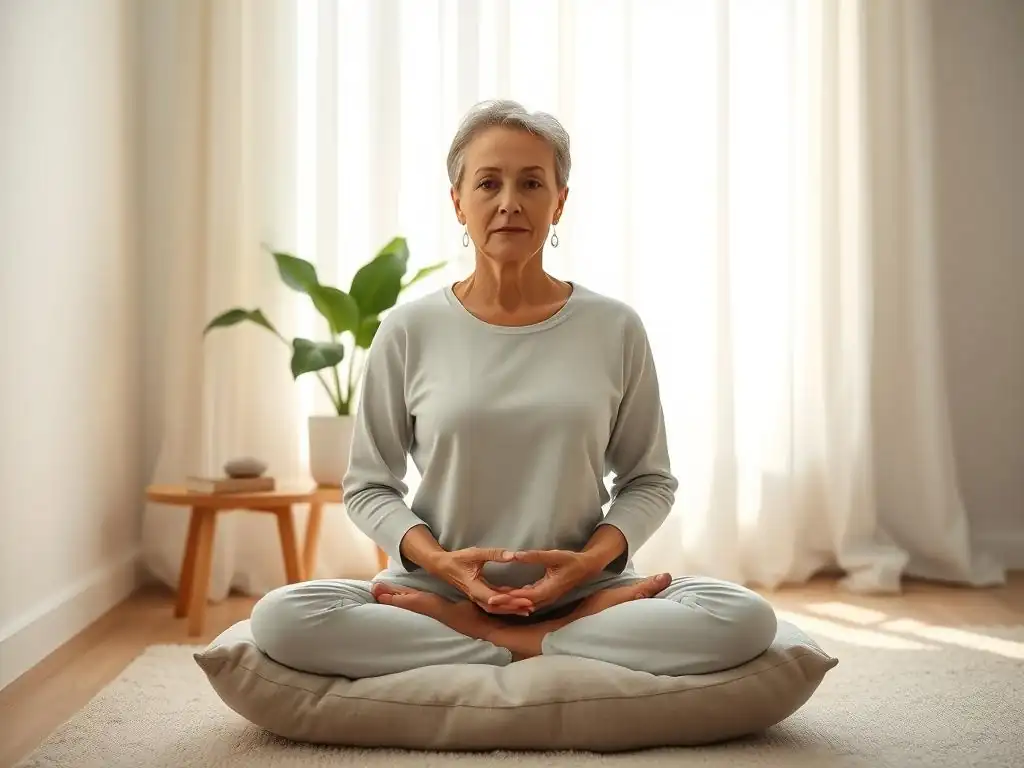
Dealing with Distractions and Restlessness
One of the most common challenges in meditation, particularly for busy caregivers, is dealing with distractions – both external (noise, interruptions) and internal (racing thoughts, worries). It's crucial to remember that having a wandering mind or experiencing distractions is not a sign of failure; it's simply what the mind does. The practice lies in how you respond.
When you notice your mind has wandered to a task list or a worry about your loved one, gently acknowledge the thought without judgment. You might even silently label it ("thinking," "planning") and then kindly guide your attention back to your chosen anchor, like your breath.
Physical restlessness can also be a challenge, especially when your body is tired or tense. If you feel the urge to move, first notice it mindfully. Sometimes, simply acknowledging the sensation can lessen its intensity. If the urge is strong, it's okay to make a gentle adjustment to your posture. The key is to do so mindfully, rather than reactively. Consistency is more important than having a perfectly still or empty-minded session. Every time you notice a distraction and gently return to your anchor, you are strengthening your mindfulness "muscle."
Addressing Feelings of Guilt or Selfishness
Many caregivers struggle with feelings of guilt or the belief that taking time for themselves is selfish. This can be a significant barrier to starting or maintaining a meditation practice. It's deeply ingrained for many to prioritize the needs of the person they care for above their own. However, taking time for meditation is not selfish; it is essential for sustainable caregiving. Think of the analogy of the oxygen mask on an airplane – you must put yours on first before assisting others.
Taking a few minutes to meditate is an investment in your capacity to provide care. It helps you manage stress, prevents burnout, and allows you to be more present and patient with your loved one. Frame meditation not as taking away from your caregiving duties, but as enhancing your ability to perform them effectively and compassionately. Remind yourself that your well-being is just as important as the well-being of the person you care for, and that caregiver meditation reduces stress anxiety, making you a more resilient and effective caregiver in the long run.
Staying Consistent with Your Meditation Practice
Establishing and maintaining consistency in meditation can be difficult amidst the unpredictable nature of caregiving. Life happens, crises arise, and routines are often disrupted. Instead of aiming for daily, long sessions, focus on building a flexible habit. Start small, perhaps just 2-3 minutes a few times a week. Schedule it into your day like any other important task, or tie it to an existing habit (e.g., "after I brush my teeth in the morning, I will meditate for 3 minutes").
Be prepared for interruptions and don't let them derail your practice entirely. If you miss a session, don't dwell on it; simply start again with the next opportunity. Consider using guided meditation apps or online resources that offer short sessions specifically designed for busy schedules. Finding a meditation buddy (even if it's just someone you check in with) or joining an online caregiver support group that incorporates mindfulness can also provide accountability and encouragement. Remember that progress isn't linear, and consistency over time, even with short sessions, yields significant benefits.
Resources for Caregivers Seeking Meditation Support
Online Guided Meditation Apps and Websites
The digital age has made accessing guided meditation more convenient than ever, offering a wealth of resources particularly useful for caregivers with limited time and mobility. Numerous apps like Calm, Headspace, Insight Timer, and Ten Percent Happier offer extensive libraries of guided meditations, including sessions specifically tailored for stress, anxiety, sleep, and compassion. Many provide short meditations (5-10 minutes) perfect for quick breaks. Insight Timer, for example, boasts over 100,000 free guided meditations from various teachers.
Websites from mindfulness organizations like UCLA Mindful Awareness Research Center (MARC) or Palouse Mindfulness also offer free guided meditations and resources. These platforms allow caregivers to access practices anytime, anywhere, fitting meditation into unpredictable schedules. Exploring different apps and websites can help you find teachers and styles that resonate with you, making the practice more enjoyable and sustainable.
Local Meditation Groups and Centers
While online resources offer flexibility, connecting with others can provide invaluable support and a deeper sense of community. Many cities and towns have local meditation centers or mindfulness groups that offer classes, workshops, and group sits. Participating in a local group can provide a dedicated time and space away from the caregiving environment, offering a sense of respite and connection with others who understand the challenges of modern life and the benefits of mindfulness.
Some centers may even offer programs specifically for caregivers or those dealing with chronic stress. While attending in-person sessions might require arranging temporary care, the benefit of shared practice and direct guidance from an instructor can be profound. Exploring local options can provide a different dimension to your meditation journey, offering support that complements your individual practice.
Working with a Meditation Teacher or Therapist: Managing overwhelming stress or trauma
For caregivers experiencing particularly overwhelming stress, anxiety, or even trauma related to their caregiving journey or past experiences, working with a qualified meditation teacher or a therapist who incorporates mindfulness can be highly beneficial. A teacher can provide personalized guidance, help you deepen your practice, and troubleshoot specific challenges you encounter. They can offer insights tailored to your unique situation and help you navigate common pitfalls.
A therapist, particularly one trained in mindfulness-based therapies (like MBCT or MBSR) or trauma-informed practices, can help you address the underlying causes of severe stress, anxiety, or trauma that meditation alone might not fully resolve. They can provide a safe space to process difficult emotions and experiences, integrating mindfulness techniques into a broader therapeutic approach. For caregivers facing significant emotional burdens, this level of professional support can be crucial for healing and developing healthy coping mechanisms beyond just meditation.
Long-Term Benefits of Meditation for Caregiver Mental Health
Improved Mood and Emotional Regulation
Consistent meditation practice trains the brain to be less reactive to negative stimuli and more attuned to positive experiences. Over time, this leads to improved mood and a greater capacity to regulate emotions. For caregivers who frequently navigate emotionally charged situations, the ability to observe feelings like frustration or sadness without being overwhelmed by them is transformative. Research indicates that regular meditators show increased activity in brain regions associated with positive emotions and decreased activity in the amygdala, the brain's fear center.
This enhanced emotional regulation doesn't mean you won't feel difficult emotions; it means you develop the skill to experience them without them derailing your well-being entirely. You become more resilient in the face of daily stressors and less prone to mood swings or persistent negativity. This sustained improvement in mood and emotional stability is a significant long-term benefit of caregiver meditation, reducing stress anxiety and enhancing overall psychological health.
Enhanced Sleep Quality
Chronic stress and anxiety are major contributors to sleep problems, which are rampant among caregivers. The constant worry and hyper-vigilance make it difficult to fall asleep and stay asleep. Meditation, particularly practices focused on body scans or breath awareness before bed, can significantly improve sleep quality. By calming the nervous system and training the mind to settle, meditation helps quiet the racing thoughts that often keep caregivers awake.
Studies have shown that mindfulness-based interventions can reduce insomnia severity and improve sleep efficiency. Regular meditation practice helps caregivers break the cycle of stress-induced sleeplessness, allowing for more restorative rest. Better sleep, in turn, improves mood, cognitive function, and overall resilience, creating a positive feedback loop that further supports the caregiver's well-being.
Increased Resilience and Coping Skills
Resilience is the ability to bounce back from adversity, and it is a quality essential for sustainable caregiving. Meditation cultivates resilience by helping individuals develop a more accepting attitude towards challenging circumstances and fostering a sense of inner stability. By regularly practicing returning to the present moment and observing thoughts without judgment, caregivers build mental fortitude. They learn that difficult feelings and situations are temporary and that they have the inner resources to navigate them.
Meditation also enhances coping skills by providing a non-reactive way to approach stress. Instead of resorting to unhealthy coping mechanisms like avoidance or excessive worrying, caregivers learn to pause, breathe, and respond more skillfully. This increased capacity to cope with stress and adversity is a cornerstone long-term benefit, enabling caregivers to sustain their demanding role with greater strength and less emotional depletion.
Reduced Risk of Burnout and Depression
Perhaps the most critical long-term benefit of meditation for caregivers is the reduced risk of burnout and depression. Given the high rates of these conditions in the caregiving population, preventative strategies are vital. By consistently applying the skills learned in meditation – stress reduction, emotional regulation, self-compassion, and resilience – caregivers build a protective buffer against the corrosive effects of chronic stress.
Mindfulness-based programs have demonstrated effectiveness in reducing symptoms of depression and anxiety in clinical populations, and these benefits extend to caregivers. By helping individuals manage stress more effectively, cultivate self-kindness, and find moments of peace amidst difficulty, meditation directly addresses key drivers of burnout and depression. Embracing meditation as a regular practice is a powerful step towards safeguarding a caregiver's mental health and ensuring they can continue to provide care while also caring for themselves.
Conclusion: Embracing Meditation as a Path to Strength and Well-being for Caregivers
Frequently Asked Questions
How can guided meditation specifically help caregivers dealing with stress and anxiety?
Guided meditation provides a structured way for caregivers to practice mindfulness and reduce overthinking. This helps them to manage stress and anxiety related to their demanding roles.
What are some common challenges caregivers face that make meditation particularly beneficial?
Caregivers often experience burnout, emotional exhaustion, and lack of time for self-care. Meditation offers a quick and accessible way to recharge and center themselves.
How often should caregivers practice guided meditation to see positive results?
Even short sessions of 5-10 minutes daily can make a difference. Consistency is key; aiming for daily practice will yield the best results in stress reduction.
Are there specific types of guided meditations that are more suitable for caregivers?
Meditations focusing on self-compassion, relaxation techniques, and mindfulness of breath are particularly helpful. These address the emotional and physical demands of caregiving.
Where can caregivers find reliable resources for guided meditation practices?
Websites like Mind Care Guide, meditation apps, and online platforms offer a variety of guided meditation programs. Look for resources specifically designed for caregiver well-being and stress management.
Final Reflection: Cultivating Inner Peace in the Caregiver's Journey
The relentless demands of caregiving often leave individuals feeling depleted, overwhelmed, and emotionally drained. Guided meditation offers a powerful antidote, a lifeline to inner peace amidst the storm. This practice, far from being a luxury, is a vital tool for self-care, directly impacting the well-being of both the caregiver and the recipient of care. The reduction in stress and anxiety is not merely a pleasant side effect; it's a fundamental shift towards sustainable caregiving.
The impact of caregiver burnout on individuals and families is profound, extending far beyond the immediate experience of stress and anxiety. It affects relationships, physical health, and overall quality of life. The consistent practice of meditation, as explored in this article, provides a tangible path towards resilience and emotional regulation. Self-care is not selfish. You cannot serve from an empty vessel.
This quote perfectly encapsulates the importance of prioritizing mental and emotional well-being for caregivers, enabling them to provide the best possible care with sustained energy and compassion.
Now, consider your own journey. What small steps can you take today to incorporate mindfulness and meditation into your daily routine? Even five minutes of focused breathing can make a difference. Remember, you deserve respite, you deserve strength, and you deserve the peace that comes from nurturing your own well-being. Embrace the power of guided meditation, not as a fleeting solution, but as a lifelong practice that will sustain you through the challenges and joys of caregiving. Begin your journey to inner peace today.
Rediscover Your Inner Peace: Take the First Step to Self-Care
Thanks for taking the time to explore the power of guided meditation for caregivers. We hope you've gained valuable insights into finding moments of respite and strengthening your well-being. Now, it's time to put these insights into practice!
- Begin your personal meditation journey today: Find a quiet space, download a guided meditation app, or simply take five minutes to focus on your breath. Even a short practice can make a world of difference.
- Share this article with a fellow caregiver: Let's build a supportive community where everyone can access tools for self-care and stress management.
- Explore our other resources on MindCareGuide.org: Discover additional articles, tips, and techniques to help you navigate the challenges of caregiving with greater ease and peace of mind.
Ready to embrace a more peaceful and balanced approach to caregiving? What small step will you take today to prioritize your well-being?