
Deep Relaxation Achieved: Your Guide to Guided Meditation for Unwinding

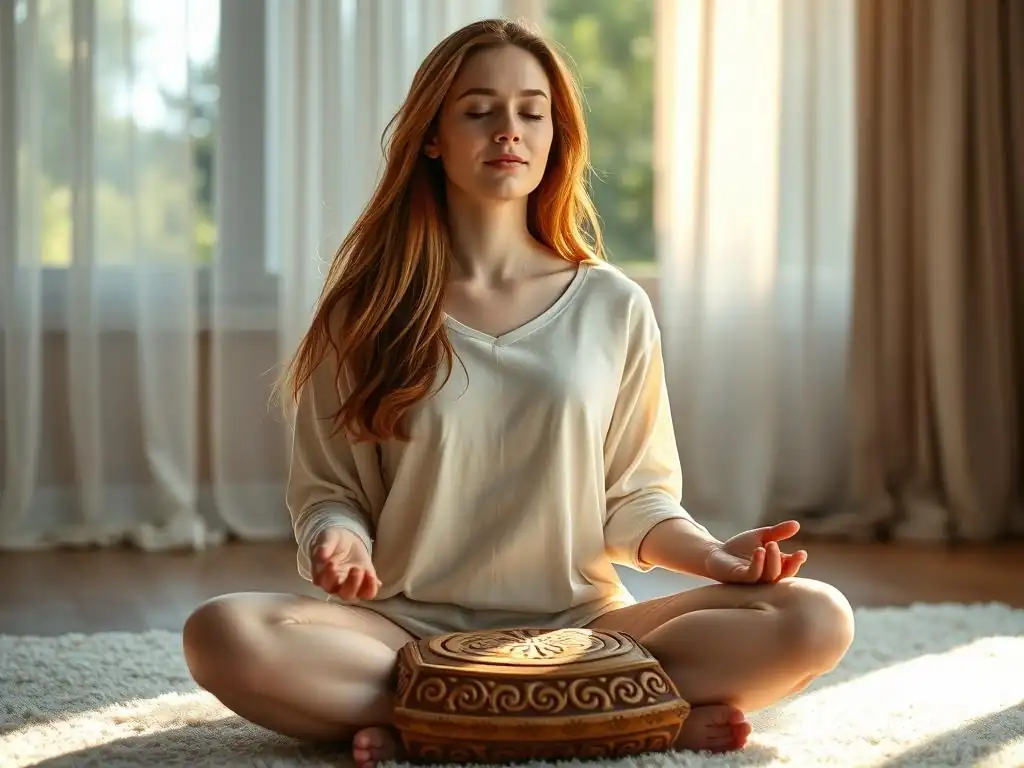
Welcome to Mind Care Guide, a haven for your mental well-being.
Feeling overwhelmed by anxiety? You're not alone. Deep breath. We understand the weight you carry. In this guide, we gently introduce you to the power of guided meditation for anxiety relief. Discover how simple, mindful practices can offer profound comfort and help you reclaim your inner peace. Ready to begin your journey towards calm? Let's explore.
Deep Relaxation Achieved: Your Guide to Guided Meditation for Unwinding
- Introduction to Guided Meditation for Anxiety Relief and Stress Reduction
- Preparing for Your Guided Meditation Session
- Guided Meditation Techniques for Anxiety Relief: A Step-by-Step Guide
- Different Types of Guided Meditations for Specific Needs
- Finding the Right Guided Meditation Resources
- Overcoming Challenges in Guided Meditation
- Integrating Guided Meditation into Your Daily Life for Lasting Anxiety Relief
- Conclusion: Embracing Guided Meditation for a Calmer, More Peaceful You
-
Frequently Asked Questions
- What is guided meditation and how does it differ from other forms of meditation?
- How can guided meditation specifically help with anxiety relief?
- How often should I practice guided meditation to experience noticeable anxiety relief?
- Are there different types of guided meditations for anxiety relief, and how do I choose the right one for me?
- Where can I find reliable resources for guided meditations focused on anxiety relief?
- Final Reflection: Finding Stillness in a Restless World
- Unwind Your Mind: Start Your Meditation Journey Now!
Introduction to Guided Meditation for Anxiety Relief and Stress Reduction
Anxiety and stress are pervasive challenges in modern life, often leaving us feeling overwhelmed and disconnected. Finding effective tools to manage these feelings is crucial for maintaining mental well-being. Guided meditation offers a gentle yet powerful path towards deep relaxation and inner peace, specifically targeting the racing thoughts and physical tension associated with anxiety. Unlike unguided practice, guided meditation provides a structured framework, making it accessible even for complete beginners seeking guided meditation for anxiety relief.
This comprehensive guide explores how guided meditation can help you unwind, reduce stress, and find calm amidst life's demands. We will delve into what guided meditation is, how it works, and practical steps to incorporate it into your routine. Whether you're struggling with daily stressors or seeking specific guided meditation for anxiety relief techniques, this article will provide the knowledge and resources to begin your journey towards a more peaceful state of mind.
What is Guided Meditation? A Beginner's Explanation
Guided meditation involves being led through a meditation practice by an instructor, either in person, through a recording, or via an app. The guide provides verbal cues, suggestions, and instructions on what to focus on – perhaps the breath, bodily sensations, or specific visualizations. This external guidance helps keep the mind from wandering and provides a clear structure, which is particularly beneficial when first starting out or when the mind feels particularly busy or anxious.
For someone seeking guided meditation for anxiety relief, this structure is invaluable. The guide's calm voice and deliberate pacing can act as an anchor, gently redirecting attention away from anxious thoughts and towards the present moment. It removes the pressure of "doing it right" and allows the practitioner to simply follow along, making deep relaxation more attainable from the very first session.
The Power of Guided Imagery in Calming the Mind
Guided imagery is a core component of many guided meditation practices, especially those focused on relaxation and anxiety reduction. It involves the guide leading the listener through a series of mental images, often involving peaceful or calming scenes like a serene beach, a tranquil forest, or a safe, comfortable space. The listener is encouraged to engage all their senses within this imagined environment – feeling the warmth of the sun, hearing the gentle waves, smelling the fresh air.
This technique works by engaging the imagination in a positive, soothing way, effectively distracting the mind from anxious thought loops. By vividly picturing a calm environment, the body often follows suit, reducing physical symptoms of anxiety like rapid heart rate or tense muscles. Studies have indicated that guided imagery can lead to significant reductions in reported stress levels and improvements in mood, demonstrating its potent effect on the mind-body connection and its relevance for guided meditation for anxiety relief.
Benefits of Guided Meditation for Anxiety, Stress, and Overall Well-being
Regular practice of guided meditation for anxiety relief offers a wide array of scientifically supported benefits. Beyond simply feeling calmer in the moment, consistent meditation can lead to long-term changes in how the brain processes stress and emotions. Research, including studies using brain imaging, has shown that mindfulness meditation practices can increase activity in areas of the brain associated with positive emotion and self-awareness, while potentially decreasing activity in the amygdala, the brain's fear center.
Specifically for anxiety, guided meditation can help by teaching the individual to observe anxious thoughts without getting swept away by them, fostering a sense of detachment. It also promotes the body's relaxation response, lowering cortisol levels (the stress hormone) and reducing physical tension. Many practitioners report improved sleep quality, increased emotional resilience, greater self-compassion, and an enhanced ability to navigate challenging situations with more ease and presence after integrating guided meditation for anxiety relief into their routine, even starting with just a few minutes a day.
Preparing for Your Guided Meditation Session
Preparing for a guided meditation session is key to maximizing its benefits, especially when aiming for deep relaxation and guided meditation for anxiety relief. While you can meditate almost anywhere, taking a few simple steps beforehand can significantly enhance your experience. This preparation isn't about creating a perfect, unattainable environment, but rather about setting the stage for focused relaxation and minimizing potential distractions.
Think of this preparation as a gentle transition from your busy day to a moment of calm. It signals to your mind and body that it's time to slow down and turn inward. Investing even five minutes in preparation can make a substantial difference in your ability to settle into the practice and fully absorb the guidance provided, making your pursuit of guided meditation for anxiety relief more effective.
Creating a Relaxing Environment for Meditation
The space where you choose to meditate plays a significant role in your ability to relax. Ideally, find a quiet spot where you are unlikely to be interrupted. This could be a corner of your living room, a bedroom, or even an office space during a break. Dimming the lights or using natural light can create a softer atmosphere. Some people find it helpful to light a gentle candle (with caution) or use an essential oil diffuser with calming scents like lavender or chamomile, known for their relaxing properties.
Ensure the temperature of the room is comfortable – neither too hot nor too cold. If possible, turn off or silence electronic devices that might chime or vibrate. While complete silence isn't always necessary or achievable, minimizing jarring noises helps. The goal is to create a personal sanctuary, however temporary, that feels safe and conducive to letting go of external worries and focusing on the guided meditation for anxiety relief.
Choosing the Right Guided Meditation Script for Your Needs
With countless options available, selecting a guided meditation that resonates with your current needs is important. Consider what you hope to achieve: Do you specifically want guided meditation for anxiety relief? Are you trying to fall asleep? Do you want to cultivate compassion? Many platforms and apps offer meditations categorized by intention (e.g., "Stress Reduction," "Sleep," "Anxiety," "Self-Compassion").
Listen to a few different voices and styles to find a guide whose cadence and tone you find soothing and trustworthy. Some guides use more descriptive imagery, while others focus more on breath or body sensations. Don't be afraid to try different ones until you find a good fit. The duration of the meditation is also a factor; start with shorter sessions (5-10 minutes) if you're new, gradually increasing the time as you become more comfortable with guided meditation for anxiety relief.
Comfortable Posture and Breathing Techniques for Meditation
Finding a comfortable posture is essential for sustained meditation. You can sit on a cushion on the floor, on a chair with your feet flat on the ground, or even lie down if you are using a guided meditation specifically for sleep or deep relaxation where falling asleep is acceptable. The key is to find a position where your spine is relatively straight yet relaxed, allowing you to remain alert but at ease. Avoid postures that cause pain or significant discomfort, as this will distract you from the practice.
Before the guided meditation begins, you might spend a minute or two simply focusing on your breath. Notice the natural rhythm of your inhale and exhale without trying to change it. You can try a simple technique like taking a slightly deeper inhale, holding it for a moment, and exhaling slowly. This simple act of conscious breathing signals to your nervous system that it's time to calm down, preparing you for the deeper relaxation offered by the guided meditation for anxiety relief.
Guided Meditation Techniques for Anxiety Relief: A Step-by-Step Guide
Embarking on a guided meditation for anxiety relief journey involves more than just listening; it's an active process of engaging with the guidance provided. The steps outlined below offer a general framework for approaching various guided meditation techniques commonly used to calm the mind and body. Remember that consistency is often more important than perfection; simply showing up and making the effort is a significant step towards managing anxiety.
Each technique, while distinct, shares the common goal of bringing your awareness gently to the present moment, away from the often overwhelming thoughts associated with anxiety. By practicing these steps, you build your capacity to respond to stress and anxiety with more presence and less reactivity. This step-by-step approach makes guided meditation for anxiety relief approachable and manageable.
Starting Your Guided Meditation: Setting Intentions
Begin by settling into your chosen comfortable posture in your prepared space. Close your eyes gently or soften your gaze. Take a few slow, deep breaths to center yourself. As the guide begins, listen to their initial instructions. Often, they will invite you to set an intention for your practice, which could be as simple as "to relax," "to be present," or specifically "to find guided meditation for anxiety relief." Setting an intention helps focus your mind and gives purpose to the session.
Allow yourself to fully arrive in the moment. Let go of any expectations about how the meditation should feel. It's okay if your mind is busy; the practice isn't about stopping thoughts, but about noticing them without judgment and gently returning your attention to the guide's voice or the anchor they suggest. This initial phase is about transitioning from doing to simply being, a foundational step in achieving guided meditation for anxiety relief.
Visualization Techniques for Deep Relaxation and Stress Relief
Many guided meditation for anxiety relief practices heavily utilize visualization. The guide will lead you through imagining serene scenes, such as walking through a peaceful garden, floating on calm water, or sitting by a warm fireplace. As you listen, actively engage your imagination. Try to see the colors, feel the textures, hear the sounds, and even smell the scents described. The more senses you engage, the more immersive and effective the visualization becomes.
Another common visualization involves imagining stress or tension leaving your body with each exhale, perhaps as smoke or a dark cloud dissipating. Conversely, you might visualize calm, peace, or healing light entering your body with each inhale. These visualizations provide a focal point that is inherently calming and redirect mental energy away from anxious rumination, offering a powerful tool within guided meditation for anxiety relief.
Body Scan Meditation: Releasing Tension and Promoting Awareness
Body scan meditation is a powerful technique for grounding yourself and releasing physical tension, which is often held unknowingly when experiencing anxiety. In a guided body scan, the guide will systematically direct your attention to different parts of your body, starting typically from the toes and moving up to the crown of the head. As you focus on each area, you are invited to simply notice any sensations present – warmth, coolness, tingling, pressure, or absence of sensation – without judgment.
The guide will often prompt you to gently invite relaxation into each body part as you move through the scan. This practice cultivates present moment awareness and helps you become more attuned to the physical manifestations of anxiety in your body. By consciously bringing awareness and relaxation to tense areas, you can facilitate their release, making the body scan an incredibly effective form of guided meditation for anxiety relief and stress reduction.
Mindfulness Meditation with Guided Imagery: Focusing on the Present Moment
Mindfulness meditation, often combined with guided imagery, focuses on bringing non-judgmental awareness to the present moment. The guide might prompt you to notice your breath, the sensations in your body, sounds around you, or even thoughts and emotions as they arise, all without getting caught up in them. When the mind inevitably wanders (which it will), the practice is simply to notice where it went and gently guide your attention back to the anchor, such as the breath or the guide's voice.
Combining mindfulness with gentle guided imagery (like the serene place visualization) helps to ground the practice and provide a soft focus, making it less daunting than simply sitting with a busy mind. This approach within guided meditation for anxiety relief teaches you to observe anxious thoughts and feelings from a distance, recognizing them as temporary mental events rather than absolute truths, thereby reducing their power over you.
Different Types of Guided Meditations for Specific Needs
The world of guided meditation is vast and diverse, offering specialized practices tailored to address a wide range of specific needs and challenges. While general guided meditation for anxiety relief is broadly beneficial, exploring meditations designed for particular situations can provide more targeted support. This section highlights several specialized types of guided meditations and how they can be applied.
Understanding these different types allows you to choose practices that most closely align with what you are currently experiencing. Whether it's difficulty sleeping, moments of intense panic, or the need to cultivate self-kindness, there is likely a guided meditation designed to help. Exploring these options enhances your toolkit for managing various aspects of mental and emotional well-being through guided meditation for anxiety relief and beyond.
Guided Sleep Meditation for Insomnia Relief
Insomnia and sleep disturbances are frequently linked to anxiety and a racing mind at night. Guided sleep meditations are specifically designed to calm the nervous system and prepare the body and mind for rest. These meditations often involve slow, gentle guidance, focusing on deep relaxation techniques like progressive muscle relaxation (tensing and releasing muscle groups) or soothing visualizations (like sinking into a comfortable bed or floating on a cloud).
Many sleep meditations are longer, ranging from 20 to 45 minutes, and are intended to be listened to while lying down in bed. The guide's voice is typically soft and lulling, and the instructions often become less frequent as the meditation progresses, allowing the listener to drift off naturally. For individuals whose anxiety manifests as sleepless nights, guided meditation for anxiety relief specifically targeting sleep can be a profound aid, helping to quiet the mental chatter that prevents rest.
Guided Meditation for Panic Attacks: Calming the Nervous System
Panic attacks are intense episodes of fear accompanied by distressing physical symptoms. During a panic attack, the nervous system is in overdrive. Guided meditations designed for panic attacks are typically shorter, grounding, and focus on immediate techniques to regulate breathing and anchor awareness in the present moment. They often guide the listener to focus intensely on the sensation of the breath or the feeling of their feet on the ground or their body supported by a chair.
These meditations prioritize simple, accessible anchors that can be used even during the peak of distress. The guide's voice remains calm and reassuring, providing a sense of safety. While not a replacement for professional help, having access to a guided meditation for anxiety relief specifically for panic can empower individuals with a tool to help navigate these overwhelming episodes by gently guiding the nervous system back towards a state of calm.
Guided Meditation for Cultivating Self-Compassion
Anxiety can often be accompanied by harsh self-criticism and feelings of inadequacy. Guided meditations focused on self-compassion help counter these negative thought patterns by encouraging kindness and understanding towards oneself. These practices often involve visualizations of offering kindness to oneself, repeating compassionate phrases (mantras), or extending feelings of warmth and care inward.
The guide gently encourages acknowledging difficult feelings without judgment and responding to personal suffering with the same kindness one would offer a friend. Practicing self-compassion through guided meditation can significantly reduce the self-imposed pressure that often fuels anxiety. This form of guided meditation for anxiety relief addresses the underlying emotional landscape, fostering a more nurturing internal dialogue.
Guided Meditation for Managing Chronic Pain
Chronic pain can be physically and emotionally draining, often exacerbated by stress and anxiety. Guided meditations for pain management do not aim to eliminate pain but rather to change the relationship with it. These practices often use techniques like body scanning to observe sensations without judgment, gentle breathing exercises to promote relaxation, and visualizations that create a sense of space or ease around the painful area.
By shifting focus from resisting the pain to simply observing it with gentle awareness, individuals can sometimes reduce the suffering associated with it. The guide helps cultivate acceptance and reduce the fear and tension that can amplify pain signals. While not a cure, integrating this type of guided meditation for anxiety relief and stress reduction can be a valuable part of a comprehensive pain management strategy, offering moments of relief and empowerment.
Finding the Right Guided Meditation Resources
With the increasing popularity of mindfulness and meditation, the resources available for guided meditation for anxiety relief have exploded. From smartphone apps to websites and podcasts, there are numerous platforms offering diverse libraries of guided practices. Navigating these options can feel overwhelming initially, but understanding where to look can help you find resources that best suit your preferences and needs.
Choosing the right resource is about finding guides and a platform that you connect with, offers the types of meditations you seek (like specific guided meditation for anxiety relief sessions), and fits into your lifestyle. Many resources offer free content or trials, allowing you to sample before committing.
Best Guided Meditation Apps for Anxiety and Stress
Meditation apps have become one of the most accessible ways to access guided meditation for anxiety relief. Apps like Calm, Headspace, Insight Timer, and Breethe offer extensive libraries catering to various needs, including specific programs for anxiety, stress, sleep, and focus. Calm, for instance, is widely known for its "Sleep Stories" and guided meditations narrated by soothing voices, having reached millions of users globally seeking relaxation. Headspace uses animated videos to explain concepts and offers structured courses on managing anxiety.
Insight Timer stands out for its vast free library contributed by thousands of teachers worldwide, offering hundreds of thousands of guided meditations, including a significant collection focused on guided meditation for anxiety relief. These apps provide convenience, allowing you to meditate anytime, anywhere, often with features like progress tracking, reminder notifications, and offline access. While many operate on a subscription model, most offer a substantial amount of free content or a trial period to get started.
Online Guided Meditation Platforms and Websites
Beyond dedicated apps, many websites and online platforms offer guided meditation resources. Websites like UCLA Health's Mindfulness Awareness Research Center (MARC) offer free guided meditations based on scientific research. The Palouse Mindfulness website provides free materials based on the Mindfulness-Based Stress Reduction (MBSR) program, including guided practices. YouTube is also a massive repository, hosting countless free guided meditation for anxiety relief sessions uploaded by teachers and organizations.
These platforms often provide longer-form content, articles, and sometimes online courses in addition to guided audio or video. While the quality can vary widely on open platforms like YouTube, many reputable meditation teachers and studios also host their content there. Exploring these online resources provides flexibility and access to a wide variety of styles and teachers, allowing you to find the perfect guided meditation for anxiety relief session for your current moment.
Recommended Guided Meditation Podcasts
Podcasts offer another convenient way to access guided meditations, particularly for those who prefer listening while commuting or during other activities where screen time isn't feasible. Many popular meditation apps also release content in podcast format. Independent meditation teachers and mindfulness organizations also produce podcasts featuring guided sessions. Examples include "The Daily Meditation Podcast" or podcasts produced by specific meditation centers.
Podcasts are typically free to subscribe to and download, making them a cost-effective option. While they may lack some of the interactive features of apps, they provide a consistent stream of new guided practices. Searching for terms like "meditation for anxiety podcast" or "guided relaxation podcast" on your preferred podcast platform will yield numerous options, allowing you to integrate guided meditation for anxiety relief seamlessly into your audio consumption habits.
Overcoming Challenges in Guided Meditation
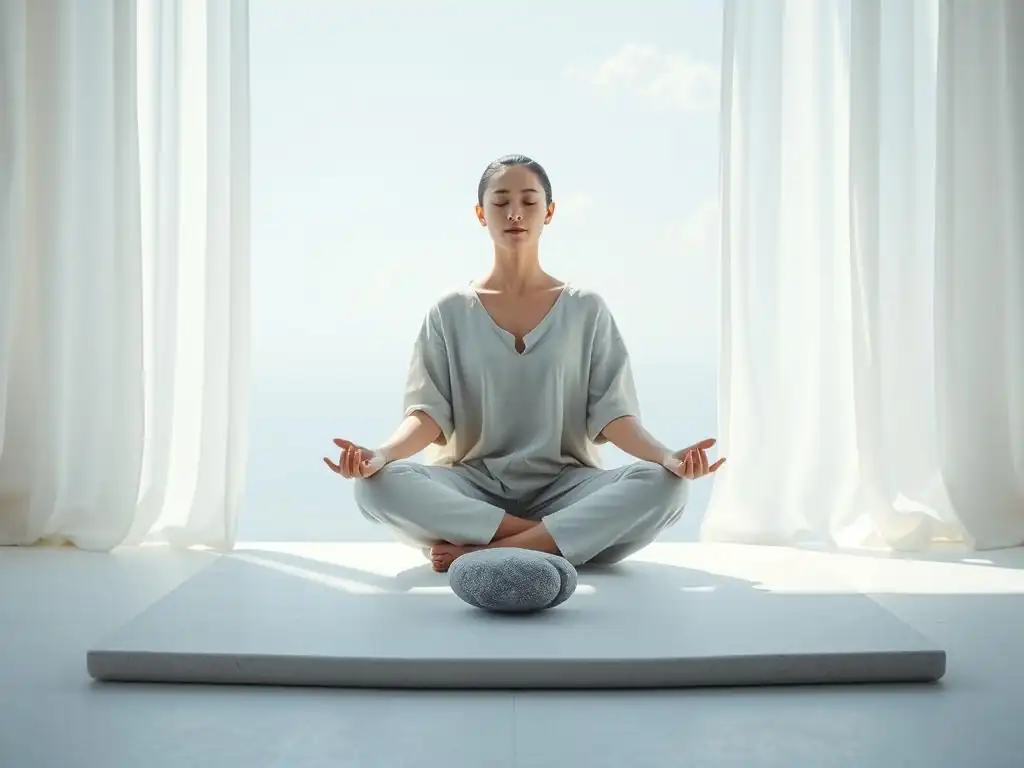
While guided meditation is designed to be accessible and supportive, it's completely normal to encounter challenges along the way. Many people feel discouraged when their mind wanders constantly, they experience restlessness, or they struggle to maintain a consistent practice. Recognizing that these are common experiences, not failures, is the first step in navigating them.
Approaching these challenges with patience and self-compassion is key. Each time you notice a distraction and gently guide your attention back, you are strengthening your "meditation muscle." These moments are part of the learning process and do not diminish the potential benefits of using guided meditation for anxiety relief.
Dealing with Distractions During Meditation
Distractions are perhaps the most common challenge in meditation. They can come from external sources (noises, temperature) or internal ones (thoughts, feelings, physical sensations). When using guided meditation for anxiety relief, the primary internal distraction is often the anxious thought itself. The key is not to eliminate distractions, but to change your relationship with them.
When you notice your mind has wandered, acknowledge it without judgment. There's no need to feel frustrated. Simply note where your attention went – perhaps you started planning dinner or replaying a conversation – and then gently, but firmly, guide your focus back to the guide's voice or the anchor they have suggested (like your breath). This gentle redirection is the core practice. The more you practice returning your attention, the better you become at it. Think of each distraction as an opportunity to practice mindfulness.
Managing Restlessness and Anxiety During Practice
It's not uncommon to feel restless, fidgety, or even more anxious when you first sit down to meditate, especially when seeking guided meditation for anxiety relief. Your body might feel tense, or your mind might race even faster initially as you stop external activity. If you feel physical restlessness, try making small, mindful adjustments to your posture to increase comfort. If the urge to move is overwhelming, you can try a walking meditation or a guided movement practice instead.
For mental restlessness or heightened anxiety, try focusing intently on the physical sensations associated with the anxiety without trying to push them away. The guide's voice can be particularly helpful here, providing a calm anchor. You can also try focusing on the out-breath, making it slightly longer than the in-breath, which signals relaxation to the nervous system. Remember that it's okay if you don't feel perfectly calm during the session; the practice of simply being with the discomfort is valuable in itself for guided meditation for anxiety relief.
Staying Consistent with Your Guided Meditation Routine
Establishing a consistent meditation routine can be challenging amidst a busy life. Many people struggle to find the time or motivation. Start small: even 5-10 minutes of guided meditation for anxiety relief each day is beneficial. Try to schedule your meditation at the same time each day, perhaps first thing in the morning or before bed, to make it a habit. Linking it to an existing habit, like after brushing your teeth or before your first cup of coffee, can also help.
Don't strive for perfection. If you miss a day (or several), don't view it as a failure. Simply acknowledge it and start again with your next session. Track your progress using an app or journal to see how far you've come. Remind yourself of the benefits you experience, even subtle ones, as motivation. Consistency, even in short bursts, is more impactful than infrequent long sessions when it comes to building resilience and achieving lasting guided meditation for anxiety relief.
Integrating Guided Meditation into Your Daily Life for Lasting Anxiety Relief
The true power of guided meditation for anxiety relief lies not just in the moments spent meditating, but in how the skills and awareness cultivated during practice carry over into your daily life. Integrating mindfulness and the ability to find moments of calm throughout your day can significantly enhance your capacity to manage stress and anxiety on an ongoing basis. Meditation is a practice that extends far beyond your cushion or chair.
Making meditation a regular part of your routine, finding ways to apply its principles in challenging situations, and combining it with other wellness practices can create a powerful synergy for long-term well-being. This section explores practical ways to weave guided meditation for anxiety relief into the fabric of your everyday existence.
Creating a Daily Meditation Schedule
Building a daily meditation habit is foundational for long-term guided meditation for anxiety relief. Decide on a time that works best for you – whether it's the quiet of the early morning, a midday break, or winding down in the evening. Aim for consistency in timing, as this helps establish the routine. Start with a manageable duration, perhaps 5-10 minutes, and gradually increase if you wish.
Use reminders on your phone or integrate meditation into your daily planner. Consider stacking your meditation habit with another existing activity; for example, meditate immediately after waking up or right before you go to sleep. Committing to a specific time slot, even a short one, makes it less likely that you'll skip the practice when life gets busy, ensuring you consistently access the benefits of guided meditation for anxiety relief.
Using Guided Meditation for Stress Management at Work
Workplaces can be significant sources of stress and anxiety. Fortunately, you don't need a dedicated meditation room to practice guided meditation for anxiety relief during your workday. Many apps offer short, 3-5 minute guided meditations specifically designed for quick stress reduction. You can use these during a lunch break, before a challenging meeting, or when feeling overwhelmed.
Find a quiet corner, step outside for a few minutes, or even sit at your desk with headphones on. A brief guided session can help you reset, regain focus, and approach tasks with a calmer perspective. Simple practices like a 3-minute guided breathing exercise can significantly lower stress levels and improve productivity, demonstrating that guided meditation for anxiety relief is a practical tool even in demanding environments.
Combining Guided Meditation with Yoga and Mindfulness
Integrating guided meditation for anxiety relief with other mindfulness-based practices like yoga can amplify their benefits. Yoga combines physical postures with breath awareness and often includes elements of meditation, offering a holistic approach to mind-body wellness. Practicing yoga can help release physical tension held due to anxiety, making it easier to settle into a seated meditation practice afterward.
Similarly, cultivating general mindfulness throughout your day – paying attention to simple activities like eating, walking, or washing dishes – complements formal meditation. Mindfulness teaches you to bring non-judgmental awareness to everyday moments, which reinforces the skills learned during guided sessions. Combining these practices creates a synergistic effect, promoting greater overall peace and resilience against anxiety.
Conclusion: Embracing Guided Meditation for a Calmer, More Peaceful You
Navigating anxiety and stress is an ongoing process, and finding effective tools is paramount. Guided meditation offers a gentle, accessible, and scientifically supported path towards deep relaxation and greater emotional resilience. By providing structure, guidance, and a focal point, guided meditation for anxiety relief makes the practice approachable for everyone, regardless of prior experience.
Embracing regular guided meditation practice isn't about eliminating difficult feelings entirely, but about developing the capacity to meet them with greater awareness, acceptance, and calm. It's a skill that strengthens over time, much like building a muscle. By dedicating even a few minutes each day, you invest in your mental and emotional well-being, cultivating inner peace amidst the inevitable challenges of life.
The Long-Term Benefits of Regular Guided Meditation Practice
Consistent practice of guided meditation for anxiety relief yields cumulative benefits that extend far beyond the meditation session itself. Over time, individuals often report a reduced frequency and intensity of anxious feelings, improved ability to manage stressful situations, and a greater sense of control over their emotional responses. The regular engagement with calming techniques helps to retrain the brain and nervous system to favor the relaxation response over the stress response.
Studies following participants in mindfulness-based programs (which often include guided meditation) over several months have shown sustained reductions in anxiety and depression symptoms. Beyond symptom reduction, practitioners often experience enhanced self-awareness, improved focus, better sleep, and a greater capacity for joy and appreciation in daily life. These long-term effects underscore the transformative potential of making guided meditation for anxiety relief a consistent part of your self-care routine.
Resources for Continued Learning and Support in Guided Meditation
Embarking on the journey of guided meditation for anxiety relief is a continuous path of learning and growth. Fortunately, there are abundant resources available to support your practice and deepen your understanding. Revisit the apps, websites, and podcasts mentioned earlier to explore different guides and styles. Many platforms offer introductory courses or series specifically designed for beginners or those focusing on anxiety.
Consider exploring local meditation centers or mindfulness workshops if available, as in-person guidance can be incredibly valuable. Reading books on mindfulness and meditation can also provide deeper context and inspiration. Remember that finding the right support system and resources is part of the process. Continue to explore, be patient with yourself, and celebrate the small victories on your path towards a calmer, more peaceful you through guided meditation for anxiety relief.
Frequently Asked Questions
What is guided meditation and how does it differ from other forms of meditation?
Guided meditation involves following a narrator's instructions, visualizations, or suggestions to achieve a relaxed and focused state. Unlike other forms, it provides structured guidance, making it easier for beginners.
How can guided meditation specifically help with anxiety relief?
Guided meditation helps reduce anxiety by promoting relaxation, mindfulness, and reducing overthinking. It can also help you reframe negative thoughts.
How often should I practice guided meditation to experience noticeable anxiety relief?
The frequency varies, but aiming for 15-30 minutes most days of the week is a good starting point. Consistency is key to experiencing noticeable benefits.
Are there different types of guided meditations for anxiety relief, and how do I choose the right one for me?
Yes, there are various types like body scan meditations, visualization meditations, and mindfulness meditations. Experiment to find the type that resonates most with you and addresses your specific needs.
Where can I find reliable resources for guided meditations focused on anxiety relief?
You can find guided meditations on apps like Headspace or Calm, on YouTube, and on websites like Mind Care Guide that offer comprehensive mental well-being resources.
Final Reflection: Finding Stillness in a Restless World
The pervasive anxiety of modern life demands effective coping mechanisms, and guided meditation offers a powerful, accessible antidote. The techniques explored in this guide – from mindful breathing to body scans – are not just fleeting trends; they are tools for cultivating inner peace and resilience in the face of daily stressors. This isn't about escaping reality; it's about equipping yourself to navigate it with greater clarity and calm.
The journey towards inner peace is a deeply personal one, and the impact of guided meditation extends far beyond the immediate feeling of relaxation. It's a practice that cultivates self-awareness, strengthens emotional regulation, and fosters a more compassionate relationship with oneself. As the Dalai Lama wisely said, The time to relax is when you don't have time for it.
This highlights the crucial need to prioritize self-care, even – and especially – when life feels overwhelming. The consistent practice of guided meditation, as explored in this article, can transform this seemingly impossible task into a manageable, even enjoyable, part of your daily routine.
Now, consider your own relationship with stress and anxiety. What small step can you take today to incorporate the principles of guided meditation into your life? Perhaps it's just five minutes of mindful breathing before bed, or exploring a guided meditation app. Remember, the journey to a calmer, more centered self begins with a single breath, a single moment of intention. Embrace the power of stillness; it's waiting for you within.
Unwind Your Mind: Start Your Meditation Journey Now!
Thank you for taking the time to explore the power of guided meditation with us! We hope you've gained valuable insights into how to unlock deep relaxation and reduce stress. Now it's time to put your new knowledge into practice.
- Begin your first guided meditation session today. Even 5 minutes can make a world of difference. Find a quiet space, settle in, and let the calming sounds guide you.
- Share this article with a friend who could also benefit from learning about stress reduction techniques. Helping others is a rewarding act of self-care!
- Explore our other resources on MindCareGuide.org for more guided meditations, relaxation techniques, and tips for a healthier, happier you. You might be surprised at what you discover!
Ready to experience the transformative effects of regular meditation? What small step will you take today to prioritize your mental wellbeing?