
Open Your Heart: Practicing LovingKindness Guided Meditation


Welcome to Mind Care Guide, a sanctuary for your mental well-being.
Feeling overwhelmed by anxiety? You're not alone. Discover the transformative power of loving kindness meditation for anxiety and learn how cultivating compassion for yourself and others can bring a sense of calm and resilience. Explore our guide to unlock inner peace and begin your journey towards a more balanced and fulfilling life. What if a simple practice could profoundly shift your perspective and ease your worries? Let's find out...
Open Your Heart: Practicing Loving-Kindness Guided Meditation
- Understanding Loving-Kindness Meditation and Anxiety Relief
- Preparing for Your Loving-Kindness Meditation Session
-
Step-by-Step Guide to a Loving-Kindness Guided Meditation
- Step 1: Finding a Comfortable Position and Relaxing Your Body
- Step 2: Focusing on Your Breath and Cultivating Inner Calm
- Step 3: Directing Loving-Kindness Towards Yourself
- Step 4: Extending Loving-Kindness to a Loved One
- Step 5: Expanding Loving-Kindness to a Neutral Person
- Step 6: Sending Loving-Kindness to a Difficult Person
- Step 7: Radiating Loving-Kindness to All Beings
- Benefits of Regular Loving-Kindness Meditation Practice
- Tips for a Successful Loving-Kindness Meditation Experience
- Common Misconceptions About Loving-Kindness Meditation
- Integrating Loving-Kindness Meditation into Your Anxiety Management Plan
- Loving Kindness Meditation for Anxiety: A Summary
-
Frequently Asked Questions
- What is Loving-Kindness Meditation and how can it help with anxiety?
- How does Loving-Kindness Meditation differ from other types of meditation?
- How often should I practice Loving-Kindness Meditation to see results for anxiety?
- What are some common challenges faced when starting Loving-Kindness Meditation and how can I overcome them?
- Where can I find guided Loving-Kindness Meditations for anxiety?
- Final Reflection: Cultivating Inner Peace Through Loving-Kindness
- Unleash the Power of Loving-Kindness: Start Your Journey Today
Understanding Loving-Kindness Meditation and Anxiety Relief
What is Loving-Kindness Meditation (Metta)?
Loving-Kindness Meditation, known in Pali as Metta Bhavana, is a traditional Buddhist practice designed to cultivate feelings of warmth, kindness, and compassion towards oneself and others. It involves silently repeating specific phrases that express benevolent wishes, gradually extending these feelings outwards to different groups of beings. This practice is not about generating romantic love or affection, but rather a profound sense of unconditional friendliness, acceptance, and well-being directed without judgment. It's a powerful tool for transforming negative states of mind and fostering a more open and compassionate heart.
The core of Metta practice lies in its systematic approach. Typically, one begins by directing loving-kindness towards oneself, then moves to a loved one, a neutral person, a difficult person, and finally extends these feelings to all beings universally.
This structured progression helps to build the capacity for compassion incrementally, starting with those easiest to feel warmth towards and gradually expanding to encompass greater challenges and ultimately, the entire world. The simple act of wishing well for others, and crucially for oneself, can initiate profound shifts in perspective and emotional regulation, making it a valuable practice for those seeking peace.
How Loving-Kindness Meditation Works to Reduce Anxiety
Loving kindness meditation for anxiety works by directly counteracting the patterns of negative self-talk, worry, and fear that often fuel anxious states. Anxiety frequently involves a focus on potential threats, past regrets, or future uncertainties, often accompanied by harsh self-judgment. Metta practice introduces a deliberate shift in attention towards positive, benevolent emotions. By repeatedly sending wishes of safety, peace, health, and happiness, the mind is redirected away from threat detection and towards connection and well-being. This redirection helps to calm the nervous system and reduce the physiological symptoms associated with anxiety.
Furthermore, practicing loving kindness meditation for anxiety helps to cultivate self-compassion. Many individuals struggling with anxiety are highly critical of themselves, which exacerbates their distress. Metta practice explicitly includes directing kindness towards oneself, fostering a sense of inner safety and acceptance. This internal shift can dramatically reduce the intensity of self-critical thoughts, which are a significant component of many anxiety disorders. By building this foundation of self-kindness, individuals are better equipped to navigate challenging emotions and situations with greater resilience and less fear.
The Science Behind Metta Meditation and Mental Well-being
Research into the effects of loving-kindness meditation on the brain and body provides compelling evidence for its benefits for mental well-being, including its impact on anxiety. Studies using fMRI (functional magnetic resonance imaging) have shown that regular Metta practice can increase activity in brain regions associated with empathy, emotional regulation, and positive emotions, such as the insula and the prefrontal cortex.
Simultaneously, it has been observed to potentially decrease activity in the amygdala, the brain's primary threat detection center, which is often hyperactive in individuals experiencing anxiety. This suggests a neurological basis for how Metta can reduce fear and worry responses.
Beyond brain activity, studies have documented tangible psychological and physiological outcomes. For instance, research published in journals like Emotion and the Journal of Clinical Psychology has demonstrated that even short periods of loving-kindness meditation can lead to increased positive emotions, reduced negative emotions (including anxiety and depression), and even improvements in physical health markers like vagal tone (an indicator of the body's ability to regulate stress).
Participants often report feeling more connected to others, experiencing less social anxiety, and developing a more optimistic outlook on life, underscoring the comprehensive benefits of practicing loving kindness meditation for anxiety and overall mental health.
Preparing for Your Loving-Kindness Meditation Session
Creating a Calm and Comfortable Space for Meditation
Establishing a dedicated space for your loving-kindness meditation practice can significantly enhance your experience. This doesn't require a large or elaborate setup; even a small corner of a room can suffice. The goal is to minimize distractions and create an environment that feels safe and peaceful. Choose a place where you are unlikely to be interrupted by phone calls, noisy appliances, or other people. Ensure the lighting is soft, perhaps natural light or dim lamps, rather than harsh overhead lights.
Consider adding elements that promote relaxation and focus, such as a comfortable cushion or chair, a soft blanket if you tend to get cool, or perhaps a subtle, calming scent like lavender essential oil diffused in the background. While not essential, these small touches can signal to your mind and body that this is a time for stillness and introspection. The key is consistency – using the same space regularly can help train your mind to enter a meditative state more easily upon entering that area, making your loving kindness meditation for anxiety practice more effective over time.
Setting Your Intention for Loving-Kindness Practice
Before you begin the formal practice of loving-kindness meditation, take a moment to set a clear intention. This helps to focus your mind and align your practice with your personal goals. Your intention might be simple, such as "May I cultivate more kindness towards myself and others," or it could be more specific, like "May this practice help me reduce the intensity of my anxiety" or "May I open my heart to compassion." There is no right or wrong intention, as long as it is rooted in a genuine desire for well-being and connection.
Setting an intention grounds the practice, reminding you why you are dedicating this time to Metta. It can be helpful to silently state your intention to yourself a few times before you start the guided meditation. This simple act can deepen your engagement with the process and make the experience more meaningful. Holding your intention gently throughout the session can also serve as a guiding light if your mind wanders, helping you to return to the purpose of cultivating loving kindness meditation for anxiety relief and inner peace.
Posture and Breathing Techniques for Effective Metta Meditation
Finding a comfortable and stable posture is crucial for a successful loving-kindness meditation session. Whether you choose to sit on a cushion with legs crossed, kneel on a bench, or sit in a chair with your feet flat on the floor, the aim is to maintain an upright but relaxed spine. Your shoulders should be relaxed, hands resting gently in your lap or on your knees.
Avoid slouching or becoming too rigid; find a balance that allows you to remain alert without strain. If sitting on the floor is uncomfortable, a chair is perfectly acceptable – the priority is your comfort and ability to stay present.
Once settled in your posture, bring your awareness to your breath. There's no need to force or control the breath; simply observe its natural rhythm. Notice the gentle rise and fall of your abdomen or chest.
This initial focus on the breath helps to anchor your awareness in the present moment and quiet the mind, preparing you for the Metta practice. You can take a few deeper breaths to help yourself settle, but then allow the breath to return to its normal pace. This simple act of mindful breathing creates a foundation of calm from which you can begin directing loving kindness, making the practice of loving kindness meditation for anxiety more accessible and effective.
Step-by-Step Guide to a Loving-Kindness Guided Meditation
Step 1: Finding a Comfortable Position and Relaxing Your Body
Begin by finding a comfortable and stable position, whether sitting on a cushion, bench, or chair. Ensure your spine is upright yet relaxed, shoulders soft, and hands resting gently. Close your eyes gently or soften your gaze downwards. Take a few slow, deep breaths, inhaling peace and exhaling any tension or worry. Allow your body to settle into stillness.
Bring your awareness to your physical form. Notice any areas of tension – perhaps in your shoulders, jaw, or forehead. Gently invite these areas to relax. Scan your body from the crown of your head down to the tips of your toes, consciously releasing any holding. Allow yourself to feel grounded and supported by whatever you are sitting on. This initial phase of physical relaxation is fundamental, creating a foundation of ease before you begin cultivating loving kindness meditation for anxiety relief.
Step 2: Focusing on Your Breath and Cultivating Inner Calm
Shift your attention from your body to your breath. Simply observe the natural, effortless flow of air entering and leaving your body. There's no need to change anything about your breath; just witness it as it is. Notice the sensations of breathing – the coolness of the inhale, the warmth of the exhale, the subtle movement in your abdomen or chest.
Allow your breath to become a gentle anchor, keeping you present. If your mind wanders, which it inevitably will, gently notice the thought without judgment and guide your attention back to the sensation of breathing. Each breath is an opportunity to return to this moment of calm. Cultivating this inner stillness through breath awareness prepares the mind to receive and generate feelings of warmth and kindness, making the subsequent steps of loving kindness meditation for anxiety more potent.
Step 3: Directing Loving-Kindness Towards Yourself
Now, bring yourself gently into your awareness. Recognize your own presence, your own being. Acknowledge that you, like all beings, desire happiness and freedom from suffering. Begin silently repeating phrases of loving-kindness directed towards yourself. Choose phrases that resonate with you.
You might use phrases like: "May I be free from suffering." "May I be happy." "May I be healthy." "May I be safe." Repeat these phrases slowly and gently, perhaps visualizing yourself surrounded by warm, gentle light or feeling a sense of warmth in your heart center. Allow the meaning of the words to sink in, offering yourself the same compassion and kindness you would offer to a dear friend. This step is vital in loving kindness meditation for anxiety, as self-compassion is a powerful antidote to self-criticism and worry.
Phrases for Self-Compassion in Loving-Kindness Meditation
Here are some common and effective phrases you can use when directing loving-kindness towards yourself:
- May I be peaceful.
- May I be happy.
- May I be healthy.
- May I be safe.
- May I be free from suffering.
- May I accept myself as I am.
- May I be kind to myself.
Feel free to adapt these phrases or create your own that feel most authentic and supportive for your specific needs. The intention behind the words is more important than the exact wording. Silently repeating these phrases, perhaps for several minutes, helps to cultivate a deep sense of inner warmth and acceptance, which is foundational for addressing anxiety with loving kindness meditation.
Step 4: Extending Loving-Kindness to a Loved One
Next, bring to mind someone you love dearly – a family member, a friend, a partner, or even a beloved pet. Choose someone for whom you easily feel warmth and affection. Visualize this person clearly in your mind's eye. See them happy and well.
Now, extend the same loving-kindness phrases you used for yourself towards this person. Silently repeat: "May you be peaceful." "May you be happy." "May you be healthy." "May you be safe." "May you be free from suffering." As you repeat these phrases, feel the genuine warmth and affection you have for this person. Allow that feeling to grow and radiate outwards towards them. This step helps to strengthen your capacity for compassion and prepares you to extend it further, reinforcing the positive emotional states counteracting anxiety.
Visualizing and Sending Positive Energy to a Dear Person
As you repeat the phrases for your loved one, try to engage your imagination. Visualize them receiving your wishes – perhaps seeing a gentle, warm light surrounding them, or simply seeing them smiling and experiencing peace. Feel the connection between your heart and theirs.
This visualization and feeling component is not strictly necessary, but many find it deepens the practice. It transforms the repetition of phrases into a more active sending of positive energy and intention. Allow yourself to fully experience the feeling of wishing this person well. Dwell in this feeling for a few minutes before moving on. This practice of extending warmth outward can naturally reduce inward-focused worry, complementing the goal of loving kindness meditation for anxiety reduction.
Step 5: Expanding Loving-Kindness to a Neutral Person
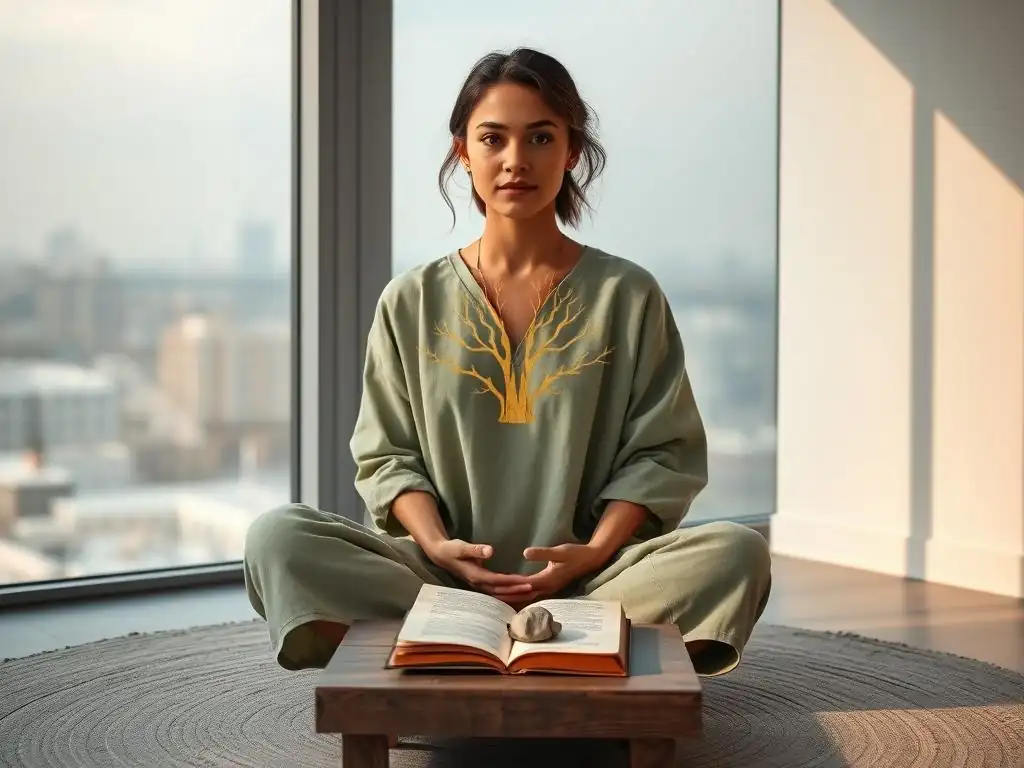
Now, bring to mind someone you know but for whom you have no strong feelings, positive or negative. This could be an acquaintance, someone who serves you coffee, a neighbor you don't know well, or a colleague you interact with impersonally. Visualize this neutral person clearly.
Direct the same loving-kindness phrases towards them: "May you be peaceful." "May you be happy." "May you be healthy." "May you be safe." "May you be free from suffering." This step can sometimes feel less natural than sending kindness to a loved one, but it is a crucial part of expanding your capacity for compassion beyond your immediate circle. It helps to break down the mental barriers we create between ourselves and others, fostering a broader sense of connection.
Cultivating Empathy and Connection with Acquaintances
Practicing Metta towards a neutral person helps to dissolve indifference and cultivate a basic recognition of shared humanity. You are acknowledging that this person, like you and your loved one, also experiences joys and sorrows, and also desires happiness and freedom from suffering.
There's no need to force a strong feeling of affection; the goal is simply to extend the intention of well-being. This step challenges the mind's tendency to categorize people as 'us' and 'them' and encourages a more open and inclusive perspective. By practicing this expansion, you subtly shift your relationship with the world around you, which can reduce feelings of isolation that sometimes accompany anxiety. This broadens the scope of loving kindness meditation for anxiety by addressing social anxieties or feelings of disconnection.
Step 6: Sending Loving-Kindness to a Difficult Person
This step can be the most challenging but is often the most transformative. Bring to mind someone with whom you have difficulty, someone who has caused you pain or frustration. Choose someone who is moderately difficult, perhaps not the person who has caused you the most profound suffering, especially if you are new to this practice. Visualize this difficult person as clearly as you can.
Now, with as much openness as you can muster, direct the loving-kindness phrases towards them: "May you be peaceful." "May you be happy." "May you be healthy." "May you be safe." "May you be free from suffering." It is completely normal if resistance, anger, or sadness arises during this step. Simply notice these feelings without judgment and gently return to the intention of wishing them well. This is not about condoning their actions or pretending you like them; it is about releasing yourself from the burden of negative emotion and recognizing their shared humanity and desire for happiness.
Working with Challenging Emotions and Practicing Forgiveness
Directing Metta towards a difficult person is a practice of radical compassion and self-liberation. Holding onto resentment or anger often harms us more than the other person. By wishing them well, you are not excusing their behavior but actively choosing to release the grip of negativity within yourself.
If strong emotions arise, you can pause the phrases and simply sit with the feelings, acknowledging them with kindness before gently returning to the practice. You can also offer yourself extra loving-kindness during this step: "May I be free from the suffering caused by this situation."
This step strengthens your emotional resilience and capacity for forgiveness, which are vital components in managing and reducing anxiety by not being trapped by past hurts or present conflicts. This challenging but rewarding practice deepens the impact of loving kindness meditation for anxiety by addressing root causes of tension and fear related to interpersonal conflict.
Step 7: Radiating Loving-Kindness to All Beings
Finally, expand your circle of loving-kindness to encompass all beings everywhere. Think of all living creatures – humans, animals, visible, and invisible – throughout the universe. Visualize the light or feeling of warmth expanding outwards from you, filling your room, your building, your city, country, the world, and beyond.
Silently repeat the phrases, directing them to everyone: "May all beings be peaceful." "May all beings be happy." "May all beings be healthy." "May all beings be safe." "May all beings be free from suffering." Allow your heart to open fully to this vast interconnectedness. Recognize that just as you desire peace and happiness, so does every other being.
Embracing Universal Compassion and Interconnectedness
This final step cultivates a profound sense of universal compassion and reinforces the understanding that we are all interconnected. It moves beyond individual relationships to embrace the entirety of existence with kindness. This expansive perspective can help to dissolve feelings of isolation and smallness that sometimes accompany anxiety, replacing them with a sense of belonging to something much larger.
Dwell in this feeling of universal loving-kindness for several minutes. When you are ready, gently let the phrases fade and simply rest in the afterglow of the practice. Notice how your body and mind feel. Take a few conscious breaths and, in your own time, gently open your eyes. This culmination of the practice reinforces a broad sense of peace and connection, offering a powerful counterpoint to the narrow, fear-based focus of anxiety, thus maximizing the benefits of loving kindness meditation for anxiety relief on a global scale.
Benefits of Regular Loving-Kindness Meditation Practice
Reducing Anxiety and Stress Through Metta
One of the most widely reported benefits of practicing loving kindness meditation for anxiety is a significant reduction in feelings of worry, nervousness, and stress. By intentionally cultivating positive emotions like kindness and compassion, individuals can interrupt the cycle of negative rumination that fuels anxiety. The consistent redirection of the mind towards benevolent wishes acts as a powerful counter-conditioning mechanism against fear-based thinking.
Studies have shown that regular Metta practitioners often exhibit lower levels of cortisol, the body's primary stress hormone, compared to non-practitioners. For example, a study involving participants with generalized anxiety disorder found that an 8-week loving-kindness meditation program led to statistically significant reductions in anxiety symptoms, comparable to or exceeding the effects of some traditional relaxation techniques. This demonstrates the tangible physiological and psychological impact of integrating loving kindness meditation for anxiety management.
Increasing Feelings of Happiness and Well-being
Beyond reducing negative states, Metta actively cultivates positive ones. Regular practice has been shown to increase feelings of joy, contentment, gratitude, and overall life satisfaction. By focusing on well-wishes for oneself and others, the practice naturally shifts the brain's focus towards positive interactions and possibilities.
Research from institutions like the University of North Carolina at Chapel Hill has indicated that even brief periods of Metta practice can increase positive emotions and personal resources like mindfulness, purpose in life, social support, and decreased illness symptoms. Participants in these studies often report feeling more optimistic and resilient in the face of challenges. This positive emotional shift is crucial, as it not only alleviates the burden of anxiety but also builds a foundation of inner happiness and well-being.
Fostering Compassion and Empathy Towards Others
Loving-kindness meditation is explicitly designed to cultivate compassion and empathy. By systematically extending well-wishes to oneself, loved ones, neutral people, difficult people, and all beings, practitioners train their capacity to understand and share the feelings of others.
This increased empathy can improve interpersonal relationships and reduce feelings of isolation, which can be significant factors in managing social anxiety or general unease around others. As compassion grows, the tendency to react with judgment or hostility decreases, leading to more harmonious interactions. This outward focus on empathy naturally lessens the inward, self-focused worry that characterizes much anxiety, highlighting another way loving kindness meditation for anxiety provides relief.
As a direct result of increased empathy and reduced negative emotional reactivity, Metta practice often leads to improved relationships. When you approach others with a foundation of kindness and understanding, interactions tend to be more positive and less fraught with tension.
By practicing directing kindness even towards those who are difficult, you cultivate the capacity for patience and forgiveness, which can heal existing relationship wounds and prevent future conflicts. Furthermore, the feeling of interconnectedness fostered in the final stages of Metta can reduce feelings of loneliness and increase a sense of belonging, important factors for individuals dealing with anxiety, particularly social anxiety. This makes loving kindness meditation for anxiety not just an internal practice, but one with tangible external benefits in social spheres.
Cultivating Self-Acceptance and Self-Love
Perhaps one of the most profound benefits of loving kindness meditation for anxiety is the cultivation of self-acceptance and self-love. Many people with anxiety struggle with harsh self-criticism and feelings of inadequacy. Metta explicitly begins by directing kindness towards oneself, challenging these negative self-perceptions.
Through repeated practice, offering oneself wishes of peace, happiness, and freedom from suffering becomes more natural. This builds a sense of inner safety and worthiness, which is a powerful antidote to the self-judgment that fuels anxiety. As self-compassion grows, the need for external validation decreases, and individuals become more resilient to setbacks and criticism. This foundational self-kindness is perhaps the most direct way loving kindness meditation addresses the core vulnerabilities contributing to anxiety.
Tips for a Successful Loving-Kindness Meditation Experience
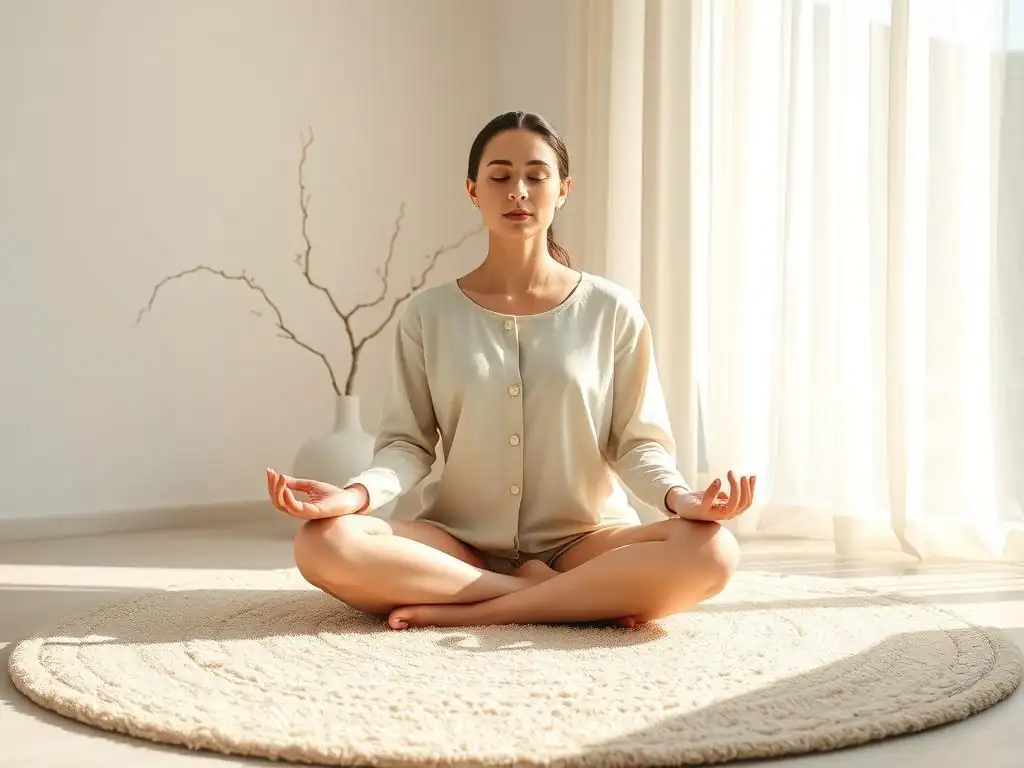
Start Small and Be Patient with Yourself
Beginning any new meditation practice, including loving kindness meditation for anxiety, requires patience and consistency, not perfection. Don't feel pressured to sit for long periods initially. Start with just 5-10 minutes a day. Even short, regular sessions are more beneficial than infrequent, lengthy ones. It's normal for your mind to wander or for difficult emotions to arise, especially when directing kindness towards challenging people.
Approach your practice with an attitude of curiosity and self-compassion. There's no way to "fail" at Metta. If you get distracted, simply notice it without judgment and gently guide your attention back to the phrases or the breath. Be kind to yourself on days when it feels difficult or unproductive. The benefits of loving kindness meditation for anxiety build gradually over time, like strengthening a muscle. Celebrate small victories and acknowledge your effort.
Use Guided Meditations to Enhance Your Practice
For beginners, or even experienced practitioners, using a guided loving-kindness meditation can be incredibly helpful. A guide can lead you through the steps, offer gentle reminders, and help you stay focused when your mind wants to drift. Guided meditations provide structure and support, making the practice more accessible and less intimidating.
Many resources offer guided Metta meditations of varying lengths, available through meditation apps, websites, or audio recordings. Experiment with different guides and styles to find one that resonates with you. A good guided loving kindness meditation for anxiety will often include cues for relaxation, breath awareness, and clear instructions for directing the phrases to each category of being. Following a guide allows you to relax into the practice without having to remember the steps yourself.
Integrate Loving-Kindness into Your Daily Life
While formal meditation sessions are valuable, the true power of Metta comes from integrating its principles into your daily life. Look for opportunities throughout your day to practice informal loving-kindness. This could be silently wishing well for a stranger you pass on the street, sending a kind thought to a colleague, or simply pausing to offer yourself a moment of kindness when you feel stressed or overwhelmed.
Even small acts, like taking a mindful breath before responding to a challenging email or consciously choosing compassion in a difficult conversation, are ways of living the principles of Metta. This continuous practice reinforces the positive neural pathways cultivated during formal meditation and helps to maintain a state of greater calm and compassion throughout your day, significantly enhancing the long-term benefits of loving kindness meditation for anxiety.
Dealing with Difficult Emotions During Meditation
It is common for challenging emotions, such as sadness, anger, or resistance, to arise during loving-kindness meditation, particularly when directing Metta towards difficult people or even oneself. When this happens, try not to push the emotions away or judge yourself for having them. Instead, acknowledge their presence with kindness.
You can pause the Metta phrases and simply sit with the emotion, breathing into it and allowing it to be there without needing to fix it. You might even direct loving-kindness towards the emotion itself or the part of you that is feeling it: "May this sadness be met with kindness." "May I be free from this feeling of anger."
Remember that meditation is not about suppressing emotions but about learning to relate to them with greater awareness and compassion. This skill is directly applicable to managing the difficult emotions associated with anxiety, making loving kindness meditation a powerful tool for emotional regulation.
Common Misconceptions About Loving-Kindness Meditation
Myth: Loving-Kindness is Only for Buddhists
A common misconception is that loving-kindness meditation, or Metta, is exclusively a religious practice tied to Buddhism and therefore not suitable for people of other faiths or no faith. While Metta originates from the Buddhist tradition, its core principles of cultivating kindness, compassion, joy, and equanimity are universal human values.
The practice itself is secular and focuses on training the mind to reduce negative emotions and increase positive ones, which is beneficial regardless of one's religious beliefs. Many therapists and mental health professionals recommend loving kindness meditation for anxiety and stress relief precisely because of its proven psychological benefits, separate from any religious doctrine. It is accessible to anyone seeking greater peace and connection.
Reality: Metta is a Universal Practice for Everyone
The reality is that Metta is a universal practice focused on innate human capacities for empathy and connection. Just as physical exercise benefits everyone regardless of their background, training the mind in kindness and compassion through Metta can benefit anyone.
The phrases used in Metta meditation, such as "May you be happy" or "May you be safe," express fundamental human desires. The practice simply provides a structured way to cultivate and strengthen these benevolent intentions. Countless individuals from diverse cultural and religious backgrounds around the world practice loving kindness meditation for anxiety reduction, stress management, and enhancing overall well-being, finding it a valuable tool for personal growth and interpersonal harmony.
Myth: Loving-Kindness is Weak or Ineffective
Another misconception is that focusing on "kindness" is passive, weak, or ineffective, particularly when facing challenging situations or dealing with difficult people. Some might perceive it as avoiding conflict or being overly permissive.
This view misunderstands the true nature of Metta. Cultivating loving-kindness requires significant mental strength, courage, and discipline. It is an active practice of transforming internal states and choosing a response rooted in compassion rather than reactivity. Sending Metta to a difficult person, for example, is not a sign of weakness but a powerful act of self-liberation from resentment and anger.
Reality: Metta is a Powerful Tool for Transforming Suffering
The reality is that Metta is a profoundly powerful and transformative practice. It doesn't make you passive; it makes you more resilient and resourceful. By reducing internal negativity like anxiety, fear, and anger, Metta frees up mental and emotional energy that can be used constructively.
Practicing loving kindness meditation for anxiety empowers you to face difficulties with greater clarity, patience, and wisdom. It builds emotional strength and the capacity to respond to suffering, both your own and others', with care rather than being overwhelmed. Far from being weak, Metta is a potent force for inner peace, emotional healing, and positive change in the world.
Integrating Loving-Kindness Meditation into Your Anxiety Management Plan
Combining Metta with Other Mindfulness Practices
Loving-kindness meditation can be a powerful standalone practice, but its benefits for anxiety are often amplified when combined with other mindfulness techniques. Practices like mindful breathing, body scans, or walking meditation can help cultivate present-moment awareness and a non-judgmental attitude, which provides a stable foundation for Metta.
For example, starting a meditation session with a few minutes of breath awareness can help settle the mind before moving into the Metta phrases. Similarly, integrating short moments of loving-kindness throughout a mindful walk can deepen the experience. Combining these practices creates a synergistic effect, enhancing overall emotional regulation and resilience. Many find that using loving kindness meditation for anxiety alongside general mindfulness helps them stay grounded and respond more skillfully to anxious thoughts and feelings.
Seeking Professional Guidance for Anxiety and Mental Health
While loving-kindness meditation is a valuable tool for managing anxiety and improving mental well-being, it is important to recognize that it may not be a substitute for professional medical or psychological care, especially for severe or chronic anxiety disorders. Meditation can be a powerful complementary practice, but professional guidance is essential for diagnosis, treatment planning, and support.
If you are struggling with significant anxiety, panic attacks, or other mental health challenges, consider consulting a therapist, counselor, or psychiatrist. Mental health professionals can provide tailored strategies, therapies (such as Cognitive Behavioral Therapy or Exposure Therapy), and potentially medication that, when combined with practices like loving kindness meditation for anxiety, can lead to more comprehensive and sustainable relief. They can also help you navigate any difficult emotions that may arise during your meditation practice.
Resources for Further Exploration of Loving-Kindness Meditation
For those interested in deepening their practice of loving-kindness meditation for anxiety and overall well-being, numerous resources are available. Books by teachers like Sharon Salzberg, Joseph Goldstein, and Jack Kornfield offer comprehensive introductions and guidance on Metta.
Many reputable websites and apps dedicated to mindfulness and meditation provide guided loving-kindness practices, often available in various lengths to fit your schedule. Exploring different teachers and styles can help you find the approach that resonates most deeply with you. Participating in local meditation groups or retreats focused on Metta can also provide valuable community support and in-depth instruction, helping you to fully harness the potential of loving kindness meditation for anxiety relief and a more compassionate life.
Loving Kindness Meditation for Anxiety: A Summary
Loving-kindness meditation, or Metta, is a practice of cultivating benevolent wishes towards oneself and others, offering a powerful approach to managing anxiety. By systematically directing phrases of well-being ("May you be happy, May you be safe, May you be healthy, May you be free from suffering"), practitioners actively counter negative thought patterns and emotional reactivity often associated with anxious states. Research indicates that Metta can positively impact brain regions related to empathy and emotional regulation while potentially reducing activity in areas linked to fear.
Integrating loving kindness meditation for anxiety involves creating a calm space, setting a positive intention, and finding a comfortable posture. The step-by-step practice guides you to extend kindness from yourself to loved ones, neutral persons, difficult persons, and finally, all beings. Regular practice yields numerous benefits, including reduced anxiety and stress, increased happiness, enhanced empathy, improved relationships, and greater self-acceptance. While Metta is a universal, powerful tool, it's best approached with patience and can be effectively combined with other mindfulness techniques and professional support for comprehensive anxiety management.
Frequently Asked Questions
What is Loving-Kindness Meditation and how can it help with anxiety?
Loving-Kindness Meditation (LKM) is a practice focused on cultivating feelings of love, compassion, and kindness towards oneself and others. It can help with anxiety by promoting emotional regulation and reducing self-criticism.
How does Loving-Kindness Meditation differ from other types of meditation?
Unlike mindfulness meditation which focuses on present moment awareness, LKM specifically directs attention towards generating positive emotions and intentions. It actively cultivates compassion and acceptance, rather than simply observing thoughts.
How often should I practice Loving-Kindness Meditation to see results for anxiety?
Consistency is key. Aim for at least 10-15 minutes of practice daily. While individual results vary, many people experience a reduction in anxiety symptoms after a few weeks of regular practice.
What are some common challenges faced when starting Loving-Kindness Meditation and how can I overcome them?
Some common challenges include difficulty feeling loving towards oneself or specific individuals. Start by focusing on someone you naturally feel affection for, and gradually expand to include yourself and others. Patience and persistence are crucial.
Where can I find guided Loving-Kindness Meditations for anxiety?
Mind Care Guide offers resources, including guided meditations, to support your practice. Many apps and websites specializing in meditation, like Headspace or Insight Timer, also offer guided LKM sessions specifically tailored for anxiety relief.
Final Reflection: Cultivating Inner Peace Through Loving-Kindness
The practice of loving-kindness meditation offers a powerful antidote to the anxieties of modern life. In a world often characterized by relentless pressure and uncertainty, cultivating compassion—both for ourselves and others—becomes not just a spiritual exercise, but a vital tool for navigating the challenges we face daily. This simple yet profound practice can significantly reduce stress and foster a sense of inner peace, offering a tangible path towards a more balanced and fulfilling existence.
The ripple effect of loving-kindness is undeniable; its influence extends far beyond the individual practitioner. It touches our relationships, our communities, and even the broader world. By extending feelings of warmth and goodwill, we create a more compassionate and interconnected society. As the Dalai Lama wisely said, If you want others to be happy, practice compassion. If you want to be happy, practice compassion.
This sentiment underscores the inherent interconnectedness between our own well-being and the well-being of others, highlighting the transformative power of this ancient practice in a contemporary context.
Now, I invite you to carry this practice forward. Begin by extending a few moments of loving-kindness to yourself, acknowledging your inherent worthiness and embracing your imperfections. Then, gradually expand this circle of compassion to include your loved ones, acquaintances, and even those you find challenging. Remember, this is a journey, not a destination. Each act of kindness, each breath infused with loving intention, brings you closer to a deeper sense of peace and connection—a peace that resonates not only within you, but also outwards, touching the lives of those around you.
Unleash the Power of Loving-Kindness: Start Your Journey Today
Thanks for taking the time to explore the power of loving-kindness meditation! We hope you found the guided practice insightful and enriching. Now it’s time to integrate this powerful technique into your daily life. Here's how you can continue your journey:
- Begin your daily loving-kindness practice: Even 5 minutes a day can make a profound difference in your overall well-being. Set a reminder on your phone or find a quiet space in your routine to dedicate to this practice. This is the most important step!
- Share your experience: Let others know how loving-kindness meditation impacts your day. Share this article with a friend or leave a comment below to inspire others to discover its benefits.
- Explore different loving-kindness techniques: Experiment with variations like extending loving-kindness to difficult people or focusing on self-compassion. You might be surprised by the results!
What small act of loving-kindness will you share with the world today?