
Wind Down Naturally: Evening Guided Meditations for Sleep Prep


Welcome to Mind Care Guide.
Feeling overwhelmed and longing for a peaceful night's rest? We understand. Discover how to Relaxing meditation sleep better tonight with our gentle and effective guided meditations, designed to help you wind down naturally and prepare your mind for restful sleep. Explore the power of evening mindfulness and begin your journey to calmer nights and brighter mornings.
Wind Down Naturally: Evening Guided Meditations for Sleep Prep
- Prepare for Restful Sleep: Understanding the Power of Evening Meditation
- Relaxing Meditation Sleep Better Tonight: A Step-by-Step Guide
- Guided Meditation Scripts for Deep Sleep: Examples and Techniques
- Overcoming Common Challenges in Evening Meditation
- Beyond Meditation: Holistic Sleep Hygiene Tips
- The Benefits of Regular Evening Meditation for Overall Well-being
- Choosing the Right Guided Meditation for Your Needs
- Conclusion: Embrace Evening Meditation for a Deeper, More Restful Sleep
-
Frequently Asked Questions
- What is a guided meditation, and how can it help me sleep better tonight?
- How does meditation specifically promote relaxation and improve my sleep quality?
- How often should I practice relaxing meditation to see improvements in my sleep?
- What if I find it difficult to focus during meditation and get distracted?
- Are there different types of relaxing meditation suitable for sleep preparation?
- Final Reflection: Cultivating the Sanctuary of Sleep
- Unwind & Reclaim Your Nights: Start Your Sleep Journey Now
Prepare for Restful Sleep: Understanding the Power of Evening Meditation
As the day winds down, many of us find our minds racing, filled with the day's stresses and tomorrow's worries. This mental chatter is a significant barrier to falling asleep and staying asleep. Preparing your mind and body for rest is crucial for achieving truly restorative sleep. Evening guided meditation offers a structured, accessible way to transition from wakefulness to a state of calm, making it easier to drift off naturally. Engaging in a relaxing meditation can help you sleep better tonight by actively counteracting the stress response that keeps you awake.
Integrating a pre-sleep routine that includes meditation signals to your brain and body that it's time to prepare for rest. This practice can shift your physiological state from one of alertness and activity to one of relaxation and receptivity to sleep. It's not just about lying down; it's about intentionally cultivating a state of peace. For millions who struggle with sleep onset or maintenance, finding a reliable method to quiet the mind is invaluable, and guided meditation provides that supportive framework.
Why Evening Meditation Enhances Sleep Quality
Evening meditation directly addresses several root causes of poor sleep, particularly those related to mental and emotional states. By focusing attention and gently redirecting the mind away from intrusive thoughts, meditation reduces cognitive arousal, which is a major impediment to sleep. Think of it as turning down the volume on your internal monologue. This quieting of the mind helps lower heart rate and blood pressure, creating a physiological state more conducive to sleep. Studies suggest that even short periods of meditation can significantly decrease the time it takes to fall asleep for many individuals.
Furthermore, regular evening meditation can improve the overall quality of your sleep, not just how quickly you fall asleep. It can help reduce nighttime awakenings and increase the amount of time spent in deep, restorative sleep stages. This is partly due to its impact on the nervous system, shifting dominance from the sympathetic "fight or flight" response to the parasympathetic "rest and digest" state. For anyone seeking a relaxing meditation to sleep better tonight, understanding this mechanism highlights the powerful, natural effect the practice can have on sleep architecture.
The Science Behind Meditation and Sleep Improvement
The scientific community has shown increasing interest in the relationship between mindfulness meditation and sleep. Research indicates that meditation can influence brainwave patterns, promoting slower delta and theta waves associated with deep sleep and relaxation, while reducing faster beta waves linked to alertness and anxiety. A study published in JAMA Internal Medicine found that mindfulness-based stress reduction significantly improved sleep quality in older adults, reducing insomnia symptoms more effectively than a sleep hygiene education program alone. Participants reported falling asleep faster and experiencing less fatigue during the day.
Beyond brainwaves, meditation impacts the body's stress hormones, particularly cortisol. Cortisol levels naturally fluctuate throughout the day, peaking in the morning and dropping in the evening. Elevated cortisol levels at night can disrupt sleep. Meditation has been shown to lower evening cortisol levels, helping to re-establish a healthier circadian rhythm and hormonal balance necessary for sleep. This physiological regulation is a key reason why incorporating a relaxing meditation can help you sleep better tonight; it directly addresses the biological underpinnings of stress-related sleep disturbances.
Relaxing Meditation Sleep Better Tonight: A Step-by-Step Guide
Embarking on an evening meditation practice doesn't require special skills or years of experience. It's about creating a simple routine and allowing yourself to be present. The goal isn't to stop thinking entirely, but to observe thoughts without judgment and gently return your focus to the present moment, typically through the breath or body sensations. This process helps to calm the nervous system and prepare your mind for rest. By following a few simple steps, you can make relaxing meditation a regular part of your routine to sleep better tonight and every night.
Starting with a guided meditation can be particularly helpful, as it provides structure and keeps your mind from wandering too much initially. There are many resources available, from apps to online videos, offering scripts and audio guidance specifically designed for sleep. Find a voice and style that resonates with you. Consistency is more important than duration; even 5-10 minutes of focused, relaxing meditation can make a significant difference in your ability to unwind and sleep better tonight.
Creating Your Ideal Sleep Meditation Environment
Setting the scene for your evening meditation is crucial for maximizing its effectiveness. Choose a quiet space where you won't be interrupted. This doesn't need to be a dedicated meditation room; a corner of your bedroom can work perfectly. Ensure the lighting is dim, or even better, dark, as light cues signal wakefulness to the brain. Using blackout curtains can help create the necessary darkness. The temperature should be cool and comfortable, ideally between 60-67°F (15-19°C), which is widely recommended for optimal sleep.
Your position during meditation should be comfortable but not so comfortable that you immediately fall asleep unless that is your intention. Sitting upright in a chair with your feet flat on the floor, or cross-legged on a cushion, can be good options if you want to remain alert during the practice itself before transitioning to bed. If your goal is immediate sleep onset, lying down in your bed is perfectly acceptable.
Remove distractions like phones or tablets from your immediate vicinity. Creating this sanctuary helps your mind associate the space and time with relaxation and prepares you for a truly relaxing meditation to sleep better tonight.
Breathing Techniques for Relaxation and Sleep Onset
Specific breathing techniques are fundamental to many relaxing meditations for sleep. Slow, deep, and conscious breathing activates the parasympathetic nervous system, counteracting the stress response. One popular technique is the 4-7-8 method, popularized by Dr. Andrew Weil. This involves inhaling quietly through the nose for a count of four, holding the breath for a count of seven, and exhaling completely through the mouth with a whooshing sound for a count of eight. Repeating this cycle several times can significantly slow your heart rate and calm your mind.
Another effective technique is diaphragmatic breathing, or belly breathing. Lie on your back with one hand on your chest and the other on your abdomen. Breathe in slowly through your nose, feeling your abdomen rise while your chest remains relatively still. Exhale slowly through pursed lips, feeling your abdomen fall. This technique ensures you are using your full lung capacity and promotes deep relaxation. Focusing on these simple yet powerful breathing patterns provides an anchor for your attention, helping to quiet racing thoughts and preparing your body for a relaxing meditation to sleep better tonight.
Body Scan Meditation for Releasing Tension Before Bed
The body scan is a foundational mindfulness practice that is particularly effective for sleep preparation. It involves systematically bringing your attention to different parts of your body, noticing any sensations without judgment. Start with your toes, then move up through your feet, ankles, calves, knees, thighs, hips, and so on, all the way to the crown of your head. As you focus on each area, consciously invite relaxation and imagine any tension melting away with each exhale. This practice helps you become aware of where you are holding stress in your body, which many people do unknowingly.
By bringing gentle awareness to physical sensations, the body scan grounds you in the present moment and distracts from worries about the past or future. It helps release physical tension that can prevent you from getting comfortable in bed. Many guided sleep meditations incorporate a body scan because it is so effective at creating a state of deep physical and mental relaxation. Practicing a body scan is an excellent way to perform a relaxing meditation and sleep better tonight by directly addressing physical restlessness.
Guided Imagery: Visualizing Calm and Tranquility for Sleep
Guided imagery, also known as visualization, is a powerful technique used in many sleep meditations. It involves creating a peaceful mental scene or journey in your mind. Common themes include walking on a serene beach, strolling through a peaceful forest, or floating gently on calm water. The guide's voice helps you build this scene detail by detail, engaging your senses: what you see, hear, feel, and even smell in this imagined environment.
This technique works by engaging the imaginative part of your brain, which can help distract from anxious thoughts. By focusing on pleasant, calming images, you evoke feelings of peace and security. The more vivid you make the scene, the more immersive and effective it becomes. For example, visualizing the warmth of the sun on your skin, the gentle sound of waves, or the scent of pine needles can deeply relax the nervous system. Using guided imagery as part of a relaxing meditation can significantly help you sleep better tonight by transporting your mind away from stressors.
Guided Meditation Scripts for Deep Sleep: Examples and Techniques

Guided meditation scripts provide the structure and verbal cues needed to lead you through a practice. They are particularly useful for beginners or when your mind feels too restless to meditate independently. While full scripts are extensive, understanding the core techniques used in sleep-focused scripts can help you choose or even adapt practices. These scripts often combine elements like body scans, breath awareness, and gentle affirmations or visualizations to promote relaxation and sleep onset.
The language in sleep meditation scripts is typically soft, slow, and repetitive, designed to soothe and calm. They often include suggestions to release tension, sink deeper into relaxation, and welcome sleep. Many scripts emphasize non-judgmental awareness – simply noticing thoughts or sensations without getting caught up in them. Exploring different script styles can help you find the most effective relaxing meditation to sleep better tonight.
Gentle Body Scan for Sleep
A gentle body scan script for sleep typically begins by inviting you to get comfortable and close your eyes. It then guides your attention sequentially through the body. For example, a segment might sound like this:
"Bring your awareness now to your feet... simply notice any sensations there... warmth, coolness, tingling... breathing into your feet, and as you exhale, imagine any tension melting away... moving up now to your ankles... noticing... breathing in ease... breathing out any tightness..."
This process continues through the legs, torso, arms, neck, and head. The emphasis is always on gentle observation and release, without trying too hard to change anything. The slow pace and focus on physical sensation help draw awareness away from busy thoughts, making it a highly effective relaxing meditation to sleep better tonight.
The script will often include cues to deepen relaxation with each breath and each body part scanned. It might suggest imagining a wave of relaxation washing over the body. The goal is not to force sleep, but to create the optimal physical and mental conditions for sleep to occur naturally. By systematically releasing physical tension, the body scan prepares you to lie comfortably and still, which is essential for falling asleep.
Mountain Meditation for Grounding and Peace
While traditionally used for stability and resilience, the Mountain Meditation can be adapted for sleep by focusing on grounding and stillness. The imagery involves picturing yourself as a majestic mountain – solid, stable, and unmoving, regardless of the weather (your thoughts or feelings). The script guides you to feel rooted and grounded, like the mountain's base, and expansive and peaceful, like its peak reaching towards the sky.
For sleep, the emphasis is on the mountain's stillness and unwavering presence through changing conditions (like passing thoughts or noises). You are guided to embody that stillness, feeling solid and secure. This visualization helps cultivate a sense of inner strength and calm detachment from temporary disturbances. It's a powerful relaxing meditation technique to sleep better tonight by fostering a feeling of unshakeable peace within yourself.
Gratitude Meditation for Sleep
Focusing on gratitude before sleep can shift your mindset from worry and stress to appreciation and positivity. A gratitude meditation for sleep might involve quietly reflecting on things you are thankful for from the day, or in your life in general. The script might prompt you to think of three specific things, no matter how small. This practice can help reduce negative rumination, which is a common barrier to sleep.
Thinking about things you appreciate fosters positive emotions and a sense of contentment. This mental state is much more conducive to sleep than anxiety or frustration. The script guides you to feel the warmth and peace associated with these feelings of gratitude, allowing them to settle over you as you prepare for rest. Practicing this type of relaxing meditation can help you sleep better tonight by ending your day on a positive, calm emotional note.
Overcoming Common Challenges in Evening Meditation
While evening meditation is a powerful tool for sleep, it's not always easy. Many people encounter challenges that can feel discouraging. It's important to remember that these obstacles are normal parts of the practice and not signs of failure. Approaching these challenges with patience and self-compassion is key. Understanding how to navigate common difficulties can make your relaxing meditation practice more sustainable and effective, helping you sleep better tonight.
Common issues include a restless mind, physical discomfort, and difficulty maintaining consistency. Recognizing these as temporary states rather than permanent barriers allows you to develop strategies to work through them. The goal isn't perfection, but progress and persistence. Each time you gently redirect your attention back to the meditation, you strengthen your ability to focus and calm your mind, which directly supports your goal of using relaxing meditation to sleep better tonight.
Dealing with Racing Thoughts During Meditation
Perhaps the most common challenge is a busy or "racing" mind. During meditation, it often feels like your thoughts become more active, not less. This is normal; you're simply becoming more aware of the constant stream of thoughts that is always present. The key is not to fight the thoughts or judge yourself for having them. Instead, acknowledge them without getting involved in their content. Imagine them like clouds drifting across the sky.
A helpful technique is to gently label the thought (e.g., "planning," "worry," "memory") and then consciously return your attention to your anchor, such as your breath or the guide's voice. The more you practice this gentle redirection, the easier it becomes. Consistency is key; even a few minutes of non-judgmental awareness each night builds this skill. This practice of observing and letting go of thoughts is fundamental to making your evening session a truly relaxing meditation to sleep better tonight.
Managing Physical Discomfort While Meditating
Finding a comfortable position is important, especially for sleep meditation. However, sometimes physical discomfort arises – an itch, restlessness, or a lingering ache. Just like with thoughts, the first step is awareness. Notice the sensation without immediately reacting. Sometimes, simply acknowledging the discomfort can lessen its intensity. If it's minor, try breathing into it and seeing if it subsides.
If the discomfort is significant, it's okay to gently adjust your position. The aim is relaxation for sleep, not enduring pain. Make the adjustment mindfully, noticing the movement. For instance, if your back is bothering you while sitting, try lying down. If lying down causes restlessness, ensure your bed is comfortable and your pillows support your neck and back. Experiment to find the most comfortable position for your body to allow you to fully relax during your relaxing meditation to sleep better tonight.
Staying Consistent with Your Evening Meditation Practice
Building a consistent evening meditation habit can be challenging amidst busy schedules and fatigue. Life happens, and sometimes the last thing you feel like doing before bed is sitting or lying down for a practice. However, consistency is where the long-term benefits for sleep and well-being truly emerge. Try to integrate the meditation into your existing bedtime routine. For example, do it after brushing your teeth but before getting into bed, or as soon as you get into bed.
Start small; even 5 minutes is beneficial. Don't aim for perfection, aim for regularity. If you miss a night, don't dwell on it; simply start again the next evening. Using a guided meditation app or setting a reminder can help. Track your progress if that motivates you. Remember why you are doing this – to cultivate peace and achieve better sleep. Committing to a regular relaxing meditation practice is an investment in your ability to sleep better tonight and for years to come.
Beyond Meditation: Holistic Sleep Hygiene Tips
While evening meditation is a powerful tool, it works best when combined with good overall sleep hygiene. Sleep hygiene refers to the set of habits and environmental factors that can promote or interfere with restful sleep. Addressing these aspects creates a supportive foundation for your meditation practice to be most effective. Think of meditation as the capstone on a solid structure of healthy sleep habits.
Neglecting basic sleep hygiene can make it harder for meditation alone to overcome significant sleep challenges. For instance, drinking caffeine late in the day can override the calming effects of meditation. Similarly, an inconsistent sleep schedule disrupts your body's natural clock. Implementing holistic sleep hygiene alongside your relaxing meditation practice is essential for maximizing your ability to sleep better tonight and achieve sustainable sleep improvement.
Creating a Consistent Sleep Schedule for Better Rest
One of the most impactful sleep hygiene tips is maintaining a consistent sleep schedule. This means going to bed and waking up around the same time every day, even on weekends. This regularity helps regulate your body's internal clock, or circadian rhythm. When your circadian rhythm is aligned, your body naturally prepares for sleep at a predictable time, making it easier to fall asleep.
Aim for 7-9 hours of sleep per night, the amount recommended for most adults. While it can be tempting to "catch up" on sleep during weekends, large variations in your sleep schedule can actually disrupt your rhythm further, leading to "social jet lag." Establishing and sticking to a consistent schedule provides a stable biological foundation that enhances the effectiveness of your relaxing meditation in helping you sleep better tonight.
Optimizing Your Bedroom for Sleep: Light, Sound, and Temperature
Your bedroom environment plays a significant role in sleep quality. Make your bedroom a sanctuary dedicated primarily to sleep and intimacy.
- Light: Keep it as dark as possible. Use blackout curtains to block external light. Avoid bright lights, especially blue light from screens, in the hours leading up to bedtime.
- Sound: Minimize noise. Use earplugs or a white noise machine if needed to block out disruptive sounds.
- Temperature: Keep the room cool. As mentioned earlier, 60-67°F (15-19°C) is ideal for most people. A cool environment helps lower your body temperature, a natural process that occurs before sleep.
Ensuring your bedroom is dark, quiet, and cool creates an optimal physiological environment for sleep. This physical comfort and lack of distraction complements your relaxing meditation practice, allowing you to more easily transition into a state of rest and sleep better tonight.
Diet and Evening Habits for Improved Sleep Quality
What you eat and drink, and your activities in the hours before bed, significantly impact your sleep.
- Avoid stimulants: Limit caffeine and nicotine, especially in the afternoon and evening. Caffeine has a long half-life and can keep you awake hours after consumption.
- Limit alcohol: While alcohol might make you feel sleepy initially, it disrupts sleep later in the night, leading to fragmented rest.
- Watch your meals: Avoid heavy meals close to bedtime. If you're hungry, a light snack is better.
- Limit fluids: Reduce fluid intake in the couple of hours before bed to minimize nighttime bathroom trips.
- Wind-down routine: Establish a relaxing pre-sleep routine. This could include reading a book, taking a warm bath, stretching gently, or listening to calming music before you even start your relaxing meditation. This signals to your body that it's time to transition to rest.
These dietary and habit adjustments work in concert with your meditation practice to create a holistic approach to sleep improvement. By minimizing physical disruptions caused by diet and habits, you create a smoother path for your relaxing meditation to help you sleep better tonight.
The Benefits of Regular Evening Meditation for Overall Well-being
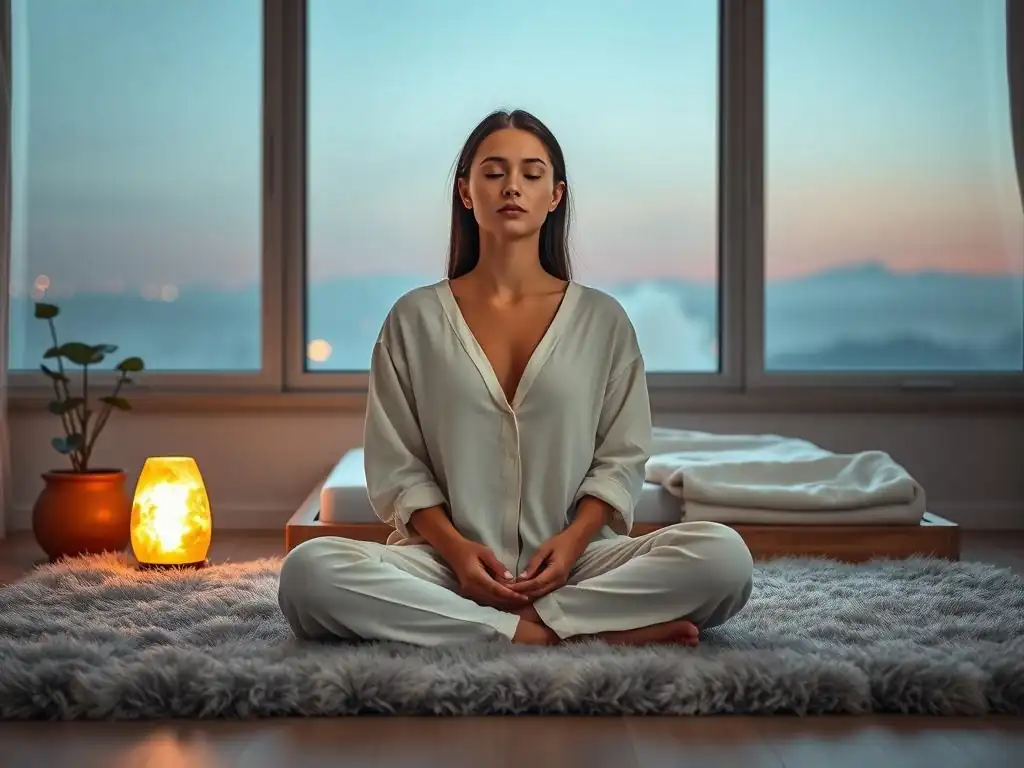
The benefits of regular evening meditation extend far beyond just improving sleep. While better sleep is a significant advantage, the practice cultivates a state of mindfulness and calm that positively impacts numerous aspects of life. Integrating meditation into your nightly routine is an investment in your mental, emotional, and even physical health. The skills learned during a relaxing meditation practice, such as focused attention and non-reactivity, are transferable to waking life.
Consistency is key to unlocking these broader benefits. Just like physical exercise builds muscle over time, regular meditation builds mental resilience and emotional regulation skills. While you might start practicing primarily to sleep better tonight, you'll likely find that the positive effects ripple outwards, improving your overall quality of life.
Reduced Stress and Anxiety Through Meditation
One of the most well-documented benefits of meditation is its ability to reduce stress and anxiety. By training the mind to observe thoughts and feelings without judgment and to return focus to the present moment, meditation helps to interrupt the cycle of worry and rumination that fuels anxiety. Regularly activating the parasympathetic nervous system through deep breathing and relaxation techniques counteracts the physiological effects of stress.
Research shows that consistent meditation practice can lead to a reduction in perceived stress levels and can be effective in managing symptoms of anxiety disorders. By providing a reliable method to calm the nervous system at the end of the day, evening meditation directly addresses stress, which is a major contributor to sleep problems. This reduction in stress makes it significantly easier to achieve a relaxing meditation and sleep better tonight.
Improved Mood and Emotional Regulation
Meditation cultivates greater self-awareness, including awareness of your emotional states. This awareness allows you to recognize emotions without being overwhelmed by them. Instead of reacting automatically to difficult feelings, you learn to observe them with a degree of detachment, choosing how to respond rather than being driven by impulse. This skill is known as emotional regulation.
By fostering a more positive relationship with your internal experience, meditation can lead to improved mood and greater emotional stability. It helps you appreciate positive emotions more fully and navigate challenging ones with greater ease. Ending the day with a practice that promotes peace and acceptance, such as a relaxing meditation, sets a positive tone for the evening and can contribute to feeling more content and emotionally balanced, further supporting your goal to sleep better tonight.
Long-Term Benefits of Integrating Meditation into Your Sleep Routine
Making evening meditation a consistent part of your sleep routine yields cumulative benefits. Over time, your body and mind will begin to associate the practice with relaxation and sleep, making it easier to transition into rest. The skills you develop – mindfulness, stress reduction, emotional awareness – become stronger, providing lasting tools for managing the challenges of daily life that can impact sleep.
Regular meditation has been linked to improvements in concentration, focus, and even physical health markers like blood pressure. By prioritizing this practice, you are not just addressing a nightly need for sleep; you are building a foundation for long-term well-being. The initial goal of using a relaxing meditation to sleep better tonight evolves into a sustainable practice that enhances your health and peace of mind in countless ways.
Choosing the Right Guided Meditation for Your Needs
With a vast array of guided meditations available, finding the one that best suits you can feel overwhelming. The "right" meditation is ultimately a personal choice based on what resonates with you and what helps you feel most relaxed and ready for sleep. Don't be afraid to experiment with different styles, voices, and durations. The goal is to find a practice that you look forward to and that genuinely helps you unwind.
Consider what specific sleep challenges you face. Are you struggling to fall asleep because of a racing mind? A body scan or breath-focused meditation might be helpful. Are you feeling anxious about tomorrow? A gratitude meditation or visualization might be more appropriate. Tailoring your choice can enhance the effectiveness of your relaxing meditation in helping you sleep better tonight.
Exploring Different Meditation Styles for Sleep
Guided meditations for sleep often draw from various traditions and techniques, including mindfulness, loving-kindness, and visualization.
- Mindfulness-based meditations (like body scans or breath awareness) focus on non-judgmental observation of present moment experiences.
- Loving-kindness meditations cultivate feelings of warmth and compassion towards oneself and others, which can be deeply soothing.
- Visualization or guided imagery creates peaceful mental scenes to distract and relax the mind.
- Some meditations incorporate affirmations or positive statements related to sleep and rest.
Trying different styles allows you to discover what type of guidance best helps your mind and body prepare for sleep. Some people prefer a simple, quiet approach, while others benefit from more elaborate imagery or gentle affirmations. Finding your preferred style is key to making your evening practice a truly relaxing meditation to sleep better tonight.
Finding Meditation Apps and Resources for Guided Sessions
Numerous apps and online resources offer guided meditations specifically designed for sleep. Popular meditation apps like Calm, Headspace, Insight Timer, and Breethe have extensive libraries of sleep stories, sleep music, and guided meditations ranging in length from a few minutes to over an hour. Many offer free introductory content, allowing you to sample different guides and styles.
YouTube and various websites also host free guided sleep meditations. Look for guides with calm, soothing voices and positive reviews. Pay attention to the background music or sounds used; some people find nature sounds or soft ambient music helpful, while others prefer silence or simple verbal guidance. Exploring these resources makes it easy to access a variety of relaxing meditation options to help you sleep better tonight.
Tailoring Your Meditation to Address Specific Sleep Issues
Consider the specific reasons you struggle with sleep.
- Difficulty falling asleep due to stress/anxiety: Focus on meditations that emphasize stress reduction, breath work, or calming visualizations.
- Waking up during the night: If you wake up and struggle to fall back asleep, a short, gentle body scan or breath focus meditation can help you relax without fully waking up.
- Restless Legs or physical discomfort: Body scan meditations are particularly effective for increasing awareness of and releasing physical tension.
- Negative thought patterns before bed: Gratitude or loving-kindness meditations can help shift your mental state to a more positive one.
By choosing or adapting a relaxing meditation to target your specific sleep challenges, you increase the likelihood of finding relief and being able to sleep better tonight. Don't hesitate to mix and match techniques or use different meditations on different nights depending on how you feel.
Conclusion: Embrace Evening Meditation for a Deeper, More Restful Sleep
Incorporating evening guided meditation into your nightly routine is a powerful, natural way to improve your sleep quality and overall well-being. By dedicating just a few minutes each evening to calming your mind and relaxing your body, you create the optimal conditions for falling asleep more easily and experiencing more restorative rest. This practice directly addresses the mental and physical tension that often keeps us awake, offering a peaceful transition from the demands of the day to the tranquility of night.
Embracing a relaxing meditation practice is more than just a technique for sleep; it's a form of self-care that cultivates mindfulness, reduces stress, and enhances emotional resilience. While challenges may arise, approaching them with patience and consistency will yield lasting benefits. Paired with good sleep hygiene, evening meditation becomes a cornerstone of healthy living, helping you not only sleep better tonight, but also experience greater peace and vitality throughout your days. Make the commitment to wind down naturally, and discover the profound impact of evening meditation on your journey to deeper, more restful sleep.
Frequently Asked Questions
What is a guided meditation, and how can it help me sleep better tonight?
A guided meditation is a recorded session where a narrator leads you through relaxation techniques and visualization exercises. This can help quiet your mind, reduce stress, and prepare your body for restful sleep.
How does meditation specifically promote relaxation and improve my sleep quality?
Meditation slows your heart rate, lowers blood pressure, and calms the nervous system. This creates a state of deep relaxation that makes it easier to fall asleep and experience more restorative sleep.
How often should I practice relaxing meditation to see improvements in my sleep?
Consistency is key. Aim to practice guided meditation for at least 15-20 minutes every evening before bed. Over time, you'll find it easier to fall asleep and stay asleep.
What if I find it difficult to focus during meditation and get distracted?
It's normal for your mind to wander. Gently redirect your attention back to the narrator's voice or your breath. The goal isn't to eliminate thoughts, but to practice mindful awareness and reduce mental clutter.
Are there different types of relaxing meditation suitable for sleep preparation?
Yes, many types exist. Common choices include body scan meditations, breathwork exercises, and visualization practices. Experiment to find what resonates best with you and helps you wind down naturally.
Final Reflection: Cultivating the Sanctuary of Sleep
The pursuit of restful sleep is no longer a luxury; it's a necessity in our relentlessly demanding world. The pervasive stress of modern life often leaves us wired and tired, hindering our ability to experience the restorative power of a truly deep sleep. This article explored the profound benefits of incorporating guided evening meditations into your nightly routine, offering a natural pathway to improved sleep quality and overall well-being.
The impact of mindful practices on our collective mental and physical health is undeniable, and the simple act of slowing down before bed has far-reaching consequences. It's not just about achieving sleep; it's about cultivating a mindful relationship with our bodies and minds, creating a space for inner peace and self-compassion. As Thich Nhat Hanh wisely said, We can only live well if we live in the present moment.
By dedicating even just a few minutes each evening to meditation, we begin to reclaim the present moment, fostering a sense of calm that extends far beyond the bedroom.
Now, consider your own sleep habits. What small adjustments could you make to create a more peaceful and restorative bedtime routine? Perhaps it's dimming the lights an hour earlier, putting away your phone, or simply taking a few deep breaths before drifting off. Begin tonight. Embrace the power of intention, and allow the gentle guidance of meditation to lead you towards a night of truly rejuvenating sleep. The journey to better sleep starts with a single, mindful breath.
Unwind & Reclaim Your Nights: Start Your Sleep Journey Now
Thanks for taking the time to explore the power of evening meditation for better sleep! We hope you gained valuable insights into creating a more peaceful and restorative bedtime routine. Ready to transform your nights?
- Begin your personalized evening meditation practice: Download our free guided meditation for sleep (link implied, not included as per instructions). This will be your first step towards calmer nights and more energized days.
- Share your sleep journey: Tell us about your experience with evening meditation on our social media channels (link implied, not included as per instructions). Let's build a supportive community dedicated to better sleep.
- Try a different sleep-promoting technique: Explore one of the other relaxation exercises mentioned in the article to discover what works best for you. Experiment and find your perfect nighttime ritual.
What small change will you make tonight to improve your sleep?