
Setting the Scene: Creating Your Ideal Guided Meditation Space

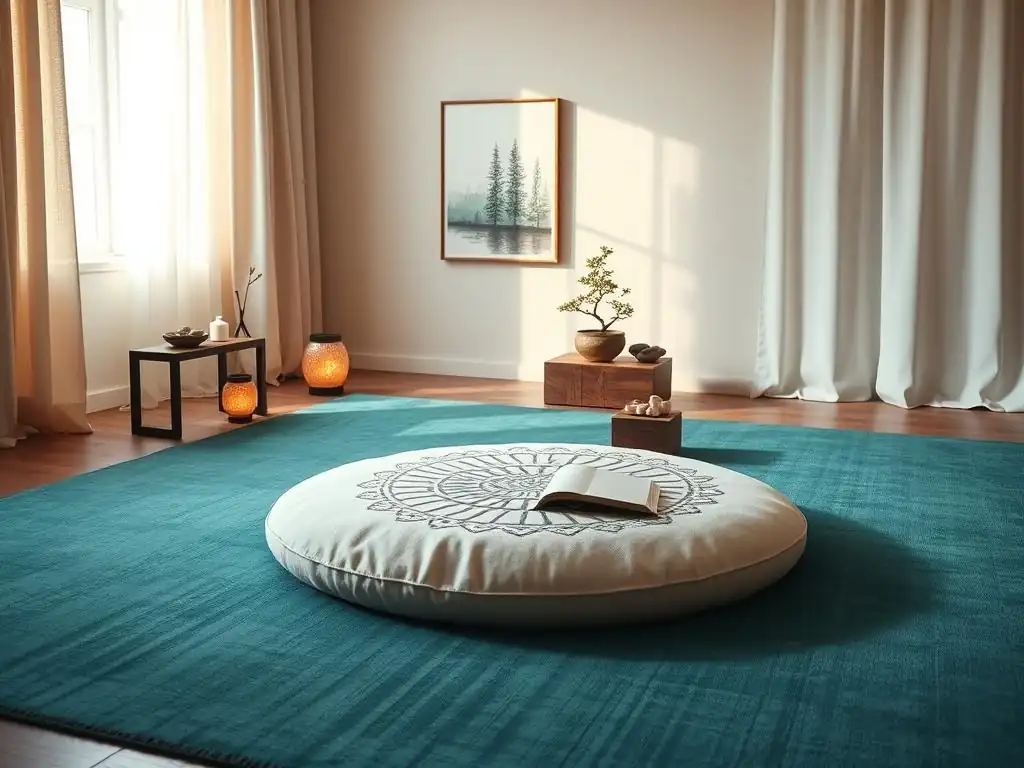
Welcome to Mind Care Guide.
Feeling overwhelmed? You're not alone. We understand the need for a sanctuary, a quiet corner in the storm. Dive into this space with us as we explore Creating Your Ideal Guided Meditation Space. Uncover the secrets to transforming your environment into a haven of peace and discover how a thoughtfully designed space can profoundly impact your mental well-being. Ready to begin your journey to inner calm?
Setting the Scene: Creating Your Ideal Guided Meditation Space
- Introduction: Your Sanctuary for Guided Meditation
- Finding the Perfect Location for Your Peaceful Meditation Nook
- Essential Elements for a Calming Guided Meditation Environment
- Enhancing Your Guided Meditation Space with Sensory Details
- Personalizing Your Guided Meditation Space
- Maximizing the Benefits of Your Meditation Space
- Troubleshooting Common Issues in Setting Up Your Meditation Space
- Conclusion: Embrace the Peace of Your Personalized Guided Meditation Sanctuary
-
Frequently Asked Questions
- How important is the environment when practicing guided meditation?
- What are some essential elements to include in a peaceful meditation space?
- Can I create a meditation space in a small apartment?
- What kind of sensory elements can I incorporate to enhance my meditation space?
- How often should I refresh or update my meditation space?
- Final Reflection: Cultivating Inner Peace Through Sacred Space
- Unveil Your Inner Sanctuary: Create Your Perfect Meditation Space Today!
Introduction: Your Sanctuary for Guided Meditation
The Importance of Environment for Effective Guided Meditation
The environment in which you practice guided meditation plays a surprisingly significant role in the effectiveness of your session. Think of it as setting the stage for a performance; the right backdrop allows the main act – your meditation – to shine.
External stimuli, whether visual clutter, jarring sounds, or uncomfortable temperatures, can act as persistent distractions, pulling your mind away from the guided practice and back into the external world. A dedicated and thoughtfully arranged space signals to your brain that it's time to transition from the hustle of daily life to a state of calm focus, making the journey inward smoother and more profound.
Research in environmental psychology suggests that our surroundings deeply impact our mood and cognitive function. For instance, cluttered spaces are often linked to increased stress levels and difficulty concentrating, while orderly, aesthetically pleasing environments can promote relaxation and mental clarity. By actively creating a peaceful guided meditation space, you are essentially designing an environment that supports your intention for mindfulness and tranquility.
This deliberate act reduces potential obstacles before you even begin your practice, allowing you to sink more readily into the guidance provided and reap the full benefits of meditation. It's an investment in your mental well-being that pays dividends in deeper relaxation and more consistent practice.
Why a Dedicated Meditation Space Enhances Mindfulness
Having a dedicated space serves as a powerful anchor for your mindfulness practice. Just as a specific desk cues work or a bed cues sleep, a designated meditation area cues your mind and body for quiet introspection and guided focus. This physical marker helps establish a routine, making it easier to integrate meditation into your daily life. When you step into this space, you leave behind the associations of other activities – work, chores, social interactions – and enter a zone specifically designated for peace and self-connection.
Furthermore, a dedicated space minimizes the effort required to prepare for each session. Instead of clearing a spot, gathering cushions, and finding a quiet corner every time, your peaceful meditation sanctuary is ready and waiting. This reduction in friction increases the likelihood that you will actually sit down and practice, especially on days when motivation is low.
Many practitioners report that simply entering their designated area helps them feel calmer almost immediately, illustrating the potent psychological connection formed between the space and the state of mind it represents. It becomes a personal retreat, a small corner of the world optimized specifically for your journey towards inner peace through guided meditation.
Finding the Perfect Location for Your Peaceful Meditation Nook
Assessing Potential Spaces: Size, Light, and Sound
Identifying the ideal spot for creating your peaceful guided meditation space involves a careful assessment of your living environment. Consider areas that are typically less trafficked during the times you plan to meditate. This might be a corner of a bedroom, a quiet section of a living room, a spare closet, or even a sheltered spot outdoors if weather permits. The size doesn't need to be large; just enough room for you to sit or lie down comfortably without feeling cramped is sufficient. Even a space as small as 3x3 feet can be transformed into a cozy meditation nook.
Light and sound are critical factors. Natural light can be calming, but direct sunlight might be distracting or too warm. Assess how light changes throughout the day in potential spots. Can you control it with curtains or blinds if needed?
Similarly, listen to the sounds present in the area at different times. Are there consistent noises like traffic, appliance hums, or sounds from neighbors? While perfect silence is often unattainable, aim for the location with the least amount of unpredictable or jarring noise. A quiet corner away from common household activity areas, like kitchens or main hallways, is usually a good starting point for setting up a peaceful space for guided meditation.
Transforming Existing Spaces into Tranquil Meditation Zones
Even if you don't have a dedicated spare room, you can effectively transform a section of an existing space into a tranquil meditation zone. A common approach is to use a corner of a room. This naturally creates a sense of enclosure and separation from the rest of the space. You can enhance this separation visually and psychologically using screens, hanging tapestries, or even strategic placement of furniture. The goal is to create a defined area that feels distinct from the room's primary function.
Consider repurposing underutilized areas. A large walk-in closet, if ventilated and cleared out, can become a surprisingly private and quiet meditation sanctuary. An area under a staircase, a bay window seat, or even a section of a garage or basement (if comfortable and safe) can be viable options. The key is to define the boundaries of your meditation space, even if subtle, and make it feel intentional. Adding a rug, a cushion, and perhaps a small plant immediately elevates a simple corner into a dedicated area for mindfulness and guided practice.
Essential Elements for a Calming Guided Meditation Environment
The Power of Color in Your Meditation Space
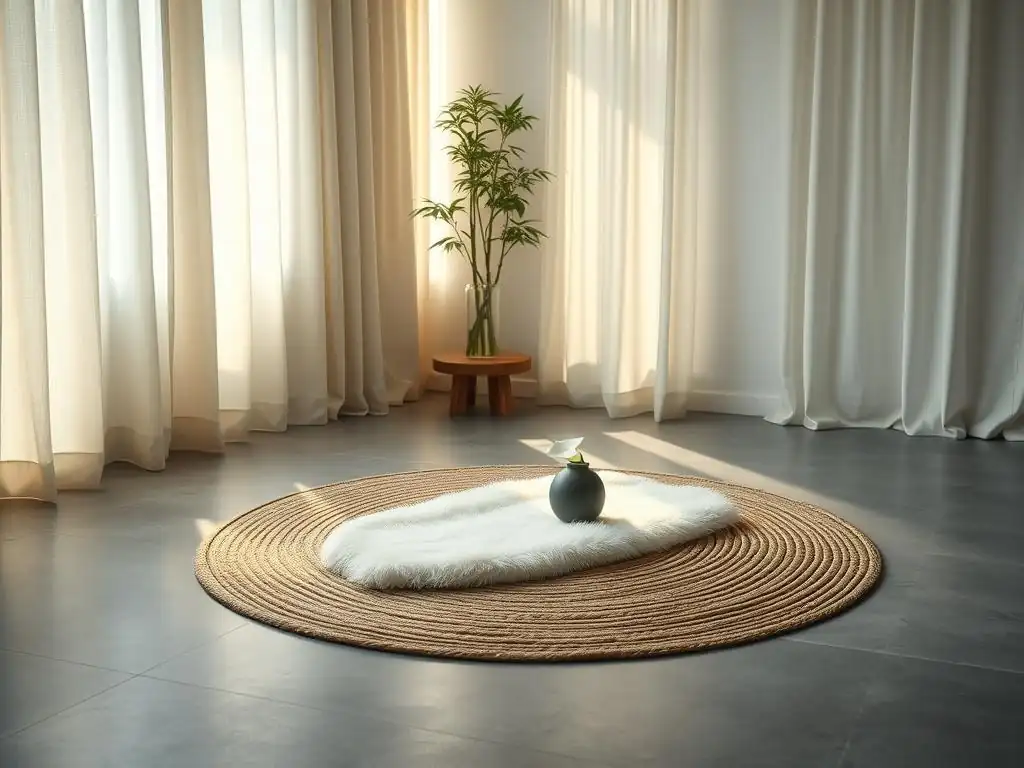
Color has a profound psychological impact and can significantly influence the atmosphere of your meditation space. When creating a peaceful guided meditation space, consider using colors known for their calming and soothing properties. Soft blues and greens are often recommended as they evoke feelings of nature, tranquility, and relaxation. Studies on color psychology indicate that exposure to blue can lower heart rate and blood pressure, while green is associated with balance and harmony.
Avoid bright, stimulating colors like reds, oranges, or vibrant yellows, which can increase energy levels and potentially make it harder to settle into a state of deep relaxation. Neutrals such as soft greys, beige, or white can also work well, providing a clean, uncluttered backdrop that promotes mental clarity. If painting a whole room isn't an option, incorporate calming colors through accessories like cushions, throws, wall hangings, or a meditation mat. Even small touches of color can contribute to the overall serene feeling of your meditation sanctuary.
Choosing Comfortable Seating for Guided Meditation Practice
Comfort is paramount when setting up a peaceful space for guided meditation, especially regarding seating. The goal is to find a position you can maintain comfortably for the duration of your guided session without significant discomfort becoming a distraction. Options range widely depending on personal preference and physical needs. Traditionalists might opt for a zafu (round cushion) and zabuton (flat mat) combination, which supports the hips and provides cushioning for the knees and ankles in seated postures like the lotus or half-lotus.
Alternatively, a meditation bench can provide support while allowing your legs to tuck underneath, reducing pressure on the ankles. If sitting on the floor isn't comfortable, a sturdy chair with back support can be an excellent choice. Look for one that allows your feet to rest flat on the floor and supports a straight but relaxed spine.
Some people even prefer to lie down for guided meditations focused on relaxation or body scans; in this case, a comfortable mat or even a yoga bolster can provide support. Experiment to find what works best for your body, ensuring your seating arrangement promotes ease rather than strain during your practice.
Incorporating Natural Elements for a Serene Atmosphere
Bringing elements of nature into your meditation space can significantly enhance its tranquility. Nature has an inherent calming effect, often attributed to biophilia – the innate human tendency to connect with nature. Simple additions like a small potted plant can purify the air and add a touch of vibrant life. Low-maintenance options like snake plants, spider plants, or peace lilies are excellent choices that thrive indoors.
Other natural elements like smooth stones, shells, or a small tabletop water feature (though ensure the sound is soothing, not distracting) can also contribute to a serene atmosphere. The textures and forms of nature can be grounding and visually appealing, helping to create a sense of peace and connection to the wider world even within your indoor sanctuary. When creating your peaceful guided meditation space, remember that these natural touches don't need to be elaborate; even a single well-placed natural object can make a difference.
Enhancing Your Guided Meditation Space with Sensory Details
The Role of Aromatherapy in Relaxation and Focus
Aromatherapy can be a powerful tool for enhancing your guided meditation practice by engaging the sense of smell. Certain scents have been shown to have specific effects on mood and the nervous system. For instance, lavender is widely recognized for its calming and stress-reducing properties, often used to promote relaxation and prepare the mind for rest or meditation. Chamomile and bergamot are other essential oils known for their soothing effects, potentially helping to ease anxiety.
For meditations focused on focus or clarity, scents like peppermint or citrus (lemon, orange) can be invigorating and help sharpen the mind. Use a diffuser to disperse the aroma gently into the space a few minutes before you begin. Alternatively, a few drops on a tissue placed nearby or using a meditation candle infused with essential oils can also work. Be mindful of personal sensitivities and ensure the scent is subtle and pleasant, contributing positively to setting up a peaceful space for guided meditation without becoming overwhelming.
Ambient Lighting for a Soothing Meditation Experience
The type of lighting in your meditation space can significantly impact your ability to relax and focus. Harsh overhead lights are generally too stimulating and can create distracting shadows. Instead, opt for soft, warm, and diffused lighting. Lamps with dimmable switches allow you to adjust the brightness to your preference. Fairy lights or string lights can add a gentle, magical glow that feels cozy and calming.
Natural light, if not too bright or direct, can also be ideal. If meditating during the day, consider using sheer curtains to soften incoming sunlight. For evening practice, candles can provide a wonderfully serene and flickering light source, but always use them safely in appropriate holders and away from flammable materials. The goal is to create a gentle ambiance that encourages the eyes to relax and the mind to settle, making the visual environment a supportive element in creating a peaceful guided meditation space.
Soundproofing and Minimizing Distractions
While perfect silence is often an urban myth, minimizing auditory distractions is crucial for effective guided meditation. Assess the primary sources of noise in your chosen space. Simple solutions can include closing doors and windows. If traffic or external noise is a significant issue, consider heavier curtains or even temporary soundproofing panels.
Within the home, communicate with family members or roommates about your meditation times so they can be mindful of noise levels. Using a white noise machine or playing soft, instrumental ambient music (ensure it's specifically designed not to be distracting and complements the guided meditation) can help mask inconsistent external sounds. The aim is not necessarily absolute silence but to create a consistent, non-intrusive sound environment that allows your focus to remain on the guided voice or your internal experience, supporting your efforts in creating your peaceful guided meditation space.
Personalizing Your Guided Meditation Space
Adding Meaningful Objects and Decorations
Personalizing your meditation space with meaningful objects can deepen your connection to the area and enhance your practice. These items should inspire peace, reflection, or a sense of purpose. Avoid clutter; select just a few items that resonate with you. This could be a small statue representing a spiritual figure or a quality you aspire to, like compassion or serenity.
Other ideas include a smooth stone collected from a special place, a simple piece of art that evokes calm, or a framed image of nature that brings you peace. Some people include items that remind them of their intentions, such as a journal or a small object representing a goal. The key is that each item should contribute to the serene atmosphere and hold personal significance, making the space uniquely yours and supportive of setting up a peaceful space for guided meditation.
Creating a Visual Focal Point for Concentration
Having a visual focal point can be helpful, especially during meditations that encourage open-eyed awareness or when your mind feels particularly restless. This object provides a gentle anchor for your gaze, helping to quiet the visual processing part of the brain and prevent the eyes from darting around, which can stimulate the mind. A simple candle flame is a classic choice, offering a soft light and gentle movement that is easy to rest your gaze upon.
Other options include a mandala, a simple piece of abstract art, a plant, or even just a blank spot on the wall. The focal point should be placed at eye level when you are seated in your meditation posture. It should be simple, non-distracting, and aesthetically pleasing to you. Its purpose is not to be stared at intensely but to offer a soft landing spot for your eyes, supporting your concentration as you work towards creating a peaceful guided meditation space that aids your practice.
Decluttering for a Clear Mind and Peaceful Space
Clutter is the enemy of tranquility. A cluttered physical space often translates to a cluttered mental space, making it harder to relax and focus during guided meditation. Before finalizing your meditation area, take the time to thoroughly declutter and organize it. Remove anything that doesn't belong or doesn't contribute positively to a sense of peace and calm.
Ensure the area is tidy and clean. A clean space feels more inviting and respectful, both to yourself and to your practice. Regularly clearing away any items that accumulate in the area will help maintain its sanctity as a dedicated meditation zone. This act of physical clearing is also a form of mindfulness, reinforcing your intention for mental clarity and contributing significantly to the process of creating your peaceful guided meditation space.
Maximizing the Benefits of Your Meditation Space
Establishing a Routine for Consistent Practice
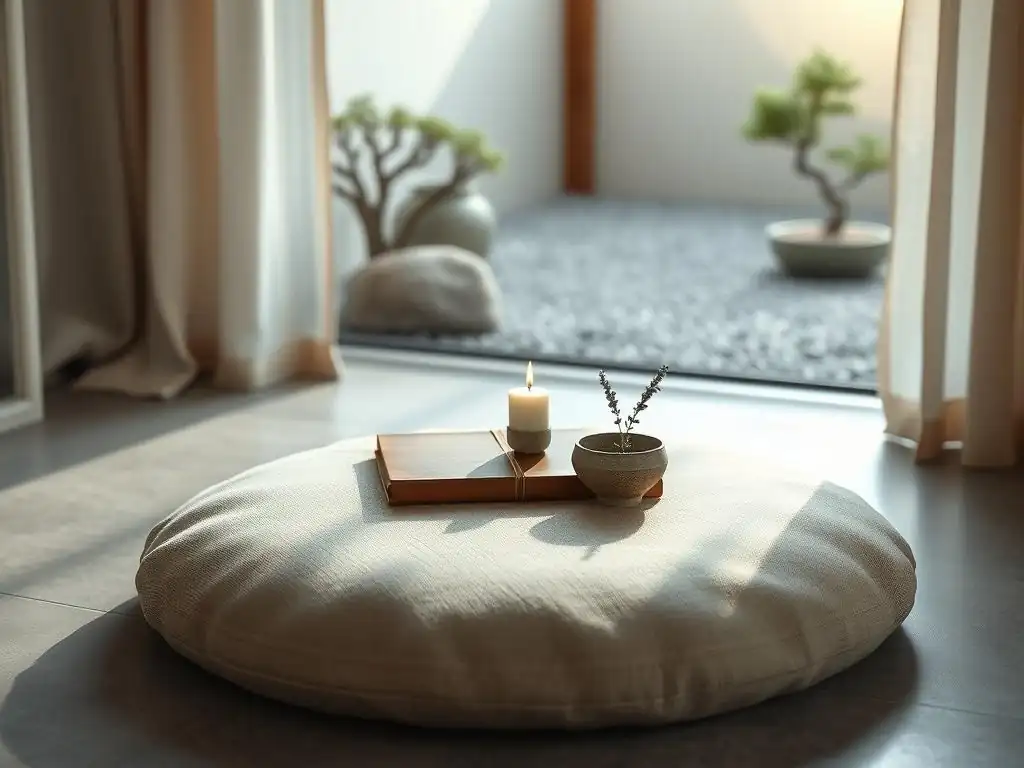
Once you've put effort into creating your peaceful guided meditation space, establishing a consistent routine is key to maximizing its benefits. Decide on a regular time to practice guided meditation, whether it's daily or a few times a week. Committing to this schedule helps build a habit, making it easier to show up for yourself and utilize the space you've prepared.
Approaching your practice with intention each time you enter your space reinforces its purpose. Even on days when you only have a few minutes, sitting in your dedicated area can help you quickly access a state of calm. This consistency not only strengthens your meditation habit but also deepens the association between your space and feelings of peace and mindfulness. Over time, simply entering your meditation nook can become a powerful cue for relaxation.
Using Your Space for Other Mindfulness Activities
Your dedicated meditation space doesn't have to be exclusively for guided meditation. You can use it for other mindfulness-related activities that promote calm and introspection. This could include silent meditation, breathwork exercises, gentle yoga or stretching, journaling, or even mindful reading. Using the space for a variety of calming practices further strengthens its identity as a sanctuary for well-being.
However, be mindful of keeping the space focused on activities that align with peace and mindfulness. Avoid using it for work, eating meals, or engaging in stressful conversations, as this can dilute the calming energy you've cultivated. By primarily using the area for activities that nourish your mind and spirit, you reinforce its role in setting up a peaceful space for guided meditation and overall tranquility.
Maintaining Your Meditation Space for Lasting Tranquility
Regular maintenance is essential to ensure your meditation space remains a source of lasting tranquility. Just as you maintain your practice, tending to your physical space keeps it inviting and supportive. This includes regular cleaning – dusting, sweeping, or vacuuming – to keep the area fresh and free of distractions.
Periodically reassess the elements in your space. Do they still serve their purpose? Are there any items that have crept in that disrupt the sense of peace? Tidy up cushions, straighten mats, and refresh any natural elements like plants or water features. A few minutes of attention each week can prevent clutter and disarray from accumulating, preserving the calm atmosphere you worked hard to create and ensuring your peaceful guided meditation space continues to serve you effectively.
Troubleshooting Common Issues in Setting Up Your Meditation Space
Dealing with Limited Space Availability
One of the most common challenges when creating a peaceful guided meditation space is limited square footage. Many people live in small apartments or shared homes without a spare room. The key here is creativity and utilizing overlooked areas. As mentioned before, a corner is often sufficient. Consider vertical space – wall shelves can hold meaningful objects without taking up floor space.
Think about multi-functional furniture if necessary, like a storage ottoman that can serve as seating or storage for meditation props. You can also create a "portable" meditation space using a comfortable mat and cushion that can be easily stored away when not in use, designating a specific spot where you unfurl it for practice. The intention behind the space is often more important than its size; even a small, thoughtfully arranged area can become a powerful sanctuary.
Managing Noise and Environmental Distractions
Noise is another frequent obstacle. While complete soundproofing might be impractical or expensive, several strategies can help. Heavy curtains or blinds can reduce external noise. Draft stoppers at the bottom of doors can minimize sounds from other rooms. If possible, schedule your meditation during quieter times of the day in your household or neighborhood.
Using ambient sound can also be effective. White noise machines, fans, or playing soft nature sounds (like rain or ocean waves) can create a consistent background that makes sudden noises less jarring. High-quality noise-canceling headphones can be a last resort, though some practitioners find them distracting. Experiment with different methods to find what best helps you minimize distractions when setting up a peaceful space for guided meditation in a less-than-quiet environment.
Adapting Your Space for Different Guided Meditation Styles
Your meditation space should be adaptable to accommodate different styles of guided meditation you might encounter. Some guided practices involve sitting, others lying down (like body scans or guided visualizations), and some might even incorporate gentle movement. Ensure your space allows for your preferred postures. If you primarily sit, make sure there's enough room around your cushion. If you sometimes lie down, ensure you have space to stretch out comfortably on a mat.
Having versatile elements like a bolster or a blanket can help adapt your seating or lying posture for different practices. If space is very limited, focus on optimizing for your most frequent type of guided meditation but keep in mind how you might temporarily adjust the area for others. The goal is for your peaceful guided meditation space to support your entire meditation journey, whatever form it takes on a given day.
Conclusion: Embrace the Peace of Your Personalized Guided Meditation Sanctuary
Continuing to Evolve and Refine Your Space
Creating your peaceful guided meditation space is not a one-time project but an ongoing process of evolution and refinement. As your meditation practice deepens and your needs change, your space might need adjustments. Pay attention to what works and what doesn't. Do you need more cushioning? Is the lighting still ideal? Does a particular object feel distracting?
Regularly reflecting on your experience in the space allows you to make informed changes. Perhaps you discover that adding a small plant enhances the feeling of calm, or that a specific scent helps you focus better. Be open to experimenting and adapting your sanctuary to best support your journey. This continuous refinement ensures your meditation space remains a dynamic and nurturing environment for your practice.
The Long-Term Benefits of a Dedicated Meditation Area
The effort invested in setting up a peaceful space for guided meditation yields significant long-term benefits for your mental and emotional well-being. A dedicated area removes barriers to practice, making consistency more achievable. This consistency, in turn, is key to experiencing the cumulative benefits of meditation, such as reduced stress, improved focus, enhanced self-awareness, and greater emotional regulation.
Your meditation sanctuary becomes a physical representation of your commitment to self-care and inner peace. It's a place you can retreat to, even for just a few minutes, to disconnect from external pressures and reconnect with yourself. Over time, this space can become a powerful source of comfort and stability, a reliable haven where you can always find a moment of peace and stillness in the midst of life's demands. Embracing the peace of your personalized guided meditation sanctuary is an empowering step towards prioritizing your mental health.
Frequently Asked Questions
How important is the environment when practicing guided meditation?
Creating a calm and supportive environment is crucial for effective guided meditation. It minimizes distractions and helps you focus inward, enhancing the overall experience.
What are some essential elements to include in a peaceful meditation space?
Key elements include a comfortable seating arrangement, soft lighting, calming colors, and the absence of clutter. Consider adding elements of nature like plants or natural sounds.
Can I create a meditation space in a small apartment?
Absolutely! You don't need a dedicated room. Even a small corner can be transformed into a peaceful haven with mindful design choices and careful attention to detail.
What kind of sensory elements can I incorporate to enhance my meditation space?
Consider incorporating calming scents like lavender or chamomile using essential oil diffusers. Soft textures like blankets and cushions can also create a sense of comfort and security.
How often should I refresh or update my meditation space?
Regularly refreshing your space can help maintain its effectiveness. Decluttering, rearranging elements, or introducing new sensory experiences can help keep it inviting and inspiring.
Final Reflection: Cultivating Inner Peace Through Sacred Space
The creation of a peaceful meditation space isn't merely about aesthetics; it's about consciously crafting an environment that supports your inner journey. This intentional act of design directly impacts the depth and effectiveness of your meditation practice, fostering a profound connection between your mind, body, and spirit. In a world increasingly dominated by external stimuli, cultivating this sanctuary becomes not just a luxury, but a vital necessity for mental and emotional well-being.
The impact of a dedicated meditation space extends far beyond the immediate practice itself. It subtly shifts our perception of home, transforming a corner of our living space into a refuge, a place of quiet contemplation and self-discovery. This intentional act of creating sacred space mirrors the larger cultural shift towards mindfulness and self-care. The place you find yourself in, the space you create, is a reflection of your inner world.
This simple truth underscores the power of mindful design in shaping our inner landscape. The quietude we cultivate in our meditation space ripples outward, influencing our interactions and our overall sense of peace.
Now, consider your own space. What elements resonate with you from this article? What adjustments can you make, even small ones, to enhance your personal meditation sanctuary? Perhaps it's simply rearranging furniture, adding a plant, or investing in a comfortable cushion. Take a moment to reflect on how you can transform a corner of your world into a haven for your inner peace. Begin today, and watch as the tranquility you cultivate within your sacred space blossoms into a more peaceful and fulfilling life.
Unveil Your Inner Sanctuary: Create Your Perfect Meditation Space Today!
Thanks for taking the time to explore the art of creating a mindful meditation space! We hope you now feel equipped to transform your environment into a haven of peace and tranquility. Ready to take the next step?
- Designate your sacred space: Choose a quiet corner, even a small one, and dedicate it solely to your meditation practice. Declutter, add elements that bring you joy and peace (plants, calming colors, soft textures), and make it feel uniquely yours.
- Try a sensory experiment: Explore the impact of different elements on your meditation experience. Experiment with scents (essential oils), sounds (nature sounds or calming music), or even the texture of your cushion or blanket. What resonates most deeply with you?
- Share your sanctuary: Post a picture of your meditation space on social media using #MindCareSanctuary and inspire others to create their own peaceful havens. Let's build a community of mindful spaces!
What unique element will you incorporate into your meditation space to enhance your practice and make it truly special?