
The Body Scan Journey: A Guided Meditation for Deep Relaxation


Welcome to Mind Care Guide.
Feeling overwhelmed by anxiety? You're not alone. Many find solace and relief through mindfulness practices. This week, we're exploring a powerful technique: Body scan meditation, a simple yet profound way to reconnect with your body and quiet the racing thoughts that fuel anxiety. Ready to embark on a journey towards deeper relaxation and discover how body scan meditation can become your go-to anxiety relief tool? Let's begin.
- Introduction to Body Scan Meditation
- Preparing for Your Body Scan Journey
- A Step-by-Step Guide to the Body Scan Meditation
- The Benefits of Regular Body Scan Practice
- Integrating Body Scan into Your Daily Life
- Troubleshooting Common Body Scan Challenges
- Resources for Your Body Scan Journey
- Conclusion: Embracing the Body Scan for Calm and Well-being
-
Frequently Asked Questions
- What is body scan meditation and how can it help with anxiety?
- How does body scan meditation specifically target anxiety relief?
- How long should a body scan meditation session be for optimal anxiety relief?
- Can anyone practice body scan meditation, or are there any contraindications?
- How often should I practice body scan meditation to experience anxiety relief?
- Final Reflection: Embracing Stillness, Finding Peace
- Unveil Deeper Relaxation: Start Your Body Scan Journey Today
Introduction to Body Scan Meditation
What is Body Scan Meditation?
Body scan meditation is a foundational mindfulness practice that involves systematically bringing awareness to different parts of the body, starting typically from the toes and moving up to the head. The goal is not to change anything you notice, but simply to observe physical sensations—such as warmth, tingling, pressure, or absence of sensation—with gentle curiosity and without judgment. This practice cultivates present moment awareness by anchoring attention to the physical body, offering a tangible point of focus that helps quiet the often-busy mind.
Originating from the Mindfulness-Based Stress Reduction (MBSR) program developed by Jon Kabat-Zinn, the body scan is designed to help individuals become more attuned to their physical experience. It teaches participants to recognize physical sensations as they arise and pass, fostering a greater understanding of the body's signals. Unlike relaxation techniques that aim to eliminate tension, the body scan encourages acknowledging whatever is present, whether it's comfort, discomfort, or neutrality, thereby building a non-reactive relationship with one's physical state.
Why Practice Body Scan Meditation for Anxiety Relief?
For individuals experiencing anxiety, the body often becomes a reservoir of physical symptoms like muscle tension, rapid heartbeat, shallow breathing, or stomach discomfort. Body scan meditation offers a powerful tool for addressing these manifestations of anxiety by bringing conscious awareness to the physical sensations associated with stress. By systematically scanning the body, practitioners learn to identify where tension is held and, through non-judgmental observation, can begin to release it or at least reduce its intensity.
Regular body scan meditation for anxiety relief helps to interrupt the cycle where physical symptoms trigger mental worry, which in turn exacerbates physical symptoms. By focusing on the body itself, attention is drawn away from anxious thoughts about the past or future.
This practice helps to ground the individual in the present moment, creating a sense of safety and stability within the body, which can be profoundly calming for an anxious mind. Research, such as studies published in journals like Psychosomatic Medicine, has indicated that mindfulness practices like body scan can lead to measurable reductions in physiological markers of stress and anxiety.
The Mind-Body Connection: How Body Scan Works
The body scan meditation leverages the deep and intricate connection between the mind and body. Our emotional states are intrinsically linked to physical sensations; anxiety, for instance, manifests not just as worried thoughts but also as tangible physical feelings. By directing focused attention to the body, the body scan allows individuals to become more aware of this connection in real-time. This heightened awareness can reveal how thoughts and emotions register physically, providing valuable insights into one's stress patterns.
Furthermore, the practice trains the mind to stay present and focused despite distractions, whether they are external noises or internal sensations and thoughts. This improved capacity for focused attention is crucial for managing anxiety, as it helps to prevent the mind from spiraling into worry. By repeatedly returning attention to the body during the scan, practitioners build mental resilience and the ability to observe anxious thoughts and physical sensations without getting overwhelmed by them, reinforcing the effectiveness of body scan meditation for anxiety relief.
Preparing for Your Body Scan Journey
Finding a Quiet and Comfortable Space
Selecting an appropriate environment is the first step in preparing for a body scan meditation. Ideally, find a place where you are unlikely to be interrupted for the duration of the practice, which can range from 10 to 45 minutes depending on the guided meditation or your personal preference. This doesn't necessarily mean complete silence; some background noise is fine, but aim for a space free from major distractions like ringing phones or frequent foot traffic. A bedroom, a quiet corner of a living room, or even an office space after hours can work.
Equally important is ensuring your physical comfort. The body scan is typically practiced lying down on your back, perhaps on a yoga mat, carpet, or even a bed, although a firmer surface might help you stay awake. If lying down is uncomfortable due to physical reasons or if you tend to fall asleep, sitting upright in a chair with good back support is also perfectly acceptable.
Whichever position you choose, make sure you feel stable and comfortable enough to remain relatively still for the duration of the practice. You might want a blanket for warmth or a cushion under your knees for support if lying down.
Setting the Intention for Relaxation and Awareness
Before beginning the body scan, take a moment to set a simple intention for your practice. This isn't about setting a goal to achieve a specific state like "perfect relaxation" or "zero anxiety," as such rigid expectations can actually hinder the process. Instead, your intention might be to simply show up, to be present with whatever arises, or to cultivate a sense of gentle curiosity towards your physical experience. This helps frame the practice not as a performance, but as an exploration.
For those specifically using body scan meditation for anxiety relief, the intention could be to explore the physical sensations of anxiety with non-judgmental awareness, or simply to ground yourself in the present moment through bodily focus. Remind yourself that there's no right or wrong way to feel or experience the scan. The practice is about noticing, not fixing. This compassionate approach towards yourself is a crucial element of mindfulness and enhances the potential for body scan meditation anxiety relief.
What to Expect During a Body Scan Practice
It's helpful to have a realistic understanding of what a body scan meditation entails. You will likely be guided, either by an instructor, an app, or a recording, to bring your attention sequentially to different parts of your body. As you focus on each area, you simply observe any sensations present—warmth, coolness, tingling, pressure, throbbing, or even the absence of sensation. The key is to notice these experiences without trying to analyze, judge, or change them.
Distractions, in the form of thoughts, emotions, or external sounds, are a natural part of the process. Your mind will inevitably wander. When you notice your attention has drifted, the practice is simply to gently acknowledge where your mind went and then kindly guide your attention back to the part of the body you were focusing on. This repeated act of noticing and returning is the core exercise of building mindfulness and is a key mechanism by which body scan meditation supports anxiety relief, training the mind to gently disengage from ruminative thoughts.
A Step-by-Step Guide to the Body Scan Meditation
Step 1: Settling In - Finding Your Position
Begin by finding your chosen position, either lying down or seated comfortably. If lying down, allow your legs to extend naturally, perhaps slightly apart, with your feet falling gently to the sides. Let your arms rest alongside your body, palms facing upwards if that feels natural, or downwards if preferred. Ensure your head is comfortably supported, perhaps with a small cushion if needed. If sitting, make sure your back is straight but relaxed, and your feet are flat on the floor. You can close your eyes gently if comfortable, or soften your gaze downwards.
Take a moment to adjust your clothing or position so you feel as comfortable as possible without falling asleep. The aim is a state of relaxed alertness. Allow your body to feel heavy and supported by the surface beneath you. Take a few deeper breaths to signal to your nervous system that it's time to settle down. This initial settling period is crucial for preparing your mind and body for the focused attention required in the subsequent steps of the body scan meditation for anxiety relief.
Step 2: Bringing Awareness to the Breath
Once settled, gently bring your awareness to your breath. You don't need to change your breathing in any way; simply notice the natural rhythm of your inhale and exhale. Pay attention to where you feel the breath most prominently in your body—perhaps in the nostrils, the chest rising and falling, or the abdomen expanding and contracting. Follow a few cycles of breath, using them as an anchor to bring you into the present moment.
The breath serves as a transition from the activity of your day to the stillness of the body scan. It helps to quiet the mental chatter and gather your attention. If your mind is very busy, focusing on the breath for a few minutes can be a helpful preliminary step before moving into the body scan itself. Noticing the breath is also a fundamental mindfulness skill that complements the body scan, enhancing its overall effectiveness, particularly for body scan meditation anxiety relief, as it helps regulate the nervous system.
Step 3: Scanning the Body - Starting with the Feet
Now, gently shift your attention from the breath to your body, beginning with your toes. Bring your full awareness to the sensations present in your toes. You might notice warmth, coolness, tingling, pressure from socks or shoes, or perhaps nothing at all. Whatever you notice is perfectly fine. Simply observe the sensations in your toes with curiosity, as if you were exploring them for the first time.
After spending a moment with your toes, gently expand your awareness to include the soles of your feet, the tops of your feet, and your heels. Notice the contact points with the surface beneath you. Take your time, moving slowly and deliberately. This systematic process of bringing awareness to each small part of the body helps to anchor your attention firmly in the present moment and in the physical reality of your body, which is a powerful antidote to the future-oriented worries often characteristic of anxiety.
Step 4: Moving Up Through the Body - Legs, Torso, Arms, Head

Continue to slowly move your attention upwards through your body. From your feet, guide your awareness into your ankles, then your lower legs (shins and calves), your knees, your thighs, and your hips. Spend a few moments in each area, simply noticing the physical sensations present. Are there feelings of tension or relaxation? Warmth or coolness? Pressure or lightness? Observe without judgment.
Next, move your awareness into your torso. Bring attention to your pelvic region, your abdomen (noticing the gentle movement with the breath), your lower back, your upper back, and your chest. Then, guide your awareness down your arms, starting with your fingertips, moving through your hands, wrists, forearms, elbows, upper arms, and shoulders.
Finally, bring your attention to your neck and throat, the back of your head, the top of your head, your face (jaw, cheeks, eyes, forehead), and your scalp. Systematically covering the entire body helps ensure that attention is broadly distributed, preventing fixation on any one area of discomfort, which can be particularly helpful when practicing body scan meditation for anxiety relief.
Step 5: Noticing Sensations Without Judgment
As you move through each part of your body, the core practice is to simply notice the sensations that are present. There is no need to try and change anything you observe. If you encounter discomfort or tension in a particular area, simply acknowledge it with kindness. You might even gently "breathe into" that area, not to make the sensation go away, but to bring a sense of spaciousness and acceptance to it. If you notice pleasant sensations, simply acknowledge those too.
The act of observing without judgment is fundamental to mindfulness. It teaches you to be with your physical experience, whatever it is, without immediately reacting or trying to fix it. This non-reactive awareness is incredibly valuable for managing anxiety, as it allows you to observe anxious sensations (like a racing heart) without immediately spiraling into worry about them. The body scan practice builds your capacity to tolerate and be present with uncomfortable physical states, enhancing its power as a tool for body scan meditation anxiety relief.
Step 6: Gently Ending the Practice
Once you have scanned through your entire body, take a moment to rest in a sense of the body as a whole. Notice the feeling of your entire body lying or sitting here, breathing. Allow your awareness to expand to include the space around you. When you feel ready, you can begin to gently bring movement back into your body. Wiggle your fingers and toes, stretch your arms and legs if that feels good, and slowly open your eyes.
Take a moment before rushing into your next activity. Notice how you feel physically and mentally after the practice. Are there any shifts in your state? Ending the practice gently helps to integrate the experience and carry the sense of grounded awareness cultivated during the body scan into the rest of your day. This smooth transition helps maintain the benefits gained from the body scan meditation for anxiety relief beyond the formal practice time.
The Benefits of Regular Body Scan Practice
Reducing Physical Tension and Stress
One of the most immediate and tangible benefits of practicing body scan meditation regularly is a reduction in physical tension and stress. Anxiety and stress often manifest as chronic muscle tightness, headaches, or digestive issues. By systematically bringing awareness to different body parts, individuals become more attuned to where they hold tension. This awareness is the first step towards release. Simply acknowledging the tension without judgment can sometimes lead to a softening.
Over time, consistent practice trains the nervous system to move out of a state of 'fight or flight' and into a more relaxed state. Studies, including those exploring the physiological effects of mindfulness, have shown reductions in stress hormones like cortisol in individuals who engage in regular mindfulness meditation, including body scan. This physiological shift directly contributes to the effectiveness of body scan meditation anxiety relief, helping to alleviate the uncomfortable physical symptoms that often accompany worry.
Cultivating Mindfulness and Present Moment Awareness
The body scan meditation is a powerful tool for cultivating mindfulness, the ability to be fully present in the moment without judgment. By repeatedly directing attention back to the physical sensations of the body, practitioners train their minds to stay anchored in the here and now, rather than dwelling on past regrets or future worries—the common traps of anxiety. This enhanced capacity for present moment awareness allows individuals to experience life more fully as it unfolds.
This practice strengthens the 'muscle' of attention. When the mind wanders, as it inevitably will, the gentle act of noticing the wandering and guiding attention back to the body is the essence of the training. This skill is invaluable for managing anxiety because it helps to interrupt the cycle of ruminative thinking. By focusing on the concrete reality of physical sensation, body scan meditation provides a reliable anchor for the mind, significantly contributing to body scan meditation anxiety relief by reducing mental preoccupation.
Improving Emotional Regulation and Resilience
Regular body scan practice can significantly improve emotional regulation and resilience. By becoming more aware of physical sensations, individuals also become more aware of how emotions manifest in the body. For example, fear might be felt as tightness in the chest, or frustration as tension in the jaw. Recognizing these physical cues earlier allows for a more conscious response to emotions, rather than an automatic, reactive one.
Learning to simply observe physical sensations, even uncomfortable ones associated with difficult emotions or anxiety, without being overwhelmed by them builds emotional resilience. It teaches you that you can tolerate uncomfortable feelings and sensations, and that they are transient—they arise and they pass. This non-reactive stance towards internal experiences is a cornerstone of emotional intelligence and is particularly beneficial for body scan meditation anxiety relief, empowering individuals to navigate challenging emotions with greater ease and less fear.
Specific Benefits for Body Scan Meditation Anxiety Relief
The specific benefits of body scan meditation for anxiety relief are well-documented and widely experienced. Anxiety often manifests as a cascade of physical symptoms: shallow breathing, rapid heart rate, muscle tension, digestive upset, and restlessness. The body scan directly addresses these symptoms by bringing gentle, non-judgmental awareness to them. This process can help to downregulate the nervous system, reducing the physiological arousal associated with anxiety.
Furthermore, by grounding attention in the physical body, the body scan provides a powerful counterpoint to the abstract, future-oriented nature of anxious thoughts. When the mind is fixated on "what ifs," bringing awareness back to the concrete reality of sensations in the feet or hands can be incredibly grounding. This practice helps to break the feedback loop between anxious thoughts and physical symptoms, offering a tangible pathway towards feeling calmer and more settled in the present moment. Many individuals report a noticeable reduction in the intensity and frequency of anxious feelings with consistent body scan meditation for anxiety relief.
Integrating Body Scan into Your Daily Life
Shortening the Practice for Busy Schedules
While a full-length body scan can be 30-45 minutes, it is entirely possible and beneficial to practice a shortened version when time is limited. Even 5-10 minutes of focused body awareness can provide significant benefits for anxiety relief. A shortened scan might involve quickly moving attention through larger sections of the body – feet and legs as one unit, torso, arms, and head – or focusing only on areas where you typically hold tension, such as the shoulders, neck, or jaw.
The key is consistency, not duration. Practicing a short body scan daily or even multiple times a day can be more effective than doing a long scan infrequently. You can incorporate these mini-scans into transitional moments, like before a meeting, during your commute, or while waiting in line. These brief check-ins with your body can help you stay grounded and aware throughout the day, offering ongoing support for body scan meditation anxiety relief.
Using Body Scan During Challenging Moments
The skills learned in formal body scan meditation can be applied in real-time during moments of heightened anxiety or stress. When you feel anxiety building – perhaps noticing a tightening in your chest or a knot in your stomach – you can pause and bring your awareness to those physical sensations. Instead of immediately reacting with worry, you can simply observe the sensations with curiosity, just as you would during a formal scan.
This practice of bringing mindful awareness to challenging physical sensations can create a moment of space between the feeling and your reaction. It allows you to acknowledge the anxiety without being consumed by it. This informal application of the body scan principles is a powerful coping mechanism, offering immediate body scan meditation anxiety relief when you need it most by helping you stay present with difficult feelings without getting swept away.
Combining Body Scan with Other Mindfulness Techniques
Body scan meditation is just one of many mindfulness techniques, and its effectiveness can be enhanced when combined with others. For example, incorporating mindful breathing before or during the scan can deepen relaxation and focus. Practices like mindful walking can extend the principle of bodily awareness into movement. Loving-kindness meditation, which cultivates compassion towards oneself and others, can also complement the body scan, adding an element of self-compassion crucial for those struggling with anxiety.
Exploring different combinations allows you to build a personalized mindfulness practice that best supports your well-being. Many people find that alternating between different techniques keeps their practice fresh and engaging. Integrating the physical grounding of the body scan with other practices like mindful observation of thoughts can provide a comprehensive approach to managing anxiety and fostering overall mental wellness.
Troubleshooting Common Body Scan Challenges
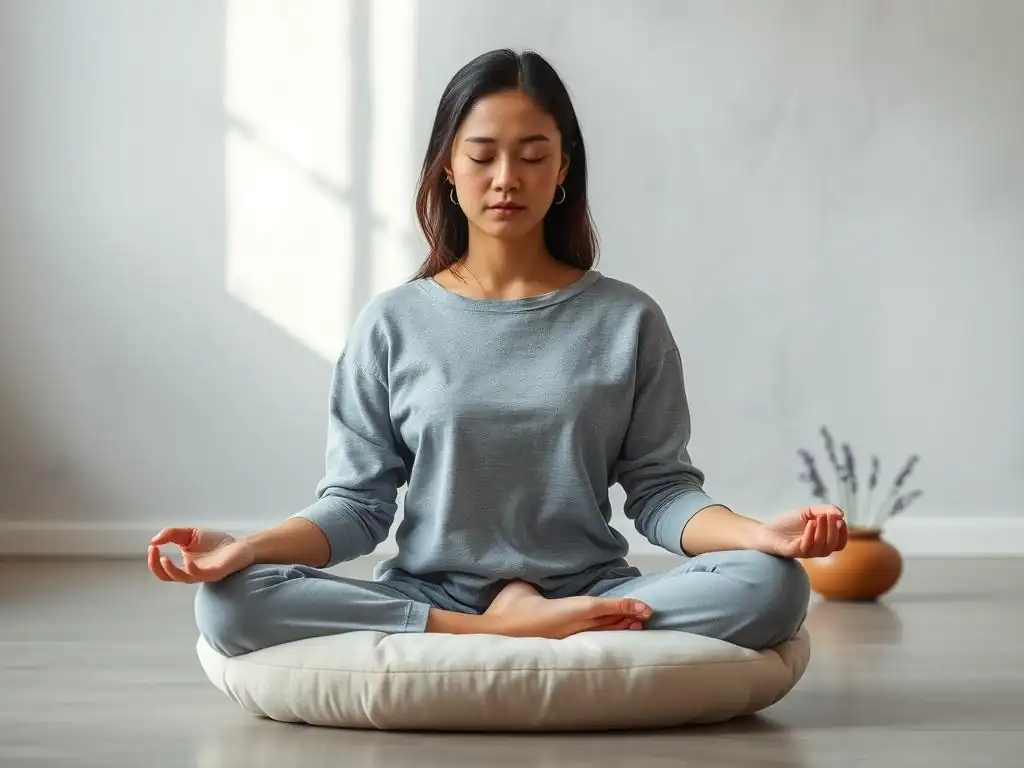
Dealing with Distractions and Wandering Thoughts
One of the most common challenges in body scan meditation is dealing with a wandering mind. Thoughts about the past, future, to-do lists, or simply random ideas will inevitably arise. It's important to understand that this is not a sign of failure; it's simply what minds do. The practice is not about emptying the mind, but about noticing when it has wandered and gently guiding it back to the intended focus – the physical sensations in the body part you are scanning.
When you notice your mind has drifted, simply acknowledge the thought or distraction without judgment. You might mentally note, "thinking," and then with kindness, redirect your attention back to your toes, or whichever part of the body you were focusing on. Each time you notice the mind wandering and gently bring it back, you are strengthening your capacity for focused attention, a key skill for managing anxiety and enhancing the benefits of body scan meditation anxiety relief.
Managing Discomfort or Restlessness During the Scan
It's possible to experience physical discomfort, restlessness, or even boredom during a body scan meditation. If you encounter physical pain or discomfort, first assess if you need to adjust your position. Sometimes a slight shift is all that's needed. If the discomfort persists, you can choose to gently bring your awareness to the sensation itself, observing its qualities (e.g., throbbing, sharp, dull) without judgment, just as you would any other sensation.
If restlessness or boredom arises, acknowledge these feelings as well. You might notice where in your body you feel the restlessness. Can you be present with the urge to move or stop? Sometimes simply acknowledging the feeling can lessen its intensity. Remember, the goal is not to feel perfectly comfortable or still, but to practice awareness of your present experience, whatever it may be. This practice of being with discomfort without immediate reaction is particularly helpful when using body scan meditation for anxiety relief, as it builds tolerance for uncomfortable internal states.
Finding Consistency and Motivation
Establishing a consistent meditation practice, including body scan, can be challenging amidst busy lives and fluctuating motivation. It can be helpful to start small, perhaps committing to just 10 minutes a few times a week, and gradually increasing the duration or frequency as it feels sustainable. Pairing the practice with an existing habit, like before breakfast or after brushing your teeth, can also help build consistency.
Reflecting on why you are practicing, especially the potential for body scan meditation anxiety relief or general well-being, can serve as a powerful motivator. Keeping a simple journal to note how you feel before and after practice might highlight the benefits and encourage you to continue. Be patient and compassionate with yourself; some days practice will feel easier than others. If you miss a day, simply start again the next, without self-criticism.
Resources for Your Body Scan Journey
Finding Guided Body Scan Meditations
Accessing guided body scan meditations can be incredibly helpful, especially when you are starting out. A guide's voice can keep you focused, pace the scan appropriately, and offer gentle reminders to return your attention when it wanders. Numerous resources are available online and through various platforms.
Many mindfulness apps, such as Calm, Headspace, and Insight Timer, offer a variety of guided body scan meditations, often with different durations and guiding voices. Websites dedicated to mindfulness and meditation, as well as platforms like YouTube, also host a wealth of free guided body scan recordings. Look for guides whose voice and style resonate with you, as this can make the practice more pleasant and effective for your journey towards body scan meditation anxiety relief.
Books and Online Resources on Body Scan and Anxiety
For those who wish to deepen their understanding of body scan meditation and its specific applications for anxiety relief, there are many valuable books and online resources available. Jon Kabat-Zinn's foundational book, "Full Catastrophe Living," which introduced the MBSR program, provides a comprehensive overview of the body scan and other mindfulness practices. Other books specifically address mindfulness and meditation for anxiety.
Reputable mental health websites, university mindfulness centers, and non-profit organizations dedicated to mental wellness often provide articles, guides, and sometimes free audio or video resources on body scan meditation and its benefits for anxiety. Exploring these resources can provide scientific context, practical tips, and further guidance to support your consistent practice and maximize its potential for body scan meditation anxiety relief.
Conclusion: Embracing the Body Scan for Calm and Well-being
The body scan journey is a powerful and accessible path towards cultivating mindfulness, reducing physical tension, and finding relief from anxiety. By systematically bringing gentle, non-judgmental awareness to the physical sensations within your body, you build a deeper connection with yourself and learn to navigate internal experiences with greater ease. This practice offers a tangible anchor in the present moment, providing a much-needed respite from the often overwhelming nature of anxious thoughts and feelings.
Embracing regular body scan meditation for anxiety relief is not about eliminating discomfort, but about changing your relationship to it. It teaches you that you can be present with challenging sensations and emotions without being consumed by them, fostering resilience and emotional regulation.
Whether practiced formally for an extended period or informally in short moments throughout the day, the body scan is a versatile tool that can significantly contribute to a greater sense of calm, presence, and overall well-being. Making it a consistent part of your life can unlock its profound potential to support a calmer, more settled state of being.
Frequently Asked Questions
What is body scan meditation and how can it help with anxiety?
Body scan meditation is a mindfulness technique that involves systematically focusing attention on different parts of the body. It promotes relaxation and can help with anxiety by increasing awareness of physical sensations and reducing rumination.
How does body scan meditation specifically target anxiety relief?
By bringing awareness to physical sensations, body scan meditation can help you disconnect from anxious thoughts and ground yourself in the present moment. This practice encourages acceptance of bodily sensations without judgment, reducing the fight-or-flight response.
How long should a body scan meditation session be for optimal anxiety relief?
A typical body scan meditation session can range from 10 to 45 minutes. Shorter sessions can still provide benefits, but longer sessions may lead to deeper relaxation and more significant anxiety reduction.
Can anyone practice body scan meditation, or are there any contraindications?
Generally, body scan meditation is safe for most people. However, individuals with severe mental health conditions or a history of trauma may want to consult with a mental health professional before starting, to ensure it's done safely and effectively.
How often should I practice body scan meditation to experience anxiety relief?
Consistency is key. Aim to practice body scan meditation several times a week, or even daily, to experience noticeable anxiety relief. Regular practice helps cultivate mindfulness and build resilience to stress.
Final Reflection: Embracing Stillness, Finding Peace
The practice of body scan meditation offers a powerful antidote to the pervasive anxiety of modern life. In a world constantly demanding our attention, this simple yet profound technique provides a much-needed refuge, a pathway to reconnect with our physical selves and cultivate a sense of inner calm. The ability to quiet the racing mind and soothe the nervous system is not a luxury, but a vital skill for navigating the complexities of the 21st century.
The impact of body scan meditation extends far beyond the immediate experience of relaxation. It fosters a deeper understanding of our physical sensations, allowing us to become more attuned to the subtle signals our bodies send. This heightened awareness can be transformative, helping us to identify and manage stress before it escalates into overwhelming anxiety. The body keeps the score,
as Bessel van der Kolk so eloquently puts it, and learning to listen to its wisdom is a crucial step towards healing and well-being. This practice encourages a mindful approach to life, promoting self-compassion and a greater sense of self-acceptance.
Now, I invite you to integrate this practice into your daily routine. Begin with just five minutes, allowing yourself to sink into the stillness and observe the sensations within your body without judgment. Notice the subtle shifts, the ebb and flow of energy. This is not just about reducing anxiety; it's about cultivating a deeper connection with yourself, fostering resilience, and embracing a life lived with greater presence and peace. Make this journey your own, and discover the transformative power of mindful awareness.
Unveil Deeper Relaxation: Start Your Body Scan Journey Today
Thanks for taking the time to explore the power of body scan meditation with us! We hope you gained valuable insights into this simple yet profound practice for relaxation and self-awareness. Ready to deepen your practice and experience the transformative benefits?
- Begin your daily body scan meditation routine: Even 5 minutes a day can make a significant difference in reducing stress and improving your overall well-being. Set a reminder on your phone or use a meditation app!
- Share your experience! Tell us about your first body scan meditation in the comments below – what surprised you? What did you notice?
- Explore variations: Search online for guided body scan meditations with different focuses, like focusing on specific body parts or incorporating mindfulness breathing techniques.
What unique sensations or insights will you uncover on your next body scan journey?