
Navigating Uncertainty: Finding Emotional Stability with Mindfulness


Welcome to Mind Care Guide, a sanctuary for your mental well-being.
Feeling overwhelmed by life's uncertainties? You're not alone. In this space, we understand the challenges you face. Our aim is to provide you with the tools and knowledge to navigate these complexities. Let's begin a journey towards inner peace and resilience, starting with an exploration of Mindfulness for Emotional Stability. Discover how this powerful practice can anchor you in the present, fostering a sense of calm and control, even amidst the storm. Ready to take the first step?
Navigating Uncertainty: Finding Emotional Stability with Mindfulness
- Understanding Uncertainty and Emotional Instability
- What is Mindfulness for Emotional Stability?
- Practical Mindfulness Techniques for Emotional Stability
- Cultivating Emotional Stability Through Daily Mindfulness Practices
- Benefits of Mindfulness for Emotional Regulation
- Overcoming Challenges in Practicing Mindfulness
- Mindfulness and Emotional Stability: A Long-Term Approach
- Advanced Mindfulness Practices for Deeper Emotional Well-being
- Mindfulness for Emotional Stability: Key Takeaways
-
Frequently Asked Questions
- What is mindfulness, and how does it relate to emotional stability?
- How can mindfulness practices help me cope with uncertainty?
- What are some specific mindfulness techniques I can use to improve my emotional stability?
- How often should I practice mindfulness to see a noticeable improvement in my emotional stability?
- Is mindfulness a substitute for professional mental health treatment?
- Final Reflection: Cultivating Inner Peace in a Turbulent World
- Unveil Your Inner Calm: Embrace Mindfulness Today
Understanding Uncertainty and Emotional Instability
The Impact of Global Events on Mental Well-being
Global events, from economic downturns to health crises and geopolitical shifts, have a profound and often unsettling impact on collective and individual mental well-being. The unpredictable nature of these situations can erode our sense of control and safety, leading to heightened states of stress, anxiety, and even despair. For instance, during the peak of the COVID-19 pandemic, surveys in many countries reported significant increases in symptoms of anxiety and depression.
A study published in The Lancet in 2021 estimated a substantial global increase in major depressive disorder and anxiety disorders, with approximately 53 million additional cases of major depressive disorder and 76 million additional cases of anxiety disorders worldwide attributed to the pandemic. This surge highlights how external uncertainty directly correlates with internal emotional instability for vast populations.
Furthermore, the constant barrage of news and information about uncertain events through various media channels can contribute to a state of chronic vigilance and worry. This continuous exposure prevents the nervous system from returning to a state of rest, perpetuating feelings of unease and vulnerability. Many people reported feeling overwhelmed, experiencing decision fatigue, and struggling with future planning during periods of significant global flux. The inability to predict what might happen next leaves individuals feeling adrift, making it challenging to maintain emotional equilibrium and underscoring the need for tools like mindfulness for emotional stability.
Recognizing Signs of Increased Irritability and Sleep Disturbances
Increased emotional instability often manifests through observable physical and behavioral changes. One common sign is heightened irritability, where minor annoyances trigger disproportionately strong emotional reactions. This can range from snapping at loved ones to feeling easily frustrated by everyday tasks. This surge in irritability is frequently a direct result of the nervous system being in a constant state of alert due to underlying anxiety about uncertainty. When we feel out of control of external circumstances, our internal world can become more volatile, leading to shorter tempers and reduced patience.
Alongside irritability, sleep disturbances are a hallmark symptom of emotional instability driven by uncertainty. Difficulty falling asleep, staying asleep, or experiencing restless, non-restorative sleep are common complaints. The mind races with worries about the future, preventing relaxation necessary for sleep. Research consistently shows a strong bidirectional relationship between sleep quality and emotional regulation; poor sleep exacerbates emotional reactivity, while emotional distress disrupts sleep. For example, studies tracking sleep patterns during periods of economic instability have often shown corresponding increases in insomnia complaints among affected populations, illustrating how uncertainty directly undermines our ability to find rest and maintain emotional stability.
The Role of Mindfulness in Accepting Uncertainty
Mindfulness offers a powerful pathway to navigating the discomfort of uncertainty by shifting our relationship with it. Instead of fighting against the unknown or trying desperately to predict and control outcomes, mindfulness cultivates the ability to be present with the reality of the moment, as it is. This includes acknowledging the feeling of uncertainty itself without judgment.
By practicing mindfulness, we learn to observe thoughts about the future and feelings of unease as transient mental events, rather than absolute truths or immediate threats that require urgent action or avoidance. This subtle but significant shift in perspective can reduce the intensity of the emotional response to uncertainty.
Embracing uncertainty through mindfulness is not about becoming passive or indifferent; it's about developing the mental flexibility to adapt. When we are mindful, we are better equipped to notice our habitual reactions to fear and anxiety – whether it's excessive planning, avoidance, or rumination – and consciously choose a different response. This practice helps build tolerance for the uncomfortable feelings uncertainty brings, making them less overwhelming over time. It's about finding a stable anchor in the present moment, even when everything around us feels unstable, thereby fostering a deeper sense of mindfulness for emotional stability.
What is Mindfulness for Emotional Stability?
Defining Mindfulness as Present Moment Awareness
Mindfulness, in essence, is the practice of intentionally bringing one's attention to the present moment without judgment. It involves noticing thoughts, feelings, bodily sensations, and the surrounding environment with an attitude of open curiosity and acceptance. This isn't about emptying the mind or achieving a state of bliss; it's about actively engaging with whatever is happening right now, whether pleasant, unpleasant, or neutral. The focus is on awareness – simply observing the flow of experience from moment to moment.
This present moment awareness serves as a foundation for emotional stability because it pulls us out of dwelling on the past or worrying about the future, which are primary sources of emotional distress. By anchoring our attention in the present, we reduce the mental energy spent on hypothetical scenarios and regrets. This practice trains the mind to reside where life is actually happening – in the here and now – enabling a more grounded and less reactive engagement with our internal and external world. Developing this skill is central to using mindfulness for emotional stability.
How Mindfulness Differs from Avoidance Strategies
Mindfulness stands in stark contrast to common avoidance strategies people employ to cope with difficult emotions or uncertainty. Avoidance might involve distracting oneself with excessive work, social media, substances, or constantly seeking reassurance. While these methods might offer temporary relief, they prevent individuals from processing their emotions and ultimately perpetuate the cycle of distress. Avoidance pushes uncomfortable feelings away, often causing them to resurface later with greater intensity or manifest as physical symptoms.
Mindfulness, conversely, is about approaching difficult experiences with gentle attention. Instead of trying to get rid of anxiety or fear, mindfulness encourages us to turn towards these feelings, observe their qualities (e.g., is anxiety a tightness in the chest, a racing heart? ), and understand their transient nature. This non-avoidant approach allows for genuine emotional processing and integration, building resilience rather than reinforcing the fear of negative emotions. It is this courageous turning towards, rather than away from, inner experience that makes mindfulness a powerful tool for achieving true emotional stability.
The Science Behind Mindfulness and the Amygdala
Neuroscientific research provides compelling evidence for the effectiveness of mindfulness practices in enhancing emotional regulation. Studies using functional magnetic resonance imaging (fMRI) have shown that regular mindfulness practice can lead to structural and functional changes in the brain, particularly in areas associated with emotion processing. A key area affected is the amygdala, often referred to as the brain's "fear center," which plays a crucial role in detecting threats and triggering the fight-or-flight response.
Research, such as studies conducted at institutions like Massachusetts General Hospital and UCLA, has indicated that participation in mindfulness programs (like MBSR) can lead to a reduction in amygdala reactivity to negative stimuli. For example, one study showed decreased amygdala activation in response to emotionally negative images after just eight weeks of mindfulness training, compared to a control group.
Concurrently, these studies often observe increased activity and connectivity in the prefrontal cortex, the area of the brain responsible for higher-order cognitive functions like attention, decision-making, and emotional regulation. This suggests that mindfulness strengthens the brain's capacity to regulate the amygdala's response, allowing individuals to react to stressors with greater calm and less automatic reactivity, thereby supporting mindfulness for emotional stability at a neurological level.
Practical Mindfulness Techniques for Emotional Stability
Mindfulness of Breath for Reducing Racing Thoughts
Mindfulness of breath is perhaps the most fundamental mindfulness practice and an excellent starting point for reducing racing thoughts often associated with uncertainty and emotional instability. The breath is always in the present moment, making it an accessible anchor for attention.
The technique involves simply bringing awareness to the physical sensations of breathing – the rise and fall of the abdomen or chest, the feeling of air entering and leaving the nostrils. When the mind inevitably wanders (which it will), the practice is to gently notice where it went without judgment and guide the attention back to the breath, again and again.
This repeated act of bringing attention back to the breath trains the mind to resist getting swept away by anxious thoughts about the future or ruminations about the past. It provides a mental refuge, a stable point of focus amidst internal turbulence.
Spending just a few minutes focusing on the breath can interrupt the cycle of racing thoughts, creating space and calm. For instance, when faced with a sudden wave of worry about an uncertain outcome, taking a few conscious breaths and focusing solely on the inhalation and exhalation can significantly reduce the intensity of the thought loop and restore a sense of presence, contributing to mindfulness for emotional stability.
Body Scan Meditation for Releasing Physical Tension
Emotional instability and stress often manifest as physical tension in the body – tight shoulders, clenched jaw, stomach knots. The body scan meditation is a practice designed to bring mindful awareness to these physical sensations, helping to identify and release tension. Lying down or sitting comfortably, the practice involves systematically bringing attention to different parts of the body, starting from the toes and moving up to the head. The intention is simply to notice the sensations present in each area – warmth, coolness, tingling, tightness, absence of sensation – without trying to change them.
By gently attending to physical sensations, we become more aware of how our emotions are held in the body. This awareness itself can facilitate release. For example, noticing a tight knot in the stomach while thinking about a difficult situation allows us to acknowledge the physical manifestation of that stress. Through the gentle, non-judgmental attention of the body scan, some of that tension may naturally dissipate. Even if it doesn't, the practice cultivates a deeper connection to the physical self, providing a grounded anchor when emotions feel overwhelming and supporting the physical aspect of mindfulness for emotional stability.
Mindful Walking for Connecting with Nature
Mindful walking combines the practice of mindfulness with physical movement and often, engagement with the external environment. It involves paying deliberate attention to the sensations of walking – the feeling of the feet hitting the ground, the movement of the legs, the swing of the arms. Beyond the physical sensations, it can also involve mindfully noticing the sights, sounds, and smells of the surroundings, especially when walking outdoors. This practice grounds attention in the immediate physical experience and the external world, providing a respite from internal churning.
Walking mindfully, particularly in nature, has been shown to have significant mental health benefits. Studies suggest that spending time in nature can reduce levels of cortisol (a stress hormone) and improve mood. Combining this with mindful attention amplifies these effects.
For example, instead of using a walk to ruminate on problems, a mindful walk involves noticing the texture of a leaf, the sound of birdsong, or the feeling of the breeze. This shift in focus from internal worries to external sensory experience can be incredibly calming and centering, helping to dissipate anxiety and cultivate a sense of peace and connection, thus supporting mindfulness for emotional stability through movement and environment.
Loving-Kindness Meditation for Reducing Self-Criticism
Uncertainty and emotional instability can often trigger self-criticism and feelings of inadequacy. Loving-kindness meditation, also known as Metta meditation, is a practice specifically aimed at cultivating feelings of warmth, compassion, and kindness towards oneself and others. It typically involves silently repeating phrases such as "May I be happy," "May I be healthy," "May I be safe," "May I be free from suffering," first directing them towards oneself, then towards loved ones, neutral persons, difficult persons, and finally towards all beings.
This practice directly counteracts the harsh inner dialogue that can arise during times of stress. By intentionally directing kind wishes inwards, we build a more compassionate relationship with ourselves, which is crucial for navigating difficult emotions. When faced with a setback or a mistake, instead of falling into a spiral of self-blame, the cultivated habit of self-compassion allows for a gentler response. Research indicates that practicing loving-kindness meditation can increase positive emotions and reduce self-criticism and symptoms of depression and anxiety, offering a powerful emotional resource for enhancing mindfulness for emotional stability by fostering inner warmth and acceptance.
Cultivating Emotional Stability Through Daily Mindfulness Practices
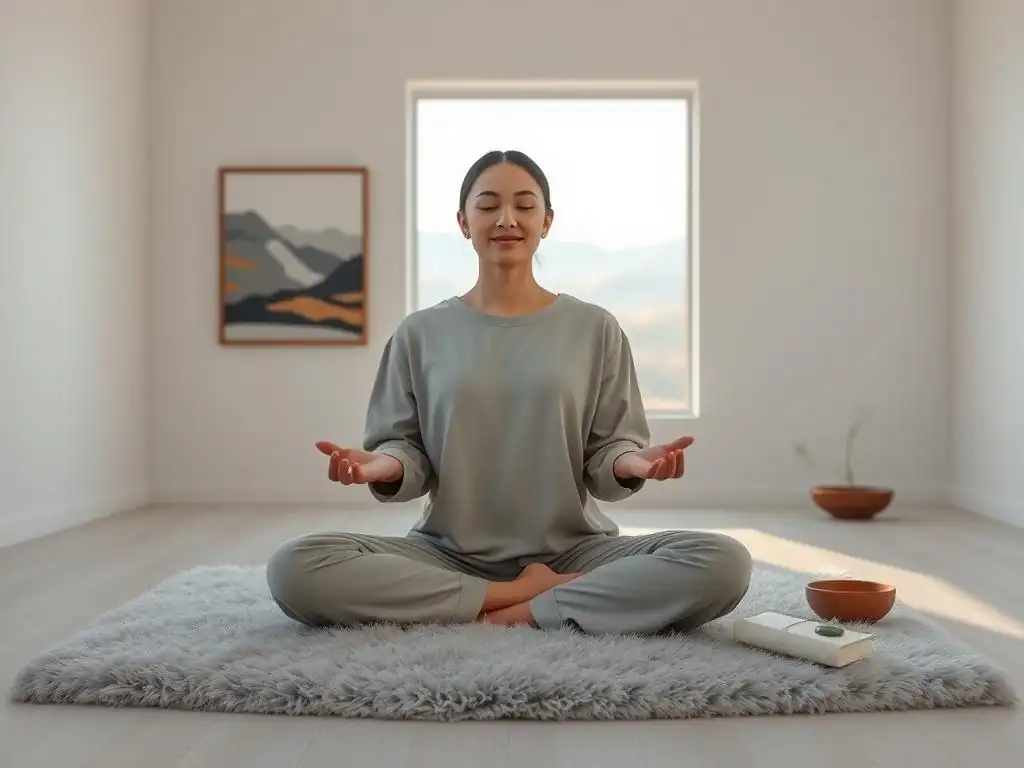
Incorporating Mindfulness into Your Commute
The daily commute, often a source of stress and frustration, presents a perfect opportunity to integrate mindfulness into your routine. Whether driving, taking public transport, or walking, you can practice bringing mindful awareness to the experience. If driving, this means paying attention to the physical sensations of sitting, holding the wheel, and the visual field without getting lost in aggressive thoughts about traffic or worries about arriving on time. Notice the sounds of the road, the feeling of the seat beneath you, the temperature.
If using public transport, focus on the sensations of sitting or standing, the rhythm of the movement, or simply observing the people around you with gentle curiosity, without judgment or getting caught up in internal narratives about them. For walkers, mindful walking (as described earlier) is ideal.
Even just five to ten minutes of focused attention during your commute can shift your state of mind, reducing stress carried from home or anticipated at work, and providing a small but consistent dose of mindfulness for emotional stability throughout your day. This regular practice builds the muscle of attention and presence in the midst of everyday life.
Using Mindfulness During Difficult Conversations
Difficult conversations are breeding grounds for emotional reactivity and instability. Mindfulness provides tools to navigate these interactions with greater presence and less emotional hijacking. Before the conversation, take a few moments to center yourself through mindful breathing. During the conversation, pay attention not only to the words being exchanged but also to your own physical sensations and emotional reactions as they arise. Notice tension, anger, fear, or defensiveness without immediately acting on them.
Mindfulness also involves truly listening to the other person without interrupting or formulating your response while they are speaking. This means paying attention to their words, tone of voice, and body language with an open mind. When strong emotions surface within you, acknowledge them mindfully ("I am noticing feelings of defensiveness") before choosing how to respond rather than reacting impulsively. This ability to pause and observe allows for a more thoughtful and less emotionally driven response, significantly improving communication and helping maintain mindfulness for emotional stability even in challenging interpersonal situations.
Maintaining a Consistent Mindfulness Practice Through Scheduling
Consistency is key to cultivating the deep benefits of mindfulness for emotional stability, but finding time can be a challenge. Treating mindfulness practice like any other important appointment by scheduling it into your day significantly increases the likelihood of maintaining it. Start small – even 5-10 minutes daily can make a difference. Choose a specific time that works best for you, whether it's first thing in the morning, during a lunch break, or before bed.
Consider setting reminders on your phone or integrating the practice into an existing routine, such as doing it immediately after brushing your teeth or before having your morning coffee. Don't strive for perfection; some days the practice will feel easy, others difficult. The goal is simply to show up consistently. Tracking your practice in a journal or app can also provide a sense of accomplishment and motivation. A consistent, even brief, daily practice builds the cumulative effect necessary to truly enhance emotional regulation and foster lasting mindfulness for emotional stability.
Benefits of Mindfulness for Emotional Regulation
Reducing Anxiety and Fear Through Detachment
Mindfulness helps reduce anxiety and fear not by eliminating these emotions, but by changing our relationship with them. By cultivating present moment awareness, we learn to observe anxious thoughts and fearful sensations as temporary mental and physical events, rather than identifying with them as core aspects of ourselves or undeniable truths about reality. This creates a sense of psychological distance or detachment from the emotional storm. For example, instead of thinking "I am afraid," the mindful perspective allows us to notice "There is fear arising in my body."
This detachment allows us to see that while the emotion is present, it doesn't define us or dictate our actions. We learn that we can experience fear or anxiety and still function, still choose our response. This non-identification weakens the power of these emotions to overwhelm us. Research supports this; studies have shown significant reductions in self-reported anxiety levels among participants who regularly practice mindfulness. For instance, a meta-analysis pooling data from numerous studies found that mindfulness-based interventions were effective in reducing symptoms of anxiety disorders, demonstrating the power of detachment cultivated through mindfulness for emotional stability.
Improving Focus and Concentration by Training Attention
A fundamental aspect of mindfulness practice is the training of attention. Techniques like focusing on the breath involve repeatedly bringing the wandering mind back to a chosen anchor. This is essentially exercising the mental muscle of concentration. Over time, this practice strengthens our ability to direct and sustain attention, not just during formal meditation but throughout the day. This improved focus has a direct impact on emotional stability.
When we can focus our attention, we are less likely to be hijacked by distracting worries or emotional rumination. We can stay more engaged in the task at hand or the conversation we are having, reducing the mental space available for anxiety to take hold.
Enhanced concentration also allows for clearer thinking and problem-solving, which can reduce stress associated with feeling overwhelmed or unable to cope. For example, students who practice mindfulness often report improved academic performance partly due to better concentration, illustrating how training attention through mindfulness supports cognitive function and indirectly contributes to mindfulness for emotional stability by reducing mental clutter and enhancing clarity.
Enhancing Self-Awareness and Recognizing Emotional Triggers
Mindfulness significantly enhances self-awareness, which is a critical component of emotional regulation. By regularly paying attention to our internal experience – our thoughts, feelings, and bodily sensations – we become more attuned to our emotional landscape. We start to notice the subtle cues that indicate a particular emotion is arising before it becomes overwhelming. This might be a slight tension in the jaw signaling frustration or a tightening in the chest indicating anxiety.
Furthermore, increased self-awareness helps us identify our personal emotional triggers – specific situations, interactions, or even thoughts that tend to provoke strong emotional reactions. For instance, someone might realize through mindful observation that checking social media first thing in the morning consistently triggers feelings of inadequacy. Recognizing these patterns empowers us to make conscious choices about how to navigate triggering situations or manage our reactions more effectively, rather than being blindsided by intense emotions. This insight gained through mindfulness is invaluable for proactive emotional management and cultivating mindfulness for emotional stability.
Fostering Resilience and Adapting to Unexpected Changes
Resilience is the capacity to bounce back from adversity, and mindfulness is a powerful tool for fostering it. By practicing mindfulness, we develop the ability to meet challenging experiences with greater presence and acceptance, rather than resistance or avoidance. This allows us to process difficulties more effectively. When faced with an unexpected change or setback, the mindful individual is better equipped to acknowledge the difficult emotions that arise without being completely consumed by them.
The practice cultivates mental flexibility, enabling us to adjust our perspective and approach when things don't go as planned. Instead of getting stuck in rigid thinking or despair, mindfulness helps us see situations more clearly and identify potential paths forward.
For example, research on healthcare professionals during stressful periods has shown that those who engage in mindfulness practices report higher levels of resilience and lower burnout rates. This demonstrates how the skills of present moment awareness and acceptance, honed through mindfulness, directly contribute to our ability to adapt and maintain mindfulness for emotional stability in the face of life's inevitable uncertainties and changes.
Overcoming Challenges in Practicing Mindfulness
Common Obstacles to Mindfulness Practice: Distraction and Restlessness
Embarking on a mindfulness journey often brings us face-to-face with common obstacles, primarily distraction and restlessness. The mind's natural tendency is to wander, jumping from one thought to another. When we sit down to meditate, this constant stream of thoughts can feel overwhelming, leading to frustration or the belief that "I'm not doing it right." This internal distraction is perhaps the most universal challenge beginners face. It's important to remember that the goal isn't to stop thinking, but to notice when the mind has wandered and gently guide it back.
Physical restlessness is another frequent hurdle. Sitting still, even for short periods, can feel uncomfortable or agitating. We might feel fidgety, notice aches or itches, or simply experience a strong urge to move. This restlessness is often a manifestation of unexpressed energy or underlying emotional unease. Acknowledging these sensations without judgment – simply noticing the urge to move – is part of the practice. Understanding that distraction and restlessness are normal parts of the process, rather than failures, is crucial for persevering with mindfulness for emotional stability.
Strategies for Staying Motivated and Using Guided Meditations
Maintaining motivation in a regular mindfulness practice can be challenging, especially when results aren't immediately apparent or when life gets busy. One effective strategy is to connect with why you started practicing in the first place – perhaps to reduce stress, improve focus, or cultivate mindfulness for emotional stability. Reminding yourself of these intentions can provide a boost. Setting realistic goals, such as committing to just five minutes a day, makes the practice feel less daunting and more achievable, building confidence and momentum.
Guided meditations are an invaluable resource, particularly for beginners or when motivation wanes. Following a guided recording removes the pressure of knowing what to do and allows you to simply listen and follow instructions. There are guided meditations for various lengths and purposes, from short breathing exercises to longer body scans or loving-kindness practices. Using different guides or styles can keep the practice feeling fresh and engaging. Many people find the soothing voice of a guide helpful in settling the mind and staying present, making consistent practice more accessible and enjoyable.
Seeking Guidance from Mindfulness Apps or Local Centers
In today's digital age, numerous mindfulness apps offer structured programs, guided meditations, and resources that can support your practice and help overcome challenges. Apps like Headspace, Calm, or Insight Timer provide libraries of meditations, courses on specific topics (like managing anxiety or improving sleep), and features to track your progress. These platforms can offer a sense of structure and community, making it easier to integrate mindfulness into your daily life and providing readily available support for cultivating mindfulness for emotional stability.
For those who prefer in-person interaction or a more structured learning environment, seeking guidance from local mindfulness centers or qualified instructors can be highly beneficial. Many centers offer drop-in meditation sessions, introductory workshops, or longer courses like Mindfulness-Based Stress Reduction (MBSR) or Mindfulness-Based Cognitive Therapy (MBCT). Learning from an experienced teacher allows for direct feedback, clarification of doubts, and the opportunity to practice in a supportive group setting. Connecting with a community of practitioners can also provide encouragement and accountability, making it easier to navigate obstacles and deepen your practice.
Mindfulness and Emotional Stability: A Long-Term Approach

Integrating Mindfulness into Your Relationships
Mindfulness is not just a solitary practice; its principles can be powerfully integrated into our interactions with others, fostering healthier and more stable relationships. Mindful communication involves listening with full attention, speaking with intention and honesty, and being aware of your own emotional state during interactions. When engaging with loved ones, colleagues, or even strangers, bringing present moment awareness to the conversation allows you to truly hear what is being said, observe non-verbal cues, and respond thoughtfully rather than reactively.
Practicing empathy, a key component of mindful relating, involves attempting to understand and share the feelings of another person. By mindfully observing your own emotional responses, you can develop a greater capacity to recognize and connect with the emotions of others. This enhanced interpersonal awareness can reduce conflict, deepen connection, and build a stronger sense of understanding and compassion within relationships. Applying mindfulness in this way extends its benefits beyond personal well-being to shared emotional stability within social contexts, reinforcing the long-term impact of mindfulness for emotional stability.
Building a Supportive Community Through Group Meditation
Practicing mindfulness in a group setting can provide significant support and enhance the sense of connection, which is vital for emotional well-being, especially during uncertain times. Many mindfulness centers, community groups, or online platforms offer facilitated group meditation sessions. Meditating together can create a powerful collective energy and a sense of shared experience, reducing feelings of isolation that can accompany emotional struggles.
Sharing your experiences and challenges with others who are also practicing mindfulness can offer perspective, encouragement, and practical tips for overcoming obstacles. Group settings often provide opportunities for discussion, allowing participants to learn from each other's insights and deepen their understanding of the practice. Being part of a supportive community reinforces commitment and makes the journey towards mindfulness for emotional stability feel less solitary and more sustainable over the long term.
Recommended Books and Websites for Further Learning
Continuing to learn about mindfulness can deepen your understanding and commitment to the practice. Numerous excellent books provide comprehensive introductions and guidance. Jon Kabat-Zinn's Full Catastrophe Living is a foundational text that outlines the MBSR program. Wherever You Go, There You Are by the same author offers accessible essays and practices for integrating mindfulness into daily life. Pema Chödrön's When Things Fall Apart provides compassionate wisdom for navigating difficult times through mindfulness and acceptance.
Online resources also offer vast opportunities for further learning. Reputable websites associated with mindfulness research centers, like the UCLA Mindful Awareness Research Center (MARC) or the University of Massachusetts Medical School's Center for Mindfulness, offer free guided meditations, articles, and information about programs. Platforms like Coursera or edX also host courses on mindfulness from universities. Exploring these resources can provide ongoing inspiration, deeper insights, and practical tools for sustaining your practice and enhancing mindfulness for emotional stability as a lifelong journey.
Advanced Mindfulness Practices for Deeper Emotional Well-being
Vipassana Meditation for Cultivating Insight
Vipassana, meaning "to see things as they really are," is an ancient Indian meditation practice that focuses on cultivating deep insight into the nature of reality, particularly impermanence, suffering, and non-self. While many introductory mindfulness practices emphasize focused attention (like on the breath), Vipassana involves open awareness, observing whatever arises in the mind and body from moment to moment with equanimity. This includes observing the arising and passing away of thoughts, emotions, and sensations without getting caught up in them.
This practice goes beyond simply calming the mind; it aims to dismantle habitual patterns of reactivity by revealing the transient nature of all phenomena, including difficult emotions. By seeing that feelings like anxiety or anger are temporary and constantly changing, their power to overwhelm us diminishes. This deeper understanding cultivated through Vipassana can lead to profound shifts in perspective and significantly enhance long-term mindfulness for emotional stability by addressing the root causes of suffering and reactivity. It is often practiced intensively in silent retreats lasting from several days to several weeks.
Mindfulness-Based Stress Reduction (MBSR)
Mindfulness-Based Stress Reduction (MBSR) is an evidence-based, structured eight-week program developed by Jon Kabat-Zinn in the late 1970s. It combines intensive training in mindfulness meditation (including body scan, sitting meditation, and mindful movement like gentle yoga) with psychoeducation about stress and its effects, and group discussion. The program is designed to help participants learn skills to cope more effectively with stress, pain, and illness.
Research has consistently demonstrated the efficacy of MBSR in reducing symptoms of stress, anxiety, depression, and improving overall well-being. Participants learn to relate differently to difficult thoughts and feelings, fostering greater emotional resilience. The program's structured format and progressive nature allow participants to build a solid foundation in mindfulness practice and integrate it into their daily lives, making it a powerful tool for cultivating and sustaining mindfulness for emotional stability. Thousands of studies support its benefits, showing measurable reductions in stress hormone levels and changes in brain activity.
Exploring Insight Dialogue
Insight Dialogue is an interpersonal mindfulness practice that brings meditative awareness into verbal interaction. Developed by Gregory Kramer, it involves practicing mindfulness while speaking and listening with others, guided by specific meditation instructions and contemplation themes. The practice often takes place in a group setting and involves periods of silent meditation interspersed with periods of dialogue, where participants speak and listen from a place of mindful presence.
This practice offers a unique way to explore how mindfulness can inform our relationships and communication. It highlights how our habitual patterns of thinking and reacting manifest in dialogue and provides an opportunity to practice presence, deep listening, and speaking truthfully while staying connected to inner experience. By bringing mindful awareness into the dynamic space between people, Insight Dialogue can help dissolve interpersonal reactivity, foster deeper connection, and extend the benefits of mindfulness for emotional stability into the realm of relationships.
Mindfulness for Emotional Stability: Key Takeaways
Summarizing the Benefits of Present Moment Awareness
The core principle of mindfulness – present moment awareness – offers a multitude of benefits crucial for navigating uncertainty and cultivating emotional stability. By intentionally focusing our attention on the here and now, we reduce the time and energy spent dwelling on past regrets or future anxieties. This practice trains our minds to be less reactive to internal and external triggers, allowing us to observe thoughts and emotions without being immediately swept away by them.
This heightened awareness leads to improved emotional regulation, decreased stress and anxiety levels, and greater self-compassion. It enhances our ability to focus, improves our relationships through mindful communication, and builds resilience, enabling us to adapt more effectively to life's inevitable challenges. Ultimately, present moment awareness provides a stable anchor in an unpredictable world, making it the foundation for finding and maintaining mindfulness for emotional stability.
Emphasizing the Importance of Patience and Consistency
Cultivating mindfulness for emotional stability is not a quick fix; it is a practice that requires patience and consistency. The mind has spent years, even decades, developing habitual patterns of wandering, worrying, and reacting. Changing these deeply ingrained habits takes time, effort, and a compassionate attitude towards oneself. There will be days when practice feels difficult, when the mind is particularly restless, or when you miss a scheduled session. These are normal parts of the process.
Approaching mindfulness with patience means accepting that progress may be gradual and non-linear. Consistency, even in small doses, is far more effective than infrequent long sessions. Committing to a regular, daily practice – even if it's just 5-10 minutes – builds momentum and strengthens the neural pathways associated with attention and regulation over time. Like building any skill, the benefits of mindfulness accumulate with steady effort, underscoring that perseverance is key to unlocking the full potential of mindfulness for emotional stability.
Encouraging Readers to Start with Short, Daily Practices
For anyone looking to find greater emotional stability amidst uncertainty, the most important step is to simply begin. Don't feel pressured to sit for long periods or achieve a completely quiet mind. Start small and make it manageable. Commit to a short, daily practice – perhaps just 3-5 minutes of focusing on your breath, or mindfully paying attention while washing dishes or walking to your car.
These brief moments of intentional presence can be integrated into your existing routine and help build the habit of mindfulness without feeling overwhelming. As you become more comfortable, you can gradually increase the duration or explore different techniques. The journey towards mindfulness for emotional stability is a personal one, and starting with accessible, daily practices is the most effective way to lay a solid foundation for lasting change and greater peace amidst life's uncertainties. Give yourself permission to be a beginner and celebrate these small steps towards greater well-being.
Frequently Asked Questions
What is mindfulness, and how does it relate to emotional stability?
Mindfulness is the practice of present moment awareness without judgment. It helps you observe your thoughts and feelings without getting carried away by them, fostering emotional regulation and stability.
How can mindfulness practices help me cope with uncertainty?
Mindfulness cultivates acceptance of the present moment, even when it's uncertain. By focusing on what is rather than worrying about what might be, you can reduce anxiety and fear associated with uncertainty and build emotional resilience.
What are some specific mindfulness techniques I can use to improve my emotional stability?
Simple techniques include mindful breathing, body scan meditation, and mindful walking. These practices help you anchor yourself in the present, reducing reactivity to stressful thoughts and emotions.
How often should I practice mindfulness to see a noticeable improvement in my emotional stability?
Consistency is key. Even short, regular sessions (5-10 minutes daily) can lead to noticeable improvements. The more you practice, the better you'll become at managing your emotions and building emotional stability.
Is mindfulness a substitute for professional mental health treatment?
Mindfulness can be a valuable tool, but it's not a replacement for professional help. If you're struggling with significant mental health challenges, seeking guidance from a qualified therapist or psychiatrist is crucial. Mindfulness can be used as a complementary therapy.
Final Reflection: Cultivating Inner Peace in a Turbulent World
The relentless pace of modern life, coupled with constant information overload, leaves many feeling emotionally adrift. Finding stability in such a climate feels increasingly crucial, a necessity rather than a luxury. This pursuit of emotional equilibrium is precisely why understanding and practicing mindfulness is more vital than ever before.
The journey towards emotional stability through mindfulness is not a destination, but a continuous process of self-discovery and growth. It's a path that requires consistent effort, self-compassion, and a willingness to embrace the present moment, imperfections and all. This resonates deeply with me personally, as I've witnessed firsthand the transformative power of mindfulness in navigating my own challenges. The present moment is filled with joy and happiness. If you are attentive, you will see it.
– Thich Nhat Hanh. This quote perfectly encapsulates the core message of this article: finding peace within the chaos of daily life is possible, if we only learn to be present.
Now, I invite you to consider how you can integrate mindfulness into your own life. Perhaps it's through a daily meditation practice, mindful breathing exercises throughout the day, or simply taking a moment to appreciate the small joys around you. No matter how you choose to begin, remember that even small steps can lead to significant shifts in your emotional landscape. Embrace the journey, be kind to yourself, and discover the profound peace that awaits you within.
Unveil Your Inner Calm: Embrace Mindfulness Today
Thanks for taking the time to explore the power of mindfulness in navigating life's uncertainties. We hope you gained valuable insights into finding emotional stability. Now, it's time to put these insights into action!
- Start your daily mindfulness practice: Begin with just 5 minutes of quiet reflection each day. Focus on your breath, and notice your thoughts and feelings without judgment. This is your cornerstone to lasting inner peace.
- Share your mindfulness journey: Inspire others by sharing this article with someone who might benefit from these techniques. Let's build a community of support and well-being together.
- Explore guided meditations: Many free resources are available online to guide you deeper into mindful practice. Experiment and find what resonates with you best.
Ready to cultivate a more peaceful and resilient you? What small step will you take today to embrace mindfulness?