
Stop Racing Thoughts: Achieve Mental Clarity Through Focused Meditation

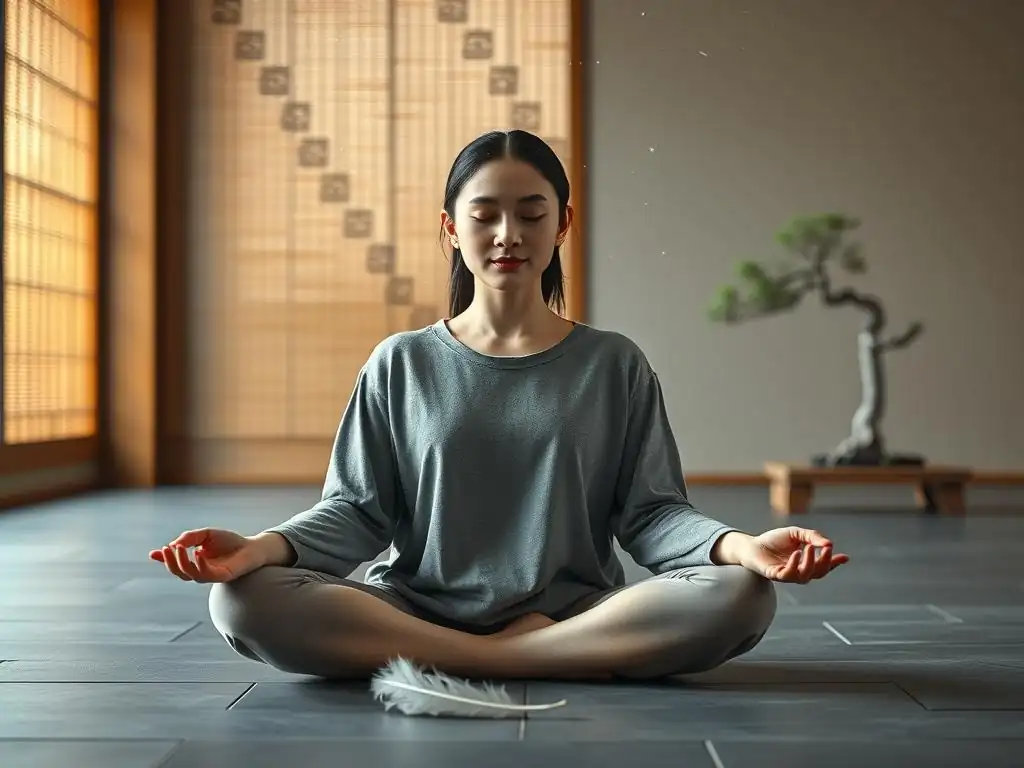
Welcome to Mind Care Guide, your sanctuary for mental well-being.
Do racing thoughts keep you trapped in a cycle of anxiety? You're not alone. We understand the relentless struggle. This week, we delve into a powerful technique: focused meditation. Discover how this simple practice can help you quiet the noise, reclaim your focus, and find lasting peace. Ready to silence the inner chaos? Let's explore how focused meditation can help you reduce racing thoughts and unlock a calmer, clearer you.
- Stop Racing Thoughts: Achieve Mental Clarity Through Focused Meditation
- Understanding Racing Thoughts and Their Impact
- Focused Meditation: A Powerful Tool for Mental Clarity
-
Step-by-Step Guide to Practicing Focused Meditation for Racing Thoughts
- Preparing for Your Focused Meditation Session: Creating a Calm Environment
- Choosing Your Focal Point: Breath, Sound, or Visualization
- The Core Technique: Directing Your Attention and Refocusing
- Dealing with Distractions: Gentle Guidance Back to the Present
- Gradual Progression: Increasing Meditation Duration and Frequency
-
Techniques to Enhance Your Focused Meditation Practice
- Guided Meditations for Racing Thoughts: Apps and Online Resources
- Mindfulness Exercises: Integrating Awareness into Daily Life
- Body Scan Meditation: Connecting with Your Physical Sensations
- Visualization Techniques: Creating Mental Images to Promote Calm
- Combining Focused Meditation with Deep Breathing Exercises
- Overcoming Challenges in Focused Meditation
- Long-Term Benefits of Focused Meditation for Mental Health
- Integrating Focused Meditation into Your Daily Routine
-
Frequently Asked Questions
- How does focused meditation help with racing thoughts?
- What are some common techniques used in focused meditation?
- How often should I practice focused meditation to see results?
- Is focused meditation suitable for everyone, especially those with anxiety?
- What are some resources available if I struggle with focused meditation?
- Final Reflection: Finding Stillness in a Restless World
- Unlock Your Mind's Potential: Start Meditating Today!
Stop Racing Thoughts: Achieve Mental Clarity Through Focused Meditation
Mind Care Guide: Your Path to Mental Well-being
Welcome to Mind Care Guide, your dedicated resource for navigating the complexities of mental health and well-being. In a world that often feels overwhelming, achieving a state of calm and mental clarity can seem like a distant goal. Our mission is to provide you with accessible, evidence-based information and practical tools to support your journey towards a more peaceful and focused mind. This article delves into the power of focused meditation to reduce racing thoughts, offering a pathway to quiet the internal noise.
We understand that dealing with racing thoughts can be exhausting and disruptive. It's a common struggle, impacting countless individuals daily. Mind Care Guide aims to empower you with effective strategies, and focused meditation stands out as a particularly potent technique endorsed by many mental health professionals for its ability to cultivate present-moment awareness and gently redirect the mind away from anxious thought loops. Let us guide you through understanding, implementing, and benefiting from this transformative practice.
Understanding Racing Thoughts and Their Impact
What are Racing Thoughts? Defining the Mental Whirlwind
Racing thoughts are characterized by a rapid, uncontrollable stream of thoughts that often feel overwhelming and difficult to slow down. These thoughts can jump quickly from one topic to another, sometimes lacking logical connection, and may revolve around worries, to-do lists, past events, or future anxieties. It's like having multiple conversations happening simultaneously in your head, making it hard to focus on anything else.
This mental whirlwind is distinct from typical thinking patterns by its speed, intensity, and intrusive nature. While everyone experiences busy periods mentally, racing thoughts are persistent and feel beyond voluntary control. They can manifest as a constant internal monologue, a barrage of worries, or repetitive loops of distressing ideas, significantly impacting one's ability to relax, concentrate, or simply be present.
The Negative Effects of Racing Thoughts on Daily Life
The pervasive nature of racing thoughts can have significant detrimental effects on various aspects of daily life. One of the most immediate impacts is on sleep quality; the inability to quiet the mind often leads to difficulty falling asleep, staying asleep, and experiencing restful sleep, contributing to chronic fatigue and irritability. This lack of mental rest also impairs cognitive functions such as concentration, decision-making, and problem-solving.
Beyond cognitive and sleep issues, racing thoughts frequently fuel anxiety and stress, sometimes escalating into panic attacks. They can make it challenging to engage fully in conversations, work tasks, or leisure activities, diminishing overall productivity and enjoyment. Social interactions may become strained as the mind is preoccupied, and the constant internal noise can erode a sense of peace and well-being, making even simple daily tasks feel like a struggle.
Identifying Triggers: What Causes Your Mind to Race?
Identifying the specific triggers for your racing thoughts is a crucial step in managing them effectively. While triggers vary greatly from person to person, common culprits include stress from work or personal relationships, major life changes (positive or negative), financial worries, and lack of sleep. Consuming excessive caffeine or alcohol can also exacerbate the tendency for thoughts to race, as can certain medications or underlying medical conditions.
Emotional states such as anxiety, fear, excitement, or anger can also act as powerful triggers. For some individuals, specific environments or situations, like crowded places or public speaking, might initiate the mental flurry. Keeping a thought journal can be a valuable tool to help you recognize patterns, noting when racing thoughts occur, what you were doing or thinking beforehand, and what emotions were present. Understanding these triggers is the first step towards implementing coping strategies like focused meditation to reduce racing thoughts.
Focused Meditation: A Powerful Tool for Mental Clarity
What is Focused Meditation and How Does it Work?
Focused meditation is a type of meditation practice where you intentionally direct your attention to a single point of focus. This focal point could be your breath, a mantra, a specific object, a sound, or even a bodily sensation. The core principle is to train the mind to stay present and centered on the chosen anchor, gently redirecting attention back whenever the mind wanders. This process is not about stopping thoughts entirely, but rather about observing them without judgment and choosing where to place your attention.
By consistently practicing this redirection, you strengthen your ability to control where your mind goes, rather than being swept away by the torrent of racing thoughts. It's like exercising a muscle; the more you practice bringing your attention back to your focal point, the stronger your mental focus becomes. This improved ability to direct attention provides a powerful countermeasure to the involuntary nature of racing thoughts, offering a sense of agency and control over your internal landscape.
The Science Behind Focused Meditation and Reduced Anxiety
Research into the neurological effects of focused meditation has provided compelling insights into how it impacts the brain. Studies using fMRI scans have shown that regular meditation practice can lead to structural changes in brain regions associated with attention, self-awareness, and emotional regulation, such as the prefrontal cortex and the amygdala. The amygdala, often referred to as the brain's fear center, tends to show reduced activity in experienced meditators, suggesting a diminished reactivity to stress and anxiety triggers.
Furthermore, focused meditation appears to strengthen the connections between the prefrontal cortex and the amygdala, enhancing the brain's ability to manage emotional responses and reduce the intensity of the stress response. By training the mind to focus and return gently from distractions, the practice helps to interrupt the automatic negative thought patterns often associated with anxiety and racing thoughts. This neurological basis helps explain why focused meditation reduce racing thoughts and alleviate symptoms of anxiety and stress for many individuals.
Benefits of Focused Meditation for Managing Racing Thoughts
The primary benefit of using focused meditation for managing racing thoughts is the cultivation of mental clarity and the ability to observe thoughts without getting entangled in them. By training your attention on a single point, you create mental space between yourself and the rapid stream of thoughts, allowing you to recognize them as temporary mental events rather than absolute truths or urgent demands. This detachment reduces their power and intensity.
Consistent focused meditation practice also enhances your overall capacity for concentration and sustained attention, skills that are directly opposed to the fragmented nature of racing thoughts. Over time, this practice can lead to a significant reduction in the frequency and intensity of racing thoughts, fostering a calmer internal environment. Learning to gently guide your mind back to the present moment using focused meditation reduce racing thoughts and helps build resilience against the mental clutter that can otherwise dominate your awareness.
Step-by-Step Guide to Practicing Focused Meditation for Racing Thoughts
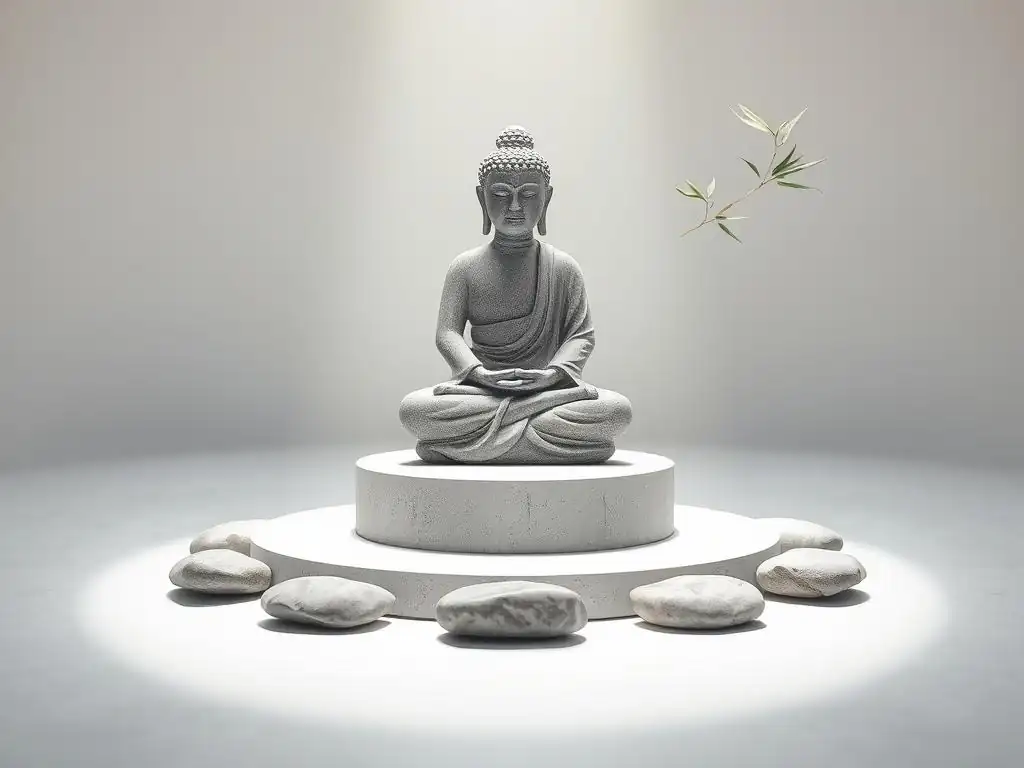
Preparing for Your Focused Meditation Session: Creating a Calm Environment
Before you begin your focused meditation practice, take a few moments to prepare your environment. Find a quiet space where you are unlikely to be interrupted for the duration of your session. This doesn't need to be a dedicated meditation room; a quiet corner of your living room or bedroom works perfectly. Inform family members or roommates that you need some undisturbed time.
Ensure you are comfortable. You can sit on a cushion on the floor, on a chair with your feet flat on the ground, or even lie down if needed, though sitting upright can help prevent falling asleep. Loosen any tight clothing and turn off electronic devices or put them on silent mode. The goal is to minimize external distractions so you can better focus on your internal experience and begin to use focused meditation reduce racing thoughts.
Choosing Your Focal Point: Breath, Sound, or Visualization
Selecting a focal point is central to focused meditation. The most common and often recommended focal point is the breath. You can focus on the sensation of air entering and leaving your nostrils, the rise and fall of your abdomen, or the feeling of your chest expanding and contracting. The breath is always available and provides a constant, neutral anchor.
Other effective focal points include sounds (like ambient noise or a specific tone), a mantra (a word or phrase repeated silently), or a simple visualization (like a calm scene or a gentle light). Experiment with different focal points to see which one resonates most with you and helps you best direct your attention. The key is to choose one focal point and commit to returning to it whenever your mind wanders during the practice.
The Core Technique: Directing Your Attention and Refocusing
Once you have chosen your focal point, gently bring your attention to it. For example, if using the breath, simply notice the sensations of breathing without trying to change your breath in any way. Just observe the natural rhythm of inhalation and exhalation. Your mind will inevitably wander – this is completely normal and not a sign of failure.
The core practice lies in noticing when your mind has wandered and, without judgment, gently guiding your attention back to your chosen focal point. This act of noticing and returning is the essence of focused meditation and the mechanism by which it helps to quiet racing thoughts. Each time you bring your attention back, you are strengthening the mental muscle of focus and reducing the mind's tendency to get lost in uncontrolled thought streams.
Dealing with Distractions: Gentle Guidance Back to the Present
Distractions are an inherent part of focused meditation, especially when dealing with racing thoughts. When you notice your mind has drifted off into planning, worrying, or replaying events, simply acknowledge the thought without engaging with it or criticizing yourself. You might mentally note, "thinking," or "planning," and then, as gently as possible, redirect your attention back to your focal point.
Think of your attention like a puppy that keeps wandering off; you don't scold it, you just kindly lead it back to where you want it to be. The practice isn't about having an empty mind, but about developing the skill of recognizing when the mind is distracted and having the capacity to return to your chosen focus. This gentle, non-judgmental approach is crucial for building a sustainable and effective focused meditation practice to reduce racing thoughts.
Gradual Progression: Increasing Meditation Duration and Frequency
Begin your focused meditation practice with a duration that feels manageable, even if it's just 5 or 10 minutes. Starting small helps build consistency and avoids feeling overwhelmed. You can use a timer to keep track of the time. The goal is not to achieve perfection immediately, but to establish a regular habit.
As you become more comfortable, gradually increase the length of your sessions. Add a few minutes each week or month as you feel ready. Aim to practice daily, or at least several times a week. Consistency is more important than duration or achieving a perfectly still mind. Regular practice, even in short bursts, reinforces the neural pathways associated with focus and calm, making focused meditation reduce racing thoughts more effectively over time.
Techniques to Enhance Your Focused Meditation Practice
Guided Meditations for Racing Thoughts: Apps and Online Resources
For beginners or those struggling to maintain focus independently, guided meditations can be incredibly helpful. These sessions are led by an instructor whose voice guides you through the process, often providing gentle reminders to return to your focal point or offering specific themes like calming anxiety or releasing worry.
Numerous meditation apps (like Calm, Headspace, Insight Timer) and online platforms offer a wide variety of guided meditations specifically designed for managing racing thoughts, anxiety, or stress. These resources can provide structure, support, and variety to your practice, making it easier to get started and stay consistent. Using guided focused meditation reduce racing thoughts by providing an external anchor and expert guidance.
Mindfulness Exercises: Integrating Awareness into Daily Life
Mindfulness is the practice of bringing your full attention to the present moment, without judgment. While focused meditation is a formal mindfulness practice, integrating informal mindfulness exercises into your daily routine can significantly enhance the benefits you receive. This involves consciously paying attention to everyday activities.
Examples include mindful eating (noticing the taste, texture, and smell of your food), mindful walking (feeling your feet on the ground, noticing the sights and sounds around you), or simply pausing for a few breaths between tasks. These small acts of present-moment awareness reinforce the skills developed in focused meditation and help extend the feeling of calm and clarity beyond your formal practice sessions, making it easier to manage racing thoughts throughout the day.
Body Scan Meditation: Connecting with Your Physical Sensations
Body scan meditation is a technique where you systematically bring your attention to different parts of your body, noticing any sensations present without trying to change them. This practice helps to ground you in the physical reality of the present moment and can be particularly effective when racing thoughts are pulling you away from your body and into your head.
By focusing on physical sensations – tingling, warmth, coolness, pressure – you shift your awareness away from the mental chatter. This practice can help you recognize the physical manifestations of stress and anxiety often associated with racing thoughts and develop a greater connection between your mind and body. Regularly incorporating a body scan can complement focused meditation reduce racing thoughts by offering an alternative way to anchor your attention in the present.
Visualization Techniques: Creating Mental Images to Promote Calm

Visualization techniques involve creating mental images to evoke feelings of calm, peace, or safety. This can be used as a focal point in focused meditation or as a standalone practice. For example, you might imagine a tranquil natural scene, a protective light surrounding you, or a calm body of water representing your mind becoming still.
When racing thoughts arise, you can gently return your attention to this calming image. This provides a positive and soothing anchor to redirect your mind towards. While visualization is different from strictly focusing on breath or sound, it serves the same purpose of giving your attention a single point to rest upon, helping to interrupt the cycle of racing thoughts and promote a sense of ease.
Combining Focused Meditation with Deep Breathing Exercises
Deep breathing exercises can be a powerful prelude to or integrated part of focused meditation, especially when trying to calm an anxious, racing mind. Techniques like diaphragmatic breathing (breathing deeply into your belly) or 4-7-8 breathing can help activate the body's relaxation response, signaling to your nervous system that it's safe to calm down.
By consciously slowing and deepening your breath, you create a physiological shift that can make it easier to settle your mind and begin your focused meditation practice. You can start by taking several slow, deep breaths before transitioning to focusing on the natural rhythm of your breath. Combining deep breathing with focused meditation reduce racing thoughts by addressing both the mental and physiological aspects of anxiety.
Overcoming Challenges in Focused Meditation
Common Obstacles: Difficulty Focusing and Wandering Mind
One of the most common obstacles encountered in focused meditation, particularly when dealing with racing thoughts, is the persistent wandering of the mind and the perceived difficulty in focusing. It's easy to feel frustrated when your mind keeps drifting off into worries, plans, or distractions, leading to self-criticism and the belief that you're "doing it wrong."
However, a wandering mind is not a failure; it is simply what minds do. The practice of focused meditation isn't about achieving a state of no thoughts, but about noticing when the mind has wandered and gently bringing it back to the focal point. This act of recognizing distraction and returning is the practice itself. Understanding this can shift your perspective from frustration to acceptance and patience, making the process less daunting.
Strategies for Staying Consistent with Your Meditation Practice
Maintaining consistency is often the biggest challenge in establishing a meditation habit. Life gets busy, motivation wanes, and it's easy to let the practice slide. One effective strategy is to schedule your meditation sessions at the same time each day, treating it like any other important appointment. Even short, consistent sessions are more beneficial than infrequent, long ones.
Another strategy is to pair your meditation with an existing habit, such as meditating for 5 minutes immediately after brushing your teeth or before drinking your morning coffee. Starting small, perhaps just 3-5 minutes, makes the commitment less intimidating. Finding an accountability partner or joining a meditation group can also provide external support and motivation, helping you stick with your focused meditation reduce racing thoughts practice over the long term.
Seeking Guidance: When to Consult a Meditation Teacher or Therapist
While focused meditation is a powerful self-help tool, there are times when seeking external guidance is beneficial. If you are finding it particularly difficult to establish a practice, are experiencing significant frustration, or feel stuck, working with a qualified meditation teacher can provide personalized instruction, support, and help you troubleshoot specific challenges you're facing.
Furthermore, if your racing thoughts are severe, persistent, and significantly impacting your ability to function, or if they are accompanied by intense anxiety, panic, or depressive symptoms, it may be helpful to consult a therapist or mental health professional. Meditation can be a valuable complementary tool, but it is not a substitute for professional treatment for clinical conditions. A therapist can help address the underlying causes of your racing thoughts and integrate meditation into a broader treatment plan.
Long-Term Benefits of Focused Meditation for Mental Health
Reduced Anxiety and Stress Levels Through Consistent Practice
Regular focused meditation practice has been shown to significantly reduce overall levels of anxiety and stress. By training the mind to stay present and respond less reactively to thoughts and external stimuli, individuals develop a greater capacity to navigate stressful situations with more ease. This isn't about eliminating stress entirely, but about changing your relationship with it.
Over time, consistent practice helps to lower the body's baseline stress response, impacting physiological markers like heart rate and cortisol levels. The ability to redirect attention away from anxious thought loops, cultivated through focused meditation reduce racing thoughts, directly contributes to a calmer nervous system and a reduced experience of chronic stress and worry.
Improved Focus and Concentration in Daily Tasks
One of the direct outcomes of training your attention through focused meditation is a noticeable improvement in focus and concentration in daily life. The practice strengthens the neural circuits responsible for sustained attention, making it easier to stay on task and resist distractions. This is particularly beneficial for individuals whose concentration has been impaired by racing thoughts.
Whether you're working on a project, engaging in a conversation, or reading a book, the enhanced ability to direct and maintain your attention allows for deeper engagement and improved performance. This improved focus isn't just about productivity; it also allows you to be more present and engaged in all aspects of your life, reducing the feeling of being overwhelmed by a cluttered mind.
Enhanced Emotional Regulation and Self-Awareness
Focused meditation fosters greater self-awareness by encouraging you to observe your thoughts, feelings, and bodily sensations without judgment. This practice helps you recognize emotional patterns and triggers more readily, providing the opportunity to respond to emotions with more intention rather than automatic reaction.
As you become more aware of your internal states, you develop greater emotional regulation skills. Instead of being swept away by intense emotions or racing thoughts, you learn to acknowledge them, create space, and choose a more skillful response. This enhanced ability to understand and manage your emotional landscape is a profound long-term benefit of consistent meditation.
Cultivating Inner Peace and a Calmer Mind Through Meditation
Perhaps the most deeply felt long-term benefit of focused meditation is the cultivation of a profound sense of inner peace and a consistently calmer mind. While challenges and difficult emotions will still arise, the practice builds resilience and the capacity to meet them with greater equanimity. The constant internal noise of racing thoughts begins to subside, replaced by periods of quiet and stillness.
This isn't a state of permanent bliss, but a stable foundation of calm that persists even amidst life's inevitable ups and downs. Regularly using focused meditation reduce racing thoughts allows you to access this inner stillness more readily, fostering a sense of contentment and peace that comes from being more present and less controlled by the incessant chatter of the mind.
Integrating Focused Meditation into Your Daily Routine
Creating a Sustainable Meditation Schedule
Creating a sustainable meditation schedule is key to making it a lasting habit. Start by identifying a time of day when you are most likely to be able to practice consistently. For many, this is first thing in the morning before the day's demands begin, or in the evening as a way to wind down. Consider your personal energy levels and daily commitments.
Once you've chosen a time, block it out in your calendar just as you would any other important activity. Be realistic about the duration you can commit to initially – even 5-10 minutes is a valuable start. The goal is to build a routine that feels manageable and enjoyable, ensuring that using focused meditation reduce racing thoughts becomes a regular part of your self-care.
Finding Time for Meditation in a Busy Lifestyle
Finding time for meditation in a busy lifestyle requires intentionality and flexibility. If a dedicated block of time feels impossible, look for opportunities to integrate short moments of focused attention throughout your day. This could be meditating for 3 minutes while waiting for your computer to boot up, during your commute (if not driving), or during a lunch break.
- [ ] Schedule short sessions (5-10 minutes) instead of aiming for long ones.
- [ ] Use transition times (before meals, after waking up) for brief practice.
- [ ] Practice mindful moments during daily activities (walking, washing dishes).
- [ ] Keep a meditation cushion or chair in a visible spot as a reminder.
- [ ] Be flexible; if you miss a session, don't give up, just start again the next day.
Remember that consistency trumps duration, especially when you're busy. Even a few minutes of focused meditation reduce racing thoughts and contribute to greater calm and clarity throughout the day.
Making Focused Meditation a Habit for Lasting Mental Clarity
Turning focused meditation into a habit requires repetition and reinforcement. The more consistently you practice, the more ingrained the habit becomes, and the more readily you experience its benefits. Celebrate small successes, like completing a week of daily practice, to help reinforce the behavior.
Connect your meditation practice to the positive feelings it cultivates – the moments of calm, the reduced intensity of racing thoughts, the increased clarity. Focusing on these positive outcomes provides internal motivation to continue. Over time, focused meditation becomes less of a chore and more of a welcomed pause in your day, a reliable tool for achieving and maintaining lasting mental clarity.
Frequently Asked Questions
How does focused meditation help with racing thoughts?
Focused meditation helps by shifting your attention to a single point, like your breath, which interrupts the cycle of racing thoughts and allows you to cultivate present moment awareness.
What are some common techniques used in focused meditation?
Common techniques include focusing on your breath, a mantra, a visual image, or even a physical sensation. The goal is to gently redirect your attention when it wanders.
How often should I practice focused meditation to see results?
Consistency is key. Aim for at least 10-15 minutes daily to start, gradually increasing the duration as you become more comfortable. You might experience noticeable benefits within a few weeks.
Is focused meditation suitable for everyone, especially those with anxiety?
While generally beneficial, individuals with severe anxiety or other mental health conditions should consult with a mental health professional before starting. They can provide tailored guidance.
What are some resources available if I struggle with focused meditation?
Mind Care Guide offers additional articles, guided meditations, and support resources to help you learn and practice focused meditation effectively.
Final Reflection: Finding Stillness in a Restless World
The relentless pace of modern life leaves many of us grappling with a constant barrage of racing thoughts, impacting our well-being and productivity. This pervasive struggle highlights the urgent need for strategies to cultivate mental clarity and inner peace, and focused meditation offers a powerful, accessible solution. The techniques explored in this article—from mindful breathing to guided visualizations—are not merely trendy practices; they are essential tools for navigating the complexities of the 21st century.
The impact of unchecked racing thoughts extends far beyond simple stress; it affects our relationships, our creativity, and even our physical health. The ability to quiet the mental chatter and find a space of stillness is a skill that benefits every aspect of our lives. As the philosopher Seneca once wisely stated, Every new beginning comes from some other beginning's end.
Learning to quiet the mind allows us to let go of unproductive thought patterns, creating space for new perspectives, innovative ideas, and a deeper understanding of ourselves.
Now, consider your own mental landscape. What areas of your life are most affected by racing thoughts? I invite you to dedicate just five minutes each day to practicing focused meditation. Start small, be patient with yourself, and observe the subtle shifts in your mental clarity and emotional well-being. The journey towards a calmer, more focused mind begins with a single breath, a single moment of stillness. Embrace the transformative power of focused meditation and discover the peace that awaits within.
Unlock Your Mind's Potential: Start Meditating Today!
Thanks for taking the time to explore the power of focused meditation with us! We hope you gained valuable insights into calming your racing thoughts and achieving mental clarity. Ready to put this knowledge into practice?
- Begin your meditation journey today: Start with just 5 minutes of quiet, focused breathing. You'll be surprised by the difference!
- Share your experience: Tell us about your first meditation session – what challenges did you face, and what did you find most helpful? Let's build a supportive community!
- Explore different meditation techniques: Experiment with guided meditations, mindfulness exercises, or even nature sounds to discover what resonates best with you.
What small step will you take to bring more calm and focus into your daily life?