
The GutBrain Axis: How Meditation Soothes Your Digestive System

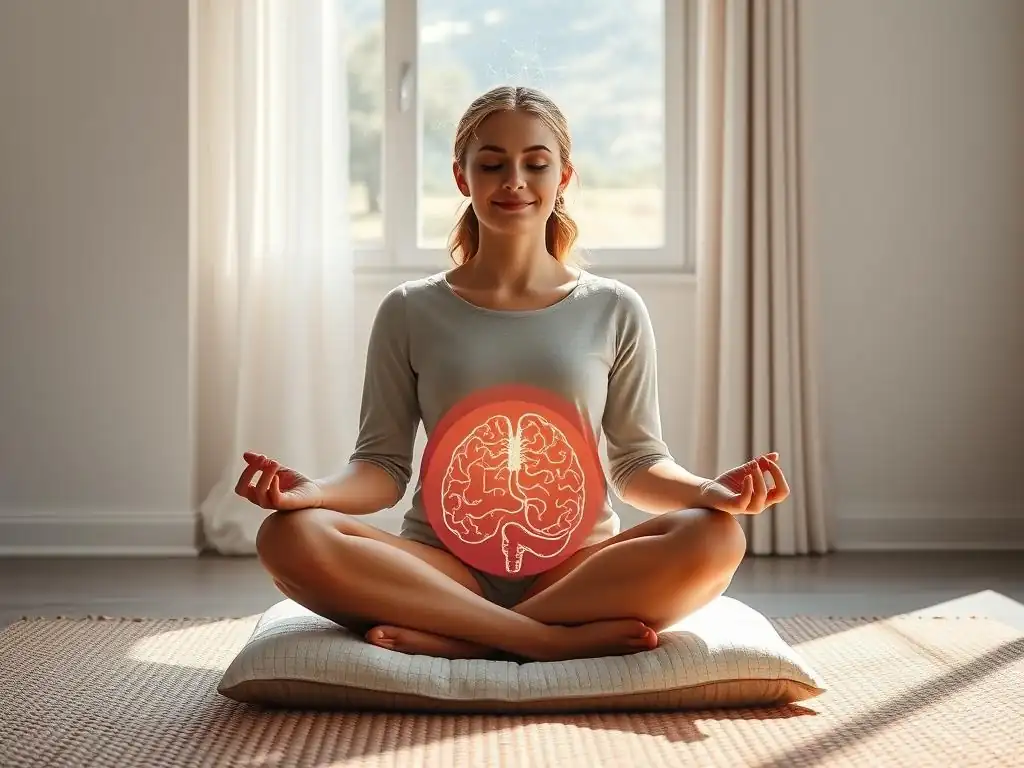
Welcome to Mind Care Guide, a space dedicated to nurturing your mental well-being.
Feeling overwhelmed by gut issues? You're not alone. Explore the fascinating connection between your mind and body, and discover how practices like meditation reduces gut distress, paving the way for a calmer, healthier you. Curious to learn how? Let's dive in...
The Gut-Brain Axis: How Meditation Soothes Your Digestive System
- Understanding the Gut-Brain Connection and Digestive Health
- Meditation Reduces Gut Distress: Exploring the Science
- Types of Meditation for Digestive Health: Finding What Works for You
- Practical Meditation Techniques for a Healthy Gut
- The Benefits of Meditation on Specific Digestive Issues
- Lifestyle Changes to Support Meditation and Gut Health
- Long-Term Gut Health and Mental Well-being Through Meditation
- Conclusion: Meditation as a Powerful Tool for Gut and Brain Harmony
-
Frequently Asked Questions
- ### Does meditation directly impact my gut health?
- ### How does meditation reduce gut distress, specifically?
- ### Is there scientific evidence linking meditation to improved digestion?
- ### How often should I meditate to experience gut health benefits?
- ### What type of meditation is best for soothing the digestive system?
- Final Reflection: Finding Inner Peace, One Gut Feeling at a Time
- Unwind Your Gut: Take Control of Your Digestive Health Today!
Understanding the Gut-Brain Connection and Digestive Health
Our bodies are intricate networks, and few connections are as profound and impactful as the one between our gut and our brain. This complex communication system, often referred to as the gut-brain axis, plays a crucial role in everything from our mood to, perhaps surprisingly, our digestive function. Understanding this link is the first step towards appreciating how practices like meditation can offer significant relief for digestive distress.
Exploring the dynamics of this axis reveals why physical sensations in the gut can influence our emotional state and, conversely, how our thoughts and feelings can directly affect our digestive system. It highlights the importance of a holistic approach to health, recognizing that mental and physical well-being are deeply intertwined.
Defining the Gut-Brain Axis: A Two-Way Communication System
The gut-brain axis is a complex bidirectional communication network that links the central nervous system (the brain and spinal cord) with the enteric nervous system (the nervous system of the gut). Think of it as a superhighway of chemical and neural signals constantly traveling back and forth. This axis involves various communication channels, including the vagus nerve, neurotransmitters like serotonin and dopamine (a significant portion of which are produced in the gut), hormones, and the vast community of microbes living in our intestines – the gut microbiome.
This constant dialogue means that what happens in your brain can affect your gut, and what happens in your gut can affect your brain. For example, stress signals from the brain can alter gut motility, increase gut permeability, and change the composition of the gut microbiome. Conversely, signals from the gut, such as those related to inflammation or microbial activity, can influence mood, cognitive function, and even pain perception in the brain.
The Impact of Stress on Gut Health: A Vicious Cycle
Stress is one of the most significant disruptors of the gut-brain axis. When we experience stress, our body activates the "fight or flight" response, mediated by the sympathetic nervous system. This diverts resources away from non-essential functions like digestion. Chronic stress leads to the sustained release of stress hormones, such as cortisol, which have widespread effects on the gut.
High cortisol levels can slow down digestion, cause spasms, increase gut permeability (sometimes referred to as "leaky gut"), alter the balance of gut bacteria, and heighten sensitivity to pain in the gut. This can trigger or worsen symptoms of conditions like Irritable Bowel Syndrome (IBS), acid reflux, bloating, and constipation or diarrhea.
Studies show that a significant percentage of people with functional gut disorders report that stress is a major factor influencing their symptoms, with some research indicating that up to 70-80% of IBS patients identify stress as a key trigger. This creates a vicious cycle where gut discomfort causes stress, which in turn worsens gut symptoms.
How Mental Well-being Influences Digestive Function
Beyond acute stress, our overall mental well-being profoundly impacts how our digestive system functions. Conditions like anxiety and depression are strongly associated with increased prevalence and severity of functional gastrointestinal disorders. The shared pathways and neurotransmitters involved in both mood regulation and gut function explain this link. For instance, serotonin, a key neurotransmitter for mood, plays a vital role in gut motility and secretion. Imbalances in serotonin levels or signaling can affect both mood and digestion.
Furthermore, our psychological state influences our perception of bodily sensations. Someone experiencing anxiety might be more acutely aware of, and distressed by, normal digestive processes like gas or contractions. Cultivating positive mental well-being through practices like meditation reduces gut distress by calming the nervous system, balancing neurotransmitter activity, and improving resilience to stress. This shift towards a more relaxed state allows the "rest and digest" system (the parasympathetic nervous system) to function optimally, supporting healthy digestive processes.
Meditation Reduces Gut Distress: Exploring the Science
The growing body of research on meditation's benefits extends beyond mental clarity and stress reduction to include tangible physical effects, particularly on the digestive system. The scientific community is increasingly exploring the mechanisms by which meditative practices can positively influence gut health, often through their impact on the gut-brain axis.
Understanding this science provides a strong rationale for incorporating meditation into a regimen aimed at alleviating digestive discomfort. It's not just about feeling calmer; it's about directly influencing the physiological pathways that govern gut function and sensitivity.
The Science Behind Meditation and Gut Health Improvements
Meditation works on several fronts to improve gut health. Primarily, it helps regulate the autonomic nervous system (ANS), which controls involuntary bodily functions, including digestion. The ANS has two branches: the sympathetic (fight or flight) and the parasympathetic (rest and digest). Stress activates the sympathetic system, inhibiting digestion. Meditation promotes the parasympathetic system, facilitating optimal digestive function. Studies using heart rate variability (HRV) measurement, an indicator of ANS balance, often show that regular meditation practice increases parasympathetic activity.
Moreover, meditation has been shown to reduce systemic inflammation, a common underlying factor in many chronic digestive conditions. Research has indicated that mindfulness-based stress reduction (MBSR) programs can lead to a decrease in inflammatory markers like C-reactive protein (CRP) by a noticeable percentage in some populations, though specific gut-related inflammation data is still emerging. By dampening the inflammatory response and promoting a shift towards the "rest and digest" state, meditation reduces gut distress and supports a healthier gut environment.
Meditation's Impact on the Vagus Nerve: The Gut's Best Friend
A key pathway through which meditation influences the gut is the vagus nerve. This cranial nerve is the primary component of the parasympathetic nervous system and serves as a major communication line between the brain and the gut. It influences crucial digestive processes such as gastric motility, enzyme secretion, and gut barrier function. A healthy vagal tone, meaning robust vagus nerve activity, is associated with better stress resilience, improved digestion, and reduced inflammation.
Meditation, particularly practices involving deep, slow breathing, is known to stimulate the vagus nerve. This stimulation enhances vagal tone, promoting parasympathetic dominance. Increased vagal activity facilitates better gut motility (preventing stagnation or excessive speed), improves digestive enzyme and acid secretion, and strengthens the gut lining. By enhancing vagal tone, meditation reduces gut distress by directly supporting the physiological processes necessary for healthy digestion.
Lowering Cortisol Levels: Reducing Stress-Induced Gut Issues
As previously mentioned, cortisol, the body's primary stress hormone, has detrimental effects on the gut. Chronic elevation of cortisol can lead to increased gut permeability, altered gut microbiome composition, and heightened visceral sensitivity, contributing to pain and discomfort. Practices like meditation are well-documented for their ability to lower cortisol levels.
Numerous studies have demonstrated significant reductions in salivary or blood cortisol levels after consistent meditation practice. For instance, some research indicates that regular meditators can show cortisol levels up to 20% lower than non-meditators. By mitigating the chronic stress response and reducing the circulating levels of cortisol, meditation directly alleviates many stress-induced digestive symptoms. This reduction in hormonal stress load is a primary mechanism by which meditation reduces gut distress and promotes long-term digestive well-being.
Types of Meditation for Digestive Health: Finding What Works for You

While the core principles of meditation often involve cultivating awareness and calm, various styles and techniques exist. Different approaches may resonate more strongly with individuals seeking relief from digestive issues. Exploring these options allows you to find a practice that feels accessible, sustainable, and effective for your specific needs.
The key is consistency, but starting with a technique that feels comfortable and achievable is crucial. Whether focusing on breath, bodily sensations, or gentle movement, the goal is to engage the parasympathetic nervous system and soothe the gut-brain axis.
Mindfulness Meditation for Gut Health: Focusing on the Present
Mindfulness meditation involves paying attention to the present moment without judgment. For digestive health, this can mean noticing bodily sensations related to digestion – perhaps gentle rumbling, feelings of fullness, or mild discomfort – with curiosity rather than reactivity or fear. By observing these sensations without getting caught up in anxious thoughts about them, you can reduce the stress response that often exacerbates symptoms.
A typical mindfulness meditation session might involve sitting comfortably and focusing on the breath. When the mind wanders to thoughts about gut symptoms or worries, you gently guide your attention back to the breath or bodily sensations. This practice helps to detach from the stressful narrative surrounding digestive issues, lowering anxiety and, consequently, reducing the impact of stress hormones on the gut. Regular practice, even just 10-15 minutes daily, can build resilience and significantly contribute to calming the gut-brain axis.
Breathwork (Pranayama) and Gut Health: Calming the Nervous System
Breathwork, often derived from yogic traditions (Pranayama), focuses specifically on conscious control and regulation of breathing patterns. Slow, deep, diaphragmatic breathing is particularly effective for stimulating the vagus nerve and activating the parasympathetic nervous system. This immediate shift towards a calmer state can help alleviate acute digestive distress.
Techniques like diaphragmatic breathing (breathing into your belly) or alternate nostril breathing can rapidly lower heart rate and blood pressure, signaling safety to the body. This counteracts the stress response that constricts blood flow to the digestive organs and slows down motility. Incorporating breathwork, perhaps a few minutes before meals or when experiencing discomfort, is a powerful way that meditation reduces gut distress by directly influencing nervous system regulation.
Yoga and Gut Health: Combining Movement and Mindfulness
Yoga integrates physical postures (asanas), breath control (pranayama), and meditation. This combination offers a holistic approach that can be particularly beneficial for digestive health. Gentle movements can help stimulate peristalsis (the muscular contractions that move food through the digestive tract), while specific poses can help release trapped gas or relieve bloating.
The mindfulness aspect of yoga encourages present-moment awareness, similar to mindfulness meditation, reducing stress and anxiety. The focus on breath during poses further enhances the parasympathetic response. Restorative yoga, in particular, emphasizes relaxation and uses props to support the body in gentle stretches, promoting deep relaxation which is highly beneficial for a stressed digestive system. Consistent yoga practice is another effective way that meditation reduces gut distress by combining physical relief with mental calm.
Practical Meditation Techniques for a Healthy Gut
Integrating meditation into your daily life doesn't require hours of dedicated practice or becoming a meditation expert overnight. Simple, practical techniques can be easily incorporated into your routine to start experiencing the gut-soothing benefits. The key is to find moments where you can pause, breathe, and bring mindful awareness to your body.
These techniques are designed to be accessible and can be adapted to fit different schedules and preferences. Starting small and building consistency is more effective than attempting lengthy sessions that feel overwhelming.
Guided Meditation for Digestive Issues: A Step-by-Step Guide
Guided meditations are excellent for beginners or anyone who finds it challenging to focus independently. They involve listening to an instructor's voice guiding you through the process. Many guided meditations specifically target stress, anxiety, or even direct bodily awareness, which can be beneficial for gut health.
Here's a simple guide to using guided meditation:
- Find a quiet space: Choose a place where you won't be disturbed for 10-20 minutes.
- Get comfortable: Sit or lie down in a relaxed position. You might sit on a cushion or chair with your feet flat on the floor, or lie on your back.
- Choose a guided meditation: Search online or use meditation apps for "guided meditation for stress," "body scan meditation," or "guided meditation for anxiety." Some resources even offer meditations specifically for IBS or digestive calm.
- Listen and follow: Put on headphones if needed. Close your eyes gently. Listen to the instructor's voice and follow their guidance, whether it's focusing on the breath, scanning the body, or cultivating feelings of calm.
- Be patient: Your mind will wander. That's normal. Simply notice when it happens and gently bring your attention back to the guidance.
- Finish gently: When the meditation ends, take a moment before opening your eyes or moving. Notice how you feel.
Incorporating Meditation into Your Daily Routine for Gut Benefits
Consistency is key to harnessing meditation's power to reduce gut distress. Even short bursts of meditation throughout the day can be beneficial. Aim for a regular practice, ideally daily, even if it's just 5-10 minutes.
Here are some ideas for integration:
- Morning: Start your day with 10 minutes of mindfulness or breathwork before eating.
- Before Meals: Take 2-3 minutes for deep breathing or a brief body scan focusing on your belly before eating to shift into "rest and digest."
- During the Day: If you feel stress rising or gut symptoms flaring, take a few moments for conscious breathing or a quick body scan.
- Evening: Practice a longer meditation before bed to promote relaxation and improve sleep, which also benefits gut health.
- Task List:
- [ ] Schedule 10 minutes for meditation daily.
- [ ] Set a reminder to take 3 deep breaths before each meal.
- [ ] Identify a quiet spot at home or work for short breaks.
- [ ] Explore different meditation apps or online resources.
Sample Guided Meditation Script: Body Scan for Digestive Awareness
A body scan meditation is particularly useful for gut health as it helps you become more aware of physical sensations without judgment, reducing anxiety around digestive symptoms.
- Begin by finding a comfortable position, either sitting or lying down.
- Gently close your eyes or soften your gaze.
- Bring your awareness to your breath, noticing the natural rise and fall of your chest or abdomen.
- Now, bring your attention down to your feet. Notice any sensations there – warmth, coolness, tingling. Simply observe without trying to change anything.
- Slowly move your awareness up through your ankles, lower legs, knees, and thighs.
- Bring your attention now to your pelvis and hips. Notice any contact with the chair or floor.
- Gently guide your awareness to your abdomen and digestive area.
- Notice any sensations present in your belly – perhaps tightness, spaciousness, gurgling, or stillness.
- There's no need to judge these sensations as good or bad, just notice them with curiosity.
- Breathe into this area, allowing the breath to soften and relax the belly.
- Spend a few moments simply being present with whatever sensations are here.
- Now, expand your awareness to include your lower back, upper abdomen, and chest.
- Continue scanning up through your arms, shoulders, neck, and head.
- Finally, bring your awareness back to the whole body, breathing gently.
- When you're ready, slowly open your eyes.
The Benefits of Meditation on Specific Digestive Issues
While stress is a common factor in many digestive complaints, meditation offers targeted benefits that can help alleviate symptoms associated with specific conditions. By addressing the underlying stress response and improving the gut-brain connection, meditation provides a complementary approach to managing chronic digestive challenges.
Understanding how meditation impacts conditions like IBS or common issues like bloating highlights its potential as a non-pharmacological tool for improving digestive comfort and quality of life.
Meditation for Irritable Bowel Syndrome (IBS) Relief
Irritable Bowel Syndrome (IBS) is a functional gastrointestinal disorder strongly influenced by the gut-brain axis and stress. Symptoms like abdominal pain, bloating, gas, constipation, and diarrhea are often exacerbated by stress and anxiety. Research into mind-body therapies for IBS is extensive, and meditation, particularly mindfulness-based approaches, has shown significant promise.
Studies have demonstrated that mindfulness-based stress reduction (MBSR) programs can lead to clinically meaningful reductions in IBS symptom severity. For example, some trials have reported a decrease in overall symptom scores by approximately 26-30% in participants who completed MBSR compared to control groups. Participants often report less pain, reduced bloating, and improved bowel regularity. This is attributed to meditation's ability to calm the nervous system, reduce visceral hypersensitivity (the gut's heightened sensitivity to pain signals), and lower stress hormone levels, directly illustrating how meditation reduces gut distress associated with IBS.
Meditation for Bloating and Discomfort Reduction
Bloating and general abdominal discomfort are common digestive complaints that can be significantly worsened by stress and anxiety. When stressed, gut motility can become irregular – either slowing down, leading to gas buildup, or speeding up, causing spasms and pain. The heightened sensitivity caused by stress also makes normal amounts of gas feel more uncomfortable.
Meditation helps reduce bloating and discomfort by promoting relaxation and improving gut motility regularity. By shifting the nervous system towards the parasympathetic state, it encourages the smooth, coordinated contractions needed for efficient digestion and gas transit. Furthermore, by reducing anxiety around bodily sensations, meditation helps decrease the perception of discomfort, even if some gas is present. Consistent practice helps soothe the gut muscles and calms the nervous system, offering a practical way that meditation reduces gut distress and bloating.
Meditation for Improved Digestive Enzyme Production
While research directly linking meditation practice to a quantifiable increase in specific digestive enzyme production is still evolving, the indirect effects are significant. Digestive enzyme and stomach acid production are processes heavily influenced by the parasympathetic nervous system ("rest and digest"). When the body is in a stress state (sympathetic dominance), these functions are inhibited as resources are diverted elsewhere.
By activating the parasympathetic system, meditation creates an optimal physiological environment for digestive processes, including the secretion of stomach acid, pancreatic enzymes, and bile, which are essential for breaking down food and absorbing nutrients. While meditation may not directly increase enzyme capacity beyond normal levels, it helps ensure that the body is able to produce and utilize these necessary digestive aids effectively, preventing the impairment that stress can cause. This indirect support for digestive function is another way meditation reduces gut distress by facilitating efficient nutrient processing.
Lifestyle Changes to Support Meditation and Gut Health
Meditation is a powerful tool, but its effectiveness is amplified when combined with other healthy lifestyle choices. A holistic approach that supports the gut-brain axis involves not only calming the mind but also nourishing the body through diet, ensuring adequate rest, and maintaining physical activity.
Integrating these elements creates a synergistic effect, promoting overall well-being that benefits both mental health and digestive function.
The Role of Diet (Fiber, Probiotics) in Gut-Brain Health
Diet is perhaps the most direct way we influence our gut microbiome, which in turn communicates with the brain via the gut-brain axis. A diet rich in fiber, particularly soluble fiber found in fruits, vegetables, and whole grains, feeds beneficial gut bacteria, which produce short-chain fatty acids (SCFAs) like butyrate. SCFAs nourish the gut lining, reduce inflammation, and have been shown to influence brain function and mood. Aim for a diverse intake of plant-based foods; adults are generally recommended to consume around 25-30 grams of fiber per day.
Incorporating probiotic-rich foods (like yogurt with live cultures, kefir, sauerkraut, kimchi) and prebiotic foods (like garlic, onions, bananas, oats) can also support a healthy gut microbiome balance. A balanced and diverse gut flora is linked to improved mood, reduced anxiety, and better digestive function. Combining a gut-friendly diet with meditation reduces gut distress by addressing both the microbial and neurological components of the gut-brain axis.
The Importance of Sleep for Gut and Mental Well-being
Sleep is a critical, yet often overlooked, component of both mental and digestive health. The gut-brain axis influences sleep patterns, and conversely, sleep deprivation can negatively impact gut health and increase stress. Lack of sleep can disrupt the gut microbiome, increase gut permeability, and elevate stress hormones like cortisol, all of which can worsen digestive symptoms.
Aim for 7-9 hours of quality sleep per night. Establishing a regular sleep schedule, creating a relaxing bedtime routine (which could include meditation! ), and ensuring your sleep environment is dark and quiet can significantly improve sleep quality. Prioritizing sleep provides the body and the gut-brain axis with the necessary time to rest, repair, and regulate, enhancing the benefits gained from meditation and further helping meditation reduces gut distress.
Hydration and Regular Exercise as Complements to Meditation
Proper hydration is essential for healthy digestion, aiding in the movement of food through the digestive tract and preventing constipation. While individual needs vary, a general guideline is to drink around 8 glasses (about 2 liters) of water per day, adjusting based on activity level and climate. Dehydration can slow down digestion and contribute to bloating and discomfort.
Regular physical activity also plays a vital role. Exercise helps reduce stress, improves mood, and can directly stimulate gut motility, alleviating constipation and gas. Moderate exercise, like walking, jogging, or cycling for at least 150 minutes per week, has been shown to benefit both mental health and digestive regularity. Combining consistent hydration and regular movement with meditation creates a powerful synergy that supports a healthy gut-brain connection and reinforces how meditation reduces gut distress by addressing multiple facets of well-being.
Long-Term Gut Health and Mental Well-being Through Meditation
Achieving lasting relief from digestive issues and fostering robust mental well-being is often a journey, not a destination. The benefits of meditation on the gut-brain axis are cumulative; the longer and more consistently you practice, the more profound and sustainable the positive changes tend to be.
Viewing meditation as a long-term practice rather than a quick fix allows you to build resilience, deepen your self-awareness, and establish a foundation for enduring health and harmony between your gut and your mind.
Building a Sustainable Meditation Practice for Digestive Wellness
Sustainability is key when incorporating meditation for long-term gut health benefits. This means finding a practice style and schedule that fits realistically into your life. It's better to meditate for 5-10 minutes daily than for an hour once a week. Start small, be patient with yourself, and don't strive for perfection.
Tips for sustainability:
- Choose a specific time each day (e.g., morning, before bed).
- Find a dedicated, comfortable space.
- Use guided meditations or apps if helpful.
- Be flexible – if you miss a day, don't give up; just start again tomorrow.
- Notice and acknowledge the small shifts and improvements in your gut and mood.
- Consider joining a meditation group or class for support and structure.
- Remember that consistency in practice is how meditation reduces gut distress over time.
The Cumulative Effects of Meditation on Gut Health Over Time
The impact of meditation on the gut-brain axis strengthens over time. Regular practice helps to gradually rewire the brain's response to stress, decrease the baseline level of stress hormones, and improve vagal tone. These physiological changes lead to more stable and resilient digestive function.
Initially, you might notice reduced anxiety or a slight improvement in symptoms during or immediately after meditation. With consistent practice over weeks and months, these effects become more pronounced and lasting. You might experience less frequent or less severe bloating, more regular bowel movements, or reduced abdominal pain. The gut becomes less reactive to stress, and the brain becomes less reactive to gut signals, creating a calmer, more balanced system. This cumulative effect underscores why regular meditation reduces gut distress more effectively in the long run.
When to Seek Professional Help for Digestive Issues (GI or Mental Health)
While meditation and lifestyle changes are powerful tools, they are complementary therapies and should not replace professional medical advice or treatment. It is crucial to consult with a healthcare provider, such as a gastroenterologist, if you experience persistent or severe digestive symptoms like:
- Unexplained weight loss
- Blood in stool
- Changes in bowel habits that persist for more than a few weeks
- Severe abdominal pain
- Difficulty swallowing
- Vomiting
These symptoms could indicate underlying conditions requiring medical diagnosis and treatment. Similarly, if you are struggling with significant anxiety, depression, or other mental health challenges that are impacting your life and digestive health, seeking support from a mental health professional (therapist, counselor, psychiatrist) is essential. They can provide diagnosis, therapy, and potentially medication to manage these conditions. Meditation is a valuable tool for support, but professional guidance is paramount for diagnosis and treatment of serious health concerns.
Conclusion: Meditation as a Powerful Tool for Gut and Brain Harmony
The intricate connection between our gut and brain means that caring for one inherently benefits the other. Stress and anxiety can wreak havoc on the digestive system, leading to a myriad of uncomfortable symptoms. Fortunately, practices like meditation offer a scientifically supported pathway to calming this axis and fostering harmony between our mental and physical states.
By engaging the parasympathetic nervous system, stimulating the vagus nerve, lowering cortisol, and cultivating mindful awareness, meditation reduces gut distress, alleviates symptoms of functional gut disorders, and improves overall digestive well-being. Coupled with healthy lifestyle choices regarding diet, sleep, hydration, and exercise, meditation becomes a powerful, accessible tool for anyone seeking to soothe their gut and nurture their mind. Embracing a consistent meditation practice is an investment in your health that pays dividends in both digestive comfort and emotional resilience.
Frequently Asked Questions
### Does meditation directly impact my gut health?
Yes, research suggests meditation can positively impact gut health by reducing stress hormones like cortisol. Lowering stress can then improve gut motility and reduce inflammation.
### How does meditation reduce gut distress, specifically?
Meditation activates the parasympathetic nervous system, often called the "rest and digest" system. This activation can ease symptoms like bloating, cramping, and diarrhea.
### Is there scientific evidence linking meditation to improved digestion?
While more research is needed, studies have shown meditation can improve symptoms of Irritable Bowel Syndrome (IBS). It's believed the gut-brain axis plays a crucial role in this connection.
### How often should I meditate to experience gut health benefits?
Consistency is key. Aim for at least 10-15 minutes of meditation daily. Even short, regular sessions can noticeably reduce stress-related digestive issues.
### What type of meditation is best for soothing the digestive system?
Mindfulness meditation, focusing on your breath and body sensations, is often recommended. Practices that cultivate relaxation and body awareness are generally beneficial.
Final Reflection: Finding Inner Peace, One Gut Feeling at a Time
The connection between our minds and our guts is undeniable, and the power of meditation to soothe digestive distress is increasingly recognized as a vital tool for holistic well-being. This isn't just a trendy wellness practice; it's a pathway to a healthier, happier life, offering a tangible solution to the widespread problem of gut-related discomfort. The science is clear, and the benefits are profound.
The exploration of the gut-brain axis has profoundly shifted my understanding of health, moving beyond a purely physical approach to encompass the intricate interplay between mental and physical states. The impact of chronic stress on our digestive systems is undeniable, and the ability to cultivate inner calm through practices like meditation offers a powerful antidote. The body keeps the score,
as Bessel van der Kolk so eloquently puts it, reminding us that our physical health is deeply intertwined with our emotional experiences. This understanding underscores the importance of integrating mind-body practices into our daily lives for lasting well-being.
Now, consider your own relationship with stress and your digestive health. Are you noticing patterns? What steps can you take today to incorporate mindful practices, even in small ways, into your routine? Perhaps it's five minutes of deep breathing before a meal, a guided meditation before bed, or simply taking a moment to savor your food with intention. Start small, be consistent, and experience the transformative power of connecting your mind and gut for a healthier, more peaceful you.
Unwind Your Gut: Take Control of Your Digestive Health Today!
Thanks for exploring the fascinating connection between your mind and gut! You've learned how powerful meditation can be for easing digestive distress. Now it's time to put this knowledge into practice. Here's how:
- Start a daily meditation practice: Even 5 minutes a day can make a noticeable difference. Focus on mindful breathing and body awareness to calm your nervous system. This is your primary step toward a healthier gut.
- Experiment with different meditation styles: Explore guided meditations specifically designed for digestive health, or try a simple body scan meditation to increase your awareness of sensations in your abdomen.
- Share your experience: Tell a friend or family member about your journey and encourage them to explore the gut-brain connection too. It's amazing what we can accomplish together!
Ready to feel the difference meditation can make on your digestive health? What small step will you take today to prioritize your gut well-being?