
Find Clarity in Chaos: Navigating Difficult Times with a Meditative Mind


Welcome to Mind Care Guide, a space dedicated to nurturing your mental well-being.
Feeling overwhelmed by the chaos of life? You're not alone. Discover how meditative mindfulness can be a powerful tool for navigating difficult times, offering a path towards greater peace and resilience. Are you ready to explore the transformative potential within you? Dive in and uncover practical techniques to cultivate inner calm, even amidst the storm.
Cultivating Resilience: Navigating Life's Challenges with Mindfulness Meditation
- Introduction: Finding Inner Peace Through Mindfulness During Difficult Times
- The Science Behind Mindfulness Meditation and Stress Reduction
- Practical Techniques for Cultivating Mindfulness Meditation
- Applying Mindfulness Meditation to Daily Life Challenges
- Overcoming Obstacles to Mindfulness Meditation Practice
- Deepening Your Mindfulness Meditation Practice
- Long-Term Benefits of Mindfulness Meditation for Mental Resilience
- Mindfulness Meditation and Anxiety
- Conclusion: Embracing Mindfulness Meditation for a More Resilient Life
-
Frequently Asked Questions
- What exactly is meditative mindfulness and how can it help during difficult times?
- How does meditative mindfulness differ from other forms of meditation?
- Can I practice meditative mindfulness even if I've never meditated before?
- How often should I practice meditative mindfulness to see benefits during difficult times?
- What are some common challenges people face when starting meditative mindfulness, and how can I overcome them?
- Final Reflection: Cultivating Inner Peace Amidst Life's Storms
- Ignite Your Inner Peace: Start Your Journey to Calm
Introduction: Finding Inner Peace Through Mindfulness During Difficult Times
Life inevitably presents its share of challenges, from personal crises and health issues to global uncertainties and daily stressors. During these difficult times, it's easy to feel overwhelmed, anxious, and disconnected from ourselves and others. The mind can become a storm of worries, regrets, and fears, making it hard to find clarity or peace. However, ancient practices like mindfulness meditation offer a powerful pathway to navigate this internal chaos, helping us cultivate resilience and find a sense of calm amidst the storm.
This article explores how integrating meditative mindfulness for difficult times can transform your experience of adversity. We will delve into the science behind how these practices work, explore practical techniques you can implement immediately, and discuss how to apply mindfulness to real-life challenges. By understanding and practicing meditative mindfulness for difficult times, you can build the inner strength needed to face life's inevitable ups and downs with greater stability and grace.
Understanding the Power of Mindfulness Meditation in Stressful Situations
Mindfulness meditation is not about emptying the mind or achieving a state of blissful detachment. Instead, it's about paying attention, on purpose, to the present moment without judgment. When practiced consistently, meditative mindfulness for difficult times allows individuals to observe their thoughts, feelings, and bodily sensations as they arise, without getting swept away by them. This capacity to witness rather than react is profoundly powerful when faced with stress.
In stressful situations, our automatic response is often fight, flight, or freeze, driven by ancient survival mechanisms. Mindfulness helps interrupt this automatic pilot mode. By consciously pausing and bringing awareness to the present moment, even for a few breaths, we create space between the stimulus (the difficult situation) and our reaction. This space is where choice lies – the choice to respond thoughtfully rather than react impulsively, a key aspect of applying meditative mindfulness for difficult times.
Why Mindfulness Practices are Crucial for Mental Well-being in Difficult Periods
Difficult periods can take a significant toll on mental well-being, often leading to increased anxiety, depression, irritability, and feelings of hopelessness. The constant rumination on problems and the anticipation of future difficulties can trap individuals in a cycle of negativity. Meditative mindfulness for difficult times provides tools to break free from this cycle by anchoring attention in the present, which is often less overwhelming than the imagined future or replayed past.
Moreover, mindfulness cultivates self-compassion, which is vital when struggling. Instead of criticizing ourselves for feeling stressed or anxious, mindfulness encourages us to acknowledge our suffering with kindness. This gentle approach reduces the secondary suffering that comes from self-judgment and allows for a more accepting and healing process. Studies, such as those documented in psychological research, consistently show that regular mindfulness practice can significantly reduce symptoms of anxiety and depression, highlighting its crucial role in supporting mental well-being during challenging phases of life.
The Science Behind Mindfulness Meditation and Stress Reduction
How Meditation Impacts the Brain's Response to Stress
Scientific research has provided fascinating insights into how mindfulness meditation alters brain function, particularly concerning stress response. Neuroimaging studies have shown that regular meditative practice can lead to structural and functional changes in areas of the brain associated with stress and emotion regulation. One key area is the amygdala, often referred to as the brain's "fear center," which is highly reactive to perceived threats.
Studies using fMRI (functional Magnetic Resonance Imaging) have demonstrated that individuals with consistent mindfulness meditation practices show reduced amygdala activity when exposed to stressful stimuli compared to those without such practices. Simultaneously, there is often increased activity and connectivity in the prefrontal cortex, the area responsible for higher-level cognitive functions like planning, decision-making, and emotional regulation. This shift essentially helps the brain move from a reactive, threat-focused mode to a more reflective, controlled state, significantly enhancing one's capacity for meditative mindfulness for difficult times.
The Role of Mindfulness in Regulating Emotions During Chaotic Times
Chaotic times often bring a surge of intense and uncomfortable emotions – fear, anger, sadness, frustration. Without effective coping mechanisms, these emotions can feel overwhelming and lead to maladaptive behaviors. Mindfulness meditation teaches us to observe these emotions without getting entangled in their narrative or feeling compelled to act on them immediately. This skill is fundamental to developing meditative mindfulness for difficult times.
Through mindful awareness, we learn that emotions are transient states, not permanent aspects of our identity. We can acknowledge, for example, "There is fear," rather than identifying as "I am fearful." This subtle shift in perspective creates emotional distance, allowing us to experience the emotion fully without being consumed by it. Research published in journals like Emotion indicates that mindfulness training improves emotion regulation abilities, helping individuals respond to emotional triggers with greater composure and less reactivity, a critical benefit of meditative mindfulness for difficult times.
Practical Techniques for Cultivating Mindfulness Meditation
Simple Breathing Exercises for Immediate Stress Relief
One of the most accessible entry points into meditative mindfulness for difficult times is focusing on the breath. The breath is always in the present moment and serves as a constant anchor. Simple breathing exercises can provide immediate relief from stress and anxiety, bringing you back to the present when your mind is racing.
A basic technique involves finding a comfortable seated position and gently closing your eyes or softening your gaze. Bring your attention to the physical sensation of breathing – the rise and fall of your abdomen or chest, the air entering and leaving your nostrils. Don't try to change your breath; simply observe it as it is. When your mind inevitably wanders (which it will! ), gently guide your attention back to the breath without judgment. Even practicing this for just 2-3 minutes can significantly calm the nervous system and promote meditative mindfulness for difficult times.
Body Scan Meditation: Reconnecting with Your Physical Sensations
Difficult times can often cause us to disconnect from our bodies, either by tensing up unknowingly or by ignoring physical signals of stress. The body scan meditation is a practice that systematically brings awareness to different parts of the body, helping to release tension and ground yourself in physical reality. This practice is excellent for developing meditative mindfulness for difficult times by fostering a deeper connection with your physical self.
To practice a body scan, lie down comfortably or sit with your feet flat on the floor. Close your eyes and bring your attention first to your toes. Notice any sensations there – tingling, pressure, warmth, coolness, or the absence of sensation.
Gently move your awareness up through your body, section by section: feet, ankles, calves, knees, thighs, pelvis, lower back, abdomen, upper back, chest, fingers, hands, wrists, forearms, elbows, upper arms, shoulders, neck, jaw, face, and finally the top of your head. As you scan each area, simply notice sensations without trying to change them. If you encounter tension, you can gently invite that area to soften on the out-breath, a powerful application of meditative mindfulness for difficult times.
Walking Meditation: Finding Stillness in Motion
Mindfulness doesn't require you to be sitting still on a cushion. Walking meditation is a practice that integrates mindful awareness into movement, making it a flexible way to cultivate meditative mindfulness for difficult times throughout your day. It's particularly useful when you feel restless or need to move your body.
Find a quiet space where you can walk back and forth about 10-15 paces, or simply walk mindfully outdoors. Begin by standing still and feeling the weight of your body on your feet. Then, start walking slowly. Bring your attention to the physical sensations of walking: lifting one foot, moving it forward, placing it down, shifting weight to that foot, and then repeating with the other leg.
Notice the subtle movements in your ankles, knees, and hips. Your gaze can be soft, looking a few feet ahead. When your mind drifts, gently bring your attention back to the sensations of walking. This practice helps you stay present and grounded, incorporating meditative mindfulness for difficult times even when you are on the move.
Applying Mindfulness Meditation to Daily Life Challenges

Workplace stress is a common challenge, involving tight deadlines, demanding tasks, difficult colleagues, or job insecurity. Meditative mindfulness for difficult times offers practical strategies to navigate these pressures more effectively. Instead of reacting immediately to a stressful email or a tense meeting, mindfulness allows for a pause.
For instance, before responding to a challenging email, take three conscious breaths. Notice the physical sensations of stress in your body (e.g., tight shoulders, clenched jaw) without judgment. This brief pause can prevent an impulsive, potentially regrettable response.
During a stressful meeting, bring awareness to your posture, the feeling of your feet on the floor, or the simple act of breathing. This helps you stay grounded and present rather than getting lost in anxious thoughts about outcomes. Regular practice, even 5-10 minutes daily before starting work, can build resilience, helping you maintain composure and effectiveness even under significant pressure, embodying meditative mindfulness for difficult times in a professional context.
Mindfulness Meditation for Improving Relationships During Difficult Times
Difficult periods often strain relationships, leading to misunderstandings, conflicts, and emotional distance. Stress can make us less patient, more reactive, and less able to listen truly. Applying meditative mindfulness for difficult times in your interactions can significantly improve how you connect with others, especially when things are tough.
Mindful communication involves listening with full attention, without formulating your response while the other person is speaking. It means noticing your own emotional reactions (e.g., defensiveness, irritation) as they arise during a conversation and choosing not to act on them impulsively. Before reacting to something upsetting a partner or family member says, take a moment to breathe and acknowledge your feeling. Then, choose to respond thoughtfully rather than react emotionally. This practice of bringing non-judgmental awareness to both yourself and the other person fosters empathy and reduces conflict, making meditative mindfulness for difficult times invaluable for maintaining healthy connections.
Cultivating Self-Compassion Through Meditation
Difficult times are often accompanied by self-criticism and feelings of inadequacy or failure. We might blame ourselves for the situation or feel we are not coping well enough. Meditative mindfulness for difficult times inherently includes the cultivation of self-compassion – treating ourselves with the same kindness, understanding, and acceptance we would offer a dear friend who is suffering.
Self-compassion involves three key components: mindfulness (being present with our suffering), common humanity (recognizing that suffering and imperfection are part of the shared human experience), and self-kindness (being warm and understanding towards ourselves rather than harshly critical). During meditation, when you notice difficult emotions or self-critical thoughts, you can intentionally offer yourself words of kindness, such as "This is difficult right now," or "May I be kind to myself." This practice counters the negative self-talk that often escalates distress during challenging periods, reinforcing the empathetic aspect of meditative mindfulness for difficult times.
Overcoming Obstacles to Mindfulness Meditation Practice
Dealing with Distractions During Meditation
A common misconception about meditation is that you should have a completely empty mind. This is rarely the case, especially when you are new to the practice or navigating difficult times. Distractions – thoughts, sounds, physical sensations – are inevitable. The key is not to eliminate them, but to change your relationship with them. This is a core teaching of meditative mindfulness for difficult times.
When you notice your mind has wandered during meditation (or at any point), the practice is simply to notice that it has wandered, without judgment, and gently guide your attention back to your chosen anchor (like the breath or body sensations). Think of your thoughts like clouds passing in the sky; you can see them without needing to jump on them and ride them away. Each time you notice your mind wandering and gently bring it back, you are strengthening your "attention muscle." This patient, non-judgmental approach to distractions is fundamental to cultivating meditative mindfulness for difficult times.
Finding Time for Meditation in a Busy Schedule
One of the biggest perceived obstacles to practicing meditative mindfulness for difficult times is lack of time. Modern life is busy, and when facing challenges, schedules can become even more packed. However, even a few minutes of practice can make a significant difference. It's more about consistency than duration.
Start small. Commit to just 5 minutes of mindful breathing or silent sitting each day. Try integrating it into an existing routine, such as first thing in the morning before checking your phone, during your lunch break, or before bed. You can even practice "micro-mindfulness" moments throughout the day – taking three conscious breaths before opening an email, while waiting in line, or before entering a room. Recognizing that meditative mindfulness for difficult times doesn't always require a formal sit can make it much more accessible and sustainable.
Addressing Common Misconceptions About Meditation
Several misconceptions can deter people from trying or sticking with meditative mindfulness for difficult times. One is that meditation is a quick fix that will instantly eliminate all stress and negative emotions. In reality, it's a skill that develops over time with consistent practice. It helps you manage stress and emotions, not necessarily erase them.
Another misconception is that you need to be spiritual or adopt a specific belief system to meditate. Mindfulness meditation, as taught in secular contexts like stress reduction programs, is simply a mental training technique accessible to anyone, regardless of beliefs. Finally, some believe they "fail" at meditation because their mind is too busy. As discussed, a busy mind is normal! The practice is not about stopping thoughts, but about becoming aware of them without getting caught up. Understanding these points can make the journey into meditative mindfulness for difficult times much less intimidating.
Deepening Your Mindfulness Meditation Practice
Exploring Different Types of Meditation Techniques
While breath and body scan meditations are excellent starting points, exploring different types of meditation can enrich your practice of meditative mindfulness for difficult times. Various traditions and approaches offer unique ways to cultivate awareness and compassion.
Loving-kindness meditation (Metta) involves cultivating feelings of warmth, care, and compassion towards oneself and others. Vipassanā, or insight meditation, focuses on observing the changing nature of physical and mental phenomena to gain insight into reality. There are also walking meditations, eating meditations, and even mindful movement practices like yoga or Tai Chi that integrate mindfulness. Experimenting with these different forms can help you find practices that resonate most deeply with you and support your journey in applying meditative mindfulness for difficult times.
Incorporating Mindfulness into Everyday Activities
True meditative mindfulness for difficult times extends beyond formal sitting practice into everyday life. The goal is to bring mindful awareness to ordinary activities, transforming routine tasks into opportunities for presence and grounding.
This can involve mindful eating (paying attention to the textures, tastes, and smells of your food), mindful washing dishes (noticing the temperature of the water, the feel of the soap), or mindful commuting (being aware of your surroundings without getting lost in thought). By intentionally bringing your full attention to these simple actions, you train your mind to stay present and engaged. These moments of informal practice build your capacity for meditative mindfulness for difficult times throughout the day, making it a living practice rather than just a scheduled event.
Seeking Guidance from a Meditation Teacher or Group
While many resources are available online and in books, seeking guidance from a qualified meditation teacher or joining a meditation group can significantly deepen your practice of meditative mindfulness for difficult times. A teacher can provide personalized instruction, answer questions, and help you navigate challenges that arise in your practice.
Practicing with a group offers support, shared experience, and a sense of community, which can be particularly valuable during difficult times. Many centers and online platforms offer guided sessions and courses, such as Mindfulness-Based Stress Reduction (MBSR) or Mindfulness-Based Cognitive Therapy (MBCT), which are structured programs proven effective in teaching meditative mindfulness for difficult times and improving mental health outcomes. Learning from experienced practitioners can accelerate your understanding and integration of these powerful techniques.
Long-Term Benefits of Mindfulness Meditation for Mental Resilience
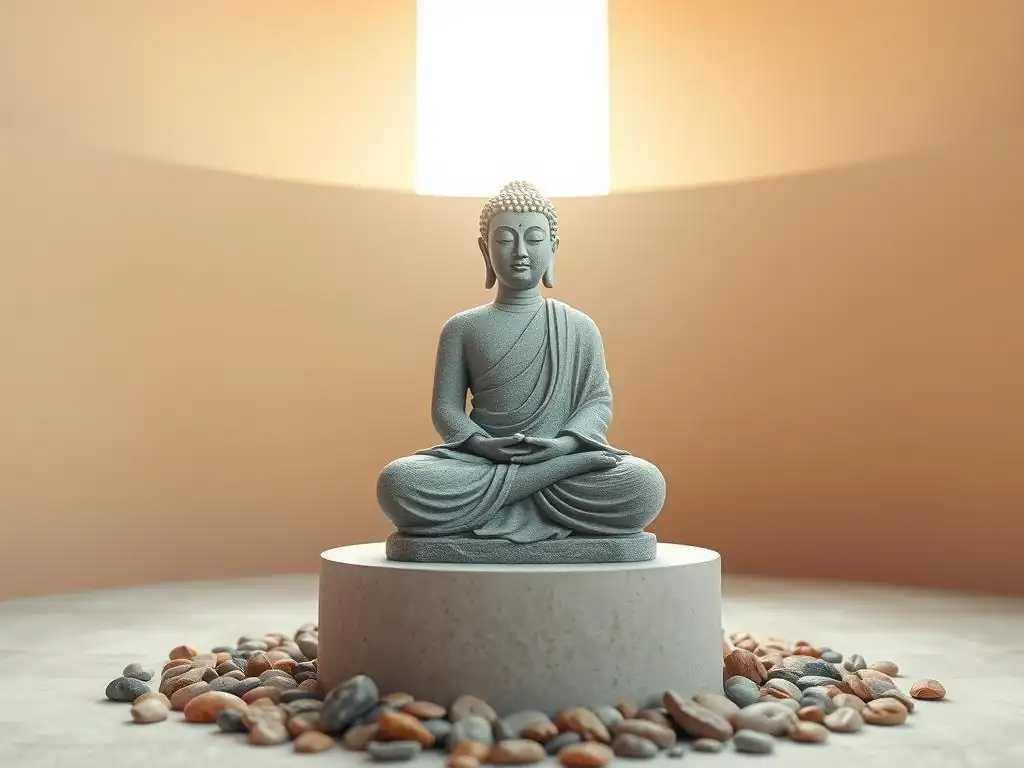
Building Emotional Regulation Skills Through Meditation
Consistent practice of meditative mindfulness for difficult times fundamentally alters how you relate to your emotions, leading to improved emotional regulation skills. Instead of being controlled by intense feelings, you learn to acknowledge them with awareness and choose how to respond.
Over time, the gap between experiencing an emotion and reacting to it widens. You become more adept at recognizing the early signs of stress or anger, for example, and can apply learned techniques like mindful breathing or body awareness to prevent escalation. This increased capacity for emotional regulation is a cornerstone of mental resilience, allowing you to navigate challenging situations with greater stability and less emotional volatility, a key long-term benefit of embracing meditative mindfulness for difficult times.
Fostering a Sense of Inner Peace and Calm
Difficult times often disrupt our sense of inner peace, replacing it with worry and agitation. While mindfulness doesn't eliminate external problems, it cultivates an internal sanctuary of calm that can be accessed regardless of external circumstances. This is perhaps one of the most sought-after outcomes of practicing meditative mindfulness for difficult times.
By regularly returning to the present moment, observing thoughts without judgment, and practicing self-compassion, you gradually quiet the inner noise of rumination and anxiety. This doesn't mean you won't experience negative emotions, but their intensity and duration often lessen. A foundational sense of calm develops, allowing you to approach challenges from a place of greater presence and less reactivity, fostering a sustainable inner peace through meditative mindfulness for difficult times.
Enhancing Overall Well-being and Reducing Anxiety
The cumulative effects of consistent meditative mindfulness for difficult times extend to overall well-being. Beyond reducing stress and improving emotional regulation, mindfulness has been linked to better sleep, improved focus and concentration, enhanced self-awareness, and increased feelings of compassion towards oneself and others.
Research consistently supports the positive impact of mindfulness on mental health, showing reductions in symptoms of anxiety disorders and depression. For example, meta-analyses of multiple studies often indicate a moderate to significant effect size for mindfulness interventions in reducing anxiety symptoms across various populations. By fostering a more accepting and present-oriented relationship with your experiences, meditative mindfulness for difficult times empowers you to live with greater vitality, clarity, and a significantly reduced burden of chronic anxiety.
Mindfulness Meditation and Anxiety
How Mindfulness Meditation Can Support Anxiety Management
Anxiety is often characterized by excessive worry about the future and avoidance of uncomfortable thoughts or situations. Meditative mindfulness for difficult times directly addresses these patterns by encouraging present-moment awareness and non-judgmental acceptance.
Instead of trying to suppress anxious thoughts or feelings, mindfulness teaches you to observe them with curiosity. You learn to notice the physical sensations of anxiety (e.g., rapid heartbeat, tightness in the chest) and the anxious thoughts themselves ("What if...? ", "I can't handle this") without getting caught up in their story.
By repeatedly bringing attention back to the present moment anchor, such as the breath or body, you train your mind to not automatically follow every anxious thought down a rabbit hole. This creates distance from the anxiety, reducing its power and allowing you to respond to life's challenges from a place of greater calm and clarity, making meditative mindfulness for difficult times a powerful ally in anxiety management.
Conclusion: Embracing Mindfulness Meditation for a More Resilient Life
The Transformative Potential of a Mindful Mindset
Navigating difficult times is an inevitable part of the human experience. While we cannot always control the external circumstances we face, we have significant power over how we relate to them. Cultivating meditative mindfulness for difficult times offers a profound path to building inner resilience, allowing us to meet challenges with greater presence, composure, and self-compassion.
By training our attention, regulating our emotions, and fostering a kinder relationship with ourselves, mindfulness meditation helps us find clarity amidst chaos. It shifts our focus from wishing things were different to skillfully engaging with what is present, fostering a sense of peace that is not dependent on external conditions. Embracing a mindful mindset through consistent practice has the transformative potential to not only help us survive difficult times but to grow and even thrive through them.
Resources for Continued Learning and Practice of Mindfulness Meditation
Embarking on or deepening your journey with meditative mindfulness for difficult times is a lifelong path. Fortunately, numerous resources are available to support your practice. Many reputable organizations offer free guided meditations online, providing accessible ways to start or continue practicing.
- Explore mindfulness apps that offer guided sessions of varying lengths, suitable for different moments in your day.
- Look for local meditation centers or community groups that offer classes, workshops, or silent sits.
- Consider enrolling in a structured program like MBSR or MBCT, which provide comprehensive training in applying meditative mindfulness for difficult times to stress and emotional challenges.
- Seek out books by respected mindfulness teachers that offer deeper insights and practical guidance.
Commitment to regular practice, even in small increments, is the most important factor. Be patient and kind with yourself; the benefits of meditative mindfulness for difficult times unfold gradually.
Frequently Asked Questions
What exactly is meditative mindfulness and how can it help during difficult times?
Meditative mindfulness is a practice that involves paying attention to the present moment without judgment. It can help you reduce stress and increase awareness during challenging periods.
How does meditative mindfulness differ from other forms of meditation?
Unlike some meditations that focus on clearing the mind, meditative mindfulness encourages you to observe your thoughts and feelings as they arise. It's about acceptance rather than suppression.
Can I practice meditative mindfulness even if I've never meditated before?
Absolutely! Meditative mindfulness is accessible to everyone. Start with short sessions, focusing on your breath or bodily sensations. Many apps and online resources can guide beginners.
How often should I practice meditative mindfulness to see benefits during difficult times?
Consistency is key. Even 10-15 minutes daily can make a significant difference. Find a time that works for you and make it a routine.
What are some common challenges people face when starting meditative mindfulness, and how can I overcome them?
Difficulty focusing is common. Gently redirect your attention back to your chosen focus (like your breath) when your mind wanders. Patience and persistence are crucial.
Final Reflection: Cultivating Inner Peace Amidst Life's Storms
The ability to find calm amidst chaos is not a luxury, but a necessity in today's fast-paced and often overwhelming world. The practices of meditative mindfulness, explored throughout this article, offer a powerful antidote to the anxieties and uncertainties that permeate modern life. Learning to quiet the mind and cultivate inner peace is no longer a niche pursuit; it's a vital skill for navigating the complexities of the 21st century.
The impact of meditative mindfulness extends far beyond individual stress reduction; it's a ripple effect that touches our relationships, our communities, and even the global landscape. By fostering self-awareness and emotional regulation, we cultivate empathy and compassion, qualities desperately needed in a world often characterized by division and conflict. As the Dalai Lama wisely stated, Peace is not merely the absence of war, but the presence of justice, compassion, and the understanding of others.
This understanding, this inner peace, is cultivated through the very practices discussed within these pages.
Now, consider your own life. Where are you feeling overwhelmed? Where could a moment of quiet reflection, a conscious breath, bring clarity and calm? I invite you to take the first step, however small, towards incorporating meditative mindfulness into your daily routine. Start with five minutes of quiet contemplation, a mindful walk in nature, or simply focusing on your breath. The journey to inner peace is a personal one, but the rewards—a greater sense of self, resilience in the face of adversity, and a deeper connection to yourself and the world around you—are immeasurable.
Ignite Your Inner Peace: Start Your Journey to Calm
Thanks for taking the time to explore the power of meditation in navigating life's challenges. We hope you found practical strategies to cultivate a calmer, more centered mind. Now, it's time to put these insights into action!
- Begin your daily meditation practice: Even 5 minutes a day can make a significant difference. Try the guided meditation technique mentioned in the article and see how you feel. This is your first step to transforming your relationship with stress.
- Share your experience: Tell us – or a friend – about your meditation journey. What challenges did you face, and what breakthroughs did you experience? Sharing helps solidify your practice and creates a supportive community.
- Explore additional resources: Delve deeper into the world of mindfulness by searching "Mind Care Guide" for more articles and tips on meditation and stress management.
Ready to embrace a more peaceful and resilient you? What small step will you take today to cultivate inner calm?