
Increase Your Pain Management Toolkit: Adding Meditation for Chronic Conditions


Welcome to Mind Care Guide, a sanctuary for your mental well-being.
Are you searching for ways to manage chronic pain that go beyond traditional methods? Imagine finding moments of peace and relief amidst the constant ache. This guide delves into the powerful practice of Meditation for chronic pain relief, exploring how mindfulness can become a vital part of your pain management toolkit. Discover practical techniques and insights to help you reclaim control and find lasting comfort. Ready to begin your journey towards a calmer, more manageable future?
Increase Your Pain Management Toolkit: Adding Meditation for Chronic Conditions
- Understanding Chronic Pain and Its Impact
- Meditation for Chronic Pain Relief: A Holistic Approach
- Benefits of Meditation for Chronic Pain: Beyond Pain Relief
- Getting Started with Meditation for Pain Management
- Integrating Meditation into Your Existing Pain Management Plan
- Overcoming Challenges and Maintaining Consistency
- Long-Term Benefits of Meditation for Chronic Pain Management
-
Frequently Asked Questions
- What is the potential benefit of meditation for chronic pain?
- How does meditation work to alleviate chronic pain?
- What types of meditation are most effective for chronic pain relief?
- How often should I meditate to experience chronic pain relief?
- Are there any risks associated with using meditation for chronic pain?
- Final Reflection: Finding Stillness Amidst the Storm
- Unlock Deeper Pain Relief: Start Your Meditation Journey Today!
Understanding Chronic Pain and Its Impact
The Nature of Chronic Pain: A Persistent Challenge
Chronic pain is defined as pain that lasts for three months or longer. Unlike acute pain, which is a signal of immediate tissue damage, chronic pain often persists long after any initial injury has healed, or it may arise from conditions like arthritis, fibromyalgia, nerve damage, or back problems. This persistent sensation can range from mild discomfort to severe, debilitating agony, affecting millions worldwide.
For instance, estimates suggest that chronic pain affects roughly 20-30% of the adult population in many developed countries, making it a widespread public health issue. It's not just a physical sensation; it's a complex experience influenced by biological, psychological, and social factors.
Living with chronic pain means navigating a constant, unwelcome companion that impacts every aspect of life. The unpredictable nature of flare-ups can make planning difficult, leading to isolation and a sense of loss of control.
Conditions like chronic low back pain, impacting a significant portion of the population at some point, or widespread pain syndromes like fibromyalgia, which affects an estimated 2-4% of the global population, highlight the diverse and pervasive nature of this challenge. Traditional treatments often focus on pharmacological interventions, which can provide relief but may also come with significant side effects and don't always address the full scope of the pain experience.
The Psychological Toll of Living with Chronic Pain
The relentless nature of chronic pain significantly impacts mental health. Individuals often experience a cascade of negative emotions, including frustration, anger, sadness, and hopelessness. This constant stress can lead to or exacerbate mental health conditions such as anxiety and depression. Research consistently shows a strong correlation between chronic pain and depression, with some studies indicating that people with chronic pain are two to three times more likely to experience depression compared to the general population. The feeling of being trapped by pain can erode self-esteem and diminish the quality of life.
Furthermore, the psychological burden extends to cognitive functions. Chronic pain can interfere with concentration, memory, and decision-making, sometimes referred to as "brain fog." The constant focus on the pain sensation uses significant mental resources, leaving less capacity for other thoughts and activities. This can create a vicious cycle where pain leads to distress, which in turn can amplify the perception of pain. Finding effective strategies for managing this psychological toll is crucial for improving overall well-being and resilience in the face of chronic conditions.
Traditional Pain Management Approaches: Limitations and Side Effects
Conventional approaches to managing chronic pain typically involve a combination of pharmacological treatments, physical therapy, and sometimes surgical interventions. Medications range from over-the-counter pain relievers like NSAIDs to prescription opioids, nerve pain medications, and muscle relaxants. While these can offer significant pain reduction for some, they often come with limitations and potential side effects. For example, long-term use of NSAIDs can lead to gastrointestinal issues, while opioids carry a significant risk of dependence, addiction, and overdose, as highlighted by the ongoing opioid crisis in many regions.
Physical therapy is a cornerstone of pain management, focusing on improving strength, flexibility, and function. However, it may not fully address the emotional and psychological components of pain. Surgical options are usually reserved for specific conditions and can carry their own risks and recovery challenges. Many individuals find that while traditional methods offer some relief, they don't completely alleviate their pain or improve their overall quality of life. This has led to a growing interest in complementary and integrative therapies that address the mind-body connection, such as meditation for chronic pain relief.
Meditation for Chronic Pain Relief: A Holistic Approach
How Meditation Can Help Manage Chronic Pain
Meditation offers a different way of relating to pain, shifting the focus from trying to eliminate the sensation to changing one's reaction to it. It teaches individuals to observe their thoughts, feelings, and bodily sensations, including pain, without judgment. By cultivating mindful awareness, a person can learn to notice the pain without becoming overwhelmed by it or the negative thoughts and emotions associated with it. This process can help to break the cycle of pain, anxiety, and depression, which often amplifies the pain experience. It's not about ignoring the pain, but about creating psychological distance from it.
Regular practice of meditation for chronic pain relief can lead to a greater sense of control over one's response to pain, even if the intensity of the sensation doesn't completely disappear. It encourages a state of relaxation, which can reduce muscle tension and decrease the body's stress response, both of which can contribute to pain. By practicing techniques that focus on breath or body sensations, individuals can redirect their attention away from the pain itself, offering moments of respite and fostering a more peaceful state of mind amidst discomfort.
The Science Behind Meditation and Pain Perception
Scientific research supports the effectiveness of meditation for chronic pain relief by exploring its impact on the brain and nervous system. Studies using fMRI scans have shown that meditation can alter brain activity in areas associated with pain processing, such as the anterior cingulate cortex and the insula. Instead of reducing the sensory intensity of pain signals, meditation appears to decrease the brain's emotional reaction to those signals. This means the pain sensation might still be present, but it is perceived as less unpleasant or bothersome.
Furthermore, meditation has been shown to influence the body's stress response system. Chronic stress can exacerbate pain by increasing inflammation and muscle tension. Meditation practice can lower levels of stress hormones like cortisol and reduce sympathetic nervous system activity, promoting a state of calm and reducing the physiological factors that contribute to pain. Meta-analyses reviewing multiple studies on mindfulness-based interventions for chronic pain have reported moderate effect sizes for pain intensity reduction and significant improvements in pain interference, highlighting the tangible benefits backed by research.
Types of Meditation for Pain Management: Finding What Works for You
There are various forms of meditation, and several have shown promise specifically for managing chronic pain. The key is to explore different techniques and find one that resonates with your individual needs and preferences. Consistency in practice is often more important than the specific type of meditation chosen. Starting with short sessions, perhaps just 5-10 minutes daily, can make the practice feel more accessible and sustainable, especially when dealing with fatigue or severe pain.
Different meditation styles offer unique pathways to managing pain. Exploring guided meditations, whether through apps or online resources, can be very helpful, especially for beginners, as they provide structure and guidance. Experimenting with different approaches allows individuals to discover which techniques best support their journey towards finding relief and improving their relationship with chronic pain.
Mindfulness Meditation for Pain Reduction
Mindfulness meditation is one of the most widely studied forms for chronic pain. It involves paying attention to the present moment without judgment. For pain management, this means acknowledging the physical sensations of pain, as well as the thoughts and emotions that arise, without getting caught up in them. The practice often involves focusing on the breath as an anchor and gently bringing attention back whenever the mind wanders to pain or other distractions.
By practicing mindfulness, individuals can develop a greater capacity to tolerate discomfort and reduce their reactive suffering. Instead of tensing up or resisting the pain, which can make it worse, mindfulness encourages a stance of acceptance and gentle observation. This can lead to a significant reduction in the perceived intensity and unpleasantness of pain, as supported by numerous studies on Mindfulness-Based Stress Reduction (MBSR) programs for conditions like chronic back pain, arthritis, and fibromyalgia.
Loving-Kindness Meditation and Emotional Well-being
Loving-kindness meditation, also known as Metta meditation, focuses on cultivating feelings of warmth, compassion, and kindness towards oneself and others. While not directly focused on the physical sensation of pain, this practice can be incredibly beneficial for the emotional distress associated with chronic conditions. It involves silently repeating phrases that express good wishes, such as "May I be free from suffering," "May I be happy," or "May I be at peace."
For individuals with chronic pain, self-compassion is particularly important. Pain can lead to self-criticism, frustration with one's body, and feelings of isolation. Loving-kindness meditation helps counter these negative emotions by fostering self-acceptance and gentle understanding. By cultivating positive emotions, this practice can improve mood, reduce feelings of loneliness, and enhance overall psychological resilience, which indirectly supports the management of chronic pain.
Body Scan Meditation for Increased Awareness
Body scan meditation involves systematically bringing attention to different parts of the body, noticing sensations without trying to change them. This practice can help individuals become more aware of where they hold tension related to pain and can also help to differentiate between the pure sensation of pain and the layers of emotional reaction associated with it. It encourages a non-judgmental exploration of the body, promoting relaxation and reducing the tendency to brace against pain.
By regularly practicing body scan meditation, individuals can improve their interoception – their ability to sense the internal state of their body. This heightened awareness can be empowering, allowing them to notice subtle changes, identify areas of tension, and sometimes even discover areas of comfort or neutrality within the body. This focused attention can also serve as a powerful distraction from the pain itself, grounding the individual in the present moment through detailed sensory observation.
Benefits of Meditation for Chronic Pain: Beyond Pain Relief
Reduced Anxiety and Depression Associated with Chronic Pain
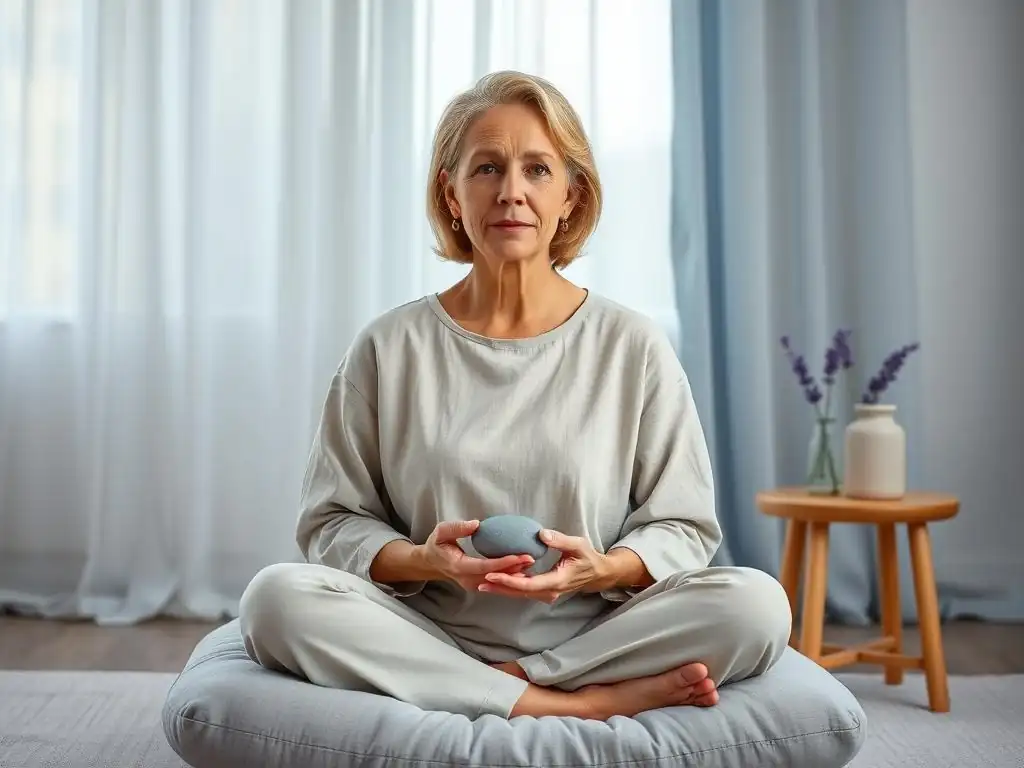
One of the most significant benefits of regular meditation for chronic pain relief extends beyond the physical sensation to address the pervasive mental health challenges that often accompany it. Chronic pain and mood disorders like anxiety and depression are deeply intertwined, creating a difficult cycle. Meditation, particularly mindfulness practices, has been shown to interrupt this cycle by teaching individuals how to observe anxious thoughts and depressive feelings without being consumed by them. Instead of reacting automatically with fear or despair, practitioners learn to respond with greater awareness and equanimity.
Studies evaluating the impact of meditation programs on individuals with chronic pain frequently report significant reductions in symptoms of anxiety and depression. For example, research on mindfulness-based interventions often shows improvements in mood scores comparable to or even exceeding those seen with some traditional psychological therapies. By fostering a greater sense of emotional regulation and promoting acceptance, meditation helps build resilience against the psychological distress that so often exacerbates the experience of chronic pain.
Improved Sleep Quality and Overall Well-being
Chronic pain is a major disruptor of sleep. The constant discomfort can make it difficult to fall asleep, stay asleep, and achieve restorative rest, leading to fatigue, irritability, and a lowered pain threshold. Meditation can significantly improve sleep quality by reducing the mental rumination and physical tension that keep individuals awake. Practices that promote relaxation and quiet the mind before bed can help ease the transition into sleep.
Beyond sleep, integrating meditation for chronic pain relief contributes to a greater sense of overall well-being. By reducing stress, improving mood, and fostering a more accepting attitude towards their condition, individuals often report feeling more in control of their lives. This holistic improvement in mental and emotional health, coupled with potential reductions in pain intensity or interference, leads to a better quality of life, increased participation in daily activities, and a more positive outlook despite living with a chronic condition.
Enhanced Self-Awareness and Emotional Regulation
Meditation cultivates a deeper understanding of one's internal landscape – thoughts, emotions, and physical sensations. For someone living with chronic pain, this enhanced self-awareness can be incredibly powerful. It allows them to recognize the early signs of stress or tension that might be contributing to their pain, identify patterns in their pain experience, and become more attuned to the mind-body connection. This understanding is crucial for effective self-management.
Furthermore, meditation significantly improves emotional regulation. Instead of being overwhelmed by feelings of frustration, anger, or despair related to pain, individuals learn to observe these emotions as transient states. They develop the capacity to respond thoughtfully rather than react impulsively. This enhanced ability to manage difficult emotions reduces the psychological burden of chronic pain and empowers individuals to navigate their challenges with greater calm and resilience.
Getting Started with Meditation for Pain Management
Creating a Comfortable and Supportive Meditation Environment
Finding a comfortable and supportive environment is key when beginning meditation for chronic pain relief, especially since pain itself can be a significant distraction. Choose a quiet space where you are unlikely to be interrupted. This doesn't need to be elaborate; a corner of a room, a comfortable chair, or even your bed can work. The goal is to minimize external distractions so you can focus on your internal experience.
Ensure your physical position is comfortable, whether sitting on a cushion, a chair, or lying down. If lying down is most comfortable due to pain, that's perfectly acceptable, though some find it easier to fall asleep. The aim is a position that allows you to be alert yet relaxed. Having a consistent time and place for your practice can also help build it into a regular habit, making it easier to stick with, even on days when pain is challenging.
Simple Meditation Techniques for Beginners with Chronic Pain
Starting with simple techniques makes meditation for chronic pain relief accessible for beginners. A foundational practice is focusing on the breath. Find a comfortable position, gently close your eyes or soften your gaze, and simply pay attention to the sensation of the breath entering and leaving your body. Notice the rise and fall of your abdomen or chest, or the feeling of air at your nostrils. When your mind wanders, which it will, gently guide your attention back to the breath without judgment. Start with just 5 minutes and gradually increase the duration as you feel comfortable.
Another effective beginner technique is a brief body scan. While in a comfortable position, bring your attention to different parts of your body, starting perhaps with your toes and slowly moving up. Simply notice any sensations present – warmth, coolness, tingling, tension, or even pain – without trying to change them. This practice helps cultivate present-moment awareness and can be done for just a few minutes, offering a gentle way to connect with your physical self in a non-judgmental way, which is vital for managing chronic pain.
Guided Meditation Resources for Pain Relief: Apps and Online Options
For many beginners, especially those dealing with the challenges of chronic pain, guided meditations are invaluable resources. They provide verbal instructions that lead you through the practice, making it easier to stay focused and understand the techniques. Numerous apps are available, such as Headspace, Calm, Insight Timer, and Ten Percent Happier, many of which offer specific guided meditations tailored for pain management, sleep, or stress reduction. Some apps offer free content, while others require subscriptions.
Beyond apps, a wealth of guided meditation for chronic pain relief is available online. Websites like Palouse Mindfulness offer free MBSR course materials, including guided audio files. YouTube also hosts countless guided meditations, ranging in length and style. Exploring these resources allows you to find voices and approaches that resonate with you, providing accessible tools to integrate meditation into your daily routine without needing prior experience or formal training.
Integrating Meditation into Your Existing Pain Management Plan
Communicating with Your Healthcare Provider About Meditation
It is important to discuss your interest in using meditation for chronic pain relief with your healthcare provider – your doctor, pain specialist, or therapist. While meditation is generally considered safe and non-pharmacological, it's beneficial for your provider to have a complete picture of your pain management strategies. They can offer insights based on your specific condition and current treatments and ensure that meditation complements your existing plan rather than replaces necessary medical care.
Your healthcare provider may also be aware of local resources or programs, such as mindfulness-based stress reduction (MBSR) courses offered at hospitals or clinics, which have a strong track record in helping people manage chronic pain. Open communication ensures that your integrated approach is cohesive and medically informed, maximizing the potential benefits of combining traditional medical treatments with complementary practices like meditation.
Combining Meditation with Other Therapies: A Synergistic Approach
Meditation for chronic pain relief is most effective when viewed as a complementary therapy that works alongside, rather than in isolation from, other pain management strategies. Combining meditation with physical therapy, for example, can enhance body awareness and reduce the fear of movement that pain often instills, making physical rehabilitation more effective. Meditation can help patients approach exercises with greater patience and less apprehension, focusing on the process rather than solely on potential discomfort.
Similarly, integrating meditation with psychological therapies, such as Cognitive Behavioral Therapy (CBT) for chronic pain, can create a powerful synergistic effect. CBT helps identify and change negative thought patterns related to pain, while meditation provides the tools to observe these thoughts with detachment and cultivate a more accepting attitude. By addressing both the physical and psychological components of pain simultaneously through a combination of therapies, individuals can achieve more comprehensive and sustained relief.
Meditation and Physical Therapy for Fibromyalgia Management
Fibromyalgia is a chronic condition characterized by widespread musculoskeletal pain, fatigue, sleep disturbances, and cognitive difficulties. Managing fibromyalgia often requires a multi-modal approach, and combining meditation with physical therapy has shown particular promise. Physical therapy helps improve strength, flexibility, and endurance, which can reduce pain and fatigue, but the fear of exacerbating pain can be a significant barrier to exercise adherence for fibromyalgia patients.
Integrating meditation, such as mindfulness or body scan practices, alongside physical therapy can help individuals with fibromyalgia approach movement with less anxiety and more body awareness. Meditation teaches them to observe sensations during exercise without judgment, helping them differentiate between challenging effort and harmful pain. This can increase confidence, improve consistency with physical therapy exercises, and lead to better long-term outcomes in managing the widespread pain and fatigue associated with fibromyalgia. Studies have shown that MBSR, often including body-focused meditation, can lead to significant improvements in pain, fatigue, and functional capacity in individuals with this condition.
Overcoming Challenges and Maintaining Consistency
Common Obstacles to Meditation for Pain Relief
Beginning and maintaining a consistent meditation practice, especially when dealing with chronic pain, comes with its own set of challenges. One common obstacle is the pain itself – finding a comfortable position can be difficult, and the pain sensation can be a significant distraction during practice. Feelings of frustration or discouragement if pain doesn't immediately disappear can also be a hurdle. It's easy to think "this isn't working" and give up prematurely.
Another obstacle is the feeling of having "failed" at meditation if the mind is busy or pain is prominent. It's important to understand that meditation isn't about emptying the mind or eliminating pain, but about noticing what's happening without judgment. Lack of time or energy, often exacerbated by chronic pain and fatigue, can also make it difficult to prioritize practice. For example, someone experiencing severe morning stiffness might struggle to find a comfortable time to sit or lie down for meditation right after waking.
Tips for Staying Motivated and Building a Meditation Habit
Building a consistent meditation habit for chronic pain relief requires patience and realistic expectations. Start small – even 5-10 minutes daily is beneficial. Consistency is more important than duration. Try to practice at the same time each day to integrate it into your routine, perhaps before breakfast or before bed. Don't strive for perfection; some days will be easier than others. Acknowledge the challenges and approach your practice with self-compassion.
Finding a meditation style or guided resource that you enjoy can also boost motivation. Experiment with different apps or online teachers. Consider joining a local meditation group or an online community for support and shared experience. Track your progress, perhaps by noting in a journal how you felt before and after meditation, which can highlight subtle but significant shifts in your relationship with pain over time and reinforce the benefits of your consistent effort.
Adapting Meditation Practices During Pain Flare-Ups
Chronic pain is often characterized by unpredictable flare-ups, periods when pain intensity significantly increases. During these times, maintaining a regular meditation practice can feel particularly challenging, but it's also when it can be most beneficial. It's crucial to be flexible and adapt your practice rather than abandoning it. If sitting is too painful, try lying down. If a longer session feels overwhelming, reduce it to just a few minutes.
Focusing on gentle techniques can be helpful during flare-ups. Simple breath awareness or a very gentle body scan, focusing only on areas that feel neutral or comfortable, can provide moments of calm amidst intense pain. Guided meditations specifically designed for difficult emotions or physical discomfort can also be valuable resources. The goal during a flare-up is not necessarily to reduce the pain sensation but to cultivate acceptance, reduce the emotional distress associated with it, and prevent the flare-up from completely derailing your coping strategies. Maintaining even a brief practice can reinforce your capacity for resilience.
Long-Term Benefits of Meditation for Chronic Pain Management
Sustained Pain Reduction and Improved Quality of Life
Consistent, long-term practice of meditation for chronic pain relief has been associated with sustained reductions in pain intensity and interference in daily life. While meditation may not eliminate chronic pain entirely, many individuals report a significant decrease in how much their pain bothers them and how much it limits their activities. This isn't just about a change in sensation, but a fundamental shift in the relationship with pain.
Over months and years of practice, the skills developed through meditation become more ingrained. The ability to observe sensations without immediate reaction, to cultivate self-compassion, and to regulate emotional responses becomes more automatic. This leads to a sustained improvement in overall quality of life, allowing individuals to engage more fully in work, social activities, and hobbies they might have previously avoided due to pain. It moves the focus from being a victim of pain to becoming an active participant in managing one's well-being.
Increased Resilience and Coping Skills
Chronic pain is a significant stressor, and living with it requires immense resilience. Meditation helps build this resilience by training the mind to navigate discomfort and difficulty with greater equanimity. By repeatedly returning attention to the present moment, even when that moment includes pain, individuals strengthen their capacity to tolerate unpleasant experiences without becoming overwhelmed.
Furthermore, meditation practice equips individuals with a robust set of coping skills. Instead of relying solely on external factors like medication, they develop internal resources to manage their response to pain and stress. These skills include mindful awareness, emotional regulation, self-compassion, and the ability to find moments of calm amidst chaos. These coping mechanisms are transferable to other life challenges, empowering individuals beyond the context of pain management.
A Path to Empowerment and Self-Management
Perhaps one of the most profound long-term benefits of incorporating meditation for chronic pain relief is the sense of empowerment it provides. Chronic conditions can often leave individuals feeling helpless and dependent on healthcare systems. Meditation offers a pathway to reclaim agency by providing a tool for self-management that is always accessible, regardless of location or circumstance.
Learning that you have the capacity to influence your experience of pain and suffering through your own mind and breath is incredibly empowering. It shifts the narrative from being passively affected by pain to actively participating in your own healing and well-being journey. This increased sense of self-efficacy and control over one's internal state is a cornerstone of living well with chronic pain in the long term.
Frequently Asked Questions
What is the potential benefit of meditation for chronic pain?
Meditation can help manage chronic pain by reducing stress and anxiety, which often exacerbate pain perception. It can also help you develop coping mechanisms and a greater sense of control.
How does meditation work to alleviate chronic pain?
Meditation promotes mindfulness and helps you observe pain without judgment. This can reduce the emotional impact of pain and change how your brain processes pain signals.
What types of meditation are most effective for chronic pain relief?
While individual results vary, mindfulness meditation, guided meditation, and yoga Nidra are often recommended for chronic pain management. Experiment to find what works best for you.
How often should I meditate to experience chronic pain relief?
Consistency is key. Aim for daily meditation, even if it's just for a few minutes at a time. Gradually increase the duration as you become more comfortable and see benefits.
Are there any risks associated with using meditation for chronic pain?
Meditation is generally safe, but it's crucial to consult with your doctor or a qualified healthcare professional, especially if you have underlying mental health conditions. It is not a replacement for medical treatment.
Final Reflection: Finding Stillness Amidst the Storm
The pervasive nature of chronic pain demands innovative solutions, and the integration of meditation offers a powerful, accessible pathway to improved well-being. It's no longer a fringe practice; the evidence supporting meditation's efficacy in managing chronic pain is increasingly undeniable, offering a beacon of hope for millions struggling daily.
The journey of chronic pain is deeply personal, a relentless dance between suffering and resilience. It profoundly shapes not only the individual experiencing it but also their families and communities. The impact extends beyond the physical, affecting emotional well-being, relationships, and overall quality of life. The body keeps the score,
as Bessel van der Kolk so poignantly states, highlighting the inextricable link between physical and emotional trauma. Meditation, by fostering self-awareness and emotional regulation, offers a crucial tool in this ongoing battle, allowing individuals to reclaim agency over their experience.
Now, consider your own life. Perhaps you've felt the weight of chronic pain, or witnessed its impact on someone you love. This article has explored the potential of meditation as a complementary therapy, but the true power lies in your willingness to explore it.
Take a moment today to breathe deeply, to find a quiet space within yourself, and to consider how even a few minutes of mindful practice can shift your perspective and ease your suffering. The journey to pain management is a personal one, and the tools are within your reach. Embrace the stillness, and discover the strength that resides within.
Unlock Deeper Pain Relief: Start Your Meditation Journey Today!
Thanks for taking the time to explore the power of meditation in managing chronic pain! We hope you gained valuable insights into how this practice can complement your existing strategies. Now it's time to put your knowledge into action.
- Begin your daily meditation practice: Start with just 5 minutes a day using a guided meditation app or online resources. This is your first step towards a calmer, more pain-managed life.
- Share your experience: Connect with others on our Mind Care Guide forums and share your progress. Let's build a supportive community together!
- Experiment with different meditation styles: Explore different techniques – from mindfulness to body scans – to find what resonates best with you and your pain management goals.
What small step will you take today to incorporate meditation into your pain management routine?