
Lower Your Blood Pressure, Elevate Your Mood: The Cardiovascular Perks of Meditation

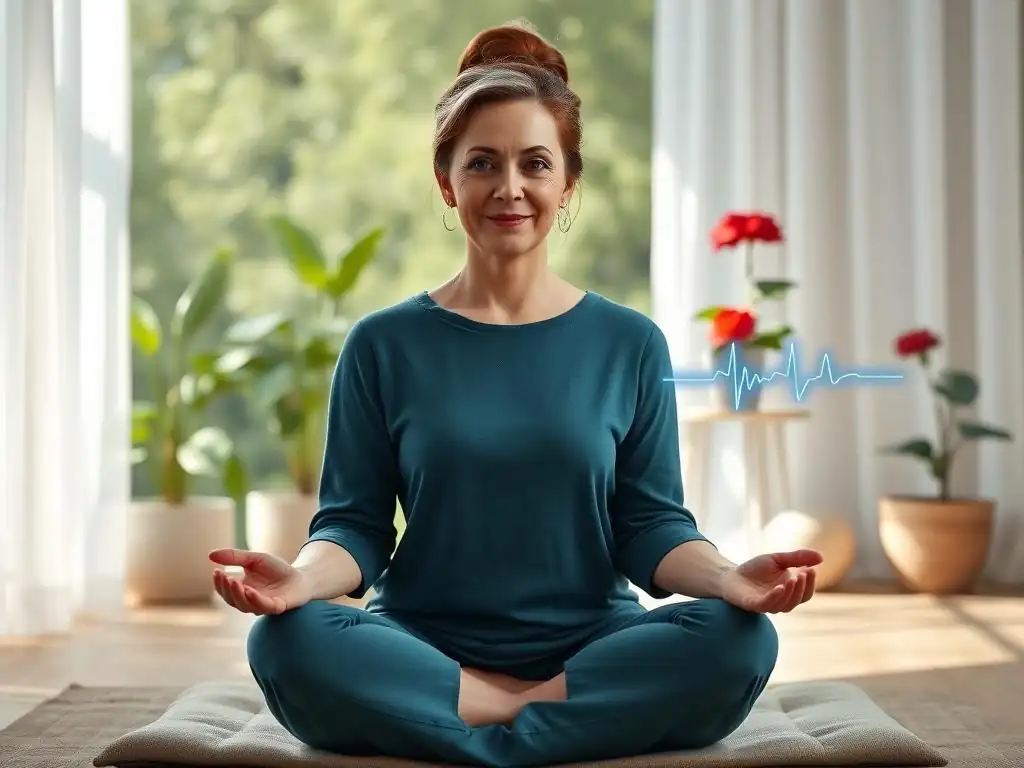
Welcome to Mind Care Guide, your compassionate companion on the path to mental well-being.
Feeling overwhelmed by the demands of daily life? Are you searching for a natural way to ease stress and improve your cardiovascular health? You're not alone. Discover how a simple practice, like meditation, can have a profound impact, potentially lowering blood pressure and elevating your mood. Intrigued? Let's explore the powerful connection between mindfulness and heart health...
- Lower Your Blood Pressure, Elevate Your Mood: The Cardiovascular Perks of Meditation - A Mind Care Guide
- Understanding the Link Between Stress, Blood Pressure, and Mood
- Meditation: A Powerful Tool for Reducing Blood Pressure
- Meditation and Mood Enhancement: Beyond Blood Pressure Reduction
- Scientific Evidence: Studies on Meditation, Blood Pressure, and Mood
- Integrating Meditation into Your Daily Routine: A Practical Guide
- Lifestyle Changes That Complement Meditation for Optimal Heart Health and Mood
- Potential Benefits and Considerations of Meditation for Blood Pressure and Mood
- Conclusion: Embracing Meditation for a Healthier Heart and Happier Mind
-
Frequently Asked Questions
- How does meditation specifically help lower blood pressure?
- Can meditation really improve my mood, or is it just a temporary fix?
- What types of meditation are most effective for lowering blood pressure and improving mood?
- How often should I meditate to see noticeable improvements in my blood pressure and mood?
- Are there any potential risks or side effects associated with using meditation to lower blood pressure or elevate mood?
- Final Reflection: Finding Inner Peace, Lowering Outer Pressure
- Unlock Your Inner Calm: Start Your Meditation Journey Today
Lower Your Blood Pressure, Elevate Your Mood: The Cardiovascular Perks of Meditation - A Mind Care Guide
The Growing Interest in Meditation for Managing Blood Pressure and Enhancing Mood
In recent years, there has been a significant surge in exploring non-pharmacological approaches to health, with meditation emerging as a prominent practice. This growing interest stems from mounting evidence suggesting that regular meditation can have tangible positive effects on physical health markers, particularly blood pressure, and profound impacts on mental well-being. As people seek holistic ways to manage the stresses of modern life, practices like meditation offer a pathway to potentially reduce reliance on medication for mild to moderate conditions or serve as a powerful complement to conventional treatments.
The appeal lies in meditation's accessibility and its focus on the mind-body connection. Studies have indicated that consistent meditation practice can lead to measurable reductions in systolic and diastolic blood pressure readings, sometimes by as much as 5-10 mmHg in hypertensive individuals. Furthermore, the practice is increasingly recognized for its capacity to alleviate symptoms associated with anxiety and depression, fostering a greater sense of calm and emotional balance. This dual impact makes the idea that meditation lowers blood pressure mood an increasingly compelling area of focus for both researchers and individuals seeking improved health.
Why Mind Care Guide Focuses on the Physical and Mental Benefits of Meditation
At Mind Care Guide, our mission is to provide comprehensive, empathetic, and evidence-based information on mental well-being. We recognize that mental health is inextricably linked to physical health. Conditions like chronic stress, anxiety, and depression can significantly impact the cardiovascular system, contributing to issues like high blood pressure. Conversely, physical health challenges can exacerbate mental health struggles.
Therefore, exploring practices like meditation, which offer benefits across both domains, is central to our holistic approach. We delve into how meditation lowers blood pressure mood because understanding this connection empowers our readers with practical, accessible tools they can integrate into their lives. Our goal is to highlight the scientific basis behind these benefits, demystifying the practice and encouraging individuals to consider meditation as a valuable component of their overall health strategy, not just for managing stress but for actively improving their heart health and emotional state.
Understanding the Link Between Stress, Blood Pressure, and Mood
The Role of Stress Hormones (Cortisol) in Elevated Blood Pressure
When we experience stress, our bodies activate the "fight or flight" response, triggering the release of stress hormones like cortisol and adrenaline. Cortisol, often called the "stress hormone," plays a critical role in this response. In short bursts, it helps our bodies respond to immediate threats by increasing heart rate and blood pressure, providing quick energy. However, chronic or prolonged stress leads to persistently elevated levels of cortisol.
Sustained high cortisol levels have detrimental effects on cardiovascular health. They can contribute to increased inflammation, damage blood vessels over time, and promote the retention of sodium, which in turn raises blood pressure. This constant state of physiological alert strains the heart and circulatory system. Research has shown that individuals with demanding, high-stress jobs, for example, may have a significantly higher risk of developing hypertension compared to their less-stressed counterparts, partly due to this chronic cortisol exposure.
How Chronic Stress Impacts Mood and Overall Well-being
Beyond its physical effects, chronic stress profoundly impacts mood and overall well-being. Constant exposure to stress hormones and the perpetual state of vigilance can deplete the body's resources and alter brain chemistry. This can manifest as persistent irritability, difficulty concentrating, feelings of overwhelm, and a reduced capacity to cope with daily challenges.
Chronic stress is a known risk factor for the development or exacerbation of mental health conditions such as anxiety disorders and depression. The relentless pressure can lead to feelings of hopelessness and a loss of interest in activities that were once enjoyable.
For instance, someone under chronic work stress might withdraw from social activities, experience sleep disturbances, and feel a pervasive sense of dread, all of which contribute to a decline in mood and overall quality of life. Addressing chronic stress is therefore vital for both managing blood pressure and improving mood, highlighting the interconnectedness of physical and mental health.
Meditation: A Powerful Tool for Reducing Blood Pressure

How Meditation Techniques Lower Blood Pressure: A Physiological Explanation
Meditation works to lower blood pressure primarily by counteracting the body's stress response. When you meditate, particularly using techniques that promote relaxation and focus, you activate the parasympathetic nervous system, often called the "rest and digest" system. This is the opposite of the "fight or flight" response. Activation of the parasympathetic system leads to a cascade of physiological changes that help lower blood pressure.
During meditation, your breathing slows and becomes more regular, your heart rate decreases, and the release of stress hormones like cortisol and adrenaline is reduced. This relaxation response helps blood vessels dilate, allowing blood to flow more freely and reducing pressure against the artery walls.
Over time, regular practice helps regulate the body's baseline stress response, making it less reactive to stressors and helping to maintain lower blood pressure levels even outside of meditation sessions. A study published in the Journal of the American Medical Association in the early 2000s, for example, noted that participants practicing Transcendental Meditation showed average reductions in systolic blood pressure by 4.7 mmHg and diastolic by 3.2 mmHg over several months.
Different Meditation Styles for Blood Pressure Management: Mindfulness, Transcendental, Loving-Kindness
While many forms of meditation can contribute to stress reduction and thus potentially lower blood pressure, certain styles are commonly studied for their physiological effects. Mindfulness meditation, which involves paying attention to the present moment without judgment, helps individuals become more aware of their stress triggers and responses, enabling them to manage reactions more effectively. Transcendental Meditation (TM), a technique involving the silent repetition of a mantra, is particularly well-researched for its effects on blood pressure, often inducing a deep state of rest that is more profound than ordinary relaxation.
Loving-Kindness Meditation (Metta) involves cultivating feelings of warmth and compassion towards oneself and others. While perhaps less directly focused on physiological relaxation than TM, it can significantly reduce feelings of stress, anger, and anxiety, all of which contribute to elevated blood pressure. By fostering positive emotional states, Loving-Kindness meditation indirectly supports cardiovascular health. Exploring these different styles allows individuals to find a practice that resonates best with them, making the journey toward using meditation lowers blood pressure mood a more personalized experience.
Mindfulness Meditation: Focusing on the Present Moment to Calm the Body
Mindfulness meditation is a practice that cultivates present-moment awareness. Instead of trying to empty the mind, it encourages gentle observation of thoughts, feelings, bodily sensations, and the surrounding environment without judgment. This practice helps individuals detach from stressful thoughts about the past or future, grounding them in the here and now. By regularly observing physical sensations like tension or rapid heartbeat without reacting with alarm, practitioners can learn to interrupt the stress-response cycle.
The simple act of focusing on the breath, a common anchor in mindfulness, signals to the nervous system that it is safe to relax. This deliberate slowing down and focusing inward reduces the constant mental chatter that often fuels anxiety and stress, thereby helping to lower heart rate and blood pressure over time. For someone experiencing stress-induced high blood pressure, even a few minutes of mindful breathing can initiate the relaxation response, demonstrating how mindfulness contributes to the aim that meditation lowers blood pressure mood.
Transcendental Meditation: Utilizing Mantras for Deep Relaxation
Transcendental Meditation (TM) is a specific form of mantra meditation that involves using a specific sound or word (mantra) and repeating it silently to settle the mind into a state of deep rest and relaxation. The technique is designed to allow the mind to transcend beyond the level of thinking to experience a state of pure consciousness or restful alertness. Unlike some other forms of meditation, TM is typically practiced for 15-20 minutes twice a day, sitting comfortably with eyes closed.
Research on TM has consistently shown its efficacy in reducing blood pressure, sometimes comparable to lifestyle modifications recommended by health organizations. One significant study, the AHA Scientific Statement on Meditation and Cardiovascular Risk Reduction, specifically highlighted TM as having the most evidence for lowering blood pressure. This deep physiological rest achieved through TM is thought to allow the body to repair and restore itself, directly impacting the mechanisms that regulate blood pressure and stress hormones, reinforcing the idea that meditation lowers blood pressure mood effectively.
Loving-Kindness Meditation: Cultivating Positive Emotions and Reducing Stress
Loving-Kindness Meditation (Metta) is a practice focused on developing feelings of warmth, compassion, and friendliness towards oneself and others. The meditation typically involves silently repeating phrases that express kind wishes, starting with oneself, then extending to loved ones, neutral persons, difficult persons, and finally to all beings. While it may not involve the same level of physiological stillness as TM, its power lies in its ability to shift emotional states from negativity (like anger or fear, which elevate stress) to positivity.
By actively cultivating feelings of kindness and empathy, practitioners can reduce feelings of isolation, hostility, and resentment, all of which contribute to chronic stress. Lowering these negative emotional states directly impacts the physiological stress response. Less anger and more compassion can mean less adrenaline and cortisol circulating, leading to a more relaxed cardiovascular system. This practice offers an alternative pathway to achieving the goal that meditation lowers blood pressure mood, focusing on emotional well-being as a route to physical health.
Meditation and Mood Enhancement: Beyond Blood Pressure Reduction
The Impact of Meditation on Anxiety and Depression Symptoms
Meditation is widely recognized for its significant positive impact on mental health, particularly in alleviating symptoms of anxiety and depression. By training the mind to observe thoughts and feelings without getting entangled in them, meditation helps create a psychological distance from negative rumination, a common feature of these conditions. Techniques like mindfulness help individuals become more aware of their thought patterns and emotional triggers, allowing them to respond with greater intention rather than automatic reaction.
Numerous studies, including meta-analyses, have demonstrated that regular meditation practice can lead to clinically significant reductions in anxiety and depression scores. For example, a meta-analysis published in JAMA Internal Medicine in 2014 found that meditation programs resulted in moderate improvements in anxiety and depression symptoms. This suggests that beyond the physical benefit that meditation lowers blood pressure mood, it provides a powerful pathway to directly address the emotional distress that often accompanies and contributes to physical ailments.
Meditation's Effect on Brain Chemistry: Increased Serotonin and Dopamine Levels
The positive effects of meditation on mood are supported by emerging research into its impact on brain chemistry. Regular meditation practice appears to influence the levels of neurotransmitters associated with mood regulation and pleasure. Studies using brain imaging techniques and biochemical analysis suggest that meditation may lead to increased levels of serotonin and dopamine in the brain.
Serotonin is a neurotransmitter crucial for regulating mood, sleep, appetite, and social behavior. Low levels are often linked to depression. Dopamine is associated with reward, motivation, and pleasure. Increased activity in the brain's reward pathways during and after meditation may contribute to feelings of well-being and reduced symptoms of anhedonia (inability to feel pleasure), which is common in depression. This biochemical shift provides a tangible explanation for how meditation lowers blood pressure mood and elevates overall emotional state.
Meditation Promotes Emotional Regulation and Resilience
One of the most profound mental benefits of meditation is the development of improved emotional regulation and resilience. Emotional regulation is the ability to manage and respond to an emotional experience. Resilience is the capacity to recover quickly from difficulties. Meditation cultivates these skills by providing a space to observe emotions without immediate reactivity.
Through consistent practice, individuals learn to recognize emotional states as transient phenomena rather than overwhelming truths. This allows for a more measured response to challenging situations. For instance, instead of being consumed by anger after a setback, a meditator might notice the anger, acknowledge it, and then choose a constructive response. This enhanced ability to navigate the emotional landscape contributes significantly to improved mood, reduced stress, and a greater sense of control and peace, further solidifying the understanding that meditation lowers blood pressure mood by fostering inner stability.
Scientific Evidence: Studies on Meditation, Blood Pressure, and Mood
Key Research Findings on Meditation's Impact on Cardiovascular Health
Scientific research has increasingly focused on the physiological effects of meditation, particularly its influence on cardiovascular health markers like blood pressure. Numerous studies have explored how different meditation techniques impact individuals with hypertension or pre-hypertension. A notable finding from several randomized controlled trials is the consistent, albeit often modest, reduction in both systolic and diastolic blood pressure among regular practitioners.
For instance, a study involving African Americans at high risk for hypertension found that participants practicing Transcendental Meditation experienced significant reductions in blood pressure and a lower risk of heart attack, stroke, and death compared to a health education control group over several years. While results can vary depending on the meditation style, duration, and individual factors, the cumulative evidence points towards meditation as a valuable non-pharmacological intervention to support cardiovascular health, aligning with the concept that meditation lowers blood pressure mood for overall well-being.
Meta-Analyses and Systematic Reviews Supporting the Benefits of Meditation for Mental Health
Beyond individual studies, meta-analyses and systematic reviews provide a broader perspective by synthesizing findings from multiple research papers. These comprehensive reviews offer strong support for the benefits of meditation on mental health outcomes. Several meta-analyses have concluded that mindfulness-based interventions, including Mindfulness-Based Stress Reduction (MBSR) and Mindfulness-Based Cognitive Therapy (MBCT), are effective in reducing symptoms of anxiety and depression.
One systematic review examining the effects of meditation on psychological stress found consistent evidence that various meditation practices lead to reductions in perceived stress levels. These findings are crucial because they provide a higher level of evidence than single studies, demonstrating the reliability and generalizability of meditation's mental health benefits across different populations and settings. This robust body of evidence underscores how meditation lowers blood pressure mood by directly addressing the stress and emotional distress that contribute to both conditions.
Randomized Controlled Trials Demonstrating Meditation's Efficacy
Randomized Controlled Trials (RCTs) are considered the gold standard in research for evaluating the effectiveness of interventions. Several high-quality RCTs have been conducted to assess the impact of meditation on both blood pressure and mood. These studies typically involve randomly assigning participants to a meditation group or a control group (which might receive no intervention, a different intervention, or health education).
RCTs have provided compelling evidence. For example, an RCT published in the American Journal of Hypertension found that TM significantly reduced systolic blood pressure in hypertensive patients compared to a control group receiving standard care. Similarly, RCTs evaluating MBSR have consistently shown improvements in mood, reductions in anxiety symptoms, and increased quality of life compared to control groups. These trials provide robust support for the claim that regular meditation practice offers tangible benefits for both cardiovascular health and mental well-being, confirming that meditation lowers blood pressure mood effectively.
Integrating Meditation into Your Daily Routine: A Practical Guide
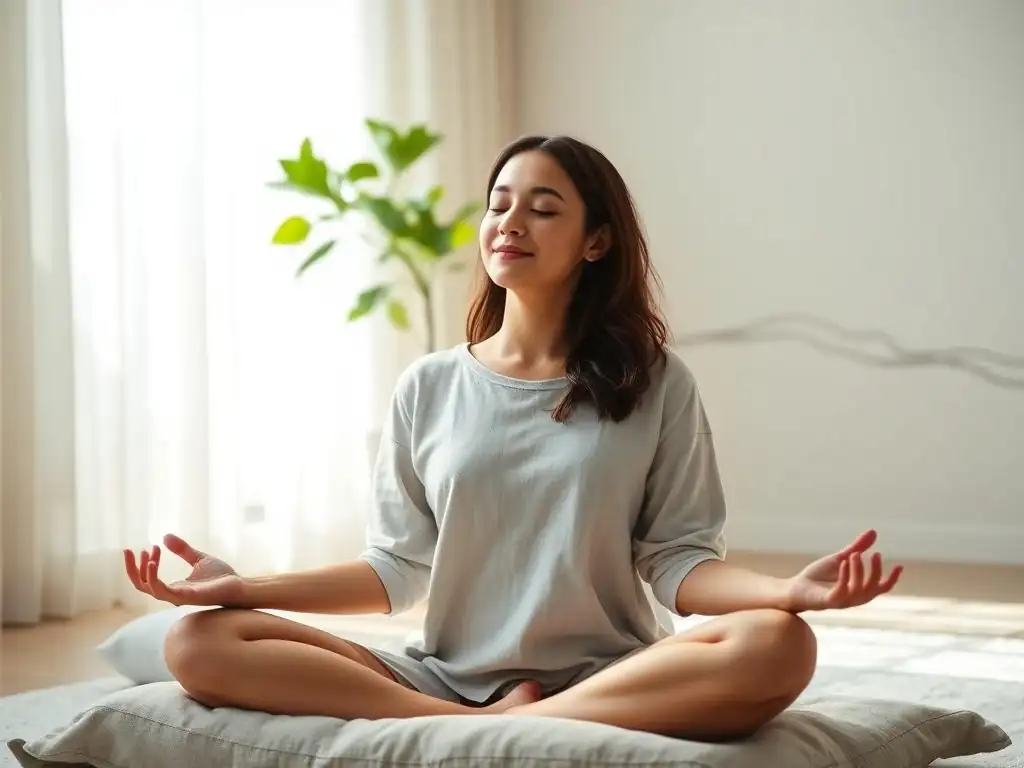
Simple Meditation Techniques for Beginners to Lower Blood Pressure and Improve Mood
Starting a meditation practice doesn't require hours of sitting or complex techniques. Beginners can start with just a few minutes a day. Simple breath awareness is an excellent starting point: Find a comfortable seat, close your eyes or soften your gaze, and simply focus on the sensation of your breath entering and leaving your body. If your mind wanders (which it will), gently guide your attention back to the breath without judgment. Even 5-10 minutes of this daily can begin to activate the relaxation response.
Another simple technique is a body scan meditation. Lie down or sit comfortably and bring your attention sequentially to different parts of your body, noticing any sensations without trying to change them. This helps to release physical tension, which is often linked to stress and high blood pressure. These accessible practices are foundational steps towards experiencing how meditation lowers blood pressure mood through consistent, gentle effort.
Creating a Dedicated Meditation Space and Time
Establishing a consistent practice is easier if you designate a specific time and place for meditation. This doesn't need to be elaborate; a quiet corner in your home where you won't be interrupted is sufficient. Try to make it a comfortable and inviting space – perhaps with a cushion or chair, and maybe a plant or a calming object.
Consistency is often more important than duration, especially when starting. Aim for a regular time each day, whether it's first thing in the morning, during a lunch break, or before bed. Starting with 5-10 minutes and gradually increasing as you feel comfortable is perfectly fine. Making meditation a non-negotiable part of your daily schedule helps solidify the habit and ensures you consistently reap the benefits, including how meditation lowers blood pressure mood over time.
Guided Meditation Resources and Apps for Cardiovascular and Mental Wellness
For many beginners, guided meditations can be incredibly helpful. These are audio recordings led by an instructor who guides you through the meditation process, making it easier to stay focused. Numerous apps and online resources offer guided meditations specifically designed for stress reduction, anxiety relief, sleep, and even those implicitly aimed at cardiovascular benefits by promoting deep relaxation.
Popular meditation apps like Calm, Headspace, and Insight Timer offer vast libraries of guided meditations ranging from a few minutes to longer sessions. Many are free or offer free trials. Websites and platforms like YouTube also host countless guided meditations. Utilizing these resources can provide structure, variety, and support, making it simpler to incorporate meditation into your life and experience firsthand how meditation lowers blood pressure mood.
Lifestyle Changes That Complement Meditation for Optimal Heart Health and Mood
Healthy Diet Choices for Lowering Blood Pressure and Boosting Mood
While meditation is a powerful tool, its effects are amplified when combined with other healthy lifestyle choices. Diet plays a crucial role in both blood pressure and mood. Adopting a heart-healthy diet, such as the DASH (Dietary Approaches to Stop Hypertension) diet, which emphasizes fruits, vegetables, whole grains, lean protein, and low-fat dairy, can significantly help lower blood pressure. Limiting sodium intake is particularly important for managing hypertension.
Furthermore, nutrition directly impacts brain health and mood. Diets rich in omega-3 fatty acids (found in fatty fish), antioxidants (in colorful fruits and vegetables), and probiotics (in fermented foods) have been linked to improved mood and reduced risk of depression. Avoiding excessive sugar and processed foods can also prevent energy crashes and mood swings. Combining mindful eating practices learned through meditation with nutritious food choices creates a synergistic effect, supporting both the physical goal that meditation lowers blood pressure mood and the mental uplift.
Regular Exercise and Physical Activity to Support Cardiovascular Health and Mental Well-being
Regular physical activity is another cornerstone of both cardiovascular health and mental well-being. Exercise strengthens the heart, helps maintain a healthy weight, and improves blood circulation, all of which contribute to lower blood pressure. Aim for at least 150 minutes of moderate-intensity aerobic activity or 75 minutes of vigorous-intensity activity per week, as recommended by health organizations.
Beyond its physical benefits, exercise is a potent mood booster. Physical activity releases endorphins, natural mood elevators. It also helps reduce stress hormones like cortisol. Engaging in regular exercise can alleviate symptoms of anxiety and depression and improve sleep quality. Integrating exercise alongside meditation creates a powerful combined strategy for enhancing both heart health and mood, reinforcing the message that while meditation lowers blood pressure mood, lifestyle complements are key.
The Importance of Quality Sleep for Stress Reduction and Overall Well-being
Quality sleep is fundamental to both physical and mental health. Chronic sleep deprivation can disrupt hormone regulation, increase stress levels, and negatively impact mood. Lack of sleep has also been linked to increased risk of high blood pressure and other cardiovascular problems. Aim for 7-9 hours of quality sleep per night.
Creating a relaxing bedtime routine, which could include a short meditation session, can help improve sleep quality. Ensuring your bedroom is dark, quiet, and cool also promotes better sleep. Prioritizing sufficient rest helps your body and mind recover from daily stress, supports emotional regulation, and contributes to maintaining healthy blood pressure levels. Recognizing the interconnectedness of sleep, stress, blood pressure, and mood highlights how a holistic approach, including meditation, is essential for overall well-being.
Potential Benefits and Considerations of Meditation for Blood Pressure and Mood
Who Can Benefit Most from Meditation for Cardiovascular and Mental Health?
Meditation can be beneficial for a wide range of individuals, but certain groups may experience particular advantages when using meditation lowers blood pressure mood. People with mild to moderate hypertension or pre-hypertension may find meditation a valuable tool for managing their blood pressure, potentially reducing the need for or dosage of medication (always consult a doctor). Individuals experiencing chronic stress, anxiety, or mild to moderate depression are also likely to see significant improvements in their mood and overall mental well-being.
Furthermore, anyone looking for proactive ways to support their long-term cardiovascular health and emotional resilience can benefit. It's particularly useful for individuals who feel overwhelmed by stress and are seeking non-pharmacological methods to regain a sense of control and calm. While meditation is not a cure-all, it offers a powerful, accessible practice for enhancing both physical and mental health.
Are There Any Risks or Side Effects Associated with Meditation?
Meditation is generally considered safe and has very few risks or side effects, especially when practiced in a secular context focusing on relaxation and awareness. Unlike medications, there are no known physiological side effects like dizziness or digestive issues directly caused by the practice itself.
However, for a small number of individuals, particularly those with severe mental health conditions or trauma, meditation, especially unguided or intensive practice, could potentially trigger difficult emotions or experiences. It's always advisable to approach meditation with self-compassion and gentleness. If you have a history of trauma or severe mental health issues, consulting with a therapist or mental health professional before starting a regular practice, or seeking out trauma-informed meditation guidance, is recommended to ensure a safe and positive experience.
Consulting with a Healthcare Professional Before Starting a Meditation Practice
While meditation is largely safe and beneficial, it is crucial to consult with a healthcare professional, particularly if you have pre-existing health conditions like high blood pressure or are currently taking medication for any physical or mental health issue. Meditation should be viewed as a complementary practice, not a replacement for conventional medical treatment.
Discussing your intention to start meditation with your doctor allows them to understand your overall health strategy and ensure it aligns with your current treatment plan. They can also monitor your progress, including blood pressure readings, to assess the impact of meditation. Open communication with your healthcare team is vital to safely and effectively integrate meditation into your health regimen and fully realize how meditation lowers blood pressure mood as part of your comprehensive care.
Conclusion: Embracing Meditation for a Healthier Heart and Happier Mind
The Long-Term Benefits of Regular Meditation Practice on Blood Pressure, Mood, and Overall Quality of Life
Committing to a regular meditation practice offers profound long-term benefits that extend well beyond temporary stress relief. Consistently engaging in meditation trains your mind and body to respond to stress more effectively, leading to sustained reductions in stress hormone levels and, consequently, lower blood pressure over time. The cumulative effect of daily practice can significantly improve cardiovascular markers and reduce the risk factors associated with heart disease.
Simultaneously, regular meditation cultivates emotional resilience, enhances self-awareness, and promotes a more positive outlook. This leads to reduced symptoms of anxiety and depression, improved emotional regulation, and a greater capacity for joy and contentment. Ultimately, the long-term practice demonstrates how meditation lowers blood pressure mood, contributing significantly to an elevated overall quality of life, characterized by greater physical health, emotional stability, and mental clarity.
Encouraging Readers to Explore the Power of Meditation for Cardiovascular and Mental Wellness through Mind Care Guide
At Mind Care Guide, we believe in empowering you with knowledge and tools to navigate your journey towards holistic well-being. The evidence is compelling: meditation offers a powerful, accessible path to improving both your heart health and your mental state. By understanding how meditation lowers blood pressure mood, you are equipped to take proactive steps towards a healthier, happier life.
We encourage you to explore the various meditation techniques discussed and find a practice that resonates with you. Start small, be patient with yourself, and celebrate the progress you make. Visit other sections of Mind Care Guide for more resources on mindfulness, stress management, and mental wellness. Embrace the transformative potential of meditation and discover how this ancient practice can significantly enhance your cardiovascular health and elevate your mood.
Frequently Asked Questions
How does meditation specifically help lower blood pressure?
Meditation activates the relaxation response, which counteracts the body's stress response. This leads to a decrease in heart rate and a reduction in blood pressure. Regular practice can contribute to long-term cardiovascular health.
Can meditation really improve my mood, or is it just a temporary fix?
Meditation promotes mindfulness and self-awareness, helping you manage negative thoughts and emotions. This can lead to a sustained improvement in mood and a greater sense of overall well-being. It's more than just a quick fix.
What types of meditation are most effective for lowering blood pressure and improving mood?
While many types can be beneficial, mindfulness meditation and transcendental meditation are often recommended. These techniques focus on present moment awareness and relaxation, yielding positive results.
How often should I meditate to see noticeable improvements in my blood pressure and mood?
Consistency is key. Aim for at least 10-20 minutes of meditation daily. Over time, you'll experience gradual but significant improvements in both your physical and mental health. Remember to be patient with yourself.
Are there any potential risks or side effects associated with using meditation to lower blood pressure or elevate mood?
Meditation is generally safe, but individuals with pre-existing mental health conditions should consult with a healthcare professional. It's important to avoid using meditation as a replacement for prescribed medication or therapy without medical advice.
Final Reflection: Finding Inner Peace, Lowering Outer Pressure
The inextricable link between our mental and physical well-being is undeniable, and nowhere is this more apparent than in the powerful connection between meditation, blood pressure, and mood. The research presented clearly demonstrates that the simple act of slowing down, focusing on the breath, and cultivating mindfulness can significantly impact our cardiovascular health and emotional state. This isn't just a fleeting trend; it's a vital pathway to a healthier, happier life in a world increasingly characterized by stress and anxiety.
The profound impact of meditation on my own life, and the lives of countless others, cannot be overstated. It's not just about lowering numbers on a blood pressure monitor; it's about cultivating a resilience to the daily pressures of life. It's about finding a sanctuary within ourselves, a place of calm amidst the storm. As the Dalai Lama wisely said, The time to repair the roof is when the sun is shining.
Meditation offers us that opportunity – to proactively build our inner strength and emotional stability before the storms of life inevitably arrive.
Consider this your invitation to explore the transformative power of meditation. Don't wait for a crisis to begin prioritizing your mental and physical health. Start small, even just five minutes a day, and witness the ripple effect of calm that radiates outward, impacting not only your blood pressure and mood but also your relationships, your productivity, and your overall sense of well-being. Begin your journey towards a healthier, more peaceful you – today.
Unlock Your Inner Calm: Start Your Meditation Journey Today
Thanks for taking the time to explore the powerful connection between meditation and cardiovascular health! We hope you gained valuable insights into how this simple practice can benefit your well-being. Now it's time to put that knowledge into action.
- Begin your daily meditation practice: Even 5-10 minutes a day can make a difference. Find a quiet space, close your eyes, and focus on your breath. There are countless guided meditations available online for free.
- Share your experience: Tell a friend or family member about the positive effects of meditation and encourage them to join you on this journey! Sharing your progress can boost your motivation.
- Try a mindful movement exercise alongside meditation: Integrate simple yoga poses or a short mindful walk to complement your meditation practice and enhance its benefits.
Ready to experience the transformative power of mindfulness? What small step will you take today to prioritize your heart health and inner peace?