
Boost Your Pain Tolerance: Changing Your Relationship with Discomfort Through Meditation

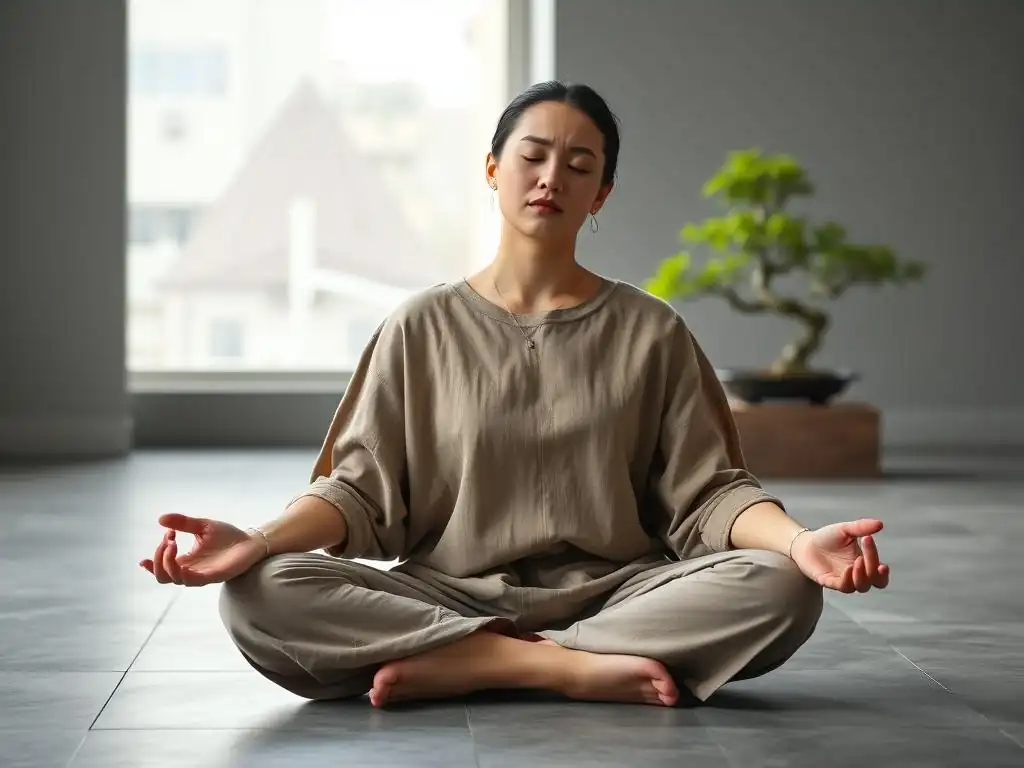
Welcome to Mind Care Guide, your sanctuary for navigating the complexities of mental well-being. Are you grappling with discomfort, both physical and emotional? What if you could change your relationship with pain, finding strength and resilience within yourself? Our latest article delves into how meditation can increase pain tolerance, offering a practical path towards a more peaceful and empowered you. Discover how mindfulness can unlock your inner resources and transform your experience. Read on to begin your journey to greater comfort and control.
Managing Chronic Back Pain: A Guide to Improving Quality of Life
- Introduction: Understanding Chronic Back Pain and its Impact
- Lifestyle Modifications for Pain Reduction
- Medical Treatments and Interventions
- Alternative Therapies and Complementary Approaches
- Psychological and Emotional Support
- Creating a Pain Management Plan
- Coping Strategies for Daily Life
- Conclusion: Taking Control of Your Chronic Back Pain
-
Frequently Asked Questions
- How does meditation actually increase pain tolerance?
- What types of meditation are most effective for improving pain tolerance?
- How long does it take to see a noticeable increase in pain tolerance through meditation?
- Can meditation completely eliminate pain, or just increase tolerance?
- Are there any risks associated with using meditation to increase pain tolerance?
- Final Reflection: Embracing Discomfort, Cultivating Resilience
- Unlock Your Inner Resilience: Take Control of Discomfort
Introduction: Understanding Chronic Back Pain and its Impact
The Complexities of Chronic Back Pain
Chronic back pain is defined as pain that persists for twelve weeks or longer, even after an initial injury or underlying cause has been treated. This condition is incredibly common, affecting millions globally; estimates suggest that up to 80% of adults will experience back pain at some point in their lives, with a significant portion developing chronic symptoms. The complexity arises because it's rarely due to a single factor.
It can stem from mechanical issues like muscle strain or disc degeneration, inflammatory conditions like arthritis, or nerve compression. Often, a precise anatomical cause is elusive, making diagnosis and treatment challenging.
Furthermore, chronic back pain isn't solely a physical sensation. It deeply impacts psychological well-being, often leading to fear of movement, anxiety, depression, and social isolation. The constant discomfort can disrupt sleep, work, and daily activities, creating a cycle where pain worsens mood, and poor mood exacerbates pain perception. This intricate interplay between physical pathology, psychological state, and social factors underscores why managing chronic back pain requires more than just addressing the physical symptoms.
The Importance of a Holistic Approach to Management
Given the multifaceted nature of chronic back pain, a single-solution approach is rarely effective long-term. Relying solely on medication, for example, may temporarily dull the pain but does little to address underlying physical deconditioning, psychological distress, or lifestyle factors contributing to the problem. A holistic, or multidisciplinary, approach is widely recognized as the most effective strategy. This model acknowledges the interconnectedness of physical, mental, and social health.
A holistic management plan typically involves a combination of medical treatments, physical therapies, psychological support, and lifestyle modifications. It focuses not just on reducing pain intensity but also on improving function, restoring quality of life, and empowering the individual to become an active participant in their own care. By addressing the physical sources of pain, building coping strategies for the emotional burden, and optimizing overall health through lifestyle, individuals can gain better control over their chronic back pain.
Lifestyle Modifications for Pain Reduction
Exercise and Physical Activity for Strengthening and Flexibility
Contrary to the outdated belief that rest is the best medicine for back pain, appropriate exercise and physical activity are cornerstones of chronic back pain management. Regular movement helps strengthen the muscles that support the spine, particularly the core muscles, improving stability and reducing strain. It also enhances flexibility, preventing stiffness and improving range of motion. Exercise increases blood flow to tissues, aiding healing, and releases endorphins, which are natural pain relievers and mood boosters.
Finding the right type and intensity of exercise is crucial and often requires guidance from a healthcare professional or physical therapist. Studies consistently show that exercise therapy is effective in reducing pain and improving function in individuals with chronic low back pain. Consistency is key; integrating movement into a daily or weekly routine yields the best long-term results, helping to break the cycle of pain and inactivity.
Core Strengthening Exercises
- Plank: Improves overall core stability.
- Bird-dog: Strengthens back extensors, glutes, and core while promoting balance.
- Pelvic tilt: Gentle exercise to engage lower abdominal muscles and flatten the lower back.
Low-Impact Aerobic Activities
- Walking: Gentle on the spine, improves circulation and endurance.
- Swimming or Water Aerobics: Buoyancy reduces stress on joints and spine.
- Cycling (stationary or outdoor): Can be adjusted to minimize back strain while providing cardiovascular benefit.
Ergonomics and Posture Correction
Poor posture and suboptimal ergonomic setups, especially in environments where people spend significant time (like workstations), can significantly contribute to or exacerbate chronic back pain. Sustained awkward positions increase the load on spinal discs, ligaments, and muscles, leading to fatigue, strain, and pain over time. Being mindful of how you sit, stand, and move throughout the day is vital for minimizing unnecessary stress on your back.
Making conscious efforts to correct posture and optimize your environment can prevent the aggravation of pain and support the effectiveness of other treatments. Even small adjustments, such as repositioning a computer monitor or using lumbar support, can make a difference in reducing strain on the back during prolonged periods of sitting or standing. Awareness of body mechanics during daily tasks like lifting is equally important.
Setting up a Pain-Free Workspace
- Monitor at eye level: Prevents neck strain that can impact the back.
- Keyboard and mouse reachable with relaxed shoulders: Avoids hunching and upper back strain.
- Chair with lumbar support: Supports the natural curve of the lower back.
- Feet flat on the floor or a footrest: Ensures proper lower body alignment.
Maintaining Proper Posture
- Sitting: Sit with your back straight, shoulders relaxed, and supported by the chair.
- Standing: Distribute weight evenly on both feet, keep shoulders back, and avoid locking your knees.
- Lifting: Bend your knees, keep your back straight, and hold the object close to your body, using your legs to lift.
Weight Management and Nutrition
Excess body weight, particularly around the midsection, places increased mechanical stress on the lower back and spine. This added load can worsen pain caused by degenerative conditions or muscle strain. Research consistently shows a link between higher body mass index (BMI) and an increased risk and severity of chronic low back pain. Losing even a modest amount of weight can significantly reduce the burden on the spine and alleviate pain.
Beyond mechanical stress, excess body fat, especially visceral fat, is metabolically active and releases inflammatory chemicals. Chronic inflammation can contribute to persistent pain throughout the body, including the back. Adopting an anti-inflammatory diet rich in whole foods, fruits, vegetables, lean protein, and healthy fats can help reduce systemic inflammation, potentially easing pain. Conversely, diets high in processed foods, sugar, and unhealthy fats can promote inflammation.
Anti-Inflammatory Diet
- Fruits: Berries, cherries, oranges, tomatoes.
- Vegetables: Leafy greens like spinach and kale, broccoli, peppers.
- Omega-3 Fatty Acids: Fatty fish (salmon, mackerel), flaxseeds, walnuts.
- Nuts and Seeds: Almonds, sunflower seeds.
- Spices: Turmeric (with black pepper), ginger.
Maintaining a Healthy Weight
- Balanced diet: Focus on whole, unprocessed foods from all food groups.
- Regular physical activity: Combine aerobic exercise with strength training.
- Portion control: Be mindful of serving sizes.
- Hydration: Drinking enough water is important for overall health and can support disc health.
Medical Treatments and Interventions

Pain Medications and Their Role
Pain medications are often a component of a comprehensive chronic back pain management plan, particularly in the initial stages or during flare-ups. Their primary role is to reduce pain levels enough to allow the individual to participate more effectively in other therapies, such as physical therapy or exercise. It's important to understand that while medications can provide relief, they generally treat the symptom (pain) rather than the underlying cause in chronic conditions.
Medications should always be used under medical supervision due to potential side effects, interactions, and risks of dependence or tolerance with long-term use. The choice of medication depends on the type and severity of pain, as well as individual health factors. A careful assessment of risks versus benefits is essential, and non-pharmacological approaches are typically emphasized for long-term management.
Over-The-Counter Pain Relievers
- NSAIDs (Non-Steroidal Anti-Inflammatory Drugs): Ibuprofen (Advil, Motrin), Naproxen (Aleve). Can reduce inflammation and pain, but carry risks of gastrointestinal issues, kidney problems, and cardiovascular effects, especially with chronic use.
- Acetaminophen (Tylenol): Primarily a pain reliever, not anti-inflammatory. Generally safer for the stomach but high doses can cause liver damage.
Prescription Medications
- Muscle Relaxants: Can help with muscle spasms, but often cause drowsiness.
- Neuropathic Agents: Gabapentin (Neurontin), Pregabalin (Lyrica). Used for nerve-related pain.
- Opioids: Strong pain relievers, typically reserved for severe, acute pain or specific chronic conditions when other options fail. High risk of addiction, tolerance, and side effects; long-term use is generally discouraged for chronic non-cancer pain.
- Topical Agents: Creams, gels, or patches containing NSAIDs, lidocaine, or capsaicin applied directly to the skin over the painful area. Can provide localized relief with fewer systemic side effects.
Physical Therapy and Rehabilitation
Physical therapy is a cornerstone of chronic back pain management, focusing on restoring function, reducing pain, and preventing future injury. A physical therapist conducts a thorough assessment to identify specific deficits in strength, flexibility, mobility, and posture. Based on this, they design a personalized treatment program that may include targeted exercises, manual therapy techniques, and education on proper body mechanics and pain management strategies.
The goal of physical therapy is not just passive treatment but active rehabilitation, empowering the individual to manage their condition. Therapists guide patients through exercises to improve core strength, spinal flexibility, and overall conditioning. They also provide strategies for daily activities, work ergonomics, and lifting techniques to minimize strain. Consistent adherence to the prescribed exercise program outside of therapy sessions is crucial for achieving lasting improvements in pain and function.
Manual Therapy Techniques
- Soft Tissue Mobilization: Various massage techniques to release muscle tension and improve blood flow.
- Joint Mobilization/Manipulation: Gentle or more forceful techniques to improve mobility in spinal joints.
- Stretching: Assisted stretching to improve flexibility of tight muscles and connective tissues.
Exercise Programs
- Strengthening Exercises: Focus on core, back, hip, and leg muscles.
- Flexibility Exercises: Stretching hamstrings, hip flexors, and spinal muscles.
- Aerobic Conditioning: Low-impact activities to improve endurance and circulation.
- Postural Correction Exercises: Exercises and cues to improve alignment.
Injections and Nerve Blocks
Injections and nerve blocks are minimally invasive procedures that can be used in the management of chronic back pain, often to provide temporary relief or help diagnose the source of pain. These procedures typically involve injecting a local anesthetic, sometimes combined with a corticosteroid (a powerful anti-inflammatory medication), directly into the suspected area generating pain, such as around a nerve root, into a facet joint, or in the epidural space.
They are usually considered when conservative treatments like physical therapy and oral medications haven't provided sufficient relief, especially if there's evidence of nerve compression or joint inflammation. While they can offer significant, albeit often temporary (ranging from weeks to months), pain reduction, they are not a cure for chronic back pain. The relief gained is often used as a window of opportunity to engage more effectively in physical therapy and rehabilitation. Risks are generally low but can include infection, bleeding, or temporary nerve effects.
Epidural Steroid Injections
- Target inflammation: Delivered into the epidural space surrounding the spinal cord and nerve roots, often used for pain radiating down the leg (sciatica) caused by disc herniation or spinal stenosis.
- Temporary relief: Aims to reduce inflammation around compressed nerves, providing pain relief that can last weeks to months. Administered as an outpatient procedure.
Nerve Blocks for Pain Relief
- Target specific nerves: Such as medial branch nerves supplying facet joints (facet joint injections/medial branch blocks) or nerves in other pain pathways.
- Diagnostic and therapeutic: Can help identify if a specific structure is the source of pain and provide temporary relief by blocking pain signals. Often contain anesthetic and sometimes steroid.
Surgical Options for Severe Cases
Spinal surgery is generally considered a last resort for chronic back pain and is reserved for specific, well-defined conditions where non-surgical treatments have failed and imaging clearly indicates a structural issue amenable to surgical correction. It is not a universal solution for all types of chronic back pain. Surgical goals typically include decompressing nerves that are being pinched or stabilizing a segment of the spine that is unstable or excessively painful due to degeneration.
Surgery for chronic back pain carries significant risks, including infection, nerve damage, blood clots, and the possibility that the pain may not be fully relieved or could return. Recovery time can be substantial, often requiring months of rehabilitation. Careful patient selection, based on a thorough evaluation including physical examination and advanced imaging (MRI, CT scans), is critical to optimize the chances of a successful outcome. Patients should have realistic expectations about the potential benefits and risks.
Spinal Fusion
- Joins vertebrae: A procedure where two or more vertebrae are permanently joined together using bone grafts, screws, rods, or plates.
- Reduces movement: Aims to eliminate painful motion at a degenerated or unstable segment of the spine. Used for conditions like spondylolisthesis or severe degenerative disc disease.
Discectomy
- Removes disc material: Surgical removal of a portion of a herniated or bulging disc that is pressing on a spinal nerve.
- Relieves nerve compression: Primarily used to alleviate radicular pain (pain that travels down the leg or arm) caused by nerve impingement. Can often be performed using minimally invasive techniques.
Alternative Therapies and Complementary Approaches
Acupuncture for Pain Relief
Acupuncture is a traditional Chinese medicine technique that involves inserting thin needles into specific points on the body. While its mechanisms are not fully understood from a Western medical perspective, research suggests it may stimulate nerves, muscles, and connective tissue, potentially leading to the release of the body's natural painkillers (endorphins) and affecting blood flow. It is widely used as a complementary therapy for various pain conditions, including chronic back pain.
Studies on the effectiveness of acupuncture for chronic back pain have yielded mixed results, but many indicate that it can provide short-term pain relief and improve function for some individuals. It is often considered a relatively safe option when performed by a licensed practitioner. Acupuncture is typically used as part of a broader pain management strategy rather than as a standalone treatment.
Chiropractic Care and Spinal Manipulation
Chiropractic care focuses on the diagnosis and treatment of musculoskeletal disorders, primarily through manual adjustment or manipulation of the spine. Spinal manipulation involves using controlled force to a joint to restore mobility and reduce pain. Proponents suggest that misalignments in the spine (subluxations) can interfere with nerve function and contribute to pain.
Chiropractic manipulation is a common treatment for low back pain. Some clinical guidelines recommend spinal manipulation as one of several options for managing chronic low back pain. Like other therapies, its effectiveness varies among individuals, and it is not suitable for all back conditions, particularly those involving instability, infection, or severe osteoporosis. It's important to seek care from a licensed and qualified practitioner.
Massage Therapy for Muscle Relaxation
Chronic back pain is often accompanied by muscle tension, spasms, and stiffness as the body attempts to guard the painful area. Massage therapy involves manipulating the soft tissues (muscles, tendons, ligaments) through various techniques like kneading, stroking, and applying pressure. This can help reduce muscle tension, improve circulation, increase flexibility, and promote relaxation.
Massage therapy can provide temporary relief from muscle-related back pain and stiffness. It can also help reduce stress, which is known to exacerbate pain perception and muscle tension. While the effects may not be long-lasting for chronic conditions, regular massage can be a valuable complementary tool within a comprehensive pain management plan, improving comfort and range of motion.
Yoga and Tai Chi for Flexibility and Stress Reduction
Yoga and Tai Chi are ancient mind-body practices that combine gentle movements, stretching, focused breathing, and elements of meditation. These practices are beneficial for chronic back pain as they improve physical fitness, increasing flexibility, strength, balance, and body awareness. The slow, controlled movements can help individuals learn to move more comfortably and confidently despite pain.
Equally important are the stress-reducing benefits. Chronic pain is inherently stressful, and stress can heighten pain sensitivity and muscle tension. Yoga and Tai Chi cultivate mindfulness and relaxation, helping individuals manage the emotional distress associated with pain. Research indicates that regular practice of yoga or Tai Chi can reduce chronic low back pain intensity and disability, improving overall physical and mental well-being.
Psychological and Emotional Support
Cognitive Behavioral Therapy (CBT) for Pain Management
Living with chronic pain can have a profound impact on mental health, leading to feelings of helplessness, frustration, anxiety, and depression. Cognitive Behavioral Therapy (CBT) is a type of psychotherapy that is highly effective in helping individuals manage the psychological and emotional burden of chronic pain. CBT helps people identify and challenge negative or unhelpful thought patterns and behaviors that contribute to their pain experience and distress.
Through CBT, individuals learn practical coping skills, such as relaxation techniques, activity pacing, and problem-solving strategies, to better manage pain-related stress and improve their ability to function. It helps shift the focus from solely eliminating pain to improving quality of life and functioning despite pain. Numerous studies have shown that CBT can reduce pain intensity, decrease disability, and improve mood and sleep in people with chronic pain conditions.
Changing Negative Thought Patterns
- Catastrophizing pain: Believing the pain is worse than it is or signifies severe damage.
- Believing pain means damage: Avoiding all movement for fear of injury.
- Fear of movement: Leading to deconditioning and increased stiffness. CBT helps identify and modify these thoughts.
Developing Coping Strategies
- Relaxation techniques: Deep breathing, progressive muscle relaxation to reduce muscle tension.
- Activity pacing: Balancing rest and activity to avoid flare-ups.
- Pleasant activity scheduling: Intentionally engaging in enjoyable activities to improve mood.
- Problem-solving: Developing strategies for managing pain-related challenges.
Mindfulness and Meditation for Pain Acceptance
Mindfulness is the practice of paying attention to the present moment without judgment, and meditation is a way to cultivate this skill. For individuals with chronic pain, mindfulness and meditation increase pain tolerance by changing their relationship with discomfort. Instead of reacting with fear, resistance, or negative thoughts, mindfulness teaches how to observe pain sensations with a sense of detachment and curiosity, like observing a weather pattern.
Regular meditation practice can help reduce the emotional reactivity associated with pain. It doesn't necessarily make the pain disappear, but it can lessen the suffering by decoupling the physical sensation from the intense emotional distress. Programs like Mindfulness-Based Stress Reduction (MBSR), which incorporate meditation, have demonstrated effectiveness in helping chronic pain patients reduce pain intensity, improve mood, and enhance their ability to cope, ultimately boosting overall pain tolerance by altering perception and reaction.
Focusing on Breath and Body Sensations
- Anchor attention on breath: Use the breath as a focal point to stay grounded in the present.
- Gently observe pain sensations without judgment: Notice the location, intensity, and quality of the sensation without labeling it as "good" or "bad."
- Practice body scan meditation: Systematically bring awareness to different parts of the body, noticing sensations.
Reducing Emotional Reactivity
- Recognize thoughts/emotions about pain as separate from the sensation: "I am having the thought that this pain is unbearable" vs. "This pain is unbearable."
- Create space between sensation and reaction: Learn to pause before automatically reacting with fear or frustration.
- Cultivate acceptance and patience: Acknowledge the presence of pain without necessarily liking it, reducing struggle.
Support Groups and Counseling
Living with chronic back pain can be an isolating experience. Friends and family may not fully understand the constant struggle, leading to feelings of loneliness and frustration. Support groups offer a valuable space for individuals to connect with others who share similar challenges. Sharing experiences, coping strategies, and validating feelings with peers can significantly reduce feelings of isolation, provide practical tips, and offer emotional support.
Individual counseling or therapy with a mental health professional specializing in chronic pain can also be immensely beneficial. A therapist can help individuals process the emotional burden of chronic pain, address co-occurring conditions like depression or anxiety, and develop personalized coping strategies tailored to their specific situation. They can provide a safe space to explore feelings, set realistic goals, and build resilience.
Connecting with Others Who Understand
- Share experiences: Talk openly about the daily challenges and triumphs of living with pain.
- Learn peer coping strategies: Gain practical tips from others who have found ways to manage similar issues.
- Reduce isolation: Feel understood and less alone in the pain journey.
- Gain emotional support: Receive empathy and encouragement from fellow group members.
Seeking Professional Help
- Address depression/anxiety: Get professional support for mental health conditions often linked to chronic pain.
- Process grief/loss associated with pain: Cope with the loss of activities, roles, or identity due to pain.
- Develop personalized coping plans: Work with a therapist to build a tailored set of strategies.
- Learn stress management techniques: Acquire skills to reduce stress, which can exacerbate pain.
Creating a Pain Management Plan

Identifying Your Pain Triggers
Understanding what factors exacerbate your chronic back pain is a critical step in managing it effectively. Pain triggers can be physical (certain movements, postures, activities), environmental (cold, damp weather), psychological (stress, anxiety), or related to lifestyle (lack of sleep, poor diet). By identifying these triggers, you can proactively modify your behavior or environment to minimize pain flare-ups.
Keeping a pain journal is an excellent way to track patterns and identify triggers. Record the date, time, pain intensity (e.g., on a 0-10 scale), location, what you were doing when the pain started or worsened, potential triggers, and what helped alleviate the pain. Over time, this journal can reveal valuable insights that you can share with your healthcare team to refine your management strategies.
Setting Realistic Goals
When living with chronic back pain, it's important to shift the focus from achieving complete pain eradication to setting realistic goals for improving function and quality of life. Goals should be specific, measurable, achievable, relevant, and time-bound (SMART). Aiming for a significant reduction in pain intensity might be a long-term aspiration, but setting smaller, actionable goals related to activity, participation, or coping strategies is more empowering.
Examples of realistic goals might include "Walk for 20 minutes three times this week," "Practice meditation for 10 minutes daily," "Attend a social event once a month," or "Be able to sit comfortably at my desk for 30 minutes." Achieving these smaller goals builds confidence, reduces fear of movement, and demonstrates progress, motivating continued effort in the pain management journey.
Tracking Your Progress
Regularly tracking your progress allows you to see what strategies are working and identify areas that need adjustment. It provides objective data beyond subjective pain reports and helps you recognize improvements that you might otherwise overlook. Tracking can reinforce positive behaviors and highlight the impact of certain activities or therapies on your pain levels and function.
Methods for tracking progress include using a pain scale (e.g., rating pain 0-10) at different times of the day or during specific activities, maintaining an activity log detailing what you did and how it affected your pain, using a sleep diary, or journaling about your mood and energy levels. Reviewing this data periodically with your healthcare team can inform treatment decisions and help tailor your management plan for better outcomes.
Working with a Healthcare Team
Managing chronic back pain is a complex undertaking that is best approached collaboratively with a multidisciplinary healthcare team. This team may include your primary care physician, a pain specialist, a physical therapist, a mental health professional (like a psychologist or counselor), and potentially other specialists like a rheumatologist or surgeon depending on the cause of your pain.
Effective communication with your healthcare team is paramount. Be open and honest about your pain levels, limitations, goals, and concerns. Ask questions, understand your treatment options, and actively participate in decisions about your care plan. Being an informed and engaged advocate for your own health ensures that your management strategy is tailored to your specific needs and evolves as your condition changes.
Coping Strategies for Daily Life
Pacing Activities to Avoid Overexertion
One of the most effective strategies for managing chronic back pain in daily life is pacing activities. Chronic pain often leads to a "boom-bust" cycle: doing too much on relatively good days, which results in a significant increase in pain and subsequent enforced rest on bad days. Pacing involves breaking down tasks into smaller, manageable steps and taking frequent short breaks to avoid overexertion.
By pacing, you can maintain a more consistent level of activity, prevent the cycle of overdoing it followed by crashing, and reduce the fear of movement. It helps conserve energy, manage fatigue, and minimize the likelihood of triggering pain flare-ups. Learning to listen to your body's signals and respecting your limits is key to successful pacing.
Using Assistive Devices
For some individuals with chronic back pain, using assistive devices can significantly improve comfort, safety, and independence in daily activities. Devices such as lumbar support cushions for chairs or cars, reachers to avoid bending and twisting, or walking aids like canes or walkers can reduce strain on the back and make tasks less painful or risky.
Using assistive devices is not a sign of weakness but a practical and smart strategy for conserving energy, protecting the spine from excessive load, and maintaining the ability to perform daily tasks. A physical therapist or occupational therapist can help assess your needs and recommend appropriate devices that can enhance your quality of life.
Managing Flare-Ups
Despite having a well-structured pain management plan, temporary increases in pain intensity, known as flare-ups, can still occur. These are often unpredictable but can be triggered by overactivity, stress, illness, or changes in weather. Having a plan in place for managing flare-ups helps you feel more in control and can shorten their duration and severity.
A personal "flare-up plan" might include specific strategies such as resting for a defined period, applying heat or cold therapy, performing gentle stretches prescribed by a physical therapist, using a prescribed rescue medication if needed, and employing relaxation or mindfulness techniques to manage distress. Knowing how to respond quickly and effectively can prevent a minor setback from becoming a prolonged period of severe pain.
Prioritizing Self-Care
Living with chronic back pain is physically and emotionally draining. Prioritizing self-care is essential for maintaining overall well-being and enhancing your ability to cope with pain. Self-care involves engaging in activities that reduce stress, promote relaxation, and bring joy. This includes ensuring adequate sleep, maintaining healthy eating habits, taking time for hobbies, and nurturing social connections.
Viewing self-care as a necessary component of your pain management strategy, rather than an indulgence, is crucial. Practices like meditation, spending time in nature, listening to music, or connecting with loved ones can lower stress levels, improve mood, and indirectly help reduce pain perception. Making time for activities that nourish your mind and body is vital for building resilience and improving your capacity to live well despite chronic pain.
Conclusion: Taking Control of Your Chronic Back Pain
The Importance of Self-Advocacy
Managing chronic back pain is a journey that requires active participation and self-advocacy. While healthcare professionals provide essential guidance and treatment, you are the expert on your own body and pain experience. Effective management hinges on your willingness to communicate openly with your healthcare team, ask questions, seek information, and make informed decisions about your care.
Being a strong self-advocate means trusting your instincts about what works for you, being persistent in finding the right combination of therapies, and being proactive in implementing your pain management plan. It empowers you to navigate the healthcare system and tailor strategies to your unique needs, fostering a sense of control over a condition that can often feel overwhelming.
Living a Fulfilling Life Despite Pain
While the goal of completely eliminating chronic back pain may not always be achievable, it is absolutely possible to significantly reduce its impact and lead a fulfilling, meaningful life. Focusing solely on pain can overshadow other aspects of life. Instead, the focus should be on improving function, enhancing well-being, and engaging in activities that bring value and joy, adapting strategies as needed to accommodate pain.
A holistic approach that integrates medical treatments, physical therapies, psychological support (including mindfulness and meditation increase pain tolerance by changing your relationship with discomfort), and positive lifestyle choices offers the best path forward. By actively engaging in your care, building resilience, and embracing a comprehensive strategy, you can gain greater control over your chronic back pain and improve your overall quality of life.
Frequently Asked Questions
How does meditation actually increase pain tolerance?
Meditation trains your mind to observe pain without judgment, reducing the emotional reaction to it. This allows you to experience the sensation with less distress, effectively boosting tolerance.
What types of meditation are most effective for improving pain tolerance?
Mindfulness meditation and body scan meditations are particularly helpful. They focus on present moment awareness and acceptance of physical sensations, including discomfort.
How long does it take to see a noticeable increase in pain tolerance through meditation?
Results vary, but consistent practice (even 10-15 minutes daily) can lead to improvements within a few weeks. Regularity is key to building resilience.
Can meditation completely eliminate pain, or just increase tolerance?
Meditation is not a cure for pain, but rather a tool to manage and cope with it more effectively. It helps change your relationship with discomfort, not eliminate it entirely.
Are there any risks associated with using meditation to increase pain tolerance?
For some individuals, focusing on physical sensations can initially be challenging or even triggering. It's important to start slowly and consult with a healthcare professional if needed, especially if you have pre-existing conditions.
Final Reflection: Embracing Discomfort, Cultivating Resilience
The ability to manage pain, both physical and emotional, is not merely a matter of physical strength, but a testament to our mental fortitude. In a world increasingly demanding resilience, the practices explored in this article – specifically, the integration of meditation into pain management – offer a powerful and accessible tool for navigating life's inevitable challenges. This isn't about eliminating discomfort entirely, but about transforming our relationship with it, fostering a sense of inner calm amidst the storm.
The exploration of pain tolerance through meditation has profoundly impacted my understanding of suffering, revealing the intricate connection between mind and body. It's not simply about reducing the sensation of pain, but about changing the narrative surrounding it. We learn to observe our discomfort without judgment, allowing it to pass through us rather than becoming entangled in its grip. This resonates deeply with the ancient wisdom expressed so eloquently: The impediment to action advances action. What stands in the way becomes the way.
This quote, while not directly about pain tolerance, perfectly encapsulates the transformative power of facing discomfort head-on, using it as a catalyst for growth and understanding.
Now, consider your own relationship with discomfort. What areas of your life are you resisting, where are you clinging to the familiar instead of embracing the unknown? I invite you to experiment with the meditation techniques discussed in this article, to cultivate a mindful approach to discomfort, and to discover the unexpected resilience that lies within you. Embrace the challenges, not as obstacles, but as opportunities for growth and transformation. The journey towards greater pain tolerance is a journey towards a more compassionate and empowered self.
Unlock Your Inner Resilience: Take Control of Discomfort
Thanks for taking the time to explore the powerful connection between meditation and pain management! You've learned valuable techniques to shift your perspective on discomfort. Now, it's time to put that knowledge into practice.
- Prioritize daily meditation: Even 5-10 minutes a day can make a significant difference in your pain tolerance and overall well-being. Start small and build from there!
- Share your experience: Tell a friend or family member about your meditation journey and how it's impacting your relationship with discomfort. Their support can be incredibly motivating.
- Explore guided meditations for pain relief: Many free resources are available online; discover what resonates most with you and experiment with different techniques.
Ready to experience a more peaceful and empowered relationship with discomfort? What specific challenge are you most excited to tackle with the help of meditation?