
The Physical Toll of Stress: How Meditation Reverses Negative Effects

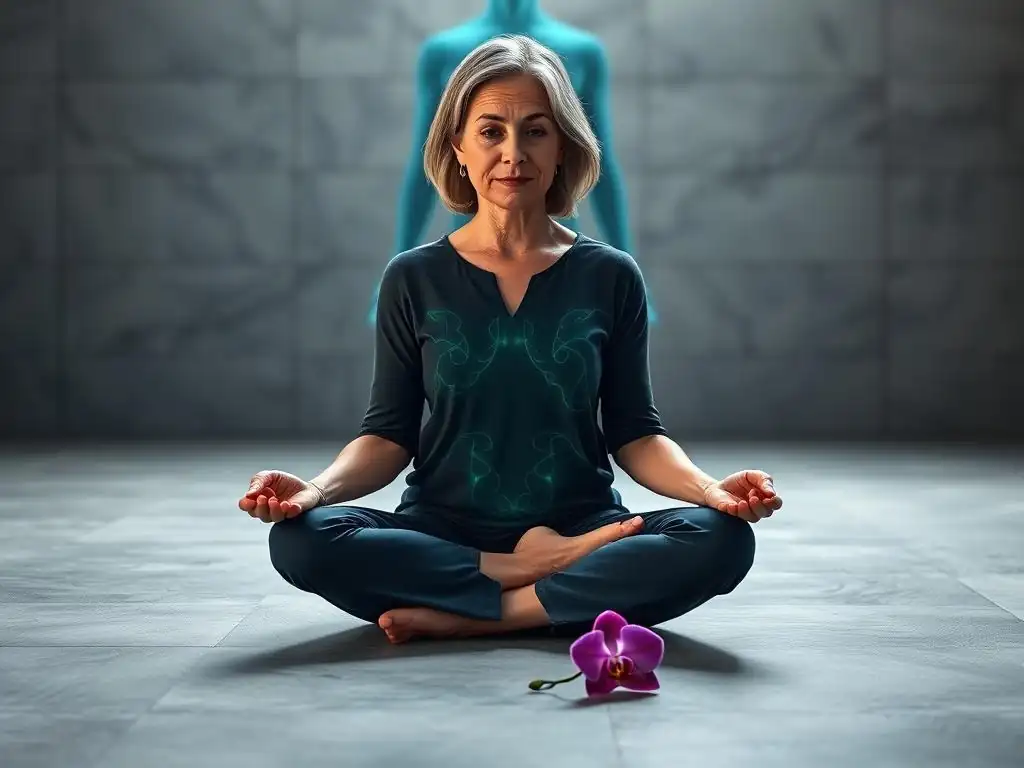
Welcome to Mind Care Guide, a safe space dedicated to your mental well-being. Feeling the weight of stress in your body? You're not alone. In our article, "The Physical Toll of Stress: How Meditation Reverses Negative Effects", we explore the tangible impact of stress on your physical health and, more importantly, how meditation reduces stress physical effects. Curious to discover how a few moments of mindfulness can unlock a healthier, more resilient you? Let's begin your journey towards inner peace and physical well-being.
- Understanding the Stress-Body Connection
- The Damaging Physical Effects of Chronic Stress
- Meditation: A Tool for Stress Reduction and Physical Well-being
-
How Meditation Reverses the Physical Effects of Stress
- Meditation's Impact on the Cardiovascular System: Lowering Blood Pressure and Improving Heart Rate Variability
- Meditation for Digestive Health: Reducing Gut Inflammation and Promoting Regularity
- Boosting Immunity with Meditation: Modulating the Immune Response
- Releasing Muscle Tension Through Meditation: Reducing Chronic Pain and Improving Flexibility
- Improving Sleep Quality with Meditation: Increasing Melatonin Production and Reducing Sleep Latency
- Scientific Evidence: Studies Supporting Meditation's Physical Benefits
- Practical Guide: Implementing Meditation for Physical Stress Relief
- Beyond Meditation: Holistic Approaches to Managing Stress and Improving Physical Health
- Conclusion: Meditation as a Component of Holistic Well-being for Combating the Physical Toll of Stress
-
Frequently Asked Questions
- How does meditation help reduce the physical effects of stress?
- Can meditation actually change the physical structure of the brain?
- What specific physical symptoms of stress can meditation alleviate?
- How often should I meditate to see a reduction in the physical effects of stress?
- What are some simple meditation techniques I can use to combat the physical effects of stress?
- Final Reflection: Finding Peace in the Body's Wisdom
- Unlock Your Inner Calm: Start Your Meditation Journey Today!
Understanding the Stress-Body Connection
Introduction to Stress and Its Impact on Physical Health
Stress is a natural response to challenging situations, but when it becomes chronic, its impact on physical health can be profound and debilitating. While we often think of stress as purely psychological, the body reacts intensely to perceived threats, whether they are physical dangers or modern-day pressures like work deadlines or financial worries. This constant state of alert can wear down various bodily systems over time, leading to a range of health problems.
Statistics consistently show a strong link between chronic stress and physical ailments. For instance, surveys often indicate that a significant majority of adults, perhaps 70-80%, report experiencing stress that negatively affects their physical health, manifesting as headaches, fatigue, muscle tension, or digestive issues. Over the longer term, unchecked stress is a significant risk factor in the development or worsening of more serious chronic diseases, highlighting the critical need to address its physical toll. Understanding how meditation reduces stress physical effects is therefore vital for long-term health.
The Stress Response: A Physiological Overview
The body's immediate reaction to stress is the "fight-or-flight" response, orchestrated by the sympathetic nervous system. When a stressor is perceived, the brain signals the adrenal glands to release hormones like adrenaline (epinephrine) and cortisol. Adrenaline quickly increases heart rate, blood pressure, and breathing rate, preparing the body for action.
Cortisol, often called the "stress hormone," provides a more sustained response. It floods the bloodstream, increasing glucose levels for energy, suppressing non-essential functions like digestion and immune response, and sharpening focus. While beneficial in short bursts, chronic stress keeps cortisol levels elevated. This prolonged exposure disrupts normal bodily processes, leading to systemic inflammation, metabolic dysfunction, and a weakened immune system, directly contributing to the myriad physical issues associated with chronic stress.
The Damaging Physical Effects of Chronic Stress
Cardiovascular System: Stress and Hypertension
Chronic stress places immense strain on the cardiovascular system. The continuous release of stress hormones like cortisol and adrenaline causes the heart to work harder, constricting blood vessels and leading to elevated blood pressure over time. This persistent state of hypertension is a major risk factor for serious conditions such as heart attack, stroke, and atherosclerosis (hardening of the arteries).
Research consistently demonstrates this link. Studies have shown that individuals in high-stress occupations or those experiencing significant life stressors may face a 40-50% increased risk of developing heart disease compared to their less stressed counterparts. The constant fluctuations in heart rate and blood pressure due to chronic stress contribute to wear and tear on the blood vessels, making them less elastic and more prone to plaque buildup. Learning how meditation reduces stress physical effects on the heart can be life-saving.
Digestive System: Stress and Irritable Bowel Syndrome
The gut-brain axis is a complex communication network, and stress significantly impacts digestive health. Chronic stress can alter gut motility (how food moves through the intestines), increase sensitivity to pain in the gut, change the composition of gut bacteria, and increase inflammation of the digestive tract lining. These effects contribute to or exacerbate conditions like Irritable Bowel Syndrome (IBS), peptic ulcers, acid reflux (GERD), and inflammatory bowel diseases (IBD) like Crohn's disease and ulcerative colitis.
IBS alone affects an estimated 10-15% of the global population, and stress is widely recognized as a primary trigger or exacerbating factor for symptoms like abdominal pain, bloating, diarrhea, and constipation. The heightened stress response can lead to spasms in the colon muscles and increased permeability of the gut lining (sometimes called "leaky gut"), allowing substances to enter the bloodstream that can trigger inflammation and immune responses.
Immune System: Stress and Increased Susceptibility to Illness
Chronic stress has a significant suppressive effect on the immune system. While acute stress can temporarily boost immunity, prolonged exposure to stress hormones like cortisol actually weakens the body's defense mechanisms. Cortisol can reduce the production and effectiveness of lymphocytes, the white blood cells crucial for fighting off infections and diseases.
This weakened immune response makes individuals more vulnerable to common illnesses, such as colds, flu, and other infections. Studies have shown that people experiencing chronic stress, such as caregivers or those facing long-term unemployment, are more likely to get sick and take longer to recover. Furthermore, chronic stress might also play a role in the progression of certain chronic diseases by impairing the immune system's ability to regulate inflammation and cellular growth.
Musculoskeletal System: Stress and Chronic Pain
Stress often manifests physically as muscle tension. When under stress, muscles tense up as a protective reflex. While this is a temporary response in acute situations, chronic stress keeps muscles in a prolonged state of contraction, especially in areas like the neck, shoulders, and back. This constant tension can lead to persistent pain, stiffness, and reduced mobility.
Tension headaches are a classic example of stress-induced musculoskeletal pain, caused by tightening of the muscles in the head and neck. Chronic stress can also exacerbate conditions like fibromyalgia, temporomandibular joint (TMJ) disorders, and lower back pain. Surveys indicate that back pain is one of the most common complaints linked directly to stress, with a significant percentage of sufferers reporting stress as a major contributing factor to their pain levels.
Sleep Disturbances: Stress and Insomnia
Stress is a leading cause of sleep problems, particularly insomnia. The elevated levels of stress hormones like cortisol and adrenaline increase physiological arousal, making it difficult to relax, quiet the mind, and fall asleep. Racing thoughts, worry, and anxiety triggered by stress keep the brain on high alert, interfering with the natural transition into sleep.
Chronic stress can disrupt the body's natural circadian rhythms and sleep-wake cycle. An estimated 30-40% of adults report experiencing insomnia occasionally, with chronic stress being a primary driver for a significant portion of these cases, potentially affecting 10-15% chronically. Lack of sufficient, quality sleep further compounds the physical toll of stress, impairing cognitive function, weakening the immune system, and increasing the risk of other health issues.
Meditation: A Tool for Stress Reduction and Physical Well-being
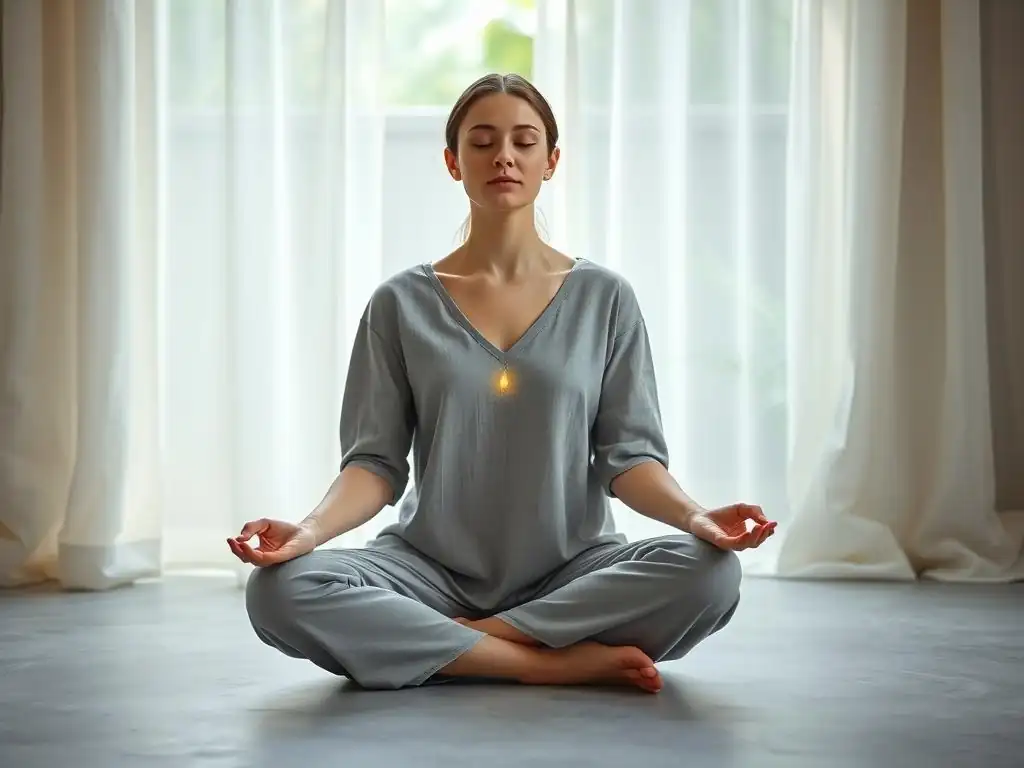
What is Meditation and How Does it Work?
Meditation is a practice involving techniques designed to encourage a state of focused attention and awareness. It's not about emptying the mind, but rather training the mind to be present, observing thoughts and feelings without judgment. Regular meditation practice helps to activate the body's relaxation response, which is the opposite of the stress response.
Physiologically, meditation works by signaling the parasympathetic nervous system to take over. This counteracts the effects of the sympathetic "fight-or-flight" response, slowing heart rate, lowering blood pressure, and reducing the production of stress hormones like cortisol. Over time, consistent practice can lead to lasting changes in brain structure and function, such as reducing the size of the amygdala (the brain's fear center) and increasing activity in areas associated with calmness and focus, thereby helping meditation reduces stress physical effects fundamentally.
Types of Meditation for Stress Relief: Mindfulness and Loving-Kindness
Two popular and effective types of meditation for stress relief are Mindfulness Meditation and Loving-Kindness Meditation (Metta). Mindfulness meditation involves paying attention to the present moment—sensations, thoughts, feelings, and the environment—without judgment. By focusing on the breath or bodily sensations, individuals learn to observe stressful thoughts and feelings without getting carried away by them, fostering a sense of calm and detachment from stressors.
Loving-Kindness Meditation focuses on cultivating feelings of warmth, compassion, and acceptance towards oneself and others. This practice involves silently repeating phrases wishing well-being, happiness, and freedom from suffering. By actively generating positive emotions, this type of meditation can help to counter the negative emotional states often associated with chronic stress, such as anger, frustration, and isolation, contributing to a more positive physical and mental state.
How Meditation Reverses the Physical Effects of Stress
Meditation's Impact on the Cardiovascular System: Lowering Blood Pressure and Improving Heart Rate Variability
Regular meditation practice has been shown to have a significant positive impact on the cardiovascular system, directly counteracting the physical toll of stress. By activating the parasympathetic nervous system, meditation helps to lower resting heart rate and dilate blood vessels, leading to a reduction in blood pressure. Studies, including meta-analyses, have reported average reductions in systolic blood pressure ranging from 5 to 10 mmHg and diastolic blood pressure by 3 to 5 mmHg in individuals with hypertension who regularly practice meditation.
Furthermore, meditation improves heart rate variability (HRV), a measure of the healthy fluctuations in the time interval between heartbeats. Higher HRV indicates a more adaptable and resilient cardiovascular system, better able to respond to stress and maintain equilibrium. By fostering a state of relaxation and reducing sympathetic drive, meditation helps to restore healthy HRV, signifying a more robust cardiovascular response and reinforcing how meditation reduces stress physical effects on the heart.
Meditation for Digestive Health: Reducing Gut Inflammation and Promoting Regularity
Given the strong connection between stress and the digestive system, it's not surprising that meditation can significantly improve gut health. By calming the nervous system and reducing stress hormone levels, meditation helps to regulate the gut-brain axis. This can lead to decreased gut sensitivity, reduced inflammation in the digestive tract, and improved motility.
Individuals practicing meditation often report a reduction in symptoms associated with stress-related digestive disorders like IBS. While specific inflammatory markers might vary, the overall reduction in stress allows the gut to function more normally. Patients participating in mindfulness-based programs for IBS have shown notable improvements in abdominal pain, bloating, and bowel regularity compared to control groups, demonstrating meditation's capacity to calm the 'nervous stomach' and alleviate physical symptoms.
Boosting Immunity with Meditation: Modulating the Immune Response
Chronic stress suppresses the immune system, but meditation can help reverse this effect. By reducing cortisol levels, meditation allows the immune system to function more effectively. Research has explored meditation's impact on various aspects of immunity, showing promising results in modulating the immune response.
Some studies have indicated that regular meditators may exhibit increased activity of certain immune cells, such as natural killer (NK) cells, which are important for fighting viruses and tumor cells. Other research has shown that participants in mindfulness programs develop a stronger antibody response to vaccines compared to non-meditators, suggesting an enhanced ability to mount an immune defense. This modulation highlights another way meditation reduces stress physical effects by supporting the body's natural defenses.
Releasing Muscle Tension Through Meditation: Reducing Chronic Pain and Improving Flexibility
Meditation techniques, particularly those involving body awareness like the body scan, directly address stress-induced muscle tension. By bringing conscious attention to different parts of the body, individuals can identify areas of tightness and learn to consciously relax those muscles. The mental relaxation achieved through meditation also reduces the underlying stress response that triggers this physical clenching.
Regular practice can lead to a significant reduction in chronic pain, especially tension headaches, neck pain, and back pain. Studies have shown that participants in mindfulness-based stress reduction (MBSR) programs report lower pain intensity scores and improved physical function compared to control groups. By releasing physical tension and altering the perception of pain through mindfulness, meditation helps restore flexibility and ease of movement, countering the rigid effects of stress on the musculoskeletal system.
Improving Sleep Quality with Meditation: Increasing Melatonin Production and Reducing Sleep Latency
Meditation is a powerful tool for combating stress-induced insomnia and improving overall sleep quality. By calming the nervous system and reducing the mental chatter that often keeps people awake, meditation makes it easier to relax and fall asleep. It helps to reduce the time it takes to fall asleep (sleep latency) and can increase total sleep time.
While direct evidence on melatonin production is complex, the relaxation and stress reduction effects of meditation indirectly support healthy sleep cycles, which are linked to optimal melatonin function. Studies consistently show that individuals who incorporate meditation into their routine report significant improvements in insomnia symptoms, reduced nighttime awakenings, and feeling more rested upon waking. This demonstrates how meditation reduces stress physical effects by restoring one of the body's most vital restorative processes: sleep.
Scientific Evidence: Studies Supporting Meditation's Physical Benefits

Meta-Analysis of Meditation's Impact on Blood Pressure
A significant meta-analysis published in the Journal of the American Medical Association (JAMA) Internal Medicine in 2014 reviewed 47 studies with over 3,500 participants and found that meditation programs, particularly Transcendental Meditation, resulted in statistically significant reductions in blood pressure. The findings showed average reductions of about 4.7 mmHg in systolic blood pressure and 3.2 mmHg in diastolic blood pressure compared to control groups.
While the effects were modest compared to medication, the study concluded that meditation practices could be a valuable non-pharmacological approach for lowering blood pressure, especially as an adjunct treatment for prehypertension and hypertension. This large-scale analysis provides strong scientific backing for how meditation reduces stress physical effects on the cardiovascular system.
Randomized Controlled Trials on Meditation for Irritable Bowel Syndrome
Randomized Controlled Trials (RCTs) have specifically investigated the efficacy of meditation-based interventions for IBS. For example, an RCT published in Clinical Gastroenterology and Hepatology found that patients with IBS who participated in an 8-week Mindfulness-Based Stress Reduction (MBSR) program experienced significant improvements in symptom severity, bowel habits, and overall quality of life compared to a control group receiving standard care.
Another study in Inflammatory Bowel Diseases explored the impact of mindfulness on patients with IBD, showing reductions in stress and anxiety which correlated with improved disease activity scores and decreased inflammatory markers in some cases. These trials provide clinical evidence that addressing the stress component through meditation can directly alleviate physical symptoms of digestive disorders.
Studies on Meditation and Immune Function
Research into meditation's effect on the immune system has yielded intriguing results. A study published in Psychosomatic Medicine in 2003 by Davidson et al. showed that participants who completed an 8-week MBSR program exhibited increased antibody production in response to a flu vaccine compared to a control group. This suggested that meditation enhanced the immune system's ability to respond to an antigen.
Other studies, including research published in Brain, Behavior, and Immunity, have explored the impact of meditation on cellular immunity. Some findings indicate that meditation practice may lead to an increase in the number or activity of natural killer (NK) cells, a type of lymphocyte crucial for detecting and destroying virus-infected cells and cancer cells. While research is ongoing, these studies provide evidence that meditation reduces stress physical effects by positively influencing immune function.
Practical Guide: Implementing Meditation for Physical Stress Relief
Creating a Daily Meditation Routine
Establishing a consistent meditation routine is key to experiencing its full physical benefits and ensuring meditation reduces stress physical effects over time. Start small – even 5-10 minutes per day can make a difference. Choose a specific time that works best for you, whether it's first thing in the morning, during a lunch break, or before bed. Find a quiet, comfortable space where you won't be interrupted.
Consistency is more important than duration. Aim to meditate at the same time each day to build a habit. Don't get discouraged if your mind wanders; that's normal. Simply notice the thoughts and gently guide your attention back to your chosen focus, like the breath. Be patient with yourself and view it as a practice, not a performance.
Simple Meditation Techniques for Beginners: Breath Awareness and Body Scan
For beginners, simple techniques like Breath Awareness and Body Scan are excellent starting points. For Breath Awareness, find a comfortable seated position. Close your eyes gently. Bring your attention to your breath as it enters and leaves your body. Notice the sensations: the rise and fall of your abdomen or chest, the feeling of air in your nostrils. When your mind wanders, simply note the thought without judgment and return your attention to your breath.
The Body Scan involves bringing mindful attention to different parts of your body, from your toes to the top of your head. Lie down or sit comfortably. Starting with your toes, bring your awareness to the sensations in that area. Notice any tension, tingling, or absence of sensation. Breathe into that area, and on the exhale, imagine releasing any tension. Slowly move your attention up through your feet, ankles, legs, torso, arms, neck, and head. This technique is particularly effective for releasing physical tension and improving body awareness.
Resources for Learning Meditation: Guided Meditation Apps and Online Courses
Numerous resources are available to help beginners learn and practice meditation, making it accessible to integrate into daily life. Guided meditation apps offer timed sessions with verbal instructions, providing structure and support, especially when starting out. Many apps offer specific programs for stress reduction, sleep, or anxiety.
Online courses and websites provide more in-depth instruction on meditation techniques and the principles of mindfulness. These can be helpful for understanding the practice more fully and building a consistent routine. While specific names cannot be mentioned, searching for reputable platforms offering guided meditations and introductory courses can connect you with valuable tools to help meditation reduces stress physical effects.
Beyond Meditation: Holistic Approaches to Managing Stress and Improving Physical Health
The Role of Nutrition in Stress Management
Nutrition plays a critical, yet often overlooked, role in managing stress and supporting physical health. A diet high in processed foods, sugar, and unhealthy fats can exacerbate stress by causing fluctuations in blood sugar, increasing inflammation, and negatively impacting gut health, which is closely linked to mood and stress levels. Conversely, a balanced diet rich in whole foods provides the nutrients necessary for optimal brain function and stress resilience.
Foods high in omega-3 fatty acids (like fatty fish), complex carbohydrates (like whole grains), lean proteins, fruits, and vegetables provide sustained energy, support neurotransmitter production, and reduce inflammation. Limiting caffeine and alcohol intake, especially when feeling stressed, can also prevent exacerbating anxiety and sleep disturbances. Supporting the body with good nutrition enhances the effects of meditation and helps manage the physical toll of stress more effectively.
The Importance of Regular Exercise for Stress Relief
Regular physical activity is a powerful antidote to stress and its physical manifestations. Exercise acts as a natural stress reliever by releasing endorphins, which have mood-lifting and pain-reducing effects. It also helps to reduce the levels of stress hormones like cortisol and adrenaline. Engaging in physical activity provides a healthy outlet for pent-up energy and tension accumulated from stress.
Aiming for around 150 minutes of moderate-intensity aerobic exercise or 75 minutes of vigorous-intensity exercise per week, as recommended by health guidelines, can significantly improve stress management. Activities like brisk walking, jogging, swimming, or cycling are effective. Strength training and flexibility exercises like yoga also help reduce muscle tension and improve overall physical well-being, complementing how meditation reduces stress physical effects.
Strong social connections and supportive relationships are crucial buffers against stress and its negative physical health impacts. Feeling connected to others provides emotional support, reduces feelings of isolation, and offers a sense of belonging, all of which can help mitigate the effects of stressors. Sharing your feelings with a trusted friend or family member can alleviate emotional burdens and provide perspective.
Engaging in social activities, joining clubs or groups with shared interests, or volunteering can foster new connections and strengthen existing ones. Conversely, isolation and loneliness can exacerbate stress and its physical toll. Nurturing relationships and actively seeking social support is an important component of a holistic approach to managing stress and maintaining physical health alongside practices like meditation.
Conclusion: Meditation as a Component of Holistic Well-being for Combating the Physical Toll of Stress
Chronic stress poses a significant threat to physical health, contributing to a wide range of ailments from cardiovascular issues and digestive problems to weakened immunity and chronic pain. Understanding the profound ways stress impacts the body highlights the urgency of effective stress management strategies. Meditation stands out as a powerful, evidence-based tool that directly counteracts the physiological stress response.
By calming the nervous system, reducing stress hormones, improving cardiovascular health, supporting digestive and immune function, releasing muscle tension, and enhancing sleep, meditation reduces stress physical effects effectively. While meditation is a cornerstone of stress reduction, integrating it with other healthy lifestyle choices—nutritious eating, regular exercise, and strong social connections—creates a comprehensive, holistic approach to well-being. Embracing these practices can significantly mitigate the physical toll of stress and foster a healthier, more resilient body and mind.
Frequently Asked Questions
How does meditation help reduce the physical effects of stress?
Meditation helps by activating the relaxation response, which counteracts the fight-or-flight response triggered by stress. This leads to lower heart rate, blood pressure, and muscle tension, effectively reversing negative physical impacts.
Can meditation actually change the physical structure of the brain?
Yes, studies show that regular meditation can lead to increased gray matter in areas associated with emotional regulation and attention. This contributes to improved stress resilience and overall mental well-being.
What specific physical symptoms of stress can meditation alleviate?
Meditation can help alleviate symptoms like muscle tension, headaches, digestive issues, and sleep disturbances often caused or exacerbated by chronic stress. It promotes a state of physiological calmness.
How often should I meditate to see a reduction in the physical effects of stress?
While individual results vary, aiming for at least 10-20 minutes of meditation most days of the week is generally recommended. Consistency is key for experiencing noticeable benefits over time.
What are some simple meditation techniques I can use to combat the physical effects of stress?
Focusing on your breath, practicing body scan meditations, or engaging in mindful movement (like yoga or tai chi) can be effective. These techniques promote present moment awareness and reduce stress-related physical tension.
Final Reflection: Finding Peace in the Body's Wisdom
The relentless pace of modern life leaves many of us feeling physically depleted, a direct consequence of chronic stress. This isn't just a matter of feeling tired; it's a tangible impact on our bodies, manifesting in everything from headaches and digestive issues to weakened immunity and cardiovascular problems. Understanding this connection—between the mind's turmoil and the body's suffering—is the crucial first step towards reclaiming our well-being.
The exploration of stress's physical toll and the restorative power of meditation has been a deeply personal journey for me. Witnessing firsthand the transformative effects of mindful practices on both my own health and the lives of others has underscored the importance of this conversation. The body keeps the score,
as Bessel van der Kolk so eloquently puts it, reminding us that trauma and stress are not merely mental experiences, but are deeply imprinted within our physical selves. This understanding necessitates a holistic approach to well-being, one that addresses both the mind and body simultaneously.
Now, consider your own life. Where do you feel the weight of stress manifesting physically? What small steps can you take today to incorporate mindfulness and meditation into your routine? Perhaps it's just five minutes of deep breathing before bed, or a guided meditation app during your lunch break. Start small, be consistent, and listen to the wisdom of your body. The journey towards a healthier, more peaceful you begins with a single, mindful breath.
Unlock Your Inner Calm: Start Your Meditation Journey Today!
Thanks for taking the time to explore the powerful connection between stress and your physical well-being. We hope you gained valuable insights into how meditation can help you counteract negative effects. Now, it's time to turn those insights into action!
- Begin your personalized meditation practice: Download our free guided meditation for beginners and experience the immediate benefits of reduced stress and increased clarity.
- Share your experiences: Connect with our community on social media and share your meditation journey – inspire others to find their inner peace!
- Explore different meditation techniques: Discover the variety of approaches available – from mindful breathing to progressive muscle relaxation – and find what resonates best with you.
Ready to feel the transformative power of meditation? What small step will you take today to prioritize your mental and physical health?