
Experience Profound Peace: The Ultimate Goal and Benefit of Meditation

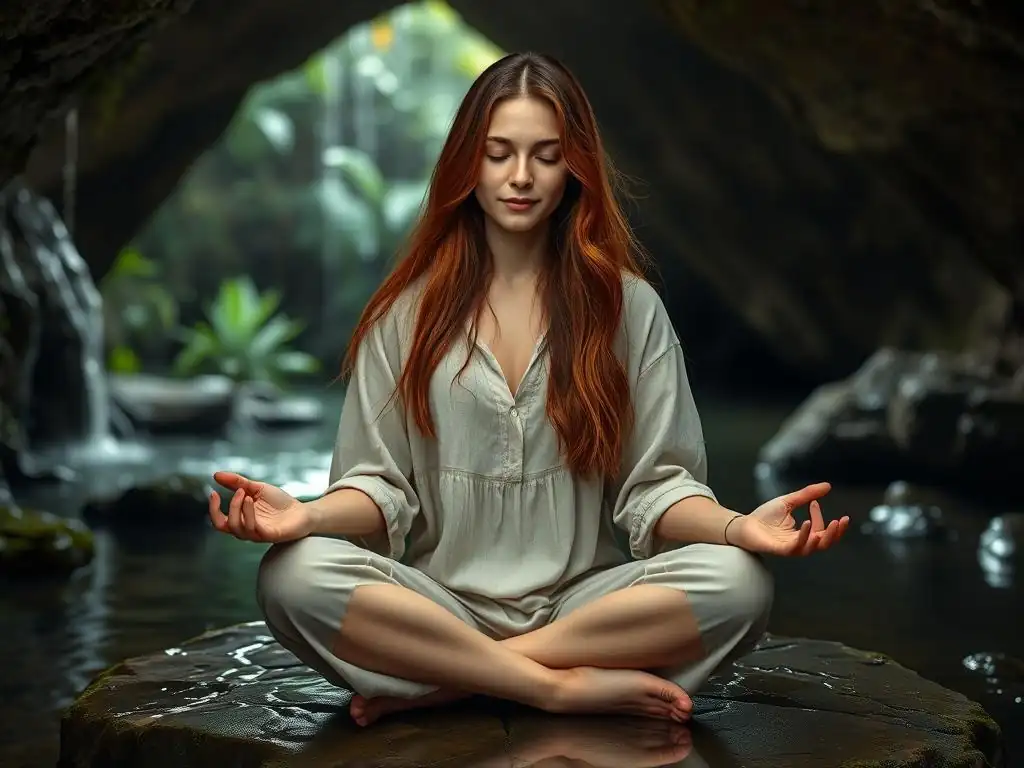
Welcome to Mind Care Guide, a haven for your mental well-being. Feeling overwhelmed by anxiety? You're not alone. This week, we delve into a powerful practice that can help: Meditation for anxiety relief. Discover how this simple yet profound technique can unlock inner peace and reshape your relationship with stress. Are you ready to begin your journey towards a calmer, more centered you? Let's explore the transformative power of meditation together...
Finding Calm Within: The Power of Meditation for Anxiety Relief
- Introduction: The Search for Serenity in a Stressful World
- Defining Meditation and Its Impact
- Meditation's Role in Managing Anxiety
- The Pursuit of Inner Peace Through Meditation
- Practical Meditation Techniques for Anxiety Reduction
- Establishing a Daily Meditation Routine
- The Enduring Benefits of Regular Meditation
- Real-World Examples: Meditation for Anxiety Management
- Conclusion: Embracing Meditation for a Calmer, More Balanced Life
-
Frequently Asked Questions
- How does meditation specifically help with anxiety relief?
- What types of meditation are most effective for anxiety?
- How often should I meditate to experience anxiety relief benefits?
- Are there any potential side effects of using meditation for anxiety?
- Can meditation completely replace other forms of anxiety treatment, like therapy or medication?
- Final Reflection: Finding Peace in a Frantic World
- Unlock Your Inner Calm: Start Your Meditation Journey Today
Introduction: The Search for Serenity in a Stressful World
The Prevalence of Anxiety in Contemporary Society
Anxiety has become a pervasive challenge in modern life, affecting millions globally. It's not just occasional worry; for many, it manifests as persistent fear, nervousness, and physical symptoms that interfere with daily functioning. According to estimates, anxiety disorders are among the most common mental health conditions worldwide. In the United States alone, it's reported that over 40 million adults experience an anxiety disorder each year, representing a significant portion of the population. This widespread experience highlights the urgent need for effective strategies to manage anxiety and find inner peace.
The pressures of work, social expectations, economic uncertainty, and constant connectivity through technology all contribute to elevated stress levels, often culminating in anxiety. Individuals report feeling overwhelmed, restless, and unable to relax, even in moments of downtime. The constant mental chatter and anticipation of potential problems can create a cycle of distress that is difficult to break. Seeking effective tools and practices for managing this pervasive anxiety is a critical step towards reclaiming well-being and experiencing a sense of calm in a chaotic world.
Meditation: A Path to Tranquility and Enhanced Mental Well-being
Amidst the turbulence of modern life, meditation emerges as a powerful and accessible practice offering a path towards tranquility and enhanced mental well-being. For centuries, various forms of meditation have been used across cultures to cultivate inner peace, clarity, and emotional balance. Today, scientific research increasingly validates these ancient practices, demonstrating their profound impact on the brain and body, particularly in alleviating symptoms associated with stress and anxiety.
Engaging in meditation for anxiety relief involves training the mind to become more present, less reactive, and more aware of internal experiences without judgment. This practice helps to interrupt the cycle of anxious thoughts by gently bringing attention back to the present moment, such as focusing on the breath. Regular meditation can help individuals develop resilience, reduce the physiological responses linked to stress, and foster a greater sense of calm and control over their emotional states.
Defining Meditation and Its Impact
What is Meditation? A Practical Explanation
At its core, meditation is a mental training exercise aimed at focusing attention and awareness. It's not about emptying the mind, but rather about observing thoughts and feelings without getting carried away by them. Think of it like exercising a muscle; the more you practice, the stronger your ability to focus and stay present becomes. Different styles exist, but the fundamental principle involves intentionally directing or resting attention in a specific way.
Practically speaking, meditation can take many forms, from sitting quietly and focusing on your breath to walking mindfully in nature. The key is to create a pause in the usual mental chatter and cultivate a state of relaxed alertness. This intentional shift in attention helps to disengage from the constant stream of worries and anxieties that can fuel distress, making it a valuable tool for anyone seeking meditation for anxiety relief.
Exploring Different Meditation Styles: Mindfulness, Samatha-Vipassana, and Walking Meditation
There are numerous meditation styles, each with a slightly different focus, but many share common principles. Mindfulness meditation, perhaps the most popular in Western contexts, involves paying attention to the present moment without judgment. This includes noticing thoughts, feelings, bodily sensations, and external stimuli as they arise. It's particularly effective for reducing rumination, a common feature of anxiety.
Samatha-Vipassana meditation, rooted in Buddhist traditions, combines cultivating calm (Samatha) with developing insight (Vipassana). Samatha often involves focusing on a single object, like the breath, to quiet the mind. Vipassana then involves observing the nature of reality, including the impermanence of thoughts and feelings, which can help detach from anxious thought patterns.
Walking meditation is another accessible form, where the focus is placed on the physical sensations of walking, grounding the practitioner in the present moment and offering a dynamic way to practice mindfulness. Exploring different styles can help individuals find the most effective approach for their personal journey towards using meditation for anxiety relief.
The Neuroscience of Meditation: Brain Changes and Anxiety Reduction
Remarkable advancements in neuroscience have shed light on how meditation physically changes the brain in ways that reduce anxiety. Studies using fMRI (functional magnetic resonance imaging) show that regular meditation practice can lead to structural changes, such as increased gray matter density in areas associated with self-awareness, compassion, and introspection, like the prefrontal cortex and hippocampus. Concurrently, there's often a decrease in gray matter density in the amygdala, the brain region primarily responsible for processing fear and triggering the stress response.
Furthermore, meditation practice impacts brain connectivity. It strengthens the connections between the prefrontal cortex (the area involved in rational thinking and decision-making) and the amygdala. This enhanced connection allows the prefrontal cortex to exert more control over the amygdala's reactions, helping individuals respond to potential stressors with less immediate fear and more thoughtful awareness. These measurable neurological changes underscore the scientific basis for using meditation for anxiety relief, demonstrating that it's not just a feeling of calm, but a tangible shift in brain function.
Meditation's Role in Managing Anxiety
How Meditation Alleviates Anxiety Symptoms: A Detailed Look
Meditation directly addresses several key components of anxiety. Physiologically, it activates the parasympathetic nervous system, often called the "rest and digest" system, counteracting the "fight or flight" response triggered by the sympathetic nervous system during anxiety. This leads to a lower heart rate, reduced blood pressure, and slower, deeper breathing – all indicators of a calmer state. Studies have shown that even short periods of meditation can produce these immediate physiological benefits.
Mentally, meditation helps by creating distance from anxious thoughts. Instead of getting caught in a spiral of worry, the meditator learns to observe thoughts as transient events, not absolute truths. This practice reduces rumination and the tendency to catastrophize. By focusing on the present moment, the mind is less occupied with worrying about the future or dwelling on the past, significantly decreasing the mental burden of anxiety. This trained ability to step back from thoughts is central to using meditation for anxiety relief effectively.
The Long-Term Advantages of Consistent Meditation for Anxiety
The benefits of meditation for anxiety management deepen significantly with consistent practice over time. Regular meditation builds resilience to stress, meaning that when faced with challenging situations, the individual is less likely to trigger a full-blown anxiety response. This is partly due to the sustained changes in brain structure and connectivity mentioned earlier, which reinforce calmer neural pathways.
Over months and years, a consistent meditation routine can lead to a fundamental shift in one's relationship with anxiety. Instead of being overwhelmed by it, individuals develop the capacity to notice anxious feelings arising and respond with greater awareness and less reactivity. This long-term practice fosters a sense of inner stability and emotional regulation, allowing individuals to navigate life's stressors with increased ease and confidence. The enduring power of consistent meditation for anxiety relief lies in its ability to cultivate lasting inner change.
A Complementary Approach: Meditation Alongside Traditional Therapies
Meditation is increasingly recognized by mental health professionals as a valuable complementary approach to traditional anxiety therapies, such as Cognitive Behavioral Therapy (CBT) or medication. While therapy helps individuals understand the roots of their anxiety and develop coping strategies, and medication can address chemical imbalances, meditation provides a practical tool for managing symptoms in the moment and cultivating emotional regulation skills.
Many therapists now recommend or integrate mindfulness and meditation techniques into their practice. For example, a therapist might teach mindful breathing to a client experiencing panic attacks, or suggest a body scan meditation to someone struggling with physical tension related to anxiety. Using meditation alongside therapy can enhance the effectiveness of treatment by providing clients with direct, experiential tools to calm their nervous system and relate differently to their anxious thoughts and feelings. This integrated approach leverages the strengths of both methods for more comprehensive anxiety relief.
The Pursuit of Inner Peace Through Meditation
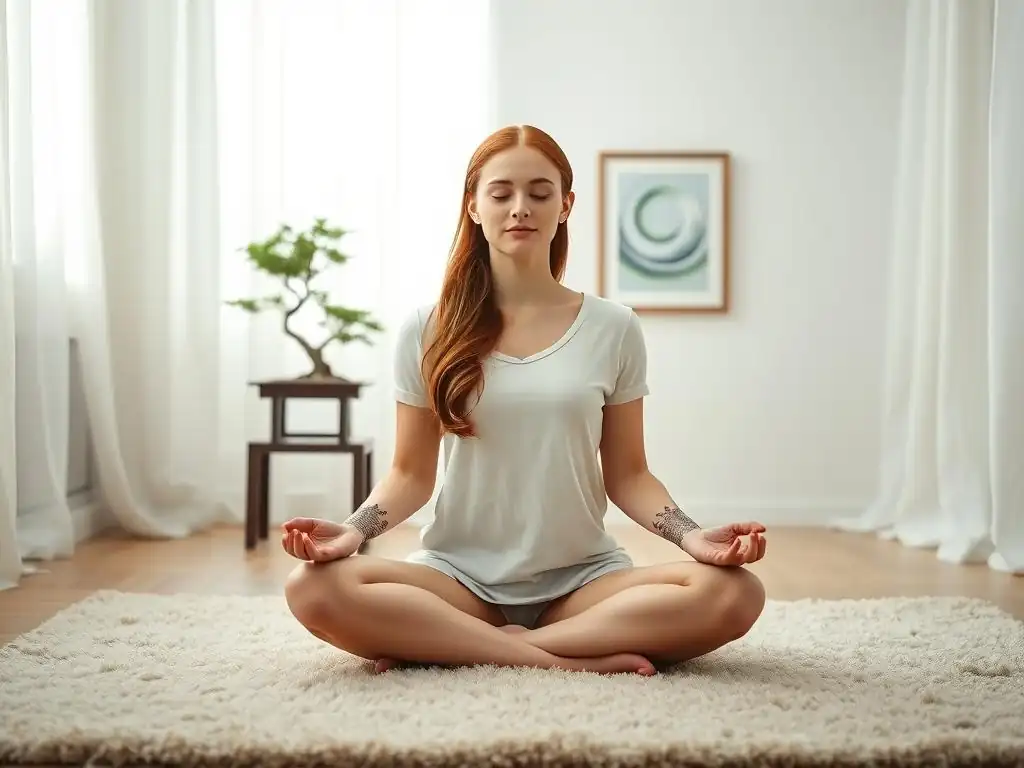
Beyond Symptom Management: The Transformative Potential of Meditation
While meditation is highly effective for managing anxiety symptoms, its potential extends far beyond simply reducing distress. Regular practice can be a truly transformative journey, leading to profound shifts in perspective, self-awareness, and overall well-being. It's not just about feeling less anxious; it's about cultivating a deeper sense of inner peace, regardless of external circumstances.
This transformative potential lies in meditation's ability to foster a non-judgmental awareness of one's inner landscape. By consistently observing thoughts, emotions, and sensations without getting entangled or labeling them as "good" or "bad," individuals develop a greater capacity for acceptance and self-compassion. This shift moves beyond merely coping with anxiety to fundamentally changing one's relationship with difficult internal experiences, paving the way for genuine inner peace.
Fostering Inner Peace Through Present Moment Awareness
A core principle of meditation is cultivating present moment awareness. Anxiety often pulls the mind into worries about the future or regrets about the past. By gently bringing attention back to the here and now – focusing on the breath, bodily sensations, or sounds – meditation anchors the mind and disrupts the cycle of anxious rumination.
Regularly practicing presence allows individuals to experience life as it is unfolding, rather than through the filter of anxious anticipation. This reduces the mental energy spent on hypothetical scenarios and frees up cognitive resources. Over time, this sustained focus on the present moment fosters a stable and calm internal state, which is the foundation of inner peace. It teaches the mind that safety and calm often reside in the current moment, even when past or future possibilities seem daunting.
Meditation as a Tool for Self-Understanding and Compassion
Meditation is a powerful tool for gaining deeper self-understanding. As you sit in quiet observation, you become more aware of your habitual thought patterns, emotional triggers, and physical responses to stress. This increased insight is not about self-criticism but about recognizing these patterns with curiosity and acceptance. Understanding how your mind and body react to anxiety is the first step towards changing that reaction.
Furthermore, meditation cultivates compassion, both for oneself and for others. By observing your struggles with anxiety without judgment, you develop self-compassion, recognizing that these difficulties are part of the human experience. This compassionate stance extends outwards, fostering empathy and understanding for the suffering of others. This journey of self-discovery and compassion is an integral part of finding lasting inner peace through meditation for anxiety relief.
Practical Meditation Techniques for Anxiety Reduction
Guided Meditation for Anxiety: A Practical Exercise
Guided meditation is an excellent starting point for those new to the practice, especially when seeking meditation for anxiety relief. It involves listening to an instructor who guides you through the process, often suggesting what to focus on, such as the breath, bodily sensations, or visualizations. This can be particularly helpful when the mind is racing with anxious thoughts, as the guide provides a gentle anchor for attention.
A typical guided meditation for anxiety might begin with settling into a comfortable posture, then guiding you to notice your breath without trying to change it. The guide might then lead you through a body scan, bringing awareness to different parts of the body to release tension. Some guided meditations specifically focus on cultivating feelings of safety, calm, or self-compassion, directly addressing the emotional components of anxiety. Many free and paid resources are available online or via apps, offering sessions ranging from 5 to 30 minutes or longer.
Diaphragmatic Breathing Techniques for Immediate Calm
Diaphragmatic breathing, also known as belly breathing, is a simple yet highly effective technique that can provide immediate relief from acute anxiety symptoms. When anxious, breathing often becomes shallow and rapid, exacerbating the "fight or flight" response. Deep, slow breathing from the diaphragm signals to the nervous system that you are safe, helping to calm the body and mind.
- Find a comfortable seated or lying position.
- Place one hand on your chest and the other just below your rib cage, on your abdomen.
- Inhale slowly and deeply through your nose, feeling your abdomen rise as you fill your lungs. Your chest should remain relatively still.
- Exhale slowly through pursed lips, gently drawing your abdomen inward.
- Repeat for several minutes, focusing solely on the sensation of the breath entering and leaving your body.
Practicing this technique for even 5-10 breaths can significantly reduce heart rate and bring a sense of calm, making it an essential tool for managing anxiety on the spot.
Body Scan Meditation: Releasing Physical and Mental Tension
Anxiety often manifests as physical tension in the body – tight shoulders, clenched jaw, stomach discomfort. Body scan meditation is a powerful practice for becoming aware of and releasing this tension. It involves systematically bringing your attention to different parts of your body, from your toes to the crown of your head, noticing sensations without judgment.
During a body scan, you might be instructed to focus on your feet, noticing any pressure, warmth, or tingling. Then, you'd move your attention up to your ankles, calves, knees, and so on, slowly scanning through the entire body. As you encounter areas of tension, you can gently invite relaxation into that area, perhaps visualizing the tension softening or breathing into it.
This practice not only releases physical stress but also grounds the mind in the present moment, pulling it away from anxious thoughts. Regular body scans can increase body awareness and help you catch and release tension before it builds up, contributing significantly to meditation for anxiety relief.
Establishing a Daily Meditation Routine
Creating a Comfortable Meditation Environment
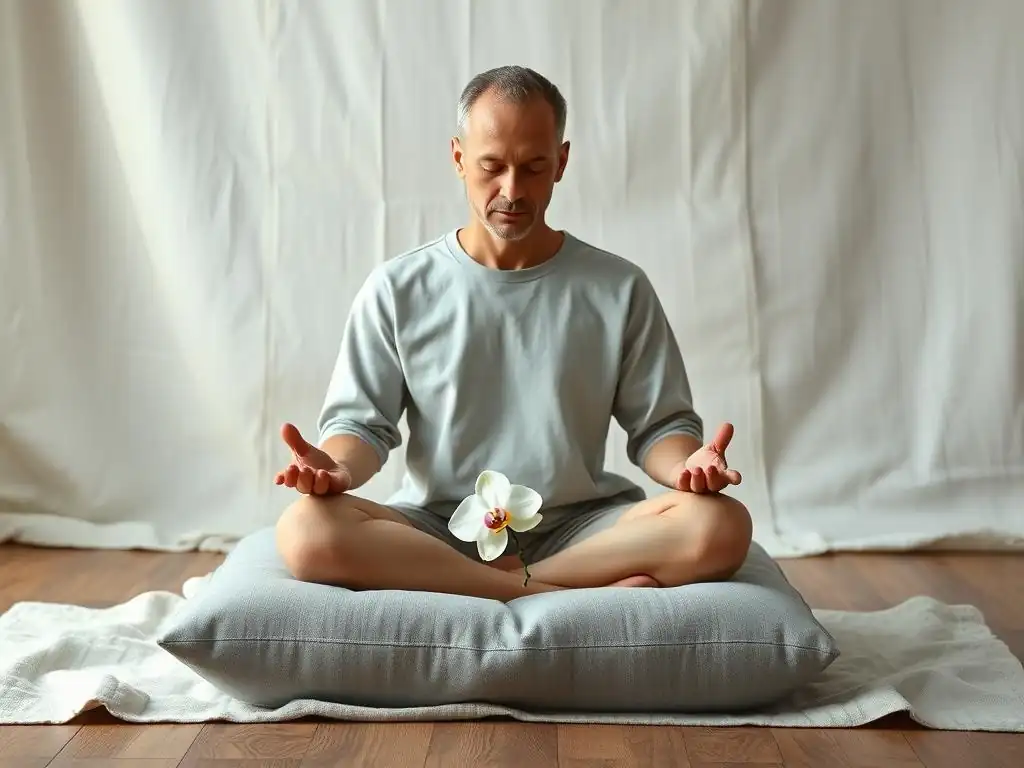
Establishing a consistent meditation routine is crucial for reaping its full benefits for anxiety relief. Creating a dedicated and comfortable environment can make the practice more inviting and sustainable. Find a quiet space where you are unlikely to be interrupted – this could be a corner of a room, a comfortable chair, or even a cushion on the floor.
Ensure the space is tidy and feels peaceful to you. Some people find it helpful to have a few calming elements present, such as a plant, a gentle light, or a favorite cushion. While elaborate setups aren't necessary, having a designated spot signals to your mind that it's time to practice and helps build a routine. The key is consistency, so choose a space you can return to daily without significant effort.
Addressing Common Obstacles in Meditation Practice
Beginning a meditation practice, especially for anxiety, comes with common obstacles. The most frequent complaint is the "busy mind" – thoughts constantly arising and distracting you. It's important to understand that this is normal and not a sign of failure. The practice isn't about stopping thoughts, but about noticing them and gently returning your attention to your chosen anchor, like the breath. Be patient and compassionate with yourself; each time you notice your mind wandering and bring it back, you are strengthening your ability to focus.
Another obstacle is finding the time. Even just 5-10 minutes a day can be beneficial. Try integrating it into your existing routine, perhaps first thing in the morning or before bed. Physical discomfort can also be an issue; experiment with different postures – sitting on a chair, a cushion, or even lying down – to find what is comfortable for you. Remember, consistency is more important than duration or achieving a perfect state of mind.
Leveraging Meditation Apps and Online Resources
In today's digital age, numerous resources are available to support your meditation journey, particularly for meditation for anxiety relief. Meditation apps like Calm, Headspace, Insight Timer, and others offer guided meditations of varying lengths and styles, often with specific programs tailored for anxiety, stress reduction, and sleep. These apps can provide structure and guidance, making it easier to start and maintain a regular practice.
Online platforms and websites offer a wealth of free guided meditations, talks, and courses. Many meditation centers and instructors also provide online classes or workshops. These resources can be invaluable for beginners needing guidance or for experienced practitioners looking to explore different techniques or connect with a community. Leveraging these tools can help you overcome obstacles and make meditation a more accessible and integrated part of your daily life.
The Enduring Benefits of Regular Meditation
Enhanced Emotional Regulation and Stress Resilience
Regular meditation practice significantly enhances emotional regulation, which is crucial for managing anxiety. By cultivating awareness of emotions without immediate reaction, individuals learn to observe feelings like fear, sadness, or frustration without being overwhelmed by them. This allows for a more measured and skillful response to challenging emotions, rather than reacting impulsively or getting swept away.
This improved emotional regulation builds greater stress resilience. When faced with stressors, the body's physiological response is often less intense, and the mind is quicker to recover from difficult emotional states. Research consistently shows that meditators exhibit lower levels of stress hormones like cortisol. This increased capacity to navigate stress and emotions with greater ease is one of the most significant long-term benefits of consistent meditation for anxiety relief.
Improved Cognitive Function and Mental Acuity
Beyond its impact on emotional well-being, regular meditation also offers substantial cognitive benefits. Studies indicate that consistent practice can improve attention span, focus, and working memory. The training of attention inherent in meditation strengthens the ability to concentrate and resist distractions, which can be particularly challenging when the mind is preoccupied with anxious thoughts.
Furthermore, meditation has been linked to improved cognitive flexibility – the ability to switch between different tasks or thoughts – and enhanced problem-solving skills. By calming the overactive mind and fostering clarity, meditation creates mental space for more effective thinking and decision-making. This improved mental acuity not only helps in managing the cognitive symptoms of anxiety but also enhances overall daily functioning and productivity.
Physiological Benefits: Lowered Blood Pressure and Heart Rate
The calming effects of meditation extend to tangible physiological benefits that directly counteract the physical symptoms of anxiety. Regular meditation practice has been shown to lower resting heart rate and blood pressure. This is a direct result of the practice's ability to activate the parasympathetic nervous system and reduce the chronic activation of the stress response system.
Lowered blood pressure and heart rate reduce the physical strain on the body associated with chronic stress and anxiety. While meditation should not replace medical treatment for conditions like hypertension, it can serve as a valuable complementary tool. These physiological changes contribute to an overall sense of physical calm and well-being, reinforcing the mental benefits of meditation for anxiety relief.
Real-World Examples: Meditation for Anxiety Management
Meditation's Impact on Generalized Anxiety Disorder
Generalized Anxiety Disorder (GAD) is characterized by persistent and excessive worry about various things. Individuals with GAD often find it difficult to control their worry and experience symptoms like restlessness, fatigue, difficulty concentrating, irritability, muscle tension, and sleep disturbances. Meditation, particularly mindfulness-based approaches, has shown promise in helping manage GAD.
For someone with GAD, meditation offers a way to practice observing worried thoughts without getting caught in them. Instead of trying to suppress the worry (which often backfires), meditation teaches a gentle, non-judgmental awareness. For instance, someone might notice the thought "What if I fail?"
arise during meditation and practice acknowledging it without immediately spiraling into catastrophic thinking. Over time, this consistent practice helps weaken the link between the thought and the intense emotional reaction, reducing the overall burden of worry. Clinical studies have demonstrated that mindfulness-based interventions can lead to significant reductions in GAD symptoms, sometimes comparable to the effects of medication or CBT.
Overcoming Test Anxiety Through Mindful Meditation
Test anxiety is a specific type of performance anxiety that affects students and professionals alike. It can manifest as intense worry, physical symptoms (like sweating, trembling, nausea), and difficulty concentrating before or during exams or important presentations. Mindful meditation techniques are particularly useful in this context.
Someone preparing for a significant exam might use mindful breathing exercises in the moments leading up to the test to calm their nervous system and ground themselves in the present moment, rather than getting lost in fearful predictions about the outcome. During the test, if their mind starts racing with anxious thoughts, they can briefly return their attention to their breath to regain focus.
Practicing body scan meditation regularly beforehand can also help identify and release the physical tension that builds up with test anxiety. By teaching the individual to observe their anxious thoughts and physical sensations without judgment and to gently redirect their attention, mindful meditation provides practical tools for navigating the stressful experience of test anxiety and improving performance.
Conclusion: Embracing Meditation for a Calmer, More Balanced Life
Meditation: A Continuous Journey Towards Peace and Well-being
Embracing meditation is not a one-time fix but a continuous journey towards greater peace and well-being. While initial practice can offer immediate moments of calm, the profound and lasting benefits for anxiety relief unfold gradually with consistent effort. It's a skill that is honed over time, much like learning a musical instrument or a new language. There will be days when the mind feels restless and practice seems challenging, and days when it feels effortless and deeply calming.
Approaching meditation with patience, self-compassion, and curiosity is key. Each session, regardless of how "successful" it feels, is an opportunity to train the mind and cultivate the inner resources needed to navigate life's challenges with greater equanimity. The journey involves integrating the principles of mindfulness and presence into daily life, extending the benefits of formal practice beyond the meditation cushion.
Starting Your Meditation Journey Today
Taking the first step towards incorporating meditation for anxiety relief into your life can feel daunting, but it doesn't have to be complicated. Start small – even 5 minutes of focused breathing or quiet sitting each day can make a difference. Find a comfortable place and time that works for you. Don't worry about doing it perfectly; the goal is simply to practice bringing your attention back to the present moment with kindness.
Explore different resources like guided meditations, apps, or online classes to find what resonates with you. Be patient with yourself and celebrate small progress. Consistency is more important than duration. By committing to a regular meditation practice, you are investing in your mental and emotional health, building resilience, and cultivating the inner peace that can profoundly transform your experience of anxiety and lead to a calmer, more balanced life.
Frequently Asked Questions
How does meditation specifically help with anxiety relief?
Meditation helps reduce anxiety by training the mind to focus on the present moment, thus decreasing rumination on worries and future fears. This practice also activates the relaxation response, counteracting the body's stress response.
What types of meditation are most effective for anxiety?
While many types can be beneficial, mindfulness meditation and focused attention meditation are frequently recommended for anxiety relief. These techniques help develop awareness of thoughts and emotions without judgment.
How often should I meditate to experience anxiety relief benefits?
Consistency is key. Aim for at least 10-15 minutes of meditation daily to start noticing a difference. Over time, you can gradually increase the duration as needed.
Are there any potential side effects of using meditation for anxiety?
Meditation is generally safe, but some individuals may initially experience increased anxiety or restlessness as they become more aware of their thoughts. If this persists, seek guidance from a qualified meditation instructor.
Can meditation completely replace other forms of anxiety treatment, like therapy or medication?
Meditation can be a powerful tool for managing anxiety, but it's often most effective when used as part of a comprehensive treatment plan. It's important to consult with a mental health professional to determine the best course of treatment for your individual needs.
Final Reflection: Finding Peace in a Frantic World
The pursuit of inner peace is no longer a luxury; it's a necessity in our increasingly frantic world. The overwhelming anxieties of modern life – from social pressures to economic uncertainty – leave many feeling overwhelmed and depleted. This article explored the profound power of meditation as a tool not just for managing anxiety, but for cultivating a deep and lasting sense of tranquility. We've seen how simple, consistent practice can rewire the brain, reducing stress hormones and fostering a sense of calm that permeates every aspect of life.
The impact of meditation extends far beyond individual stress reduction; it's a ripple effect that touches our relationships, our communities, and even the global landscape. By cultivating inner peace, we become more compassionate, more resilient, and better equipped to navigate the challenges life throws our way. As the Dalai Lama wisely said, Peace is not merely the absence of war, but the presence of justice, compassion, and understanding.
Meditation, in its essence, is the cultivation of these very qualities, fostering a more peaceful and harmonious world, one mindful breath at a time.
Now, consider your own life. Where do you feel the weight of anxiety pressing down? What small steps can you take today to incorporate meditation into your routine? Perhaps it's just five minutes of quiet reflection before bed, or a guided meditation app during your lunch break. Start small, be consistent, and allow yourself to experience the transformative power of inner peace. The journey to tranquility begins with a single, mindful breath – and the rewards are immeasurable.
Unlock Your Inner Calm: Start Your Meditation Journey Today
Thanks for taking the time to explore the profound benefits of meditation with us! We hope you've gained a new appreciation for its power to bring peace and clarity into your life. Now it's time to put this knowledge into practice.
- Begin your daily meditation practice: Even 5 minutes a day can make a world of difference. Find a quiet space, focus on your breath, and let go of your worries. This is the cornerstone of your journey to inner peace.
- Share your experience: Let's build a supportive community! Share your thoughts, challenges, or triumphs with fellow meditation enthusiasts in the comments below. Let's inspire each other!
- Explore guided meditations: Discover different techniques and styles to find what resonates best with you. Experiment and enjoy the journey of self-discovery!
Ready to embrace the transformative power of mindfulness? What small step will you take today to cultivate more peace within yourself?