
From Overwhelmed to Calm: How Meditation Transforms Your Emotional Landscape

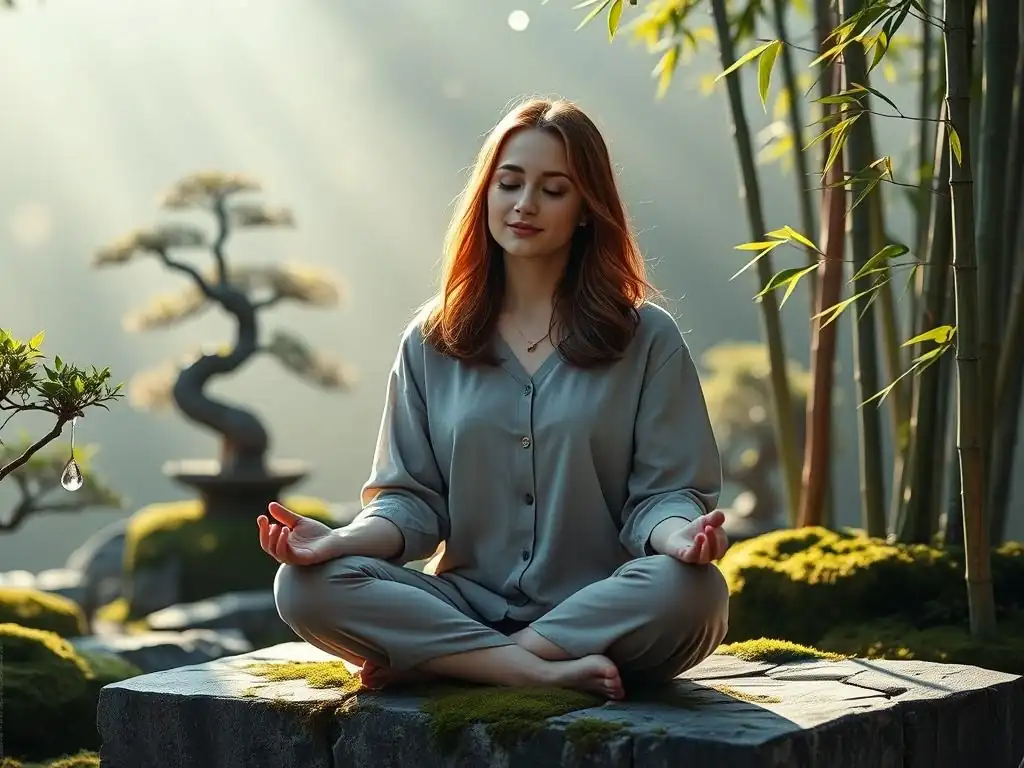
Welcome to Mind Care Guide, a sanctuary where we understand the weight of mental health challenges. Feeling overwhelmed? You're not alone. This is a space dedicated to supporting your journey towards well-being. Dive into our latest exploration of how meditation reduces anxiety symptoms and discover practical tools to reclaim your inner peace. Ready to transform your emotional landscape? Let's begin.
From Overwhelmed to Calm: How Meditation Transforms Your Emotional Landscape
- Introduction: Finding Emotional Equilibrium Through Meditation
- Understanding the Roots of Emotional Overwhelm
- Meditation Reduces Anxiety Symptoms: A Scientific Perspective
- Practical Meditation Techniques for Emotional Regulation
- Integrating Meditation into Your Daily Routine for Sustained Calm
- The Long-Term Benefits of Meditation on Emotional Well-being
- Addressing Common Misconceptions About Meditation
- Conclusion: Embracing Meditation for a Calmer, More Balanced Life.
-
Frequently Asked Questions
- ### How does meditation specifically reduce anxiety symptoms?
- ### What types of meditation are most effective for anxiety relief, according to Mind Care Guide?
- ### How often should I meditate to experience a significant reduction in anxiety?
- ### Can meditation completely eliminate anxiety, or is it just a management tool?
- ### Where can I find reliable resources and guided meditations for anxiety on Mind Care Guide?
- Final Reflection: Finding Stillness in a Restless World
- Unveil Your Inner Peace: Take the Next Step Towards Calm
Introduction: Finding Emotional Equilibrium Through Meditation
In today's fast-paced world, feelings of overwhelm, stress, and anxiety have become increasingly common. The constant demands of work, personal life, and external pressures can leave us feeling emotionally drained and off-balance. While these feelings are a natural part of the human experience, chronic emotional distress can significantly impact our well-being and quality of life. Seeking ways to navigate this internal turbulence is crucial for achieving a sense of peace and stability.
Meditation, an ancient practice rooted in various traditions, offers a powerful pathway to cultivating emotional equilibrium. Far from being merely a relaxation technique, consistent meditation practice can fundamentally reshape our relationship with our thoughts and feelings. It provides tools to observe emotional states without being consumed by them, fostering a greater sense of calm and control. This article explores how meditation reduces anxiety symptoms and transforms your emotional landscape, offering practical insights and scientific perspectives.
Understanding the Roots of Emotional Overwhelm
Emotional overwhelm often stems from a complex interplay of external stressors and internal responses. Identifying the specific triggers that lead to feelings of anxiety and stress is the first step toward managing them effectively. These triggers are highly personal but share common themes that resonate across many lives.
Identifying Common Triggers of Anxiety and Stress
Common triggers for anxiety and stress are pervasive and varied, often rooted in the pressures of modern living. Professional demands, such as tight deadlines, heavy workloads, or job insecurity, are frequent culprits. According to various surveys on workplace stress, a significant percentage of employees report feeling stressed most of the time, impacting their emotional state daily. Financial worries, including debt, unexpected expenses, or concerns about the future, represent another major source of anxiety for millions globally. Relationship issues, whether with partners, family members, or friends, can also create intense emotional strain, leading to feelings of being overwhelmed and anxious.
Beyond these personal spheres, broader societal factors contribute to stress. Navigating social media, global news cycles presenting crises, and even minor daily hassles like traffic jams or unexpected errands add layers of emotional burden. For instance, prolonged exposure to negative news can heighten feelings of fear and anxiety, demonstrating how external information directly impacts our internal landscape. Recognizing these specific triggers allows individuals to understand why they feel overwhelmed, paving the way for targeted coping strategies, including those offered by meditation, which effectively reduces anxiety symptoms.
The Body's Response to Stress and Anxiety
When faced with perceived threats or stressors, the body activates the "fight or flight" response, a primitive survival mechanism. This involves the release of stress hormones like cortisol and adrenaline into the bloodstream. Adrenaline rapidly increases heart rate, blood pressure, and breathing rate, preparing the body for immediate action. Cortisol, on the other hand, provides sustained energy by releasing glucose and suppressing non-essential functions, including parts of the immune system, in the short term. While beneficial in acute emergencies, chronic activation of this response due to persistent stress can have detrimental effects on physical and mental health.
Physically, the body's prolonged reaction to stress and anxiety manifests in various ways: muscle tension, headaches, digestive issues, fatigue, and sleep disturbances are common symptoms. Emotionally, this state can lead to irritability, difficulty concentrating, and heightened reactivity. For example, someone experiencing chronic work stress might find themselves snapping at loved ones or struggling to focus on simple tasks. Understanding this physiological link between stress, anxiety, and physical symptoms highlights the importance of practices like meditation, which can help regulate this stress response and, in doing so, meditation reduces anxiety symptoms at a fundamental level.
Meditation Reduces Anxiety Symptoms: A Scientific Perspective
The idea that meditation can calm the mind and ease emotional distress is not just anecdotal; a growing body of scientific research supports these claims. Studies using neuroimaging and physiological measurements are providing tangible evidence of how meditation impacts the brain and body's stress response systems. This scientific backing reinforces the value of meditation as a therapeutic tool for managing anxiety.
How Meditation Impacts the Brain's Anxiety Centers
Research utilizing fMRI (functional magnetic resonance imaging) has provided insights into how consistent meditation practice alters brain structure and function, particularly in areas related to anxiety and stress. One key area is the amygdala, often referred to as the brain's fear center, which processes threats and triggers the stress response. Studies, such as those conducted at institutions like Harvard Medical School, have indicated that individuals who regularly meditate tend to have reduced gray matter density in the amygdala compared to non-meditators.
This suggests a potential decrease in the brain's reactivity to stressors. Furthermore, meditation appears to strengthen the connection between the amygdala and the prefrontal cortex, the brain region responsible for executive functions like reasoning, decision-making, and emotional regulation.
This enhanced connectivity means the prefrontal cortex gains more influence over the amygdala's responses, allowing for a more measured and less reactive reaction to potential threats. Instead of instantly defaulting to fight or flight, the brain has a stronger capacity to pause, evaluate, and respond thoughtfully.
For instance, a study on mindfulness-based stress reduction (MBSR) participants showed a measurable decrease in amygdala activity when exposed to emotionally disturbing images after completing an 8-week program. This neurobiological evidence strongly supports the claim that meditation reduces anxiety symptoms by directly influencing the brain's architecture and activity patterns associated with fear and stress processing.
The Role of Mindfulness in Managing Anxiety
Mindfulness, a core component of many meditation practices, plays a crucial role in managing anxiety by shifting our relationship with anxious thoughts and feelings. Mindfulness involves paying attention to the present moment without judgment. When experiencing anxiety, the mind often fixates on future worries or past regrets, creating a cycle of distress. Mindfulness teaches us to observe these thoughts and feelings as temporary mental events, rather than absolute truths or overwhelming realities. This observational stance creates psychological distance from the anxiety.
For example, instead of thinking "I am a failure" and getting swept away by that belief, mindfulness encourages observing the thought "I am having the thought that I am a failure." This subtle shift in perspective can dramatically reduce the emotional grip of the thought. By practicing non-judgmental awareness, individuals learn to tolerate uncomfortable emotions without reacting impulsively or trying to suppress them, which often backfires.
This capacity to observe and tolerate distress is fundamental to emotional regulation and is a key mechanism by which meditation reduces anxiety symptoms. It empowers individuals to navigate anxious states with greater ease and less suffering.
Practical Meditation Techniques for Emotional Regulation
Putting the principles of meditation into practice is essential for experiencing its benefits. Fortunately, there are many techniques available, ranging from simple methods suitable for beginners to more advanced practices for those seeking deeper exploration. The key is finding techniques that resonate with you and practicing them consistently.
Beginner-Friendly Meditation Techniques to Reduce Anxiety
Starting a meditation practice doesn't require hours of silent sitting; even a few minutes a day can make a difference. One of the most accessible techniques is mindful breathing. Find a comfortable seated position, close your eyes if you wish, and simply bring your attention to the sensation of your breath entering and leaving your body. Notice the rise and fall of your abdomen or chest, the feeling of air at your nostrils.
When your mind inevitably wanders to anxious thoughts (which it will! ), gently acknowledge the thought without judgment and guide your attention back to the breath. This simple act of returning to the breath trains the mind to focus and disengage from worry cycles, directly helping meditation reduces anxiety symptoms.
Another effective beginner technique is the body scan meditation. This involves systematically bringing your attention to different parts of your body, noticing any sensations present – tension, tingling, warmth, or absence of feeling. Start with your toes and slowly move up through your legs, torso, arms, neck, and head. This practice grounds you in the present moment and helps you become more aware of where you hold tension related to stress and anxiety. By simply observing these physical sensations without trying to change them, you cultivate a sense of acceptance and release, contributing to a calmer state.
Advanced Meditation Practices for Deeper Emotional Transformation
For those with an established practice, more advanced techniques can foster deeper emotional insight and transformation. Loving-kindness meditation, or Metta, involves cultivating feelings of warmth, compassion, and kindness towards oneself and others. It typically starts by focusing loving-kindness towards oneself ("May I be happy, may I be healthy, may I be free from suffering"), then extending it to loved ones, neutral persons, difficult persons, and finally to all beings. This practice directly counteracts negative emotional states like irritability, anger, and fear by actively cultivating positive ones.
Vipassana, or insight meditation, is another advanced practice focused on developing deep insight into the nature of reality, including the impermanence of thoughts, feelings, and sensations. Through sustained, focused attention on the present moment experience – whether it's the breath, bodily sensations, or mental phenomena – practitioners gain a profound understanding of how suffering arises from clinging to impermanent states.
This insight can fundamentally alter one's relationship with anxiety and other difficult emotions, leading to greater equanimity and freedom. While these practices require more dedication, they offer the potential for profound emotional healing and transformation, further demonstrating how meditation reduces anxiety symptoms at a deeper level.
Integrating Meditation into Your Daily Routine for Sustained Calm
The true power of meditation for emotional well-being lies in its consistent application. sporadic practice might offer temporary relief, but making it a regular part of your life is key to fostering sustained calm and resilience. Integrating meditation doesn't mean adding another stressful item to your to-do list; it's about finding ways to weave moments of mindfulness and practice into the fabric of your day.
Creating a Consistent Meditation Practice
Establishing a consistent meditation practice requires intention and flexibility. Start small – commit to just 5-10 minutes each day. Choose a specific time that works best for you, whether it's first thing in the morning to set a calm tone, during a lunch break to reset, or in the evening to wind down.
Find a quiet, comfortable space where you won't be easily interrupted. Consistency is more important than duration; meditating for 5 minutes daily is far more beneficial than meditating for an hour once a week. Using guided meditation apps (though we cannot name specific ones here, many excellent resources exist) can be helpful for beginners, providing structure and support.
Treat your meditation time as a non-negotiable appointment with yourself. It's easy to let other demands push it aside, but reminding yourself that this practice is an investment in your emotional health can provide motivation. Don't strive for a completely "empty" mind; mind wandering is normal.
The practice is simply noticing when your mind has wandered and gently bringing it back. Be patient and compassionate with yourself; some days will feel easier than others. Over time, this consistent effort will build the mental muscle needed to effectively manage stress and anxiety, solidifying how meditation reduces anxiety symptoms over the long haul.
Mindfulness Beyond the Cushion: Applying Meditation Principles in Everyday Life
Formal meditation practice is the training ground, but the true goal is to bring the principles of mindfulness into your daily activities. This means cultivating present moment awareness throughout the day, not just during your dedicated meditation time. Simple acts like mindful eating – paying attention to the taste, texture, and smell of your food without distraction – can become a form of meditation. Mindful walking involves noticing the sensations in your feet, the movement of your body, and your surroundings.
You can also practice mindfulness in interactions with others by truly listening without formulating your response, or during routine tasks like washing dishes by focusing on the feel of the water and the soap. When you encounter stressful situations or feel anxiety rising, pause and take a few mindful breaths before reacting. Ask yourself: What am I feeling in my body right now?
What thought is present? This moment of mindful pause disrupts the automatic reaction cycle and allows for a more intentional response. By applying mindfulness throughout your day, you extend the benefits of formal meditation, making its capacity to reduce anxiety symptoms a constant resource rather than an occasional one.
The Long-Term Benefits of Meditation on Emotional Well-being
While the immediate effects of meditation can be noticeable, the most profound benefits emerge with consistent long-term practice. Over months and years, meditation doesn't just offer temporary relief; it fundamentally reshapes your emotional landscape, building resilience and fostering deeper emotional intelligence. These sustained effects demonstrate the transformative power of integrating meditation into one's life.
Reduced Anxiety and Improved Mood Regulation
One of the most significant long-term benefits is a sustained reduction in overall anxiety levels. Individuals who maintain a regular meditation practice often report feeling less reactive to stressors and experiencing fewer episodes of intense anxiety. For example, longitudinal studies tracking participants in mindfulness programs over several months or even years frequently show sustained decreases in self-reported anxiety scores, sometimes reporting reductions of approximately 20-30% or more compared to baseline levels.
Beyond just reducing anxiety, meditation also contributes to improved mood regulation. Practitioners tend to experience greater emotional stability, less frequent mood swings, and a more positive overall outlook on life.
This improved regulation isn't about suppressing emotions but about developing the capacity to navigate them skillfully. Difficult emotions still arise, but they are met with greater acceptance and less tendency to spiral into prolonged negative states. This is partly due to the neurobiological changes discussed earlier, such as reduced amygdala reactivity and enhanced prefrontal cortex control. The cumulative effect of these changes over time is a calmer, more balanced emotional state, providing powerful evidence that consistent meditation reduces anxiety symptoms and enhances overall emotional well-being.
Increased Resilience and Emotional Intelligence
Consistent meditation practice cultivates resilience, the ability to bounce back from adversity and cope effectively with challenges. By becoming more aware of their internal states and less identified with fleeting thoughts and emotions, meditators develop a greater capacity to weather life's inevitable storms without being completely overwhelmed. They learn to view setbacks not as catastrophes but as temporary situations that can be navigated with presence and awareness. This increased resilience is invaluable in managing stress and preventing anxiety from taking hold.
Furthermore, meditation enhances emotional intelligence – the ability to understand and manage one's own emotions, and to recognize and influence the emotions of others. Practices like Metta meditation explicitly cultivate empathy and compassion, improving interpersonal relationships. Mindfulness practice sharpens self-awareness, allowing individuals to recognize their emotional triggers and patterns.
This heightened understanding enables more skillful responses in challenging situations, whether personal or professional. By fostering both resilience and emotional intelligence, long-term meditation practice provides a robust foundation for navigating the complexities of life with greater grace and less anxiety, underscoring its profound capacity as a tool that meditation reduces anxiety symptoms and builds inner strength.
Addressing Common Misconceptions About Meditation
Despite its growing popularity and scientific backing, meditation is still surrounded by various myths and misconceptions that can prevent people from trying it or sticking with it. Addressing these can help demystify the practice and make it more accessible. Understanding that meditation is a skill, not a mystical talent, is crucial for approaching it with realistic expectations.
Debunking Myths About Meditation (e.g., "It's only for spiritual people")
One of the most common myths is that meditation is exclusively for spiritual gurus or people following a specific religious path. In reality, while meditation has roots in various spiritual traditions, modern mindfulness and secular meditation practices are entirely non-religious and accessible to anyone, regardless of their beliefs. The focus is on mental training and self-awareness, not adherence to dogma. Another persistent myth is that meditation requires you to "empty your mind" of all thoughts.
This is an unrealistic and frustrating goal. The mind thinks; that's what it does. Meditation is not about stopping thoughts but about changing your relationship with them – observing them without judgment and not getting carried away by them.
Another misconception is that you need to be naturally calm or a certain "type" of person to meditate successfully. Anyone can meditate, especially those who feel stressed or anxious, as they often have the most to gain. It's a practice that benefits everyone, regardless of their current emotional state or personality.
Believing that meditation is too difficult or takes too much time is also a barrier. As discussed, starting with just a few minutes a day is perfectly fine, and the difficulty lies not in the technique itself but in the mind's initial resistance to stillness. Dispelling these myths is essential for encouraging people to explore how meditation reduces anxiety symptoms for themselves.
Overcoming Challenges in Your Meditation Journey
Starting and maintaining a meditation practice isn't always easy; you will likely face challenges. Mind wandering is perhaps the most universal challenge. It's easy to get discouraged when your mind is constantly distracted by thoughts, worries, or to-do lists. The key here is patience and self-compassion. Each time you notice your mind has wandered and gently bring it back to your focus (like the breath), you are successfully completing a repetition of the practice. Think of it as building a muscle; it gets stronger with each repetition, not with the absence of wandering.
Boredom, restlessness, or even increased awareness of discomfort (physical or emotional) can also arise during meditation. It's important to acknowledge these experiences without judgment. Sometimes, anxiety might even feel more intense initially as you bring mindful awareness to it. This is a normal part of the process – you're becoming aware of what's already there.
Instead of fighting these sensations, try observing them with curiosity. If physical discomfort is an issue, adjust your posture. If restlessness is strong, try a walking meditation instead. Remember why you started – to cultivate calm and reduce anxiety symptoms – and trust that navigating these challenges is part of the path towards greater emotional freedom.
Conclusion: Embracing Meditation for a Calmer, More Balanced Life.
Navigating the often-overwhelming emotional landscape of modern life requires effective tools and practices. Meditation stands out as a powerful, evidence-based approach that offers far more than temporary relief; it provides a pathway to fundamental emotional transformation. By understanding the roots of our anxiety and stress, and by exploring the scientific evidence showing how meditation impacts the brain's anxiety centers, we can appreciate the profound benefits this practice offers.
From simple breathing exercises for beginners to deeper insight practices, meditation equips us with the skills to observe our thoughts and feelings without getting swept away. Integrating even short periods of consistent practice into our daily routine, and extending mindfulness into everyday activities, builds resilience and fosters sustained calm. The long-term benefits are clear: meditation reduces anxiety symptoms, improves mood regulation, and cultivates essential qualities like resilience and emotional intelligence.
By addressing common misconceptions and approaching the practice with patience and self-compassion, anyone can embark on this journey from overwhelm to a calmer, more balanced life. Embracing meditation is an investment in your emotional well-being, offering the potential for lasting peace and inner strength.
Frequently Asked Questions
### How does meditation specifically reduce anxiety symptoms?
Meditation helps by focusing your attention and quieting the "noise" in your mind. This practice promotes mindfulness and relaxation, which can directly counteract the physiological symptoms of anxiety, such as a racing heart or shallow breathing.
### What types of meditation are most effective for anxiety relief, according to Mind Care Guide?
Mind Care Guide suggests that mindfulness meditation and guided meditation are particularly helpful. Mindfulness focuses on present moment awareness, while guided meditation uses imagery and direction to facilitate relaxation.
### How often should I meditate to experience a significant reduction in anxiety?
Consistency is key. Aim for at least 10-15 minutes daily to see noticeable improvements. The Mind Care Guide emphasizes that even short, regular sessions can contribute to long-term anxiety management.
### Can meditation completely eliminate anxiety, or is it just a management tool?
Meditation is primarily a management tool for anxiety. While it can significantly reduce symptoms and improve coping mechanisms, it may not eliminate anxiety entirely, especially for individuals with underlying conditions.
### Where can I find reliable resources and guided meditations for anxiety on Mind Care Guide?
Mind Care Guide offers a variety of articles, guided audio meditations, and online resources designed to support your meditation practice and anxiety management. Look for the "Meditation for Anxiety" section.
Final Reflection: Finding Stillness in a Restless World
The pervasive anxiety of modern life demands a powerful antidote, and the practice of meditation offers just that. Its ability to quiet the mental chatter and cultivate inner peace is not merely a trendy wellness practice; it's a vital tool for navigating the complexities of the 21st century. The techniques explored in this article – from mindfulness to guided meditation – are not just theoretical exercises; they are practical strategies for reclaiming control over your emotional well-being and reducing the debilitating effects of anxiety.
The impact of meditation extends far beyond individual stress reduction; it's a ripple effect that touches our relationships, our work, and the very fabric of our society. By cultivating inner calm, we foster greater empathy, patience, and resilience – qualities desperately needed in a world often characterized by division and conflict. As Thich Nhat Hanh wisely said, Peace is not merely the absence of war, but the presence of justice, compassion, and understanding.
Meditation, in its essence, cultivates these very qualities, allowing us to approach challenges with greater clarity and compassion, both for ourselves and for others.
Now, consider your own life. Where do you feel the weight of anxiety pressing down? What small step can you take today to incorporate meditation into your routine? Perhaps it's just five minutes of mindful breathing before bed, or a guided meditation app during your lunch break.
Start small, be consistent, and allow the transformative power of stillness to unfold within you. The journey to a calmer, more centered self begins with a single breath, a single moment of mindful awareness. Embrace the opportunity to cultivate inner peace, and watch as it transforms not only your emotional landscape, but also the world around you.
Unveil Your Inner Peace: Take the Next Step Towards Calm
Thanks for taking the time to explore the power of meditation with us! We hope you gained valuable insights into how this practice can transform your emotional well-being. Now, it's time to put these insights into action.
Here's how you can continue your journey:
- Begin your daily meditation practice: Start small, even just 5 minutes a day. Focus on your breath and allow yourself to simply be. This is the most important step!
- Share your experience: Tell a friend or family member about your meditation journey. Sharing your progress can help you stay accountable and inspire others.
- Explore guided meditations: Search online for guided meditations tailored to stress reduction and emotional balance. Discover what resonates with you.
What small step will you take today to cultivate more inner peace?