
The AntiInflammatory Power of Peace: Physical Benefits of a Meditative Mind


Welcome to Mind Care Guide, your sanctuary for navigating the complexities of mental well-being.
Feeling overwhelmed by anxiety? You're not alone. Dive into our latest exploration of how Meditation reduces anxiety symptoms and discover the surprising physical benefits of a meditative mind – benefits that extend far beyond simply feeling calmer. Intrigued by the anti-inflammatory power of peace? Let's unlock the potential for lasting well-being, together.
The AntiInflammatory Power of Peace: Physical Benefits of a Meditative Mind
- Introduction: Unlocking Physical Well-being Through Meditation
- Understanding Inflammation and Its Impact on Health
- Meditation: A Natural Anti-Inflammatory Agent
- The Science Behind Meditation and Inflammation Reduction
- Specific Physical Benefits of Meditation Related to Inflammation
- Meditation Techniques for Reducing Inflammation
- Practical Tips for Incorporating Meditation into Your Daily Routine
- Meditation Reduces Anxiety Symptoms: Long-Term Strategies for Maintaining Anti-Inflammatory Benefits
- Conclusion: Embracing Meditation for a Healthier, Less Inflamed Body and Mind
-
Frequently Asked Questions
- What is the connection between meditation and anxiety reduction according to Mind Care Guide?
- How does meditation contribute to overall mental well-being, as discussed on Mind Care Guide?
- Does the "AntiInflammatory Power of Peace" article focus solely on mental health, or are there physical benefits mentioned?
- What resources does Mind Care Guide offer beyond just information about meditation?
- How does meditation help with the specific keyword "Meditation reduces anxiety symptoms"?
- Final Reflection: Cultivating Inner Peace, Harvesting Physical Well-being
- Unleash Your Inner Calm: Cultivate Peace, Reap the Rewards
Introduction: Unlocking Physical Well-being Through Meditation
In our fast-paced world, stress and anxiety have become unwelcome companions for many. While their mental toll is widely recognized, the physical consequences, particularly chronic inflammation, are often overlooked. Inflammation, the body's natural defense mechanism, becomes problematic when it persists long-term, contributing to a host of chronic diseases.
Fortunately, ancient practices like meditation offer a powerful, natural antidote, not only calming the mind but also exerting significant anti-inflammatory effects on the body. This article delves into how cultivating a meditative mind can be a cornerstone of physical well-being, exploring the scientific links between peace, reduced stress, and a less inflamed state.
Exploring the physical benefits of a regular meditation practice goes beyond the commonly understood mental calm. It involves understanding the intricate connection between our psychological state and our physiological responses. Stress, a primary driver of chronic inflammation, triggers complex hormonal and neural pathways.
By learning to manage stress and anxiety through meditation, we can directly influence these pathways, potentially mitigating inflammatory processes at a cellular level. This journey into the anti-inflammatory power of peace reveals how integrating mindfulness and meditative techniques into daily life can be a proactive step towards a healthier body, complementing other wellness strategies like diet and exercise.
Understanding Inflammation and Its Impact on Health
Inflammation is a vital biological process, essential for healing injuries and fighting off infections. When you cut your finger, for example, inflammation is the body's rapid response to protect the wound and initiate repair. This is acute inflammation – a necessary and temporary process. However, when the body remains in a state of heightened alert, even without a clear threat, chronic inflammation sets in. This low-grade, persistent inflammation doesn't necessarily cause immediate pain or swelling but silently damages tissues and organs over time, laying the groundwork for numerous health issues.
The impact of chronic inflammation on overall health is profound and far-reaching. It is no longer seen merely as a symptom but as a significant contributing factor to many of the leading chronic diseases of our time. Unlike the visible signs of acute inflammation, chronic inflammation often operates beneath the surface, making it a silent threat. Understanding this distinction is crucial for appreciating how lifestyle interventions, including practices like meditation, can play a pivotal role in managing or preventing these long-term health challenges by targeting the root cause of persistent inflammation.
The Role of Chronic Inflammation in Disease
Chronic inflammation is increasingly recognized as a common thread linking many seemingly unrelated chronic diseases. Conditions such as heart disease, type 2 diabetes, certain cancers, autoimmune disorders like rheumatoid arthritis and lupus, neurodegenerative diseases like Alzheimer's, and even mood disorders like depression are all associated with elevated levels of inflammatory markers in the body. This persistent inflammatory state can damage blood vessels, impair insulin sensitivity, promote cell proliferation, and contribute to the breakdown of nerve cells.
For instance, in cardiovascular disease, chronic inflammation contributes to the buildup of plaque in arteries (atherosclerosis). This isn't just about cholesterol; inflammatory cells are key players in hardening and narrowing the arteries, increasing the risk of heart attacks and strokes. Similarly, in autoimmune diseases, the immune system mistakenly attacks the body's own tissues, driven by unchecked inflammatory responses. Managing this underlying inflammation is therefore a critical component in preventing, managing, and potentially reversing the progression of these serious health conditions.
How Stress Contributes to Inflammation
The link between psychological stress and physical inflammation is well-established and mediated primarily through the body's stress response system, particularly the hypothalamic-pituitary-adrenal (HPA) axis and the sympathetic nervous system. When you experience stress, whether it's a perceived threat or chronic work pressure, the body releases stress hormones like cortisol and adrenaline. While these hormones are helpful in short bursts (the "fight or flight" response), chronic elevation disrupts their normal function.
Prolonged exposure to stress hormones can lead to dysregulation of the immune system. Initially, stress might prime the immune system, but chronic stress can suppress certain immune functions while simultaneously promoting the release of pro-inflammatory cytokines – small proteins that signal inflammation. This is why chronic stress is often linked to increased susceptibility to illness and exacerbation of inflammatory conditions. Furthermore, the experience of anxiety symptoms, often a byproduct of chronic stress, can further fuel this inflammatory cycle, creating a feedback loop where mental distress directly contributes to physical inflammation.
Meditation: A Natural Anti-Inflammatory Agent
Meditation, far from being just a relaxation technique, is a powerful practice that can fundamentally alter the body's physiological response to stress. By consciously choosing to focus attention, whether on the breath, a mantra, or bodily sensations, individuals can interrupt the automatic stress response loop. This conscious intervention helps to calm the nervous system, reducing the release of stress hormones that are known drivers of inflammation.
Regular meditation practice trains the mind to become less reactive to stressors. Instead of instantly triggering the "fight or flight" response when faced with challenges or anxieties, a meditative mind learns to observe these stimuli without getting swept away by them. This reduced reactivity translates directly into a less frequent and less intense activation of the stress pathways that contribute to chronic inflammation. In essence, meditation helps the body step out of a perpetual state of alarm, allowing inflammatory processes to subside.
Meditation and the Body's Stress Response
Meditation's primary mechanism for influencing inflammation lies in its ability to regulate the body's stress response systems. Practices like mindfulness meditation have been shown to dampen the activity of the sympathetic nervous system, which is responsible for the "fight or flight" reaction. This leads to lower heart rate, reduced blood pressure, and decreased levels of stress hormones like cortisol.
By reducing cortisol levels, meditation helps prevent the immune dysregulation associated with chronic stress. Studies have indicated that long-term meditators tend to have a more balanced inflammatory response compared to non-meditators, with lower levels of pro-inflammatory markers. This indicates that meditation directly impacts the physiological cascade triggered by stress, offering a countermeasure to the inflammatory effects of modern life.
How Meditation Reduces Anxiety Symptoms: A Direct Link to Inflammation
One of the most significant ways meditation combats inflammation is by effectively reducing anxiety symptoms. Anxiety is a state of heightened physiological arousal, often accompanied by persistent worry and physical tension. This state keeps the stress response system on high alert, continuously releasing stress hormones and pro-inflammatory signals.
When meditation reduces anxiety symptoms, it breaks this vicious cycle. By calming the nervous system and cultivating a sense of present-moment awareness, meditation helps individuals detach from anxious thoughts and feelings. This psychological shift has a direct physiological impact, leading to a decrease in stress hormone production and a subsequent reduction in the inflammatory burden on the body. Thus, the widely reported benefit that meditation reduces anxiety symptoms is not just a mental relief; it's a crucial step towards lowering chronic inflammation and improving physical health.
The Science Behind Meditation and Inflammation Reduction

The scientific community has increasingly turned its attention to the physiological effects of meditation, employing rigorous methods to measure its impact on the body. Research in psychoneuroimmunology explores the complex interactions between the mind, nervous system, and immune system, providing concrete evidence for how practices like meditation can influence physical health outcomes, including inflammation.
These studies often utilize biomarkers – measurable indicators of biological states – to track changes in the body before and after meditation interventions. By analyzing blood samples for specific proteins and molecules, researchers can gain insights into the cellular and molecular mechanisms through which meditation exerts its anti-inflammatory effects. This growing body of scientific evidence supports the ancient wisdom that cultivating inner peace can have profound positive effects on physical health.
Studies on Meditation and Inflammatory Markers (e.g., C-Reactive Protein)
Numerous studies have investigated the impact of meditation on key inflammatory markers in the blood. C-Reactive Protein (CRP) is one such marker, widely used as a general indicator of inflammation in the body. Elevated CRP levels are associated with increased risk of cardiovascular disease and other inflammatory conditions.
Research has consistently shown that regular meditation practice can lead to significant reductions in CRP levels. For example, meta-analyses pooling data from multiple studies have indicated that individuals who engage in consistent meditation, such as mindfulness-based stress reduction (MBSR), often show lower CRP levels compared to control groups. While the exact percentage reduction varies depending on the study population, duration, and type of meditation, findings often point to meaningful decreases, sometimes in the range of 10-20% or more in long-term practitioners, suggesting a tangible anti-inflammatory effect.
Meditation's Impact on the Nervous System and Inflammation
Meditation exerts a significant influence on both the autonomic nervous system (ANS) and the central nervous system (CNS), which in turn regulate immune and inflammatory responses. The ANS has two branches: the sympathetic ("fight or flight") and the parasympathetic ("rest and digest"). Chronic stress activates the sympathetic branch, promoting inflammation.
Meditation helps shift the balance towards increased parasympathetic activity. This is evidenced by measures like heart rate variability (HRV), which tends to be higher in meditators, indicating a more flexible and healthy ANS. A more dominant parasympathetic state leads to reduced release of pro-inflammatory signals. Furthermore, neuroimaging studies show that meditation can alter brain regions involved in stress processing, such as the amygdala, making individuals less reactive to threats and thus reducing the physiological cascade that leads to inflammation. By calming the nervous system, meditation provides a fundamental mechanism for the body to reduce inflammation.
The anti-inflammatory effects of meditation translate into tangible physical benefits across various aspects of health. By addressing the underlying inflammatory processes, meditation can help alleviate symptoms and improve outcomes in conditions where inflammation plays a significant role. These benefits extend beyond general well-being to specific physiological systems and diseases.
Understanding these specific benefits highlights the practical implications of incorporating meditation into health management strategies. It shows how a practice focused on mental calm can directly impact physical ailments, offering a complementary approach to traditional medical treatments for inflammation-related conditions. The evidence suggests that cultivating a meditative mind is not just about feeling better emotionally, but about fostering a healthier body from the inside out.
Many chronic pain conditions, such as arthritis, fibromyalgia, and lower back pain, have an underlying inflammatory component. Inflammation irritates nerves and tissues, contributing to the sensation of pain. While meditation doesn't eliminate the source of inflammation, it can significantly impact how pain signals are processed and perceived by the brain.
By reducing stress and anxiety, which often exacerbate pain, meditation can lower the overall intensity of discomfort. Furthermore, practices like mindfulness meditation train individuals to observe pain sensations without the added layer of fear, frustration, or resistance, which are known to amplify the experience of pain. This cognitive shift, combined with the physiological reduction in inflammatory markers, can lead to a noticeable decrease in pain levels and improved functional capacity for individuals living with chronic inflammatory pain.
Meditation and Improved Cardiovascular Health: Inflammation's Role
Cardiovascular disease, including conditions like hypertension and atherosclerosis, is strongly linked to chronic inflammation. Inflammation contributes to the hardening and narrowing of arteries, increasing the risk of heart attack and stroke. Lifestyle factors that reduce inflammation are therefore crucial for heart health.
Meditation supports cardiovascular health through multiple pathways. By reducing stress and anxiety, it helps lower blood pressure and heart rate. As discussed, it also lowers inflammatory markers like CRP, which are directly implicated in the progression of atherosclerosis. Some studies have even shown that meditation can improve endothelial function, the health of the inner lining of blood vessels, which is often impaired by inflammation. These combined effects demonstrate how cultivating a meditative mind can be a valuable strategy for reducing cardiovascular risk.
Meditation's Effect on Autoimmune Diseases: Managing Inflammatory Responses
Autoimmune diseases, such as rheumatoid arthritis, inflammatory bowel disease (IBD), and psoriasis, are characterized by the immune system attacking the body's own tissues, driven by chronic, dysregulated inflammation. Managing the inflammatory response is central to controlling these conditions and preventing flare-ups.
While meditation is not a cure for autoimmune diseases, it can be a powerful tool for managing symptoms and improving quality of life. By reducing stress and anxiety, meditation helps dampen the immune system's overactivity that fuels inflammation in these conditions. Patients with rheumatoid arthritis, for instance, who practice meditation often report reduced pain, swelling, and stiffness, along with fewer disease flares. This effect is likely due to meditation's ability to lower pro-inflammatory cytokines and modulate immune cell activity, helping to restore a more balanced immune response.
Meditation Techniques for Reducing Inflammation
Various meditation techniques exist, each with its own focus, but many share the common outcome of reducing stress and promoting a state conducive to lower inflammation. Choosing a technique often depends on personal preference and what resonates most with the individual. Consistency in practice is generally more important than the specific style.
Exploring different methods can help individuals find the approach that best supports their journey towards reducing anxiety symptoms and fostering a less inflamed body. Whether the focus is on breath, bodily sensations, or cultivating positive emotions, the act of regular, mindful attention provides the foundation for physiological change.
Mindfulness Meditation for Inflammation Control
Mindfulness meditation involves paying attention to the present moment without judgment. This includes noticing thoughts, feelings, and bodily sensations as they arise. By cultivating this non-reactive awareness, individuals learn to observe stressful triggers and anxious thoughts without getting caught in the automatic stress response loop.
This practice directly impacts the physiological pathways leading to inflammation. By reducing reactivity to stress, mindfulness lowers the release of stress hormones and calms the nervous system. Studies on Mindfulness-Based Stress Reduction (MBSR) programs have shown significant reductions in inflammatory markers among participants, demonstrating the effectiveness of this approach in mitigating the physical effects of stress and promoting a less inflamed state. Learning how meditation reduces anxiety symptoms through mindfulness is a powerful tool for physical health.
Loving-Kindness Meditation and Its Anti-Inflammatory Effects
Loving-kindness meditation (Metta) is a practice focused on cultivating feelings of warmth, compassion, and kindness towards oneself and others. While seemingly purely emotional, this practice also has tangible physiological effects.
Cultivating positive emotions like kindness and compassion has been shown to activate the parasympathetic nervous system, promoting relaxation and reducing stress hormone levels. Research suggests that positive emotions can have a buffering effect against the negative impacts of stress and may directly influence immune function and inflammation. By fostering a state of inner peace and connection, loving-kindness meditation contributes to a physiological environment less prone to chronic inflammation.
Body Scan Meditation: Focusing on Physical Sensations and Reducing Inflammation
Body scan meditation involves systematically bringing attention to different parts of the body, noticing physical sensations without trying to change them. This practice enhances body awareness and helps individuals become more attuned to physical tension and discomfort, often linked to stress and anxiety.
By gently focusing on physical sensations, the body scan helps to release held tension and activates the relaxation response. This deliberate act of slowing down and paying attention to the physical self can calm the nervous system and reduce the physiological arousal associated with stress and anxiety. Over time, this practice can contribute to a reduction in overall muscle tension and potentially lower the inflammatory signals that are exacerbated by chronic physical and mental stress.
Practical Tips for Incorporating Meditation into Your Daily Routine
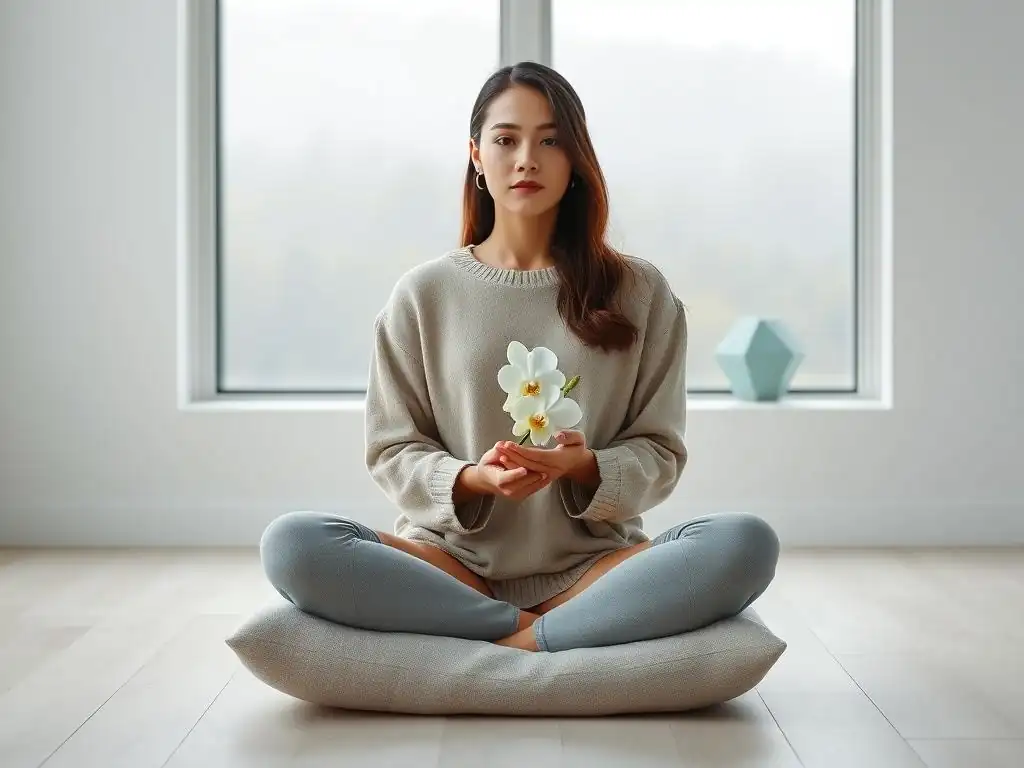
Making meditation a regular part of your life doesn't require hours of sitting or becoming a spiritual guru. Even short, consistent periods of practice can yield significant benefits for both mental well-being and physical health, including helping to reduce anxiety symptoms and their associated inflammation. The key is finding a way to integrate it seamlessly into your existing routine.
Starting small and being patient with yourself are crucial. Like any new skill, meditation takes practice. Don't be discouraged by a wandering mind; simply notice it and gently bring your attention back. Creating a consistent habit is more important than achieving a state of perfect stillness.
Creating a Meditation Space for Optimal Relaxation
Designating a specific, quiet space for your meditation practice can help establish a routine and create a sense of calm. This doesn't need to be elaborate; a comfortable chair or cushion in a corner of a room where you won't be easily interrupted is sufficient. The key is to make it a place associated with peace and stillness.
Ensuring the space is tidy and free from distractions can make it easier to settle into your practice. Dim lighting, comfortable temperature, and perhaps a calming scent can enhance the atmosphere. Having a dedicated spot signals to your brain that it's time to transition into a meditative state, making the practice feel more accessible and effective over time.
Setting Realistic Goals for Meditation Practice
When starting out, aim for short, achievable meditation sessions. Even 5-10 minutes per day can be beneficial. Trying to meditate for an hour immediately can feel overwhelming and lead to discouragement. As you become more comfortable, you can gradually increase the duration.
Consistency is more important than length. Practicing for 10 minutes daily is more effective than practicing for an hour once a week. Set a specific time that works for you, whether it's first thing in the morning, during a lunch break, or before bed. Be flexible, but try to stick to your schedule as much as possible to build the habit. Remember that even brief moments of mindful breathing throughout the day can contribute to reducing stress and anxiety symptoms, thereby supporting your anti-inflammatory efforts.
Guided Meditation Resources for Anxiety and Inflammation Relief
For beginners, guided meditations can be incredibly helpful. These are audio or video recordings led by an instructor who guides you through the process, whether it's focusing on the breath, scanning the body, or cultivating loving-kindness. Guided meditations can make the practice feel less intimidating and provide structure.
Numerous apps, websites, and online platforms offer a wide variety of guided meditations specifically tailored for stress reduction, anxiety relief, pain management, and even promoting physical healing. Exploring these resources can provide support and variety in your practice, helping you find what resonates most and making it easier to stick with meditation as a tool for reducing anxiety symptoms and fostering a less inflamed state.
Meditation Reduces Anxiety Symptoms: Long-Term Strategies for Maintaining Anti-Inflammatory Benefits
Sustaining the physical benefits of meditation, particularly its anti-inflammatory power, requires a long-term commitment. While initial improvements in stress and anxiety symptoms might be noticeable relatively quickly, the deeper physiological changes related to chronic inflammation unfold over time with consistent practice. Viewing meditation as a lifelong tool rather than a quick fix is essential.
Maintaining a regular meditation practice ensures that the body's stress response systems remain regulated, preventing the resurgence of stress-induced inflammation. This consistent effort builds resilience, making the mind and body less susceptible to the inflammatory effects of future stressors. By embedding meditation into your lifestyle, you create a powerful, internal mechanism for managing inflammation for years to come.
Consistency is Key: Making Meditation a Habit
Like exercise or healthy eating, the benefits of meditation accumulate with consistent practice. Irregular or infrequent meditation is unlikely to produce significant, lasting changes in inflammatory markers or stress hormone levels. Aiming for daily practice, even if brief, is the most effective way to reap the anti-term anti-inflammatory rewards.
Making meditation a non-negotiable part of your day, perhaps by linking it to an existing habit like brushing your teeth or having your morning coffee, can help solidify it. Use reminders or integrate it into your calendar. A consistent habit ensures that the nervous system and stress response remain regulated, providing continuous support in keeping inflammation at bay and reinforcing how meditation reduces anxiety symptoms over time.
Combining Meditation with a Healthy Lifestyle for Maximum Impact
While meditation is a powerful tool on its own, its anti-inflammatory effects are amplified when combined with other healthy lifestyle choices. Diet plays a crucial role in inflammation; consuming anti-inflammatory foods like fruits, vegetables, whole grains, and omega-3 fatty acids, while limiting processed foods, sugary drinks, and excessive saturated fats, complements the internal work of meditation.
Regular physical activity is also a potent anti-inflammatory agent and a proven stress reducer. Combining meditation with exercise creates a synergistic effect, benefiting both mental and physical health. Adequate sleep is another critical factor, as sleep deprivation can increase inflammatory markers. By integrating meditation with a balanced diet, regular exercise, and sufficient sleep, you create a comprehensive lifestyle approach that maximizes your body's ability to manage stress, reduce anxiety symptoms, and combat chronic inflammation.
Conclusion: Embracing Meditation for a Healthier, Less Inflamed Body and Mind
The journey towards physical well-being is deeply intertwined with the state of our mental and emotional health. Chronic inflammation, a silent contributor to numerous diseases, is often fueled by stress and anxiety. Fortunately, the ancient practice of meditation offers a scientifically supported pathway to mitigate these effects, demonstrating the profound anti-inflammatory power of cultivating inner peace. By regulating the body's stress response, calming the nervous system, and effectively reducing anxiety symptoms, meditation directly impacts the physiological processes that drive inflammation.
From lowering key inflammatory markers like CRP to alleviating pain and supporting cardiovascular and autoimmune health, the physical benefits of a meditative mind are significant and wide-ranging. Incorporating meditation into your daily routine, even for short periods, can be a transformative step. By committing to consistent practice and combining it with other healthy lifestyle choices, you empower yourself to build resilience against stress and inflammation, fostering a healthier, more peaceful body and mind. Embracing meditation is not just about finding calm; it's about actively choosing a path towards lasting physical vitality.
Frequently Asked Questions
What is the connection between meditation and anxiety reduction according to Mind Care Guide?
Meditation is presented as a powerful tool to reduce anxiety symptoms. It promotes a sense of calm and peace, which can counteract the physical and emotional effects of anxiety. The Mind Care Guide highlights this as a core benefit of meditative practices.
How does meditation contribute to overall mental well-being, as discussed on Mind Care Guide?
Mind Care Guide suggests that meditation fosters mental well-being by providing information, support, and resources to address various mental health challenges. It helps cultivate mindfulness and emotional regulation, contributing to a more balanced state of mind.
Does the "AntiInflammatory Power of Peace" article focus solely on mental health, or are there physical benefits mentioned?
The article emphasizes both, particularly the physical benefits of a meditative mind. It explores how achieving inner peace through meditation can have an anti-inflammatory effect on the body.
What resources does Mind Care Guide offer beyond just information about meditation?
Beyond information, Mind Care Guide provides support and resources for various mental health challenges. This could include practical exercises, access to support groups, and links to professional help.
How does meditation help with the specific keyword "Meditation reduces anxiety symptoms"?
Meditation directly addresses the keyword by activating the parasympathetic nervous system, which helps to reduce anxiety symptoms. It promotes relaxation and decreases the stress hormones associated with anxiety.
Final Reflection: Cultivating Inner Peace, Harvesting Physical Well-being
The overwhelming evidence presented in this article demonstrates a powerful connection: a meditative mind fosters a healthier body, significantly reducing inflammation and its associated ailments. This isn't just a trendy wellness practice; it's a tangible pathway to improved physical and mental health, offering a potent antidote to the chronic stress that plagues modern life. The ability to actively cultivate inner peace is no longer a luxury, but a vital tool for navigating the complexities of the 21st century.
The exploration of meditation's anti-inflammatory effects has profoundly impacted my understanding of holistic well-being. It's not simply about managing anxiety symptoms; it's about addressing the root causes of disease through a mindful approach to life. The profound impact of reducing internal conflict resonates deeply, echoing the wisdom of ancient traditions. Peace is not merely the absence of war, but the presence of justice.
This quote transcends geopolitical contexts; it speaks to the inner peace we must cultivate to achieve true physical and mental health. The ripple effect of this inner peace extends far beyond the individual, impacting our relationships and communities.
Consider the profound implications of this research. You now possess the knowledge and the tools to actively reduce inflammation in your body, simply by incorporating mindful practices into your daily routine. Don't just passively read about the benefits; actively engage in them. Start small, with just five minutes of daily meditation. Experience the calming effect on your mind and observe the positive changes in your physical well-being. The journey to a healthier, more peaceful you begins with a single, mindful breath.
Unleash Your Inner Calm: Cultivate Peace, Reap the Rewards
Thanks for taking the time to explore the powerful connection between inner peace and physical well-being! You've discovered how meditation can help reduce inflammation and improve your overall health. Now it's time to put this knowledge into action.
- Prioritize a daily meditation practice: Even 5-10 minutes a day can make a significant difference. Start small, be consistent, and notice the positive shift in your body and mind.
- Share this article with someone who could benefit from learning about the anti-inflammatory effects of meditation. Let's spread the word about this incredible self-care practice.
- Consider joining a local meditation group or online community. Connecting with others on a similar journey can enhance your experience and provide valuable support.
Ready to experience the transformative power of peace? What small step will you take today to cultivate a more tranquil and healthy you?