
Manage Depression Symptoms: Finding Light Through Meditation Practice

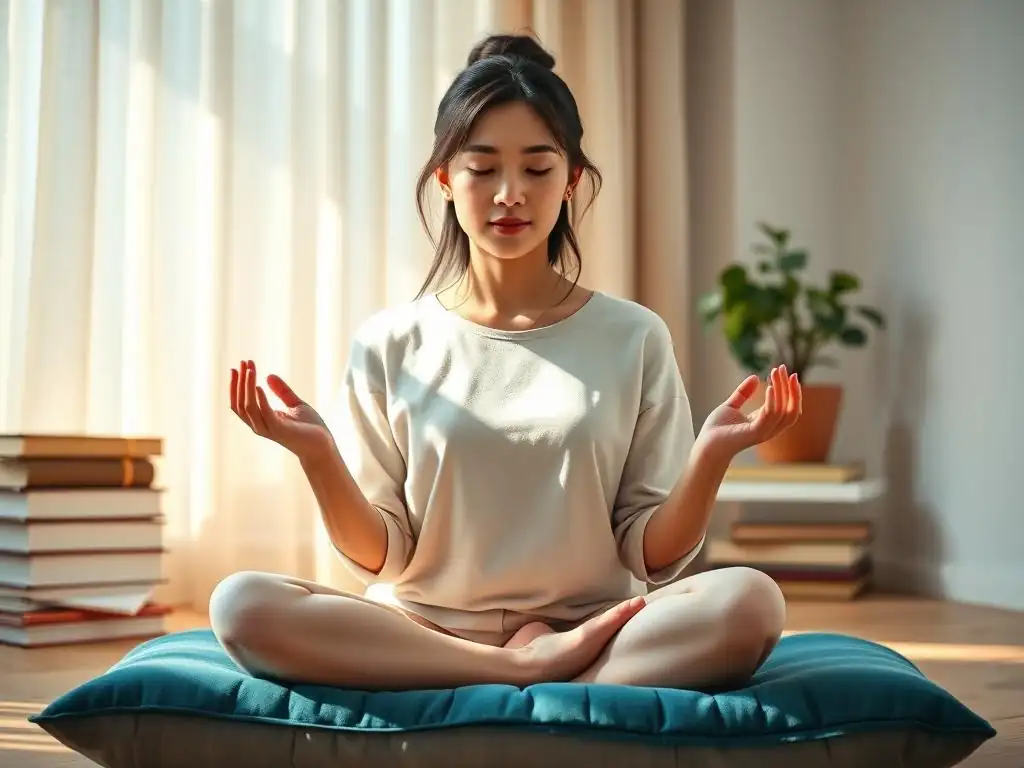
Welcome to Mind Care Guide, your compassionate companion on the journey to mental well-being.
Feeling overwhelmed by depression? You're not alone. Perhaps you've heard whispers about meditation as a potential source of relief, but wondered if it could truly make a difference. In this article, we delve into how meditation can reduce depression symptoms, offering practical insights and techniques to help you find moments of peace amidst the storm. Curious to discover how to gently guide your mind towards healing? Let's explore together.
Manage Depression Symptoms: Finding Light Through Meditation Practice
- Introduction: Meditation for Depression - A Mind Care Guide
- Understanding Depression and Its Impact on Mental Well-being
- Can Meditation Help with Depression? Exploring the Benefits
- Types of Meditation for Alleviating Depression Symptoms
- Practical Guide: How to Start Meditating
- Integrating Meditation into Your Daily Routine
- Overcoming Challenges in Your Meditation Practice
- The Role of Self-Care in Managing Depression
- Personal Stories: Meditation for Depression Management
- Conclusion: Meditation - A Tool for Depression Symptom Relief
-
Frequently Asked Questions
- How can meditation help with depression?
- What types of meditation are most effective for reducing depression symptoms?
- How often should I meditate to see a noticeable reduction in depression symptoms?
- Is meditation a replacement for professional mental health treatment for depression?
- Where can I find resources to learn more about using meditation to manage depression?
- Final Reflection: Cultivating Inner Peace to Combat Depression
- Unveil Your Inner Calm: Start Your Meditation Journey Today
Introduction: Meditation for Depression - A Mind Care Guide
Depression is a complex mental health condition that affects millions worldwide, bringing with it a heavy burden of persistent sadness, loss of interest, and difficulty functioning in daily life. While traditional treatments like therapy and medication are crucial, many individuals are exploring complementary practices to manage their symptoms. Among these, meditation has emerged as a promising tool, offering a path towards greater emotional regulation and a sense of calm. This guide from Mind Care Guide explores how incorporating meditation practice for depression can help illuminate the path toward recovery and improved well-being.
Exploring the potential of meditation to reduce depression symptoms is a journey into understanding the mind-body connection. It's not a cure-all, but rather a supportive practice that can work alongside professional treatment. By learning to observe thoughts and feelings without judgment, individuals can begin to shift their relationship with depressive symptoms, fostering resilience and inner peace. This article will delve into the science, practice, and benefits of using meditation to manage depression symptoms effectively.
Understanding Depression and Its Impact on Mental Well-being
Depression goes beyond temporary feelings of sadness; it's a serious mood disorder that significantly impacts how you feel, think, and handle daily activities. It can alter your perception of yourself and the world, making simple tasks feel insurmountable. The persistent low mood, coupled with a lack of energy and motivation, can create a cycle that is difficult to break without intervention and support. Understanding the pervasive nature of this condition is the first step in seeking effective ways to manage it, including practices like meditation for depression symptoms.
The impact of depression on mental well-being is profound and far-reaching. It can erode self-esteem, isolate individuals from social connections, and impair cognitive functions like concentration and decision-making. Chronic stress often co-occurs with depression, further exacerbating symptoms. Addressing depression requires a multi-faceted approach that acknowledges its complexity and utilizes various tools, and for many, a regular meditation practice for depression becomes a valuable component of this approach.
Recognizing Common Depression Symptoms
Recognizing the signs of depression is critical for seeking help and beginning a path toward recovery. Common symptoms include a persistent sad, anxious, or "empty" mood that lasts for at least two weeks. Individuals may experience a loss of interest or pleasure in activities they once enjoyed, often referred to as anhedonia. Significant changes in appetite or weight, either gain or loss, are also frequently observed.
Other prevalent symptoms involve sleep disturbances, such as insomnia, early-morning waking, or excessive sleeping (hypersomnia). Fatigue or decreased energy is common, making even small tasks feel exhausting. Feelings of worthlessness, helplessness, or excessive guilt can be overwhelming. Difficulty thinking, concentrating, remembering, or making decisions is also characteristic. Physical symptoms like aches or pains, headaches, cramps, or digestive problems without a clear physical cause, and that do not ease with treatment, can also be manifestations. In severe cases, thoughts of death or suicide may occur, requiring immediate professional help.
The Link Between Depression and Mental Health
Depression is intrinsically linked to overall mental health, often co-occurring with other conditions like anxiety disorders, obsessive-compulsive disorder (OCD), and post-traumatic stress disorder (PTSD). The chronic stress associated with depression can also negatively impact physical health, increasing the risk of conditions like heart disease and diabetes. It's a condition that affects the entire person, not just their mood.
Furthermore, depression can create a negative feedback loop within the mind. Negative thought patterns, a hallmark of depression, can reinforce feelings of hopelessness and despair. This rumination on negative experiences or self-criticism can make it difficult to see possibilities for improvement or engage in positive activities. Learning techniques like meditation reduce depression symptoms by helping individuals interrupt these cycles and cultivate a more balanced perspective.
Can Meditation Help with Depression? Exploring the Benefits
Numerous studies and anecdotal evidence suggest that meditation can be a beneficial complementary practice for individuals managing depression. While it is not a substitute for professional medical treatment, incorporating meditation into a treatment plan can offer significant support. The core principles of mindfulness and present-moment awareness cultivated through meditation directly address some of the key challenges faced by those with depression, such as rumination and emotional dysregulation.
The benefits of meditation for depression extend beyond simply feeling calmer. Regular practice can lead to measurable changes in brain structure and function, improve emotional resilience, and reduce the severity and frequency of depressive episodes. It empowers individuals by providing them with tools to navigate difficult internal experiences with greater ease and less reactivity. Exploring how meditation reduce depression symptoms involves understanding its effects on both the mind and the body.
How Meditation Impacts the Brain and Mood
Meditation has been shown to impact several key areas of the brain associated with mood regulation and emotional processing. Research using fMRI scans has indicated that regular meditation practice can lead to decreased activity in the amygdala, the brain's fear center, which is often hyperactive in individuals with depression and anxiety. This reduced reactivity can help lessen the intensity of negative emotional responses.
Simultaneously, studies suggest that meditation can increase activity in the prefrontal cortex, the area of the brain responsible for executive functions like planning, decision-making, and emotional regulation. This strengthening of the prefrontal cortex can improve an individual's ability to manage difficult thoughts and feelings, fostering greater emotional control. Furthermore, meditation may influence neurotransmitter levels, potentially affecting serotonin and dopamine pathways, which are implicated in mood regulation, thus offering a neurobiological basis for how meditation helps with depression.
The Science Behind Meditation's Effect on Depression
The scientific community has increasingly focused on understanding the mechanisms by which meditation reduces depression symptoms. One key area of research is the impact of meditation on stress hormones, particularly cortisol. Chronic stress and elevated cortisol levels are often associated with depression. Studies have shown that regular meditation practice can lead to a reduction in cortisol levels, indicating a physiological stress-reducing effect that can indirectly alleviate depressive symptoms.
Another scientific explanation lies in meditation's ability to improve emotional regulation. Practices like mindfulness meditation teach individuals to observe their thoughts and feelings without getting swept away by them. This skill, known as cognitive defusion, can be particularly helpful for those prone to depressive rumination – the repetitive focus on negative thoughts.
By interrupting these negative thought loops, meditation practice for depression can help break the cycle of despair and negativity that perpetuates the condition. Research indicates that mindfulness-based cognitive therapy (MBCT), which combines cognitive therapy with mindfulness meditation, is particularly effective in preventing relapse in individuals with recurrent depression.
Types of Meditation for Alleviating Depression Symptoms
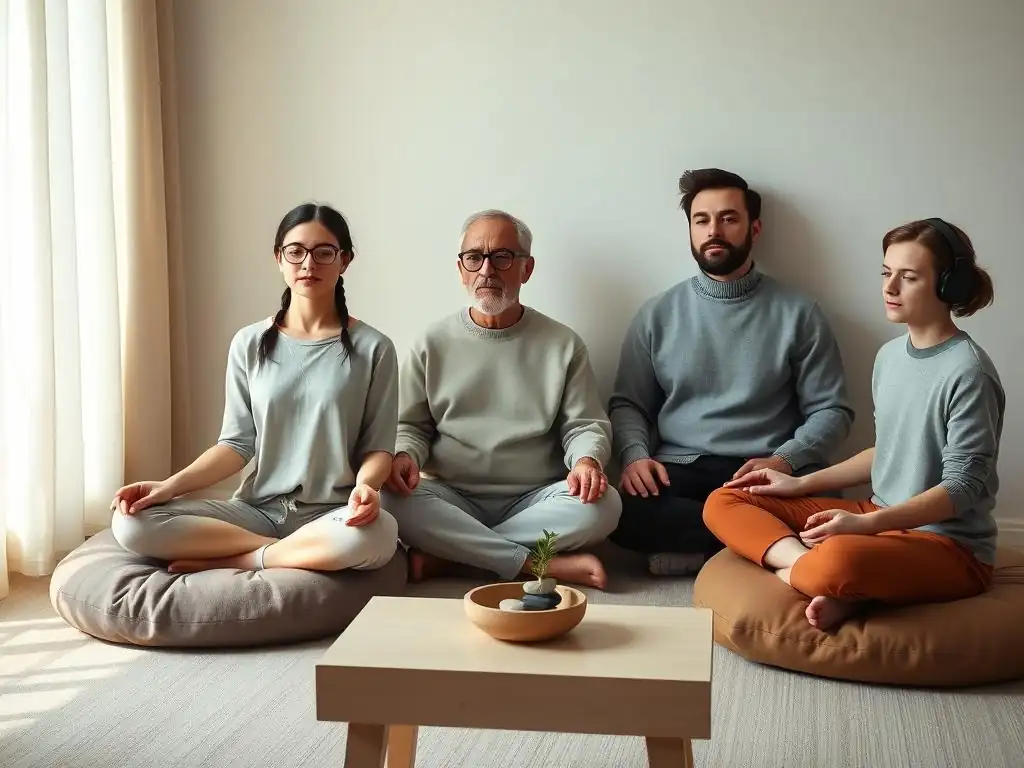
Various forms of meditation exist, and several have shown particular promise in helping individuals manage depression symptoms. The key is to find a practice that resonates and feels accessible. While mindfulness meditation is perhaps the most well-known and researched in this context, others like Loving-Kindness meditation and Body Scan meditation offer unique benefits tailored to the challenges of depression. Exploring different types allows individuals to discover what works best for their specific needs when using meditation to reduce depression symptoms.
Choosing a type of meditation might depend on the specific symptoms or challenges you face. If negative self-talk is prominent, Loving-Kindness might be helpful. If you struggle with anxiety or physical tension, a Body Scan could be beneficial. Mindfulness provides a foundational practice for observing all experiences with non-judgment. Regardless of the type, consistency is often the most important factor in experiencing the positive effects of meditation practice for depression.
Mindfulness Meditation: Staying Present
Mindfulness meditation involves paying attention to the present moment without judgment. This practice typically focuses on observing the breath, bodily sensations, thoughts, or external sounds as they arise and pass. For someone with depression, who may be caught in ruminating about the past or worrying about the future, mindfulness offers a powerful anchor in the here and now.
By practicing mindfulness, individuals learn to notice negative thoughts and feelings without identifying with them or getting lost in them. Instead of being consumed by sadness or self-criticism, one learns to observe these experiences as temporary mental events. This detachment can reduce the power that negative thoughts hold, making it easier to manage depression symptoms. Regular mindfulness practice for depression helps cultivate an attitude of acceptance and non-reactivity towards difficult internal states.
Loving-Kindness Meditation: Cultivating Self-Compassion
Loving-Kindness Meditation (Metta) is a practice focused on cultivating feelings of warmth, compassion, and tenderness towards oneself and others. This is particularly valuable for individuals with depression who often struggle with severe self-criticism, guilt, and feelings of worthlessness. The practice typically involves silently repeating phrases wishing well-being, happiness, and freedom from suffering first for oneself, then for loved ones, neutral people, difficult people, and finally, all beings.
By intentionally directing kindness inward, Loving-Kindness meditation helps counteract the harsh inner dialogue common in depression. It fosters self-compassion, a crucial element in healing. Studies have shown that cultivating self-compassion can reduce symptom severity in depression and anxiety. This practice offers a gentle yet powerful way to shift the emotional landscape and build a foundation of inner warmth when using meditation to reduce depression symptoms.
Body Scan Meditation: Increasing Awareness and Reducing Tension
Body Scan meditation involves systematically bringing attention to different parts of the body, noticing any sensations without judgment. This practice helps to increase awareness of the physical body and its connection to mental states. People with depression often carry significant physical tension or feel disconnected from their bodies.
The Body Scan can help release stored tension and promote relaxation. By focusing on physical sensations, it also serves as an effective way to ground oneself in the present moment, diverting attention from distressing thoughts. Regular practice can improve interoceptive awareness (the ability to perceive internal bodily states), which is often impaired in depression. This increased connection with the physical self can be a powerful tool in managing depression symptoms and fostering a sense of embodiment.
Walking Meditation: Combining Physical Activity and Mindfulness
Walking meditation integrates the practice of mindfulness with gentle physical movement. Instead of sitting still, the focus is on the sensations of walking – the lifting and placing of the feet, the swing of the arms, the feeling of the ground. This can be a more accessible form of meditation for those who find sitting difficult or restless.
Combining physical activity, even gentle walking, with mindfulness offers dual benefits. Exercise itself is known to have a positive impact on mood and can help alleviate depression symptoms. Adding a mindful focus enhances this effect by anchoring attention in the present moment and interrupting cycles of negative thought. Walking meditation provides a dynamic way to practice awareness and can be easily incorporated into a daily routine when seeking active ways to use meditation practice for depression relief.
Practical Guide: How to Start Meditating
Starting a meditation practice might seem daunting, especially when experiencing the low energy and lack of motivation often associated with depression. However, it doesn't require special equipment or hours of dedication. The key is to start small, be patient with yourself, and approach it with an attitude of gentle curiosity. Even a few minutes a day can begin to cultivate the skills needed to use meditation to reduce depression symptoms.
Consistency is more important than duration. Beginning with short sessions, perhaps just 5-10 minutes, makes the practice feel manageable. As you become more comfortable, you can gradually increase the time. Remember that there's no "right" way to meditate; the goal is simply to pay attention without judgment.
Creating a Dedicated Meditation Space
While you can technically meditate anywhere, having a dedicated space, even a small corner, can help establish a routine and create a sense of calm. This space doesn't need to be elaborate – it can be a comfortable cushion or chair in a quiet room. The purpose is to have a consistent place that signals to your mind that it's time to practice.
Ensure the space is relatively quiet and free from distractions. If complete silence isn't possible, that's okay; you can practice noticing sounds without getting drawn into them. Having a designated spot helps reinforce the habit and provides a peaceful sanctuary where you can turn inward and engage in your meditation practice for depression management.
Setting Realistic Meditation Goals
When starting, setting realistic goals is crucial to avoid frustration and maintain motivation. Aiming for 30 minutes of perfect stillness on the first try is likely to lead to disappointment. Instead, start with a modest goal, such as meditating for 5 minutes each day. Consistency is the primary objective in the beginning.
A realistic goal might be: "I will sit quietly for 5 minutes every morning after waking up" or "I will use a guided meditation for 10 minutes before bed." As you build the habit and notice the benefits, you can gradually increase the duration. Celebrating small successes, like completing your 5-minute session, can help reinforce the positive association with your meditation practice for depression.
Guided Meditation: A Helpful Starting Point
Guided meditations are an excellent way for beginners to get started. These involve listening to an instructor who guides you through the practice, often focusing on breathing, body sensations, or visualizations. This can make the process less intimidating and provide structure, especially when the mind feels scattered due to depression symptoms.
Many guided meditations are specifically designed for anxiety, stress, or depression, offering prompts that are particularly relevant to these challenges. You can find guided meditations through various apps, websites, or online platforms. Using a guided meditation can take the pressure off trying to "do it right" and allows you to simply follow instructions and experience the practice.
Breathing Exercises: Calming the Mind
Focused breathing is a fundamental component of most meditation practices and is a powerful tool in itself for calming the nervous system. Simple breathing exercises, like focusing on the sensation of the breath entering and leaving the nostrils or counting breaths, can help ground you in the present moment.
When feeling overwhelmed by depression symptoms, taking a few slow, deep breaths can help activate the body's relaxation response. Practices like box breathing (inhaling for a count of four, holding for four, exhaling for four, holding for four) or diaphragmatic breathing can lower heart rate and reduce feelings of tension. Incorporating mindful breathing throughout the day, even outside of formal meditation sessions, can provide moments of calm and help manage acute symptoms.
Integrating Meditation into Your Daily Routine
Making meditation a consistent part of your daily life is key to experiencing its full benefits in managing depression symptoms. Like any new habit, it requires intention and planning. Thinking of meditation not as a chore but as a form of self-care can help foster a positive relationship with the practice.
Finding a time that works best for you and sticking to it can significantly increase consistency. This might be first thing in the morning, during a lunch break, or before going to sleep. Be flexible and kind to yourself – missing a day occasionally is okay; the important thing is to return to the practice. Successfully integrating meditation helps manage depression symptoms over the long term.
Establishing a Consistent Meditation Schedule
Consistency is paramount when using meditation to reduce depression symptoms. Aim to meditate at roughly the same time each day. This helps create a routine that your mind and body can adapt to. Consider linking your meditation practice to an existing habit, such as meditating immediately after brushing your teeth or before your morning coffee.
Even on days when motivation is low, committing to just 5 minutes can maintain the habit. It's better to meditate for a short duration consistently than to attempt long sessions sporadically. A consistent schedule reinforces the practice as a reliable tool for managing your mental well-being.
Utilizing Meditation Apps and Resources
Numerous resources are available to support your meditation journey, many of which are specifically designed to help with mental health challenges like depression. Meditation apps offer guided sessions, timers, progress tracking, and sometimes community features. Popular apps include Calm, Headspace, and Insight Timer.
Online platforms and websites also provide a wealth of free guided meditations, articles, and courses. Some resources are tailored to specific needs, such as meditations for sleep, anxiety, or cultivating self-compassion. Exploring these resources can provide variety and support, making it easier to maintain a regular meditation practice for depression.
Combining Meditation with Therapy and Medication
It is crucial to reiterate that meditation is a complementary practice and should not replace professional medical treatment for depression, which may include therapy and/or medication. The most effective approach for managing depression symptoms often involves a combination of treatments.
Meditation can enhance the benefits of therapy by increasing self-awareness and emotional regulation skills, which can be explored further in therapeutic sessions. It can also work in conjunction with medication by providing additional support for mood stability and stress reduction. Always consult with your doctor or mental health professional before making any changes to your treatment plan and discuss how incorporating meditation practice for depression might fit into your overall strategy.
Overcoming Challenges in Your Meditation Practice

Starting and maintaining a meditation practice, especially when dealing with depression, can present challenges. It's common to experience restlessness, distractions, or even an initial increase in awareness of negative thoughts and feelings. These are normal parts of the process, not signs of failure. Approaching these challenges with patience and self-compassion is key.
Understanding that meditation isn't about achieving a state of blankness or perfect calm, but rather about practicing awareness and non-judgment, can help navigate difficulties. Each session is an opportunity to practice returning to the present moment, regardless of how busy your mind is. Overcoming these hurdles strengthens your ability to use meditation to reduce depression symptoms effectively.
Dealing with Restlessness and Distractions
Feeling restless or easily distracted during meditation is a very common experience, particularly when the mind is agitated due to depression or anxiety. Instead of fighting these sensations or thoughts, the practice is to simply notice them without judgment and gently guide your attention back to your chosen anchor, such as the breath.
If restlessness is physical, try a walking meditation or a shorter sitting session. If mental distractions are overwhelming, acknowledge the thought ("Ah, thinking about work") and return to your focus. It's estimated that the mind wanders up to 50% of the time; the practice is in the gentle, repeated act of returning, which builds mental discipline and awareness. This skill of non-judgmental observation is precisely what helps manage depression symptoms by reducing entanglement with negative thought patterns.
Addressing Negative Thoughts During Meditation
Meditation can sometimes bring difficult or negative thoughts to the surface, which can be particularly challenging for someone with depression. It's important to remember that the goal isn't to stop these thoughts, but to change your relationship with them. See them as passing clouds in the sky of your mind, rather than absolute truths.
Practices like labeling thoughts ("thinking," "worrying") can create distance. Remind yourself that thoughts are not facts. If a thought is particularly distressing, you can gently acknowledge it and then shift your focus back to your breath or body. If it feels overwhelming, it's okay to shorten your session or pause. Learning to observe these thoughts without getting consumed by them is a core way that meditation helps with depression.
Seeking Professional Guidance
While meditation is a valuable tool, it is not a substitute for professional help, especially when dealing with moderate to severe depression. If you are struggling to start or continue meditation, or if your symptoms worsen, it is essential to seek guidance from a mental health professional.
A therapist can help you integrate meditation into your overall treatment plan and address any difficulties you encounter during practice within the context of your broader mental health challenges. They can also help determine if meditation is the right approach for you at this time and provide support for navigating difficult emotions that may arise. Combining the skills learned in meditation with professional support offers a comprehensive approach to managing depression symptoms.
The Role of Self-Care in Managing Depression
Managing depression is a holistic endeavor that extends beyond any single practice like meditation. Self-care plays a vital role, encompassing various habits and activities that support overall well-being. Integrating self-care practices alongside meditation practice for depression creates a more robust foundation for recovery and resilience.
Prioritizing basic needs like sleep, nutrition, and physical activity is fundamental. Additionally, nurturing social connections and engaging in enjoyable activities contribute significantly to improving mood and energy levels. Self-care is not selfish; it is necessary for building the strength and stability required to navigate the challenges of depression.
Importance of Sleep, Diet, and Exercise
These three pillars of health are deeply interconnected with mental well-being. Sleep disturbances are a common symptom of depression, and poor sleep can exacerbate low mood and fatigue. Aiming for 7-9 hours of quality sleep per night is crucial. Establishing a consistent sleep schedule and creating a relaxing bedtime routine can help.
Diet also plays a role; while no specific diet cures depression, nutritious eating supports overall brain health and energy levels. Limiting processed foods, sugar, and excessive caffeine or alcohol can have a positive impact. Regular physical exercise, even moderate activity like walking, releases endorphins, reduces stress hormones, and can significantly improve mood and energy, complementing the effects of using meditation to reduce depression symptoms.
Connecting with Others: Building a Support System
Social isolation is both a symptom and a perpetuator of depression. Maintaining connections with friends, family, or support groups is incredibly important. Sharing your experiences with trusted individuals can reduce feelings of shame and isolation.
Actively seeking out social interactions, even when it feels difficult, can provide emotional support and a sense of belonging. Joining a support group, either in person or online, connects you with others who understand what you're going through, offering mutual encouragement. Building a strong support system provides a buffer against the challenges of depression and complements individual practices like meditation practice for depression relief.
Personal Stories: Meditation for Depression Management
[Placeholder for Personal Stories]
Conclusion: Meditation - A Tool for Depression Symptom Relief
Meditation is not a magic bullet, but a powerful, evidence-based tool that can significantly complement traditional treatments for depression. By cultivating mindfulness, self-compassion, and emotional regulation skills, regular meditation practice for depression empowers individuals to navigate their symptoms with greater awareness and resilience. It offers a pathway to shift from being consumed by negative thoughts and feelings to observing them with a degree of detachment and acceptance.
Integrating meditation into a daily routine, even for short periods, can lead to tangible benefits over time, from reduced stress and improved mood to measurable changes in brain function. While challenges may arise, approaching the practice with patience, consistency, and self-compassion is key.
Embracing Meditation as Part of a Holistic Approach
Managing depression is most effective when approached holistically. This means combining professional medical care – therapy and/or medication – with supportive lifestyle practices. Embracing meditation as one component of this broader approach enhances overall well-being.
Alongside meditation, prioritizing sleep, nutrition, exercise, and social connections creates a strong foundation for recovery. This integrated strategy addresses the physical, mental, and emotional facets of depression, providing multiple avenues for healing and growth. Using meditation to reduce depression symptoms is most impactful when it's part of a comprehensive self-care plan.
Continuing Your Journey to Well-being
The journey with depression is often ongoing, and managing its symptoms is a continuous process. Meditation is a skill that deepens with practice, offering sustained benefits over time. Be patient and compassionate with yourself; there will be good days and challenging days.
Continuing your meditation practice, even during difficult periods, provides a stable anchor. Stay connected with your support system and mental health professionals. By consistently applying the principles of mindfulness and self-care, including your meditation practice for depression, you build resilience and move towards a life with greater peace, clarity, and well-being. The light is always there, and meditation can help you find your way back to it.
Frequently Asked Questions
How can meditation help with depression?
Meditation can help by promoting mindfulness and relaxation, which can reduce stress and improve mood. It helps individuals become more aware of their thoughts and feelings, allowing them to manage negative thought patterns associated with depression. This practice has been shown to alleviate depression symptoms over time.
What types of meditation are most effective for reducing depression symptoms?
While individual preferences vary, mindfulness meditation and loving-kindness meditation are often recommended. Mindfulness meditation focuses on present moment awareness, while loving-kindness meditation cultivates feelings of warmth and compassion towards oneself and others. Both can positively impact mood and reduce feelings of sadness.
How often should I meditate to see a noticeable reduction in depression symptoms?
Consistency is key. Aim for at least 15-20 minutes of meditation daily. Regular practice can lead to a gradual reduction in depression symptoms and an overall improvement in mental well-being. It's crucial to be patient and consistent.
Is meditation a replacement for professional mental health treatment for depression?
No, meditation is not a replacement. It's best used as a complementary therapy alongside professional treatment, such as therapy and medication. Consulting with a mental health professional is crucial for a comprehensive treatment plan.
Where can I find resources to learn more about using meditation to manage depression?
The Mind Care Guide offers a wealth of information and resources on meditation techniques and their benefits for mental well-being. You can also explore guided meditation apps and online courses designed specifically for managing depression symptoms. Always consult with a healthcare professional or mental health expert when embarking on new mental health practices.
Final Reflection: Cultivating Inner Peace to Combat Depression
The pervasive shadow of depression affects millions globally, yet the path towards healing and resilience is often paved with small, consistent steps. Finding effective coping mechanisms is crucial, and the exploration of meditation as a powerful tool offers a beacon of hope in navigating this challenging landscape. This article has highlighted the profound impact meditation can have on managing depression symptoms, offering practical techniques and insights into its therapeutic benefits.
The journey towards mental wellness is deeply personal, and the transformative power of meditation resonates deeply with me. I've witnessed firsthand how the simple act of focusing on the breath can shift perspective, offering a space to observe thoughts and emotions without judgment. This practice isn't about escaping difficult feelings, but rather about creating a compassionate space to acknowledge and process them. The mind is everything. What you think you become.
– Buddha. This ancient wisdom underscores the importance of cultivating a mindful approach to our internal world, a crucial element in managing the complexities of depression.
Now, I invite you to consider your own relationship with your inner world. What small step can you take today to incorporate mindfulness into your daily life? Perhaps it's a five-minute meditation session, a conscious pause during a stressful moment, or simply paying attention to the sensations in your body. Remember, the journey towards healing is a marathon, not a sprint. Embrace the process, be kind to yourself, and allow the gentle practice of meditation to illuminate your path towards a brighter, more peaceful future.
Unveil Your Inner Calm: Start Your Meditation Journey Today
Thanks for taking the time to explore the power of meditation in managing depression symptoms. We hope you found valuable insights and practical techniques to help you on your path to well-being. Now it's time to put these insights into action!
- Begin your daily meditation practice: Even 5 minutes a day can make a significant difference. Start with guided meditations readily available online and gradually increase your practice time as you feel comfortable. This is your primary step towards calmer days ahead.
- Share your experience: Connect with others by sharing your meditation journey on social media, using the hashtag #MindCareMeditation. Let's build a supportive community!
- Explore different meditation styles: Experiment with different techniques – from mindfulness to loving-kindness meditation – to discover what resonates most with you. This journey of self-discovery is all yours!
Ready to embrace this transformative practice? What small step will you take today to nurture your inner peace?