
Mindful Driving: Stay Calm on the Road with These Exercises

Welcome to Mind Care Guide.
We all know that feeling – the white-knuckle grip on the steering wheel, the racing heart, the simmering frustration of traffic. But what if driving could be different? What if it could be calm? Mindful Driving: Stay Calm on the Road with These Exercises is your guide to transforming stressful commutes into moments of mindful peace. Explore proven techniques to navigate road rage, reduce anxiety, and rediscover the joy of driving. Ready to shift gears from stressed to serene? Let's begin.
- Mindful Driving: Stay Calm on the Road with These Exercises
- Practicing Mindfulness for a Calm Driving Experience: Practical Exercises
- Advanced Strategies for Maintaining Calmness While Driving
- Long-Term Benefits of Mindful Driving: Beyond Stress Reduction
- Integrating Calm Driving Techniques into Your Routine: A Step-by-Step Guide
- Maintaining Calmness on the Road: Tips and Reminders
-
Frequently Asked Questions
- What are some calm driving techniques specifically mentioned in the article?
- How can mindfulness help reduce stress while driving?
- What role does deep breathing play in managing driving stress?
- Does the article offer advice on handling aggressive drivers or road rage?
- What are some resources mentioned in the article for further support with stress management and mental well-being?
- Final Reflection: Cultivating Calm on the Road, One Breath at a Time
- Unleash Your Inner Calm Driver: Take Control of the Road
Mindful Driving: Stay Calm on the Road with These Exercises
Driving is a necessary part of modern life for billions of people worldwide, but it can also be a significant source of stress and anxiety. Navigating congested roads, dealing with unexpected delays, and interacting with other drivers can elevate stress levels, sometimes significantly. This constant exposure to potential stressors makes learning and applying calm driving techniques for stress reduction not just beneficial, but often crucial for both mental health and safety. Understanding the root causes and impacts of this stress is the first step towards a more peaceful commute.
The cumulative effect of daily driving stress can contribute to chronic anxiety, fatigue, and even physical health issues over time. While a short, stress-free drive might be pleasant, the reality for many involves unpredictable conditions and frustrating interactions. Implementing calm driving techniques for stress management provides individuals with practical tools to navigate these challenges more effectively, transforming the driving experience from a source of tension into a potential opportunity for present-moment awareness and self-regulation.
The Impact of Stress on Driving Performance and Safety
Stress significantly impairs cognitive functions essential for safe driving, such as attention, decision-making, and reaction time. When a driver is stressed, their focus may narrow (sometimes referred to as "tunnel vision"), making it harder to notice potential hazards in their peripheral view. Studies and anecdotal evidence from driving experts suggest that stressed drivers are more prone to making errors, such as misjudging distances, speeding, or failing to check blind spots, potentially increasing the risk of accidents.
Furthermore, stress can trigger physiological responses like increased heart rate, muscle tension, and shallow breathing, which can exacerbate feelings of anxiety and make a driver feel less in control. This heightened state of arousal can lead to impulsive behaviors, such as aggressive acceleration, sudden braking, or engaging in risky maneuvers. Research indicates that driver stress is a contributing factor in a substantial percentage of traffic incidents, highlighting the critical need for effective calm driving techniques for stress reduction to enhance road safety for everyone.
Identifying Stress Triggers While Driving: Tailgating, Unexpected Lane Changes
Recognizing what specifically triggers stress while driving is a key component of developing effective calm driving techniques for stress. Common triggers include aggressive behaviors from other drivers, such as tailgating closely, sudden and unexpected lane changes without signaling, or cutting others off. These actions can feel personal and threatening, triggering feelings of frustration, anger, and a loss of control, which quickly escalate stress levels.
Beyond aggressive driving, other factors like heavy traffic congestion, navigating unfamiliar routes, running late for an appointment, or even dealing with challenging weather conditions can serve as significant stressors. For instance, being stuck in a traffic jam where movement is minimal can induce feelings of helplessness and impatience. Identifying these personal triggers allows drivers to anticipate potential stressful situations and proactively apply calm driving techniques for stress management before their reactions become overwhelming or detrimental to safe driving.
The Benefits of Calm Driving: Improved Focus and Reduced Anxiety
Adopting calm driving techniques for stress offers a multitude of benefits extending far beyond simply feeling less stressed behind the wheel. A calmer driver is a more focused driver. With reduced mental clutter caused by anxiety or frustration, attention is more readily available for observing the road, anticipating the actions of others, and reacting appropriately to changing conditions. This enhanced focus directly contributes to improved safety and reduced risk of accidents.
Moreover, practicing calm driving techniques for stress leads to a significant reduction in anxiety both during the commute and potentially throughout the day. Arriving at your destination feeling relaxed rather than frazzled changes your entire disposition. Over time, consistently applying these techniques can lower baseline stress levels associated with driving, making commutes less draining and more manageable. This not only improves the driving experience but also positively impacts overall mental well-being.
Practicing Mindfulness for a Calm Driving Experience: Practical Exercises
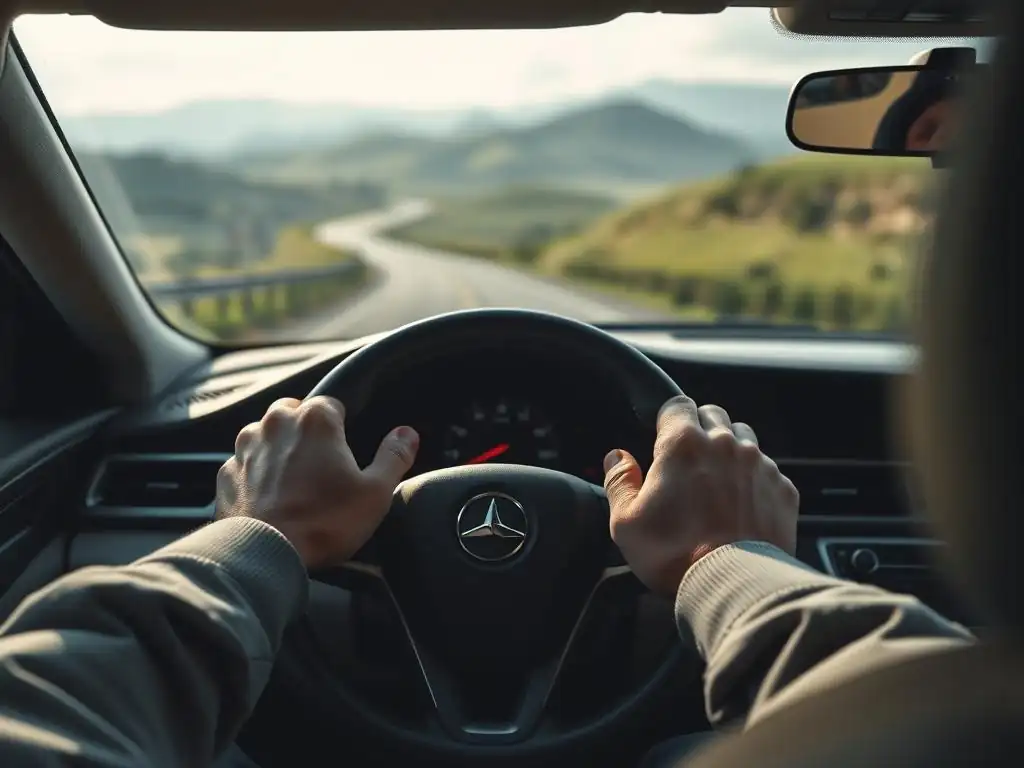
Mindfulness is the practice of paying deliberate attention to the present moment without judgment. Applying mindfulness to driving involves bringing this non-judgmental awareness to the sensations, thoughts, and emotions that arise while on the road. This shift in perspective is fundamental to developing calm driving techniques for stress. Instead of reacting impulsively to frustrations, mindfulness encourages observing them with a degree of detachment, creating space for a more considered response.
Incorporating mindfulness into your driving routine doesn't require lengthy meditation sessions before every trip. It's about integrating small, practical exercises into the pre-drive preparation and the actual time spent behind the wheel. These techniques are designed to anchor your attention in the present, reducing the likelihood of getting caught up in stressful thoughts about the past (e.g., being late) or the future (e.g., anticipating traffic). Mastering these practical calm driving techniques for stress can profoundly change your relationship with driving.
Pre-Drive Mindfulness: Setting the Intention for a Relaxed Journey
Before even starting the car, taking a few moments for pre-drive mindfulness can significantly influence the tone of your journey. Setting a clear intention for a relaxed and safe drive helps to mentally prepare yourself and approach the task with a positive mindset. This initial step is a powerful component of proactive calm driving techniques for stress, helping to prevent stress from taking hold before you even encounter traffic.
This practice can be as simple as pausing for 30 seconds to consciously decide that you will strive to remain calm, patient, and focused, regardless of external circumstances. Acknowledging that challenges might arise but committing to meeting them with mindfulness sets a powerful internal state. This intentional preparation is a foundational element of effective calm driving techniques for stress management.
Deep Breathing Exercises to Calm Nerves Before Driving
One of the simplest yet most effective pre-drive calm driving techniques for stress is practicing deep breathing. Before putting the key in the ignition or pressing the start button, take a moment to sit comfortably and close your eyes if it's safe to do so, or simply soften your gaze. Inhale slowly and deeply through your nose, feeling your abdomen expand. Hold the breath for a count of a few seconds, then exhale slowly and completely through your mouth, imagining tension leaving your body with the breath.
Repeat this process for 3-5 cycles. This deliberate, slow breathing activates the body's relaxation response, counteracting the physiological symptoms of stress like rapid heart rate and shallow breathing. Practicing this technique consistently before driving is a powerful way to lower anxiety levels and begin your journey from a place of greater calm, making it a core element of effective calm driving techniques for stress.
Visualization Techniques for a Peaceful Drive
Visualization is another potent pre-drive mindfulness exercise for fostering calm driving techniques for stress. Once settled in your vehicle, take a few deep breaths as described above. Then, spend a minute or two vividly imagining your upcoming drive unfolding smoothly and peacefully. Visualize clear roads, green lights, and arriving at your destination feeling relaxed and refreshed.
Focus on the positive sensory details: the feeling of the steering wheel in your hands, the pleasant sound of music or quiet, the comfortable temperature in the car. Imagine handling any potential slowdowns or minor frustrations with patience and ease. This mental rehearsal helps to prime your brain for a positive experience and reinforce your intention for a calm drive, strengthening your overall calm driving techniques for stress management toolkit.
Mindful Driving Techniques During Your Commute: Staying Present on the Road
Once you are driving, mindfulness shifts from preparation to active engagement with the present moment. This involves bringing non-judgmental awareness to your immediate experience while maintaining full attention on the task of driving safely. These in-the-moment calm driving techniques for stress are crucial for navigating unpredictable conditions and preventing stress from escalating.
Staying present means noticing what is happening right now – the feel of the car, the sounds around you, the flow of traffic – without getting lost in worries or frustrations. It’s about observing your reactions to external stimuli without immediately acting on impulsive feelings. Integrating these practices during your commute is key to mastering calm driving techniques for stress in real-time scenarios.
Body Scan Meditation for Driving: Noticing Tension and Releasing It
A modified body scan can be practiced safely while driving as a calm driving technique for stress. This involves briefly checking in with different parts of your body to notice any physical tension that might be building up. While keeping your eyes on the road, mentally scan from your head down to your toes, or focus specifically on common areas of tension like the shoulders, neck, jaw, or hands gripping the steering wheel.
As you notice tension in a particular area, simply acknowledge it without judgment. Then, on an exhale, gently try to release that tension. You might consciously relax your grip on the steering wheel, drop your shoulders slightly, or unclench your jaw. Repeating this brief scan periodically during your drive helps you become more aware of your body's stress response and actively work to release it, reinforcing calm driving techniques for stress management.
Mindful Observation of Your Surroundings: Engaging Your Senses
Mindful observation while driving involves paying attention to your surroundings with a sense of curiosity and presence, rather than just scanning for threats. This isn't about getting distracted, but about engaging your senses in a focused way that keeps you grounded in the present moment. It’s a practical application of calm driving techniques for stress that keeps you alert while reducing mental chatter.
Notice the colors of the cars, the patterns of the road markings, the shape of the clouds, or the sounds of traffic in the distance – all while maintaining primary focus on safe driving. This non-judgmental observation helps to draw your attention away from internal stressors and anchor it in the external reality of the drive. It transforms passive commuting into an active, mindful experience, strengthening your ability to employ calm driving techniques for stress.
Responding to Stressful Situations with Calmness: Applying Mindfulness in Challenging Scenarios
Even with preparation and in-the-moment awareness, stressful situations are inevitable while driving. The true test of calm driving techniques for stress comes when faced with unexpected challenges like aggressive drivers, sudden traffic jams, or getting lost. Mindfulness provides the framework for responding to these situations skillfully rather than reacting impulsively.
Instead of immediately becoming angry or panicked, mindfulness allows you to pause, notice your emotional reaction (e.g., "I feel angry," "I feel anxious"), and then choose a response that is safe and aligns with your intention for a calm drive. This pause is where the power of calm driving techniques for stress truly lies, enabling a more controlled and less reactive approach to frustrating events on the road.
Dealing with Road Rage: Mindful Responses to Aggressive Drivers
Encountering an aggressive driver is a common and significant stressor. When faced with tailgating, honking, or aggressive maneuvers, the natural inclination might be to react with anger or fear. However, engaging with an aggressive driver can escalate the situation and increase danger. Applying calm driving techniques for stress here means focusing on your own internal state and safe driving practices.
Instead of retaliating or engaging, take a deep breath. Remind yourself that their behavior is not about you, and you cannot control their actions. Focus on creating space if possible, avoiding eye contact, and prioritizing your safety. Mentally repeat a phrase like "Stay calm" or "Their stress is not mine." This mindful disengagement is a powerful calm driving technique for stress in the face of provocation.
Managing Anxiety During Heavy Traffic: Staying Grounded and Present
Heavy traffic can trigger feelings of frustration, impatience, and anxiety about delays. When caught in a jam, it's easy for the mind to race with negative thoughts about being late or the perceived waste of time. Applying calm driving techniques for stress in this scenario involves bringing your attention back to the present moment within the confines of the traffic.
Acknowledge the situation ("I am in traffic") without adding judgment ("This is terrible," "I'm going to be so late"). Use the time to practice deep breathing, a mini body scan, or mindful observation of the immediate surroundings (the car in front of you, the sky, the sounds). Remind yourself that you are safe and that impatience will not make the traffic move faster. This acceptance of the present reality is a core calm driving technique for stress in frustrating situations.
Advanced Strategies for Maintaining Calmness While Driving
Beyond basic mindfulness exercises, cultivating certain attitudes and perspectives can further enhance your ability to maintain calmness on the road. These advanced strategies are not just techniques but shifts in mindset that deepen your practice of calm driving techniques for stress, making them more ingrained and effective over time.
These approaches involve actively working with your thoughts and emotions in a more profound way, transforming challenging driving experiences into opportunities for personal growth. Implementing these strategies requires consistent effort but yields significant rewards in terms of reduced stress and improved emotional resilience while driving and in other areas of life.
Cultivating Patience and Acceptance on the Road
Traffic delays, slow drivers, and unexpected detours are often unavoidable realities of driving. Cultivating patience involves consciously choosing not to become agitated or frustrated by these circumstances. This is a challenging but essential aspect of mastering calm driving techniques for stress. Patience isn't about liking the situation, but about accepting that it is happening and choosing your internal response.
Acceptance on the road means acknowledging the present reality without resistance. If traffic is bumper-to-bumper, accept that your journey will take longer than planned. Fighting against this reality mentally only increases stress. Practicing acceptance is a powerful calm driving technique for stress because it disarms the frustration that arises from wanting things to be different than they are.
Practicing Compassion for Other Drivers: Reducing Frustration and Anger
It's easy to view other drivers' mistakes or behaviors through a lens of judgment and frustration ("How can they drive like that?"). Practicing compassion involves considering that other drivers might be stressed, lost, inexperienced, or dealing with their own challenges. This perspective shift is a potent calm driving technique for stress, particularly in reducing anger and road rage.
Instead of immediately assuming malice or incompetence, try to extend a measure of understanding. Perhaps the driver who cut you off is rushing to a family emergency, or the slow driver is elderly or unfamiliar with the area. This isn't about excusing dangerous behavior, but about managing your own internal reaction by tapping into empathy, which can significantly lower your stress response and reinforce calm driving techniques for stress.
Using Affirmations and Positive Self-Talk for a Calm Driving Mindset
The internal dialogue you have while driving significantly impacts your stress levels. Negative self-talk ("I hate driving," "This traffic is going to ruin my day") fuels anxiety and frustration. Consciously using affirmations and positive self-talk is an effective calm driving technique for stress that helps reframe your experience.
Simple affirmations like "I am a calm and safe driver," "I choose patience," or "I will arrive safely and relaxed" can be repeated silently. When faced with a stressor, replace negative thoughts with constructive self-talk, such as "Okay, traffic is slow, I can use this time to relax my shoulders" instead of "This is unbearable!" This deliberate practice of positive internal dialogue strengthens your ability to maintain a calm driving mindset.
Long-Term Benefits of Mindful Driving: Beyond Stress Reduction
Committing to practicing calm driving techniques for stress offers benefits that extend far beyond the time spent behind the wheel. Integrating mindfulness into your driving routine cultivates skills and perspectives that can positively impact various aspects of your life, contributing to overall improved mental well-being and resilience.
The discipline and self-awareness developed through mindful driving translate into enhanced emotional regulation and a greater capacity to handle stressful situations in other contexts, whether at work, at home, or in social interactions. Thus, focusing on calm driving techniques for stress is an investment in your broader psychological health.
Improved Mental Well-being Through Consistent Practice
Regularly applying calm driving techniques for stress builds a stronger foundation for mental well-being. By consistently choosing mindful responses over reactive ones in a challenging environment like driving, you train your brain to handle stress more effectively in general. This practice reduces the cumulative burden of stress associated with commuting, which can be substantial for daily drivers.
Over time, this consistency helps to rewire your automatic stress responses, making you less susceptible to feeling overwhelmed by minor frustrations. The skills of presence, acceptance, and emotional regulation honed during mindful driving become more accessible in daily life, leading to reduced overall anxiety and a greater sense of peace. This demonstrates the profound, lasting impact of prioritizing calm driving techniques for stress.
Enhanced Awareness and Emotional Regulation in Daily Life
The heightened awareness of thoughts, feelings, and bodily sensations cultivated through mindful driving techniques for stress is a portable skill. This increased self-awareness allows you to recognize stress or negative emotions arising in other situations more quickly and clearly. For example, noticing tension in your shoulders during a difficult conversation might prompt you to take a calming breath, just as you would in traffic.
Furthermore, the practice of choosing a mindful response rather than an impulsive reaction while driving directly improves your capacity for emotional regulation in general. You become better at pausing before reacting, understanding your emotional landscape, and responding skillfully to challenges rather than being swept away by intense feelings. These are invaluable skills for navigating the complexities of daily life calmly and effectively.
Integrating Calm Driving Techniques into Your Routine: A Step-by-Step Guide
Making calm driving techniques for stress a regular part of your life requires conscious effort and a systematic approach. It's not about overnight transformation but about building sustainable habits. This step-by-step guide provides a framework for incorporating mindfulness and other strategies into your driving routine effectively.
Approaching this process methodically ensures that you identify the most relevant techniques for your personal stressors and commit to consistent practice, which is key to achieving long-term results. Implementing these steps will help you move from simply knowing about calm driving techniques for stress to actively living them on the road.
Step 1: Identifying Your Personal Driving Stressors
The first step in integrating calm driving techniques for stress is to become acutely aware of what triggers your stress specifically. Is it being late? Heavy traffic? Aggressive drivers? Driving in unfamiliar places? Bad weather? Take a week or two to simply observe and note down the situations or thoughts that cause you to feel tense, anxious, or angry while driving.
Keep a mental note or even a quick physical note after your drive. Recognizing these patterns is crucial because it allows you to target your practice effectively. Once you know your main stressors, you can choose the most appropriate calm driving techniques for stress to apply in those specific situations. For instance, if traffic jams are your main issue, focusing on acceptance and present-moment awareness techniques will be particularly helpful.
Step 2: Choosing Mindfulness Exercises That Work for You
Based on your identified stressors and your personal preferences, select one or two calm driving techniques for stress to focus on initially. Don't try to do everything at once. If you find deep breathing helpful, commit to doing it before every drive. If you respond well to visualization, make that a pre-drive ritual. If you struggle with road rage, focus on compassionate thinking and mindful disengagement when provoked.
Experiment with different techniques mentioned earlier, such as the body scan, mindful observation, or positive affirmations. Find what resonates and feels manageable to integrate into your routine. Starting small with one or two chosen calm driving techniques for stress increases the likelihood of sticking with the practice.
Step 3: Committing to Regular Practice for Long-Term Results
Consistency is the most critical factor in developing effective calm driving techniques for stress. Aim to practice your chosen techniques on every drive, or at least on most drives, especially those you anticipate being stressful. It's like building a muscle; the more you use these techniques, the stronger and more automatic they become.
Even on short or seemingly easy drives, practice your chosen calm driving techniques for stress. This builds the habit and makes the techniques readily available when you encounter unexpected challenges. Don't get discouraged if you forget or react impulsively sometimes – simply notice it without judgment and recommit to practicing mindfulness on your next drive. Long-term results come from persistent, regular effort.
Maintaining Calmness on the Road: Tips and Reminders
Beyond the core mindfulness exercises and strategies, several practical tips can support your efforts to maintain calmness while driving. These reminders address external factors and proactive steps you can take to create a more conducive environment for applying calm driving techniques for stress.
Combining these practical tips with your mindfulness practice provides a holistic approach to reducing driving stress. They serve as important complements to your internal work, making the application of calm driving techniques for stress smoother and more effective.
The Importance of Regular Breaks and Self-Care
Fatigue, hunger, and general stress from other areas of life significantly reduce your capacity to handle driving stressors calmly. Ensuring you are well-rested, hydrated, and have eaten adequately before a long drive is a foundational aspect of maintaining calmness. Planning regular breaks on longer journeys to stretch, walk around, and refresh yourself is also crucial.
Ignoring your basic physical needs makes you more susceptible to impatience and frustration, undermining your calm driving techniques for stress. Prioritizing self-care before and during drives is not a luxury but a necessity for safe and calm navigation, especially during peak traffic times or on long trips.
Creating a Relaxing Driving Environment: Soothing Music, Comfortable Temperature
Your immediate environment inside the car plays a significant role in your stress levels. Taking a moment to adjust the temperature, ensure comfortable seating, and choose calming audio can make a big difference. Many people find listening to soothing music, a calm podcast, or an audiobook helps create a more relaxed atmosphere, supporting their calm driving techniques for stress.
Avoid listening to aggressive music, stressful news, or engaging in heated phone conversations (using hands-free only, of course) that can elevate your stress before or during the drive. A peaceful internal environment is easier to maintain when your external environment is also calm and comfortable.
Seeking Professional Help for Persistent Driving Anxiety
While mindfulness and calm driving techniques for stress are incredibly effective for managing typical driving stress and mild anxiety, some individuals experience severe driving anxiety or phobia that significantly impacts their lives. This might manifest as intense fear, panic attacks, or complete avoidance of driving.
If your driving anxiety is persistent, overwhelming, or prevents you from driving when you need to, seeking support from a mental health professional is a courageous and important step. Therapies like Cognitive Behavioral Therapy (CBT) or exposure therapy are highly effective in treating driving phobias and can provide additional tools and support beyond mindfulness for managing severe driving-related stress and anxiety.
Frequently Asked Questions
What are some calm driving techniques specifically mentioned in the article?
The article suggests techniques like deep breathing exercises, practicing mindfulness by focusing on the present moment, and adjusting your route to avoid stressful areas.
How can mindfulness help reduce stress while driving?
Mindfulness helps you stay present and aware of your surroundings, reducing the impact of anxiety-inducing thoughts about traffic or delays.
What role does deep breathing play in managing driving stress?
Deep breathing helps regulate your nervous system, slowing your heart rate and promoting a sense of calm and relaxation, counteracting the fight-or-flight response.
Does the article offer advice on handling aggressive drivers or road rage?
While not explicitly stated, the techniques for staying calm and mindful can help you react more rationally and less emotionally to aggressive driving behaviors.
What are some resources mentioned in the article for further support with stress management and mental well-being?
The article is from "Mind Care Guide", which provides information, support, and resources for various mental health challenges, including stress management techniques.
Final Reflection: Cultivating Calm on the Road, One Breath at a Time
The relentless pressure of modern life often spills onto the road, transforming a simple commute into a stressful ordeal. But the techniques explored in this article – from mindful breathing to proactive route planning – offer a powerful antidote to road rage and driving anxiety. These aren't just fleeting solutions; they're tools for cultivating a more peaceful and present approach to driving, ultimately enhancing safety and well-being.
The impact of mindful driving extends far beyond the individual. By prioritizing calm and presence behind the wheel, we contribute to a safer and more considerate driving culture. This ripple effect is crucial, as stressed drivers contribute to a higher risk of accidents and aggressive behavior on the road. Peace begins with me. Peace begins with you. Peace begins with us.
This simple sentiment, though seemingly unrelated to driving, speaks volumes about the interconnectedness of our actions and their impact on the world around us. Our individual choices on the road directly influence the collective driving experience.
Now, consider your own driving habits. What small changes can you implement to incorporate more mindfulness into your daily commutes? Perhaps it's starting with a few deep breaths before you even turn the ignition, or consciously choosing a less stressful route. The journey to calm driving is a personal one, but the rewards – reduced stress, increased safety, and a more peaceful mindset – are immeasurable. Embrace the opportunity to transform your driving experience, one mindful moment at a time.
Unleash Your Inner Calm Driver: Take Control of the Road
Thanks for taking the time to explore mindful driving techniques with us! We hope you found practical strategies to navigate the road with greater peace and focus. Ready to put these new skills into action?
- Prioritize a mindful commute this week: Choose one trip to consciously practice the breathing exercises and awareness techniques we discussed. Notice the difference it makes in your stress levels and driving experience. This is your chance to truly embody what you've learned.
- Share your experience: Tell us (or a friend!) about your mindful driving journey. What worked best? What challenges did you face? Sharing helps reinforce your learning and could inspire others.
- Explore additional resources: Investigate online communities dedicated to mindful living or search for guided meditations specifically for driving to deepen your practice.
So, what small step will you take today to cultivate more calm behind the wheel?