
The Basics of Mindfulness: Why It's More Than Just Sitting Still


Welcome to Mind Care Guide, a supportive space dedicated to your mental well-being.
Feeling overwhelmed by anxiety? You're not alone. This guide explores the power of mindfulness for anxiety relief, revealing how this ancient practice can be a powerful tool for finding calm amidst the chaos. We'll delve into the basics, showing you that it's more than just sitting still – it's a pathway to a more peaceful you. Curious to learn how? Let's begin...
The Basics of Mindfulness: Why It's More Than Just Sitting Still
- Introduction to Mindfulness and Mental Well-being
- What is Mindfulness? Defining the Core Principles
- The Benefits of Mindfulness: More Than Just Relaxation
- Mindfulness Techniques for Anxiety Relief: Practical Exercises
- Integrating Mindfulness into Daily Life: Practical Tips
-
Addressing Common Misconceptions About Mindfulness
- Myth: Mindfulness is Only for Spiritual Gurus
- Reality: Mindfulness is Accessible to Everyone
- Myth: Mindfulness Requires Emptying Your Mind
- Reality: Mindfulness is About Observing Your Thoughts Without Judgment
- Myth: Mindfulness is a Quick Fix for Anxiety
- Reality: Mindfulness Requires Consistent Practice and Patience
- Mindfulness for Anxiety Relief: A Step-by-Step Guide to Get Started
- Resources for Continuing Your Mindfulness Journey
- Conclusion: Embracing Mindfulness for a More Peaceful and Balanced Life
-
Frequently Asked Questions
- What is mindfulness, and how does it relate to mental well-being?
- How can mindfulness be applied to anxiety relief?
- Is mindfulness only about meditation and sitting in silence?
- What are some simple mindfulness exercises that someone can start with to manage anxiety?
- Where can I find further resources and support for incorporating mindfulness into my life for anxiety relief?
- Final Reflection: Finding Stillness in a Restless World
- Unleash Your Inner Calm: Start Your Mindfulness Journey Today!
Introduction to Mindfulness and Mental Well-being
Understanding Mindfulness: A Core Concept for Mind Care
Mindfulness is a state of active, open attention on the present moment. When you're mindful, you observe your thoughts and feelings from a distance, without judgment. This practice is fundamentally about training your attention and awareness, allowing you to experience the present without getting caught up in past regrets or future worries. It is a core pillar in the realm of mind care, offering individuals a pathway to better understand their internal landscape and external environment.
This concept, rooted in ancient contemplative traditions, has gained significant traction in modern psychology and healthcare. It's not about clearing your mind entirely, but rather about noticing what is happening right now – the breath entering and leaving your body, the sensations in your feet, the sounds around you. By cultivating this awareness, individuals can develop a greater sense of presence and reduce the automatic pilot mode that often governs daily life, leading to a more intentional and engaged existence.
Mindfulness for Anxiety Relief: A Powerful Tool for Mental Health
One of the most widely recognized applications of mindfulness is its effectiveness as mindfulness for anxiety relief. Anxiety often involves excessive worry about future events or dwelling on past experiences, pulling us away from the present. Mindfulness directly counteracts this by anchoring attention firmly in the here and now. Numerous studies and clinical observations support the use of mindfulness techniques to mitigate the symptoms of anxiety disorders.
Regular engagement with mindfulness practices can help individuals recognize anxious thought patterns without becoming overwhelmed by them. Instead of getting swept away by worries about "what if," a person practicing mindfulness for anxiety relief can observe the thought as just a thought, a mental event, rather than an absolute truth or immediate threat. This shift in perspective can significantly reduce the intensity and frequency of anxiety symptoms, offering a tangible tool for managing mental health challenges.
What is Mindfulness? Defining the Core Principles
Beyond Sitting Still: Expanding the Definition of Mindfulness Practice
While seated meditation is a common form of mindfulness practice, the definition extends far beyond sitting still in quiet contemplation. Mindfulness is essentially a quality of attention that can be brought to any activity. It means engaging fully with whatever you are doing in the present moment, whether it's eating a meal, walking down the street, listening to a conversation, or even performing mundane tasks like washing dishes.
Expanding the definition allows for greater accessibility and integration into daily life. It transforms mindfulness from a formal, scheduled activity into a way of being. This might involve paying attention to the sensation of water on your hands while washing dishes, noticing the taste and texture of food while eating, or truly listening to another person without planning your response. This present-moment awareness, applied broadly, cultivates a continuous state of mindful living.
Key Elements of Mindfulness: Attention, Intention, and Attitude
Mindfulness practice is built upon several key elements. The first is attention, the ability to focus on a specific object or experience in the present moment. This involves training the mind to stay focused and gently bringing it back when it wanders, which it inevitably will. Developing this skill is crucial for disengaging from automatic, often anxious, thought loops.
The second element is intention, the conscious decision to cultivate mindfulness. This isn't just about doing an exercise; it's about setting an intention to be present, to be aware, and often, to approach experience with a specific purpose, such as reducing stress or finding mindfulness for anxiety relief. Finally, attitude is paramount. Mindfulness is best practiced with an attitude of curiosity, openness, and non-judgment. Approaching thoughts, feelings, and sensations without labeling them as "good" or "bad" is fundamental to accepting reality as it is, a vital component in managing distress.
The Benefits of Mindfulness: More Than Just Relaxation
Reducing Anxiety with Mindfulness: Practical Applications
Mindfulness offers practical applications for reducing anxiety by altering how we relate to anxious thoughts and physical sensations. Instead of trying to suppress or eliminate anxiety, which often exacerbates it, mindfulness teaches us to acknowledge its presence with curiosity and acceptance. This can involve noticing the physical symptoms of anxiety – such as a tight chest or racing heart – without reacting with fear or resistance, thereby reducing their intensity.
Techniques like mindful breathing provide an immediate anchor in moments of heightened anxiety. Focusing on the simple, rhythmic process of inhalation and exhalation can interrupt the cycle of anxious rumination and bring the nervous system back towards a state of calm. Regular practice builds resilience, making individuals less reactive to potential triggers and more capable of navigating stressful situations with greater ease and less distress. This makes mindfulness for anxiety relief a truly actionable strategy.
Mindfulness and Stress Reduction: A Scientifically-Backed Approach
The effectiveness of mindfulness in stress reduction is well-documented by scientific research. Studies utilizing brain imaging have shown that mindfulness practice can lead to changes in brain regions associated with stress response, such as the amygdala, potentially reducing its size and activity. This suggests a physiological basis for mindfulness's impact on stress levels.
Furthermore, research indicates that mindfulness can lower levels of stress hormones like cortisol in the body. For example, some studies have reported significant reductions in cortisol levels among participants who regularly practiced mindfulness meditation over several weeks. This biological evidence complements subjective reports of feeling less stressed and more able to cope with daily challenges, solidifying mindfulness as a scientifically-backed approach to managing chronic stress.
Improved Focus and Concentration Through Mindfulness Training
Mindfulness training inherently involves cultivating attention, which directly translates to improved focus and concentration in various aspects of life. By regularly practicing bringing the wandering mind back to a chosen anchor, such as the breath, individuals strengthen their ability to sustain attention on tasks at hand. This is particularly beneficial in an age of constant distractions.
This enhanced ability to focus means less mind-wandering during work, study, or even conversations. For instance, someone who practices mindfulness may find it easier to concentrate during a meeting, absorbing information more effectively and contributing more thoughtfully. Over time, this consistent training can lead to a noticeable improvement in cognitive performance and overall productivity, reducing errors caused by inattention.
Emotional Regulation and Mindfulness: Managing Difficult Emotions
Mindfulness significantly aids in the process of emotional regulation, helping individuals manage difficult emotions more effectively. Instead of reacting impulsively to feelings like anger, sadness, or frustration, mindfulness teaches us to pause and observe these emotions without immediately acting on them. This creates space between the feeling and the reaction.
By developing the capacity to witness emotions without judgment, individuals can understand their triggers and patterns better. For example, someone might notice that feelings of frustration often arise when plans don't go exactly right. Mindfulness helps them to feel the frustration without lashing out, perhaps by acknowledging the feeling with kindness and choosing a more constructive response. This skill is vital for building emotional resilience and navigating interpersonal relationships with greater maturity and composure.
Mindfulness Techniques for Anxiety Relief: Practical Exercises
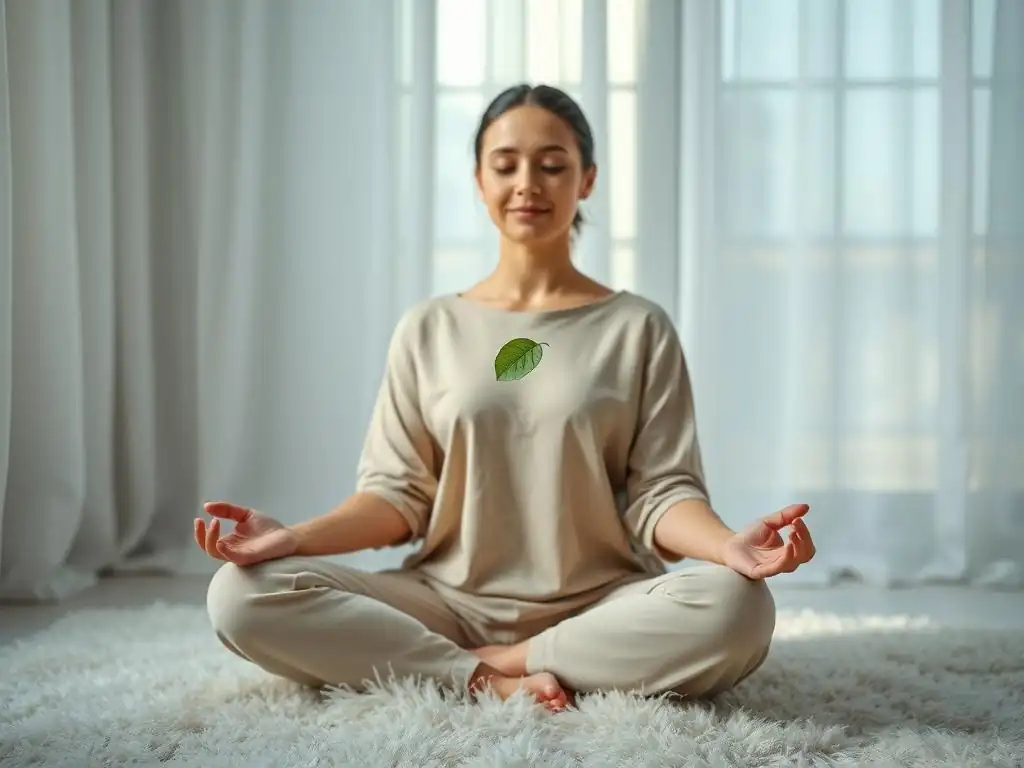
Mindful Breathing: A Simple Yet Effective Technique
Mindful breathing is perhaps the most fundamental and accessible mindfulness technique for anxiety relief. It involves simply paying attention to the sensation of the breath as it enters and leaves the body. You can do this anywhere, anytime – sitting, standing, or lying down. The focus is not on controlling the breath, but on observing its natural rhythm.
When practicing mindful breathing, notice the rise and fall of your chest or abdomen, the feeling of air passing through your nostrils or mouth. When your mind inevitably wanders to thoughts of worry or to-do lists, gently guide your attention back to the breath without self-criticism. Even a few minutes of mindful breathing can interrupt the anxiety cycle and bring a sense of calm to the nervous system, making it an invaluable tool in moments of distress.
Body Scan Meditation: Cultivating Awareness of Physical Sensations
The body scan meditation is a practice that systematically brings awareness to different parts of the body. Lying down or sitting comfortably, you gently direct your attention to sensations in areas like your toes, feet, legs, and so on, moving slowly up through the body. This practice helps to cultivate a deep awareness of physical sensations as they are, without judgment.
This technique is particularly useful for mindfulness for anxiety relief because anxiety often manifests with physical symptoms like tension, tightness, or restlessness. By practicing the body scan, individuals learn to notice these sensations with acceptance rather than alarm. This can reduce the secondary layer of anxiety that arises from fearing the physical symptoms themselves, helping to ground oneself in the present moment and release physical tension.
Mindful Walking: Engaging with the Present Moment Through Movement
Mindful walking transforms the simple act of walking into a practice of present-moment awareness. Instead of rushing from one place to another or letting your mind dwell on future worries, you pay deliberate attention to the sensations of walking. This includes the feeling of your feet touching the ground, the movement of your legs, the swing of your arms, and the rhythm of your breath.
This technique allows for mindfulness practice even when you are unable to sit still. It connects you to your physical body and the environment around you. Noticing the sights, sounds, and smells as you walk, without getting lost in thought, can be incredibly grounding. Mindful walking provides an active form of mindfulness for anxiety relief, helping to release pent-up energy and clear the mind through gentle, intentional movement.
Loving-Kindness Meditation: Fostering Compassion and Self-Acceptance
Loving-kindness meditation, also known as Metta meditation, involves cultivating feelings of warmth, compassion, and acceptance towards oneself and others. While not a direct "anxiety relief" technique in the same way as breathing, it addresses the self-criticism and fear that often underpin anxiety. The practice typically involves silently repeating phrases wishing well-being, safety, happiness, and peace first to oneself, then to loved ones, neutral persons, difficult persons, and finally to all beings.
For individuals struggling with anxiety, particularly social anxiety or health anxiety, self-compassion is a crucial component of healing. This meditation helps to counter negative self-talk and fosters a sense of inner safety and acceptance. By extending kindness inwards, you create a more nurturing internal environment, which can significantly reduce the intensity of self-judgment and fear associated with anxious states.
Integrating Mindfulness into Daily Life: Practical Tips
Creating a Mindful Morning Routine: Starting the Day with Intention
Starting your day with mindfulness can set a positive tone and help manage potential anxiety before it escalates. This doesn't require hours of meditation; even a few minutes can make a difference. Consider incorporating mindful breathing for five minutes before getting out of bed, or paying full attention to the sensations while brushing your teeth or making your morning coffee.
Another approach is to set an intention for the day during your morning routine. This might be an intention to approach challenges with patience, to be present in conversations, or to simply notice moments of beauty. By consciously choosing how you want to engage with the day, you move from a reactive state to a more proactive and mindful one, which can be particularly helpful in navigating potential sources of anxiety.
Practicing Mindfulness at Work: Reducing Stress and Enhancing Productivity
The workplace can be a significant source of stress and anxiety, but mindfulness offers practical ways to navigate it. Simple practices include taking a few mindful breaths before a challenging meeting, paying full attention during a conversation with a colleague, or mindfully eating your lunch away from your desk. These small acts interrupt the cycle of rushing and worrying.
You can also practice mindful task completion, focusing entirely on the task at hand without letting your mind jump ahead to the next item on your list or dwell on past interactions. Taking short, mindful breaks – perhaps stepping outside for a few minutes to notice the environment – can refresh your mind and reduce mental fatigue. Integrating mindfulness at work not only helps with anxiety relief but can also enhance focus and overall job satisfaction.
Mindful Eating: Savoring Each Bite and Cultivating Gratitude
Mindful eating is a simple yet profound practice that involves paying full attention to the experience of eating. Instead of rushing through meals or eating while distracted, you engage all your senses. Notice the colors and textures of the food, the aromas, the flavors, and the sensations of chewing and swallowing. Pay attention to signals of hunger and fullness.
This practice slows down the eating process, improves digestion, and fosters a healthier relationship with food. For those whose anxiety might manifest around food or body image, mindful eating provides a non-judgmental way to connect with the body's needs. It also cultivates gratitude for the food itself and the nourishment it provides, shifting focus away from anxious thoughts and towards present sensory experience.
Mindful Communication: Enhancing Relationships Through Presence
Mindful communication involves being fully present when listening to and speaking with others. This means paying attention not only to the words being spoken but also to the tone of voice, body language, and the emotions being expressed – both your own and the other person's. It requires setting aside distractions and truly focusing on the interaction.
When communicating mindfully, you are less likely to interrupt, jump to conclusions, or react defensively, which can often escalate conflicts and cause anxiety in relationships. Instead, you respond thoughtfully and empathetically. This practice fosters deeper connections, reduces misunderstandings, and creates a more positive and supportive environment in personal and professional relationships, contributing to overall mental well-being and reducing social anxiety.
Addressing Common Misconceptions About Mindfulness
Myth: Mindfulness is Only for Spiritual Gurus
A common misconception is that mindfulness is an esoteric practice reserved for spiritual ascetics or those deeply involved in religious traditions. This is simply not true. While mindfulness has roots in Eastern contemplative practices, its modern application is secular and evidence-based, used in clinical settings, schools, and workplaces worldwide.
Mindfulness is a practical skill, much like learning to play an instrument or ride a bicycle. It is about training the mind, something anyone can do regardless of their beliefs or background. The techniques are accessible and can be adapted to fit any lifestyle. The focus is on empirical experience and observed benefits, such as improved focus or mindfulness for anxiety relief, rather than any specific dogma.
Reality: Mindfulness is Accessible to Everyone
The reality is that mindfulness is a capacity inherent in all human beings – the ability to be aware of the present moment. Formal mindfulness practices simply help to cultivate and strengthen this innate ability. There are no prerequisites, no special equipment needed, and it can be practiced by people of all ages and abilities.
Whether through guided meditations available online, simple mindful breathing exercises, or intentionally bringing awareness to daily activities, mindfulness is highly accessible. Many free resources exist to help people get started. Its accessibility is one reason it has become such a popular and effective tool for managing common mental health challenges like stress and anxiety.
Myth: Mindfulness Requires Emptying Your Mind
Another pervasive myth is that mindfulness requires you to stop thinking or empty your mind of all thoughts. This is an impossible and frustrating goal. The human mind is designed to think, and thoughts will inevitably arise during mindfulness practice. The goal is not to eliminate thoughts.
Reality: Mindfulness is About Observing Your Thoughts Without Judgment

The true aim of mindfulness is to become aware of your thoughts as they arise, without getting caught up in them or judging them as "good" or "bad." It's like watching clouds drift across the sky – you see them, acknowledge their presence, but you don't try to stop them or change them. You simply observe them passing by.
This non-judgmental observation is key to preventing rumination and reducing the power that negative or anxious thoughts hold over you. It allows you to create distance from your thoughts and choose how you respond to them, which is a powerful aspect of using mindfulness for anxiety relief.
Myth: Mindfulness is a Quick Fix for Anxiety
It's tempting to view mindfulness as a magic pill that will instantly eliminate anxiety. However, this is a significant misconception. While a few minutes of mindful breathing can offer immediate, temporary relief, mindfulness is not a quick fix for chronic anxiety or any mental health condition.
Reality: Mindfulness Requires Consistent Practice and Patience
Mindfulness is a skill that develops over time with consistent practice, much like building physical strength or learning a new language. The benefits, including significant anxiety relief, accumulate gradually. It requires patience and dedication. There will be days when practice feels easy and days when the mind is restless. The key is gentle persistence, accepting that progress is not always linear. Committing to regular practice, even for short periods daily, is far more effective than infrequent, long sessions.
Mindfulness for Anxiety Relief: A Step-by-Step Guide to Get Started
Step 1: Find a Quiet Space and Comfortable Posture
To begin practicing mindfulness for anxiety relief, find a place where you won't be interrupted for a few minutes. This could be a quiet corner of your home, a park bench, or even a parked car. Choose a posture that is comfortable yet alert, whether sitting on a chair with your feet flat on the floor, on a cushion with legs crossed, or even lying down if necessary, though sitting can help prevent falling asleep.
Ensure your spine is relatively straight but not rigid. You can close your eyes or soften your gaze, looking slightly downwards. The aim is to create an environment conducive to turning your attention inwards without being overly distracted by external stimuli.
Step 2: Focus on Your Breath and Anchor Yourself in the Present Moment
Once comfortable, gently bring your attention to your breath. You don't need to breathe in any special way; just breathe naturally. Notice the physical sensations of breathing: the air entering and leaving your nostrils, the rise and fall of your chest or abdomen, the feeling of your clothes against your skin as you breathe. The breath serves as an anchor to the present moment.
Whenever your mind wanders – and it will – simply notice where it went without judgment and gently guide your attention back to the sensation of breathing. This repeated act of bringing the mind back is the core training of mindfulness and helps interrupt anxious thought spirals, reinforcing your ability to stay present for anxiety relief.
Step 3: Observe Your Thoughts and Feelings Without Getting Carried Away
As you continue focusing on your breath, you will notice thoughts, feelings, and sensations arising. When you become aware of a thought, perhaps an anxious worry about the future, observe it neutrally. Imagine it like a cloud passing in the sky or a leaf floating down a stream. Acknowledge its presence ("Ah, there's a thought about my meeting tomorrow") but avoid engaging with its content or judging it.
Do the same with feelings and physical sensations. Notice them ("I feel a tightness in my chest," "There's a feeling of sadness") without trying to push them away or cling to them. This practice of non-judgmental observation is crucial for gaining perspective on anxious thoughts and feelings, preventing them from overwhelming you and enhancing the effectiveness of mindfulness for anxiety relief.
Step 4: Practice Regularly and Be Patient with Yourself
Consistency is more important than duration when starting mindfulness. Aim for short, regular practice sessions – perhaps 5-10 minutes daily. Find a time that works best for you, whether in the morning, during a lunch break, or before bed. Regular practice builds the "muscle" of attention and awareness over time.
Be patient and compassionate with yourself. There will be days when your mind feels particularly busy or resistant. This is normal. Do not view a "noisy" mind as a failure. Each time you notice your mind has wandered and gently bring it back, you are strengthening your mindfulness skills. Embrace the process with kindness, understanding that developing mindfulness for anxiety relief is a journey, not a destination.
Resources for Continuing Your Mindfulness Journey
Recommended Books and Articles on Mindfulness for Anxiety
There are many excellent resources available to deepen your understanding and practice of mindfulness for anxiety relief. Numerous books offer comprehensive guides, combining theoretical background with practical exercises. Look for titles by authors such as Jon Kabat-Zinn, Mark Williams, Danny Penman, or Tara Brach, who have written extensively on mindfulness and its applications for stress and anxiety.
Articles from reputable mental health websites and academic journals can also provide valuable insights into the latest research and specific techniques. Searching for terms like "mindfulness-based stress reduction (MBSR)" or "mindfulness-based cognitive therapy (MBCT)" can yield information on structured programs that have significant evidence bases for treating anxiety and depression.
Online Mindfulness Courses and Meditation Apps
For structured learning and guided practice, online mindfulness courses and meditation apps are incredibly convenient resources. Platforms like Headspace, Calm, or Insight Timer offer guided meditations of varying lengths, programs specifically designed for anxiety relief, and tools to track your progress. Many offer introductory sessions for free.
Online courses, often based on programs like MBSR, provide more in-depth instruction over several weeks, typically including guided practices, talks, and exercises. These digital tools make mindfulness accessible anytime, anywhere, providing consistent support for developing a regular practice and learning techniques specifically aimed at mindfulness for anxiety relief.
Finding a Qualified Mindfulness Teacher or Therapist
While self-guided practice is beneficial, learning from a qualified mindfulness teacher or integrating mindfulness with therapy can provide deeper understanding and support, especially when dealing with significant anxiety. A teacher can guide you through practices, answer questions, and help you navigate challenges that arise during meditation.
Therapists who incorporate mindfulness into their practice, such as those trained in MBCT or Acceptance and Commitment Therapy (ACT), can help you apply mindfulness principles to understand and work through the specific patterns of your anxiety. They can provide personalized guidance and support, making mindfulness a more effective tool within a broader therapeutic context for lasting anxiety relief.
Conclusion: Embracing Mindfulness for a More Peaceful and Balanced Life
Mindfulness as a Long-Term Strategy for Anxiety Management
Mindfulness is not a one-time cure but a powerful long-term strategy for managing anxiety and fostering overall mental well-being. By cultivating present-moment awareness, individuals build resilience, reduce reactivity to stressors, and develop a greater capacity to navigate challenging emotions and thoughts. Consistent practice leads to cumulative benefits, fundamentally changing the relationship one has with anxiety.
Embracing mindfulness means committing to a practice that supports psychological flexibility and emotional intelligence. It empowers individuals to respond to life's inevitable difficulties with greater calm and clarity. As a sustainable approach, mindfulness for anxiety relief offers ongoing support, helping to maintain a more balanced and peaceful state of mind over the long term.
The Power of Mindfulness in Cultivating Mental Well-being
Ultimately, the power of mindfulness lies in its ability to cultivate profound mental well-being. It moves beyond symptom reduction to help individuals connect with their inner resources, fostering self-awareness, self-compassion, and a deeper appreciation for life's experiences. By training the mind to be present and non-judgmental, mindfulness enhances our capacity for joy, gratitude, and contentment.
Integrating mindfulness into daily life, whether through formal meditation or informal practices, is an investment in your mental health. It provides the tools to navigate the complexities of modern life with greater ease, leading to a more fulfilling and balanced existence. Embracing mindfulness is embracing a path towards a healthier, more resilient mind.
Frequently Asked Questions
What is mindfulness, and how does it relate to mental well-being?
Mindfulness is paying attention to the present moment without judgment. It improves mental well-being by fostering self-awareness and reducing reactivity to stress, leading to greater emotional regulation.
How can mindfulness be applied to anxiety relief?
Mindfulness techniques, like focused breathing and body scans, help break the cycle of anxious thoughts by bringing attention to the present experience. This allows for greater awareness of anxiety triggers and reduces their impact.
Is mindfulness only about meditation and sitting in silence?
No, mindfulness encompasses much more than just meditation. It involves cultivating awareness in everyday activities, such as eating, walking, or even washing dishes, making it accessible throughout the day.
What are some simple mindfulness exercises that someone can start with to manage anxiety?
Begin with focused breathing, paying attention to the sensation of each inhale and exhale. Another option is a body scan meditation, noticing sensations throughout your body without judgment.
Where can I find further resources and support for incorporating mindfulness into my life for anxiety relief?
Mind Care Guide provides a comprehensive collection of articles, guided meditations, and resources specifically designed to support you in integrating mindfulness for anxiety management.
Final Reflection: Finding Stillness in a Restless World
The practice of mindfulness, far from being a mere trend, is a vital tool for navigating the anxieties of modern life. In a world saturated with information and demands, the ability to cultivate present moment awareness is not a luxury, but a necessity for maintaining mental and emotional well-being. The techniques explored in this article – from mindful breathing to body scans – offer practical strategies for managing stress and fostering inner peace, directly addressing the pervasive issue of anxiety.
The impact of mindfulness on our cultural landscape is undeniable, shifting from a niche practice to a widely recognized approach to stress management. Its integration into workplaces, schools, and even healthcare settings reflects a growing understanding of its power to improve mental health. This shift is deeply personal to me; I've witnessed firsthand the transformative effects of consistent mindfulness practice, not only in reducing my own anxiety but also in fostering greater empathy and resilience. Mindfulness is not a means to an end; it is a way of being.
This quote perfectly encapsulates the ongoing journey of cultivating presence and acceptance.
Now, consider your own life. What areas feel overwhelmed by stress and anxiety? I invite you to experiment with even one of the mindfulness techniques discussed here. Start small, perhaps with just five minutes of mindful breathing each day. Observe the subtle shifts in your perspective, the increased awareness of your body and emotions. This journey of self-discovery, of finding stillness within the chaos, is a gift you can give yourself. Embrace the practice, and watch as your ability to navigate the anxieties of daily life transforms.
Unleash Your Inner Calm: Start Your Mindfulness Journey Today!
Thanks for taking the time to explore the world of mindfulness with us! We hope you gained valuable insights into how this practice can enrich your life, going beyond simple meditation. Now, let's put that knowledge into action.
- Begin your daily mindfulness practice: Even 5 minutes a day can make a significant difference. Try focusing on your breath, noticing your senses, or simply observing your thoughts without judgment. This is the core step to unlock the benefits.
- Share your experience: Tell a friend or family member about what you've learned and invite them to join you on your mindfulness journey. Sharing your progress strengthens your commitment.
- Explore a guided mindfulness exercise: Many free resources are available online – search for a guided meditation or body scan that resonates with you. Discover the different ways mindfulness can benefit you.
Ready to embrace a calmer, more focused you? What simple mindfulness technique are you most excited to try first?