
Mindfulness 101: Getting Started with Present Moment Awareness

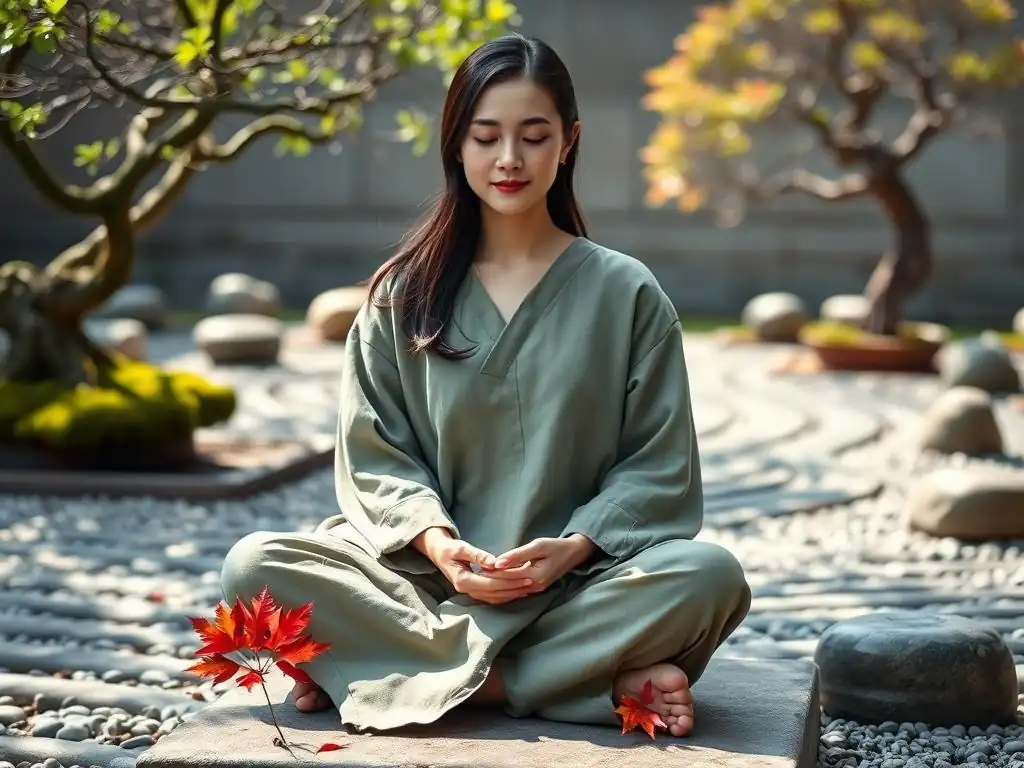
Welcome to Mind Care Guide.
Feeling overwhelmed by anxiety? You're not alone. We understand the constant struggle. Here, you'll find compassionate guidance and practical tools to navigate the challenges of daily life. This journey begins with Mindfulness for Anxiety Relief, a powerful technique that can help you reclaim your peace. Ready to discover how present moment awareness can transform your well-being? Let's explore the fundamentals of mindfulness and unlock its potential to ease your anxiety, starting with "Mindfulness 101: Getting Started with Present Moment Awareness".
Cultivating Calm: A Guide to Mindfulness for Stress Reduction
- Introduction to Mindfulness for Stress Management
- Defining Mindfulness: More Than Just Meditation
- The Benefits of Mindfulness: Stress Reduction and Beyond
- Practical Mindfulness Techniques: A Beginner's Guide
- Integrating Mindfulness into Everyday Life
- Addressing Common Challenges in Mindfulness Practice
- Resources for Deepening Your Mindfulness Practice
- Mindfulness for Stress Reduction: Summary and Continued Growth
-
Frequently Asked Questions
- What is mindfulness and how can it help with anxiety?
- How does mindfulness differ from meditation?
- What are some simple mindfulness exercises I can try for anxiety relief?
- How often should I practice mindfulness to see benefits for anxiety?
- Where can I find more resources and support for practicing mindfulness?
- Final Reflection: Cultivating Calm in a Chaotic World
- Unlock Your Inner Calm: Start Your Mindfulness Journey Today!
Introduction to Mindfulness for Stress Management
Understanding Present Moment Awareness: The Foundation of Mindfulness
At its core, mindfulness is the practice of intentionally bringing one's attention to the present moment without judgment. This means noticing the thoughts, feelings, physical sensations, and external environment unfolding right now, rather than dwelling on the past or worrying about the future. It's about observing your experience as it is, with curiosity and acceptance. This foundational principle is crucial because our minds often drift, replaying past events or rehearsing future scenarios, which can be significant sources of stress and anxiety. Learning to anchor yourself in the present, even for brief periods, disrupts this cycle of rumination and worry.
Developing present moment awareness isn't about emptying your mind or achieving a state of perpetual calm; it's about acknowledging whatever is happening in the present, whether pleasant or unpleasant. It's like standing by a river and watching the water flow – you notice the leaves, the currents, the debris, but you don't jump in or try to stop anything. This non-reactive observation builds resilience and helps you respond more skillfully to challenges. For individuals seeking mindfulness for anxiety relief, learning to simply observe anxious thoughts without getting swept away by them is a powerful first step.
The Role of Mindfulness in Reducing Stress and Enhancing Well-being
Mindfulness plays a significant role in stress reduction by altering our relationship with stressful thoughts and feelings. Instead of automatically reacting to stress triggers with tension or panic, mindfulness teaches us to pause, notice the reaction, and choose a more deliberate response. This shift from reactivity to responsiveness is key.
Physiological studies have shown that regular mindfulness practice can lead to a decrease in the production of stress hormones like cortisol. For example, research indicates that consistent mindfulness meditators often exhibit lower cortisol levels and reduced activity in the amygdala, the brain region associated with fear and threat response, compared to non-meditators.
Beyond simply reducing stress, mindfulness enhances overall well-being by improving emotional regulation, increasing self-awareness, and fostering a greater sense of calm and presence. It helps individuals recognize stress patterns before they become overwhelming and provides tools to navigate difficult emotions with greater ease. Many people who integrate mindfulness for anxiety relief report feeling more in control of their emotional responses and less overwhelmed by challenging situations. This practice cultivates a sense of inner peace that extends beyond moments of formal meditation, influencing daily interactions and overall quality of life.
Defining Mindfulness: More Than Just Meditation
Mindfulness vs. Meditation: Understanding the Nuances
While often used interchangeably, mindfulness and meditation are distinct concepts, though closely related. Meditation is a practice, a formal technique or method, used to cultivate mindfulness. Think of meditation as the exercise you do at the gym, and mindfulness as the state of physical fitness you develop as a result, which you then carry into your daily life. Meditation typically involves setting aside dedicated time to sit or engage in a specific activity (like walking) with focused attention, often on the breath, bodily sensations, or sounds.
Mindfulness, on the other hand, is the quality of being present and aware. It's the result of meditation practice, but it can also be cultivated informally throughout the day. You can be mindful while washing dishes, listening to a friend, or walking down the street.
It's the state of conscious awareness that you develop through practices like meditation and then apply to everyday experiences. Thus, meditation is a primary tool for developing mindfulness, which is the desired state of being present. Using mindfulness for anxiety relief often starts with formal meditation practices but becomes most impactful when integrated into daily life.
Core Principles: Attention, Acceptance, and Non-Judgment
Mindfulness is built upon several core principles that guide the practice. The first is Attention. This involves intentionally directing your awareness to the present moment, focusing on a chosen object (like the breath) or simply observing whatever arises in your experience. It's about training the mind to stay present, gently redirecting it when it inevitably wanders.
The second principle is Acceptance. This means acknowledging your present experience as it is, without trying to change it or wish it were different. It doesn't mean you approve of difficult situations or emotions, but rather that you allow them to be present without resistance. For someone practicing mindfulness for anxiety relief, this means accepting the presence of anxious thoughts or feelings without fighting them, which paradoxically often reduces their intensity.
Finally, Non-Judgment is crucial. This involves observing your thoughts, feelings, and sensations without labeling them as "good" or "bad," "right" or "wrong." It's about approaching your experience with curiosity and kindness, rather than criticism. When the mind judges, it creates resistance and suffering. By practicing non-judgment, you create space to observe your experience more clearly and respond with greater wisdom.
The Benefits of Mindfulness: Stress Reduction and Beyond
Mindfulness for Stress Relief: How it Impacts the Nervous System
The practice of mindfulness has a profound impact on the body's stress response system, specifically the autonomic nervous system. Stress activates the sympathetic nervous system, triggering the "fight or flight" response, which increases heart rate, blood pressure, and stress hormones. Mindfulness helps to activate the parasympathetic nervous system, often referred to as the "rest and digest" system. Regular practice shifts the balance towards this calming system.
Studies, including those using fMRI scans, have shown that mindfulness training can decrease the size of the amygdala and increase connectivity between the prefrontal cortex (associated with higher-level thinking and regulation) and the amygdala. This structural and functional change means the brain becomes less reactive to stressors and better able to regulate emotional responses.
Many individuals find that dedicated mindfulness for anxiety relief practice leads to fewer episodes of intense worry and a greater capacity to manage stressful situations without feeling overwhelmed. For example, a study published in the Journal of Consulting and Clinical Psychology found that mindfulness-based stress reduction (MBSR) programs led to significant reductions in self-reported stress and anxiety symptoms in participants.
Holistic Benefits: Improved Focus, Emotional Regulation, and Physical Health
The benefits of mindfulness extend far beyond stress reduction. Regular practice enhances cognitive function, particularly attention and focus. By training the mind to stay present and return gently when distracted, individuals improve their ability to concentrate on tasks, leading to increased productivity and reduced errors. For instance, a study published in Psychological Science found that just two weeks of mindfulness training improved participants' working memory capacity and ability to maintain attention during demanding tasks.
Furthermore, mindfulness significantly improves emotional regulation. By observing emotions without judgment, individuals become less reactive to intense feelings and develop the capacity to choose their response rather than being controlled by the emotion. This is particularly helpful when using mindfulness for anxiety relief, as it allows individuals to notice anxious feelings without spiraling into panic.
The benefits also manifest physically; research suggests mindfulness can positively impact sleep quality, reduce chronic pain perception, and even support the immune system. For example, some studies have indicated that MBSR can lead to improvements in symptoms for individuals with conditions like fibromyalgia and irritable bowel syndrome.
Practical Mindfulness Techniques: A Beginner's Guide
Preparing for Mindfulness Practice
Creating a Peaceful Environment
Finding a dedicated space, even if it's just a quiet corner, can significantly support a new mindfulness practice. While you can practice anywhere, starting in an environment free from major distractions helps cultivate focus. This doesn't require a fancy meditation room; it could be a chair in your bedroom, a quiet spot in a park, or even just ensuring your phone is on silent and notifications are off. The key is to minimize external interruptions so you can turn your attention inward.
Ensure the space is comfortable – you can sit on a cushion on the floor or in a chair, as long as your spine is relatively straight and you feel stable. Some people like to dim the lights or light a candle, but these are optional. The most important aspect is creating a sense of calm and safety for the duration of your practice, allowing you to fully engage in using mindfulness for anxiety relief without feeling pressured or interrupted.
Setting Your Intention for the Practice
Before beginning any mindfulness exercise, it can be helpful to set a simple intention. This isn't a goal to achieve a specific outcome (like "I will eliminate all my anxiety"), but rather a gentle reminder of why you are practicing and what quality you wish to cultivate. Your intention might be to bring awareness to your breath, to observe your thoughts with kindness, or simply to be present for the next few minutes.
Setting an intention anchors your practice and gives it purpose. It can be as simple as thinking to yourself, "My intention is to be present with my breath," or "I intend to approach my experience with curiosity." This helps frame the time you are dedicating and can be particularly useful when beginning to practice mindfulness for anxiety relief, reminding you that this time is for cultivating calm and self-compassion, not for achieving perfection.
Beginner-Friendly Mindfulness Exercises
Diaphragmatic Breathing: A Simple Technique for Calm
Diaphragmatic breathing, or belly breathing, is one of the most accessible mindfulness techniques and a powerful tool for activating the parasympathetic nervous system.
- Find a comfortable position, sitting or lying down.
- Place one hand on your chest and the other just below your rib cage.
- Inhale slowly through your nose, feeling your belly rise as you fill your lungs deeply. Your chest should remain relatively still.
- Exhale slowly through your mouth, gently pressing the air out and feeling your belly fall.
- Repeat for several minutes, focusing your full attention on the sensation of the breath moving in and out of your body.
This simple practice, even for just 2-3 minutes, can interrupt the stress response and bring immediate relief, making it a fundamental exercise for anyone using mindfulness for anxiety relief. Focusing on the physical sensation of the breath provides an anchor for your attention, pulling you back from anxious thoughts.
Progressive Muscle Relaxation: Releasing Physical Tension
Anxiety often manifests as physical tension. Progressive Muscle Relaxation (PMR) is a technique that involves systematically tensing and then releasing different muscle groups in the body.
- Find a quiet, comfortable space to sit or lie down.
- Begin by tensing the muscles in your feet for 5-10 seconds, noticing the sensation of tension.
- Then, release the tension completely, noticing the feeling of relaxation that follows.
- Move up the body, tensing and releasing muscle groups: calves, thighs, hips, abdomen, back, hands, arms, shoulders, neck, and face.
- Spend 10-15 seconds focusing on the feeling of relaxation in each area before moving to the next.
PMR helps you become more aware of where you hold tension in your body and provides a method for consciously releasing it. This heightened body awareness is a form of mindfulness, and the physical release of tension can significantly contribute to mindfulness for anxiety relief.
Mindful Observation: Noticing Thoughts and Feelings Without Judgment
This exercise involves simply observing your internal experience – your thoughts, feelings, and physical sensations – without trying to change or judge them.
- Sit comfortably and close your eyes or soften your gaze.
- Bring your attention to your breath as an anchor.
- Now, gently expand your awareness to notice any thoughts that arise. See if you can observe them as mental events, like clouds floating across the sky, rather than getting caught up in their content. You might label them silently, e.g., "thinking about work," "planning," "worrying."
- Next, notice any feelings or emotions present. Acknowledge them without judgment – "feeling sadness," "feeling irritation," "feeling anxiety."
- Finally, notice any physical sensations in your body – tightness, warmth, tingling, etc.
- Continue to observe whatever arises in your experience, returning your attention to the breath whenever you notice your mind has wandered or become entangled in thoughts or feelings.
This practice cultivates the non-judgmental awareness that is central to mindfulness. By observing anxious thoughts or feelings from a distance, you create space between yourself and the anxiety, reducing its power and fostering mindfulness for anxiety relief.
Integrating Mindfulness into Everyday Life
Mindful Eating: Cultivating Appreciation for Food
Mindful eating is a simple yet powerful way to bring mindfulness into a daily activity. It involves paying full attention to the experience of eating – the sights, smells, textures, and tastes of your food, as well as the physical sensations of hunger and fullness.
- Before eating, pause for a moment to look at your food and appreciate its appearance and origin.
- As you eat, chew slowly and pay attention to the textures and flavors. Notice how the food feels in your mouth and how your body responds.
- Put your fork down between bites.
- Pay attention to your body's signals of hunger and satiety, eating when you are hungry and stopping when you are comfortably full, rather than eating mindlessly or until the plate is empty.
Practicing mindful eating helps slow down the pace of life, encourages a healthier relationship with food, and provides a regular opportunity to practice present moment awareness, thereby supporting overall mindfulness for anxiety relief by reducing impulsive or stress-related eating patterns.
Mindful Communication: Enhancing Connection Through Listening
Mindfulness can transform how we interact with others. Mindful communication involves being fully present when speaking and, especially, when listening.
- When speaking, pay attention to your intention and the impact of your words. Speak with clarity and kindness.
- When listening, give the other person your full, undivided attention. Put away distractions like your phone.
- Listen not just to the words but also to the tone of voice and body language.
- Listen with the intention to understand, rather than just waiting for your turn to speak.
- Notice any judgments or reactions arising within you while listening, and try to let them go to remain fully present with the speaker.
Mindful communication deepens connection, reduces misunderstandings, and can significantly lower interpersonal stress, contributing to a calmer state of mind. It's an active application of mindfulness for anxiety relief in social situations.
Micro-Mindfulness: Incorporating Brief Moments of Awareness
You don't need hours each day to practice mindfulness. Micro-mindfulness involves intentionally bringing your awareness to ordinary, brief moments throughout the day.
- Take three conscious breaths while waiting in line.
- Notice the feeling of water on your hands while washing them.
- Pay attention to the sensation of your feet on the ground as you walk from one room to another.
- Pause for 30 seconds to simply listen to the sounds around you.
- Take a moment to notice the taste and temperature of your drink.
These small, intentional pauses sprinkle moments of presence throughout your day, counteracting the tendency to live on autopilot. Integrating these micro-momfulness moments helps sustain the benefits of formal practice and makes mindfulness for anxiety relief a continuous, accessible tool.
Addressing Common Challenges in Mindfulness Practice
Working with Distractions and Mental Chatter
One of the most common challenges beginners face is dealing with a busy, wandering mind. It's important to understand that the mind is designed to think and wander; this isn't a failure of your practice. The goal of mindfulness isn't to stop thinking, but to become aware when your mind has wandered and gently guide it back to your chosen anchor (like the breath).
- Acknowledge the distraction without judgment ("My mind is thinking about dinner").
- Gently release the thought or distraction.
- Kindly redirect your attention back to your anchor. This redirection is the practice.
It's estimated that the mind wanders up to 47% of our waking hours. Expecting it to be completely still is unrealistic. Approaching mental chatter with patience and curiosity rather than frustration is key to a sustainable practice and effective mindfulness for anxiety relief. Each time you notice your mind has wandered and return, you strengthen your capacity for focused attention.
Overcoming Self-Criticism and Impatience
Many new practitioners become frustrated when they feel they aren't "doing it right" or aren't experiencing immediate, profound calm. This self-criticism and impatience are significant barriers. Remember that mindfulness is a practice, not a destination. There's no "perfect" way to do it, and progress is often gradual.
- Acknowledge critical thoughts ("I'm not good at this") as just another form of mental chatter.
- Cultivate self-compassion. Treat yourself with the same kindness and understanding you would offer a friend who is learning a new skill.
- Accept that some days will feel easier than others. It's okay if your mind is particularly restless on a given day. Just keep returning to the practice.
Mindfulness for anxiety relief isn't about eliminating anxiety instantly, but about learning to relate to it differently. Be patient with the process and celebrate small moments of presence rather than focusing on perceived failures.
The Value of Persistence and Self-Compassion
Sustaining a mindfulness practice requires persistence. Life is busy, and it's easy to let practice slide. There will be days when you don't feel like practicing, or when your session feels unproductive. This is normal. The value lies in returning to the cushion or incorporating mindful moments even when it's challenging.
- Commit to a regular time, even if it's just 5-10 minutes daily. Consistency is more important than duration.
- Remind yourself of your intention and the benefits you seek, such as using mindfulness for anxiety relief.
- Be kind to yourself on days you miss practice; simply start again the next day.
Self-compassion is the bedrock of a sustainable practice. It involves treating yourself with kindness, recognizing your common humanity (everyone struggles), and being mindful of your suffering (acknowledging difficulties without getting lost in them). Approaching mindfulness with self-compassion makes the practice more nurturing and effective, especially when navigating difficult emotions like anxiety.
Resources for Deepening Your Mindfulness Practice
Guided Meditations: Insight Timer and UCLA Mindful Awareness Research Center
Guided meditations are an excellent resource for beginners and experienced practitioners alike. They provide instruction and structure, making it easier to stay focused.
- Insight Timer: This is a popular free app offering tens of thousands of guided meditations from various teachers worldwide. It includes meditations of different lengths, styles, and focuses, including many specifically tailored for stress and anxiety. It also tracks your practice time and connects you with a global community.
- UCLA Mindful Awareness Research Center (MARC): UCLA MARC offers free guided meditations on their website and through their app. These meditations are often based on scientific research and are led by experienced teachers associated with the university. They provide a reliable source for evidence-based guided practices.
These resources offer accessible ways to begin or deepen your journey with mindfulness for anxiety relief, providing expert guidance at your fingertips.
Recommended Reading: "Wherever You Go, There You Are" by Jon Kabat-Zinn and "Mindfulness for Beginners" by Jon Kabat-Zinn
Reading can provide valuable context, inspiration, and practical guidance for your mindfulness journey.
- Wherever You Go, There You Are: Mindfulness Meditation in Everyday Life by Jon Kabat-Zinn: This classic book offers short, accessible chapters on various aspects of mindfulness and meditation, emphasizing how to bring presence into everyday life. It's written in a gentle, encouraging style, making the concepts easy to grasp and apply.
- Mindfulness for Beginners: Reclaiming the Present Moment and Your Life by Jon Kabat-Zinn: Specifically designed for those new to the practice, this book breaks down the core principles and techniques of mindfulness in a clear and straightforward manner. It addresses common questions and challenges faced by beginners and provides practical guidance for getting started with using mindfulness for anxiety relief and stress reduction.
These books offer foundational wisdom from one of the pioneers of mindfulness in the West, providing a solid understanding to support your practice.
Local Mindfulness Programs: Community Centers and Yoga Studios
Connecting with others and learning in person can be incredibly beneficial. Many community centers, yoga studios, and wellness centers offer in-person mindfulness courses, workshops, or drop-in meditation sessions.
- Look for programs based on Mindfulness-Based Stress Reduction (MBSR) or Mindfulness-Based Cognitive Therapy (MBCT), which are evidence-based curricula. MBSR is an intensive 8-week program developed by Jon Kabat-Zinn, proven effective for reducing stress, anxiety, and chronic pain.
- Yoga studios often incorporate mindfulness principles into their classes and may offer dedicated meditation sessions.
- Check local hospitals or university extension programs, as they sometimes offer mindfulness courses led by qualified instructors.
Participating in a local program provides structured learning, the opportunity to ask questions, and the support of a community, which can significantly enhance your commitment to using mindfulness for anxiety relief and overall well-being.
Mindfulness for Stress Reduction: Summary and Continued Growth
Sustaining Your Mindfulness Journey: Building a Consistent Practice
Building a consistent mindfulness practice is like building any habit; it requires dedication and flexibility. Don't aim for perfection, aim for consistency. Even 5-10 minutes daily is more beneficial than one long session per week.
- Schedule your practice time and treat it as an important appointment.
- Be flexible – if your usual time doesn't work, find another moment in the day.
- Use reminders (phone alarms, sticky notes).
- Integrate micro-mindfulness moments throughout the day to keep awareness alive.
- Journal about your practice – note what you experienced, challenges, and insights. This can provide valuable perspective and reinforce your commitment.
Remember that the benefits of mindfulness, particularly mindfulness for anxiety relief, accumulate over time. Persistence is key to cultivating lasting change in your relationship with stress and anxiety.
Embracing Mindfulness for a More Balanced and Resilient Life
Embracing mindfulness is a journey towards living a more balanced, resilient, and fulfilling life. It's not about eliminating challenges or difficult emotions, but about developing the capacity to meet them with greater presence, awareness, and self-compassion. By consistently practicing bringing your attention to the present moment without judgment, you train your mind to be less reactive and more responsive.
The skills cultivated through mindfulness – improved focus, emotional regulation, increased self-awareness, and reduced stress – are invaluable in navigating the complexities of modern life. Whether your primary motivation is mindfulness for anxiety relief or simply cultivating a greater sense of peace, the practice offers a path to deeper connection with yourself and the world around you. Continue to explore, be patient with yourself, and trust in the transformative power of present moment awareness.
Frequently Asked Questions
What is mindfulness and how can it help with anxiety?
Mindfulness is about present moment awareness, paying attention to your thoughts and feelings without judgment. It can help with anxiety by reducing overthinking and fostering a sense of calm.
How does mindfulness differ from meditation?
While related, meditation is a practice, and mindfulness is a quality of awareness. You can practice mindfulness without formally meditating, by paying attention to everyday activities.
What are some simple mindfulness exercises I can try for anxiety relief?
Try focusing on your breath, noticing the sensation of air entering and leaving your body. You can also practice mindful walking, paying attention to the physical sensations of each step.
How often should I practice mindfulness to see benefits for anxiety?
Consistency is key. Even short, daily sessions (5-10 minutes) can be beneficial. Aim for regular practice to cultivate present moment awareness.
Where can I find more resources and support for practicing mindfulness?
Mind Care Guide offers resources and information on mindfulness and other mental well-being topics. You can also find apps, books, and local mindfulness classes.
Final Reflection: Cultivating Calm in a Chaotic World
The pursuit of mindfulness isn't a fleeting trend; it's a vital tool for navigating the anxieties of modern life. In a world saturated with information and demands, the ability to anchor ourselves in the present moment is more crucial than ever before. The techniques explored in this article – from simple breathing exercises to mindful movement – offer practical pathways to alleviate the pervasive grip of anxiety.
The impact of mindfulness on our collective well-being is undeniable. It's reshaping how we approach stress, fostering resilience, and promoting a deeper understanding of ourselves. The present moment is filled with joy and happiness. If you are attentive, you will see it.
– Thich Nhat Hanh. This quote perfectly encapsulates the transformative power of focusing on the here and now, allowing us to appreciate the beauty and peace that often eludes us amidst our worries. The shift from a reactive, anxious state to a more mindful, present one is a journey, but the rewards – a calmer mind, increased self-awareness, and a greater capacity for joy – are immeasurable.
Now, consider how you can integrate these practices into your daily routine. Start small; even five minutes of focused breathing can make a significant difference. Experiment with different techniques, find what resonates with you, and make mindfulness a consistent part of your self-care. Remember, the journey towards a more peaceful and present life begins with a single, mindful breath. Embrace the opportunity to cultivate calm within yourself, and watch as it ripples outwards, impacting every aspect of your life.
Unlock Your Inner Calm: Start Your Mindfulness Journey Today!
Thanks for taking the time to explore the world of mindfulness with us! We hope you gained valuable insights into present moment awareness and its transformative power. Now it's time to put these insights into practice.
Here's how you can continue your mindfulness journey:
- Begin a 5-minute daily meditation practice. Even a short session can make a significant difference in your daily stress levels. Start small and build from there!
- Share this article with a friend who might also benefit from learning about mindfulness. The journey is often more rewarding when shared.
- Consider exploring a guided meditation app to discover different techniques and deepen your practice. There's a whole world of mindful exploration awaiting you!
Ready to experience the calm and clarity mindfulness can bring? What small step will you take today to cultivate more present moment awareness in your life?