
What Does "Being Mindful" Really Mean?

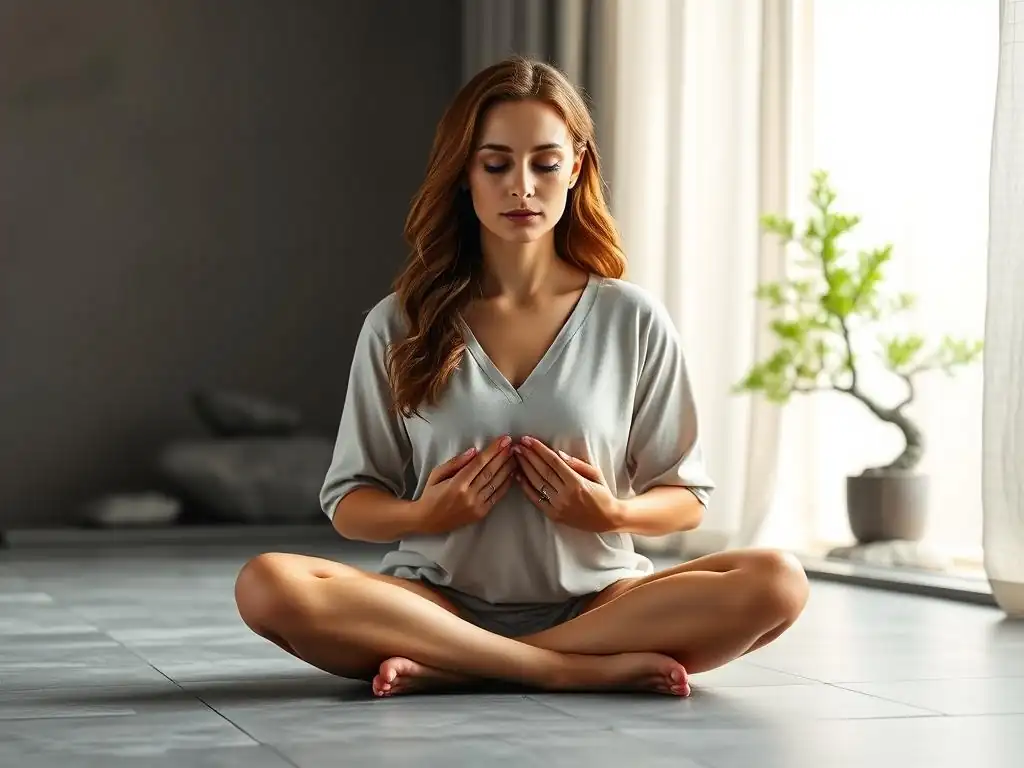
Welcome to Mind Care Guide, a space dedicated to nurturing your mental well-being.
Feeling overwhelmed? You're not alone. Many seek solace from anxiety's grip, and we're here to help. In this article, we gently explore the profound power of mindful meditation for anxiety, offering practical techniques that can help you reclaim your inner peace. But what does "being mindful" really mean, and how can it truly transform your experience? Dive in and discover the answers.
What Does "Being Mindful" Really Mean?
- Introduction to Mindfulness: Understanding the Core Concept
- Breaking Down the Elements of Mindfulness
- Mindfulness vs. Mindlessness: Recognizing the Difference
- Practical Ways to Cultivate Mindfulness in Daily Life
- Mindful Meditation for Stress Reduction: A Targeted Approach
- Common Misconceptions About Mindfulness
- Overcoming Challenges in Mindfulness Practice
- Integrating Mindfulness into Your Overall Well-being Strategy
- Conclusion: Embracing a Mindful Life
-
Frequently Asked Questions
- What is the core concept of Mindful Meditation for Anxiety?
- How does Mindful Meditation differ from other types of meditation?
- Can Mindful Meditation completely eliminate anxiety?
- How often should I practice Mindful Meditation for Anxiety to see results?
- Where can I find resources or guidance to begin practicing Mindful Meditation for Anxiety?
- Final Reflection: Unpacking Mindfulness for a More Peaceful You
- Unlock Your Mind's Potential: Practical Steps to Mindfulness
Introduction to Mindfulness: Understanding the Core Concept
Why is Mindfulness Gaining Popularity?
Mindfulness has surged in popularity in recent years, moving from ancient contemplative traditions into mainstream health and wellness practices. This rise is largely attributed to increasing awareness of mental health challenges like stress, anxiety, and depression, and the growing body of scientific evidence supporting mindfulness as an effective tool for managing these conditions. People are actively seeking accessible, non-pharmacological approaches to improve their well-being, and mindfulness offers a path towards greater presence and emotional regulation.
The appeal of mindfulness also lies in its adaptability. It's not confined to formal meditation sessions; its principles can be woven into daily life, making it a practical approach for busy individuals. As stress levels seemingly climb in modern society – with surveys often showing significant portions of the population reporting high stress – practices like mindful meditation for anxiety and general stress reduction are becoming essential coping mechanisms, driving the widespread interest and adoption of mindfulness techniques.
Defining Mindfulness: More Than Just Meditation
At its core, mindfulness is the practice of intentionally bringing one's attention to the present moment without judgment. It involves observing thoughts, feelings, bodily sensations, and the surrounding environment with a gentle curiosity, rather than getting caught up in them or trying to change them. While often associated with meditation, formal meditation is just one way to cultivate mindfulness; it's a state of being that can be accessed and practiced in various ways throughout the day.
Defining mindfulness goes beyond simply being present; it incorporates an attitude of acceptance and non-reactivity. It's about acknowledging what is happening, both internally and externally, without immediately labeling it as good or bad. This non-judgmental stance is crucial, as it allows for a more objective and less emotionally charged experience of reality. Understanding this nuanced definition is the first step towards truly integrating mindfulness into one's life, whether through formal mindful meditation for anxiety relief or simple moments of present awareness.
Breaking Down the Elements of Mindfulness
Attention: Paying Attention to the Present Moment
Attention is the fundamental pillar of mindfulness. It involves consciously directing your awareness to what is happening right now, rather than letting your mind wander to the past or future. This requires an active effort to notice the details of your current experience – the sights, sounds, smells, tastes, and physical sensations that are present in the moment. It's about training your focus, much like training a muscle, to stay anchored in the here and now.
Developing this attentive capacity is key to reducing the mental clutter that often fuels stress and anxiety. By deliberately bringing your attention back to the present whenever it drifts, you interrupt the cycle of rumination or worry. This focused attention is particularly important in practices like mindful meditation for anxiety, where the goal is to observe anxious thoughts without getting overwhelmed by them, instead gently returning focus to a chosen anchor like the breath.
Focusing on Sensations, Thoughts, and Emotions Without Judgment
A critical aspect of mindful attention is observing your internal landscape – your sensations, thoughts, and emotions – without assigning labels or getting entangled in them. When a sensation arises, like tightness in the chest, you simply notice it as a sensation, perhaps describing it internally (e.g., "tightness," "pressure") without immediately concluding it means something is wrong. Similarly, when a thought appears, you recognize it as a thought ("thinking about tomorrow's meeting") rather than getting lost in its content or believing it as absolute truth.
This non-judgmental observation extends to emotions as well. If you feel anxiety, you acknowledge the feeling ("feeling anxious") and observe where it manifests in your body, its intensity, and how it shifts, all without criticizing yourself for feeling it or trying desperately to push it away. This practice of detached observation, central to mindful meditation for anxiety, helps create space between you and your internal experiences, reducing their power to dictate your reactions and behavior.
Acceptance: Embracing Experiences as They Are
Acceptance in mindfulness doesn't mean liking or approving of difficult experiences; it means acknowledging and allowing them to be present without resistance. It's the willingness to face reality, including uncomfortable feelings or challenging situations, without trying to deny, fight, or change them in that moment. This radical acceptance is counterintuitive in a world that often encourages fixing problems immediately, but it's a powerful way to reduce suffering that arises from resisting what is.
Cultivating acceptance involves recognizing that pain is often inevitable, but suffering is frequently amplified by our resistance to that pain. For example, if you feel anxious, resisting the feeling ("I shouldn't feel this way," "This is unbearable") often makes the anxiety worse. Acceptance, on the other hand, allows you to acknowledge the anxiety ("Okay, this is anxiety") and observe it with curiosity, which can paradoxically lessen its grip. This principle is foundational in using mindful meditation for anxiety, teaching individuals to sit with discomfort rather than being consumed by it.
Non-Judgmental Observation: A Key Component of Mindfulness
Non-judgmental observation is intricately linked with acceptance. It's the practice of noticing your experiences – thoughts, feelings, sensations, and external events – without labeling them as good or bad, right or wrong, pleasant or unpleasant. Our minds are naturally wired to evaluate, so this requires conscious effort and practice. When a judgment arises (and it will), the practice is to simply notice the judgment itself ("Ah, I'm judging this feeling as bad") and return to observing the primary experience without getting caught up in the judgment.
This stance of non-judgment allows for a clearer perception of reality. Without the filter of evaluation, you can see things more objectively. For someone practicing mindful meditation for anxiety, this means observing anxious thoughts or physical symptoms without the added layer of self-criticism or fear about the symptoms themselves. It fosters a sense of gentle curiosity towards one's inner world, creating a safer space for difficult emotions to be processed.
Intention: Cultivating a Purposeful Approach
Intention provides direction and purpose to your mindfulness practice. It's about consciously deciding why you are practicing mindfulness and what you hope to cultivate or achieve through it. This isn't about setting rigid goals or expectations, but rather about bringing awareness to your underlying motivation. Are you practicing to reduce stress, manage anxiety, improve focus, cultivate self-compassion, or simply to be more present in your life?
Setting an intention helps frame your practice and keeps you motivated, especially when faced with challenges. It transforms mindfulness from a passive exercise into an active, purposeful engagement with your inner world and daily life. For individuals specifically engaging in mindful meditation for anxiety, setting an intention might be "to observe anxious thoughts with kindness" or "to cultivate calm amidst discomfort," guiding their focus during practice.
Setting Intentions for Mindful Practice
Intentions can be set at the beginning of a formal meditation session or at the start of your day. They can be broad, like "to live more mindfully," or specific, like "to bring mindful awareness to my next meal." When setting an intention, it's helpful to frame it positively and focus on the process rather than a specific outcome. For example, instead of "I intend to eliminate my anxiety," a more mindful intention might be "I intend to practice observing my anxiety with acceptance."
Checking in with your intention periodically can help reinforce your commitment and guide your actions. It's a gentle reminder of the path you're on and the qualities you wish to cultivate. For someone using mindful meditation for anxiety management, revisiting the intention to approach difficult feelings with compassion can be particularly grounding during challenging moments of practice or in daily life when anxiety arises.
Mindfulness vs. Mindlessness: Recognizing the Difference
Identifying Mindless Habits and Patterns
Mindlessness is the opposite of mindfulness – it's operating on autopilot, reacting habitually without conscious awareness of the present moment. We spend a significant portion of our lives in this state, performing routine tasks like driving, eating, or scrolling through phones without truly being present. While useful for efficiency in some situations, chronic mindlessness can lead to missed experiences, increased stress (as worries loop unchecked), and a feeling of being disconnected from oneself and the world.
Identifying mindless habits involves paying attention to moments when you realize you weren't paying attention. Did you finish eating without tasting your food? Did you have a conversation but weren't really listening? Did you commute to work and not remember the journey? These are common signs of mindlessness. Recognizing these patterns is the first step towards choosing mindfulness, allowing you to consciously shift your state and engage more fully with your life, which is a key benefit sought by those exploring mindful meditation for anxiety relief.
The Benefits of Shifting from Mindlessness to Mindfulness
Shifting from a state of mindlessness to mindfulness unlocks numerous benefits for mental and physical well-being. Increased present moment awareness leads to a richer experience of life, allowing you to appreciate simple pleasures and engage more deeply with others. It also improves focus and concentration, enhancing productivity and reducing errors caused by inattention.
Furthermore, mindfulness provides a powerful tool for emotional regulation. By observing thoughts and feelings without judgment, you create space to choose how to respond rather than automatically reacting based on ingrained patterns. This is particularly beneficial for managing challenging emotions like anxiety; practices such as mindful meditation for anxiety help individuals develop the capacity to tolerate discomfort and respond to anxious feelings with greater calm and clarity, leading to reduced overall distress and improved resilience.
Practical Ways to Cultivate Mindfulness in Daily Life
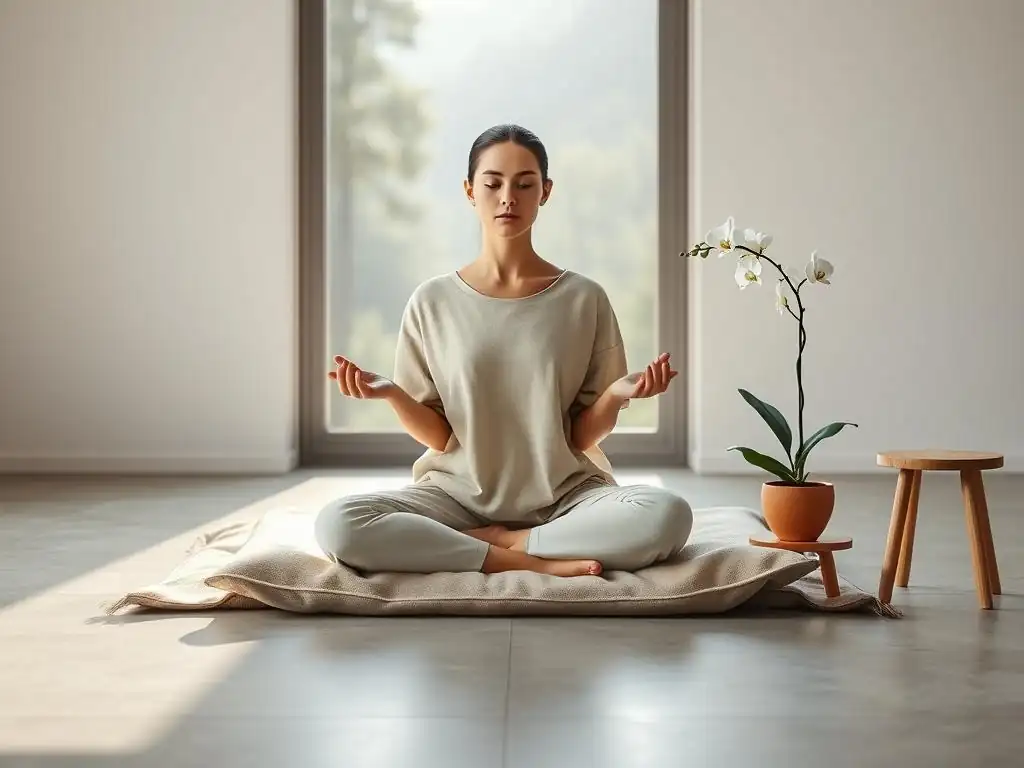
Mindful Breathing Exercises for Beginners
Mindful breathing is one of the most accessible entry points into mindfulness practice. It involves simply paying attention to the sensation of your breath as it enters and leaves your body. You don't need to change your breath in any way, just observe its natural rhythm – the rise and fall of your chest or abdomen, the feeling of air moving through your nostrils or mouth. This simple focus provides an anchor for your attention, bringing you back to the present moment.
A basic mindful breathing exercise might involve sitting comfortably, closing your eyes if you wish, and taking a few deeper breaths to settle. Then, simply rest your attention on your breath. When your mind wanders (which it will), gently notice where it went and without judgment, guide your attention back to the sensation of breathing. Start with just a few minutes a day; even short periods of mindful breathing can help calm the nervous system and are a foundational step for anyone interested in mindful meditation for anxiety.
Body Scan Meditation: A Beginner's Guide to Body Awareness
The body scan meditation is another excellent practice for cultivating mindfulness, specifically body awareness. It involves systematically bringing your attention to different parts of your body, noticing any sensations present without trying to change them. You might start with your toes, then move to your feet, ankles, and so on, gradually scanning up through your entire body.
This practice helps you become more attuned to physical sensations, including areas of tension or discomfort, but also areas of ease or neutrality. It teaches you to observe these sensations with a non-judgmental attitude. Regular body scans can increase interoceptive awareness (the ability to sense internal states) and can be particularly helpful in recognizing the physical manifestations of stress or anxiety, providing valuable insight for managing these feelings through mindful meditation for anxiety.
Mindful Walking: Connecting with Your Surroundings
Mindful walking transforms a common daily activity into a mindfulness practice. Instead of rushing from one place to another while lost in thought, mindful walking involves paying deliberate attention to the physical sensations of walking and your surroundings. Notice the feeling of your feet touching the ground, the movement of your legs, the swing of your arms.
Beyond the physical sensations, expand your awareness to include the environment – the sights, sounds, and smells around you. Notice the colors of leaves, the sounds of traffic or birds, the feeling of air on your skin. When your mind drifts, gently bring your attention back to the experience of walking. Mindful walking can be done anywhere – outdoors, indoors, or even just pacing in a room – and offers a refreshing way to break free from autopilot and engage with the present moment.
Incorporating Mindfulness into Everyday Activities
Mindfulness doesn't have to be confined to formal meditation sessions. Its principles can be integrated into almost any daily activity, turning routine tasks into opportunities for present moment awareness. This involves bringing your full attention, curiosity, and non-judgmental attitude to whatever you are doing, whether it's washing dishes, brushing your teeth, or waiting in line.
The key is to choose one activity at a time and commit to being fully present during it. Notice the sensations, sights, sounds, and smells involved. If your mind wanders, simply notice that and gently redirect your attention back to the task at hand. Regularly incorporating these small moments of mindfulness throughout your day can significantly increase your overall sense of presence and reduce the feeling of being constantly rushed or distracted.
Mindful Eating: Savoring Each Bite
Mindful eating is a practice that involves paying full attention to the experience of eating. Instead of eating quickly or while distracted by screens, mindful eating encourages you to engage all your senses. Notice the appearance of the food, its aroma, the textures and temperatures, and the flavors as you chew. Pay attention to the sensations in your body – hunger cues before eating and feelings of fullness afterwards.
This practice can transform your relationship with food, leading to greater enjoyment and potentially healthier eating habits. It helps you become more aware of why you are eating (true hunger vs. boredom or stress) and how much you are eating. Taking just a few moments before a meal to pause and set the intention to eat mindfully can make a significant difference in your experience.
Mindful Communication: Listening with Intention
Mindful communication involves bringing presence and full attention to your interactions with others. This means truly listening when someone is speaking, without interrupting or formulating your response while they are still talking. It involves paying attention not just to their words, but also to their tone of voice, body language, and the emotions they might be expressing.
Speaking mindfully involves choosing your words carefully and speaking with intention, aware of the impact your words might have. It's about being present in the conversation, rather than being distracted by your own thoughts or external stimuli. Practicing mindful communication can deepen your connections with others, reduce misunderstandings, and foster more empathetic and authentic interactions.
Mindful Meditation for Stress Reduction: A Targeted Approach
How Mindful Meditation Reduces Stress Symptoms
Mindful meditation is widely recognized as a powerful tool for stress reduction. It works by helping individuals become more aware of their stress triggers and reactions without getting overwhelmed by them. Regular practice trains the mind to observe stressful thoughts and physical sensations with a degree of detachment, reducing the automatic fight-or-flight response that often accompanies stress.
Studies have consistently shown that mindful meditation can lead to measurable reductions in stress hormones like cortisol. For instance, research published in journals like Health Psychology has demonstrated that participants engaging in mindfulness programs often report a significant decrease in perceived stress levels, sometimes by 20-30% or more, compared to control groups. This reduction in the physiological stress response contributes to an overall feeling of calm and improved resilience in the face of life's challenges.
Specific Mindful Meditation Techniques for Stress
While any mindful meditation can help with stress, certain techniques are particularly effective. Focusing on the breath provides a constant anchor that can ground you when stress feels overwhelming. Body scan meditation helps release physical tension often held in the body due to stress. Loving-kindness meditation cultivates compassion for oneself and others, counteracting the negative self-talk and isolation that stress can exacerbate.
Another technique involves observing thoughts as "mental events" passing through the mind, rather than getting entangled in them. This cognitive defusion helps create distance from stressful or anxious thought patterns. For those specifically using mindful meditation for anxiety and stress, techniques that emphasize gentle observation and non-judgmental acceptance of difficult feelings are often highlighted as particularly beneficial.
Focusing on the Breath for Stress Management
Focusing on the breath is perhaps the most fundamental mindful meditation technique for stress management. When stressed, our breathing often becomes shallow and rapid. By consciously bringing attention to the breath – noticing its depth, pace, and the physical sensations associated with it – you activate the parasympathetic nervous system, which helps calm the body.
During a stressful moment, taking even just three conscious, mindful breaths can interrupt the stress response. In a longer meditation, maintaining focus on the breath provides a stable anchor. When your mind inevitably wanders to worries, you simply notice the thought and gently redirect your attention back to the feeling of the breath. This simple act of returning to the breath repeatedly builds the mental muscle needed to disengage from stressful rumination.
Loving-Kindness Meditation for Self-Compassion
Loving-kindness meditation (Metta meditation) is a practice that cultivates feelings of warmth, compassion, and friendliness towards oneself and others. It typically involves silently repeating phrases wishing well-being, happiness, and freedom from suffering. You might start by directing these phrases towards yourself ("May I be happy, May I be healthy, May I be free from suffering"), then extend them to loved ones, neutral individuals, difficult people, and finally to all beings.
Stress, particularly chronic stress or anxiety, can often be accompanied by self-criticism and negative self-talk. Loving-kindness meditation directly counteracts this by fostering self-compassion and acceptance. By intentionally cultivating feelings of kindness towards yourself, you build an inner reservoir of resilience and gentleness, which is invaluable when navigating stressful or anxious experiences.
The Science Behind Mindfulness and Stress Reduction
The effectiveness of mindful meditation for anxiety and stress is supported by a growing body of scientific research, including studies using neuroimaging. Research has shown that regular mindfulness practice can lead to observable changes in brain structure and function. For example, studies have indicated increases in grey matter density in areas associated with learning, memory, emotion regulation, and empathy, such as the hippocampus and prefrontal cortex.
Simultaneously, mindfulness practice has been linked to decreased activity in the amygdala, the brain region often associated with the fear and stress response. This suggests that mindfulness helps regulate the brain's reaction to perceived threats, reducing the intensity of stress and anxiety. Furthermore, research indicates positive effects on the autonomic nervous system, leading to a lower heart rate and blood pressure, further supporting the physiological benefits of mindful meditation for stress and anxiety reduction.
Common Misconceptions About Mindfulness
Mindfulness is Not About Emptying Your Mind
One of the most pervasive misconceptions about mindfulness is that it requires you to stop thinking or empty your mind. This is neither the goal nor a realistic possibility for the human brain. Mindfulness is not about achieving a state of mental blankness; it's about changing your relationship with your thoughts.
Instead of trying to eliminate thoughts, mindfulness teaches you to observe them without getting carried away by them. Thoughts will continue to arise – that's what minds do. The practice is simply to notice when a thought has captured your attention and gently return your focus to your chosen anchor, like the breath. It's more about awareness of thinking than absence of thinking, making it a much more accessible and less frustrating practice than trying to force your mind into silence.
Mindfulness is Not a Religious Practice
While mindfulness has roots in contemplative traditions, particularly Buddhism, it is not inherently a religious practice. Modern mindfulness, as taught in clinical and secular settings, is presented as a universal human capacity that can be cultivated by anyone, regardless of their beliefs. It is taught as a psychological tool for managing stress, improving focus, and enhancing well-being.
Programs like Mindfulness-Based Stress Reduction (MBSR) and Mindfulness-Based Cognitive Therapy (MBCT), which are widely used in healthcare settings, are strictly secular and focus on the practical application of mindfulness principles for health benefits. You do not need to adopt any specific religious or spiritual beliefs to practice mindfulness or benefit from mindful meditation for anxiety or other challenges.
Mindfulness is Not a Quick Fix
Mindfulness is often presented as a simple concept, but cultivating it is a practice that requires time, patience, and consistent effort. It is not a magic bullet or a quick fix for deep-seated problems like chronic anxiety or depression. While even short periods of mindfulness can offer immediate benefits, significant and lasting changes in your relationship with stress and difficult emotions typically develop over time with regular practice.
Viewing mindfulness as a journey rather than a destination is helpful. There will be days when practice feels easy and days when it feels challenging. Progress is often gradual and non-linear. Approaching mindful meditation for anxiety, for example, with the expectation that it will instantly eliminate all anxious feelings can lead to frustration. Instead, understanding it as a tool to build resilience and change how you relate to anxiety fosters a more realistic and sustainable approach.
Overcoming Challenges in Mindfulness Practice

Dealing with Distractions During Meditation
Distractions are a universal experience in mindfulness practice, not a sign of failure. The mind naturally wanders; it's estimated that the mind is lost in thought about 47% of the time in daily life, according to research. During meditation, you become more aware of this wandering. Common distractions include thoughts about the past or future, planning, analyzing, physical sensations, or external sounds.
The practice isn't to eliminate these distractions, but to notice when they occur and gently guide your attention back to your anchor (e.g., breath, body sensations). Each time you notice your mind has wandered and return it, you are strengthening the muscle of attention. Approach distractions with curiosity and kindness, not frustration. Simply note, "Ah, the mind is thinking," and return to your practice.
Cultivating Patience and Consistency
Patience is essential in developing a mindfulness practice. It takes time to train the mind, and progress isn't always linear. There will be days when meditation feels easy and focused, and days when it feels restless and full of distractions. Getting discouraged by challenging sessions is common, but patience allows you to accept these experiences as part of the process without giving up.
Consistency is arguably more important than duration or perceived quality of practice. Even just 5-10 minutes of mindful meditation daily is more beneficial than an hour-long session once a week. Establishing a regular routine, even a short one, helps integrate mindfulness into your life and builds momentum. Finding a specific time or linking it to an existing habit (like before breakfast or after brushing teeth) can help maintain consistency.
Seeking Guidance When Needed
While mindfulness resources are widely available, seeking guidance from experienced teachers or qualified professionals can be incredibly beneficial, especially when using mindful meditation for anxiety or other mental health challenges. A teacher can provide personalized instruction, answer questions, and offer support in navigating difficulties that arise during practice.
For individuals dealing with significant stress, anxiety, or other mental health conditions, integrating mindfulness into a broader therapeutic approach with a therapist or counselor is often recommended. They can help you understand how mindfulness fits into your overall well-being strategy and address any underlying issues. Don't hesitate to seek professional support if you find your practice challenging or if difficult emotions arise.
Integrating Mindfulness into Your Overall Well-being Strategy
Combining Mindfulness with Other Practices
Mindfulness is a powerful tool on its own, but its benefits can be amplified when combined with other healthy lifestyle practices. Regular physical activity, for instance, has well-documented benefits for stress and mood, and practicing mindful movement (like yoga or tai chi) can enhance the mind-body connection. Adequate sleep is crucial for mental resilience, and mindfulness can improve sleep quality by calming the mind before bed.
Healthy nutrition also plays a role in overall well-being, and mindful eating supports this by increasing awareness of dietary choices. Additionally, combining mindful meditation for anxiety with therapeutic modalities like Cognitive Behavioral Therapy (CBT) or Acceptance and Commitment Therapy (ACT) can provide a comprehensive approach to managing mental health challenges, addressing both thought patterns and experiential avoidance.
Building a Sustainable Mindfulness Practice
Building a sustainable mindfulness practice requires finding ways to integrate it into your life that feel realistic and manageable. Start small – perhaps just 5 minutes of mindful breathing each morning. As you become more comfortable, you can gradually increase the duration or explore different practices like body scan or mindful walking.
Finding a practice that resonates with you is key. Some people prefer formal seated meditation, while others find more benefit in mindful movement or incorporating mindfulness into daily tasks. Don't strive for perfection; some days will be easier than others. Be patient, be kind to yourself, and remember why you started practicing – perhaps to cultivate calm, manage stress, or find relief through mindful meditation for anxiety. Joining a group or using guided meditations can also provide support and structure.
Conclusion: Embracing a Mindful Life
The Long-Term Benefits of Consistent Mindfulness Practice
Embracing a mindful life, cultivated through consistent practice like mindful meditation for anxiety and daily awareness, yields profound long-term benefits. Beyond immediate stress reduction, regular mindfulness can lead to increased self-awareness, allowing you to better understand your thoughts, emotions, and behaviors. This insight empowers you to make more conscious choices rather than reacting habitually.
Over time, mindfulness fosters greater emotional regulation, helping you navigate challenging feelings with more ease and less reactivity. It improves focus and concentration, enhancing cognitive performance in various aspects of life. Furthermore, consistent practice can cultivate qualities like patience, self-compassion, and empathy, enriching your relationships and overall outlook. While the journey requires dedication, the enduring impact of living more mindfully is a life lived with greater presence, resilience, and inner peace.
Frequently Asked Questions
What is the core concept of Mindful Meditation for Anxiety?
The core concept involves paying attention to the present moment without judgment. This practice aims to reduce anxiety by shifting focus away from worries and towards sensory experiences.
How does Mindful Meditation differ from other types of meditation?
Unlike some meditations that focus on clearing the mind, Mindful Meditation encourages observing thoughts and feelings as they arise. The goal is to acknowledge them without getting carried away or judging them.
Can Mindful Meditation completely eliminate anxiety?
While Mindful Meditation can significantly reduce anxiety symptoms, it's often used as part of a larger treatment plan. It's not a cure-all, but a valuable coping mechanism.
How often should I practice Mindful Meditation for Anxiety to see results?
Consistency is key. Even short daily sessions (e.g., 10-15 minutes) can be effective. Aim for regular practice to build skills and experience noticeable benefits.
Where can I find resources or guidance to begin practicing Mindful Meditation for Anxiety?
Mind Care Guide offers information, support, and resources, including guided meditations and articles. You can also find apps and online courses that teach mindfulness techniques.
Final Reflection: Unpacking Mindfulness for a More Peaceful You
The pursuit of mindfulness, particularly mindful meditation, is no longer a niche practice; it's a vital tool for navigating the anxieties of modern life. The overwhelming pace of our digital age, coupled with constant societal pressures, leaves many feeling overwhelmed and stressed. This article explored the core principles of mindfulness, debunking common misconceptions and highlighting its profound impact on anxiety management. We've seen how simple practices can cultivate a sense of presence and calm, offering a powerful antidote to the relentless churn of our minds.
The journey towards mindful living is a deeply personal one, a continuous process of self-discovery and acceptance. It's not about achieving a state of perfect serenity, but rather about cultivating a gentler, more compassionate relationship with ourselves and our experiences. As Thich Nhat Hanh eloquently stated, Mindfulness means being fully present, aware of where we are and what we’re doing, and not overly reactive or overwhelmed by our thoughts.
This resonates deeply with the core message of this article: that mindfulness isn't about escaping our anxieties, but about learning to meet them with awareness and acceptance.
Now, consider your own relationship with anxiety. What small steps can you take today to incorporate mindfulness into your daily routine? Perhaps it's a few minutes of focused breathing during your lunch break, or a mindful walk in nature, noticing the details around you. Start small, be patient with yourself, and remember that the journey towards a more peaceful, mindful existence is a worthwhile and rewarding one. Embrace the power of presence, and watch as it transforms your experience of life.
Unlock Your Mind's Potential: Practical Steps to Mindfulness
Thanks for taking the time to explore the meaning of mindfulness with us! We hope this article helped you understand its true power. Now it’s time to put that knowledge into action.
Here are a few ways you can start your mindfulness journey today:
- Begin a daily 5-minute meditation practice. Even a short session can make a significant difference in your focus and well-being. This is the key step to integrating mindfulness into your life.
- Try a mindful breathing exercise during stressful moments. Notice your breath, your body sensations, and let go of anxious thoughts.
- Share your experience! Tell a friend or family member about your mindfulness journey and encourage them to join you. This creates a supportive environment for practicing mindfulness.
What small, mindful action will you take today to cultivate a more peaceful and present you?