
Understanding the "Why" and "What" of Mindfulness

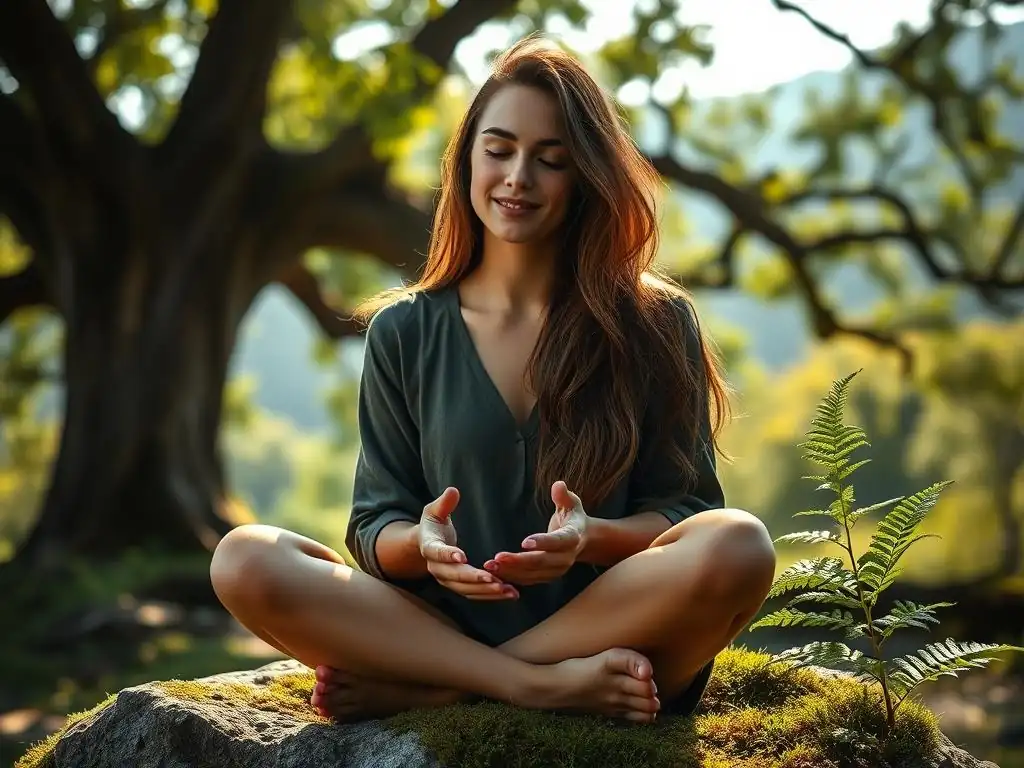
Welcome to Mind Care Guide, a safe space dedicated to nurturing your mental well-being. Feeling overwhelmed by anxiety? You're not alone. In this article, we delve into the powerful practice of Mindfulness for anxiety reduction, exploring not just what it is, but why it works. Discover practical techniques and a deeper understanding of how mindfulness can transform your relationship with anxiety, and pave the way for a calmer, more centered you. Ready to take the first step?
Understanding the "Why" and "What" of Mindfulness: A Mind Care Guide
- Introduction to Mindfulness for Anxiety Reduction
- The Core Principles of Mindfulness
- The "Why" Behind Mindfulness: Unveiling the Benefits
- The "What" of Mindfulness: Exploring Different Practices
- Mindfulness vs. Meditation: Understanding the Difference
- Common Misconceptions About Mindfulness
- Getting Started with Mindfulness for Anxiety
- Conclusion: Embracing Mindfulness for a Calmer and More Focused Life
-
Frequently Asked Questions
- What exactly is mindfulness, and how does it differ from meditation?
- How can mindfulness specifically help with anxiety reduction?
- What are some practical ways to incorporate mindfulness into my daily routine?
- Is mindfulness a quick fix for anxiety, or does it require consistent practice?
- Are there any potential downsides or challenges to practicing mindfulness?
- Final Reflection: Cultivating Inner Peace in a Frantic World
- Unleash Your Inner Calm: Start Your Mindfulness Journey Now
Introduction to Mindfulness for Anxiety Reduction
What is Mindfulness? Defining Mindfulness for Anxiety Relief
Mindfulness is a state of active, open attention on the present moment. When you're mindful, you observe your thoughts and feelings from a distance, without judging them as good or bad. Instead of letting your life pass you by, mindfulness involves living in the moment and awakening to experience. It's about being fully present, aware of where you are and what you're doing, and not overly reactive or overwhelmed by what's going on around you. This practice is increasingly recognized as a powerful tool for managing everyday stress and specifically, mindfulness for anxiety reduction.
Defining mindfulness in the context of anxiety relief means understanding it as a practice that helps you relate differently to anxious thoughts and feelings. It's not about eliminating anxiety, but about noticing it without getting swept away. By cultivating this present-moment awareness, individuals can learn to observe the physical sensations, thoughts, and emotions associated with anxiety without automatically reacting to them. This creates space between the trigger and the reaction, offering a pathway to calmer responses and a greater sense of control over one's internal state, which is foundational for effective mindfulness for anxiety reduction.
Why is Mindfulness Important for Mental Well-being?
Mindfulness offers numerous benefits for overall mental well-being, extending far beyond just managing anxiety. It helps individuals develop resilience, improve emotional intelligence, and foster a more positive outlook on life. By regularly practicing mindfulness, people become better equipped to handle life's challenges, navigate difficult emotions, and build stronger, more meaningful connections with others. It provides a stable anchor in the often turbulent seas of daily life, promoting inner peace and stability.
The importance of mindfulness for mental well-being is underscored by its ability to interrupt negative thought cycles that contribute to conditions like depression and chronic stress. It teaches the mind to gently return to the present moment, rather than dwelling on past regrets or future worries. This shift in focus can significantly reduce rumination, a common driver of anxiety and low mood. Furthermore, mindfulness enhances self-compassion, encouraging a kinder attitude towards oneself during times of difficulty, which is vital for healing and growth.
The Core Principles of Mindfulness
Paying Attention Intentionally: The Foundation of Mindfulness Practice
The first core principle of mindfulness is paying attention intentionally. This means consciously directing your awareness to your present experience, whether it's your breath, bodily sensations, thoughts, or external surroundings. It's not passive observation; it's an active process of choosing where to place your attention and gently bringing it back when the mind wanders, which it inevitably will. This intentional focus is the bedrock upon which all mindfulness practices are built and is crucial for developing mindfulness for anxiety reduction.
Developing the ability to pay attention intentionally takes practice. Initially, you might find your mind is constantly pulled in different directions by distractions, worries, or urges. However, each time you notice your mind has wandered and gently guide it back to your chosen focus, you are strengthening the 'muscle' of attention. This skill is particularly beneficial when dealing with anxiety, as it helps you disengage from anxious thought loops and ground yourself in the immediate reality, making intentional attention a vital component of mindfulness for anxiety reduction.
Acceptance and Non-Judgment: Cultivating a Mindful Attitude
Acceptance and non-judgment are perhaps the most challenging yet transformative principles of mindfulness. Acceptance does not mean approving of difficult experiences; it means acknowledging their presence without resisting them. When you experience anxiety, for example, acceptance means recognizing the feeling is there without wishing it away or fighting against it. Non-judgment involves observing your internal and external experiences without labeling them as 'good' or 'bad', 'right' or 'wrong'. It's about observing with curiosity and kindness.
Cultivating a mindful attitude of acceptance and non-judgment allows you to relate to your experiences, including anxious thoughts and feelings, with greater ease. Instead of adding layers of self-criticism or frustration to already difficult emotions ("I shouldn't feel this way," "This is terrible"), you learn to observe them as temporary states. This non-reactive stance significantly reduces the suffering associated with challenges, as much of our distress comes from our resistance to reality rather than the reality itself. Embracing acceptance and non-judgment is key to unlocking the full potential of mindfulness for anxiety reduction.
Living in the Present Moment: Mindfulness and Anxiety
Living in the present moment is central to mindfulness. It means fully engaging with what is happening right now, rather than being preoccupied with the past or worried about the future. For many people, particularly those struggling with anxiety, the mind spends significant time rehashing past events or catastrophizing future possibilities. This constant mental time travel fuels worry and prevents genuine engagement with current life.
Mindfulness directly counters this tendency by training the mind to anchor itself in the 'now'. By focusing on sensory input – the feeling of your feet on the ground, the sounds around you, the rhythm of your breath – you bring your awareness back from the mental narratives that generate anxiety.
This doesn't mean ignoring the past or future entirely, but rather recognizing when your mind is stuck there and gently redirecting it. Regularly returning to the present moment through mindfulness significantly reduces the mental space available for anxious rumination, making it a powerful technique in mindfulness for anxiety reduction.
The "Why" Behind Mindfulness: Unveiling the Benefits
Mindfulness for Anxiety Reduction: A Scientifically-Backed Approach
The effectiveness of mindfulness for anxiety reduction is well-supported by scientific research. Numerous studies have demonstrated that regular mindfulness practice can lead to significant decreases in reported anxiety levels and even changes in brain structure and function related to emotional regulation. For instance, research using fMRI scans has shown that individuals who practice mindfulness regularly exhibit decreased activity in the amygdala, the brain's fear center, and increased connectivity between the amygdala and the prefrontal cortex, which is involved in higher-order thinking and emotional regulation.
Clinical trials of mindfulness-based interventions, such as Mindfulness-Based Stress Reduction (MBSR) and Mindfulness-Based Cognitive Therapy (MBCT), have shown promising results for individuals with various anxiety disorders. Studies have reported that participants often experience a reduction in anxiety symptoms by 20-40% or more after completing an 8-week program. These findings highlight that mindfulness is not just a relaxation technique, but a profound practice that can rewire the brain and alter our relationship with anxious thoughts and feelings, solidifying its role as a scientifically-backed approach to mindfulness for anxiety reduction.
Reducing Stress and Improving Emotional Regulation with Mindfulness
Beyond specific anxiety reduction, mindfulness is incredibly effective at reducing overall stress levels. Chronic stress is a major contributor to both physical and mental health problems. Mindfulness helps by altering our physiological response to stress. When faced with a perceived threat (like a stressful thought), the body activates the 'fight or flight' response. Mindfulness practice can dampen this response, promoting a sense of calm and reducing the production of stress hormones like cortisol.
Furthermore, mindfulness significantly improves emotional regulation. By observing emotions without judgment, you learn to recognize them as temporary states rather than overwhelming forces. This allows you to respond to emotions more skillfully instead of reacting impulsively. For someone prone to anxiety, this means recognizing the onset of anxious feelings and choosing to pause and breathe, rather than immediately spiraling into worry. This enhanced ability to manage and respond to emotions is a crucial benefit derived from practicing mindfulness for anxiety reduction.
Enhancing Self-Awareness and Clarity Through Mindful Practices
Mindfulness is fundamentally a practice of self-awareness. By paying close attention to your internal experience – your thoughts, feelings, and bodily sensations – you gain a deeper understanding of yourself. You start to notice patterns in your thinking, triggers for certain emotions, and the subtle ways your body communicates with you. This heightened self-awareness is empowering, as it allows you to make conscious choices about how you respond to situations rather than operating on autopilot.
This increased clarity also extends to understanding the nature of your thoughts and feelings. Through mindful observation, you realize that thoughts are not facts, and feelings are temporary. This perspective can significantly reduce the power that negative or anxious thoughts hold over you. When you can observe a thought like "I'm going to fail" simply as a thought, rather than believing it implicitly, its ability to generate anxiety diminishes. This clarity is a direct benefit of mindful practices and contributes significantly to the effectiveness of mindfulness for anxiety reduction.
Mindfulness and Improved Focus & Concentration
While often associated with relaxation, mindfulness also significantly enhances cognitive functions, particularly focus and concentration. The core practice of mindfulness involves training your attention to stay on a chosen object (like the breath) and gently bringing it back whenever it wanders. This repetitive exercise strengthens the neural pathways associated with attention control.
Regular mindfulness practice can lead to improved sustained attention, reduced distractibility, and enhanced working memory. For someone experiencing anxiety, which often fragments attention and makes concentration difficult, this improved focus can be incredibly beneficial. It helps in staying present during tasks, absorbing information more effectively, and reducing the mental clutter that anxious thoughts create. This cognitive benefit complements the emotional benefits of mindfulness, making it a holistic approach to improving mental functioning alongside using mindfulness for anxiety reduction.
The "What" of Mindfulness: Exploring Different Practices
Mindfulness Meditation Techniques for Anxiety
Mindfulness meditation is the most common formal practice and involves setting aside dedicated time to cultivate mindfulness. While there are many variations, several techniques are particularly helpful for managing anxiety. These practices train the mind to be present and non-reactive, directly addressing the core mechanisms of anxiety.
Focused Attention Meditation: Anchoring Your Awareness
Focused attention meditation involves directing your attention to a single object, such as your breath, bodily sensations, or sounds. When your mind inevitably wanders, you gently notice the distraction and guide your attention back to the chosen object. This is like exercising a muscle; each time you return your attention, you strengthen your ability to focus.
For anxiety, focusing on the breath is often recommended because the breath is always in the present moment and is a physiological anchor. When anxiety arises, the breath often becomes shallow or rapid. By intentionally focusing on the natural rhythm of your breath – observing the inhale and exhale without trying to change it – you can calm the nervous system and bring yourself back to the present. This simple act of anchoring awareness through focused attention is a powerful tool in mindfulness for anxiety reduction.
Open Monitoring Meditation: Observing Thoughts and Feelings
Open monitoring meditation, also known as choiceless awareness, involves expanding your awareness to observe whatever arises in your experience without focusing on one specific object. This includes thoughts, feelings, bodily sensations, and external stimuli. The key is to observe these phenomena without judgment or getting caught up in them.
When practicing open monitoring for anxiety, you might notice anxious thoughts or feelings arise. Instead of engaging with them, analyzing them, or trying to push them away, you simply acknowledge their presence, perhaps thinking "Ah, there is an anxious thought," and let them pass like clouds in the sky. This practice helps you see that thoughts and feelings are transient events, not permanent realities, reducing their power over you and fostering resilience against being overwhelmed by anxiety.
Body Scan Meditation: Cultivating Body Awareness
Body scan meditation involves systematically bringing your attention to different parts of your body, noticing any sensations present without judgment. You might start with your toes and slowly move up through your legs, torso, arms, neck, and head. The purpose is not to relax the body (though that is often a side effect) but to develop a greater awareness of physical sensations.
Anxiety often manifests with physical symptoms like tension, racing heart, or stomach discomfort. The body scan helps you become familiar with these sensations in a non-reactive way. By acknowledging tightness in your chest, for example, without labeling it as 'bad' or catastrophizing, you reduce the secondary anxiety often generated by the physical symptoms themselves. This practice grounds you in your physical reality, pulling you out of anxious thought loops and making it a valuable technique in mindfulness for anxiety reduction.
Mindful Movement: Yoga and Tai Chi for Anxiety
Mindfulness doesn't have to be practiced sitting still. Mindful movement practices like yoga and Tai Chi integrate physical activity with present-moment awareness. These disciplines encourage you to pay attention to bodily sensations, breath, and the movements of your body as you flow through postures or forms.
Yoga, for example, involves moving through various poses while coordinating breath with movement. Paying attention to the physical sensations in each pose and noticing the breath helps anchor you in the present moment. Similarly, Tai Chi involves slow, deliberate movements performed with focused attention on posture and breath. Both practices promote relaxation, reduce muscle tension (often associated with anxiety), and cultivate a stronger mind-body connection. Engaging in mindful movement can be a dynamic and effective way to practice mindfulness for anxiety reduction, offering physical as well as mental benefits.
Mindful Breathing Exercises for Stress Relief
Simple mindful breathing exercises are one of the most accessible and immediate ways to engage in mindfulness for stress and anxiety relief. The breath is always available and serves as a constant anchor to the present moment. Focusing on the breath can quickly interrupt stress responses and bring a sense of calm.
Basic mindful breathing involves simply paying attention to the sensation of the breath entering and leaving the body. You can notice the rise and fall of your abdomen or chest, the feeling of air passing through your nostrils, or the temperature difference between the inhale and exhale. When your mind wanders, gently return your attention to the breath. Even just a few minutes of focused, mindful breathing can activate the parasympathetic nervous system, promoting relaxation and reducing the physiological symptoms of stress and anxiety.
Integrating Mindfulness into Daily Life: Simple Practices
Mindfulness is not confined to formal meditation sessions; it can be woven into the fabric of everyday life. Integrating simple mindful practices throughout your day helps maintain a state of presence and can significantly reduce cumulative stress and anxiety. These small acts of intentional awareness add up over time.
Mindful Eating: Savoring Each Bite
Mindful eating involves paying full attention to the experience of eating. This means noticing the colors, textures, and smells of your food, chewing slowly, and paying attention to the tastes and sensations in your mouth. It also involves noticing hunger and fullness cues.
Instead of rushing through meals or eating while distracted by screens, mindful eating encourages you to slow down and appreciate the nourishment you are receiving. This practice can reduce stress around food, improve digestion, and bring a sense of presence to a common daily activity. For someone experiencing anxiety, slowing down and focusing on the sensory experience of eating can be a grounding exercise.
Mindful Walking: Connecting with Your Surroundings
Mindful walking involves paying attention to the physical sensations of walking and your surroundings. You might notice the feeling of your feet hitting the ground, the movement of your legs, or the swing of your arms. You can also expand your awareness to notice the sights, sounds, and smells around you.
This practice turns a routine activity into an opportunity for presence. Instead of letting your mind race with worries during a walk, you intentionally engage with the experience. This can be particularly helpful when feeling restless or overwhelmed by anxiety, providing a simple yet effective way to practice mindfulness for anxiety reduction while being active.
Mindful Communication: Listening with Presence
Mindful communication involves bringing your full, non-judgmental attention to interactions with others. This means truly listening when someone is speaking, without formulating your response or getting distracted by internal thoughts. It also involves speaking mindfully, being aware of your words and their impact.
Engaging in mindful communication can reduce misunderstandings, strengthen relationships, and decrease the social anxiety that some people experience. By focusing on the present moment of interaction, you are less likely to get caught up in self-conscious thoughts or worries about what others think. This practice enhances connection and reduces interpersonal stress, contributing to overall well-being.
Mindfulness vs. Meditation: Understanding the Difference
While often used interchangeably, mindfulness and meditation are distinct concepts, though closely related. Understanding this distinction is important for a clear grasp of what mindfulness entails.
Mindfulness as a Quality of Being
Mindfulness can be understood as a quality of being – a state of present-moment awareness and non-judgment that can be cultivated. It is the result or the goal of certain practices. You can be mindful while doing anything: washing dishes, listening to music, or talking to a friend. It's about the how of the experience – whether you are fully present for it.
This quality of being is what we aim to embody more consistently in our lives. When we talk about the benefits of mindfulness for anxiety reduction, we are referring to the positive changes that occur when we cultivate this state of present, non-judgmental awareness and apply it to our internal experience.
Meditation as a Tool to Cultivate Mindfulness
Meditation, particularly mindfulness meditation, is a formal practice used to cultivate the quality of mindfulness. It is a specific activity you engage in, typically for a set period, with the intention of training your attention and awareness. Sitting meditation, walking meditation, and body scans are all forms of meditation designed to build the skill of being mindful.
Think of it like this: physical fitness is a quality (like mindfulness), and going to the gym or running are the exercises (like meditation) you do to build that fitness. Regular meditation practice strengthens your capacity for mindfulness, making it easier to bring that quality of presence and non-judgment into the rest of your day, thereby enhancing your ability to manage stress and practice mindfulness for anxiety reduction.
Common Misconceptions About Mindfulness
Despite its growing popularity, mindfulness is often misunderstood. Clarifying these misconceptions is important for anyone looking to begin or deepen their practice, especially when seeking mindfulness for anxiety reduction.
Mindfulness is Not About Emptying Your Mind
One of the most common misconceptions is that mindfulness requires clearing your mind of all thoughts. This is an impossible task and can lead to frustration. The mind naturally produces thoughts, much like the heart beats or the lungs breathe. Mindfulness is not about stopping thoughts; it's about changing your relationship to your thoughts.
Instead of trying to empty your mind, mindfulness teaches you to observe thoughts as they arise and pass, without getting caught up in them or judging yourself for having them. You learn to see that you are not your thoughts. This is particularly helpful with anxious thoughts; you don't need to eliminate them, just learn to notice them without getting pulled into a spiral of worry.
Mindfulness is Not a Quick Fix for Anxiety
While mindfulness can offer immediate moments of calm, it is not a magic bullet or a quick fix for chronic anxiety or other mental health challenges. Significant and lasting benefits, such as a sustained reduction in anxiety levels, typically require consistent practice over time. It's a skill that develops gradually, like learning a musical instrument or a new language.
Expecting instant results can lead to discouragement. Mindfulness is best approached with patience and persistence. Even short periods of practice, done regularly, can accumulate positive effects. Understanding that mindfulness for anxiety reduction is a journey, not a destination, is key to maintaining motivation and reaping its long-term benefits.
Mindfulness Requires Practice and Patience
Building on the previous point, mindfulness is a practice that requires dedication and patience. Just as you wouldn't expect to be fit after one workout, you won't become perfectly mindful after one meditation session. There will be days when your mind feels particularly busy or restless, and that is completely normal.
Viewing mindfulness as a practice means acknowledging that some days will be easier than others. The goal is consistency, not perfection. Be patient with yourself, especially when starting. Every time you sit down to practice, or bring mindful awareness to a daily activity, you are reinforcing the habit and building your capacity for presence and non-judgment, which ultimately strengthens your ability to use mindfulness for anxiety reduction effectively.
Getting Started with Mindfulness for Anxiety
Embarking on a mindfulness journey can feel daunting, but there are many accessible ways to begin. Starting small and finding resources that resonate with you are key steps.
Finding a Qualified Mindfulness Teacher or Guide
For those seeking a structured and supportive introduction to mindfulness, especially for managing anxiety, finding a qualified teacher or guide can be invaluable. Programs like MBSR or MBCT are typically led by certified instructors who provide systematic training in various mindfulness techniques, group support, and guidance on integrating the practice into daily life.
A good teacher can provide personalized insights, help troubleshoot common challenges, and create a safe environment to explore your inner experience. While self-guided practice is possible, learning from an experienced guide can deepen your understanding and commitment to mindfulness for anxiety reduction.
Utilizing Mindfulness Apps and Online Resources
In today's digital age, numerous mindfulness apps and online resources offer accessible ways to get started. Apps like Calm, Headspace, or Insight Timer provide guided meditations of varying lengths, programs tailored to specific goals (like anxiety or sleep), and tracking features.
Online platforms offer courses, videos, and articles on mindfulness. These resources can be a convenient way to explore different techniques, learn at your own pace, and fit practice into a busy schedule. While they don't replace the depth of in-person guidance for complex issues, they are excellent tools for building a consistent practice and exploring the basics of mindfulness for anxiety reduction.
Creating a Supportive Environment for Mindfulness Practice
Creating a dedicated space and time for mindfulness practice can significantly help establish a routine. This doesn't require elaborate setup; it could be a quiet corner in your home where you won't be interrupted. Committing to a regular time, even just 5-10 minutes daily, is more effective than sporadic long sessions.
Consider setting a reminder on your phone, letting family members know you need quiet time, or integrating practice into an existing routine, like before breakfast or bedtime. A supportive environment also includes being kind to yourself when practice is challenging. Remember that consistency and patience are more important than achieving a perfect state of calm every time you practice mindfulness for anxiety reduction.
Conclusion: Embracing Mindfulness for a Calmer and More Focused Life
Understanding the "why" and "what" of mindfulness reveals it as a powerful, evidence-backed approach to improving mental well-being, particularly effective as mindfulness for anxiety reduction. It's not a fleeting trend but a practice rooted in ancient wisdom, now supported by modern science. By cultivating present-moment awareness with acceptance and non-judgment, individuals can learn to navigate the challenges of life, including anxious thoughts and feelings, with greater ease and resilience.
Embracing mindfulness means committing to a journey of self-discovery and conscious living. Whether through formal meditation, mindful movement, or simply bringing more awareness to daily activities, consistent practice builds the capacity for a calmer, more focused, and fulfilling life. As you explore the various techniques and integrate mindfulness into your routine, remember to approach it with patience, kindness, and curiosity, unlocking its potential to transform your relationship with your mind and enhance your overall well-being.
Frequently Asked Questions
What exactly is mindfulness, and how does it differ from meditation?
Mindfulness is paying attention to the present moment without judgment. While meditation is a technique often used to cultivate mindfulness, mindfulness itself is a broader state of awareness that can be applied to everyday activities.
How can mindfulness specifically help with anxiety reduction?
Mindfulness helps reduce anxiety by training you to observe anxious thoughts and feelings without getting carried away by them. This detached observation allows you to break free from the cycle of anxiety and develop a sense of inner calm.
What are some practical ways to incorporate mindfulness into my daily routine?
Start small! You can practice mindful breathing for a few minutes each day, pay attention to the sensations of eating, or focus on the feeling of your feet on the ground while walking. The goal is to bring awareness to ordinary moments.
Is mindfulness a quick fix for anxiety, or does it require consistent practice?
Mindfulness is not a quick fix. It requires consistent practice to develop the skills needed to manage anxiety effectively. Think of it as a muscle you need to strengthen over time.
Are there any potential downsides or challenges to practicing mindfulness?
While generally safe, some individuals may find that mindfulness initially increases anxiety as they become more aware of their internal state. It's essential to approach it with patience and self-compassion, and seek guidance from a professional if needed.
Final Reflection: Cultivating Inner Peace in a Frantic World
The pursuit of mindfulness isn't a fleeting trend; it's a vital tool for navigating the anxieties of modern life. In a world saturated with information and demands, the ability to find stillness and presence within ourselves is more crucial than ever before. The techniques explored in this article – from understanding the core principles of mindfulness to practical applications for anxiety reduction – offer a pathway to a calmer, more centered existence.
The impact of mindfulness on our cultural landscape is undeniable, shifting from a niche practice to a widely recognized approach to well-being. We see its integration into workplaces, schools, and even healthcare settings, reflecting a growing awareness of its power to alleviate stress and improve mental health. This shift is profoundly personal to me, as I've witnessed firsthand the transformative effects of consistent mindfulness practice on my own anxiety levels. Mindfulness isn't about escaping life, it's about finding peace within it.
This quote perfectly encapsulates the essence of what we've explored.
Now, I invite you to consider your own relationship with anxiety. What small steps can you take today to incorporate mindfulness into your daily routine? Perhaps it's a few minutes of deep breathing in the morning, a mindful walk during your lunch break, or simply pausing to appreciate the present moment before reacting to a stressful situation. The journey towards inner peace is a personal one, but the rewards – a calmer mind, reduced anxiety, and a greater sense of self-awareness – are immeasurable. Begin your journey today.
Unleash Your Inner Calm: Start Your Mindfulness Journey Now
Thanks for taking the time to explore the world of mindfulness with us! We hope you gained valuable insights into its "why" and "what." Ready to take the next step?
- Begin your daily mindfulness practice: Start with just 5 minutes of quiet reflection each day. Even short sessions can make a significant difference. Try focusing on your breath, or simply observing your thoughts without judgment.
- Share your experience: Discuss your newfound understanding of mindfulness with a friend, family member, or in the comments below. Let's build a supportive community!
- Explore guided meditations: Many free resources are available online to guide you through different mindfulness techniques. Experiment and find what resonates best with you.
What small step will you take today to cultivate more peace and presence in your life?